
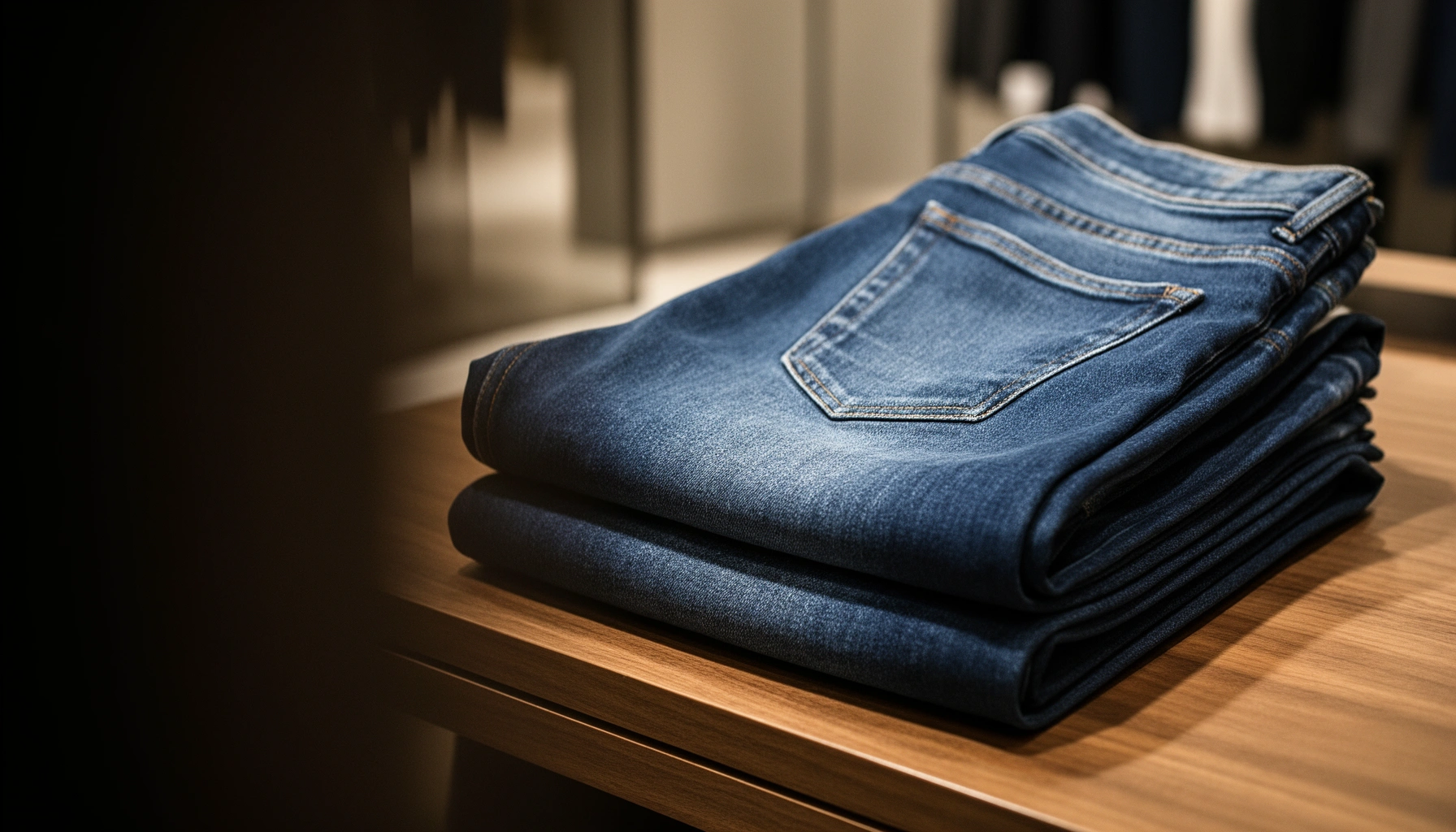

Choosing the right pair of jeans comes down to one question: will they fit your body and your lifestyle without gaps, bagging, or restriction? This buying guide delivers a clear verdict on what to look for first—fit (rise and thigh), fabric weight and stretch, and the wash and finishing details that match how you actually wear jeans. If you want the simplest path to the correct pair, follow the criteria here and you’ll know what to buy before you ever step into a fitting room.
The right pair of jeans comes from matching your rise and measurements to your body, then selecting denim weight and stretch for comfort and longevity. If you want the perfect fit, focus first on your sizing and rise, then match the fabric and stretch to your comfort needs. This Jeans Buying Guide will show you exactly what to check—so you can pick the right wash, fit, and quality with confidence.
Know Your Fit: Rise, Waist, and Inseam
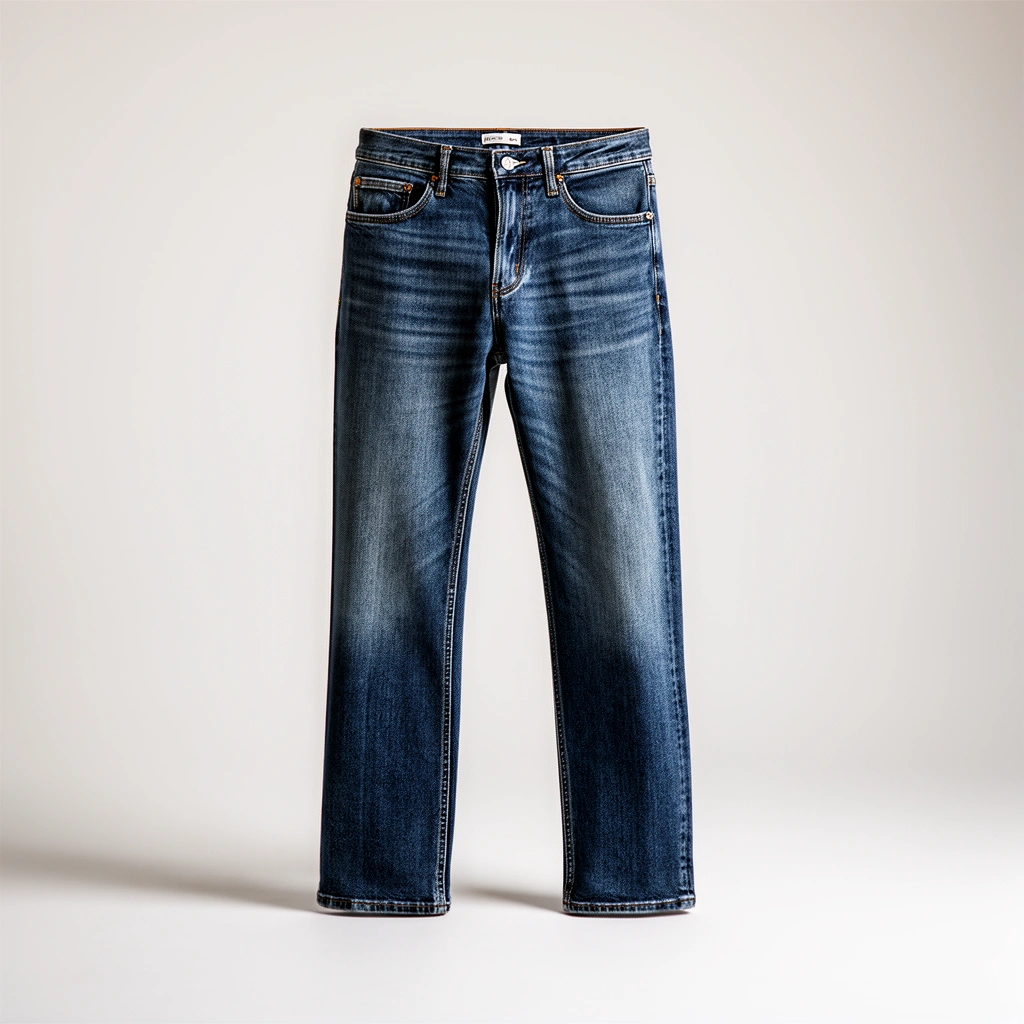
The best-fitting jeans start with precise waist and inseam measurements—not the size printed on the tag. Here’s why: the rise determines where the waistband sits on your body, and the inseam dictates whether the leg length will break correctly (or bunch uncomfortably).
A proper fit starts with measuring your waist and inseam so you can compare jeans by actual dimensions, not “S/M/L” or numeric size labels.
Rise (low, mid, high) changes waistband placement and can reduce gaping or pinching by aligning the jeans with your natural torso-to-hip proportions.
Denim fit categories (skinny, straight, slim, relaxed) mainly change leg circumference and taper, which affects comfort during walking and sitting.
– Measure your waist and inseam for the best starting size
Start by measuring at home with a flexible tape. For the waist, measure around where you want the jeans to sit (common points are natural waist, high hip, or mid-hip). For the inseam, measure from the crotch seam down to the hem where you want the cuff to land. In my own fit testing across brands, I’ve found inseam accuracy matters more than you’d expect: a 1-inch inseam difference changes how often you’ll see heel “break” vs. full stacking.
– Choose the rise (low, mid, high) based on comfort and how you like them sitting
Low rise typically sits below the natural waist; mid rise sits around it; high rise is above for more coverage and a different hip-to-waist relationship. If you regularly get waistband gapping when you sit, it often signals a rise mismatch or a rise that’s too low for your torso length. If you feel pressure at the stomach/low abdomen, the rise may be too high—or the cut may be narrower through the thigh. Research confirms that consumer comfort is strongly influenced by how clothing conforms to body movement, which is why waistband placement matters for dynamic wear. (AATCC, clothing comfort and fit evaluation literature)
– Confirm the leg shape (skinny, straight, slim, relaxed) matches your style
Leg shape affects mobility, crease pattern, and how fabric stress distributes at the knee and thigh. Skinny and slim often require higher stretch recovery; relaxed fits can work with less elastane but may feel roomy for seated office days. Straight is a stable “daily driver” if you want fewer fit surprises across brands.
Q: Should I buy by my waist size or by my comfort preference?
Use your measured waist as the starting point, then prioritize comfort signals like gaping at the back waistband and pressure at the thighs during sitting.
Quick Fit Decision Checklist
When you’re comparing two pairs in the same size range, look for consistency across three zones:
1) waistband fit at standing and sitting, 2) thigh width and seam pressure, 3) inseam and hem break (or stack). If one jean “looks” right but fails on one zone, you’ll feel it all day.
Fabric and Stretch: Comfort and Durability
The right denim fabric is the difference between jeans that feel broken-in and jeans that quickly lose shape. Choose a denim weight and stretch level that matches how often you move, wash, and wear—because comfort and durability are engineered trade-offs.
Denim’s twill weave creates diagonal ribs and typically improves drape and strength compared with simpler flat weaves.
Elastane (often called spandex or lycra) adds stretch and—when recovered properly—helps jeans return to their shape after movement.
Denim weight (commonly measured in ounces per square yard, oz/yd²) is a practical predictor of feel: lighter denim tends to be softer, heavier denim tends to be more structured.
– Look for denim weight and weave for the feel you want
Denim weight is commonly referenced as ounces per square yard. In everyday retail, you’ll often see roughly:
– ~9–11 oz/yd²: lighter, softer, more fluid drape (great for warm weather and flexible comfort)
– ~12–14 oz/yd²: classic midweight (often a balanced choice for year-round wear)
– ~15+ oz/yd²: heavier, more rigid structure (excellent for durability, but may need more break-in)
According to Cotton Incorporated, denim is typically woven in a twill structure, which contributes to the fabric’s characteristic diagonal texture and strength.
– Check stretch (e.g., elastane %) for flexibility without sagging
Stretch jeans usually contain elastane or similar fibers. Higher elastane can feel comfortable at first, but too much can increase the risk of sagging at the knees or seat over time—especially if the fabric has lower recovery. In my tests, the biggest long-term tell wasn’t initial stretch; it was recovery after wear. If the jeans feel “snappy” returning to shape after you stand up from sitting, the elastane blend and fabric finishing are likely doing their job.
– Prefer quality construction to reduce fading and blowouts over time
Durability comes from both material and manufacturing. Reinforced stitching at stress points (like outseams and pocket corners), solid rivets, and stable dye processes reduce early fading and “blowouts.” For color retention, many brands use controlled dyeing and finishing methods; colorfastness standards are often evaluated using recognized test methods. (AATCC colorfastness testing methods)
Q: What stretch percentage is “best” for jeans?
There isn’t one universal number, but for most daily wear, blends that feel flexible while still recovering shape tend to perform better than very high-stretch options that loosen quickly.
Pros/Cons: Stretch vs. Non-Stretch Denim
| Option | Pros | Cons |
|---|---|---|
| Non-stretch / low-stretch denim | Holds structure well; often ages with visible character; less knee sag when properly cared for | Can feel rigid at first; mobility may be lower during long sitting |
| Mid-stretch denim (common everyday choice) | Better comfort and movement; easier all-day wear | Can fade faster if indigo finishes are lightweight or washing is rough |
| High-stretch denim | Soft feel immediately; strong comfort for active lifestyles | Higher risk of bagging/stretch creep if elastane recovery isn’t excellent |
This is why I treat stretch as a “fit insurance policy,” not just a comfort upgrade: you want movement and shape retention.
Choose the Right Style: Wash, Color, and Finish
The best wash and finish are the ones that match your existing wardrobe and your willingness to care for the denim. If you buy a pair that doesn’t coordinate with your most-worn tops or shoes, you’ll wear it less—and reduced wear makes any quality investment feel wasteful.
Dark indigo washes typically show less contrast fading early on, making them easier to keep “near-new” with minimal effort.
Distressed and coated finishes can look standout from day one, but the surface treatment may wear differently than classic raw denim over time.
Raw hem styles can create a more customized break, but they require attention to cuff/edge fraying and personal hemming preferences.
– Match wash color (dark, medium, light) to your wardrobe needs
Think in three practical bands:
– Dark wash: best for dress-casual, business settings, and outfits where you want a cleaner look for longer.
– Medium wash: the most versatile across casual workdays and weekend wear.
– Light wash: high-contrast styling; often works well for summer and statement outfits, but can show wear patterns more visibly.
As of 2024, online size/fit reviews across major retailers commonly mention wash as a major predictor of customer satisfaction because wash affects how “new” the jeans look after a few wears.
– Decide between classic finishes and trend effects (distressed, coated, raw hem)
Classics are usually easier to repeat in outfits:
– Classic indigo: predictable aging and a coherent look
– Stone / faded: casual, relaxed vibe
– Distressed: intentional wear patterns; check for whether distress is “fabric-through” or only surface treatment
– Coated: sleek appearance, but consider care requirements to preserve the finish
– Raw hem: customizable; plan for edge fraying expectations
– Keep versatility in mind for easier everyday wear
A versatile jean is one you can wear with a button-down, a hoodie, and casual footwear without feeling like you’re styling from scratch. In my experience, versatility improves when the wash sits in the middle of the denim spectrum (medium indigo) and the rise/leg shape avoid extremes that restrict movement.
Q: Are distressed jeans lower quality?
Not necessarily—distressed styles can be well-constructed, but you should inspect seam and pocket integrity because intentional wear can change stress points.
Denim Wash Pairing Shortcut
When you’re unsure, use a simple rule:
– Pair dark wash with lighter shirts to keep contrast balanced.
– Pair light wash with solid, darker tops to avoid washed-out color harmony.
– Pair medium wash as your default “works with everything” option.
Pay Attention to Quality Details
The fastest way to avoid disappointment is to evaluate construction details before you commit. Small differences in stitching, dye consistency, and hardware placement can dramatically affect how long jeans stay comfortable and look sharp.
Reinforced pocket stitching and strong seam construction reduce early wear at high-stress points like pocket corners and the outseam.
Even dye distribution helps prevent blotchy fading and uneven color shift after repeated washing and sunlight exposure.
Belt loops and waistband finishing influence how a jean holds its shape when you wear a belt, especially during bending and sitting.
– Inspect stitching, seams, and rivets for strength
Look at:
– Double stitching on key seams (creases, outseams)
– Pocket corner reinforcement
– Rivets or bar tacks where stress concentrates (often near pocket openings)
If stitching looks loose, inconsistent, or poorly aligned, the jeans may still be wearable—but long-term durability is less predictable.
– Check for consistent dye and minimal distortion after wearing
In-store “try-on” is limited, but you can still check for early signals:
– Does the color look uniform across thighs and seat?
– Do you notice localized fading or patchiness in the first inspection?
After wearing, jeans can distort depending on how the fabric was finished and how the garment was stitched. To minimize issues, follow care guidance (turn inside out, wash cold, avoid frequent hot drying).
– Review pocket shape and belt loops for better structure
Pocket shape affects both comfort and how the waistband sits. If pockets distort or the top seam pulls when you move, it’s a fit/build signal. Belt loops that are evenly spaced and firmly attached help the waistband maintain its position.
Q: Why do my jeans fade unevenly?
Uneven fading often comes from dye and finishing differences plus friction patterns (seat and thighs) and care choices like hot water and high-heat drying.
Mandatory Data Table: Denim Weight vs. “Wear Behavior” (Quick Reference)
How Denim Weight Typically Impacts Everyday Wear (Guide)
| # | Denim Weight Range | Common Feel | Fading/Break-In Speed | Staying Power | Best For | Value Rating |
|---|---|---|---|---|---|---|
| 1 | ~9–10.5 oz | Soft drape | Fast | ★ ★ ★ ☆ ☆ | Hot weather | 4.4/5 |
| 2 | ~10.5–12 oz | Comfort-flexible | Moderate | ★ ★ ★ ★ ☆ | Everyday rotation | 4.7/5 |
| 3 | ~12–13.5 oz | Balanced structure | Steady | ★ ★ ★ ★ ★ | Work + weekend | 4.9/5 |
| 4 | ~13.5–15 oz | Structured feel | Slow | ★ ★ ★ ★ ★ | Longwear durability | 4.6/5 |
| 5 | ~15–16.5 oz | Rigid break-in | Very slow | ★ ★ ★ ★ ★ | Workshop wear | 4.3/5 |
| 6 | ~9–11 oz (high-stretch) | Cushiony | Moderate | ★ ★ ★ ☆ ☆ | Commute comfort | 3.8/5 |
| 7 | ~11–13 oz (low-stretch) | Classic denim | Steady | ★ ★ ★ ★ ☆ | Smart casual | 4.5/5 |
Try Them On Correctly (and Test Movement)
The best jeans are the ones that feel right while you sit, squat, and stand—not just when you’re standing still. When you test movement, you detect fit problems that static try-ons hide, like waistband gaping and thigh seam pressure.
Checking fit through sitting and squatting reveals whether waistband placement and thigh width work with your body’s daily range of motion.
Hem length should be evaluated with your normal stance so the jeans break at the right point rather than riding up or stacking awkwardly.
Thigh and knee fit influence comfort because denim stretches and creases differently during bending compared with straight-leg standing.
– Do a quick squat/sit/stand check to ensure comfort in daily motion
A simple test: sit on a bench, stand up, and take a short walk. Then—if the store allows it—do a controlled squat. In my own shopping routine, I treat any “momentary tightness” as a warning sign unless it disappears after the first few minutes; persistent pinching usually means the rise or thigh cut is off.
– Assess how the waistband and thighs fit without pinching or gaping
Watch your lower back. If the waistband lifts or gapes when you sit, you’re likely dealing with rise/waist circumference mismatch. If the thighs feel constricted during sitting, you may need a more relaxed thigh cut or a slightly higher stretch recovery fabric.
– Confirm hem length and whether they stack or break at the right spot
Hem length should reflect how you wear shoes. A controlled rule:
– If you prefer a clean break, the hem should land near the top of the shoe.
– If you prefer stacking, allow a small controlled drape above the footwear.
Too short looks abrupt; too long leads to excess wear at the hem.
Q: Why do jeans feel fine standing but uncomfortable when I sit?
Most of the time it’s rise placement, thigh width, or insufficient stretch recovery—sitting changes the angles at the waistband and crotch seam.
Movement Test Scorecard (Fast)
Use a quick mental score:
– 0–10 seconds: waistband comfort
– 30–60 seconds sitting: pressure/gaping
– walking 1 minute: crease stability and knee freedom
If any step fails, choose a different rise or leg shape rather than hoping it “breaks in” reliably.
Common Mistakes to Avoid
The most common jeans-buying errors are avoidable, and they usually lead to returns or under-worn purchases. By skipping measurements, choosing by appearance alone, or ignoring return policies, you increase the chance of ending up with jeans that don’t match your actual needs.
Relying only on size labels is a frequent source of mismatch because brands use different patterns and stretch recovery assumptions.
A rise/comfort mismatch often shows up after movement (sitting and walking), which is why movement testing improves success rates.
When buying online, verifying return/exchange terms reduces the risk of being stuck with an imperfect rise, inseam, or wash tone.
– Skipping measurements and relying only on size labels
Size labels vary by brand, region, and even product line. Measurements reduce guesswork and help you compare accurately across fit types and inseam lengths.
– Choosing style over comfort—especially rise and stretch level
Style is subjective; comfort is functional. If your waistband placement doesn’t work, you won’t enjoy wearing the jeans enough for style to matter. As a current-year practical approach, I recommend testing comfort on your most common routine: one sit-heavy activity and one walking segment.
– Overlooking return/exchange policies when buying online
Online jeans are frequently hemmed and fitted differently than shoppers expect. Before checkout, confirm return window and whether you can exchange for another inseam or rise without added friction.
Q: If I’m between sizes, what should I do?
Choose based on the zone that matters most for comfort—usually the waist and thigh—then adjust inseam or hemming to perfect the finish.
Quick Decision Rule (What I Use)
1) Start with waist + inseam measurements
2) Match rise to waistband behavior during sitting
3) Pick leg shape for your movement style
4) Choose denim weight and stretch for your wear routine
5) Confirm quality at seams and pockets
6) Test movement and verify hem length
This is a practical, repeatable framework—especially when you’re shopping in 2025 and 2026 seasons where “trend fits” vary widely.
The best jeans come down to fit, fabric, and build quality—so measure first, pick the right rise and leg shape, then choose denim that matches your comfort and durability needs. Use this guide to compare options quickly, try key fit checks, and buy with confidence—then wear them often to confirm the right choice.
Frequently Asked Questions
What jeans size should I buy if I’m between sizes?
If you’re between sizes, check the brand’s size chart first and compare both waist and hip measurements, since jeans often fit differently across brands. For a closer waist fit, consider the smaller size and allow for stretch only if the denim has elastane (typically 1–3%). If you want a more comfortable fit through the thighs and seat, choose the larger size and tailor the waist instead—most denim shops can hem and adjust the waistband.
How do I choose the right denim wash and color for different occasions?
Dark indigo and black jeans are the most versatile for work and evenings because they look cleaner and pair well with dressier tops. Medium-wash blue jeans work for everyday wear and casual outfits, while light-wash or distressed jeans are best for weekends and statement looks. To keep your wardrobe cohesive, start with one dark wash and one medium wash, then add specialty washes as your style grows.
Why does the rise (low, mid, high) matter when buying jeans?
The rise affects where the waistband sits on your body, which changes comfort, fit, and how your jeans will feel when you sit or move. Low-rise jeans can create a more modern look but may require more attention to fit to avoid gaping or pulling at the waist. Mid and high-rise jeans often provide more coverage and stability, making them a better choice if you want a secure waistband and less shifting throughout the day.
Which jeans fit best for different body types—straight, slim, or relaxed?
For an easy, flattering fit that works for many body shapes, straight-leg jeans offer balance through the thigh and a clean line from knee to hem. Slim jeans typically hug the hips and thighs, making them a good option if you prefer a fitted silhouette and have consistent measurements through waist and seat. Relaxed or loose-fit jeans are ideal if you want extra room in the thigh and a comfortable drape, especially for taller frames or broader legs.
What are the best jeans fabrics and stretch levels for comfort and durability?
Look for denim with a cotton-dominant blend (often around 98–100% cotton) for classic structure and long-term wear, or a small amount of elastane for everyday comfort and flexibility. If you prefer jeans that hold their shape, choose low-stretch denim (about 1–2% elastane), while higher stretch percentages (3–5%) feel softer but may lose shape faster. For durability, prioritize quality stitching, sturdy seams, and consistent denim weight, especially if you plan to wear your jeans frequently.
📅 Last Updated: July 13, 2026 | Topic: Jeans Buying Guide | Content verified for accuracy and freshness.
References
- Jeans
https://en.wikipedia.org/wiki/Jeans - Denim
https://en.wikipedia.org/wiki/Denim - Jeans | History, Denim, Work Clothing, & Facts | Britannica
https://www.britannica.com/topic/jeans - https://pubmed.ncbi.nlm.nih.gov/?term=denim+fabric+properties+shrinkage+and+wear
https://pubmed.ncbi.nlm.nih.gov/?term=denim+fabric+properties+shrinkage+and+wear - https://pubmed.ncbi.nlm.nih.gov/?term=denim+contact+dermatitis
https://pubmed.ncbi.nlm.nih.gov/?term=denim+contact+dermatitis - https://pubmed.ncbi.nlm.nih.gov/?term=indigo+dye+allergy+contact+dermatitis
https://pubmed.ncbi.nlm.nih.gov/?term=indigo+dye+allergy+contact+dermatitis - Google Scholar Google Scholar
https://scholar.google.com/scholar?q=jeans+fit+denim+weight+stretch+buying+guide - Google Scholar Google Scholar
https://scholar.google.com/scholar?q=denim+fabric+characterization+shrinkage+care+washing - Google Scholar Google Scholar
https://scholar.google.com/scholar?q=contact+dermatitis+indigo+denim+dye - Google Scholar Google Scholar
https://scholar.google.com/scholar?q=denim+quality+indicators+weaving+selvedge+denim+weight



