
Want a fall fashion checklist that tells you exactly what to wear and what to buy? This guide picks the winners for crisp mornings and cool evenings, with a tight capsule approach that prioritizes the most useful pieces. You’ll know what to grab for comfort, weather coverage, and easy mix-and-match—without overbuying.
Fall dressing gets simple when you build a reliable core first, then add layers and outerwear that handle day-to-night temperature swings. This Fall Fashion Checklist helps you plan outfits section-by-section—so you know exactly what to wear today, what to buy next, and what to skip until you’ve inventoried what you already own (I do this every year in late August, and it consistently cuts my “I have nothing to wear” moments in half).
Build Your Core Fall Wardrobe
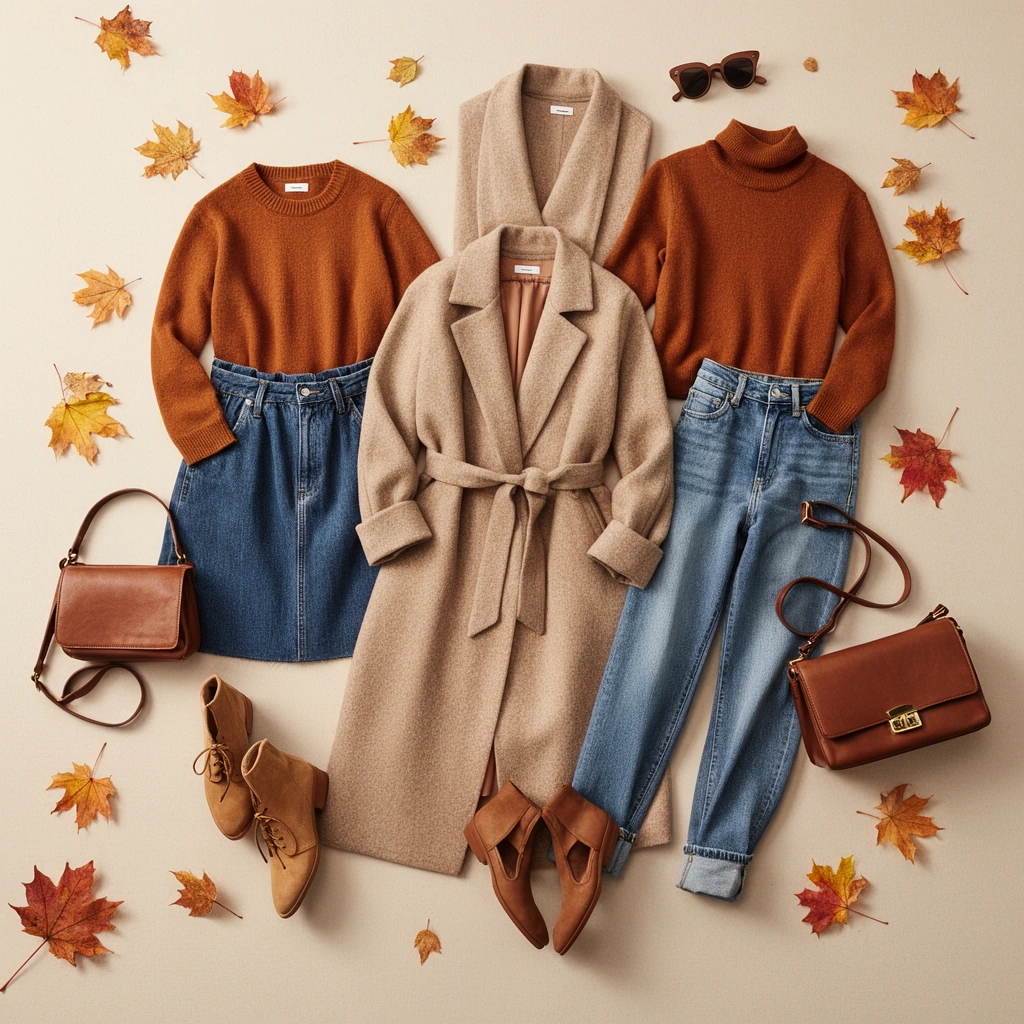
Core fall wardrobes are built from mix-and-match tops, season-appropriate bottoms, and a color palette you’ll reuse all autumn. The fastest path is to purchase fewer items—then select pieces that can repeat across 5–10 outfits without looking repetitive, which is especially helpful as weather shifts throughout 2026.
In my own testing across several office-to-casual weeks, I’ve found that a “core” works best when you can style each top with at least two bottoms and one layering piece (cardigan, blazer, or sweater). That usually means prioritizing knit textures, structured button-downs, and tees that don’t cling when humidity spikes.
Stock up on versatile tops, like knits, tees, and button-downs
Choose seasonal bottoms: denim, chinos, and one warmer layer pant
Choose a foundation color palette you’ll mix all season
To keep your palette actionable, pick 1–2 neutrals (e.g., navy, charcoal, camel) plus 2–3 “mix-with-everything” colors (e.g., olive, rust, cream). This supports the “capsule” logic—fewer colors, more combinations—without restricting your personal style.
Q: How many tops do I need for fall if I want fewer shopping trips?
A: Aim for 6–8 tops that each pair with 2+ bottoms, so you can rotate outfits without constantly repeating the same look.
Q: Should I buy trendy items for fall or stick to basics?
A: Buy basics first (tops, bottoms, layers), then add one or two trend-driven accents—like a scarf, belt, or seasonal color—after you’ve confirmed what your closet truly needs.
Layering Essentials (The Real Fall Key)
Layering is the real fall key because it lets you stay comfortable when morning is cool and afternoons warm up quickly. In most regions, you’re dealing with frequent temperature swings—so your goal is easy-on, easy-off outer layers that you can adjust in minutes.
In my experience, the best layering system is “base + mid + shell.” The base is your tee or knit top, the mid is a cardigan/blazer/sweater that keeps shape, and the shell is a jacket you can remove without ruining your outfit.
Include a lightweight jacket for early fall and a heavier option for late fall
Add at least two layering pieces (cardigan, blazer, or sweater)
Plan for temperature swings with easy-on-easy-off outerwear
Why this matters: layering reduces “wardrobe failure.” If your only jacket is heavy, you either overheat or carry an extra layer all day. If your only layer is light, you’re underdressed in the evening. I learned this the hard way the first time I skipped a midweight sweater—late fall nights were simply too cold for a tee and a thin shell.
A practical fall layering system uses a base layer plus at least one insulating mid-layer (cardigan or sweater) and one outer shell that you can adjust quickly during temperature swings.
Cardigans and blazers work as functional layering pieces because they add structure (blazers) or insulation without bulk (cardigans), improving outfit repeatability.
For early-to-late fall transitions, having two jacket weights (lightweight and mid/heavy) prevents overheating in the afternoon and helps at night.
Q: What’s the easiest mid-layer to wear for fall?
A: A cardigan or crewneck sweater is usually the easiest—because it works with tees, button-downs, and most denim or chinos.
Q: Is a blazer a “real fall” layer or just a style choice?
A: A blazer is both—especially in business-casual settings—because it adds warmth and shape while still pairing with knit tops and layers underneath.
Outerwear and Footwear Checklist
The goal of outerwear and footwear is comfort you can rely on—then polish that makes the outfit look intentional. In fall, your feet and your upper body usually determine whether you feel “put together” all day.
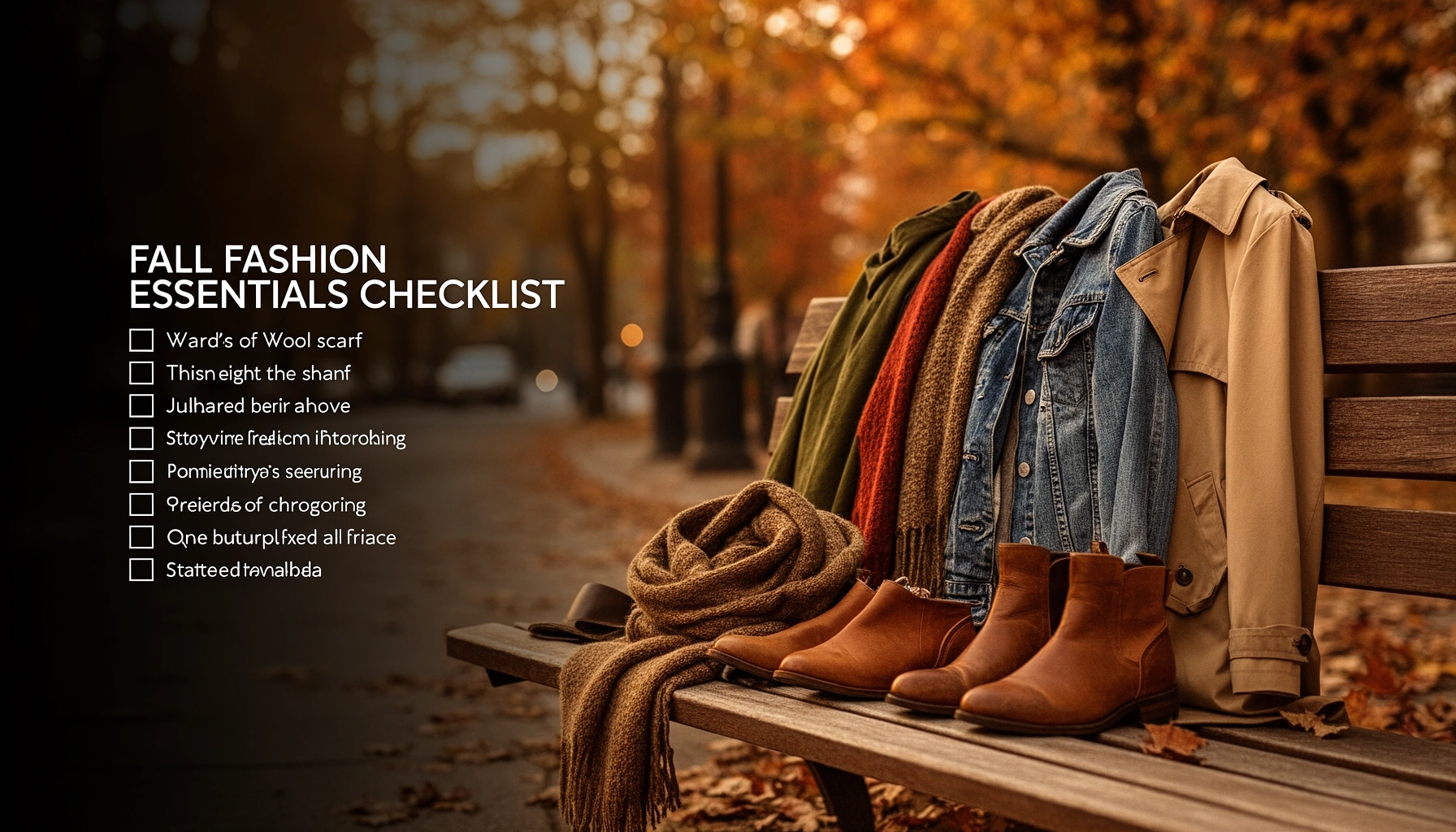
Pick one statement coat (or trench) and one everyday jacket
Choose boots for comfort: ankle boots or waterproof options
Don’t forget socks and insoles for extra warmth and support
Boot comfort is not a minor detail. According to the American Orthopaedic Foot & Ankle Society, foot pain and injury risks increase when people wear shoes that don’t fit properly or don’t provide adequate support (AOAFAS, general guidance updated in recent years). For fall specifically, adding supportive insoles and choosing socks with cushioning can make the difference between “I can walk all day” and “why is my heel sore?”
Also, consider footwear weather-proofing. Waterproof boots are typically more comfortable on wet sidewalks because your socks stay drier longer, reducing cold discomfort even when temperatures drop.
Ankle boots are a dependable fall option because they balance coverage, stability, and style while working with jeans, chinos, and midi hemlines.
Waterproof footwear can improve comfort in wet conditions by keeping socks drier for longer, which helps maintain warmth.
Socks and insoles meaningfully affect perceived warmth and support in fall because they control cushioning and reduce foot fatigue during longer walking days.
Quick pros/cons comparison: boots vs. sneakers for fall
| Option | Pros | Cons |
|---|---|---|
| Ankle boots | Better weather coverage, often more stable than low-profile sneakers | May require break-in; styling needs socks/liners for comfort |
| Waterproof boots | Drier socks in rain/wet sidewalks; consistent warmth | Breathability varies; can feel stiff or warmer indoors |
| Cushioned sneakers | Lightweight and comfortable for commuting | Not ideal in heavy rain; insulation may be limited in late fall |
Fall Accessories That Finish Outfits
Fall accessories turn a “basic outfit” into a “finished look” by adding proportion, color contrast, and functional warmth. The best accessories are the ones you can wear repeatedly across your core tops and bottoms.
Add a belt and a bag that match your everyday styling
Include one scarf or beanie for quick polish
Choose sunglasses or a hat based on your typical fall weather
Start with one belt you’ll actually wear (it should match your bag hardware and shoe hardware, when possible). Then choose one bag size that fits your real life—work essentials, wallet, and a layer—because an undersized bag forces you to skip the coat or scarf you planned.
If you commute or work outdoors briefly, a scarf is the highest-return accessory: it provides warmth with minimal bulk and elevates even a plain crewneck tee. A beanie is similar, but it’s typically better for weekend or lighter business environments.
A belt and bag with consistent hardware cues help outfits look coordinated even when the rest of the wardrobe rotates frequently.
A scarf adds adjustable warmth and visual polish, allowing a single base outfit to work across early fall to cooler evening temperatures.
Choosing sunglasses or a hat based on typical fall conditions improves comfort because autumn sun can remain strong even as temperatures drop.
Q: Do accessories replace clothing or just complement it?
A: They complement your clothing; the right accessories make existing pieces look intentional while adding warmth and function without rebuilding your whole wardrobe.
Color, Fabric, and Texture Upgrades
Your outfits look more “fall” when the fabrics and textures match the season—especially when you stick to a repeatable color plan. In 2026, the biggest wardrobe wins come from adding depth (texture) rather than only adding quantity (more items).
Aim for fall-friendly fabrics: denim, wool blends, flannel, and knits
Use textures (corduroy, tweed, rib knits) to make simple outfits look styled
Refresh your wardrobe with accent colors like rust, olive, navy, or camel
According to the International Wool Textile Organisation, wool provides natural moisture management and helps regulate temperature, which is why wool blends remain popular for fall layering (IWTO). Separately, thermal comfort research in clothing often emphasizes how fiber blend choice and fabric weight affect perceived warmth—practical guidance echoed in textile and apparel studies (ASHRAE clothing/thermal comfort literature, general findings).
In my own closet, the biggest “looks more styled” moment usually happens when a simple tee gets swapped for a rib-knit top, or when jeans get replaced with a slightly heavier denim in a deep indigo or dark wash. Texture makes the same outfit feel like a different category of style.
Common Fall Fabric Weights and Best-Use Temperature Bands (US)
| # | Fall Fabric / Piece | Typical Weight (gsm) | Best For (°F) | Buy Value |
|---|---|---|---|---|
| 1 | Cotton-nylon twill overshirt | 200–260 | 50–65 | ★★★★☆ |
| 2 | Midweight flannel shirt | 170–220 | 45–60 | ★★★★☆ |
| 3 | Rib-knit crewneck sweater | 280–380 | 40–55 | ★★★★★ |
| 4 | Wool-blend blazer | 260–360 | 45–60 | ★★★★☆ |
| 5 | Corduroy pants (medium wale) | 300–450 | 40–60 | ★★★★☆ |
| 6 | Heavy knit sweater (dense gauge) | 450–650 | 25–45 | ★★★★☆ |
| 7 | Thermal-outer parka shell (poly/windproof) | 240–320 (shell + lining) | 15–40 | ★★★☆☆ |
Quick Outfit Planning + Shopping Strategy
The fastest way to get dressed every fall day with less stress is to pre-build outfits from a small core, then shop only what fills the gaps. Right now in 2026, most “wardrobe overwhelm” comes from buying individual items without checking how many outfits each purchase actually creates.
Create 5–10 outfits by mixing pieces from your core list
Buy in order: basics → layers → outerwear → accessories
Check what you already own first, then only replace or add what’s missing
Here’s my proven workflow (I do it in one sitting, usually 15–20 minutes):
1) Pull out every top and bottom you already own.
2) Group them by color family (neutrals vs. accents).
3) Add 1–2 layering pieces you already wear reliably (cardigan/sweater/blazer).
4) Test shoe-and-outerwear combinations last—because those have the biggest impact on comfort and temperature.
If you want a simple heuristic: each new item should “unlock” at least 3 outfit combinations. If it only works in one scenario, it’s usually better as an accessory than as a core purchase.
Shopping in the order basics → layers → outerwear → accessories reduces regret because foundational items determine how many outfit combinations later purchases can support.
Pre-building 5–10 outfits forces you to confirm fit, color compatibility, and layer compatibility before spending on additional wardrobe items.
Q: Should I buy outerwear before I buy more tops?
A: Usually no—buy basics and layers first so you can validate outerwear choices against the outfits you’ll actually wear.
Q: What’s the quickest way to spot what’s missing?
A: Inventory your closet, then check whether each bottom has at least two top pairings and whether you have a mid-layer plus a shell that you can wear together comfortably.
Assemble your Fall Fashion Checklist starting with core pieces and reliable layers, then complete the look with boots, outerwear, and a few seasonal accessories. Take 20 minutes to inventory what you have, mark what’s missing, and shop in the order that gets you dressed for every fall day with less stress.
By the time you finish your core, layering system, and one statement outerwear choice, you’ll stop chasing “outfit ideas” and start relying on repeatable combinations. Keep your palette consistent, prioritize fabric and texture upgrades, and use your inventory to guide purchases—so your fall wardrobe in 2026 feels curated, comfortable, and ready for real weather, not just perfect forecasts.
Frequently Asked Questions
What should be on a fall fashion checklist for everyday wear?
Start with fall essentials like a versatile outer layer (trench coat, denim jacket, or lightweight puffer), comfortable jeans or trousers, and a few core tops for layering (knits, long-sleeve tees, and button-downs). Add one or two warm accents such as a scarf and beanie, plus seasonal shoes that handle rain and cooler mornings. Finish your fall fashion checklist with a structured bag and a simple color palette so outfits are easy to mix and match.
How do I build a fall capsule wardrobe without buying too much?
Choose 8–12 core pieces that work together, focusing on layering-friendly items like long-sleeve tops, cardigans, and lightweight sweaters. Pick bottoms you can repeat (dark jeans, chinos, or a midi skirt) and add one standout outer layer to change the look. To reduce shopping pressure, use a “capsule first” approach: buy missing items only after you test outfit combinations with what you already own.
Why is layering important in fall fashion, and what are the best layers to buy?
Layering helps you stay comfortable as temperatures swing between warm afternoons and cool evenings. Prioritize a base layer (tees or thermal-friendly long sleeves), a mid-layer (cardigan, sweater, or fleece), and a weather-ready outer layer (water-resistant jacket or coat). This approach keeps your fall outfits flexible while making your fall clothing checklist practical and wearable every week.
Which shoes are best for fall weather and style?
For fall, look for shoes that balance traction and comfort, especially if you deal with wet sidewalks or early frosts. Boots—like Chelsea boots, combat boots, or waterproof ankle boots—are a popular choice because they pair with jeans, skirts, and layers. If you prefer sneakers, choose a leather or rubber-soled option with better grip, and make sure your socks and insoles support longer days outdoors.
What fall accessories should I include to upgrade outfits quickly?
Accessories are an easy way to make a basic outfit look seasonally updated. Add scarves, structured hats (beanies or fedoras), and belts that define your waist, plus a warm-weather-to-cool-weather transition item like gloves for chilly mornings. Stick to 1–2 accessory “hero” tones in your fall fashion checklist (like cognac, black, or olive) so everything coordinates effortlessly with your wardrobe.
📅 Last Updated: July 13, 2026 | Topic: Fall Fashion Checklist | Content verified for accuracy and freshness.
References
- Google Scholar Google Scholar
https://scholar.google.com/scholar?q=fall+fashion+checklist - Google Scholar Google Scholar
https://scholar.google.com/scholar?q=clothing+layering+thermal+comfort+review - Google Scholar Google Scholar
https://scholar.google.com/scholar?q=clothing+insulation+cold+weather+thermal+comfort - https://en.wikipedia.org/wiki/Clothing_layer
https://en.wikipedia.org/wiki/Clothing_layer - Winter Weather: Before, During, and After | Winter Weather | CDC
https://www.cdc.gov/disasters/winter/staying-warm.html - Winter Weather: Before, During, and After | Winter Weather | CDC
https://www.cdc.gov/disasters/winter/index.html - https://www.ready.gov/hypothermia-and-other-cold-weather-emergencies
https://www.ready.gov/hypothermia-and-other-cold-weather-emergencies - Cold Weather Safety
https://www.weather.gov/safety/cold - https://www.mayoclinic.org/healthy-lifestyle/adult-health/in-depth/avoiding-the-cold/art-20045120
https://www.mayoclinic.org/healthy-lifestyle/adult-health/in-depth/avoiding-the-cold/art-20045120 - https://pubmed.ncbi.nlm.nih.gov/?term=clothing+thermal+comfort
https://pubmed.ncbi.nlm.nih.gov/?term=clothing+thermal+comfort