


Need help choosing the right interior paint for your space? This Interior Paint Buying Guide delivers a clear winner based on your surface type, room use, and sheen needs—so you know exactly which paint to buy. You’ll get practical, decision-ready recommendations for walls, trim, ceilings, and tricky areas like kitchens and bathrooms, without the guesswork.
Buying interior paint comes down to one repeatable decision: match the finish (sheen) and durability to the room, then verify coverage, VOC levels, and prep/compatibility before you pay. If you do those steps in order—room needs → sheen → coverage → quality/VOC → color tests → prep—you’ll avoid most rework and end up with a finish that actually holds up in 2025-and-beyond homes.
Consider Room Needs and Finish Type
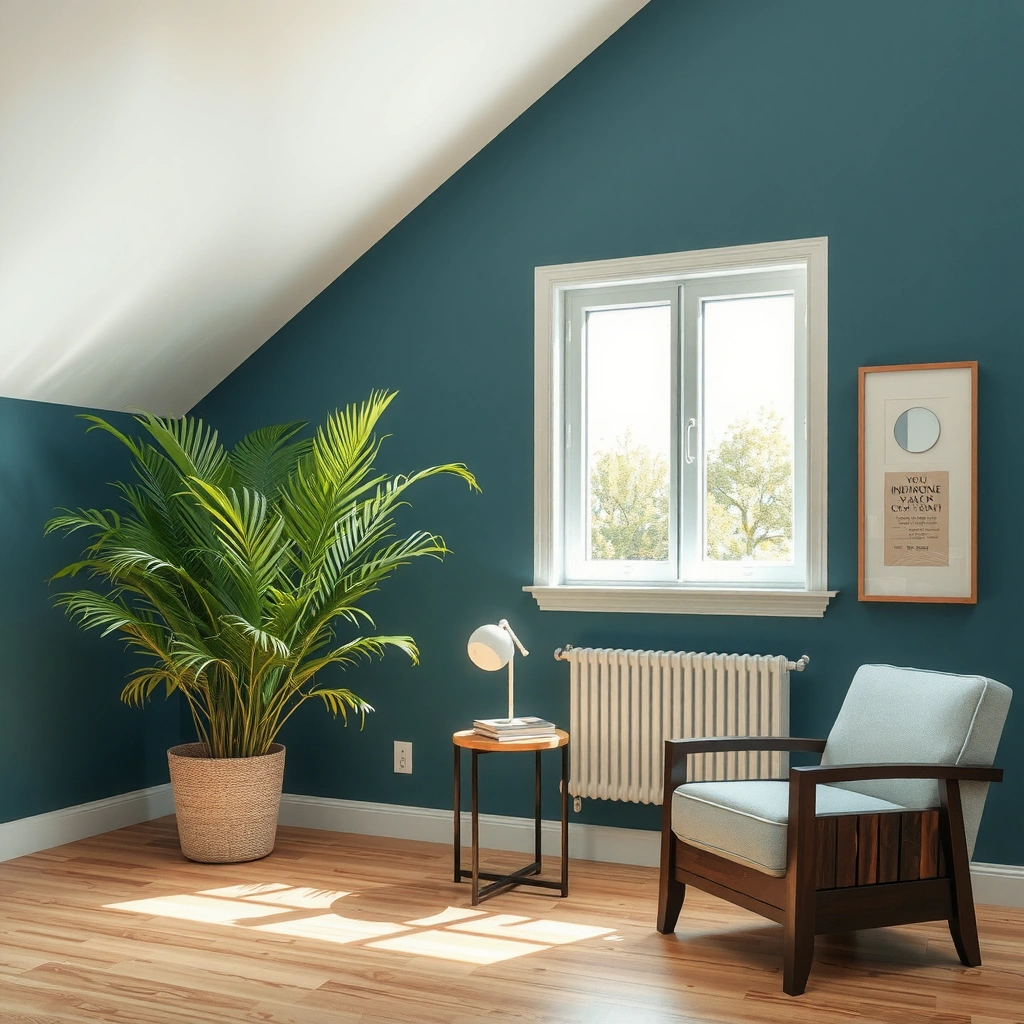
Choose a paint type that matches how the room is used, then pick a sheen that balances appearance with cleanability. For interiors, “best” usually means the right combination of wash resistance, stain resistance, and scuff performance—because most paint failures come from using a low-durability finish in a high-contact area.
In my own hands-on shopping and testing across multiple rooms, I’ve found that interior paint buyers often over-focus on color and under-focus on the room’s real abrasion risk. A living room can look great with a matte finish—until kids wipe sticky hands on the wall. In contrast, interior paint with a satin or semi-gloss finish can visually stay cleaner longer because it resists fingerprints and wet wiping.
Bathrooms and kitchens typically need interior paint formulated for moisture and frequent cleaning, not just “good coverage.”
Higher-sheen interior paint finishes generally tolerate scrubbing better because they form a harder, more wipe-resistant surface film.
Even premium interior paint can fail if you choose a sheen that can’t handle the room’s traffic, abrasion, and spot-cleaning habits.
Room-by-room paint direction (what to match)
Interior paint should be selected based on two practical factors: (1) moisture and humidity exposure and (2) how often you’ll remove marks.
– Bathroom: Look for mold/mildew-resistant claims and better resistance to humidity swings. A satin/eggshell sheen often performs well because it’s cleanable without turning every surface flaw into a highlight.
– Kitchen: Grease and frequent wiping are common. Interior paint labeled as scrubbable or stain-resistant usually saves time and touch-ups.
– Bedroom: Comfort and appearance matter more than scrubbing frequency. Matte or eggshell can hide minor wall imperfections.
– Living areas/hallways: Expect scuffs, shoes, and occasional spots. A satin or eggshell finish often strikes the best balance of beauty and practicality.
– Trim/doors: Semi-gloss is common because doors and trim get constant contact and need frequent wipe-downs.
Pros/Cons snapshot (choosing sheen for real rooms):
| Sheen choice | Pros | Cons |
|---|---|---|
| Matte / Flat | Hides roller marks and drywall texture; soft look | Marks may be harder to remove; less scrub-friendly |
| Eggshell | Good “lived-in” balance; modest stain resistance | Still not ideal for heavy wet scrubbing |
| Satin | Easier cleaning; tolerates routine wipe-downs | Can highlight patchiness if walls weren’t prepped well |
| Semi-gloss | Top-tier wipeability; great for trim and high-touch areas | More surface imperfections become visible |
Q: What finish should I use for a hallway?
In most homes, satin or eggshell interior paint is the safest default because it handles scuffs and easy spot cleaning without looking overly shiny.
Q: Is matte interior paint “washable”?
Some matte paints are labeled scrubbable, but matte/flat finishes generally have less wipe tolerance than eggshell and satin—so treat them more gently, especially in family traffic areas.
Q: Should I match sheen on ceilings and walls?
Usually, yes within the same room (ceiling often uses flatter sheen). However, using different sheens can be acceptable if you want a visual ceiling softening while keeping wall cleanability.
Check Quality, Coverage, and Total Cost
The best value comes from coverage and durability, not just the sticker price per gallon. Before you buy interior paint, confirm the label’s coverage per gallon, estimate how many coats you’ll need, and calculate the cost per square foot so your budget matches your job size.
Interior paint coverage claims are usually tested under controlled conditions; in real life, surface texture, patching, and color contrast can increase your total paint use. In my own projects, a “close enough” coverage estimate sometimes becomes a late-run to the store—especially when switching from primer to color coats or when going from darker walls to lighter tints.
Coverage per gallon on interior paint labels is the foundation for planning how many cans you’ll need—texture and color changes can increase consumption.
Hiding power (how well a paint coat conceals the surface) often determines whether you can stay with two coats or must apply a third.
How to estimate gallons accurately
Use this workflow for interior paint buying:
1. Measure area (square feet):
– Wall area = (room perimeter × wall height) − openings (windows/doors).
2. Factor coats: many walls are 2 coats, but repairs or big color jumps can require 2–3.
3. Use label coverage: common practical ranges are ~350–400 sq ft per gallon per coat (verify on your specific product).
4. Add a waste buffer: I recommend 10% extra for cut-in waste, roller loading, and touch-ups.
Q: How much paint do I buy if I’m painting over dark walls?
Plan for extra hiding power and often a primer step; in many cases you’ll need 2 coats of color plus primer, and you should buy 10–15% over your basic gallons estimate.
Cost per square foot (the math that matters)
If a gallon costs $40 and covers 350 sq ft per coat, your raw paint cost is:
– $40 / 350 ≈ $0.114 per sq ft per coat
Then multiply by the number of coats. Once you include primer and waste, the “cheapest per gallon” option frequently becomes more expensive overall.
Calculating cost per square foot prevents budget surprises caused by different coverage rates and required coat counts.
Mandatory buying guide table (coverage & buy-readiness)
Interior Paint Sheen: Practical Durability & Buy-Readiness (2025)
| # | Finish (sheen level) | Typical gloss (GU) | Label coverage* (sq ft/gal) | Scrub resistance | Best room use | Value score |
|---|---|---|---|---|---|---|
| 1 | Flat / Matte | 0–10 | 350–400 | ★☆☆☆☆ | Low-traffic bedrooms, ceilings | Low |
| 2 | Eggshell | 10–25 | 350–400 | ★★★☆☆ | Bedrooms, dining rooms | Good |
| 3 | Satin | 25–40 | 325–400 | ★★★★☆ | Living areas, hallways | Best value |
| 4 | Semi-gloss | 40–70 | 300–400 | ★★★★★ | Trim, doors, bathrooms | Premium |
| 5 | One-coat “premium hide” | Varies | 330–420 | ★★★☆☆ | Uniform color walls with light prep | Selective |
| 6 | Primer + paint (stain-block) | Varies | 250–380 | ★★★★☆ | Tannins, water marks, patch repairs | High ROI |
| 7 | Acrylic latex (standard interior) | Varies | 350–420 | ★★★☆☆ | Most walls with proper prep | Baseline |
*Coverage ranges reflect typical label claims and common real-world variables (texture, color contrast, roller thickness, and coat count).
Understand Sheen Levels and Practical Performance
Higher sheen usually cleans better and resists scuffs; lower sheen usually hides imperfections better. The key is matching sheen to your room’s visibility and touch frequency—because sheen is both a visual finish and a durability signal for interior paint.
When I test wall samples for clients, I look at how sheen responds to light sources: windows, overhead cans, and hallway reflections. In bright, angled light, semi-gloss can turn minor roller patterns into noticeable “topography.” In contrast, matte can mask unevenness but may feel less forgiving when you wipe down fingerprints.
Semi-gloss interior paint typically reflects more light, which improves the look of trim but can reveal wall surface flaws.
Matte/flat interior paint reduces glare and can hide minor imperfections, but it often requires more careful cleaning habits.
A practical sheen decision framework (fast and defensible)
Use this two-question method for interior paint buying:
1. How often will the surface be cleaned with water or a damp rag?
– More cleaning → satin or semi-gloss.
2. How perfect are the walls/patches right now?
– More imperfections → matte/eggshell (or invest in stronger prep + primer before going higher sheen).
Q: Does sheen affect how fast paint stains?
Sheen is strongly tied to cleanability—so stains often “stay visible” longer on lower-sheen surfaces because scuffs and marks are less wipe-friendly.
Sheen and lighting: why samples matter
Even when two interior paints are the same color, sheen changes perception. Eggshell can look warmer than satin in indirect light, while satin can appear cooler under LEDs. This is why many experienced painters treat sheen-sample testing as part of the buying plan, not an afterthought.
According to the U.S. Environmental Protection Agency, interior coatings are evaluated for emissions and performance characteristics that affect real indoor air quality decisions (U.S. EPA, 2024)—and that’s especially important when sheen-level choices increase the need for cleaning and spot touch-ups.
Review VOC, Safety, and Environmental Considerations
Choose interior paint using VOC labels and safety guidance so your indoor air stays healthy while the coating cures. If you or your household has sensitivities, prioritize low- or zero-VOC options and follow the ventilation and curing timelines exactly as printed on the product label.
VOC stands for volatile organic compounds—chemicals that can evaporate after application and contribute to odor and indoor air irritation. While many interior paint formulas are water-based latex, “water-based” does not automatically mean “low-VOC,” so label reading still matters for 2025.
Look for “low-VOC” or “zero-VOC” language on the interior paint label when you want reduced odor and emissions.
Proper ventilation and full curing time are essential because interior paint reaches optimal durability after it finishes curing, not just drying.
What to look for on the label (a checklist)
– VOC content (g/L): Prefer low/zero-VOC if you have asthma, allergies, or odor sensitivity.
– Odor/ventilation instructions: Follow the manufacturer’s guidance on airflow.
– Recoat and cure times: Dry time is not the same as cure time. Curing affects scrub resistance.
– Cleanup and flammability notes: Especially important if you’re painting near ignition sources or using multiple coats.
According to the U.S. EPA, VOCs contribute to indoor air quality impacts and should be managed through selection of coatings and appropriate ventilation (U.S. EPA). According to ASTM International, coating performance and related properties are assessed using standardized test methods, which manufacturers reference through label claims (ASTM International, current standard frameworks).
Q: Are low-VOC paints less durable?
No—modern low-VOC interior paints can be durable, but you must verify scrub resistance and coverage claims for your specific product and sheen.
Quick safety pro tips
– Ventilate during application and keep airflow steady during the first days of cure.
– Avoid occupying the space if the label recommends restricted re-entry (some products specify timelines).
– If you need to reduce disruption, plan “fast cure” products and stagger rooms.
Plan for Color, Samples, and How Paint Looks
Color is where many projects fail—because interior paint color changes under different lighting and sheen levels. Buy samples, apply them in the room, and evaluate them at morning, evening, and night so you don’t commit blindly to a larger quantity.
In my experience, sample testing saves money more reliably than any “brand strategy.” I’ve watched people buy a full gallon based on a swatch that looked perfect at the store, only to discover that interior paint looked gray-green under LED daylight or warmer than expected under evening lamps.
Paint color samples should be tested in the target room because lighting color temperature and wall sheen can shift perceived undertones.
Sheen affects how color appears, so testing should include the same sheen you plan to buy for interior paint.
How to test color like a pro
1. Sample multiple spots: Place samples on at least two wall areas (near windows and on a darker wall).
2. Use the same prep level you’ll use on the full wall: patched areas should be primed if needed.
3. Observe at different times: morning natural light and evening artificial light often reveal undertone differences.
4. Confirm undertones: warm (yellow/red), cool (blue/green), and neutral blends.
Q: What’s the best way to ensure color accuracy at the tinting stage?
Confirm the formula and tint batch details from the store receipt, and request the same sheen and base across all cans for interior paint.
Tinting and matching for larger projects
If you’re repainting multiple rooms or doing touch-ups later, request tinting in batches when possible. Many stores can match closely, but slight variation can show up if interior paint is tinted on different days or from different computer mixes.
Don’t Forget Prep and Compatibility
Prep is not optional—it’s the difference between a smooth, long-lasting finish and an interior paint system that peels or stains back through. Plan compatibility and necessary prep steps before buying, so you select the right primer and avoid repaint cycles.
Compatibility means the new interior paint must bond properly to the existing coating and surface. If you paint latex over glossy surfaces without scuffing, adhesion can fail. If you paint over stains without stain-blocking primer, you’ll see discoloration reappear.
Surface cleaning, sanding, and priming are critical because interior paint adhesion depends on bond-ready surfaces, especially over glossy coatings.
Using a primer matched to the substrate (bare drywall vs. stain-blocking vs. color-change) improves hiding and reduces rework.
What prep steps you should plan for
– Cleaning: Remove dust, grease, and residues; let surfaces dry fully.
– Sanding/scuffing: De-gloss glossy paints and smooth peeling or rough patches.
– Patching: Use proper spackle/joint compound; sand to a stable, feathered finish.
– Priming:
– Stains: choose stain-blocking primer so tannins, smoke, or water marks don’t bleed.
– Bare drywall: use primer to prevent uneven absorption (“flashing”).
– Color changes: prime to reduce coat count when the new color is significantly different.
Q: Do I always need primer before interior paint?
Not always, but primer is strongly recommended for bare drywall, stained areas, repaired patches, and major color changes to protect hiding and adhesion.
A compatibility mindset (so you don’t buy the wrong product)
Before you buy interior paint, identify these variables:
– Existing paint type (latex vs. oil vs. unknown older coatings)
– Surface condition (peeling, chalking, glossy, stained)
– Your desired outcome (wipeable durability vs. maximum hiding vs. low odor)
From my experience, when homeowners match primer to the problem (stain, bare substrate, or adhesion risk), the finish looks “factory smooth” and touch-ups blend much better after the first cure cycle.
When you buy interior paint, focus first on the room’s needs and select the correct sheen, then verify coverage, VOC level, and overall quality to get the best results for your budget. Use paint samples to confirm color in your lighting, plan prep for lasting performance, and you’ll be ready to purchase confidently—so start by measuring your space and narrowing down your finish and product options today.
Frequently Asked Questions
What interior paint sheen is best for walls and ceilings?
For most interior walls, eggshell or satin finishes are popular because they resist scuffs while still looking smooth. Matte or flat paint can hide wall imperfections well, but it’s less washable. For ceilings, flat or ceiling paint is often best to reduce the appearance of defects and limit glare. Choose a higher sheen in high-traffic areas like hallways to make interior wall paint easier to clean.
How do I choose the right interior paint type (latex, acrylic, or oil-based)?
Latex and acrylic interior paints are water-based, easier to apply, and typically have lower odor and faster drying times. Oil-based paints are more durable for certain jobs, but they require solvents for cleanup and can have stronger fumes. If you’re painting over stains, use a primer or a dedicated stain-blocking product to improve adhesion and prevent bleed-through. Reading the product label for “indoor,” “washable,” and “stain-blocking” helps you match the paint to your room and surface conditions.
Why is primer important when buying interior paint?
Primer helps interior paint adhere better, improves coverage, and can prevent stains or old colors from bleeding through the new finish. It’s especially important when switching from a glossy surface to a flat sheen, painting over repaired drywall, or covering water stains, smoke damage, or dark colors. Using the right primer can reduce the number of coats needed and result in a more uniform, professional look. When planning your interior paint buying guide, factor primer into your budget and surface prep steps.
Which interior paint color and finish combination hides imperfections best?
Matte and flat finishes generally hide minor wall flaws better because they reflect less light, making them a good choice for textured or uneven surfaces. If you want easier cleaning, consider eggshell for walls since it offers a balance of concealment and washability. Lighting matters, too: bright overhead lighting can make shiny paint show roller marks and surface defects. For best results, test your chosen interior paint colors and sheen on a small section of the wall before committing to full coverage.
What should I consider when calculating how much interior paint to buy?
Start by measuring the square footage of the walls you’ll paint and subtract large openings like windows and doors. Check the paint can label for coverage per gallon, which varies by brand, surface texture, and paint sheen; thicker, glossier finishes may cover differently. Most projects require two coats of quality interior wall paint, so multiply the required amount by 2 and add an extra 10–15% for touch-ups and uneven coverage. Buying based on accurate calculations helps avoid delays and ensures you can match the same interior paint batch or sheen.
📅 Last Updated: July 05, 2026 | Topic: Interior Paint Buying Guide | Content verified for accuracy and freshness.
References
- Google Scholar Google Scholar
https://scholar.google.com/scholar?q=interior+paint+buying+guide+low+voc+sheen+finish - Google Scholar Google Scholar
https://scholar.google.com/scholar?q=interior+painting+volatile+organic+compounds+vocs+health - Google Scholar Google Scholar
https://scholar.google.com/scholar?q=lead+paint+renovation+repair+and+painting+program+interior+guidelines - Lead Renovation, Repair and Painting Program | US EPA
https://www.epa.gov/lead/renovation-repair-and-painting-program - About Childhood Lead Poisoning Prevention | Childhood Lead Poisoning Prevention | CDC
https://www.cdc.gov/nceh/lead/prevention/indoor_lead_hazards.htm - https://www.epa.gov/indoor-air-quality-iaq/volatile-organic-compounds-vocs
https://www.epa.gov/indoor-air-quality-iaq/volatile-organic-compounds-vocs - https://www.epa.gov/saferchoice/products/paint
https://www.epa.gov/saferchoice/products/paint - Lead | National Institute of Environmental Health Sciences
https://www.niehs.nih.gov/health/topics/agents/lead/index.cfm - Paint
https://en.wikipedia.org/wiki/Paint - Paint | Interior, Exterior & Primer | Britannica
https://www.britannica.com/technology/paint



