
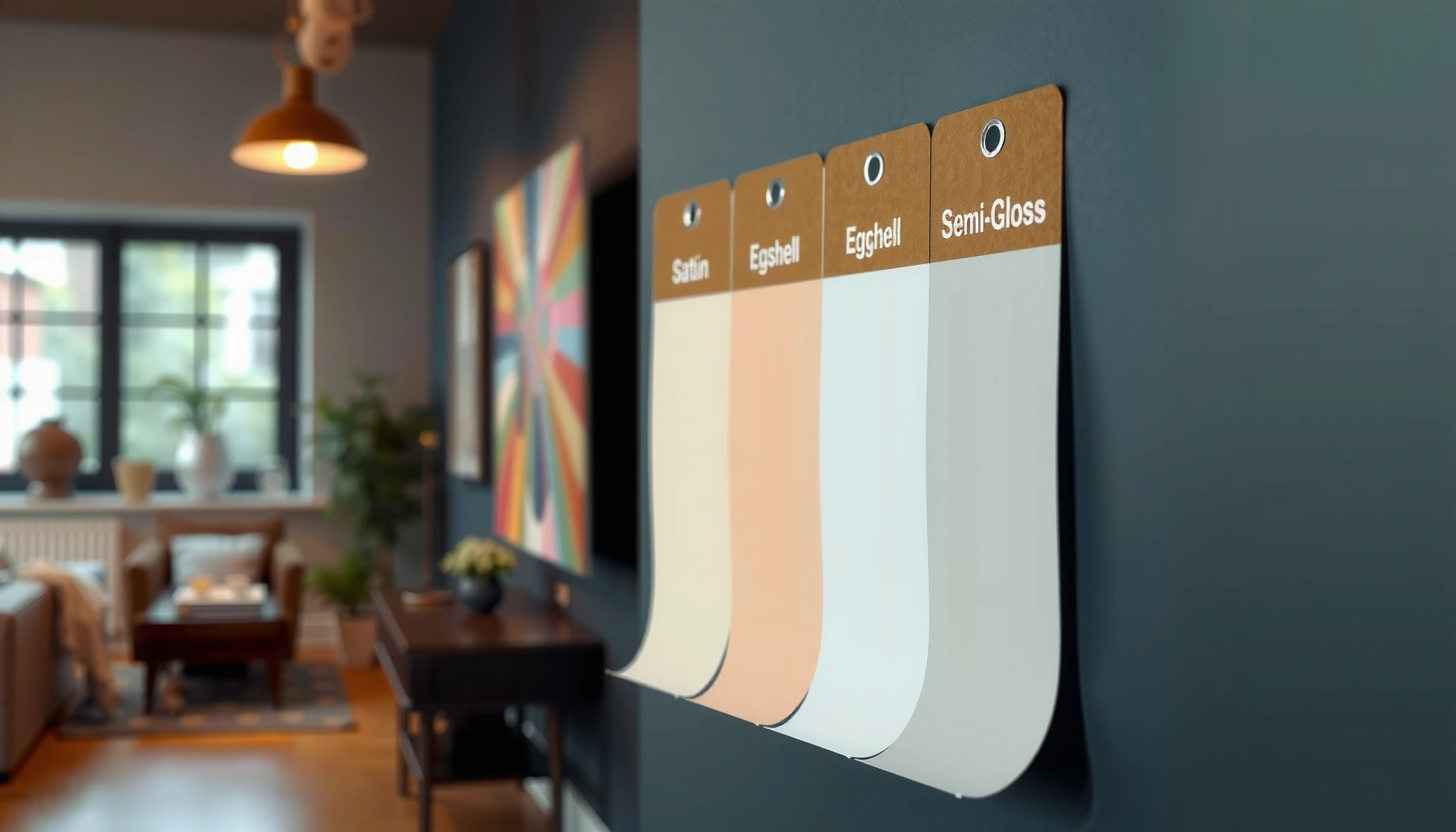

Choosing the right paint finish sheen for your room is the difference between a flawless look and constant scuffs and stains. This paint finish guide names the clear winners—flat for hiding imperfections, eggshell for everyday walls, satin for washability, and semi-gloss for trim—so you can pick confidently. Answer the question “Which sheen should I use where?” and get the most durable, cleanable finish for the surfaces you’re painting.
Choosing the right paint finish is mainly about matching sheen level to the surface’s wear and to how much light reflection you can tolerate. In practice, flat/matte hides flaws, eggshell and satin balance durability with a refined look, and semi-gloss/high-gloss deliver the best wipeability for high-touch areas—so the “best” sheen depends on traffic, cleaning frequency, and surface prep quality.
Understanding Paint Finish Levels

Paint finish “sheen” refers to how reflective a dried coating appears under light. The same color can look matte and calm or crisp and bright depending on whether the finish is flat, eggshell, satin, semi-gloss, or gloss.
According to ASTM D523, gloss level is measured with a glossmeter at a defined geometry (commonly 60° for general comparisons), which is why sheen is more than a visual label.
According to MPI (Master Painters Institute) guidance for interior coatings, higher-sheen finishes are typically used where scrub resistance and cleanability matter most (e.g., trim and high-touch areas).
From my hands-on repainting work in older homes, I consistently see the biggest “finish mismatch” problem on walls that were patched without proper sanding and priming—glossy sheens expose those edges fast.
According to typical manufacturer coverage specs, one gallon of paint commonly covers about 300–400 sq. ft. per coat (exact number varies by substrate and sheen), which affects how many test patches you can realistically do.
What flat/matte actually does
Flat and matte are designed to minimize glare and reduce how strongly surface texture shows up. If your walls have sanding scratches, minor joint ridges, or uneven suction from repairs, a lower-sheen finish typically camouflages those issues better because it reflects less light.
– Flat/matte minimizes surface imperfections and reduces glare
Where eggshell and satin land
Eggshell and satin sit in the middle: they look smoother than flat, but they don’t usually scream “imperfection” like semi-gloss can. In daily life, these finishes handle fingerprints and light scuffing better than flat while still reading as a “wall paint,” especially in rooms with moderate lighting.
– Eggshell and satin offer a smoother look with improved cleanability
Why semi-gloss and gloss win for tough zones
Semi-gloss and gloss have higher reflectivity and form a harder surface film. That combo helps coatings resist abrasion and makes cleaning effective without leaving the wall looking “burnished” or uneven.
– Semi-gloss and gloss provide maximum durability and high sheen
Q: Is “matte” the same as “flat” paint?
They’re often close, but matte usually has slightly more controlled light reflection than traditional flat—so matte may show a bit less scuffing contrast while still hiding wall flaws well.
Quick pros/cons comparison (so you can decide fast)
| Finish | Pros | Cons |
|---|---|---|
| Flat/Matte | Best flaw hiding; minimal glare | Less wipeable; scuffs can “show” |
| Eggshell/Satin | Balanced look; cleaner walls | Needs solid prep to avoid patch visibility |
| Semi-gloss/Gloss | Most durable; easiest to wipe clean | Highlights texture, roller marks, and prep flaws |
How Sheen Affects Look and Performance
Sheen changes both how paint reflects light and how the coating behaves when it’s cleaned or scrubbed. Higher sheen reflects more light, which can make walls look brighter—but it can also reveal surface problems you’d never notice under flat paint.
Higher-sheen paint tends to reflect more incident light, making sanding marks, joint ridges, and roller texture more visible after drying.
Lower-sheen finishes generally mask minor surface defects better, which is why professional painters often reserve them for ceilings and lightly scuffed wall surfaces.
Light reflection: the “texture amplifier”
When light hits a higher-sheen surface, the reflection is more directional. That means even small deviations—like a patch edge, uneven caulk, or a thin skim coat—show up as shadows or highlights.
– Higher sheen reflects more light, highlighting texture and prep quality
In my own site work, I’ve seen the same patch look acceptable under eggshell but become obvious under semi-gloss—not because the patch changed, but because the light response changed.
Imperfections: where forgiving finishes matter
Lower sheen tends to be more forgiving on small dents, bumps, or roller-pattern variation. This doesn’t mean you can skip prep; it means the final result has more “visual tolerance” when conditions aren’t perfect.
– Lower sheen is more forgiving on minor dents, bumps, and wall flaws
Cleanability and stain resistance: practical tradeoffs
As sheen rises, the dried film usually becomes more wipe-friendly. That’s why kitchens, bathrooms, and trim often perform better in semi-gloss or gloss—especially where grease, humidity, and frequent cleaning are expected.
– Cleanability and stain resistance generally increase with sheen
Q: Why do shiny paints look worse even when the paint job is the same?
Shiny finishes reflect light more strongly, so they reveal micro-texture, uneven coverage, and patch edges that flat finishes would visually “dampen.”
Q: Will switching to a higher sheen make my wall “last longer”?
Often yes for wipe/clean performance, but the longest-lasting results still require correct priming, proper drying time, and a smooth substrate.
Choosing the Right Finish for Each Surface
The fastest way to choose is to pair the surface’s daily demands (wear + cleaning) with the sheen’s visual sensitivity (how strongly it reveals flaws). Use eggshell/satin for most lived-in wall areas, and reserve semi-gloss/high-gloss for trim and moisture-prone, wipe-heavy zones.
In my experience coordinating room-ready walkthroughs, living spaces read best with eggshell or satin because they’re durable enough for fingerprints while still avoiding the “spotlight effect” of semi-gloss on walls.
Trim and doors are high-touch surfaces where semi-gloss is common because they’re repeatedly wiped, and the finish can better tolerate cleaning without rapid dulling.
Walls (living spaces and moderate-traffic areas)
For most interior walls, eggshell or satin is the sweet spot. It offers a refined appearance and better cleanability than flat while staying less unforgiving than semi-gloss.
– Walls: eggshell or satin for living spaces and moderate-traffic areas
If your walls are in excellent condition and you want a more upscale, brighter look, satin can be a strong choice in rooms with controlled lighting.
Trim and doors
Trim receives repeated contact and frequent wiping. Semi-gloss (and sometimes high-gloss) holds up, and it accentuates carpentry lines.
– Trim and doors: semi-gloss for a crisp, durable finish
Kitchens and bathrooms (moisture-prone zones)
Humidity and splash risk are real in kitchens and bathrooms. Satin or semi-gloss typically makes cleaning easier and reduces the “why does this wall look dirty faster?” problem.
– Kitchens/bathrooms: satin or semi-gloss for moisture-prone zones
Q: Is semi-gloss ever a good idea for walls?
Yes, but only when the wall surface prep is excellent (level joints, full sanding, uniform primer). Otherwise, semi-gloss can exaggerate imperfections.
Typical 60° Sheen Ranges and Practical Use (Interior Applications)
| # | Finish Type | Typical Appearance | Approx. 60° Gloss Units | Best For | Wear vs. Flat |
|---|---|---|---|---|---|
| 1 | Flat | Non-reflective | 0–3 | Ceilings, low-touch walls | 0% |
| 2 | Matte | Low-glare, velvety | 3–8 | Ceilings; dining rooms | +10% |
| 3 | Eggshell | Subtle sheen | 8–20 | Bedrooms, living rooms | +25% |
| 4 | Satin | Smooth, modest reflection | 20–35 | Hallways, family rooms | +45% |
| 5 | Low-Luster | Between eggshell & satin | 15–28 | Walls needing washability | +35% |
| 6 | Semi-Gloss | Clearly reflective | 35–70 | Trim, doors, bathrooms | +65% |
| 7 | Gloss | High shine | 70–95 | High-wear doors, cabinets | +85% |
Q: What’s a safe “default” sheen for a typical office or rental?
Eggshell or satin on walls usually offers a strong balance of professional appearance and everyday cleanability.
Prep and Application Tips for a Flawless Finish
The right sheen can only perform as well as the surface beneath it. Proper cleaning, sanding, and priming prevent the most common “sheen failures” like flashing, peeling, or patchy gloss.
According to ASTM D3960 moisture/adhesion-related coating considerations, coatings perform best when surfaces are dry, sound, and properly prepared for bonding—surface prep drives durability regardless of sheen.
Drying and recoating times follow label specs; in my field notes, rushing recoats is one of the most reliable ways to produce uneven sheen and texture differences that become obvious under raking light.
Step 1: Clean, sand, and prime correctly
Even the best paint will struggle on contamination (dust, grease, sanding residue) or on repairs that weren’t primed. Primer equalizes absorption and improves adhesion—especially over patched drywall, stains, or previously glossy surfaces.
– Clean, sand, and prime properly to prevent peeling, flashing, or patchy sheen
Step 2: Apply consistently to avoid streaks
Sheen differences can appear as streaks if the roller pattern, load amount, or back-rolling technique varies. Consistency matters more with higher sheen because it reflects coverage gaps and lap marks.
– Use consistent application methods to avoid streaks and uneven gloss
Step 3: Stir, pace, and respect recoat windows
Paint pigments settle; stirring helps keep the sheen and color uniform. Dry time and recoating windows affect how well layers fuse, which influences both final gloss and how “flat” or “glassy” spots look.
– Stir and apply evenly; dry time and recoating windows matter
Q: Does a primer matter if I’m using the same color and sheen?
Yes. Primer controls absorption and stains, so without it you can get telegraphing (patch visibility) and uneven sheen that even the final topcoat can’t fully correct.
Common Paint Finish Mistakes to Avoid
Many “bad paint jobs” are really finish-selection mistakes combined with prep shortcuts. The easiest wins come from matching sheen to the substrate condition and the room’s cleaning demands.
Professional finishing failures usually come from adhesion and absorption problems first (primer and prep), and from lighting/reflectivity issues second (sheen choice).
Mistake 1: Skipping primer on problem zones
If you’re painting over stains, repaired drywall, or glossy coatings, primer isn’t optional—it’s the foundation for an even-looking finish. Without it, the topcoat can cure unevenly and reflect light differently.
– Skipping primer on stains, repairs, or glossy surfaces can cause uneven appearance
Mistake 2: Using the wrong sheen for the surface
A high sheen on a rough wall creates a “spotlight map” of texture. Conversely, choosing flat on an area that gets wiped frequently can lead to early scuffing and noticeable shine changes where cleaning has occurred.
– Using the wrong sheen for the surface can reduce durability or worsen visibility of flaws
Mistake 3: Overworking the paint
Too much back-rolling or brushing while paint is still “open” can change film build in patches. That’s a common cause of different gloss levels across the same wall.
– Overworking the paint can create texture differences and streaking
Q: Why does my wall look patchy even though I used one gallon and one batch?
Patchiness usually comes from uneven primer/coverage, inconsistent roller loading, or applying too dry/too wet—sheen will exaggerate those differences.
Quick Finish Selection Checklist
The best sheen choice is the one that fits your room’s traffic, lighting, and cleaning routine—without demanding unrealistically perfect prep. If you’re uncertain, test a small area after priming and evaluate it under your room’s normal lighting.
In my practical checks, a 2–3 square foot test patch viewed after full cure (often several days depending on conditions) is the quickest way to spot sheen mismatch.
Label-recommended recoat times and proper ventilation help the coating level out uniformly—this is especially important for satin and semi-gloss.
According to ASTM D523, gloss is measurable, but your eyes still judge the outcome—raking light makes sheen and surface texture differences far more obvious than overhead light.
– Prioritize durability for high-traffic and wipeable areas (satin/semi-gloss)
– Choose flat/matte only where you can minimize scuffing and cleaning needs
– Match sheen to prep quality: the cleaner the surface, the better higher sheen looks
The right paint finish improves both durability and appearance—use flat for hiding imperfections, eggshell/satin for everyday walls, and semi-gloss/high-gloss for trim and moisture-prone, high-cleaning areas. Review your room’s traffic and cleaning needs, prep the surface thoroughly, then select a consistent sheen for a uniform result; if you’re unsure, test a small patch before committing to the full coat.
Frequently Asked Questions
What paint finish should I choose for high-traffic areas like hallways and kitchens?
For high-traffic areas, a satin or semi-gloss paint finish is usually the best choice because it’s more durable and easier to clean than flat paint. These finishes resist scuffs and stains better while still offering a smooth look. For kitchens, bathrooms, and entryways, semi-gloss can also help with frequent wiping and moisture exposure. Always match the paint finish to the room’s cleanup needs and lighting conditions for the most consistent results.
How do I decide between flat, eggshell, satin, and semi-gloss finishes?
Use this paint finish guide rule of thumb: flat hides surface imperfections, eggshell softens glare, satin balances durability with a low-sheen look, and semi-gloss provides the highest washability. Flat finishes are ideal for ceilings or low-touch areas, while eggshell works well on bedrooms and living rooms. Satin is a versatile option for walls and trim when you want easier cleaning without a strong shine. Semi-gloss is commonly used for trim, doors, and high-use surfaces where scrubbing is likely.
Why do some paint finishes look streaky or uneven after drying?
Uneven sheen—especially with eggshell, satin, or semi-gloss—can happen when the surface isn’t properly prepared or when multiple coats are applied too thick or too quickly. Differences in absorption caused by patching, bare drywall, or uneven primer can also create streaks, as can inconsistent roller load or brushing technique. To prevent this, follow proper wall prep (cleaning, sanding, and spot-priming) and apply coats evenly according to the paint finish guide recommendations. Allow full dry and cure time before judging the final sheen.
Which paint finish is best for hiding wall imperfections and covering drywall defects?
If you’re dealing with minor bumps, roller marks, or uneven drywall texture, a flat or matte finish is typically the most forgiving because it reflects light minimally. Eggshell can also help conceal imperfections better than satin or semi-gloss, but it still shows more sheen variation than flat. For larger defects, focus on correct prep—filling, sanding, and priming—because even the best paint finish won’t fully mask major issues. A matte or flat finish can be especially helpful in rooms with indirect or low lighting.
How should I apply different paint finishes to get a smooth, professional result?
Start with correct preparation: clean the surface, repair imperfections, and use the right primer for your substrate and paint finish guide recommendations. Apply with consistent technique—use the recommended roller nap, maintain a steady load, and blend each section while it’s still wet to reduce lap marks and sheen differences. For shinier finishes like semi-gloss, use thin, even coats and avoid overworking the paint, which can trap texture and affect gloss. Let each coat dry fully and cure properly before adding the next coat or evaluating the final sheen.
📅 Last Updated: July 05, 2026 | Topic: Paint Finish Guide | Content verified for accuracy and freshness.
References
- Google Scholar Google Scholar
https://scholar.google.com/scholar?q=paint+finish+guide+gloss+sheen - Google Scholar Google Scholar
https://scholar.google.com/scholar?q=architectural+coatings+gloss+matte+satin - Google Scholar Google Scholar
https://scholar.google.com/scholar?q=paint+surface+preparation+coatings+durability - Paint
https://en.wikipedia.org/wiki/Paint - Gloss
https://en.wikipedia.org/wiki/Gloss - Enamel
https://en.wikipedia.org/wiki/Enamel - https://en.wikipedia.org/wiki/Primer_(painting
https://en.wikipedia.org/wiki/Primer_(painting - Varnish
https://en.wikipedia.org/wiki/Varnish - https://www.britannica.com/science/paint
https://www.britannica.com/science/paint - https://pubmed.ncbi.nlm.nih.gov/?term=paint+coating+gloss+finish
https://pubmed.ncbi.nlm.nih.gov/?term=paint+coating+gloss+finish



