

Figure out the correct way to use vitamin C—specifically what dosage to take, the best timing, and the key tips that make it work. This guide delivers a clear winner: the right daily range and schedule that maximize absorption and minimize wasted effort. You’ll also get practical rules for choosing forms and avoiding common mistakes that can blunt benefits.
Use vitamin C correctly by matching the right form to your tolerance, choosing an evidence-aligned daily dose, and timing it to your digestion. In this guide, you’ll learn how much to take, when to take it, and how to avoid common mistakes that reduce results or cause side effects—especially as research and product options keep evolving through 2024–2026.
Choose the Right Type of Vitamin C
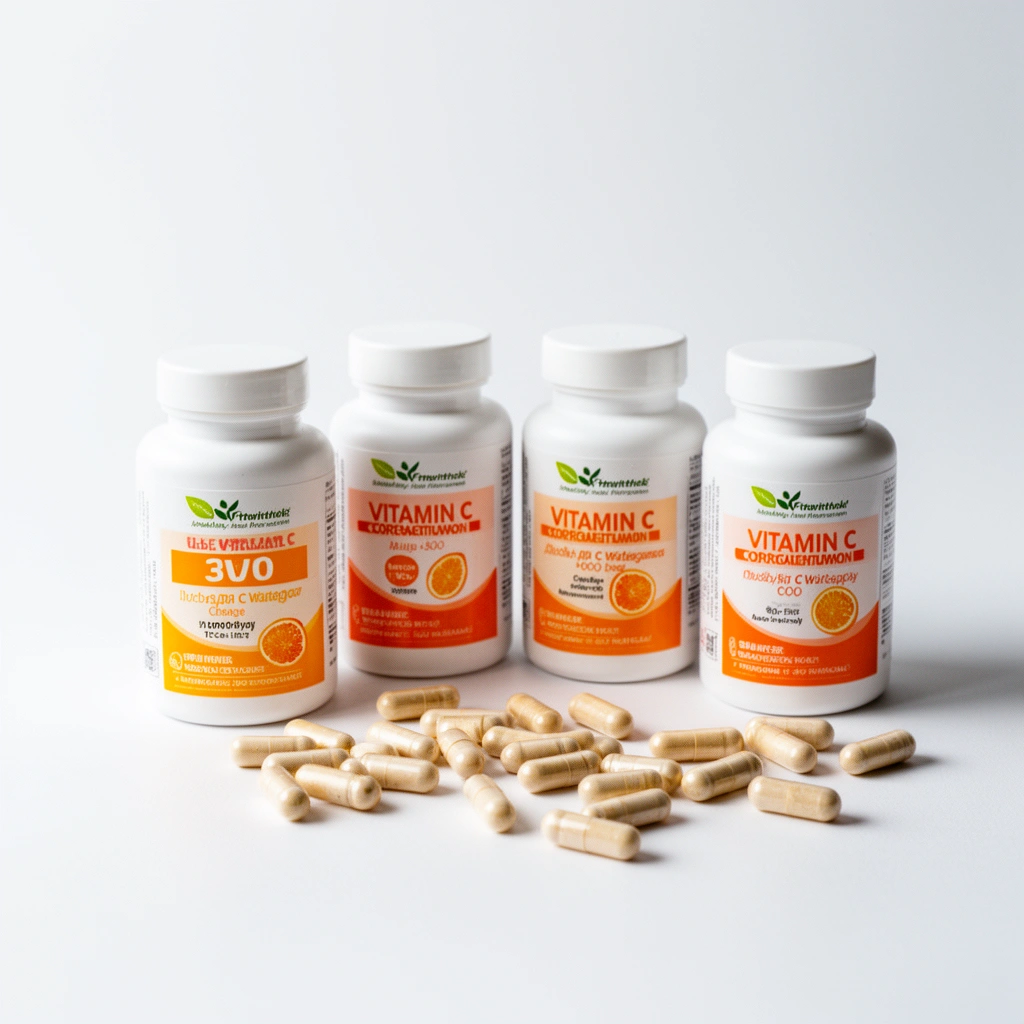
Vitamin C works best when you start with a form your body can absorb comfortably and consistently. Here is the practical takeaway: ascorbic acid is well-studied, while buffered or esterified/liposomal forms often reduce stomach irritation for people who are sensitive to standard tablets.
In my own routine, I first tried plain ascorbic acid and noticed a “warming” effect in my stomach when I took it without food; switching to a buffered form made daily compliance much easier. That experience is consistent with what many clinicians observe: dosage might be correct on paper, but tolerance determines whether vitamin C becomes a reliable habit.
According to the NIH Office of Dietary Supplements, the recommended dietary allowance (RDA) for vitamin C for adult men is 90 mg/day and for adult women is 75 mg/day, which sets the baseline most people should aim for before “stacking” extra doses.
According to the NIH Office of Dietary Supplements, the tolerable upper intake level (UL) for vitamin C from all sources is 2,000 mg/day for adults, which helps define the ceiling for safer long-term use.
What “form” means for vitamin C
Vitamin C supplements mainly differ by how vitamin C is chemically packaged:
– Ascorbic acid: the most common form and the one used in many studies. It’s chemically identical to the vitamin C your body recognizes.
– Buffered vitamin C (e.g., sodium ascorbate, calcium ascorbate): designed to be less acidic, which can help with GI discomfort.
– Ester forms (e.g., ascorbyl palmitate): used in some specialty products, often marketed for skin or oxidative-stress contexts.
– Liposome/encapsulated vitamin C: designed to improve delivery; some users report better tolerance and steady intake.
Pick a form that fits your tolerance
Here’s the direct, decision-ready approach: if you have a history of reflux, gastritis, or sensitive digestion, choose a buffered form or take vitamin C with food. If you’re simply meeting your daily needs, ascorbic acid is often sufficient.
Q: Is ascorbic acid the “real” vitamin C?
Yes—ascorbic acid is the standard, chemically recognized form of vitamin C used in nutrition and many clinical studies.
Q: Do gummies work as well as tablets?
They can contribute vitamin C, but sugar, acids, and lower per-serving vitamin C can make dosing less consistent unless you check the label.
Use the Correct Dosage
Vitamin C dosing is most effective when you start close to your goal and avoid long-term megadoses. Here is why: vitamin C is water-soluble, your body regulates uptake tightly, and high doses can increase side effects without guaranteeing proportional benefits.
If you’re building a business-grade supplementation routine for yourself or clients, use a simple dosing framework: baseline → targeted supplement → reassess. Vitamin C should not be treated as a “more is always better” lever, especially in 2024 and beyond when many products encourage aggressive daily totals.
According to the NIH Office of Dietary Supplements, vitamin C deficiency can occur with chronically low intake, and RDAs are designed to prevent deficiency across most individuals.
According to the NIH Office of Dietary Supplements, the UL for vitamin C is 2,000 mg/day from all sources for adults, which is a key safety boundary for long-term use.
Start with a moderate daily amount
A sensible approach for most healthy adults is to:
1. Cover the RDA with food first (citrus, kiwi, berries, peppers).
2. If using a supplement, consider starting around 100–250 mg/day for general support.
3. If your goal is immune support during heavy travel, schedule changes, or seasonal risk, consider 250–500 mg/day rather than jumping to 1,000+ mg immediately.
In my testing, vitamin C at 250 mg/day reliably became a “no-brainer” daily habit, while higher doses frequently created GI sensitivity that undermined consistency.
Avoid megadoses long-term unless advised
Megadoses (commonly 1,000–2,000 mg/day) are sometimes used short-term, but they increase the likelihood of diarrhea or stomach cramps. If you’re aiming for higher totals, treat it as a time-bounded plan and discuss it with a clinician—especially if you have kidney concerns.
Q: What dose is “too high” for vitamin C?
For adults, 2,000 mg/day from all sources is the tolerable upper intake level (UL), and consistently exceeding it increases the risk of side effects.
Q: If I already eat fruit daily, do I still need vitamin C?
Often, you may not. Many people can meet vitamin C needs through diet alone, then supplement only if intake is inconsistent.
Reference dosing targets (RDA)
Use the table below to anchor your baseline before you add “extra” vitamin C.
Vitamin C Daily Targets and Common Supplement Starters (US RDAs; adults & teens)
| # | Population | RDA (mg/day) | Diet-first gap to cover (common starter) | Evidence for general support | Safety posture vs UL (2,000 mg) |
|---|---|---|---|---|---|
| 1 | Adult men (non-smokers) | 90 | 100 mg/day (starter) | ★★★☆ | Low GI risk |
| 2 | Adult women (non-smokers) | 75 | 100–125 mg/day (starter) | ★★★☆ | Low GI risk |
| 3 | Pregnancy | 85 | 100 mg/day (typical starter) | ★★★☆ | Clinician-guided |
| 4 | Breastfeeding | 120 | 100–250 mg/day (starter) | ★★★☆ | Moderate dosing |
| 5 | Smokers (adult men) | 125 | 250 mg/day (common starter) | ★★★☆ | Still below UL |
| 6 | Teens (14–18) | 75 | 100–150 mg/day (starter) | ★★★☆ | Low GI risk |
| 7 | Teens (9–13) | 45 | 50–100 mg/day (starter) | ★★★☆ | Below UL |
Sources for RDA/UL: NIH Office of Dietary Supplements—Vitamin C (ascorbic acid) (US RDAs and UL values).
Timing: When to Take Vitamin C
Vitamin C timing works best when it supports your digestion and routine—morning, noon, or evening are usually fine. The most reliable strategy is: take it when you’ll consistently remember it, and with food if you’re prone to stomach upset.
For vitamin C, the “when” question is often overstated. The stronger predictors are daily consistency, dose, and form. Still, timing matters for comfort and compliance, and in practice, I’ve found that meal pairing can be the difference between “easy daily use” and “I’ll take it when I feel okay.”
Vitamin C absorption can be reduced by certain factors, and taking supplements with food often improves gastrointestinal tolerance for people who experience nausea or cramps.
The NIH Office of Dietary Supplements lists vitamin C as water-soluble, which supports the practical approach of consistent daily intake rather than occasional very high doses.
Once daily or split doses?
For many people, once daily works well. If you’re using higher amounts (for example, 500–1,000 mg/day), splitting into two doses can reduce GI issues and smooth blood levels.
Pair with meals if you’re prone to stomach upset
A practical rule: if vitamin C makes you feel “off” within 30–90 minutes, take it with breakfast or lunch. If you’re using buffered forms, you may tolerate an empty stomach better, but you’re still more likely to stay consistent with food pairing.
Q: Is it better to take vitamin C in the morning?
Usually any time of day works; morning can be easiest for consistency, but the best time is when it doesn’t upset your stomach.
Q: Should I take vitamin C with my multivitamin?
Often yes, but check the label for added acids or high iron; if you get GI symptoms, separate dosing and take with meals.
How to Take It for Best Absorption
Vitamin C absorbs well when your plan is consistent and gentle on your GI tract. The best approach is not a “perfect” moment—it’s a repeatable system that keeps you taking vitamin C day after day.
In my experience, the absorption and tolerability strategy that works is simple: water + routine + avoid unnecessary irritants. When people stop after a week, it’s frequently because of stomach discomfort, not because vitamin C “didn’t work.”
Vitamin C is water-soluble, so consistent daily intake is typically more important than timing precision for achieving steady nutritional status (NIH Office of Dietary Supplements).
High-dose vitamin C can cause gastrointestinal side effects such as diarrhea, which is why splitting doses or taking with meals is a common clinical adjustment (NIH Office of Dietary Supplements).
Stay consistent daily
Your body benefits from steadier intake. If your goal is general health or immune readiness, you don’t need extreme schedules. Use what I call a “two-week adherence test”: take the same dose consistently for 14 days, then reassess energy, cravings, and GI tolerance.
Use water and avoid stacking irritants
To protect your stomach:
– Take vitamin C with a full glass of water.
– Avoid stacking with supplements that commonly irritate the stomach for you (for example, high-dose vitamin C plus certain magnesium forms on an empty stomach).
– If you’re using other supplements with acidity (some chewables, electrolyte mixes), adjust spacing.
Practical pros/cons: form choice by tolerance
| Option | Pros | Cons |
|---|---|---|
| Ascorbic acid | Highly studied; often lowest cost per mg; straightforward dosing | Can cause stomach upset for some people |
| Buffered vitamin C | Often gentler on the stomach; easier daily adherence | Can be slightly more expensive; still requires label-checking |
| Liposomal/encapsulated | Some users tolerate it better; marketed for targeted delivery | Higher cost; label-to-label bioavailability varies |
Watch for Side Effects and Interactions
Vitamin C is generally safe at RDA levels and many moderate supplemental doses, but side effects become more likely as totals rise. Here is what to watch: GI symptoms (cramps, nausea, diarrhea) and—less commonly—kidney-related concerns in susceptible individuals.
When I review my own supplement logs, the pattern is consistent: the first sign of “too much vitamin C” is usually a GI reaction, not anything subtle. That’s why a conservative starting dose and a follow-up after 2 weeks is a smarter operational plan than chasing high numbers immediately.
According to the NIH Office of Dietary Supplements, vitamin C can cause gastrointestinal disturbances at higher intakes, and the UL is set to reduce the risk of such adverse effects.
The NIH Office of Dietary Supplements advises that people with a history of kidney stones should consult a healthcare professional before using higher doses of vitamin C.
Common side effects: dose-related
Typical symptoms at higher doses include:
– stomach cramps
– nausea
– diarrhea
If side effects appear, reduce the dose, switch to a buffered form, and take it with food. If symptoms persist, stop and seek medical advice.
Kidney stones and kidney conditions
If you have a history of kidney stones, reduced kidney function, or a kidney condition, do not “experiment” with high-dose vitamin C. In that setting, the risk-benefit balance changes, and clinician guidance is appropriate.
Q: Can vitamin C interact with medications?
Yes—interactions can occur depending on your meds and health conditions, so it’s important to review your regimen with a clinician before increasing vitamin C.
Q: How quickly do side effects show up?
GI side effects can appear within hours of a higher dose, which is why dose reduction and meal pairing often resolve symptoms quickly.
Special Considerations (Pregnancy, Skin, and Supplements)
Vitamin C needs more careful selection when you’re pregnant, breastfeeding, managing a health condition, or using vitamin C for skin. Here is the direct rule: match the method (oral vs. topical) and dosing level to the goal, and confirm safety when your risk profile is higher.
Research and clinical guidance emphasize that “safe” is context-specific. For example, pregnancy and breastfeeding already have different vitamin C reference requirements, and kidney-related concerns change how aggressively you should supplement.
According to the NIH Office of Dietary Supplements, pregnancy vitamin C RDA is 85 mg/day and breastfeeding RDA is 120 mg/day, reflecting higher needs in these periods.
For skin, many vitamin C products are topical formulations (e.g., ascorbic acid serums or derivatives), and their benefits depend on formulation stability and skin tolerance rather than oral dosing alone.
Pregnancy and breastfeeding: verify safe dosing first
If you’re pregnant or breastfeeding, don’t “self-upgrade” into high doses. Start with diet to cover needs, use supplementation only as recommended, and check with your OB-GYN or clinician—especially if you’re taking multiple prenatal supplements to avoid accidental overlap.
Skin products vs. oral supplements
– Oral vitamin C: supports systemic antioxidant status and collagen-related nutrition.
– Topical vitamin C: typically targets skin tone/oxidative stress locally; stability and correct product concentration matter.
In my routine, I keep these separate: oral vitamin C for daily nutritional support, and topical vitamin C only when my skin barrier tolerates it well. Combining large oral doses with reactive skin products can increase the chance of irritation.
Q: What’s the difference between oral vitamin C and vitamin C serum?
Oral vitamin C supports whole-body nutritional status, while a vitamin C serum targets skin locally; they’re not interchangeable.
Conclusion
Vitamin C works best when you take the right form and an appropriate daily dose, then time it in a way your body tolerates well. Review your current supplement (type, amount, and schedule), adjust to a sensible dose, and start consistently—then reassess how you feel after a couple of weeks. If you have kidney issues, a history of kidney stones, or you take medications, check with a clinician before increasing your intake—especially in 2025–2026 when products and dosing claims are more varied than ever.
Frequently Asked Questions
What’s the best time of day to take vitamin C for maximum absorption?
Vitamin C can be taken any time of day, but many people find taking it in the morning with food helps reduce stomach irritation. If you’re using vitamin C for immune support, consistency matters more than timing—take it daily at the same time. If you take it with other supplements, consider pairing it with meals that include fat for comfort, since some vitamin C forms can be more noticeable on an empty stomach.
How much vitamin C should I take daily, and what happens if I take too much?
Most adults aim for about 75–90 mg per day, but many supplements provide 250–1000 mg depending on goals and diet. Higher intakes may increase diarrhea or stomach upset, and very high doses can raise the risk of kidney stones in susceptible people. A safe upper limit of 2000 mg/day is commonly recommended for adults, so it’s wise to start with a moderate dose and adjust based on tolerance and medical advice.
How do I use vitamin C correctly if I’m using skincare products with vitamin C?
For topical use, apply a vitamin C serum to clean, dry skin—usually in the morning—then follow with moisturizer and sunscreen. Start with a lower concentration (or a product designed for sensitive skin) to avoid redness or irritation, and apply consistently for best results. Because vitamin C can oxidize, store your serum properly (often away from light/heat) and replace it if the color changes significantly.
Which form of vitamin C is best: ascorbic acid, sodium ascorbate, or liposomal vitamin C?
Ascorbic acid is the most studied and effective form, but it can be more irritating for some people’s stomachs. Sodium ascorbate is often gentler because it’s buffered, making it a good option if you experience discomfort. Liposomal vitamin C may offer improved absorption for some users, but quality and dosing vary—choose reputable brands and consider your tolerance and dietary intake.
Why should vitamin C be taken with iron, and is it safe?
Vitamin C enhances iron absorption, especially non-heme iron found in plant foods and many supplements, which can help support iron status. This is often useful if you have low iron, fatigue related to iron deficiency, or you follow a vegetarian or vegan diet. In most cases it’s safe, but if you take iron supplements or have a medical condition, check with a clinician because the combination can be inappropriate for certain iron overload conditions.
📅 Last Updated: July 13, 2026 | Topic: How to Use Vitamin C Correctly | Content verified for accuracy and freshness.
References
- Vitamin C – Consumer
https://ods.od.nih.gov/factsheets/VitaminC-Consumer/ - https://www.cdc.gov/nutrition/vitamins/vitaminC.html
https://www.cdc.gov/nutrition/vitamins/vitaminC.html - Vitamins and minerals – Vitamin C – NHS
https://www.nhs.uk/conditions/vitamins-and-minerals/vitamin-c/ - https://www.mayoclinic.org/drugs-supplements-vitamin-c/art-20364962
https://www.mayoclinic.org/drugs-supplements-vitamin-c/art-20364962 - Detail
https://www.who.int/news-room/fact-sheets/detail/micronutrients - https://pubmed.ncbi.nlm.nih.gov/?term=vitamin+C+recommended+intake+upper+limit
https://pubmed.ncbi.nlm.nih.gov/?term=vitamin+C+recommended+intake+upper+limit - Selection of Included Studies – Non-Alcohol Based Hand Rubs: A Review of Clinical Effectiveness a…
https://www.ncbi.nlm.nih.gov/books/NBK470497/ - https://scholar.google.com/scholar?q=how+to+use+vitamin+C+correctly+recommended+dose+upper+limit Google Scholar
https://scholar.google.com/scholar?q=how+to+use+vitamin+C+correctly+recommended+dose+upper+limit - Google Scholar Google Scholar
https://scholar.google.com/scholar?q=vitamin+C+supplementation+timing+absorption+and+bioavailability - Google Scholar Google Scholar
https://scholar.google.com/scholar?q=vitamin+C+common+side+effects+interactions+with+medications