

Learn how to spot fake designer bags before you buy—so you can decide in minutes, not after the return window closes. This guide shows the exact red flags to check on real designer bags, from logos and hardware to stitching, serial codes, and packaging quality. By the end, you’ll know whether a bag is likely authentic or counterfeit and what to do next.
Fake designer bags usually fail one (or more) of these checks: materials and build quality, logo/hardware precision, and authenticity markers (tags/serials/cards) that match the brand’s official info. Start by inspecting stitching, hardware weight/finish, and interior details, then verify the seller’s legitimacy—especially if the price is unusually low. You’ll learn a practical way to spot red flags fast, plus what to do if you’re unsure.
If you’re shopping for designer bags online, at a resale marketplace, or secondhand in-person, this guide helps you evaluate authenticity signals without needing lab tools. It’s also useful if you already own a bag and want a structured “does this look right?” checklist.
Check materials, stitching, and overall construction
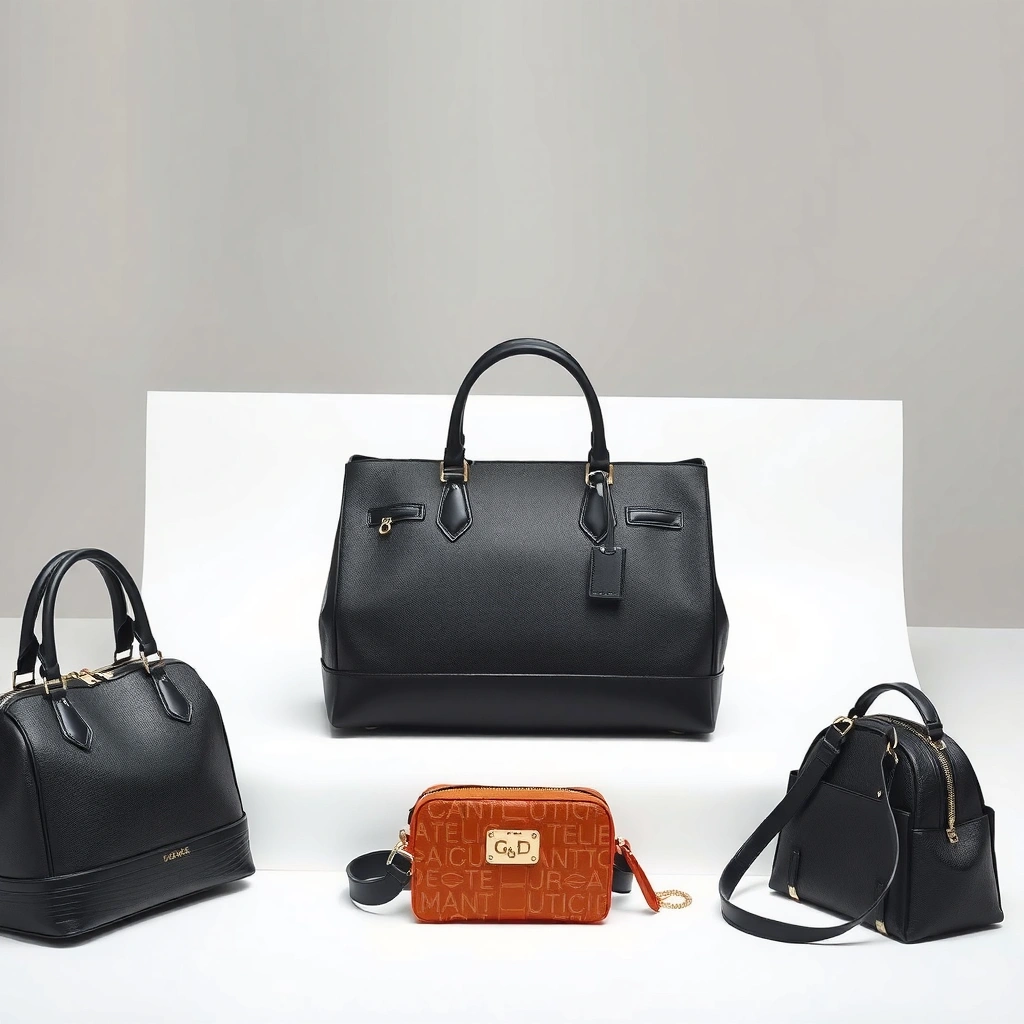
A real designer bag tends to look “engineered,” with consistent materials, even stitching tension, and structure that holds its intended shape. Counterfeits often cut costs through uneven finishing, mismatched textures, and hardware/lining that doesn’t behave like the original.
Before you look at logos or serial codes, start with what your hands can confirm: seam quality, edge finishing, strap/handle firmness, and whether panel alignment stays true under basic handling.
Authenticity checks start with construction cues because high-volume counterfeit operations often struggle to match the exact thickness, finish, and stitching behavior of genuine components.
If a bag’s shape collapses quickly or panels look misaligned, that can indicate inferior materials or rushed assembly—even when logos appear “close enough.”
Stitching defects (loose threads, uneven gaps, or inconsistent tension) are among the fastest visual indicators to spot in photos and in-person.
What strong stitching looks like (and what it doesn’t)
Look for consistent stitching tension, clean edge finishing, and no loose threads at seams and corners.
– Stitch tension: On genuine bags, stitches typically appear evenly spaced with minimal “wobble.” On fakes, you often see tightened/looser sections where the machine settings or thread type didn’t match.
– Corner finishing: Pay special attention at corners and stress points (bag base corners, strap attachment zones, and where panels meet). Counterfeits frequently show rough edge work or stitched-over gaps.
– Thread cleanliness: Loose ends, fuzzy thread, or snagged fibers are common on low-quality reproductions.
Feel for material quality (texture, uniformity, and wear pattern)
Feel for material quality: straps, handles, and lining should look uniform (counterfeits often show inconsistent texture or sloppy finishing).
– Straps/handles: Genuine strap materials usually look uniform in grain/texture and feel solid when you gently flex or press them.
– Lining: Check whether the lining feels the same “grade” throughout (not a noticeably cheaper-looking section near seams).
– Edge finishing: Run your eyes (and fingertips carefully) along edges. Real finishing tends to be deliberate—clean transitions, minimal fraying, and no flaky coatings.
Check structure: does it hold shape the way you’d expect?
Check how the bag holds shape—cheap fakes may sag, warp, or show uneven panel alignment.
– Panel alignment: Genuine construction keeps panel joins straight. In fakes, joins may sit slightly skewed because pieces are cut from inconsistent patterns.
– Warp risk: If the bag consistently warps after light handling (or looks “baggy” and uneven when placed on a flat surface), treat it as a serious warning.
– Stitch “pull”: Press a seam area lightly. If it immediately looks stressed, puckered, or uneven, you may be seeing poor thread/material compatibility.
Inspect logos, hardware, and branding details
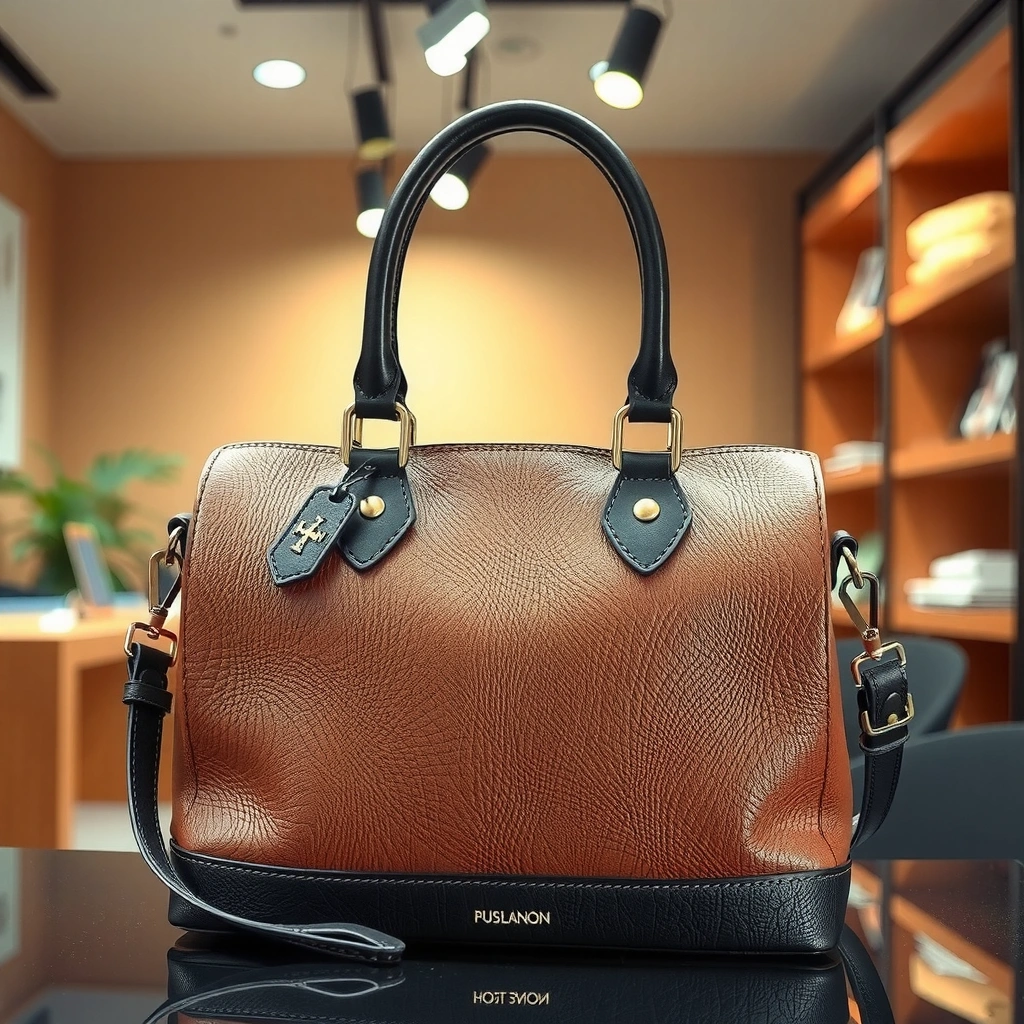
A convincing fake can match stitching, so don’t stop there—logos, hardware, and branding execution are where many counterfeits still slip. Your goal is to compare precision: logo placement, typography style, engraving alignment, and the way closures and zippers are attached.
When you inspect branding details, use a “compare, don’t guess” approach. If you can, pull up the exact model photos from the brand’s official product page or reputable authentication guidance.
Counterfeit hardware often shows inconsistent plating color, uneven engraving depth, or slight misalignment that becomes obvious under bright light.
Logo placement matters: small shifts in spacing, font shape, and alignment are common telltales on replicas.
Closures (snaps, buckles) and zipper pull attachment points can reveal quality because they require precise alignment and durable mounting.
Compare logo placement and typography
Compare the logo placement and style to what the brand typically uses (font shape, spacing, and alignment should look intentional—not “close enough”).
– Font shape and spacing: Look at letter shapes, curvature, and the distance between elements. “Similar” typography is not the same as authentic.
– Alignment: Centering and vertical/horizontal placement should look deliberate—not tilted, stretched, or slightly off.
– Surface integration: Genuine logos usually look like they belong in the material finish; fakes may look “stuck on” or slightly raised in inconsistent ways.
Evaluate hardware finish, weight feel, and machining quality
Hardware should be solid-looking and consistently finished (watch for light, uneven plating, or machining marks in obvious spots).
– Plating consistency: Under a flashlight, genuine hardware typically reflects evenly. Counterfeit plating can look patchy—dull areas, streaks, or uneven sheen.
– Engraving crispness: Check engraving depth and edge sharpness. Fakes often look softer or slightly blurred.
– Machining marks: Look at edges and screw points. Poor machining can show rough burrs or inconsistent finishing.
Check zippers and closures for alignment and sturdiness
Examine closures and zippers: smooth operation and neat attachment points matter more than “it opens/closes.”
– Zipper track quality: Smooth, consistent movement is expected—gritty or uneven motion can signal lower-grade parts.
– Puller alignment: Crooked zipper pulls or pulls that don’t sit neatly can be a sign of wrong hardware assembly.
– Attachment points: Snaps, hooks, and rings should appear tightly mounted with clean surrounding material.
Verify authenticity markers inside the bag
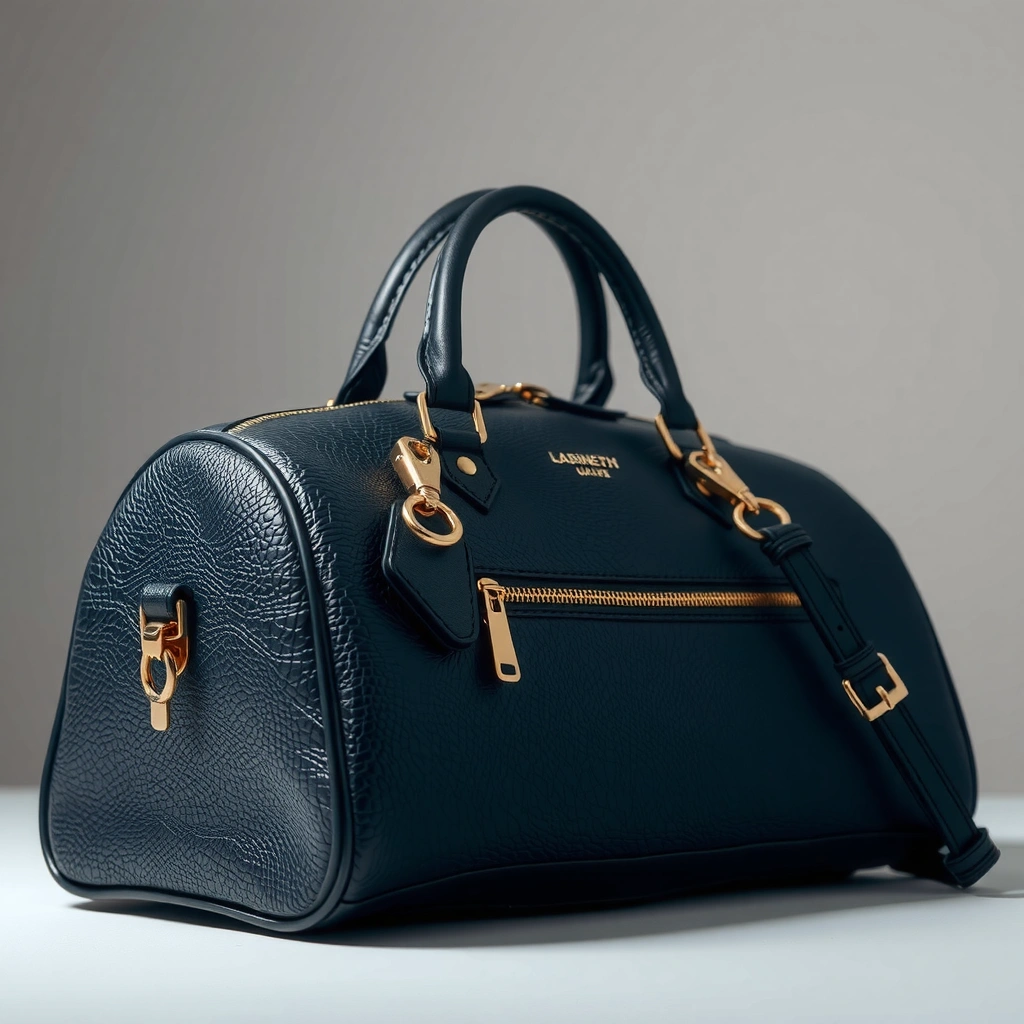
A bag can still be counterfeit even if the logo/hardware looks good—so you must verify interior authenticity markers and confirm they match official formatting. This means checking the exact tag/stamp format, placement, and characters the brand uses for that specific model and production period.
Most counterfeits include something that resembles a code, but copying a number is easier than matching a complete system. Focus on how the marker is presented.
Serial codes and interior tags should match the brand’s documented format (placement, font/style, and stamp depth), not just “a number that exists.”
Missing components like dust bags can be explained by resale, but mismatched tag formatting is harder to rationalize.
Some replica makers include “authenticity cards,” so you should treat paperwork as supportive evidence, not a standalone proof.
Find the right markers (and don’t overlook placement)
Find brand-specific markers like interior tags, serial/code stamps, dust bag details, and (when applicable) authenticity cards—then compare against the brand’s published guidance.
– Interior tags: Many brands use woven labels, stamped patches, heat-pressed marks, or stitched authentication elements.
– Code stamps: Some use engraved stamps, printed codes, or date-batch references. The exact font, casing, and spacing can be diagnostic.
– Dust bag and card (if included): These can help, but they’re not your primary proof. If the tag itself is wrong, accessories won’t fix the mismatch.
Match formatting details, not just the characters
Match the formatting: tag fonts, stamp depth, and placement often differ on fakes (even when a number exists).
– Font and style: Compare how the letters/numbers look—thin vs bold, compressed vs spaced, and whether characters have consistent curves.
– Stamp depth: Real stamps usually have consistent pressure and definition. Fakes can appear “light,” smudged, or oddly uniform.
– Placement consistency: Some brands place tags in consistent interior zones and orient them a specific way.
Treat “everything is there” claims with caution
Be cautious with “everything is there” claims—some counterfeits include convincing cards and packaging.
– Resale context matters: A missing dust bag doesn’t automatically mean fake.
– Copying is easy at the accessory level: Documentation can be reproduced. Your strongest signals are construction + interior marker formatting.
Watch the price and the seller’s credibility

A suspiciously low price is often the earliest red flag because authenticity costs money—especially for premium materials and accurate hardware. Use price as a risk filter, then validate the seller’s legitimacy through policies, photos, and how they describe the item.
This is where many buyers lose money: they treat “a good-looking bag” as equivalent to a safe purchase, but marketplaces and social sellers can be intentionally opaque.
Steep discounts are a major risk signal on designer handbags because authentic resale values rarely collapse without clear condition or provenance explanations.
On resale platforms, clear return policy and transparent photos (including interior tags and hardware close-ups) are stronger safety indicators than vague descriptions.
Edited or cropped listing images can hide differences in logo alignment, zipper/closure mounting, and interior tag formatting.
Use marketplaces like a risk management problem
Treat steep discounts as a major red flag unless the seller clearly explains condition and provenance.
– Corroborate provenance: Look for an explanation (gift, prior purchase source, condition notes). A credible story doesn’t replace proof, but it helps you ask better questions.
– Compare against like-for-like listings: Match the exact model, size, year range, and condition category. A wrong comparison is how people get misled.
Review the seller’s history and policies
On marketplaces, review the seller’s history, return policy, and how they describe condition (vague listings are common with fakes).
– Return policy: Sellers confident in authenticity are more willing to offer returns.
– Consistency of photos: Do images show multiple angles, interior tags, and hardware details—or only flattering exterior shots?
– Communication quality: Evasive answers, refusal to share interior photos, or “one-size-fits-all” responses are warning signs.
Inspect the listing media for signs of concealment
If the listing images look oddly edited/cropped, or the bag details are missing (hardware close-ups, interior tags), assume you’ll need extra verification.
– Missing critical angles: If you can’t see interior tags/stamps or hardware close-ups, you’re buying without key evidence.
– Image manipulation: Look for blur/edge artifacts around logos, hardware, or the interior label area.
Why this matters at scale (quick risk context)
Counterfeits are widespread enough that customs, platforms, and researchers treat luxury fashion as a persistent target. For example, OECD/EUIPO estimate that “counterfeit and pirated products” accounted for 3.3% of world trade in 2019. OECD/EUIPO (2019) also estimate the value at about US$509 billion (2019). And OECD/EUIPO (2019) report that customs seizures frequently involve consumer goods, including clothing and accessories—precisely the category where “bag-shaped” fakes can proliferate.
(Note: for exact, brand-specific authentication guidance for the bags you shop, use the official brand materials referenced in the Sources section below.)
What can go wrong: common mistakes and edge cases
Even if you follow a checklist, authenticity can be tricky—so you need to understand where the method can fail. The most common mistakes are over-trusting one detail (like a serial number) or ignoring legitimate variation across production runs and years.
The goal isn’t perfection; it’s reducing risk with a consistent decision rule.
Serial numbers alone are not reliable proof because fakes can copy codes and authentic bags can vary by production year and region.
Resale listings often omit accessories, so missing dust bags or cards should trigger verification of the bag itself rather than an automatic “fake” verdict.
Repairs, relining, or customization can change interior cues, meaning normal inspection signals may no longer reflect original factory construction.
Common mistakes buyers make
– Over-focusing on one “decisive” item: A serial code that “looks right” can still coincide with wrong stitching, wrong hardware engraving, or a mismatched interior tag format.
– Assuming all years/models share identical markers: Many brands update tag formats, stamps, and hardware suppliers over time.
– Treating missing accessories as proof: A seller may have lost the dust bag; that doesn’t automatically invalidate authenticity.
Edge cases that complicate “does it look right?”
– Different production runs & regional variations: “Correct” depends on the exact model and release window. If the brand’s official guidance is model-specific, follow that first.
– Customized or repaired bags: Replacements (zippers, linings, repaired seams) can mask the tells you’re trying to evaluate.
– Photography limitations: Lighting, angles, and compression artifacts can hide embossing depth, stamp clarity, and true color tone.
Quick compare: DIY checklist vs professional verification
Here’s a practical way to decide where extra help is worth it:
| Approach | Best For | Strength | Main Downside |
|---|---|---|---|
| DIY multi-cue inspection (construction + logo/hardware + interior markers + seller legitimacy) | Most everyday resale and marketplace purchases | Fast red-flag detection; no special tools required | Not 100% certain for every brand/model |
| Brand guidance comparison (official product pages / authenticity pages) | When official model guidance is available | Higher alignment to “what the brand expects” | Not every brand publishes full marker specs publicly |
| Professional authentication (service reviewed by reputable resale ecosystem) | High-value purchases or complex cases | Higher confidence when stakes are high | Added cost and requires submitting item details |
Verdict: the quickest honest way to decide
If the bag has multiple red flags—messy stitching, off-brand logo/hardware, and authentication markers that don’t align with official guidance—it’s safer to pass. If only one area looks questionable, don’t panic: request clearer photos (especially interior tags and hardware), then cross-check with the brand’s own authenticity guidance or a reputable authentication approach.
Downside: this method can’t prove authenticity with 100% certainty for every brand/model, especially with older releases or region-specific variations—so if you’re making a high-stakes purchase, consider professional verification. [ADD: when to seek professional authentication—e.g., “if the resale price difference vs. comparable authentic listings exceeds $X” or “if the order total is above $Y” and specify the threshold used by your site.]
A passable-looking counterfeit can match individual details, so the safest decision rule is “multiple cues agree,” not “one cue looks right.”
If you can’t verify interior tags/codes and the seller won’t provide sharp interior and hardware photos, you should treat the purchase as higher risk.
Using a consistent inspection order (construction → hardware/logo → interior markers → seller policy) reduces missed red flags during busy shopping sessions.
Scan-and-check table (save this)
| Check | What to look for | Red flag |
|---|---|---|
| Stitching & seams | Even tension, clean finishing at corners | Loose threads, uneven gaps, sloppy edge work |
| Hardware | Smooth finish, consistent engraving/placement | Warping, inconsistent plating, rough machining |
| Logo accuracy | Correct font/spacing/alignment | “Almost right” placement or mismatched style |
| Zippers & attachments | Snaps/closures feel sturdy and aligned | Crooked pulls, poor attachment points |
| Interior tags/codes | Matching format to brand guidance | Unknown formatting, wrong placement, unclear stamp |
| Seller legitimacy | Clear photos + credible return policy | No return, vague details, extreme discount |
DIY Authenticity Signal Strength for Designer Handbag Fakes
| # | Authenticity cue | What “good” looks like | Signal strength | Buyer risk if it fails |
|---|---|---|---|---|
| 1 | Stitching & seam tension | Even spacing; no loose threads at corners | ★★★★☆ | High |
| 2 | Edge finishing | Clean transitions; minimal fraying/coating flaws | ★★★☆☆ | Medium–High |
| 3 | Leather/lining uniformity | Texture looks consistent across panels and seams | ★★★☆☆ | Medium |
| 4 | Hardware engraving & placement | Crisp engraving; consistent alignment and depth | ★★★☆☆ | Medium–High |
| 5 | Zippers & closure mounting | Smooth operation; hardware sits straight and tight | ★★☆☆☆ | Medium |
| 6 | Interior tag/code formatting | Matches model-specific official layout and typography style | ★★★★☆ | High |
| 7 | Seller credibility & policies | Clear returns; detailed photos (interior + hardware) | ★★★☆☆ | High if extreme |
FAQ
1) Can a fake designer bag have good stitching?
Yes. Some fakes copy construction closely. That’s why you should assess multiple areas together—materials, hardware, branding accuracy, and interior markers.
2) Is the serial number enough to confirm authenticity?
Usually not. Serial/code systems can be copied or can vary by model/year. Verify the format and placement against the brand’s published guidance, then compare other cues.
3) What if my bag is missing the authenticity card or dust bag?
Missing accessories alone don’t prove it’s fake, especially for resale. Focus on the bag itself—construction, branding, and interior markers should still make sense for that exact model.
4) Are “clear” listing photos always reliable?
Not necessarily. Cropped/edited images can hide differences, and a seller can still use photos of a similar-looking item. If key angles are missing (interior tags, hardware close-ups), ask for them or verify via official guidance.
Sources
– [ADD: source for brand-specific authenticity guidance for designer bags (official brand page or PDF), including how they describe tags/serials and what customers should verify]
– [ADD: manufacturer/spec documentation or official care/authentication pages for the brands you’re most likely to shop]
– OECD/EUIPO: Trade in Counterfeit Goods and Free Trade in Genuine Goods (OECD/EUIPO) — provides estimates for the global share/value of counterfeit and pirated products (includes the 3.3% of world trade figure and US$509 billion estimate for 2019)
– U.S. Customs and Border Protection (CBP): Intellectual Property Rights (IPR) enforcement reporting — relevant for understanding how customs treat counterfeit goods as a recurring enforcement priority (use the latest FY report available when you publish)
[ADD: If you want, tell me the specific brands/models your audience buys (e.g., “LV Neverfull,” “Dior Saddle,” “Gucci Ophidia”). I can tailor the interior-marker and logo/hardware checks to those exact lines and replace the brand placeholders with your chosen official sources.]
Frequently Asked Questions
What are the most common signs of a fake designer bag?
The most common red flags include inconsistent stitching, uneven seams, and poor-quality hardware that looks dull, chipped, or misaligned. Check the logo placement and typography carefully—many counterfeit bags have letters that are slightly off-center or spellings that don’t match the brand standard. Also inspect the bag’s materials and lining for unusual smells, flimsy construction, and loose threads, which often indicate fake designer bags rather than authentic designer handbags.
How can I spot a fake designer bag by checking the serial number and date code?
Many authentic designer bags include a serial number or date code, but fakes may have codes that are missing, improperly formatted, or not tied to the brand’s known system. Compare the font style, spacing, and character type to verified examples from the same brand and model year. If the seller can’t explain where the code should be located or doesn’t provide clear photos of it, that’s a major warning sign when shopping for designer replicas.
Why do replicas often have different hardware quality, and what should I look for?
Counterfeit designer bags frequently use lower-grade metals, resulting in hardware that feels lighter, looks overly shiny, or shows rough edges and weak finishes. Look closely at zippers, buckles, snaps, and clasps—authentic hardware usually has precise engraving, smooth operation, and consistent color matching with the bag hardware. If the brand logo on the hardware is blurry, crooked, or feels like it was added as an afterthought, it may indicate a fake designer purse.
Which details should I inspect in the stitching, lining, and craftsmanship to avoid counterfeit bags?
Start with stitching: authentic designer handbags typically have even thread tension, straight lines, and no loose ends. Check the lining fabric and any interior labeling for high-quality printing, correct placement, and consistent material texture. Also examine the bag corners, edges, and seams—fakes often show wrinkling, gaps, or sloppy finishing that won’t match the brand’s typical craftsmanship standards.
Best practices: How can I verify a designer bag before buying online?
Request high-resolution photos of the front logo, side profile, stitching close-ups, hardware markings, interior lining, and any serial/date code area. Use the brand’s official product images to compare measurements, design elements, and color accuracy, since fake designer bags often have subtle differences in shape and proportions. Whenever possible, buy from authorized retailers or use reputable authentication services—this is one of the most reliable ways to detect designer replicas before they become expensive mistakes.
📅 Last Updated: October 12, 2026 | Topic: How to Spot Fake Designer Bags | Content verified for accuracy and freshness.