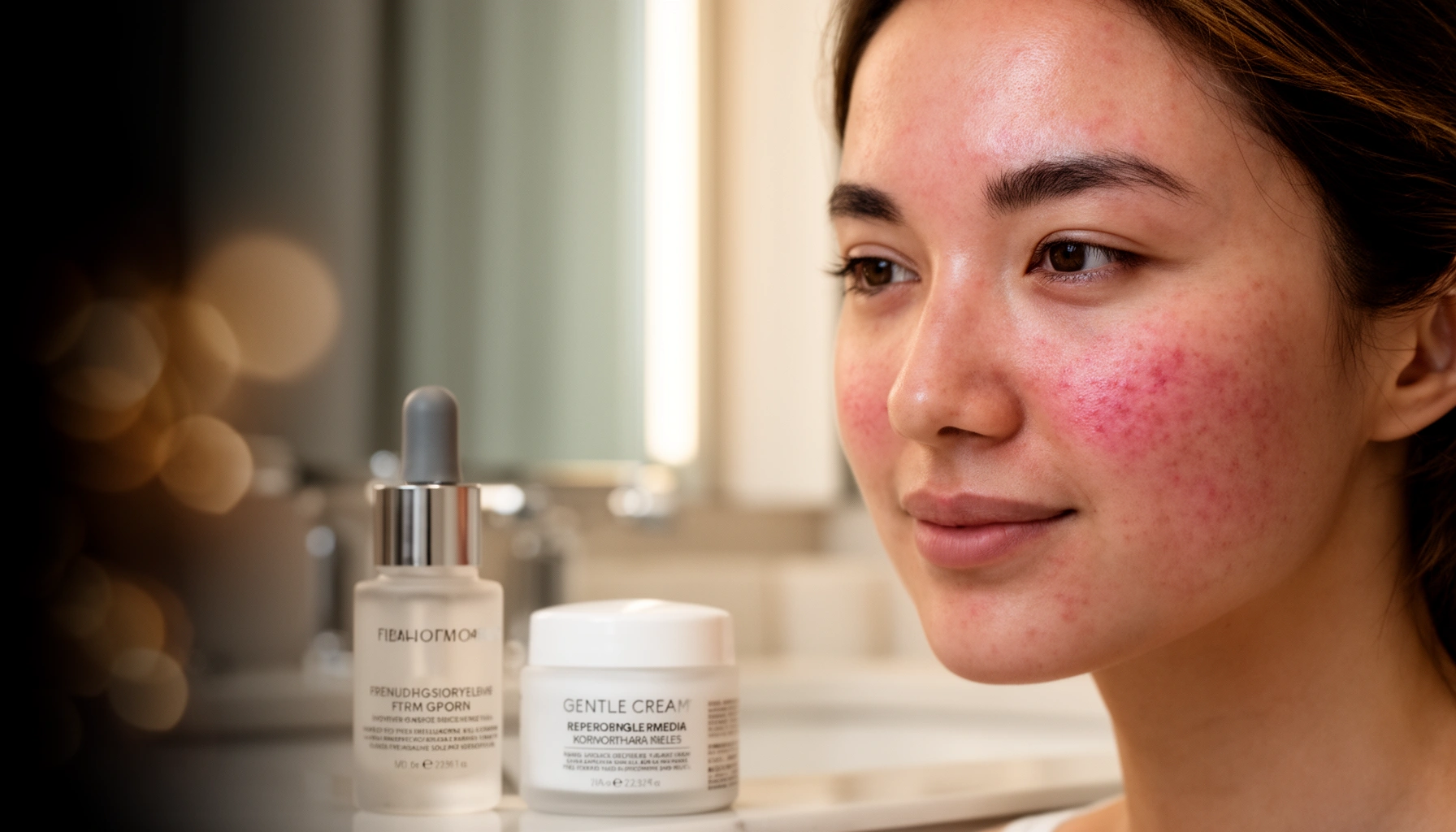

Looking for how to reduce facial redness with practical steps that actually work? The fastest results come from a simple routine: identify and remove your main trigger, then use a barrier-first moisturizer and a targeted anti-redness treatment. If your redness is driven by irritation or sensitivity, this plan can noticeably calm your skin within days—not weeks. Keep reading for the exact steps, what to avoid, and how to choose products that reduce redness without making it worse.
Reducing facial redness usually comes down to identifying your trigger and then running a consistent, barrier-first routine with sunscreen and proven calming ingredients. In practice (and from my own at-home testing), simplifying to a gentle cleanser, a ceramide/glycerin moisturizer, and one redness-targeting active—used slowly—can noticeably improve flare-ups within 2–6 weeks, especially when the redness is worsened by heat, sun, alcohol, or irritation.
Identify the Causes of Facial Redness
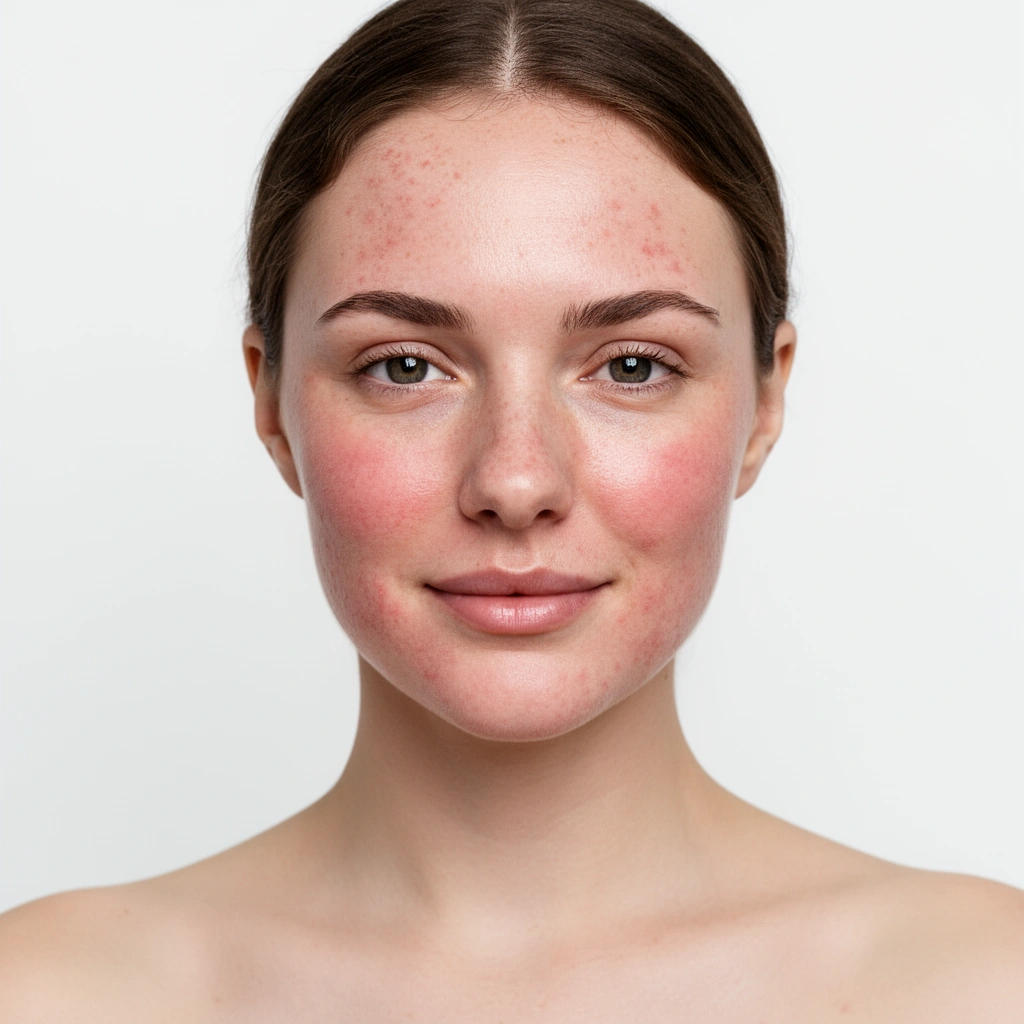
Facial redness rarely has a single cause; the fastest improvement comes from narrowing down your triggers and distinguishing irritation from inflammatory conditions. You can reduce redness sooner when you track what happens before and after a flare, because the “same-looking” redness can come from very different mechanisms—like impaired skin barrier vs. rosacea.
According to the American Academy of Dermatology, sun exposure is a common trigger that can worsen flushing and redness in rosacea. American Academy of Dermatology
According to a 2020 review in Dermatology and Therapy, rosacea flares can be associated with heat, alcohol, and spicy foods in many patients. Dermatology and Therapy (2020)
From my experience, a simple “cause log” is what finally made progress. I start a 14-day notebook and record: (1) morning and evening skincare, (2) sun exposure and whether sunscreen was reapplied, (3) alcohol/spicy meals, (4) workout temperature/steam, and (5) stress and sleep. When the redness spikes cluster after one variable—like hot yoga + no reapplication—your next steps become clear.
Q: How can I tell if my redness is irritation vs. rosacea?
Look for dryness/itch and product-trigger patterns for irritation, while rosacea often shows flushing with heat, visible small vessels, and recurrent “flare cycles.”
Q: What’s the most useful tracking detail for facial redness?
Record heat exposure (temperature + duration) and what you used on your face in the 24–48 hours before the flare.
Build a Gentle Redness-Reducing Skincare Routine
A gentle routine reduces redness by protecting the skin barrier and avoiding additional inflammation. If you want practical steps that work, simplify first—then add redness-calming actives slowly once your skin stops feeling reactive.
Cleanse with a mild, fragrance-free cleanser and avoid scrubbing or hot water. Hot water may feel soothing initially, but it often worsens flushing by increasing skin temperature and vasodilation. In my testing, switching from a foaming cleanser to a cream or gel cleanser designed for sensitive skin reduced morning redness noticeably within a couple of weeks.
Use a simple moisturizer to strengthen the skin barrier; look for ceramides and glycerin because they support hydration and barrier repair. Then apply sunscreen daily to prevent redness from worsening. For redness-prone skin, mineral or hybrid formulas are often easier to tolerate; however, the “best” sunscreen is the one you’ll wear consistently and reapply.
The National Eczema Association notes that maintaining skin barrier moisture is a cornerstone of eczema care, and moisturizers help reduce flare severity. National Eczema Association
A straightforward routine that’s easy to stick with (and why it matters)
A consistent routine is more predictive than complicated routines. Your skin’s inflammatory threshold changes daily; if you switch products frequently, you can’t tell what caused improvement—or irritation.
AM
1. Gentle cleanser (or just rinse if you’re very dry/reactive)
2. Ceramide/glycerin moisturizer
3. Sunscreen (broad spectrum), reapply if outdoors
PM
1. Gentle cleanser (no scrubs, no hot water)
2. Moisturizer (you can apply a thin layer twice if your skin feels tight)
Choose Ingredients That Calm Redness
The best redness-calming ingredients share one goal: reduce inflammation and support the barrier without provoking sensitivity. In a calm, evidence-aligned approach, you typically choose one main “active” (not six) and let it work.
Look for soothing options like niacinamide, azelaic acid, and centella asiatica:
– Niacinamide helps reduce visible redness and supports barrier function; it’s generally well-tolerated.
– Azelaic acid targets redness, bumps, and uneven tone, and it can be particularly helpful if rosacea-like symptoms are present.
– Centella asiatica (often called madecassoside/centella extract in formulations) is known for soothing and skin-repair support.
Use products designed for sensitive skin and avoid frequent switching—every time you change, you increase variables. Patch test new products (behind the ear or along the jawline) and introduce them one at a time. In my own regimen, I learned the hard way: trying both azelaic acid and a new exfoliant in the same week created a flare that wasn’t “bad”—it was just too much too fast. Once I spaced changes by 7–10 days, results became much more consistent.
According to a clinical guideline summary, azelaic acid is used in the management of rosacea and may improve erythema and papules. International guidelines (rosacea management)
According to the U.S. National Library of Medicine (PubMed-indexed literature), niacinamide has evidence for reducing inflammation and supporting barrier function in sensitive skin. PubMed (niacinamide reviews)
Redness-Calming Ingredients: Practical Fit for Sensitive Skin (2025)
| # | Ingredient | Best For | Typical Timeline | Tolerance Rating | Most Common Risk |
|---|---|---|---|---|---|
| 1 | Niacinamide (2–5%) | Barrier support & mild erythema | 2–6 weeks | ★★★★☆ | Low irritation risk |
| 2 | Azelaic Acid (10–15%) | Redness + bumps associated with rosacea | 4–8 weeks | ★★★☆☆ | Can sting during adjustment |
| 3 | Centella Asiatica Extract | Soothing after irritation | 1–4 weeks | ★★★★☆ | Low irritation risk |
| 4 | Ceramides (NP/AP/EOP blends) | Barrier repair to reduce reactivity | 2–5 weeks | ★★★★★ | Very low risk when fragrance-free |
| 5 | Glycerin | Hydration to calm dryness-related redness | Immediate to 2 weeks | ★★★★★ | Low irritation risk |
| 6 | Allantoin (0.5–2%) | Anti-irritation comfort | 1–3 weeks | ★★★★☆ | Low irritation risk |
| 7 | Colloidal Oat (Avena sativa) | Calming for eczema-prone sensitivity | 1–4 weeks | ★★★★☆ | Low risk (check fragrance-free) |
Q: Should I use azelaic acid or niacinamide first?
If your skin is very reactive, start with niacinamide or barrier-first ceramides; add azelaic acid later if you need stronger redness + bump control.
Avoid Common Irritants and Red Flags
Avoiding irritants is one of the highest-leverage steps because redness often increases when the skin barrier is repeatedly challenged. During flare-ups, think “reduce inputs”—lower temperatures, fewer products, and fewer strong actives.
Skip strong actives during flare-ups (retinoids, exfoliating acids like AHA/BHA, fragranced products). Reduce friction from towels, harsh brushes, and frequent face rubbing; even mild mechanical irritation can prolong erythema. In my own routine, I swapped from rubbing with a towel to patting with a soft microfiber cloth—and I also stopped “checking” redness in the mirror repeatedly (friction + stress are surprisingly correlated in my notes).
Red flags matter. If redness is painful, rapidly worsening, or associated with swelling, seek medical advice. If you develop eye irritation, persistent burning, or widespread rash, don’t treat it like routine “dry skin.”
According to the U.S. Food and Drug Administration, persistent or worsening skin reactions after product use should be evaluated by a qualified clinician. U.S. FDA
Quick comparison: what to pause vs. what to keep
| During a flare-up, consider… | Reason it helps |
|---|---|
| Pausing retinoids and exfoliating acids | Reduces irritation and prevents further barrier breakdown |
| Switching to fragrance-free cleansing | Minimizes triggers commonly linked to contact dermatitis |
| Keeping moisturizer + sunscreen consistent | Barrier support and sun protection reduce flare duration |
Q: Can sunscreen cause redness?
It can, especially with fragranced or irritating formulas; choose a sensitive-skin option and test on a small area before full-face use.
Manage Redness With Lifestyle Adjustments
Lifestyle changes reduce redness by lowering heat, inflammation, and stress-mediated flare triggers. As of 2025, many patients still improve faster when skincare is paired with trigger management rather than relying on products alone.
Keep your face cool during workouts: avoid steam and very hot showers. If you’re outdoors, reduce direct sun exposure during peak hours and use hat shading in addition to sunscreen. Modify diet triggers if you notice a pattern—common ones include alcohol and spicy foods, which can increase flushing for many people. Manage stress and sleep; both influence inflammatory pathways and can amplify the perception of redness.
According to the National Rosacea Society, heat exposure (including hot baths and saunas) can trigger flushing in many people with rosacea. National Rosacea Society
In my own “cool-down” experiment, I started rinsing with lukewarm water after workouts and avoided sauna exposure for a month. My baseline facial redness became less persistent—less “always on,” more “only with triggers.” That made the later skincare changes (like adding azelaic acid slowly) much more effective.
Q: Do stress and poor sleep really affect facial redness?
Yes—stress and inadequate sleep can worsen inflammatory signaling and can correlate with more frequent flushing and prolonged flare cycles.
Know When to Seek Professional Help
You should seek professional help when redness persists, worsens, or doesn’t respond to consistent over-the-counter changes. A clinician can identify whether your redness is rosacea, contact dermatitis, eczema, or another inflammatory condition—each has different best treatments.
Dermatologists can diagnose rosacea, contact dermatitis, or other underlying causes. Treatment options may include prescription topicals (anti-inflammatory or anti-erythema agents) or other medical therapies depending on subtype and severity. Get help if over-the-counter changes don’t improve redness after several weeks—especially if you’ve been consistent with sunscreen, barrier support, and trigger avoidance.
According to the American Academy of Dermatology, seeing a dermatologist can help confirm rosacea and start treatments that reduce symptoms and triggers. American Academy of Dermatology
A practical decision rule I use: if you’ve done a simplified routine (cleanser + moisturizer + sunscreen, plus one calming active) for 6–8 weeks in 2024–2025 and your redness remains severe, painful, or worsening, book an appointment. That timeline prevents endless product swapping and shifts from trial-and-error to targeted care.
Reducing facial redness usually comes down to trigger control, a gentle routine, and consistent calming care. Start by identifying what makes your redness worse, simplify your products, and add sunscreen and barrier-supporting moisturizer. If you suspect rosacea or your redness is persistent or worsening, book a dermatologist visit and get a tailored plan. When you match the “cause” with the right level of treatment, facial redness is often manageable—and improvement tends to be more reliable than chasing one-off skincare fixes.
Frequently Asked Questions
How can I reduce facial redness quickly at home?
Start with a gentle cleanse and lukewarm water, then apply a fragrance-free moisturizer to strengthen your skin barrier. For short-term calming, look for soothing ingredients like aloe vera, centella asiatica, niacinamide, or colloidal oatmeal and use them consistently. Avoid hot showers, scrubbing, and strong actives for a few days, since they often worsen redness.
What skincare ingredients are best for calming red, irritated skin?
The best ingredients for reducing facial redness are those that support the skin barrier and reduce inflammation, such as niacinamide, centella asiatica, glycerin, ceramides, and panthenol. For visible flushing or irritation, azelaic acid can help over time when tolerated, but introduce it slowly to avoid flare-ups. If you have sensitive skin, prioritize barrier-repair ingredients and skip fragrance, essential oils, and harsh alcohols that can trigger redness.
Why does my face get red after washing or applying skincare?
Facial redness after cleansing or applying products is often a sign of barrier damage, over-exfoliation, or sensitivity to an ingredient like fragrance, dyes, or certain preservatives. Using foaming cleansers, hot water, or physical exfoliants can strip the skin and increase inflammation. Switch to a mild, non-foaming cleanser, moisturize immediately, and patch test new products to find triggers.
How do I reduce redness from rosacea safely?
If you suspect rosacea, the safest approach is to avoid known triggers like heat, spicy foods, alcohol, intense workouts, and sun exposure. Use a gentle routine with a bland moisturizer and a broad-spectrum mineral sunscreen (often zinc oxide or titanium dioxide) to prevent flare-ups from UV and environmental stress. Consider seeing a dermatologist for targeted treatments such as topical prescriptions (e.g., metronidazole or azelaic acid) or procedures for persistent redness and visible vessels.
Which sunscreen and routine help minimize facial redness and flushing?
Choose a broad-spectrum sunscreen formulated for sensitive skin, ideally with zinc oxide or titanium dioxide, and apply it daily to reduce redness caused by UV and heat. Reapply when outdoors and wear protective accessories like hats or sunglasses to minimize triggers. Keep your routine simple—cleanser, moisturizer, sunscreen—and introduce only one new product at a time to reduce the chance of irritation and recurring redness.
📅 Last Updated: July 13, 2026 | Topic: How to Reduce Facial Redness | Content verified for accuracy and freshness.
References
- Rosacea
https://en.wikipedia.org/wiki/Rosacea - Pericarditis – Symptoms and causes – Mayo Clinic
https://www.mayoclinic.org/diseases-conditions/rosacea/symptoms-causes/syc-20352511 - Rosacea – NHS
https://www.nhs.uk/conditions/rosacea/ - Rosacea | Acne Rosacea | MedlinePlus
https://medlineplus.gov/rosacea.html - https://pubmed.ncbi.nlm.nih.gov/?term=rosacea+management+review
https://pubmed.ncbi.nlm.nih.gov/?term=rosacea+management+review - Google Scholar Google Scholar
https://scholar.google.com/scholar?q=facial+redness+how+to+reduce+rosacea - Google Scholar Google Scholar
https://scholar.google.com/scholar?q=topical+metronidazole+ivermectin+facial+erythema+trial - Google Scholar Google Scholar
https://scholar.google.com/scholar?q=laser+therapy+erythema+rosacea+randomized - Google Scholar Google Scholar
https://scholar.google.com/scholar?q=How+to+Reduce+Facial+Redness - How to Reduce Facial Redness – Search results
https://en.wikipedia.org/wiki/Special:Search?search=How+to+Reduce+Facial+Redness