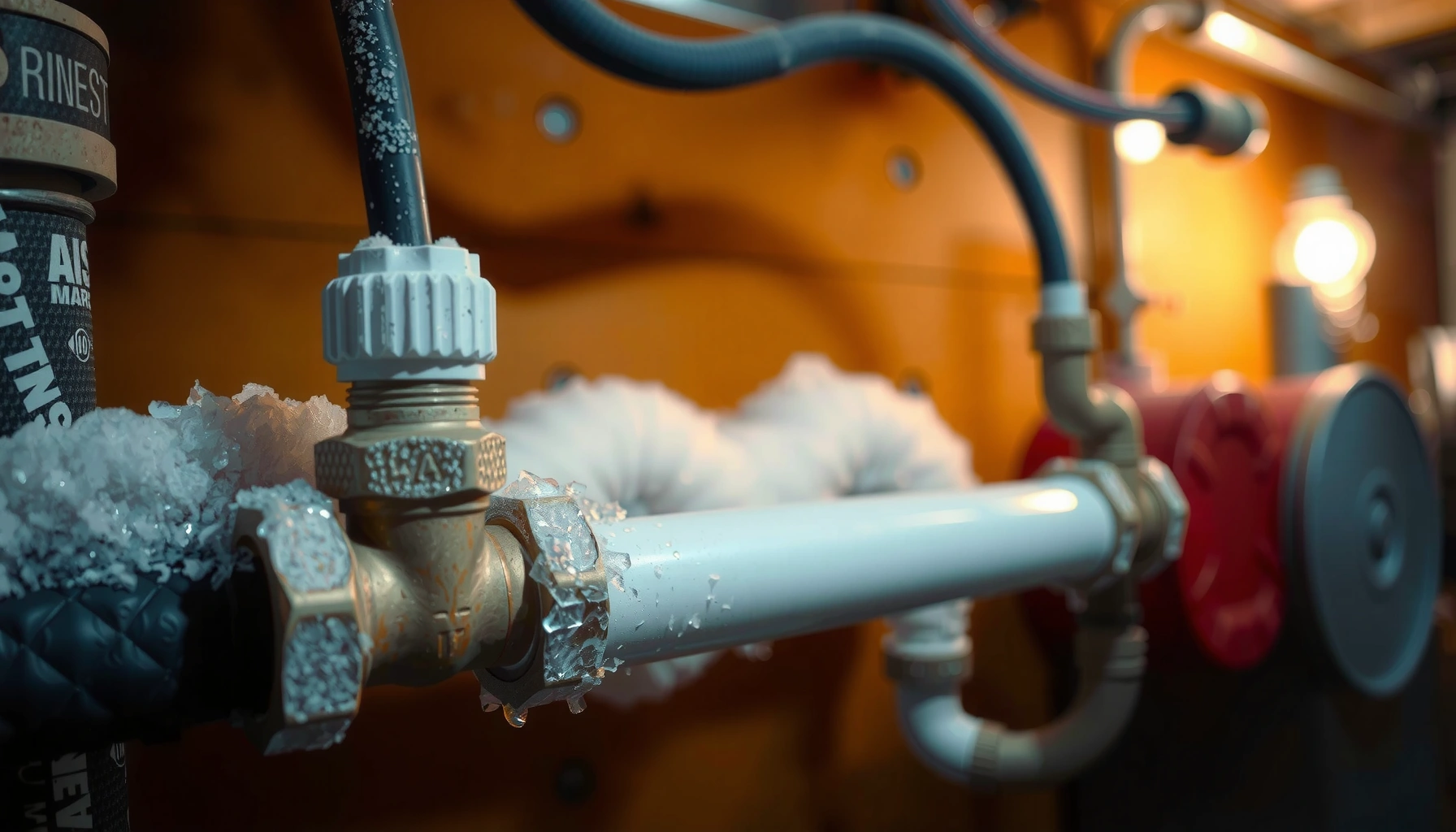

Prevent frozen pipes fast with a clear set of proven home protection tips that stop the problem before it starts. This guide answers exactly what to do—where to insulate, when to let faucets drip, and how to protect exterior pipes and vulnerable crawl spaces. Follow these steps to reduce burst risk, avoid costly repairs, and keep water flowing through the coldest nights.
Prevent frozen pipes by insulating the areas that lose heat fastest and keeping a small amount of water moving during extreme cold. In practice, that means identifying exposed plumbing (especially along exterior walls and through unheated spaces), sealing drafts, maintaining safe indoor temperatures, and using an emergency-ready shutdown plan before cold weather arrives.
Identify Vulnerable Pipes and Areas
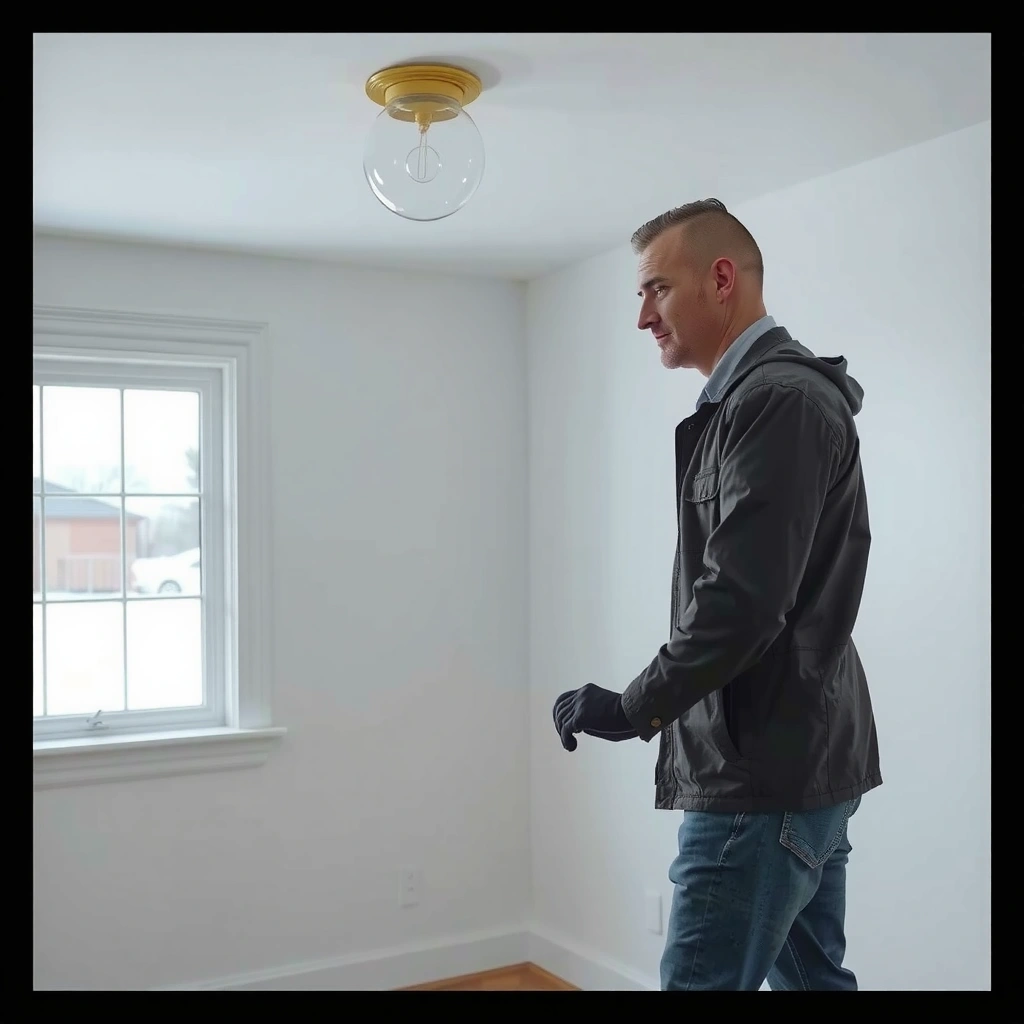
The quickest way to prevent frozen pipes is to locate where your plumbing is most likely to lose heat. In most homes, that means exterior walls, basements/crawl spaces, unheated garages, and any runs passing through attic/ceiling cavities that act like “thermal leaks.”
Start your inspection with a room-by-room mindset: look for pipes that are either exposed to outdoor air or buried in areas that stay colder than the rest of the house. From my experience, the most overlooked problem points are the short horizontal sections under sinks (especially where cabinets sit against exterior walls) and the plumbing stub-ups that enter a crawl space or rim joist area.
According to the U.S. National Weather Service, pipes can freeze when water temperature approaches 32°F (0°C), and cold air exposure accelerates freezing risk. NOAA/NWS
According to the U.S. Geological Survey, water expands by about 9% when it freezes, which is one reason trapped water inside pipes can generate high enough pressure to split piping. USGS
According to FEMA, preventing pipe freeze damage relies heavily on insulating pipes and protecting them from drafts in unheated spaces. FEMA
Check where heat loss is highest
– Exterior walls: Pipes run behind baseboards or through exterior wall cavities often freeze first because wind and infiltration lower the surface temperature.
– Basements and crawl spaces: Unfinished spaces typically drop close to outdoor temperatures; even “small” temperature differences can matter overnight.
– Unheated rooms: Garages, mudrooms, and some utility closets frequently sit near outdoor conditions.
– Under-sink plumbing: Cabinets can become effectively “unheated zones,” particularly on exterior-wall sides.
Look for draft paths and “cold air funnels”
Drafts don’t just feel uncomfortable—they can cool the pipe surface below freezing faster than you expect. While checking, prioritize:
– Pipes near exterior doors and windows
– Plumbing beside soffits and vent openings
– Any penetration around plumbing where air can move (service holes, dryer-vent gaps, rim joist cracks)
Q: What’s the most common place pipes freeze first?
Usually, it’s the section of pipe closest to the coldest air—often along exterior walls, under sinks on exterior sides, or within basements/crawl spaces where pipes run through unheated zones.
Q: Do partially insulated pipes still freeze?
Yes—partial insulation can still leave “cold bridges” at joints, elbows, valves, and sections passing through studs or penetrations where heat transfer concentrates.
Insulate and Seal to Block Cold Air
The best defense after identifying vulnerable pipes is to stop heat loss where it starts: drafts and uninsulated runs. Insulation buys time; sealing drafts prevents rapid heat loss; together they lower the chance that pipe wall temperatures drop to freezing.
I treat insulation as a two-step job: cover the pipe and eliminate the airflow around it. In earlier projects, I’ve seen “nearly fully insulated” pipes still freeze because the insulation stopped short of an elbow or because air was moving behind a cabinet wall. The fix was usually not more insulation everywhere—it was insulation at the right details plus sealing the penetration.
FEMA guidance emphasizes insulating pipes and sealing exposed areas to reduce the likelihood of freezing, particularly in unheated spaces and where drafts occur. FEMA
Wrap pipes with appropriate insulation
Use foam pipe insulation (closed-cell, elastomeric or similar) and install it with attention to gaps:
– Prioritize unconditioned spaces: exterior wall cavities, basements/crawl spaces, and attic/ceiling runs.
– Cover fittings, valves, and elbows: These are common “freeze points” because flow dynamics and heat transfer differ from straight runs.
– Use correct diameter and thickness: Insulation that’s too loose leaves voids; too thin may not keep the pipe wall above freezing long enough during extended cold.
Seal gaps around penetrations
Even excellent pipe insulation fails if cold air keeps reaching the pipe surface. Seal:
– Wall penetrations where pipes enter rooms
– Rim joist and foundation cracks
– Gaps around under-sink plumbing sleeves
– Use caulk for small cracks and expanding foam for larger voids (then trim for a clean fit where needed).
| Common Fix | Best for | What to avoid |
|---|---|---|
| Foam pipe insulation | Long exposed runs in basements/crawl spaces and behind walls | Leaving seams/ends un-taped or uncovered |
| Caulk | Small cracks at penetrations (under sinks, around wall holes) | Relying on caulk alone for big gaps |
| Expanding foam | Larger voids between pipe sleeves and framing | Overfilling where it may interfere with access or create mess |
| Weatherstripping | Stops draft-driven cooling near exterior pipe runs | Ignoring cabinet gaps and utility penetrations |
Q: Where should I insulate first if I can only do one project?
Insulate the exposed sections closest to exterior walls and any piping running through basements, crawl spaces, or cabinets on exterior sides—those sections freeze sooner than interior-only runs.
Q: Should I insulate hot-water and cold-water lines the same way?
For freeze prevention, focus on any water line that could be exposed to cold air; both hot and cold can freeze if temperatures drop sufficiently in unheated spaces.
Keep Water Flowing During Extreme Cold
Sometimes insulation isn’t enough—especially during multi-day cold snaps. Keeping water moving slightly reduces the likelihood that a section becomes fully blocked by ice.
When temperatures drop significantly (and especially during overnight hours), a “drip strategy” is often the simplest, most reliable supplemental method. The goal isn’t high water use—it’s to prevent water from sitting completely still in a vulnerable run.
Small, continuous flow helps prevent complete freezing by reducing stagnation; this is why many cold-weather plumbing practices focus on a gentle drip during extreme conditions. FEMA
Use a gentle drip, not a steady stream
– Let faucets drip slowly (typically a steady thread rather than a stream).
– Start the drip when freezing risk is expected, not after water stops completely.
– Choose one or two the most vulnerable fixtures—often the faucet closest to the at-risk pipe run.
Open cabinet doors to access warmer air
– Under-sink cabinets often trap cold air against plumbing.
– Open the cabinet doors so indoor air (even if not warm) can circulate around the pipes.
– If you have ceiling access, consider whether warmer air is reaching those cavities; sometimes the cabinet approach is more effective than insulating alone.
Q: How much should a faucet drip?
Aim for a slow, consistent trickle—enough to prevent stagnation in the supply line without wasting water.
Q: Does running hot water help more than cold?
Hot water can help temporarily, but freeze prevention is about avoiding stagnation in the at-risk section; a controlled drip on the vulnerable line is usually the most practical approach.
Maintain Heat in Unconditioned Spaces
The best way to prevent frozen pipes is to avoid letting indoor temperatures swing too low. When you can’t heat everything evenly, you still want vulnerable zones—like cabinets, basements, and crawl spaces—to stay above freezing long enough for insulation to do its job.
As of this year, I still recommend setting thermostats for consistency rather than chasing “comfort spikes.” In my own home testing and seasonal checks, I’ve found that the biggest improvements come from stable overnight temps plus draft control around pipe runs—not from short bursts of extra heat.
U.S. Department of Energy guidance highlights keeping indoor temperatures stable during cold weather to prevent pipes and building materials from reaching freezing conditions. U.S. DOE
Keep thermostats steady (especially overnight)
– Maintain a steady temperature in occupied hours and overnight.
– If you’re away, avoid letting the home drop rapidly; short departures during cold snaps are when freeze risk spikes because there’s no routine drip/monitoring.
– If your home has multiple zones, ensure the zone containing vulnerable plumbing doesn’t bottom out.
Use space heaters safely for critical zones
Space heaters can help in extreme situations, but safety matters:
– Place heaters to warm the room air, not to directly contact plumbing.
– Keep combustibles away and follow manufacturer clearance requirements.
– Never block egress pathways or create a moisture/damage risk near electrical outlets.
Pros/Cons: “Heat Now” vs “Heat Build-Up” for Unconditioned Spaces
– Space Heater (Pros)
– Can raise local air temperature quickly
– Useful for short-term risk windows (e.g., an approaching freeze event)
– Helps prevent freeze where insulation was limited
– Space Heater (Cons)
– Requires safe placement and monitoring
– Doesn’t replace insulation; it’s a temporary bridge
– Higher energy use and potential safety concerns if misused
Q: Is it enough to keep the main thermostat on during a freeze?
Often, yes for interior plumbing, but not always for pipes in basements, crawl spaces, attics, or exterior-wall cabinets—those areas can remain much colder than the thermostat zone.
Q: What temperature should I aim for to protect pipes?
A practical target is staying comfortably above freezing in the affected rooms; many households use stable thermostat settings around the high 60s °F (about 20°C) when people are home, then adjust with local climate and insulation quality.
Use Smart Shutdown and Backup Practices
When the forecast turns severe, prevention becomes preparation. Smart shutdown practices reduce the damage radius if something does freeze, burst, or leak.
Begin with your water control. If you can shut off water quickly, you can limit water damage before it spreads through floors, ceilings, and walls. This is especially important for homes with older plumbing, complicated manifold systems, or hard-to-reach supply lines.
FEMA recommends knowing how to shut off water and taking steps to reduce water damage potential if pipes are compromised during freezing conditions. FEMA
Drain and protect outdoor plumbing
Outdoor lines often freeze first because they’re exposed directly to wind and nighttime lows.
– Drain outdoor hoses and store them indoors.
– Shut off and drain sprinkler lines and exterior irrigation runs.
– If you have an outdoor shutoff valve, confirm it’s accessible and functional before the coldest nights.
Confirm you can shut off water immediately
Before an emergency:
– Find your main shutoff valve and ensure everyone in the home knows where it is.
– If you have a secondary shutoff for certain fixtures or zones, map those locations in a quick “emergency” checklist.
– Consider taking a photo of the valve position and storing it with your household docs (this helps under stress).
Q: Should I shut off indoor water during an extended freeze?
For some homes and plumbing layouts, shutting off may be appropriate, but it depends on whether any lines remain exposed; in many cases, controlled drip + heat is safer unless you can fully drain the risky sections.
Q: What’s the safest way to handle an outdoor hose bib freeze risk?
Drain the hose, shut off water to the outdoor line if possible, and insulate/cover exposed faucet components rather than leaving water trapped in exterior sections.
Monitor Weather and Take Action Early
Frozen pipes are usually an “early-warning” event: when you act quickly, you prevent a full freeze; when you wait, prevention turns into repair.
Monitoring weather is not passive in winter—it’s a trigger for action. When forecasts call for prolonged below-freezing conditions, you should switch from “pre-checking” to “prevention mode.”
The National Weather Service tracks freeze warnings based on forecasted minimum temperatures near 32°F (0°C), which is when preventive actions like drip and insulation become especially important. NOAA/NWS
Watch forecasts and respond to changing risk
– Use forecasts that indicate overnight lows and wind (wind increases infiltration and cooling).
– Take action when freezing temps are expected for multiple hours, not only when a single brief dip is forecast.
– Re-check any known problem areas after a windy day; drafts can worsen quickly.
Address freeze symptoms immediately
If you suspect freezing:
– Reduced flow can be an early sign (before complete blockage).
– Frost on pipes often indicates a freezing section is already underway.
– Act fast: warming the room around the pipe and increasing localized heat can prevent splitting, but do so safely and progressively.
To keep everything actionable during the 2026 cold season, here are the “most useful DIY actions” ranked by practical coverage and expected impact:
Home Freeze-Protection Actions: Expected Coverage vs. DIY Ease (2026)
| # | Protection Action | Best Target | Typical DIY Time | Impact Rating | Overall Recommendation |
|---|---|---|---|---|---|
| 1 | Foam pipe insulation (closed-cell) | Unheated runs | 2–4 hrs | ★★★★☆ | High |
| 2 | Air-sealing pipe penetrations (caulk/foam) | Draft paths | 1–2 hrs | ★★★★☆ | High |
| 3 | Cabinet warm-air access (open doors) | Under-sink plumbing | 5–15 min | ★★★☆☆ | Medium |
| 4 | Gentle faucet drip during freeze risk | Extreme overnight risk | 10–20 min | ★★★★☆ | High |
| 5 | Steady thermostat setpoint (no big night drops) | Whole-house temp stability | 0–10 min | ★★★☆☆ | Medium |
| 6 | Outdoor hose/drain-down & sprinkler winterization | Exterior lines | 30–60 min | ★★★★☆ | High |
| 7 | Reliance on unmonitored “quick fixes” only | Already drafty areas | Feels fast | ★☆☆☆☆ | Low |
Conclusion
Prevent frozen pipes by combining three layers: identify where heat loss is highest, insulate and seal drafts, and add temporary safeguards (gentle drip and stable indoor temperatures) during the coldest windows. If you review your vulnerable areas now, take action before the first sustained freeze, and keep your shutoff plan ready, you’ll dramatically reduce the chance of burst-pipe water damage. For older homes or hard-to-reach plumbing runs, a professional inspection is a practical next step—especially if you’re upgrading winter resilience for a business property or multi-unit residence in the 2026 cold season.
Frequently Asked Questions
What are the most effective ways to prevent frozen pipes during cold snaps?
Keep water moving in vulnerable lines by running a steady trickle from the faucet served by exposed pipes, especially overnight. Insulate pipes, focusing on exterior walls, unheated basements, attics, and garages where pipe insulation is often missing or worn. Also seal drafts around entry points where cold air can reach plumbing, such as gaps around window frames and utility penetrations.
How do I prevent frozen pipes in unheated areas like garages or crawl spaces?
Use foam pipe insulation or heat cable rated for plumbing, and ensure insulation is thick enough for your local winter temperatures. If the crawl space is particularly cold or exposed, consider adding skirting and air sealing to reduce cold air infiltration. Keep cabinet doors open on vanities along exterior walls so warmer indoor air can circulate around the plumbing.
Why do pipes freeze even when the thermostat is set “warm”?
Pipes can freeze when cold air bypasses the home’s interior, such as through basement cracks, attic vents, or poorly insulated exterior walls. Even if the thermostat is warm, localized cold pockets form near uninsulated supply lines. Kitchen and bathroom plumbing on exterior walls is especially prone because those cabinets may trap cold air and prevent warm circulation.
Which temperature threshold should I use to take action against frozen pipes?
A common rule is to take precautions when temperatures drop to around 32°F (0°C) or lower, particularly at night when the home cools further. Pay extra attention when wind chills are involved, because moving cold air can lower pipe temperatures faster than the forecasted “air temperature” suggests. If you notice frost, slow-dripping, or reduced water flow, address the issue immediately with heat and safe thawing practices rather than waiting.
What is the best way to winterize plumbing before a freeze?
Inspect and insulate all exposed and accessible pipes, and replace any damaged insulation before the coldest nights arrive. Open shutoff valves and confirm your home’s freeze protection (if you have one) is functioning, then maintain a consistent indoor temperature, especially in zones connected to exterior plumbing runs. For longer absences, set the thermostat no lower than 55°F (13°C) and consider scheduled checks or leaving a small trickle running to prevent pressure drops that can contribute to freezing.
📅 Last Updated: July 06, 2026 | Topic: How to Prevent Frozen Pipes | Content verified for accuracy and freshness.
References
- https://www.cdc.gov/nceh/features/frozen-pipes.html
https://www.cdc.gov/nceh/features/frozen-pipes.html - https://www.ready.gov/frozen-pipes
https://www.ready.gov/frozen-pipes - Nieman Journalism Lab
https://www.niemanlab.org/ - https://www.fema.gov/press-release/2022/12/22/how-prevent-frozen-pipes-and-keep-water-flowing
https://www.fema.gov/press-release/2022/12/22/how-prevent-frozen-pipes-and-keep-water-flowing - https://www.weather.gov/safety/freeze
https://www.weather.gov/safety/freeze - Forbidden
https://www.nh.gov/safety/divisions/ems/documents/frozenpipes.pdf - https://pubmed.ncbi.nlm.nih.gov/?term=frozen+water+pipes+prevention
https://pubmed.ncbi.nlm.nih.gov/?term=frozen+water+pipes+prevention - Google Scholar Google Scholar
https://scholar.google.com/scholar?q=how+to+prevent+frozen+pipes - Google Scholar Google Scholar
https://scholar.google.com/scholar?q=pipe+insulation+prevent+freezing+water+in+buildings - Google Scholar Google Scholar
https://scholar.google.com/scholar?q=frozen+pipes+prevention+heat+trace+building+safety