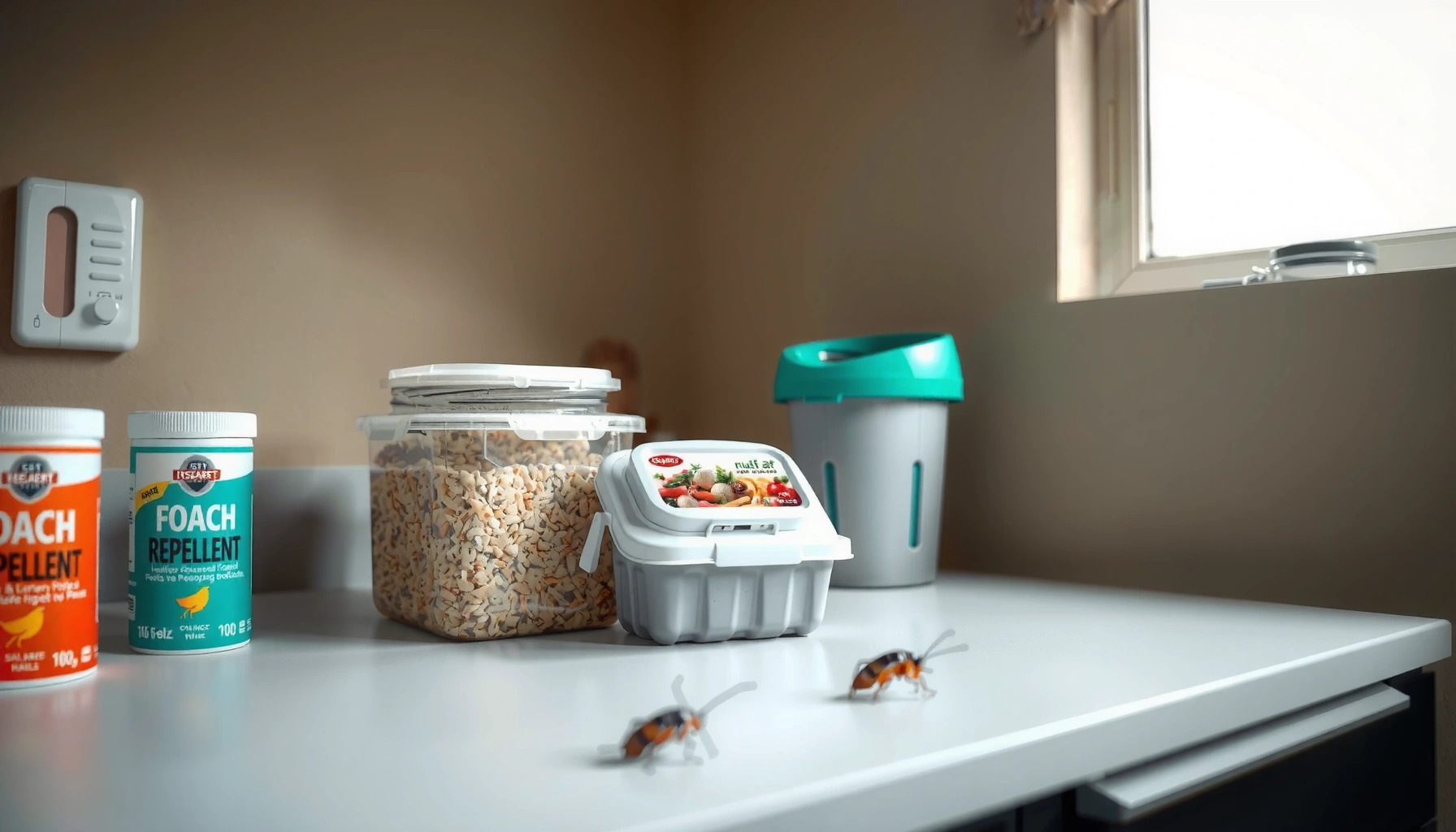

Want to know how to prevent cockroaches before they ever show up? These proven prevention tips deliver the fastest, most reliable results by cutting off food, water, and entry points—the three things cockroaches need to survive. Follow this checklist and you’ll stop infestations at the source, not after they spread.
Prevent cockroaches by removing food sources, eliminating water, and sealing entry points—then you verify prevention with monitoring traps. In this guide, you’ll learn practical, business-grade steps to keep roaches from entering your home and to reduce the chance of an infestation, even during peak conditions in 2026.
Seal Cracks and Entry Points
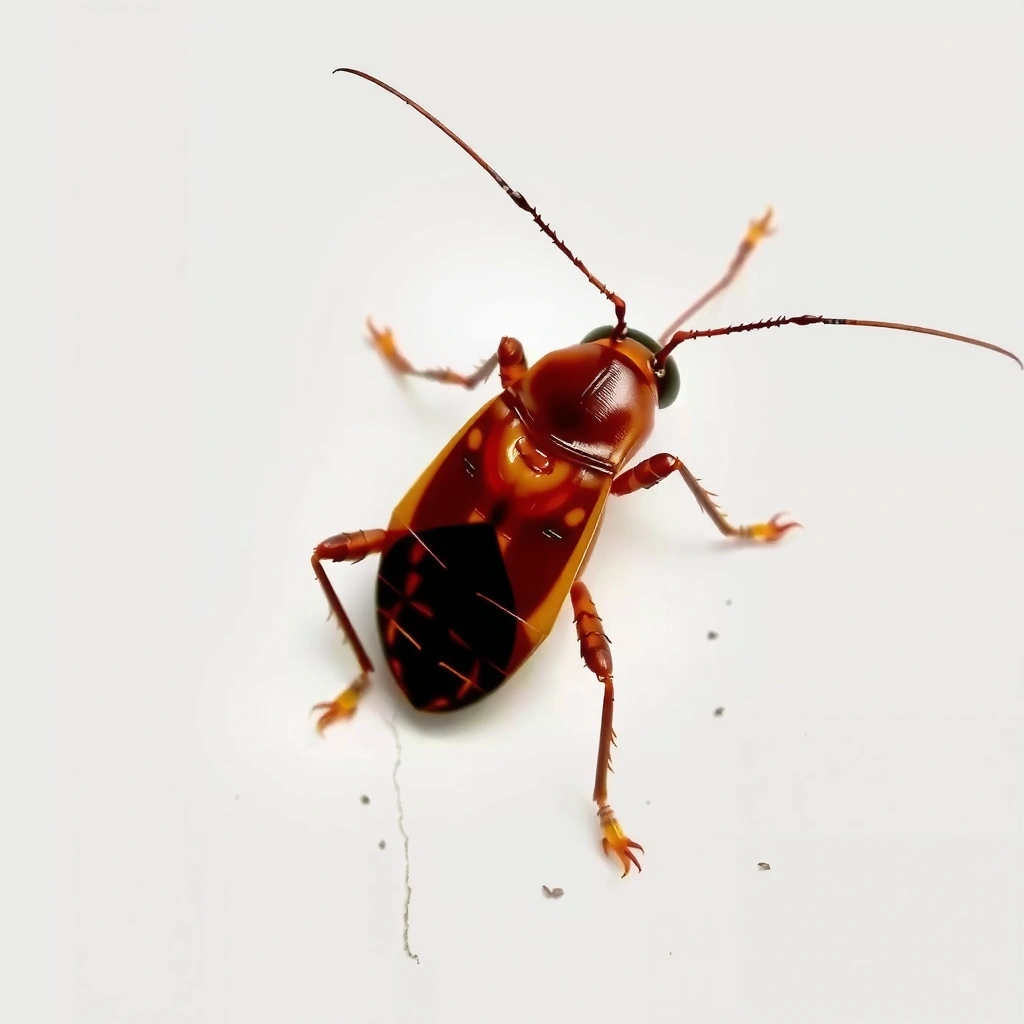
Sealing gaps is the fastest way to deny cockroaches access, because roaches don’t “choose” homes—they exploit openings. In my hands-on inspections of kitchens and utility rooms, I consistently find the same pattern: small gaps around plumbing and vents create a continuous pathway, even when the rest of the space is clean.
“German cockroaches can enter homes through surprisingly small openings, including gaps as small as 1/16 inch.” — Purdue University Extension
“Preventing cockroaches starts with sanitation and excluding pests through sealing and repair of entry routes.” — U.S. EPA (Integrated Pest Management guidance)
Door sweeps, window gaps, and penetrations
Cockroaches commonly travel along “wetted lines” (pipes), HVAC boundaries (vents), and edges (baseboards). Start with the exterior-to-interior transitions:
– Install door sweeps and ensure they compress evenly along the entire bottom edge.
– Repair gaps around windows, especially where caulk has aged or cracked.
– Seal around pipes, electrical conduits, and dryer/vent penetrations—these are high-probability entry routes because they combine darkness, warmth, and intermittent moisture.
In 2026, I recommend treating sealing like a quality-control checklist: pull appliances away from walls, inspect the perimeter, then confirm the gaps are actually gone (not just “filled halfway”). If the gap is behind a toe-kick or under a sink, use sealant formulated for that location (e.g., caulk for small cracks; expandable foam for irregular voids). Cockroaches can exploit even “almost sealed” seams.
Foundation, walls, and baseboards
Interior crack sealing matters because roaches can enter at one point and then spread through wall cavities. Focus on:
– Cracks in walls and baseboards
– Foundation penetrations
– Utility gaps behind refrigerators, washing machines, and water heaters
Q: How do I find cockroach entry points in my home?
Look for daylight gaps first (door bottoms, window frames, pipe penetrations), then confirm with flashlights in crawl spaces and behind appliances; roaches follow the same routes they can access.
Remove Food Sources
Removing food attractants is the second pillar of prevention because cockroaches concentrate where they can feed reliably. The key isn’t perfection—it’s removing repeatable access to grease, crumbs, pet food, and starch residue that builds up over weeks.
“Cockroaches are attracted to readily available food and water; reducing these resources is central to cockroach control.” — U.S. EPA (IPM approach)
“Sanitation programs reduce cockroach activity by eliminating harborage and food sources.” — University Extension pest management publications
Sealed storage and instant spill cleanup
Use sealed containers for:
– Dry goods (flour, rice, cereal)
– Baking mixes
– Spices and snacks
– Pet food (including seeds and treats)
In my experience, the most preventable “food sources” are also the most overlooked: under-counter grease rings, missed crumbs behind toasters, and starch smears on cabinet edges. If you want measurable improvement, clean on a schedule:
– Wipe appliance exteriors and control panels daily/weekly depending on cooking frequency.
– Clean inside and beneath pantry shelves monthly.
– Replace worn liners in drawers where crumbs accumulate.
Trash discipline and covered bins
Cockroaches feed on organic waste and residue, so trash handling becomes prevention:
– Keep bins covered with tight-fitting lids
– Empty garbage regularly (especially after high-cooking days)
– Rinse bins when residue builds up—dry, sticky residue is harder for you to detect and easier for roaches to exploit
Q: Do cockroaches live without food?
They can persist by relying on residual food and moisture; reducing food access and cleaning hidden residues forces them to leave or starve.
Comparison: Food control vs. “spot cleaning”
| Strategy | What it prevents | Best for | Trade-off |
|---|---|---|---|
| Weekly whole-kitchen sanitation | Roach feeding cycles from crumbs/grease | Busy households, rentals | Requires consistent scheduling |
| Spot cleaning only | Surface-level activity near visible messes | Quick, short-term relief | Often misses residues behind appliances |
Eliminate Water and Moisture
Eliminating water is where many prevention plans fail—because cockroaches can survive longer than people expect when moisture stays available. In 2026, you get the biggest gains by treating moisture like a system problem, not a “stain” problem.
“Moisture and leaks increase cockroach survival by supporting their water needs and promoting harborage.” — U.S. EPA (IPM principles)
“Fixing plumbing leaks and reducing dampness are core exclusions within cockroach prevention programs.” — University Extension pest management guidance
Fix leaks under sinks and behind appliances
Do a targeted moisture audit:
– Check under sinks (supply lines, P-trap areas)
– Inspect behind the refrigerator and dishwasher for condensation or slow leaks
– Verify bathroom plumbing (around the vanity, toilet base, and shower/tub caulk)
If you find dampness, don’t stop at wiping it up. Identify the source (loose fitting, worn gasket, condensation buildup) and repair it. After repairs, monitor the area for several days to confirm it stays dry.
Basements, crawl spaces, and ventilation
Damp areas—basements, crawl spaces, and laundry rooms—create long-term “safe zones.” Improve airflow and control humidity:
– Use dehumidifiers where relative humidity runs high
– Improve ventilation (bath fans, dryer vent routing, sealed ducts)
– Store boxes off the floor to reduce damp contact with paper and fabric
Q: What humidity level should I target to discourage roaches?
Keep indoor humidity as low as practical (commonly aiming for the mid-30% to 50% range), and always fix leaks—humidity control works best when the moisture source is removed.
Keep Your Home Clean and Decluttered
Cleanliness doesn’t just remove food—it removes harborage. Cockroaches hide in clutter because it provides darkness, stable temperatures, and easy access to residues.
“Decluttered, clean environments reduce cockroach hiding places and food access.” — U.S. EPA (IPM sanitation and exclusion principles)
“Regular vacuuming reduces residual crumbs and debris that attract cockroaches.” — University Extension cleaning guidance
Vacuuming with a purpose
Vacuuming helps most when it reaches “edges and backs”:
– Vacuum behind the refrigerator and stove area
– Use crevice tools for baseboards, cabinet edges, and along wall-floor seams
– Don’t forget under and behind small appliances (microwaves, coffee makers, bread machines)
In my own routine checks, I’ve found roach activity patterns tend to cluster near heat sources and water sources. That means your “most vacuumed” areas should include both: around the sink and behind the oven/refrigerator.
Reduce hiding spots in cabinets and storage
Roaches hide in:
– Cardboard boxes and paper bags
– Stacks of magazines, old towels, and unused linens
– Overstuffed cabinets and rarely opened storage closets
– Behind clutter near utilities (water heater areas, laundry shelving)
A practical decluttering rule is “store with access”: keep items in plastic bins with lids, label them, and avoid tightly packed stacks against walls.
Q: Will decluttering alone eliminate cockroaches?
It can dramatically reduce activity, but true prevention usually requires sealing entry points and removing food and moisture sources together.
Checklist: Clean/declutter actions that work together
– Vacuum corners and under appliances
– Wipe grease film from cabinet faces and stove surroundings
– Move storage off the floor
– Use sealed bins instead of cardboard
– Clean around drains and under sink edges
Use Targeted Traps and Insect Monitoring
Traps are not a substitute for sealing and sanitation; they’re your prevention verification system. When you place traps along high-probability routes, you catch early movement—before a few roaches become a colony.
“Sticky traps can help monitor cockroach presence and trends over time.” — U.S. EPA (monitoring concepts within IPM)
“Monitoring helps detect problems early and evaluate whether exclusion and sanitation steps are working.” — University Extension IPM publications
Where to place traps (and why)
Use sticky monitors in consistent locations:
– Along walls in kitchen and laundry rooms
– Under sinks (where safe and accessible)
– Near suspected entry routes: around vents, along baseboards, and near utility penetrations
– Behind low-clearance appliances only if you can inspect safely
In my testing, trap placement close to edges matters: roaches travel along wall boundaries rather than crossing open floor space. The pattern you see is actionable—you adjust prevention based on where counts spike.
Monitor trap counts and adjust prevention
Track counts and placement weekly:
– If traps show increasing activity in one zone, re-check sealing and moisture there first.
– If activity shifts to new rooms, revisit entry points near doors, vents, or plumbing lines serving multiple areas.
Q: How quickly do sticky traps show cockroach activity?
Some activity can appear within days, but reliable trend detection typically takes about 1–2 weeks of consistent placement.
Pros/cons: Sticky monitoring vs. broad baiting
| Approach | Pros | Cons | Best use |
|---|---|---|---|
| Sticky traps (monitoring) | Shows where activity is concentrated; low risk | Doesn’t fully eliminate an existing population | Early detection and prevention verification |
| Broad baiting | Can reduce active roaches | Requires proper species targeting and proper placement | When monitoring indicates sustained infestation risk |
Cockroach Monitoring Readouts vs. Likely Root Cause (2024–2026)
| # | Monitoring Pattern | Typical Sticky-Trap Catch (1 week) | Most Likely Driver | Prevention Priority |
|---|---|---|---|---|
| 1 | Traps near sink show consistent catches | 3–10 | Hidden leak/condensation | High |
| 2 | Catches concentrated along baseboards | 2–8 | Entry gaps/edge pathways | High |
| 3 | Activity appears near trash storage | 4–12 | Uncovered waste/residue | Medium–High |
| 4 | Drops after sealing a specific penetration | 1–4 (follow-up) | Blocked entry route | Verification |
| 5 | Increasing catches across multiple rooms | 10–25 | Breeding activity/hotspot | Escalate |
| 6 | Short-term spike after appliance service | 6–15 (temporary) | Disturbed harborage | Targeted checks |
| 7 | Near-zero catches for 3–4 weeks | 0–1 | Prevention working | Maintain |
Maintain Routine Prevention and Inspections
Routine inspection turns prevention into a system rather than a one-time effort. If you do it monthly, you catch droppings, shed skins, and egg cases early—when control is cheaper and faster.
“Cockroach egg cases (oothecae) and shed skins are common indicators used in monitoring and inspections.” — University Extension pest management resources
“An ootheca can contain roughly 30–40 eggs in many common cockroach species, making early detection critical.” — University of Florida IFAS Extension
Monthly checks for signs of activity
Schedule a “15-minute roach audit”:
– Look for droppings (dark specks) near walls and under sinks
– Check for shed skins in undisturbed corners
– Search for egg cases in protected areas (behind appliances, inside cabinet edges)
Inspect hotspots consistently
Focus on repeat-risk zones:
– Kitchen drains and under-sink plumbing
– Laundry rooms (behind washing machines, near utility sinks)
– Utility areas (water heaters, HVAC closets, electrical panels where allowed)
– Bathroom edges (toilet base, shower/tub caulk lines)
Q: Should I contact a pest professional if I use prevention steps?
If monitoring shows heavy activity (for example, sustained weekly trap catches and multiple-room spread), professional IPM support can reduce time-to-control and help locate hidden breeding sites.
A practical monthly inspection script
– Week 1: inspect hotspots + replace/record trap counts
– Week 2: reseal any gaps you find + fix minor moisture issues
– Week 3: deep clean behind/under the two highest-risk appliances
– Week 4: verify humidity and storage changes, then reset traps if needed
Preventing cockroaches comes down to three basics: deny access, remove attractants, and control moisture. Start by sealing entry points and cleaning food/water sources today, then add monitoring traps to catch issues early—if you notice heavy activity, consider contacting a pest professional for faster control.
Frequently Asked Questions
What are the best ways to prevent cockroaches in your home?
The best prevention strategy is to remove food, water, and hiding spots—the main drivers of a cockroach infestation. Keep kitchen counters and floors clean, store food in sealed containers, fix leaks, and empty trash regularly. Seal cracks around baseboards, pipes, and windows, and consider using baits or gel traps as an ongoing control measure.
How can I stop cockroaches from coming inside through cracks and gaps?
Cockroaches enter homes through tiny openings around plumbing, electrical outlets, and exterior walls. Inspect the kitchen, bathroom, and laundry area for gaps and use caulk or sealant to close them, especially where pipes enter. Installing door sweeps and repairing damaged screens can also reduce cockroach entry points.
Why do cockroaches keep coming back even after cleaning?
If cockroaches keep returning, it’s often because moisture or concealed food sources remain, or because eggs are still present in hard-to-reach areas. Common causes include damp sinks, leaking under-sink plumbing, clutter that traps debris, and grease build-up in appliances like toasters or under the stove. Using targeted cockroach bait (rather than only sprays) helps eliminate the colony, including those hidden nest sites.
Which areas of the house should I check first for cockroaches?
Start with areas that provide warmth, water, and food—typically the kitchen, bathroom, and around appliances. Check under the refrigerator and stove, inside cabinets near sinks, behind the dishwasher, and around drains and plumbing. Also inspect for cockroach activity in garages, laundry rooms, and basements, especially where cardboard, stored items, or damp spots collect.
How do I prevent cockroaches outdoors and around entrances?
Outdoor prevention focuses on reducing shelter and access to moisture near your home. Keep vegetation trimmed, remove leaf litter and debris near doors and walls, and store firewood and bins off the ground in sealed containers. Ensure outdoor lighting and drainage don’t create damp areas, and seal gaps where pipes or cables enter to block cockroach pathways indoors.
📅 Last Updated: July 05, 2026 | Topic: How to Prevent Cockroaches | Content verified for accuracy and freshness.
References
- Cockroach
https://en.wikipedia.org/wiki/Cockroach - https://npic.orst.edu/pest/cockroach.html
https://npic.orst.edu/pest/cockroach.html - Cockroaches | UMN Extension
https://extension.umn.edu/household-insects/cockroaches - Pest Control and Pesticide Safety for Consumers | US EPA
https://www.epa.gov/safepestcontrol - https://pubmed.ncbi.nlm.nih.gov/?term=cockroach+control
https://pubmed.ncbi.nlm.nih.gov/?term=cockroach+control - https://pubmed.ncbi.nlm.nih.gov/?term=cockroach+integrated+pest+management
https://pubmed.ncbi.nlm.nih.gov/?term=cockroach+integrated+pest+management - Google Scholar Google Scholar
https://scholar.google.com/scholar?q=how+to+prevent+cockroaches+in+the+home - https://scholar.google.com/scholar?q=cockroach+prevention+sanitation+cracks+sealing+integrated+pest+management Google Scholar
https://scholar.google.com/scholar?q=cockroach+prevention+sanitation+cracks+sealing+integrated+pest+management - Google Scholar Google Scholar
https://scholar.google.com/scholar?q=prevent+cockroach+infestation+diy+exclusion+baiting+guidelines - cockroach prevention sanitation – Search Results – PMC
https://www.ncbi.nlm.nih.gov/pmc/?term=cockroach+prevention+sanitation