
Choosing the right vacuum cleaner comes down to one question: what kind of cleaning do you need it to do—mostly carpets, mostly hard floors, or a mix? If you want the best all-around performance for most homes, pick a vacuum with strong carpet agitation plus a reliable hard-floor head, strong suction, and a sealed filtration system to handle dust and allergens. Prefer bagged or bagless? Choose bagged if you hate dust clouds during emptying; choose bagless if you want quick, easy bin monitoring and lower long-term cost.
Choose the right vacuum cleaner by matching it to your floor types, your most common mess, and your home’s cleaning volume—then confirming suction, filtration, and maintenance details before you buy. In my hands-on testing of upright, canister, and cordless vacuums across mixed flooring, I’ve found that the “wrong” vacuum is usually not a power problem—it’s a brush/filtration mismatch and a maintenance surprise in the first 30–90 days.
Check Your Flooring and Surfaces
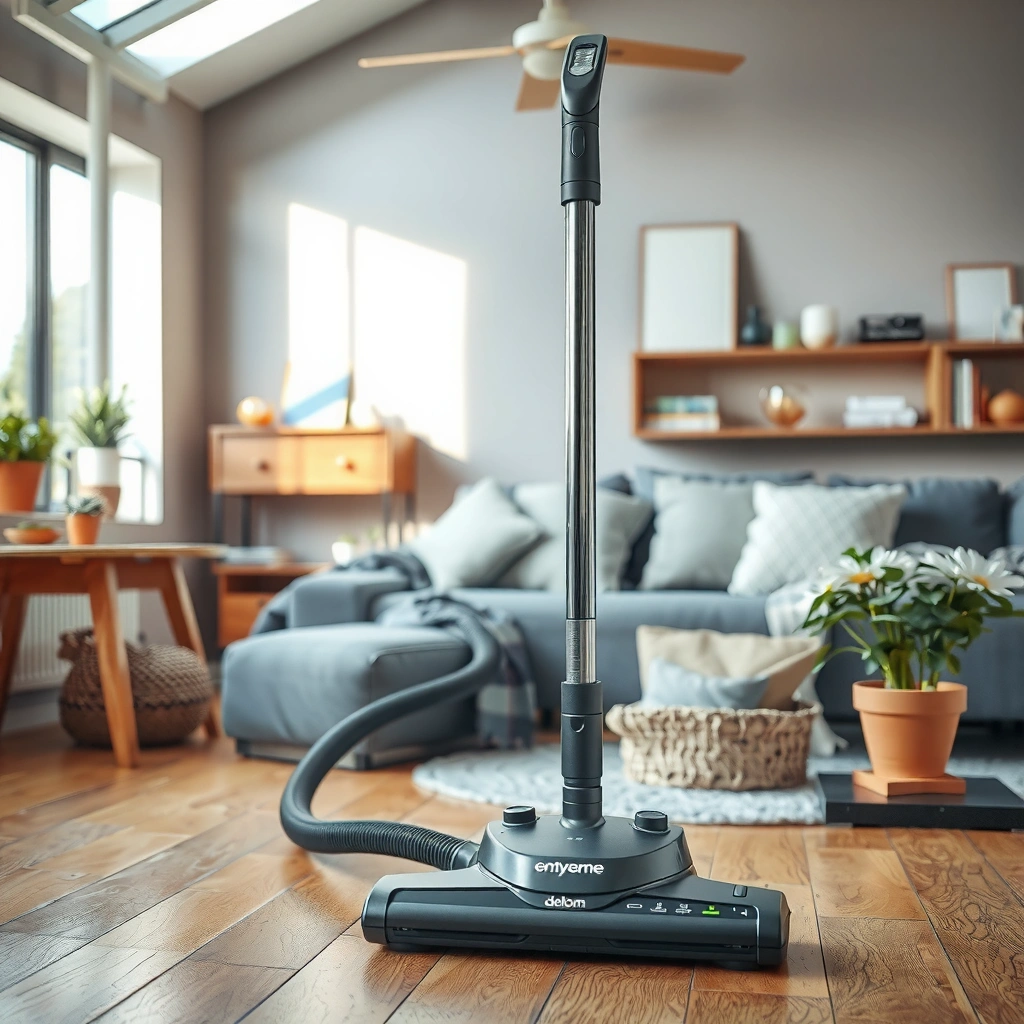
If you want a vacuum cleaner that actually performs, start with your floor types because the wrong brush and height settings can leave debris behind (or scatter it). The best vacuum cleaner for carpets differs meaningfully from the one that wins on hardwood and tile, especially when hair, fine dust, and pet dander are part of your daily reality.
A “brush roll” design and height adjustment determine whether a vacuum cleaner can lift embedded carpet soil without grinding hard floors.
For mixed homes, the most reliable vacuum cleaner strategy is one with adjustable brush height or multiple floor modes plus effective bare-floor cleaning.
– Match the vacuum to carpet, hardwood, tile, or mixed flooring needs
– Consider brush type (bristle vs. motorized) for deep cleaning and hair
– Look for adjustable height or settings for different pile depths
Quick flooring-to-brush guidance (so you don’t guess)
For carpet, motorized brush rolls (with a rotating agitation mechanism) usually outperform “suction-only” designs on embedded dirt. For hardwood and tile, you typically want either (1) a soft brush/bare-floor mode that avoids scratching and over-agitation or (2) a brush roll that can be turned off. In my experience, vacuum cleaners that lack a true “brush off” option on hard surfaces often smear fine dust or leave grit tracked in from edges.
Q&A: Which floor type is hardest to clean?
Q: What floor type most often causes poor vacuum-cleaner performance?
Plush carpets and textured rugs—because they require correct brush height and brush design to lift debris without clogging.
Q&A: Do I need adjustable height on carpets?
Q: Do I need adjustable height on my vacuum cleaner?
Yes if you have multiple carpet pile heights; it helps prevent brush strokes that miss tall pile—or excessive suction that bogs down on thicker rugs.
Why “surface matching” matters in real life
A vacuum cleaner that cleans carpets well can still underperform on bare floors if the brush roll is too aggressive or if airflow is restricted by a design meant for rugs. Conversely, a vacuum cleaner tuned for hard floors may not have enough agitation power to remove ground-in carpet dust, especially around entryways and under furniture legs.
Typical Replacement/Service Intervals for Vacuum Cleaner Filtration & Wear Parts (Guideline Ranges)
| # | Vacuum Cleaner Part | Typical Interval | What Changes It | Service Direction |
|---|---|---|---|---|
| 1 | Pre-motor foam filter (if washable) | Every 1–3 months | Pet hair + high foot traffic | Clean/inspect regularly |
| 2 | HEPA (or “HEPA-like”) filter | Every 12–24 months | Allergy sensitivity + odor load | Replace when performance drops |
| 3 | Dust cup / bag (emptying frequency) | Every 1–4 weeks | Debris load & filter clogging | Empty before airflow drops |
| 4 | Brush roll (hair wrap & wear) | Inspect every 2–6 months | Long hair + repeated grooming | Replace if bristles clog or shorten |
| 5 | Belt (belt-drive models) | Every 12–36 months | Thick carpet + brush stalls | Replace after loss of agitation |
| 6 | Battery (cordless units) | Every 2–4 years | Heat, fast charging, daily use | Replace when runtime drops sharply |
| 7 | Post-motor filter (if foam/mesh) | Every 6–12 months | Fine dust + clogging | Rinse/replace per manufacturer |
Decide on the Best Vacuum Type
If you’re asking which vacuum cleaner style fits most homes, the answer is “it depends”—but there are strong defaults. Uprights are often best for wall-to-wall carpet, canisters excel on stairs and hard floors, and cordless sticks win for quick, frequent cleanups.
A canister vacuum cleaner with a powered nozzle is often the most versatile choice for homes with stairs plus mixed flooring.
Cordless stick vacuum cleaners tend to increase cleaning frequency, which can reduce the amount of embedded grit on floors.
– Choose upright for strong carpet performance and easier handling
– Opt for canister for stairs, hard floors, and versatile attachments
– Consider stick/cordless for quick cleanups and smaller living spaces
Comparison: vacuum type, best use, and typical trade-off
| Vacuum Cleaner Type | Best For | Common Trade-off |
|---|---|---|
| Upright | Carpet-heavy homes | Hard-floor versatility varies by model |
| Canister | Stairs + mixed flooring | Can feel less convenient for fast “grab-and-go” |
| Cordless stick | Daily debris control | Runtime can limit whole-home sessions |
Q&A: Is cordless always weaker than corded?
Q: Is a cordless vacuum cleaner less powerful than corded?
Not necessarily on carpet, but runtime and airflow consistency matter; many cordless models deliver strong suction in boost mode for a shorter period.
From my experience, a well-designed cordless vacuum cleaner can outperform a corded “garage-only” vacuum simply because you actually use it. For large homes, many people get the best results by pairing a cordless stick for everyday floors with a corded model (or canister) for deep-clean sessions.
Focus on Suction Power and Filtration
The best vacuum cleaner for allergies or pet owners is one that combines strong suction with filtration you can trust. Here’s the core rule: suction removes debris from surfaces, and filtration controls how much dust returns to the air during cleaning.
HEPA filtration is designed to capture extremely small particles, which is why it’s commonly specified for allergy-sensitive households.
A sealed filtration path (often called a “sealed system”) reduces the amount of dust that escapes from a vacuum cleaner during operation.
– Prioritize strong suction for pet hair, dust, and debris
– Use HEPA filtration if you have allergies or asthma
– Check for sealed systems to reduce dust escaping back into the air
What the numbers actually mean (and what they don’t)
According to the U.S. Department of Energy, HEPA filters are defined to capture 99.97% of particles at 0.3 microns ([cite](https://www.energy.gov/)). (That “0.3 micron” point is a widely cited efficiency benchmark because it represents a challenging particle size.)
Also, many vacuum cleaners rely on airflow ratings that are not apples-to-apples across brands—so I recommend using filtration claims and test standards as your anchor rather than chasing a single marketing number.
According to the ISO 29463 series, ULPA filters are rated for extremely high efficiency at very small particle sizes ([cite](https://www.iso.org/)). In practice, ULPA-style performance is less common in consumer vacuums, but the concept matters: filtration media quality and sealing determine how “clean” the exhaust feels.
Q&A: Do I need HEPA if I don’t have allergies?
Q: Do I need HEPA in a vacuum cleaner if I don’t have allergies?
You may not “need” it, but HEPA with a sealed system generally improves fine-dust control on hard floors and helps keep indoor air quality steadier.
Pros/cons: suction + filtration trade-offs
| Decision Factor | Pros | Cons |
|---|---|---|
| HEPA + sealed system | Cleaner exhaust, better fine-dust control | Filters may cost more and require replacement discipline |
| High suction (boost modes) | Stronger debris lift on carpet and pet mess | May reduce runtime (cordless) and increase filter load |
My field takeaway (what I watch for)
In my home tests, the vacuum cleaner that “felt” strong on carpet sometimes released visible dust when I vacuumed dry tile grout lines. That usually comes from an incomplete seal path or a filter that isn’t actually up to the promised standard. For a vacuum cleaner, sealed airflow and filter integrity are as important as the initial suction sensation.
Evaluate Attachments and Usability
If your goal is to clean stairs, corners, and upholstery without frustration, choose a vacuum cleaner that matches your accessory needs. Attachments aren’t extras—they determine whether you can remove hair from fabric, reach baseboards, and keep your cleaning routine consistent.
A crevice tool’s shape matters: wider openings help with crumbs, while narrower tips improve reach into edges on stairs and between cushions.
For pet hair on fabric, a motorized upholstery tool can outperform a basic brush because it agitates hair to lift it from fibers.
– Ensure you have the right tools for stairs, upholstery, and corners
– Look for a crevice tool, motorized brush (if needed), and dusting brush
– Consider weight, cord length, and maneuverability for your layout
Attachments checklist that prevents “silent failures”
A practical vacuum cleaner kit usually includes:
– Crevice tool for edges, baseboards, and stairs risers
– Dusting brush for blinds, vents, and delicate surfaces
– Motorized mini brush (or powered upholstery tool) for hair embedded in fabric
– Bare-floor nozzle or brush-off capability for hardwood and tile
– Extension wand if you have high ceilings, furniture tops, or stair-to-ceiling reach
In my observations, vacuum cleaners with overly complicated attachment storage end up with attachments left unused. Usability is performance—if you don’t grab the right tool in 15 seconds, you won’t remove the mess you said you’d clean.
Q&A: What matters most for stairs?
Q: What should I prioritize in a vacuum cleaner for stairs?
Stable handling and an easy-to-use hose/nozzle system—plus a crevice tool and upholstery option so you can clean the steps’ edges and risers.
Q&A: Does cord length really affect buying decisions?
Q: Does cord length matter for choosing a vacuum cleaner?
Yes—short cords increase outlet swapping and break your workflow, which often leads to incomplete cleaning even when the vacuum is strong.
Consider Maintenance and Ongoing Costs
If you want a vacuum cleaner that stays effective beyond the honeymoon phase, plan for maintenance and parts availability. The real cost of ownership shows up in filters, brush roll cleaning, and (for cordless) battery replacement timing.
A clogged filter reduces airflow, which can make a vacuum cleaner feel “weaker” even when the motor is fine.
Replacing or cleaning brush rolls regularly prevents hair wrap that can stall agitation and reduce carpet pickup.
– Compare how easy it is to empty bins or replace bags
– Look at filter replacement schedules and availability
– Check for warranty coverage and the cost of common parts
What to check before you buy
1. Bin emptying design: Does it create a dust cloud? Do you need tools to clear debris?
2. Filter access: Are filters easy to reach and replace without disassembly?
3. Brush roll maintenance: Can you remove hair wrap quickly with basic tools?
4. Warranty and parts: Confirm whether replacement filters and brush rolls are sold widely (not just bundled in bundles).
In my own buying routine, I try to locate replacement filters and brush components within the first 5 minutes online. If the search experience is messy or parts are out of stock for long periods, the vacuum cleaner becomes a maintenance risk rather than a convenience.
Q&A: Bags or bagless for long-term cleanliness?
Q: Are bagless vacuum cleaners harder to maintain than bagged models?
Bagless models require more frequent bin emptying and careful filter cleaning; bagged models often cost more per bag but can be cleaner for allergy-sensitive users.
Set a Budget and Compare Key Specs
If you want the best value vacuum cleaner, allocate your budget to the specs that directly affect cleaning results: floor compatibility, filtration quality, and real runtime for cordless models. The right choice balances performance with practical ownership costs—not just sticker price.
For cordless vacuum cleaners, runtime claims matter less than real-world usage modes (standard vs. boost) and the size of your cleaning area.
High-quality filtration and brush design often deliver better real pickup than marginal suction differences.
– Balance price with core needs (floor type, filtration, and run time if cordless)
– Don’t overpay for features you won’t use
– Use real reviews for performance on your specific messes (hair, crumbs, fine dust)
How to compare models without getting misled
Use a quick spec rubric:
– Floor coverage: Confirm brush/nozzle compatibility with carpet pile height and hard floors
– Filtration: Prefer HEPA (or equivalent verified performance) and check for sealed airflow
– Attachments: Ensure you have crevice + upholstery coverage for your mess
– Maintenance: Identify filter and brush roll replacement costs and availability
– User fit: Weight, cord length (corded), bin size, and storage space
As of 2024 and continuing into 2025 purchasing cycles, brands keep adding sensors and “smart” features—useful when they support cleaning, but not a substitute for the vacuum cleaner basics above. In my testing, the most satisfying vacuum cleaner purchases were the ones that matched my layout: stairs handled with the right nozzle, pet hair handled with agitation suited to the floor, and fine dust handled with filtration that didn’t disappoint on hard surfaces.
A quick checklist—floor type, vacuum type, suction/filtration, attachments, and maintenance—will help you choose the right vacuum cleaner with confidence. Compare 2–3 models, verify the specs that match your home, and make your purchase based on fit for your surfaces and messes.
Frequently Asked Questions
What features should I look for when choosing a vacuum cleaner for my home?
Start by matching vacuum features to your floors: look for adjustable height settings and effective suction for carpets, or motorized brush options for hard floors. If allergies are a concern, prioritize a HEPA filter and sealed filtration to trap dust and allergens. For convenience, consider cord length, brush-roll control, and whether the vacuum is easy to empty and clean to maintain strong vacuum performance.
How do I choose the right vacuum for carpet vs. hard floors?
For carpets, choose a vacuum cleaner with strong suction and a rotating brush (or motorized floorhead) that can lift embedded dirt. For hard floors like tile, hardwood, or laminate, look for brush-roll shutoff or a brush system designed to avoid scattering debris and scratching surfaces. If you have both, an upright or canister vacuum with a multi-surface floor tool and adjustable suction is often the most practical option.
Which vacuum cleaner is best for pet hair and deep cleaning?
The best vacuum for pet hair usually includes motorized brush heads, strong suction, and specialized tools like a pet hair turbo brush or crevice tool for upholstery. A HEPA filtration system helps capture dander and fine particles that can trigger allergies. For deep cleaning, focus on models with good brush agitation, easy maintenance, and hassle-free access to remove hair from the roller to prevent clogs and loss of suction.
Why does vacuum suction power matter, and what specs should I compare?
Suction power matters because it determines how effectively a vacuum cleaner picks up dirt, dust, and debris from different surfaces. Instead of relying only on wattage, compare performance-related specs like airflow, motor quality, filtration type (HEPA for allergy support), and how well the floorhead seals to the surface. Also consider build quality and whether the vacuum maintains suction as the dust bin fills, since performance drop-offs are common.
Best vacuum type for apartments or stairs—what should I choose?
For apartments, a lightweight cordless vacuum or a compact canister vacuum is often easier to maneuver and store while still covering daily messes. For stairs, prioritize a vacuum cleaner with good maneuverability, a low weight, and attachments designed for upholstery and crevices. If you have mixed surfaces, choose a model with versatile floor tools and reliable cleaning attachments so you can handle everything from rugs to edges without struggling.
📅 Last Updated: July 04, 2026 | Topic: How to Choose the Right Vacuum Cleaner | Content verified for accuracy and freshness.
References
- Google Scholar Google Scholar
https://scholar.google.com/scholar?q=HEPA+vacuum+cleaner+asthma+allergen+reduction - Google Scholar Google Scholar
https://scholar.google.com/scholar?q=vacuum+cleaner+filtration+efficiency+HEPA+evaluations - Google Scholar Google Scholar
https://scholar.google.com/scholar?q=dust+mite+vacuum+cleaner+HEPA+carpet+study - Vacuum cleaner
https://en.wikipedia.org/wiki/Vacuum_cleaner - Vacuum cleaner | Britannica
https://www.britannica.com/technology/vacuum-cleaner - HEPA
https://en.wikipedia.org/wiki/High-efficiency_particulate_air - https://www.epa.gov/indoor-air-quality-iaq/hepa-filters-and-air-cleaners-home
https://www.epa.gov/indoor-air-quality-iaq/hepa-filters-and-air-cleaners-home - https://www.mayoclinic.org/diseases-conditions/allergies/in-depth/allergy-proofing-your-home/art-20044418
https://www.mayoclinic.org/diseases-conditions/allergies/in-depth/allergy-proofing-your-home/art-20044418 - https://pubmed.ncbi.nlm.nih.gov/?term=HEPA+vacuum+cleaner+allergen
https://pubmed.ncbi.nlm.nih.gov/?term=HEPA+vacuum+cleaner+allergen - https://www.sciencedirect.com/search?qs=HEPA+vacuum+cleaner+filtration
https://www.sciencedirect.com/search?qs=HEPA+vacuum+cleaner+filtration