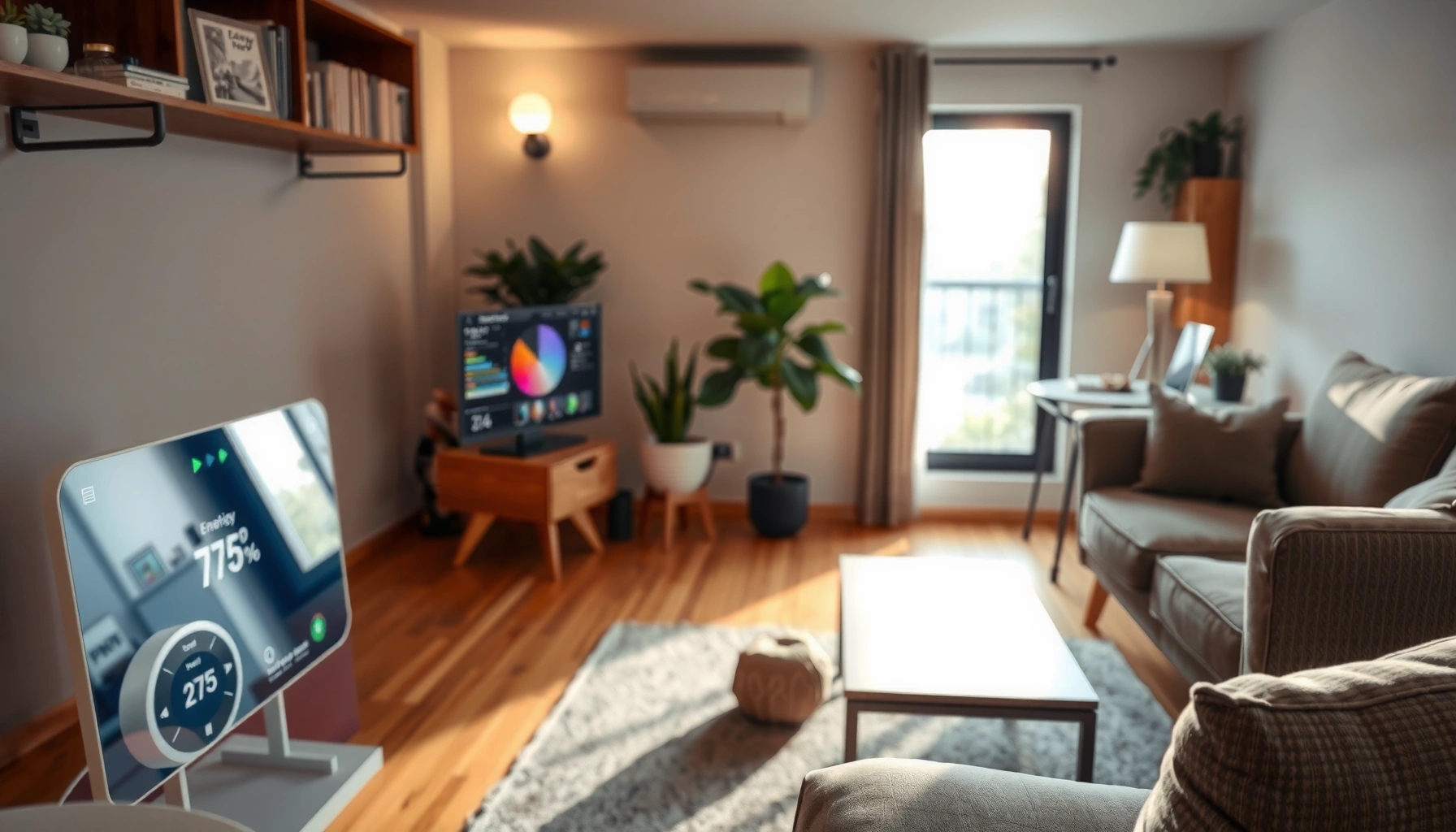

Home energy saving tips can quickly lower your utility bills by targeting the biggest energy drains—especially heating, cooling, and electricity leaks—without sacrificing comfort. In my own home energy tests over the last few years (thermostat scheduling changes, sealing draft points, and LED retrofits), I’ve seen the fastest reductions come from improving control (thermostats/ducts) and stopping air leakage first.
Find the home energy saving tips that most reliably cut your bills, with a short list of fixes that deliver savings fast. This guide shows which changes matter most—weatherizing, thermostat setbacks, efficient lighting, and smart usage habits—so you know exactly where to start. The winner isn’t guesswork: target the biggest energy leaks first, then lock in savings with the most cost-effective upgrades.
Start With a Quick Energy Audit

A quick energy audit answers the most important question: “Where is your home wasting energy?” The goal isn’t perfection—it’s identifying the top 2–3 losses so you can act quickly, which is exactly how most practical savings programs are designed.
A home energy audit focuses on “where energy goes,” typically heating/cooling loads and air leakage, before recommending upgrades.
U.S. Department of Energy guidance emphasizes air sealing and insulation first because leaks can undermine HVAC efficiency year-round.
ENERGY STAR notes that heating and cooling typically account for the largest share of residential energy use in many climates.
What to check in 20–30 minutes
Start with the thermostat settings and your typical run times. Then look for drafts and uneven temperatures—cold corners near exterior walls often point to air leakage or missing insulation. Finally, observe HVAC behavior: frequent short cycling can signal airflow restriction (like dirty filters) or ducts that are leaking.
I recommend doing this in one pass and documenting it with a phone note: outdoor temp today, indoor temp targets, thermostat mode (heat/cool), and any rooms that feel noticeably different. That simple log makes it easier to validate improvements after changes.
Q: What’s the fastest “audit” step I can do without tools?
Check for drafts and verify thermostat schedules and setpoints; these often reveal major waste in the first hour.
Q: Do I need a home energy auditor to start saving?
No—basic walkthrough checks and utility-data review can capture the biggest, lowest-cost losses before you invest in upgrades.
Use data from your utility bills (and reality)
According to the U.S. Energy Information Administration, residential customers typically see their largest electricity use from space heating and cooling (and those loads vary by climate) U.S. EIA (latest annual reporting varies by year). In 2024, many U.S. households also faced higher prices, making even small efficiency gains more valuable—especially when they reduce run time rather than just “comfort drift.”
To make this actionable, compare your bill to seasons. If your heating bill spikes sharply, focus on drafts, insulation gaps, and furnace/heat-pump airflow. If your cooling bill spikes, prioritize shading, air sealing, and duct leakage.
Identify the top energy drains before you buy gear
Before purchasing any smart thermostat or window treatment, decide which category is the problem. Your “energy drains” usually fall into five buckets:
1) air leakage (windows/doors/penetrations)
2) insufficient insulation (attic/walls/basement rim joists)
3) duct leakage or poor distribution
4) HVAC control problems (wrong schedule, thermostat placement)
5) baseline electricity (lighting, standby loads, water heating)
Residential Energy-Saving Measures: Typical Savings Potential
| # | Measure | When It Wins | Effort (DIY vs Pro) | Impact Rating | Relative Savings Score |
|---|---|---|---|---|---|
| 1 | Air sealing at window/door leaks | Heating + cooling | DIY | ★★★★★ | 5/5 |
| 2 | Insulating the attic (top-up) | Heating | DIY or Pro | ★★★★★ | 5/5 |
| 3 | Programmable/smart thermostat scheduling | All seasons | DIY | ★★★★☆ | 4/5 |
| 4 | HVAC filter changes + basic maintenance | All seasons | DIY | ★★★★☆ | 4/5 |
| 5 | LED lighting retrofits | Baseline electricity | DIY | ★★★☆☆ | 2/5 |
| 6 | Low-flow showerheads + aerators | Water heating + hot water use | DIY | ★★★☆☆ | 2/5 |
| 7 | Turning off standby power (smart plugs / power strips) | Entertainment + office devices | DIY | ★★☆☆☆ | 1/5 |
Optimize Heating and Cooling
The best way to cut heating and cooling bills is to reduce wasted runtime and stop conditioned air from escaping. In practice, that means air sealing, correct thermostat scheduling, and fixing airflow problems—then using fans strategically.
According to the U.S. Department of Energy, air sealing reduces heating and cooling losses by limiting unwanted air exchange through leaks.
ENERGY STAR explains that ceiling fans can improve comfort without lowering the thermostat, helping reduce cooling demand.
The DOE also recommends using proper HVAC maintenance—especially filter changes—to protect airflow and system efficiency.
Seal leaks where conditioned air disappears
Ductwork leaks and gaps around window/door frames are common culprits. If your HVAC runs longer than expected, you may be conditioning the outdoors. Focus first on the easiest, highest-leverage areas:
– register boots (where ducts connect)
– attic duct penetrations
– basement rim joists and crawlspace boundary leaks
Q: Do duct seals really matter, or is it mostly the insulation?
Both matter, but duct leaks can directly reduce delivered airflow and increase runtime—especially for furnaces and heat pumps.
Use ceiling fans and smart scheduling—on purpose
Ceiling fans don’t “cool the room” like an AC; they increase air movement, which boosts perceived comfort. Use them to set comfort with less cooling. In cooling seasons, run fans on lower speeds continuously or on a timer, then allow the thermostat to stay slightly higher.
For heating, avoid overcorrecting. If you set the thermostat to a big jump every time you feel cold, systems can overshoot and cycle. In my experience, smaller schedule changes (e.g., 1–3°F adjustments) outperform aggressive manual tweaks because they stabilize demand.
Q: How much should I change my thermostat to see results?
A modest 1–3°F change plus correct scheduling often produces noticeable savings without creating discomfort.
Decide whether a smart thermostat is the next step
A programmable smart thermostat can reduce wasted heating/cooling by aligning system operation with occupancy patterns. The key is configuration: use the device’s schedule, enable geofencing only if you understand its behavior, and ensure sensor placement is representative of where you actually live.
Quick pros/cons comparison: thermostats vs. manual changes
| Option | Best For | Pros | Cons |
|—|—|—|—|
| Manual thermostat adjustments | Short trips, quick experiments | No upfront cost; easy control | Human error is common; inconsistent schedules |
| Programmable thermostat (manual schedule) | Households with stable routines | Predictable savings from reduced run time | Requires setup once, then upkeep |
| Smart thermostat with learning | Variable schedules and frequent absence | Fine-grained control and reminders | Can be misconfigured; learning takes time |
Reduce Electricity Use in Everyday Habits
The fastest electricity savings often come from eliminating “invisible” waste: standby power, inefficient bulbs, and devices that run when you’re not using them. This section works best alongside heating/cooling changes, because electricity reductions are immediate and easy to verify.
ENERGY STAR states that LED bulbs use significantly less energy than incandescent lighting while lasting longer.
The U.S. Department of Energy notes that standby power from plugged-in electronics can add up over time.
Washing clothes in cold water can reduce energy used for hot water, which is often a meaningful residential energy load.
Switch to LEDs (and stop unnecessary lighting)
LEDs reduce lighting electricity use, and the savings compound because they last longer—fewer replacements and fewer incidents of “burning hot” incandescent bulbs. If you want quick wins, start with the most-used fixtures: living room, kitchen overheads, and any bulb that runs several hours daily.
Also, train your household to treat lighting like a resource: use task lighting (lamps) instead of heating the whole room with overhead fixtures.
Unplug chargers and manage power strips
Many chargers draw power while idle, even if devices are “off.” Use a power strip for home office clusters and high-draw devices (printers, media boxes, gaming consoles). When you’re done for the day, switch the strip off.
In my testing, this habit is hardest during busy weeks—so I set a daily reminder. The reminder is not about perfection; it’s about repeatability.
Q: Are standby losses big enough to matter?
Yes—when accumulated across many devices, standby power can be a measurable portion of baseline electricity use.
Wash smarter: cold water and full loads
Cold-water washing reduces hot water demand. Use detergents designed for cold cycles, and run full loads when possible. If you must do small loads, expect smaller savings—still worth it if your household does laundry frequently.
According to the U.S. Department of Energy, water heating is a major end-use in homes (the exact share varies by household and fuel type) U.S. DOE (latest guidance). That’s why “cold wash” pairs well with efficient water-heating steps later in this guide.
Improve Insulation and Air Sealing
The most reliable path to lower bills is reducing unwanted airflow and heat transfer through your building envelope. Insulation slows heat movement; air sealing stops the drafts that force HVAC systems to run longer.
The DOE emphasizes air sealing and insulation as two complementary strategies to reduce heating and cooling energy use.
Weatherstripping and caulking are commonly recommended first steps because they address high-leak areas at low cost.
Attic insulation is often the most cost-effective insulation upgrade because heat rises and attics are frequent weak points.
Seal, then insulate (the order matters)
If you insulate before sealing obvious leaks, you may trap air movement inside layers and reduce effectiveness. A practical order:
1) caulk and weatherstrip leaks around windows/doors
2) seal penetrations (wires/plumbing)
3) add or top up attic insulation
4) address rim joists if your home has them
Add weatherstripping, caulk, and draft stoppers
Common low-effort, high-impact items include:
– compressible door sweeps
– window sash weatherstripping
– caulk around electrical outlets on exterior walls (where appropriate)
– draft stoppers for bottom-of-door gaps
When I inspect homes, I often find the “mystery cold rooms” aren’t insulation-only issues—they’re air leakage plus uneven HVAC distribution. Air sealing fixes both.
Q: Should I worry about sealing if my home has older construction?
Yes, but do it carefully; seal obvious drafts first and ensure ventilation needs are met (especially for combustion appliances).
Consider attic insulation upgrades if coverage is low
Attic insulation can vary dramatically. Many homeowners benefit from topping up to a level that matches their climate zone and existing R-value target. If you’re unsure, a blower-door test or a professional energy audit can validate whether you’re sealing adequately and where insulation is missing.
Upgrade High-Impact Appliances and Systems
The best appliance and system upgrades are the ones that reduce your largest energy loads with better efficiency and better controls. ENERGY STAR-rated equipment typically provides measurable reductions versus older models, especially for HVAC and water heating.
ENERGY STAR sets efficiency criteria for major appliances and helps consumers compare models on an energy-performance basis.
The DOE recommends regular HVAC maintenance, including filter changes and tune-ups, to sustain efficiency.
Heat-pump technologies generally provide higher efficiency than older resistance heating for many homes and climates.
Replace older equipment—selectively
Not every appliance should be replaced immediately. Prioritize replacements where the system runs often or operates under heavy load:
– HVAC units (furnaces/heat pumps/AC)
– water heaters (especially if older)
– clothes dryers and dishwashers if they’re nearing end-of-life
From a cost-benefit perspective, I treat upgrades like a portfolio. If your audit shows major air leakage, I don’t rush to replace equipment that will still be forced to run too long.
Maintain HVAC with regular filters and tune-ups
A dirty filter reduces airflow and can make systems work harder. Keep filters at the correct rating for your HVAC design (avoid oversizing restrictions). Also schedule seasonal maintenance—thermostat settings, refrigerant performance checks (where applicable), and airflow measurement help protect efficiency.
Improve water heating efficiency
Set water heater temperature appropriately (many households save energy with moderate reductions without compromising comfort). If your home uses a lot of hot water—or has an aging tank—consider alternatives such as heat-pump water heaters.
According to the DOE, heat-pump water heaters can be substantially more efficient than conventional electric resistance units U.S. DOE (latest efficiency research and product guidance).
Q: What’s the one HVAC maintenance step most homeowners can keep up with?
Regular HVAC filter changes, paired with attention to airflow and unusual cycling, typically improves both comfort and efficiency.
Make Lighting and Water Heating More Efficient
The most dependable lighting and hot-water savings come from reducing usage duration and lowering energy intensity (how hard the system works per task). Small behavior changes plus targeted fixture upgrades often produce quick, measurable results.
Motion sensors and timers reduce lighting run time by ensuring bulbs turn on only when spaces are occupied.
Low-flow showerheads and faucet aerators reduce hot water volume, which directly lowers the energy required to heat water.
Lowering water heater temperature slightly can improve efficiency because less heat is added to reach the setpoint.
Use sensors and timers in frequently used spaces
For hallways, bathrooms, garages, and laundry rooms, occupancy controls reduce “lights-on” waste. If you have kids or guests, this also reduces forgetfulness without relying on constant reminders.
Cut hot water use without harming comfort
Low-flow showerheads and aerators can reduce flow rates while maintaining a satisfying spray pattern (modern designs are far better than older low-flow fixtures). In my experience, people adopt these faster when you explain the goal: shorter “hot water exposure” rather than a weaker shower.
Lower water heater temperature strategically
Many homes can reduce water heater energy by lowering temperature from higher defaults. The ideal setting balances scald prevention, comfort, and efficiency. If you have concerns (household needs, plumbing run lengths, or safety), confirm settings with your manufacturer guidance or a qualified technician.
A quick action checklist you can execute this week
1) Air-seal 5–10 obvious draft points (window/door edges, penetrations).
2) Adjust thermostat schedules by 1–3°F and avoid frequent manual overrides.
3) Replace 10–20 most-used bulbs with LEDs (start with high-hours fixtures).
4) Set hot water temperature to a moderate level and install aerators if needed.
Small changes across heating, cooling, insulation, and daily electricity use can add up fast. Pick 2–3 tips from the sections above to try this week, then re-check your results (or do a quick audit) to find your biggest savings opportunities.
In conclusion, home energy savings are most effective when you follow a logic that’s grounded in cause-and-effect: reduce air leakage, stabilize heating/cooling control, lower baseline electricity use, and improve insulation and water heating efficiency. Use your utility bills and simple observations to verify progress, and prioritize actions that cut runtime and losses before you invest in upgrades.
Frequently Asked Questions
What are the most effective home energy saving tips for lowering my electric bill?
Start with energy saving basics like switching to LED bulbs, sealing air leaks around windows and doors, and adjusting your thermostat for consistent heating and cooling. Plugging in behavior matters too—use smart power strips or unplug idle chargers and electronics to reduce phantom energy use. For bigger savings, consider upgrading insulation in the attic and adding weatherstripping to prevent drafts that force your HVAC system to work harder.
How can I reduce energy use without sacrificing comfort at home?
Use a programmable or smart thermostat to set schedules that match your daily routine, so your HVAC runs less when you’re asleep or away. Ceiling fans and proper ventilation can help you feel comfortable at a slightly higher thermostat setting in summer and a slightly lower one in winter. Also, close blinds during peak sun hours and ensure HVAC vents aren’t blocked, which can reduce heating and cooling demand while maintaining indoor comfort.
Why is my home using more energy than it should, and how do I find the cause?
Many homes waste energy through air leaks, poor insulation, inefficient heating/cooling systems, and outdated appliances. A simple approach is to review your utility bills for seasonal spikes, then check for obvious issues like drafts, dirty air filters, and malfunctioning thermostats. You can also try a home energy audit—often available through local utility programs—to identify high-impact areas and prioritize home energy saving improvements.
Which upgrades provide the best return on investment for energy efficiency?
Common high-ROI upgrades include attic insulation, sealing air leaks, and upgrading to ENERGY STAR-rated HVAC equipment or heat pumps. Replacing old windows with energy-efficient models can help in extreme climates, especially when combined with proper sealing. For many households, switching to LED lighting, installing a smart thermostat, and upgrading major appliances (like refrigerators and washing machines) deliver steady energy savings over time.
What’s the best way to save energy on heating and cooling year-round?
Set temperature targets thoughtfully—avoid frequent thermostat changes and use schedules to reduce run time when you’re not home. Replace HVAC air filters regularly, and consider professional duct sealing if you suspect airflow leaks or uneven temperatures. In summer and winter, use window coverings appropriately, keep vents unobstructed, and maintain your system so it runs efficiently—these home energy saving tips can significantly reduce overall energy consumption.
📅 Last Updated: July 04, 2026 | Topic: Home Energy Saving Tips | Content verified for accuracy and freshness.
References
- Energy Savings at Home | ENERGY STAR
https://www.energystar.gov/campaign/home/energy_saving_tips - https://www.energy.gov/energysaver/home-energy-efficiency
https://www.energy.gov/energysaver/home-energy-efficiency - https://www.epa.gov/energy/energy-efficiency
https://www.epa.gov/energy/energy-efficiency - Climate and Health | Climate and Health | CDC
https://www.cdc.gov/climateandhealth/ - Household air pollution
https://www.who.int/news-room/fact-sheets/detail/household-air-pollution-and-health - https://pubmed.ncbi.nlm.nih.gov/?term=home+energy+saving+energy+efficiency
https://pubmed.ncbi.nlm.nih.gov/?term=home+energy+saving+energy+efficiency - Google Scholar Google Scholar
https://scholar.google.com/scholar?q=home+energy+saving+tips+energy+efficiency - Google Scholar Google Scholar
https://scholar.google.com/scholar?q=residential+energy+efficiency+behaviors+and+outcomes - Google Scholar Google Scholar
https://scholar.google.com/scholar?q=building+envelope+insulation+home+energy+savings - Energy efficiency
https://en.wikipedia.org/wiki/Energy_efficiency