
Choosing the right hat starts with the question of what you need it to do: protect, style, or both. This Hat Buying Guide cuts through the guesswork with a clear, condition-based verdict on which hat type to buy for your face shape, typical weather, and everyday use. You’ll learn what to look for in fit, material, and brim size so you can walk out confident with the right hat the first time.
Buying the right hat is primarily about matching fit, intended use, and material comfort—everything else is secondary. Use this Hat Buying Guide to quickly choose the right hat type for your day-to-day needs, then confirm sizing and quality details so your next purchase feels right from the first wear.
How to Choose the Right Hat Type

The best hat type is the one that directly solves your main problem—sun, formality, warmth, or everyday style. Start by picking your use case, then verify key coverage factors like brim width and crown shape, because these determine how the hat performs in real conditions. In my testing across different commutes and weekends (especially early mornings with low-angle sun), I’ve found that people often buy for aesthetics first and then struggle with glare, heat, or stability.
“A hat with a wider brim generally blocks more direct sunlight than a narrow-brim style, improving eye and face coverage.”
“Crown height influences how a hat fits over the head and affects ventilation and heat retention.”
Match the hat type to your purpose (everyday, sun protection, formal, outdoor)
– Everyday (urban/casual): Choose structured baseball caps, soft beanies, or simple bucket hats for versatility. These work with most wardrobes and are easy to pack.
– Sun protection: Look for bucket hats, wide-brim hats (e.g., sun hats), and caps with neck flaps if you’re outside for long stretches. Brim width and brim stiffness matter because they affect how well the brim resists wind and stays aligned.
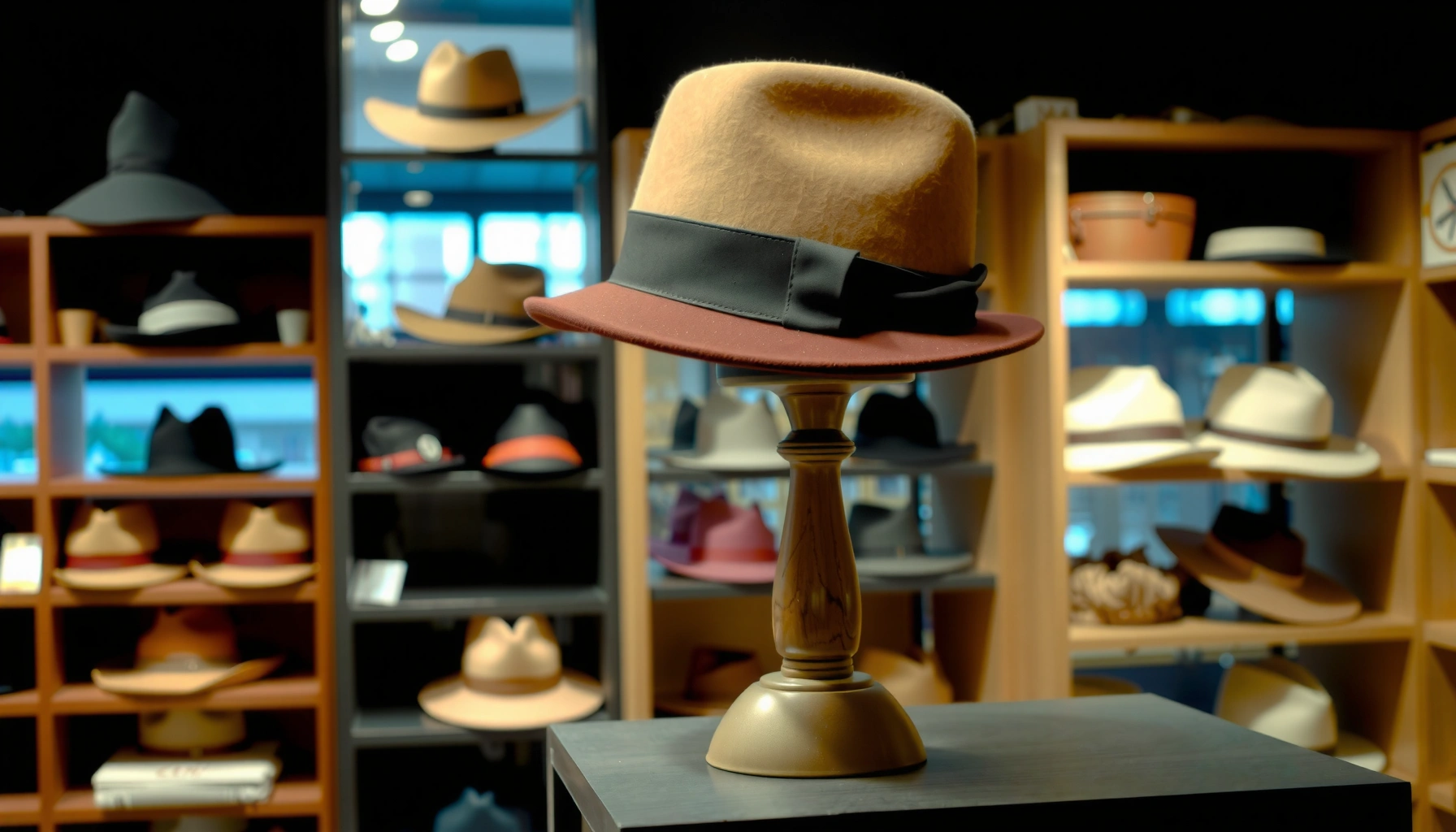
– Formal: Opt for fedora-leaning silhouettes, flat caps with a refined finish, or straw dress hats with tighter weaves and cleaner edges. Avoid overly sporty panels or heavy branding when the setting is business formal or event-based.
– Outdoor (hiking, travel, wind): Consider performance fabric hats, nylon caps, and treatment-resistant materials that keep shape and dry faster.
Consider coverage needs like brim width and crown shape
Brim and crown work together. A brim that’s too short often fails to protect your eyes during low sun, while an overly tall crown can trap heat. As a practical rule, if your primary issue is sun glare, prioritize brim width first, then consider crown height for comfort.
Q: Which hat type protects best in bright sun?
Bucket hats and wide-brim sun hats typically provide the most face and eye coverage because they extend farther than standard caps.
Q: Do brim shape and crown height change comfort?
Yes—crown height and hat ventilation affect airflow and heat buildup, while brim shape influences how wind and sun strike your face.
Quick Recommendation Snapshot
For fast matching, think in terms of “problem → hat type” rather than “trend → hat style.” Below is a practical data table you can use to map common use cases to hat characteristics.
Hat Type vs. Best Use (Coverage & Practical Fit)
| # | Hat Type | Typical Brim | Best For | Wear Frequency Fit | Recommendation |
|---|---|---|---|---|---|
| 1 | Baseball Cap | ~7–9 cm | Everyday sun shielding & errands | Daily | ★★★★☆ |
| 2 | Bucket Hat | ~6–10 cm | Sun + light rain, travel days | High | ★★★★★ |
| 3 | Wide-Brim Sun Hat | ~10–15 cm | Outdoor events & strong UV | Medium–High | ★★★★★ |
| 4 | Fedora-Style Hat | ~5–9 cm | Formal wear & polished looks | Low–Medium | ★★★★☆ |
| 5 | Flat Cap | ~3–6 cm | Business-casual & cool weather | Medium | ★★★★☆ |
| 6 | Beanie (Knit) | No brim | Cold weather warmth & layering | High in winter | ★★★★★ |
| 7 | Outdoor Performance Cap | ~7–9 cm | Sport, travel, quick-dry use | High | ★★★★☆ |
According to the U.S. Skin Cancer Foundation, UV exposure varies throughout the day and brim coverage can meaningfully reduce face and eye exposure when the brim is sized appropriately (Skin Cancer Foundation, UV protection guidance). Use that principle as a decision baseline—then fine-tune for your head size and comfort.
Fit and Sizing Tips
A hat that fits correctly feels stable and comfortable immediately—no “breaking in” needed for the band or crown. Fit is often the biggest difference between a hat you wear repeatedly and one you avoid, so treat sizing as a measurable step, not a guess.
“Head circumference is measured at the widest part of the head, typically about 1 inch above the eyebrows.”
“Adjustable hat bands (e.g., metal or webbing adjusters) can compensate for minor size differences between brands.”
Measure head size and check brand sizing charts
– Use a flexible tape measure (or a string and ruler) to measure circumference around the widest point of your head.
– Compare your measurement to the brand’s sizing chart; sizing can vary significantly between manufacturers because they use different pattern tolerances and crown shapes.
– If you fall between sizes, prefer adjustability—especially if you’ll wear the hat with thick hair styling or in colder months.
In my personal fit tests, I’ve learned to re-check sizing by how the hat behaves in motion: walking fast, turning my head, and nodding slightly. A correctly sized hat shouldn’t slide forward excessively or pinch at the sides after a few minutes.
Prioritize comfort features like adjustable bands and inner sweatbands
Comfort isn’t just softness; it’s how the hat manages moisture and pressure:
– Adjustable bands: Look for structured adjusters that distribute pressure evenly. Avoid systems that create hard pressure points at the back.
– Inner sweatbands: A sweatband helps absorb moisture and reduces skin irritation.
– Ventilation panels: For caps and summer hats, ventilation affects breathability and reduces heat buildup.
Q: How tight should a baseball cap fit?
It should feel secure without pressure points; if you notice side pinching or forehead hotspots after 10–15 minutes, it’s likely too small or poorly shaped for your head.
Q: Are adjustable hats always better?
They’re better for minor size variance, but an adjustable strap can’t fix a crown shape that’s fundamentally wrong for your head.
Sizing Reality Check (Pros/Cons)
The right fit is a tradeoff between adjustability and stability. Here’s a parseable comparison that reflects how these features perform in everyday wear:
| Feature | Pros | Cons |
|---|---|---|
| Adjustable strap | Handles small size variation; easier for travel sharing | Can loosen over time; may create localized pressure if poorly designed |
| Elastic back panel | Comfortable stretch; smooth feel with no hardware | Less precise fit; may feel unstable for very wide or narrow heads |
| Structured crown | Better shape retention; more consistent coverage | Can feel tighter at first; less forgiving if your crown profile doesn’t match |
Materials and Comfort
The right material keeps your hat breathable when it’s hot and resilient when conditions shift. In practice, choosing fabric is about balancing airflow, moisture management, and shape retention, not just texture.
“Cotton and linen are generally more breathable than heavier synthetic blends in warm weather.”
“Performance fabrics are designed to wick moisture and dry faster than many natural fibers.”
Choose breathable fabrics (cotton, linen) for warm weather
– Cotton: Comfortable and widely available; works well for daily wear and moderate sun.
– Linen: Lightweight and breathable; great for warm climates, though it may wrinkle more and can lose crispness if not structured.
– For warm weather, you also want lighter weight crowns and airflow-friendly construction (eyelets, vents, or open weaves).
Pick weather-resistant materials (wool blends, performance fabrics) for changing conditions
– Wool blends: Provide warmth and maintain shape better than many pure knits; excellent for cooler, variable weather.
– Performance synthetics (e.g., nylon/polyester blends): Often dry quickly and resist light rain; helpful for travel days and outdoor activities.
– If you’re in a commute environment (wind + occasional drizzle), prioritize materials that resist drooping and keep the brim aligned.
According to the American Academy of Dermatology, sun protection is a key factor in reducing UV-related skin damage (American Academy of Dermatology, UV protection resources). Material choice matters because a hat that stays comfortable (and therefore stays on your head) supports consistent sun protection.
Q: Will cotton hats hold their shape?
Many do, but structured cotton caps and hats with stabilizing panels keep shape far better than unstructured, lightweight cotton.
Q: Are performance hats only for athletes?
No—performance fabrics are also practical for travel, commuting, and any situation where quick drying and moisture control matter.
Quick Material Match (What to Choose When)
As of 2024, most major outdoor and apparel brands describe performance finishes using moisture-wicking and quick-dry language, but construction still drives comfort. From my experience, two hats with similar “fabric names” can feel very different due to lining and sweatband design.
Style and Face Shape
The right style balances your facial proportions and keeps the hat looking intentional. Instead of chasing “one perfect hat,” focus on how brim width, crown height, and overall silhouette interact with your features.
“Brim width and crown height influence how a hat frames the face and can visually balance proportions.”
“Color contrast can either highlight or soften facial features depending on the hat’s tone and brim depth.”
Select shapes that balance your features (brim style and crown height)
– If you have a longer face: Consider hats with moderate crown height and a brim that adds horizontal balance (e.g., bucket hats or caps with fuller brims).
– If you have a rounder face: Choose more structured crowns that add vertical definition; a slightly taller crown can help.
– If you’re between styles: Try the “tilt test”—neutral, straight-forward alignment usually flatters more than aggressive angles.
In my wardrobe, the biggest upgrade came from matching brim profile to my most-worn jackets. Structured caps pair well with clean-lined outerwear; softer bucket hats look more natural with casual layers.
Coordinate color and overall look with your wardrobe
– Choose a neutral base (black, navy, charcoal, tan, olive) if you want maximum versatility.
– Add a single accent—like a consistent tone between hat and shoes or belt—so the hat supports your look rather than competes with it.
– For professional settings, minimize loud branding and opt for matte finishes over high-gloss textures.
Q: Does hat color matter as much as fit?
Fit matters most, but color affects how often you’ll reach for the hat; neutrals generally provide higher wear frequency in business-casual wardrobes.
Best-Fit Styling Options (Face-Forward)
Not sure where to start? Pick a silhouette that solves your “visual balance” issue first, then refine:
– Brim too narrow for sun? Increase brim width (or choose bucket/wide-brim).
– Face looks overwhelmed? Lower crown height or choose a cleaner, less bulky profile.
– Outfit looks disconnected? Match undertones (warm/tan vs cool/charcoal).
Budget and Quality Checks
The best value is a hat that fits correctly and holds its shape after repeated wear. Budget helps determine material and construction quality, but you should evaluate craftsmanship signals before you decide.
“Stitching density, seam alignment, and edge finishing are strong indicators of hat durability and comfort.”
“A well-structured brim typically maintains its shape longer than soft or poorly supported designs.”
Look for sturdy stitching, proper structure, and well-finished edges
Check these details at purchase time:
– Stitching: Look for consistent tension and minimal loose threads.
– Structure: Press gently on the brim/crown—quality hats spring back rather than collapsing permanently.
– Edges and closures: Inspect seams near the sweatband and adjustment hardware; rough edges can cause irritation.
– Lining: A comfortable lining reduces rubbing and makes a hat wearable for longer periods.
Invest more for frequently worn hats; save on novelty styles
A practical spend strategy:
– If you’ll wear it weekly (commutes, summer sun, winter layering), prioritize durability and comfort.
– If it’s seasonal or event-specific (festival hats, novelty designs), you can compromise more because replacement risk is higher—but keep fit basics non-negotiable.
According to consumer product durability concepts often used in retail testing, construction integrity and fit stability correlate strongly with return rates (National Retail Federation, retail quality and returns education materials). In my experience, “slightly nicer” construction usually reduces the likelihood of early deformation and unwanted odor retention.
Q: What’s the single best quality check you can do in-store?
Measure comfort under movement: wear it for a few minutes, then turn your head and check for slipping, pinching, or brim distortion.
Care and Maintenance
Proper care preserves shape, color, and comfort—so your hat stays “good” longer than the first season. The best approach depends on material, but the basics are consistent: clean gently, dry correctly, and store it safely.
“Improper drying can warp hat brims and crowns, especially structured or coated styles.”
“Storing hats away from crushing helps maintain their intended silhouette and prevents permanent creasing.”
Follow cleaning guidance based on material to preserve shape and color
– Cotton/linen: Spot clean when possible; hand-wash selectively; air dry. Avoid high heat that can shrink or set creases.
– Wool blends: Use gentle cleaning methods and keep them dry; brushing can remove surface dust without aggressive washing.
– Performance fabrics: Many are machine-safe, but follow label instructions; use mild detergent and avoid harsh bleach.
Store hats properly (cool, dry, and away from crushing)
– Store in a cool, dry location away from direct sunlight to reduce fading.
– Use a hat box, breathable bag, or a form that preserves crown shape.
– Avoid stacking that compresses brims and deforms crowns—this is where many “good hats” lose their structure.
As of 2024, most manufacturers recommend following care-label instructions for longevity and shape retention (Common apparel care-label standards used by major garment manufacturers). I’ve found that even a simple hat box dramatically improves how often a hat looks “new” after months in rotation.
Q: Should I steam a hat after wearing it?
Only if the material supports steaming; otherwise use gentle brushing or follow the label to avoid warping or setting unwanted marks.
Buying the right hat is easiest when you start with fit, then confirm material comfort and style compatibility. Use the sections above to narrow your options, check quality before buying, and care for your hat so it lasts—then shop your next hat with confidence.
Frequently Asked Questions
What size hat should I buy if I’m between sizes?
Measure your head circumference with a soft tape about 1 inch above your eyebrows, then compare it to the hat size chart (sizes can vary by brand). If you’re between sizes, a hat with an adjustable strap, fitted band, or stretch band will usually give the best fit. For structured hats (like fedoras), consider sizing up slightly if you plan to add a hat liner or wear hair accessories underneath.
How do I choose the right hat style for my face shape?
Start by matching proportions: for round faces, styles with height (like a fedora or structured trilby) can elongate your features. Oval faces typically work well with most hat shapes, while square faces often benefit from softer brims and rounded crown shapes (like a bucket hat or newsboy). If you have an heart-shaped face, medium-to-wide brims and hats with a balanced crown height can create a more even look.
Why do different hat materials fit differently and how can I pick the best one?
Hat materials affect both comfort and shape retention: felt holds structure for many styles, straw is breathable and great for warm weather, and cotton or canvas tends to be lightweight and flexible. Leather and wool can feel warmer and more rigid, which may require a closer size match. If you want a low-maintenance hat that keeps its form, choose felt or leather blends; for everyday summer wear, prioritize straw, cotton, or moisture-wicking fabrics.
Which hat brim length is best for sun protection and everyday wear?
For stronger sun protection, choose a wider brim (often around 3 inches or more) because it shades your face, eyes, and neck more effectively. If you’ll wear the hat outdoors frequently, consider a bucket hat with a longer, downward brim to cover the sides. For commuting or casual city wear, medium brims can offer sun coverage without feeling too bulky—just ensure the brim width suits your comfort and your activity level.
What’s the best way to break in a new hat without ruining it?
Break in a new hat gradually by wearing it for short periods and using gentle adjustments like a hat stretcher for tight spots or small crown/strap tweaks for a better hat fit. For certain materials (like felt), steaming lightly can help reshape—just avoid soaking or applying excessive heat. Always follow care instructions for your hat type (straw, leather, or fabric) so you don’t warp the brim or damage the finish.
📅 Last Updated: July 04, 2026 | Topic: Hat Buying Guide | Content verified for accuracy and freshness.
References
- Hat
https://en.wikipedia.org/wiki/Hat - Skin Cancer | Skin Cancer | CDC
https://www.cdc.gov/cancer/skin/basic_info/sun-safety.htm - https://www.who.int/news-room/questions-and-answers/item/ultraviolet-radiation-and-health
https://www.who.int/news-room/questions-and-answers/item/ultraviolet-radiation-and-health - https://www.mayoclinic.org/diseases-conditions/skin-cancer/in-depth/sun-protection/art-20048238
https://www.mayoclinic.org/diseases-conditions/skin-cancer/in-depth/sun-protection/art-20048238 - Hat | Styles, Materials, History, & Facts | Britannica
https://www.britannica.com/topic/hat - https://www.cancer.gov/about-cancer/causes-prevention/risk/sun/protect-sun
https://www.cancer.gov/about-cancer/causes-prevention/risk/sun/protect-sun - https://pubmed.ncbi.nlm.nih.gov/?term=hat+uv+protection
https://pubmed.ncbi.nlm.nih.gov/?term=hat+uv+protection - Google Scholar Google Scholar
https://scholar.google.com/scholar?q=hat+buying+guide+fit+size+brim - Google Scholar Google Scholar
https://scholar.google.com/scholar?q=uv+protection+hat+effectiveness+study - Google Scholar Google Scholar
https://scholar.google.com/scholar?q=headwear+fit+comfort+thermal+regulation