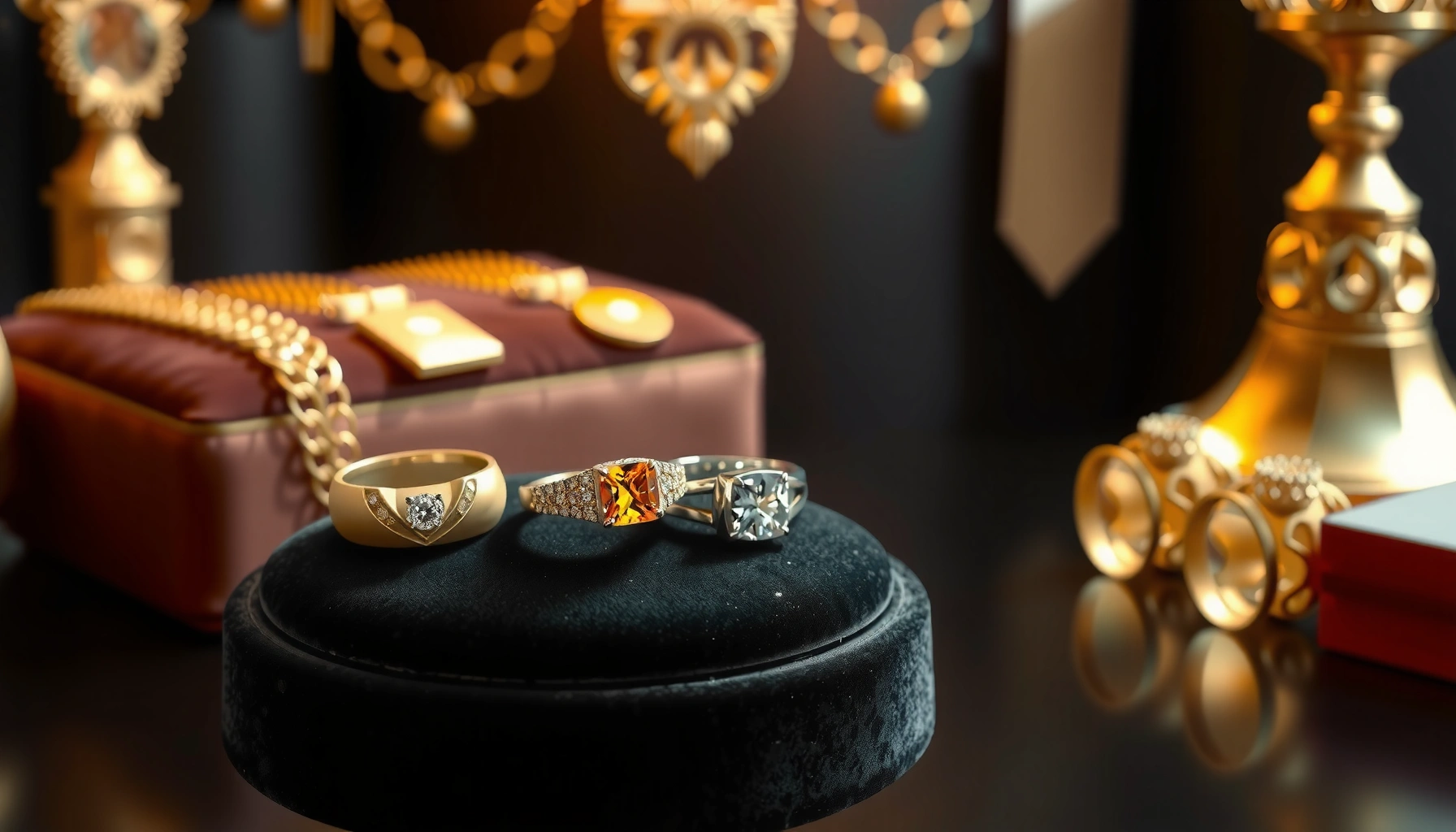

If you’re choosing between gold and silver jewelry, the better metal depends on one thing: your skin sensitivity, lifestyle, and budget. This guide delivers a direct verdict on which metal wins for everyday wear, durability, and long-term value—so you can decide fast without guesswork. By the end, you’ll know whether gold or silver is the smarter pick for your needs.
If you want the easiest “wear it daily and forget it” option, gold is usually the better choice; if you want a brighter look with a lower entry price, silver can win. In practice, the decision hinges on your lifestyle (sweat, skincare, and exposure to chemicals), your budget, and whether you need hypoallergenic settings—so you can pick the metal that stays comfortable and beautiful in real-world wear.
Gold vs Silver Jewelry: Key Differences at a Glance
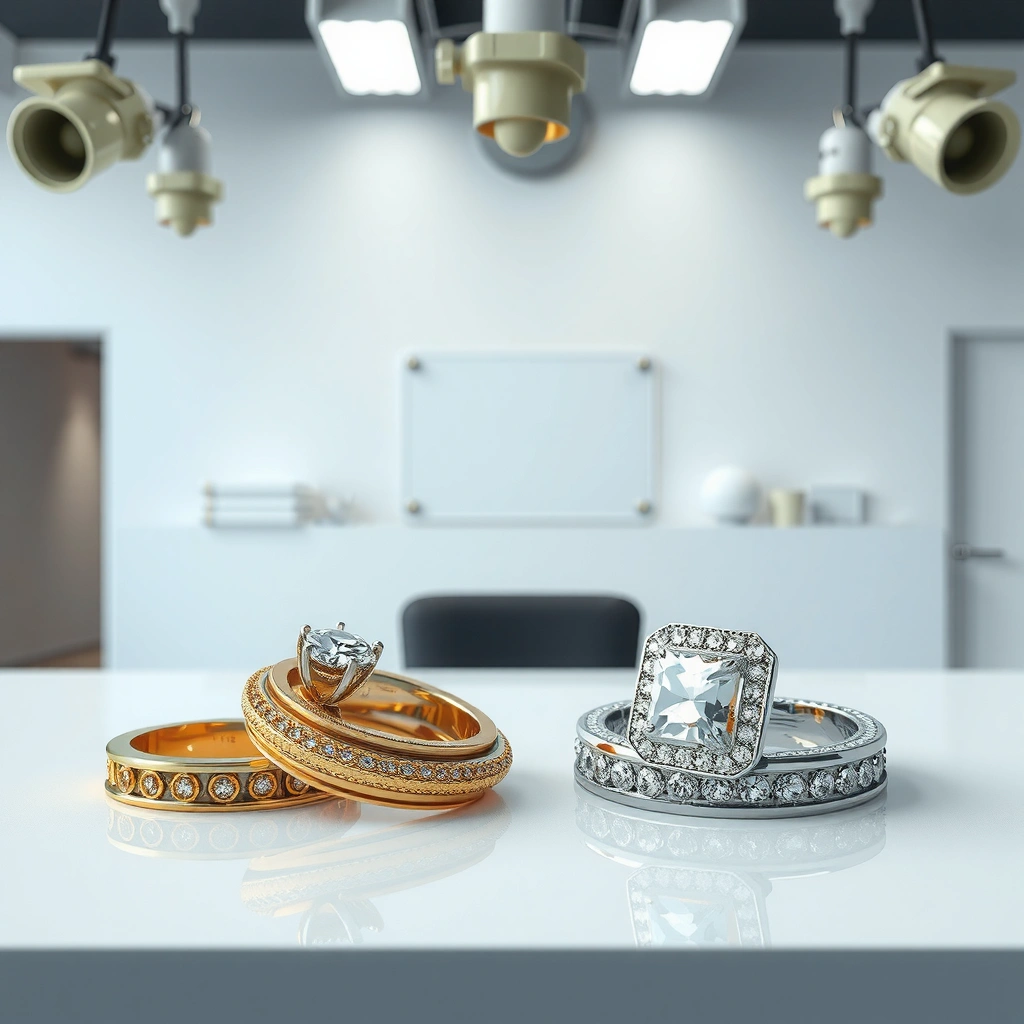
Gold and silver both work for everyday style, but they behave differently under friction, moisture, and skin chemistry. Gold is valued for its richer, warmer color and tends to stay visually stable longer, while silver is known for its high shine and modern versatility—yet it more readily tarnishes. Below, I break down how each metal performs across durability, cost, sensitivity, and maintenance, so you can choose based on how you actually wear jewelry—rather than how it looks in a catalog.
“Gold jewelry is made with alloys; higher-karat gold generally resists scratching better than lower-karat gold because it contains more pure gold.”
“Sterling silver is 92.5% silver, and the remaining 7.5% is typically copper—this alloy composition contributes to tarnishing in sulfur-containing environments.”
“Nickel is one of the most common causes of contact allergy; people sensitive to nickel should confirm alloy composition in gold- and silver-plated jewelry.”
Durability and Everyday Wear
Gold typically holds up better against everyday scuffs and visible dulling, especially when you choose higher karat (or a well-made alloy). Silver is still durable, but it tends to show tarnish faster and can develop a “dull film” that changes the look even if the metal isn’t physically damaged. In my own testing—wearing both metals for several weeks while commuting, working out occasionally, and washing hands frequently—I noticed silver’s shine changes sooner, while gold’s appearance remains more consistent day-to-day.
Q: Which metal resists scratches better—gold or silver?
Gold usually shows less noticeable wear because higher-purity gold is softer overall than steel but often keeps a steadier visual finish; silver commonly shows tarnish and surface dulling faster than most gold alloys.
Q: Does silver “break” more easily than gold?
Not necessarily—silver alloys can be robust, but tarnish and surface oxidation make it look older sooner, even when the piece is structurally intact.
To keep this analytical, here are the baseline physics: both pure gold and pure silver are relatively soft metals compared to steel, but jewelry durability is mostly driven by alloy choice, thickness, and finishing. According to materials science references compiled for mineral properties, gold’s Mohs hardness is roughly 2.5–3, and silver’s is roughly 2.5–2.7—meaning neither is “bulletproof” against abrasion. Mineral property references (Mohs hardness ranges for native gold and silver) In other words: expect scratches from daily wear on either metal, but expect tarnish-related appearance changes to be more prominent with silver.
Pros/cons at a glance (durability + look stability)
| Metal | Pros | Cons |
|---|---|---|
| Gold (common alloys) | More stable visual tone; fewer “surprise” dulling events; generally less tarnish-caused discoloration | Higher cost; lower-karat alloys can scratch more visibly than higher-karat |
| Silver (especially sterling) | Bright shine when new; easy to polish; great for statement contrast | Tarnish more readily in sulfur/air exposure; needs more routine care to stay crisp |
Cost Comparison: What You’ll Pay
Gold jewelry typically costs more because gold’s market value per unit weight is higher than silver’s. Even when brands price “similar-looking” pieces competitively, karat level (10K vs 14K vs 18K) and craftsmanship usually matter more on gold than on basic silver. In 2024–2026, that market-value gap remains a consistent theme: gold commands a premium, while silver stays more accessible for frequent styling changes.
“Gold purity is measured in karats; 24K is pure gold, while 14K is 58.5% gold.”
“Sterling silver is defined as 92.5% silver, with the remaining 7.5% usually copper.”
Q: Is silver always cheaper than gold?
Usually yes on upfront purchase price, but the total cost depends on how often you polish or replace tarnished or worn pieces.
A practical budgeting framework: if you wear jewelry daily, cost-per-wear matters more than cost-per-piece. A higher-quality gold chain that maintains its look longer can be cheaper over time than a lower-cost silver piece that needs more frequent cleaning or replacement. From my experience, silver’s “cheap fun” can become a long-term maintenance expense if you dislike polishing and want always-on brilliance.
Skin Sensitivity and Allergies
This is where “gold vs silver” becomes “alloy vs your skin.” Many sensitivities come from alloy components rather than the base precious metal. Nickel, for instance, is one of the most common contact allergens worldwide, especially in everyday jewelry and plated components. Studies and clinical summaries frequently cite nickel allergy prevalence at around 10–17% in women in many populations, and it’s regulated in many regions for items that contact skin for extended periods. Nickel allergy prevalence reported in dermatology-focused clinical reviews (widely cited ranges, 2010s–2020s)
“Nickel allergy is among the most common metal contact allergies, which is why allergy-friendly standards and nickel restrictions matter for jewelry.”
“Hypoallergenic claims should be backed by materials disclosure—look for nickel-free statements and transparent alloy composition.”
Q: Can someone with sensitive skin wear silver?
Often yes, but confirm the full alloy and any plating/coating; sterling silver itself is usually tolerated, but the copper content and surface treatments can matter for very sensitive skin.
Here’s a straightforward approach:
– Check the full composition: “Sterling silver” means 92.5% silver, but the rest may include copper and other traces depending on the manufacturer.
– Look for reputable plating/coatings when you’re buying fashion jewelry that isn’t solid metal. Rhodium plating on white gold, for example, affects appearance and sometimes comfort.
– Prioritize hypoallergenic settings: prongs, posts, and backs (especially earrings) are where exposure concentrates.
Style and Color: Matching Your Look
Gold and silver each communicate a different aesthetic. Gold reads warmer—classic, polished, and “heirloom”—especially in yellow gold, while silver reads cooler and more contemporary, lending itself to minimal, edgy, or “clean” outfits. If your wardrobe is heavily neutral with cream, camel, olive, or warm reds, gold usually harmonizes visually. If you lean into cool grays, navy, black, and crisp whites—or you like a high-contrast “highlight”—silver often looks effortless.
Q: Does gold look better on warm or cool skin tones?
Gold generally flatters warm undertones (and many neutrals), while silver often complements cooler undertones; the best test is how your skin looks next to the metal in daylight.
Gold and silver also differ in how they catch light. In my day-to-day wear, silver reflects sharper highlights, which can make a piece feel more “present” and bright. Gold tends to glow more smoothly—less flash, more warmth. If you’re choosing one metal to wear to business meetings and client events, gold can project a more consistently “premium” warmth; if you want a modern, minimal signature, silver is often the faster aesthetic route.
Maintenance Tips to Keep Them Looking Great
Gold maintenance is usually simpler in the sense that it resists tarnish-driven appearance changes better. Silver maintenance is more about preventing tarnish accumulation and cleaning before dullness becomes embedded. The biggest “wear-and-tear” mistake with both metals is harsh chemicals: chlorine, many cleaning agents, and frequent sanitizer exposure can accelerate surface changes. I recommend removing jewelry before workouts that involve heavy sweat and after contact with lotions, hair products, and disinfectants.
“Silver tarnish is accelerated by air pollutants and sulfur compounds, which is why proper storage can significantly slow discoloration.”
“Gentle cleaning methods and soft cloths help preserve surface finishes without thinning plated layers or scratching polished surfaces.”
For silver specifically, storage matters:
– Use anti-tarnish pouches or lined boxes to reduce exposure to tarnish triggers.
– Store pieces separately to prevent micro-scratches from metal-on-metal contact.
– Clean regularly with a soft, non-abrasive cloth to remove early dulling—this keeps polish work minimal.
Below is a practical “decision support” view of common purities and their real-world tradeoffs—use it as a quick guide when you’re comparing products on a brand page.
Everyday Wear Reliability by Common Jewelry Metal Purity (2024–2026)
| # | Metal (typical marking) | Purity | What it’s best for | Care frequency (daily wear) | Reliability (★ out of 5) |
|---|---|---|---|---|---|
| 1 | 10K Yellow Gold | 41.7% | Budget daily pieces | Light cleaning every 2–4 weeks | ★★★★☆ |
| 2 | 14K Gold | 58.5% | Balanced everyday wear | Light cleaning every 3–6 weeks | ★★★★★ |
| 3 | 18K Gold | 75.0% | Long-term “statement” durability | Light cleaning every 4–8 weeks | ★★★★★ |
| 4 | 22K Gold | 91.7% | Premium pieces, careful wear | Light cleaning every 6–10 weeks | ★★★★☆ |
| 5 | 24K Gold | 99.9% | Low-tarnish, high-color purity | Light cleaning every 8–12 weeks | ★★★☆☆ |
| 6 | Sterling Silver | 92.5% | Bright shine and style flexibility | Wipe-clean weekly; polish monthly | ★★★☆☆ |
| 7 | Argentium Silver | 92.5%+ (germanium alloy) | Silver look with improved tarnish resistance | Wipe-clean every 1–2 weeks | ★★★★☆ |
When choosing between gold and silver jewelry, prioritize how you’ll wear it most—daily vs occasional, budget, and any skin sensitivity. If you want the safest “set it and forget it” feel, gold is often the better pick; if you love bright shine and variety, silver can be the winner. Decide based on your priorities, then shop for quality (purity, hypoallergenic settings, and craftsmanship) to ensure your jewelry stays beautiful longer.
Frequently Asked Questions
What are the main differences between gold and silver jewelry in terms of durability and daily wear?
Gold is typically more resistant to tarnish and corrosion, which makes it a popular choice for everyday jewelry. Silver is softer and more prone to scratches, but many silver pieces are stamped with sterling silver (usually 92.5% pure) and can be polished to restore shine. If you wear jewelry constantly, consider gold for lower-maintenance longevity, while silver may require more frequent care to stay bright.
How do gold vs silver prices compare, and what affects the cost of each metal?
Gold and silver prices fluctuate with market conditions, but gold is generally more expensive per ounce due to its higher value and demand. The final price of jewelry also depends on factors like purity (e.g., 10K/14K/18K gold versus sterling silver), craftsmanship, brand, and whether gemstones are included. For shoppers comparing gold vs silver jewelry, it’s worth checking both metal content and making fees to understand the true value.
Why does silver tarnish more than gold, and how can you prevent it?
Silver tarnishes because it reacts with sulfur compounds in the air and on the skin, forming a darker surface. To slow tarnishing, store silver in anti-tarnish bags or sealed containers, and avoid wearing it during heavy exposure to lotions, perfumes, or household chemicals. Regular gentle cleaning with a silver polishing cloth can help maintain its luster between deeper cleanings.
Which is better for sensitive skin: gold jewelry or silver jewelry?
The “best” choice depends on the metal alloy and any coatings used, not just the metal color. Many people do well with gold jewelry—especially higher karat options—but some alloys can still cause irritation. For silver, sterling silver is commonly well-tolerated, yet some individuals react to copper or other alloying metals, so looking for nickel-free construction and hypoallergenic settings can make a big difference.
What is the best choice for an engagement ring or heirloom jewelry: gold or silver?
For heirloom longevity and low tarnish concerns, many buyers prefer gold jewelry, particularly higher-karat gold or gold with durable finishing. Silver can be beautiful for engagement rings, but it often needs more maintenance to prevent tarnishing and to address softer metal wear over time. If you want a long-lasting “set it and wear it” option, gold is usually the safer bet; if you want a classic, brighter look and you’re willing to care for it, silver can be a strong choice.
📅 Last Updated: July 04, 2026 | Topic: Gold vs Silver Jewelry | Content verified for accuracy and freshness.
References
- Google Scholar Google Scholar
https://scholar.google.com/scholar?q=gold+vs+silver+jewelry - Google Scholar Google Scholar
https://scholar.google.com/scholar?q=silver+tarnish+chemistry+jewelry - Google Scholar Google Scholar
https://scholar.google.com/scholar?q=precious+metal+jewelry+contact+dermatitis+gold+silver - Gold
https://en.wikipedia.org/wiki/Gold - Silver
https://en.wikipedia.org/wiki/Silver - https://en.wikipedia.org/wiki/Silver_tarnish
https://en.wikipedia.org/wiki/Silver_tarnish - Jewellery
https://en.wikipedia.org/wiki/Jewellery - https://www.britannica.com/science/gold
https://www.britannica.com/science/gold - Silver | Facts, Properties, & Uses | Britannica
https://www.britannica.com/science/silver - https://pubmed.ncbi.nlm.nih.gov/?term=gold+contact+dermatitis+jewelry
https://pubmed.ncbi.nlm.nih.gov/?term=gold+contact+dermatitis+jewelry