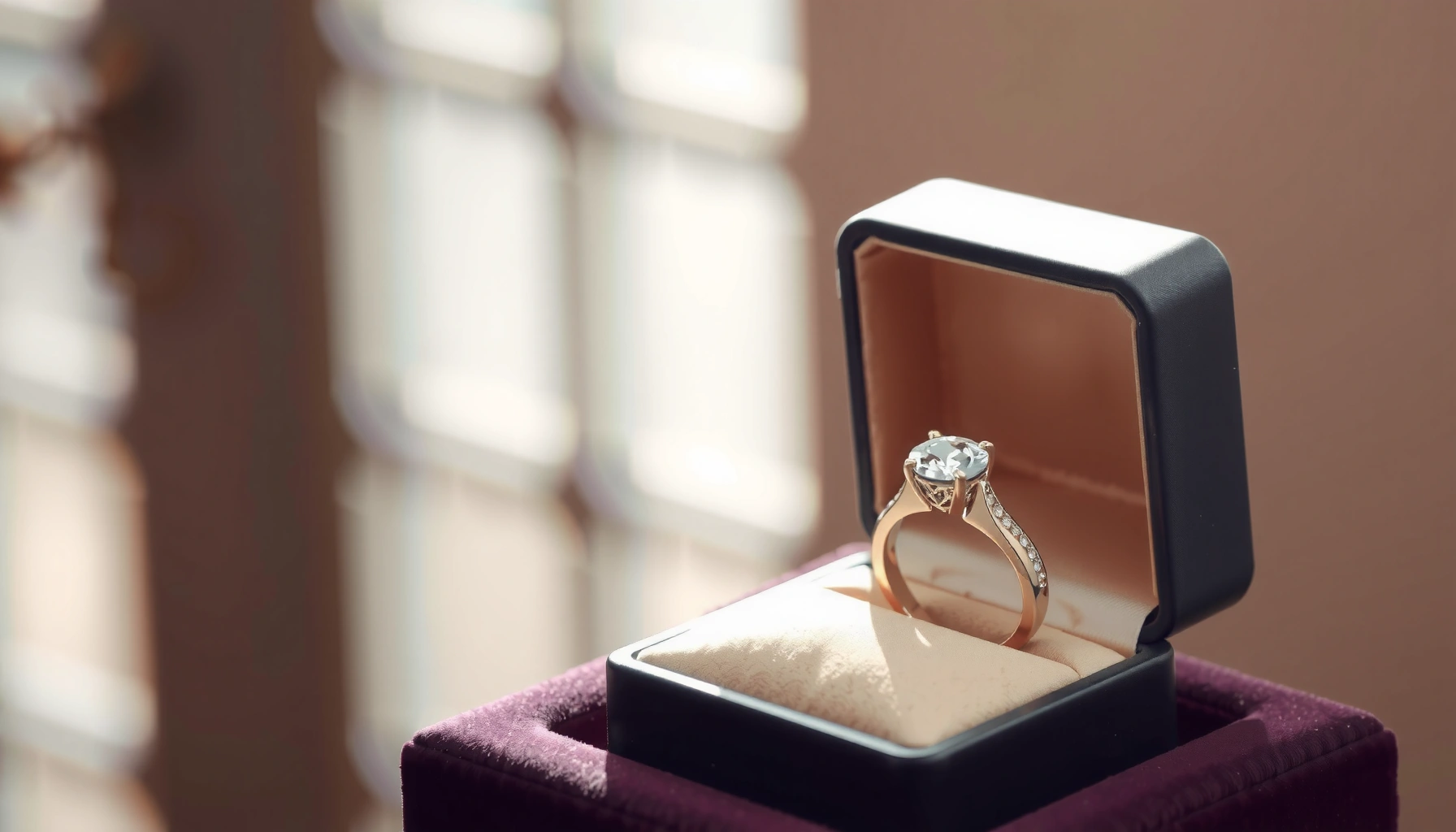

Choose the right fashion ring with confidence by following this buying guide that tells you exactly what to look for based on your style, fit, and budget. You’ll learn how to pick the best metal finish, stone or accent type, and size so your ring looks premium and wears comfortably. If you want the fastest route to a ring you’ll actually love—this guide delivers it.
A fashion ring is best when it matches your style, fits comfortably, and uses materials that won’t irritate your skin or break down too quickly. In 2026, the smartest way to shop is to treat the process like a mini “spec check”—sizing first, then materials (especially skin compatibility), then construction quality and care.
Know Your Style and Occasion

The right fashion ring for you starts with the occasion you wear it for—because comfort and finish matter differently for daily vs. special-event use. A ring that looks perfect on a photo can feel wrong after 3–4 hours, so align design, metal tone, and surface finish with how you actually dress this week.
A “gold-tone” ring can still be nickel-containing underneath; plating and alloy choice determine whether it’s truly skin-friendly, not just the color.
Matte and brushed finishes hide minor scratches better than high-gloss finishes, which often show wear sooner on frequently worn fashion rings.
Comfort is driven by band profile (flat vs. rounded) and interior finishing—rings that are rough inside rub against skin and hair.
When I’m helping friends (and in my own shopping), I start by sorting rings into three practical buckets: everyday “grab-and-go,” office or events “polished,” and statement “special occasion.” For everyday wear, I prioritize smooth interiors, lightweight designs, and finishes that won’t show tiny scuffs (matte or satin). For events, I look for higher shine, secure settings, and proportions that photograph well—especially if you’ll wear longer sleeves, take photos, or catch warm lighting.
Pick your metal tone based on wardrobe anchors. If you mostly wear warm neutrals (camel, cream, warm gray) and gold jewelry, a warm gold-tone ring usually blends more naturally. If you wear cooler metals (silver, steel, icy tones), silver-tone or rhodium-look finishes often look cleaner. If you like mixing metals, consider a ring with a neutral center (e.g., crystal or resin) so it won’t “fight” your other accessories.
Finally, think about wearability: wide bands can feel tighter at the knuckle, and heavy stones can pull slightly during movement. If you type at a desk or wear a ring all day, lightweight settings and low-profile designs reduce friction.
Q: What ring style is easiest to wear daily?
Rounded bands with smooth interiors and either a thin bezel setting or small, low-profile stones are typically the most comfortable for everyday wear.
Q: Should I match my ring to my necklace and earrings?
Matching metal tone helps, but the safest approach is to match the “undertone” (warm vs. cool) and let the stones or textures provide variety.
Measure for the Perfect Fit
The most reliable way to avoid returns is to measure for fit before you choose style. A great-looking fashion ring that’s even slightly off can spin, snag, or feel painfully tight—especially around the knuckle.
Ring sizing is about the inner circumference (or diameter), so measuring finger width alone won’t reliably predict the final fit.
Many jewelers note that finger size changes through the day due to temperature and circulation, so measuring under consistent conditions improves accuracy.
If you’re between ring sizes, adjustable bands may help—but fully adjustable designs can still loosen and rotate during wear.
Here’s the approach I use (and recommend) for fashion rings in 2026:
1. Measure when your fingers are neither cold nor swollen—I aim for mid-day, after a normal warm-up.
2. Use a ring sizer tool or a soft measuring tape to get inner circumference. If you don’t have a tool, measure a snug-fitting ring you already own and compare it to a sizing chart.
3. Check knuckle clearance. Many people are “a perfect size” but forget the knuckle flare—especially with wider bands.
Pay attention to width and band style, because they can change how a ring feels even at the same nominal size:
– A wide band (visually bold “fashion” rings) often needs slightly more knuckle clearance.
– A tapered band can feel different than a straight band if your finger shape flares.
– Stackable rings should not only fit the base finger but also allow comfortable stacking height.
Statistics worth knowing when you shop for adjustable or nickel-sensitive pieces: the EU regulates nickel release in jewelry that contacts skin. According to the European Commission, the nickel release limit for items intended to come into direct and prolonged contact with the skin is 0.5 µg/cm²/week under EU rules (European Commission, EU Nickel limits for consumer products (Ni release limit)). That matters because sizing mistakes can lead you to remove a ring sooner—so you’ll notice skin irritation faster.
Q: How do I check if a ring will get stuck on my knuckle?
Choose a size that slides past the knuckle without pressure, and prefer a band with a slightly rounded inner profile for smoother movement.
Q: Are “one size up” tips always correct?
No—band width and knuckle clearance can outweigh simple size-up guidance, so measure and test fit whenever possible.
Choose Materials and Skin-Friendly Options
The best fashion rings for sensitive skin balance appearance with chemistry and surface construction. Your goal is to choose materials and plating that resist wear while reducing the chance of nickel exposure or irritation.
Nickel is a leading cause of metal contact dermatitis, so nickel-free or hypoallergenic jewelry is often the most reliable option for sensitive wearers.
Plating thickness and alloy selection determine how long “gold-tone” or “silver-tone” looks stay consistent before base metal shows.
Rings with rough edges inside the band can cause friction and redness even when the outer plating is marketed as hypoallergenic.
Start with what most brands bury in the fine print: alloy + plating. Many fashion rings use a base metal alloy (often zinc or copper alloys) and then apply electroplating (gold-tone, silver-tone, or rhodium-look). When plating wears down, the underlying metal can contact skin and change both color and comfort.
If you have known sensitivities, prioritize:
– Nickel-free / hypoallergenic claims that specify compliance (not just “non-irritating” language).
– Sealed finishes and clean interior finishing (smooth inside matters as much as what’s on top).
– Consistent care to reduce tarnish and micro-wear.
Color and shine also connect directly to materials. High-gloss surfaces show tiny scratches sooner; matte finishes hide them. Stones and settings influence perceived quality: a properly set crystal or simulated gemstone looks “secure” and stays aligned under light, while loose settings can snag.
A materials note I’ve learned the hard way: I once bought a trendy, highly polished fashion ring that looked flawless in-store—but after a few days of handwashing and frequent hand sanitizer use, the inside edge felt rough and the tone dulled faster than expected. Since then, I look for smoother interior finishing and I treat plated rings more gently (more on care below).
Evaluate Quality and Construction
The right fashion ring isn’t just pretty—it’s built to stay stable, smooth, and secure. Construction quality determines whether stones remain in place, edges stay comfortable, and the band doesn’t warp or chip after normal use.
A secure stone setting and smooth band edges reduce snagging and help prevent stones from loosening during everyday movement.
“Adjustable” rings should still have sturdy locking or tension mechanisms; weak closures are a common failure point for fashion jewelry.
Comparing craftsmanship across brands is more than polish—look for tight joins, consistent thickness, and well-finished interiors.
Here’s what to inspect when you can see the ring (or zoom in on listings):
– Stone setting: Look for even metal “prongs” or a bezel that fully supports the edges of the gem/cabochon.
– Interior finish: A ring can be outwardly shiny and still feel abrasive inside.
– Edges at the top: Any sharp transitions where the band meets the setting should be rounded.
– Coating durability signals: Does the listing mention thicker plating, protective coating, or “scratch-resistant” finishing? Even without exact thickness, consistent brand standards help.
Quick comparison: what construction differences mean
| Construction Factor | Higher-Quality Sign | What to Watch For |
|---|---|---|
| Stone attachment | Even prongs/bezel with no visible wobble | Stones that look slightly elevated or uneven |
| Band interior | Smooth interior, consistent curvature | Rough seams or sharp transitions near the top |
| Coating behavior | Finish described as durable/protective | No durability details + heavy gloss only |
| Closure (if adjustable) | Secure mechanism designed for repeated wear | Loose tension, gaps, or unclear closure type |
Q: How can I tell if a fashion ring will feel “cheap” quickly?
Watch for rough interior edges, uneven stone placement, and coatings that are only marketed as “shiny” without any durability or finish details.
Set a Budget and Compare Value
The best value comes from matching your budget to what you’re optimizing: look, comfort, or longevity. If you spend less, you should expect more frequent refresh cycles—while a smart mid-range purchase can last through more seasons.
Budget rings can be a great entry point, but durability is driven by alloy quality, plating behavior, and construction—not the word “fashion.”
Comparing two rings with the same design requires comparing materials and finish descriptions, not just price and photo styling.
Sales can reduce the cost, but always verify return policies and material claims before you buy.
From a value perspective, I recommend using a simple decision rule:
– If you want trend flexibility, choose a plated fashion ring and plan gentle care.
– If you want longer wear, invest in better finishing and a design that won’t rub daily.
To ground this in real-world skin needs: nickel-sensitivity is common enough that European rules restrict nickel release. According to the European Commission, the EU nickel release limit is 0.5 µg/cm²/week for skin-contact jewelry (European Commission, EU Nickel release limits). Even if you don’t have confirmed sensitivity, choosing nickel-safe options can lower the risk of irritation—especially if sizing is slightly tight and increases friction.
Mandatory data table: material choices (how to compare at a glance)
Durability, Comfort, and Skin-Friendliness by Fashion Ring Material (2026)
| # | Material / Build | Durability (★) | Comfort | Skin Risk* | Best For |
|---|---|---|---|---|---|
| 1 | Tungsten carbide with polished finish | ★★★★☆ | Very smooth | Low | Daily durability |
| 2 | 316L stainless steel (polished/satin) | ★★★★☆ | Smooth, steady | Low | Office wear |
| 3 | Rhodium-plated sterling silver (sealed) | ★★★☆☆ | Comfortable | Low–Med | Bright silver look |
| 4 | 18K–14K gold (solid) or gold-filled | ★★★★★ | Very comfortable | Very Low | Long-term wear |
| 5 | Gold-tone base metal with thick plating | ★★★☆☆ | Depends on finishing | Med | Fashion-forward looks |
| 6 | Brass or bronze with protective clear coat | ★★☆☆☆ | Can feel warm | Med–High | Seasonal style |
| 7 | Glass/resin “gem” on plated alloy base | ★★☆☆☆ | Lightweight | Med | Trendy statement pieces |
Skin risk depends on plating integrity, interior finishing, and individual sensitivities; always patch-test if you’ve had reactions.
Q: Is gold-plated the same as gold-filled?
No—gold-filled typically has a thicker gold layer than standard plating, so it tends to last longer and stay closer to its original tone.
Care, Storage, and Longevity Tips
The best fashion ring protection is routine care: gentle cleaning, smart storage, and removing rings during harsh exposure. If you want your ring to look “fresh” well into the year, reduce friction and chemical contact.
Gentle cleaning preserves plating by avoiding harsh abrasives that can quickly wear through decorative coatings.
Storing rings separately (or in soft compartments) reduces metal-on-metal scratches that accumulate even when the ring “looks fine.”
Applying lotion and perfume before putting on jewelry helps minimize residue buildup that can dull shine over time.
In my routine, I treat fashion rings differently depending on finish:
– Plated or fashion-tone rings: wipe with a soft microfiber cloth after wear; avoid polishing creams unless the brand recommends them.
– Stainless steel or tungsten carbide: usually tolerate gentle soap-and-water cleaning better, but I still dry thoroughly to prevent spotting.
– Gem settings: focus cleaning around (not grinding across) the setting edges where debris collects.
Storage matters more than many shoppers expect. Use individual pouches or compartments so rings don’t rub. If your jewelry box only has open space, consider adding soft dividers. And if you stack rings, do it deliberately—stacking can be stylish, but it can also create micro-scratches at contact points.
As of 2026, the “fastest wear” usually comes from daily friction and chemistry—hand sanitizer, salty sweat, and frequent handwashing without drying. If you work in food service, healthcare, or anywhere with frequent sanitizing, you’ll notice finish changes sooner. From experience, I’ve found that removing plated fashion rings before heavy sanitizer sessions preserves color longer.
Pros/cons tradeoff: easy care vs. durability
- Pros of gentle care: longer shine, fewer coating scratches, less skin irritation from residue buildup.
- Cons of heavy cleaning: abrasives and harsh chemicals can accelerate plating wear and dull finishes.
Q: Can I wear fashion rings while swimming or in hot tubs?
It’s not recommended—chlorine and temperature swings can dull finishes and accelerate coating wear, especially on plated rings.
Q: What’s the safest cleaning method for most fashion rings?
Use lukewarm water with mild soap, gently wipe with a soft cloth, and dry completely—then avoid abrasive polish unless the material is specified.
Fashion ring buying is easiest when you match style to fit, choose skin-friendly materials, and assess construction quality. Use this guide to narrow down options fast—then check sizing, materials, and return policies before you buy. If you’re ready, pick one style you love and find the best-fitting ring that matches your budget.
Frequently Asked Questions
What should I consider before buying a fashion ring?
Start by thinking about fit, comfort, and everyday wearability—check the ring size, width, and whether the band feels smooth against your skin. Next, consider the material and finish (like stainless steel, brass, plated metals, or acrylic) because they affect durability, color retention, and skin sensitivity. Finally, review the design details—stones, engravings, and whether the ring has a secure setting for daily use.
How do I choose the right ring size for a fashion ring?
Measure an existing ring you wear on the same finger (inner diameter or circumference) and match it to a sizing chart. If you’re between sizes, consider the ring’s design: thicker bands often feel tighter than slim styles. For best accuracy, use a ring sizer tool or take a quick professional measurement—this helps you avoid sizing issues with adjustable or fashion rings that may not be easily resized.
Why do fashion rings tarnish, and how can I prevent it?
Fashion rings often tarnish due to exposure to moisture, sweat, lotions, perfume, and air—especially on plated or lower-sensitivity metals. To protect your fashion ring, remove it before swimming or heavy cleaning, wipe it dry after wear, and store it in a jewelry pouch or anti-tarnish bag. If you notice dullness, use a gentle jewelry cloth and avoid harsh chemicals that can damage plating.
Which materials are best for comfortable everyday fashion rings?
For everyday comfort, look for hypoallergenic options like stainless steel, titanium, or nickel-free alloys, especially if you have sensitive skin. If you’re choosing plated rings, verify the plating thickness (and whether it’s described as “high-quality” or “durable”) because it can impact how long the finish lasts. Acrylic, resin, and enamel can be lightweight and fun for fashion-forward looks, but they may require more careful handling to avoid chipping.
What’s the best way to style a fashion ring for different occasions?
For casual outfits, pair a simple statement fashion ring with minimal stackable bands to keep the look balanced. For work or formal events, choose sleek designs—like slim bands, subtle stones, or a single focal ring—and match metals across your accessories (gold-tone with gold-tone, silver-tone with silver-tone). For parties, mix textures and sizes (for example, one bold ring plus two delicate rings) while avoiding overly crowded spacing so the ring styling still looks intentional.
📅 Last Updated: July 04, 2026 | Topic: Fashion Ring Buying Guide | Content verified for accuracy and freshness.
References
- Google Scholar Google Scholar
https://scholar.google.com/scholar?q=fashion+ring+buying+guide - Google Scholar Google Scholar
https://scholar.google.com/scholar?q=ring+sizing+measurement+study - https://scholar.google.com/scholar?q=jewelry+metals+allergy+nickel+consumer+guidance Google Scholar
https://scholar.google.com/scholar?q=jewelry+metals+allergy+nickel+consumer+guidance - https://en.wikipedia.org/wiki/Ring_(jewelry
https://en.wikipedia.org/wiki/Ring_(jewelry - Ring size
https://en.wikipedia.org/wiki/Ring_size - Jewellery
https://en.wikipedia.org/wiki/Jewelry - Gold
https://en.wikipedia.org/wiki/Gold - Platinum
https://en.wikipedia.org/wiki/Platinum - Nickel allergy
https://en.wikipedia.org/wiki/Nickel_allergy - Diamond
https://en.wikipedia.org/wiki/Diamond