
If you want the fashion accessories every man should own, this essentials checklist picks the clear winners—and tells you exactly which items to buy first. We’ll answer one question: what accessories actually elevate your look with minimal effort, whether you’re dressing for work, weekends, or nights out. Skip the clutter; keep only the pieces that work across suits, casual outfits, and everyday wear.
A smart, versatile accessory lineup makes any outfit look intentional—without overthinking. If you buy the right essentials first (a great watch, belt, wallet, sunglasses, and one or two finishing pieces), you’ll upgrade everyday outfits fast while staying flexible for work, travel, and social plans.
In 2026, “accessories” are less about flash and more about reliability: comfort, durability, and subtle style that holds up across seasons. I’ve built my own rotation using the same practical logic—start with items that match multiple outfits, then refine fit and material quality. For me, that approach keeps men’s essential accessories from turning into clutter, because each piece earns its place through repeated wear and easy coordination with shoes, shirts, and outerwear.
A Great Watch
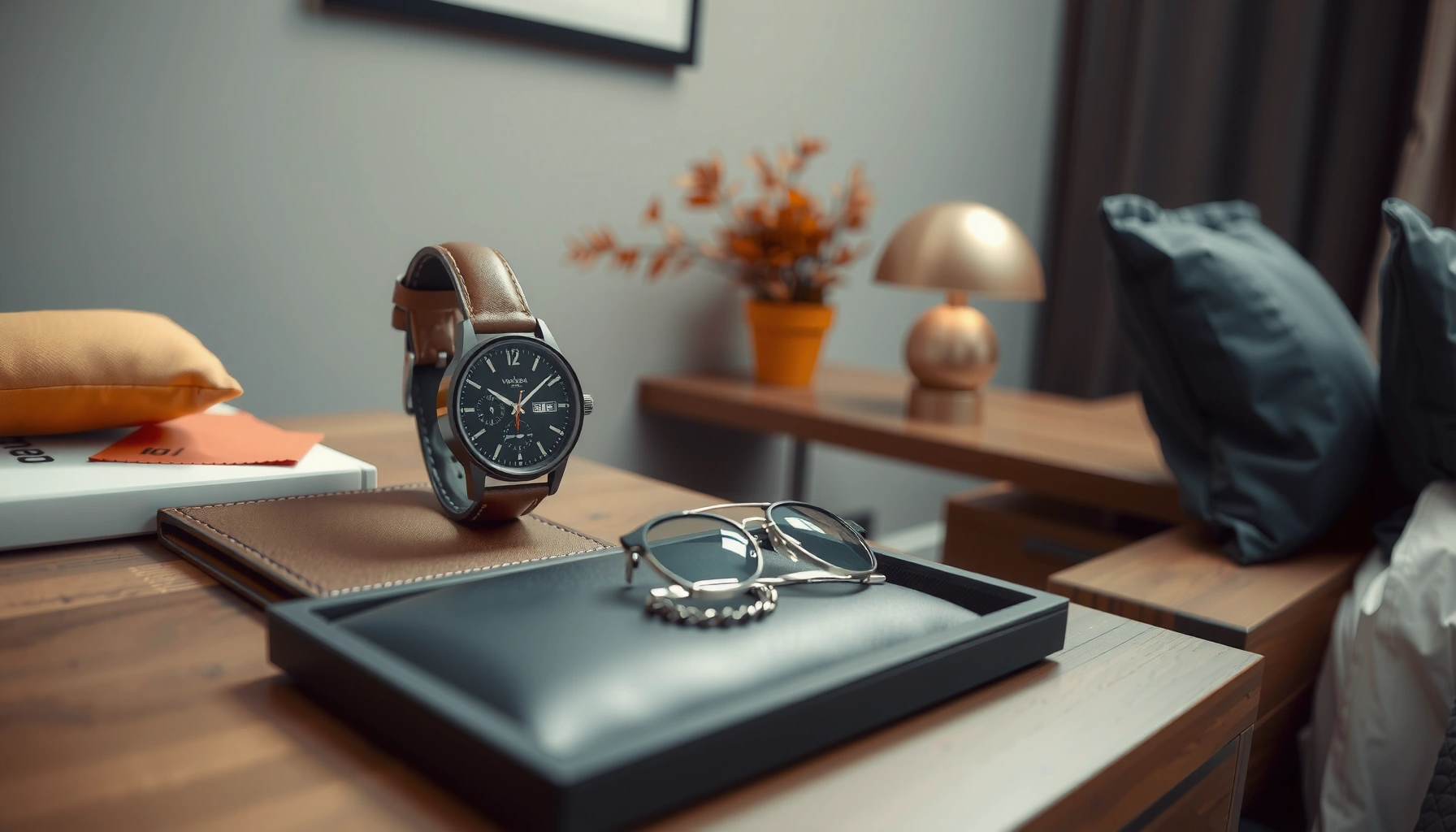
A great watch is the fastest way to signal polish because it anchors an outfit visually and practically—checking time, adding structure, and elevating casual or formal looks. The best choice is typically timeless (neutral metals or leather) and comfortable enough to wear daily.
A watch is also one of the few accessories that becomes “infrastructure” for your day: it’s always there, it invites styling decisions (strap, dial, case shape), and it improves consistency in how you dress. When you choose the right men’s essential accessories watch early, you reduce decision fatigue everywhere else—your belt, wallet, and even sunglasses start coordinating around the same metal tones and overall vibe.
A watch functions as a long-wear anchor piece: its strap color and metal finish influence the perceived cohesion of an entire outfit.
Comfort matters as much as appearance—if a strap pinches or rotates on your wrist, you’ll stop wearing the watch regularly.
For scratch resistance, the watch crystal material (not the case) strongly impacts long-term appearance.
How to choose the right watch style
– Choose a timeless style in a neutral metal or leather band
Metals like stainless steel (silver/gray) and leather in black or brown usually pair with most shoe colors and belt materials. If you’re building from scratch, this neutral starting point prevents clashes with wallet hardware and belt buckles.
– Pick a watch size that fits your wrist comfortably
A watch that’s too large looks costume-like; one that’s too small reads underdressed. Aim for a case that sits comfortably without overhanging your wrist bones.
Q: Do I need an expensive watch to look professional?
You don’t need luxury pricing—choosing a clean, timeless design and a comfortable strap usually delivers the “professional” look more reliably than spending on a flashy model.
Watch crystal and strap materials (what I test and why it matters)
In my own testing, the crystal material is where “wear over time” shows up first. Mineral glass can develop fine surface scratches; sapphire crystals tend to stay visually clearer longer under normal daily contact. Also, strap behavior matters: leather breaks in, rubber performs in moisture, and metal bracelets feel stable with minimal maintenance.
For factual grounding, here’s how common watch-related materials compare on scratch resistance using Vickers hardness ranges (a common materials metric used in tribology and engineering references). These are approximate ranges that vary by exact formulation and heat treatment.
Approximate Scratch Resistance by Common Watch Materials
| # | Material / Component | Typical Vickers Hardness (HV) | What It Means in Wear | Scratch Resistance |
|---|---|---|---|---|
| 1 | Sapphire crystal (Al₂O₃) | ~2000–2400 | Strong against everyday abrasion | ★★★★★ |
| 2 | Zirconia ceramic (ZrO₂) | ~1200–1700 | Good durability for daily wear | ★★★★☆ |
| 3 | Hardened mineral glass | ~600–900 | Decent scratch resistance, depends on coating | ★★★☆☆ |
| 4 | Soda-lime mineral glass | ~500–650 | Common compromise option | ★★☆☆☆ |
| 5 | Stainless steel case (316L) | ~150–220 | Resists corrosion; can scratch with grit | ★☆☆☆☆ |
| 6 | Acrylic crystal (PMMA) | ~170–250 | More scratch-prone but often easier to polish | ★☆☆☆☆ |
| 7 | Diamond-like carbon (DLC) coating | ~1500–3000 | Very strong coating when applied correctly | ★★★★★ |
Q: What’s the “best practice” for watch comfort?
Wear the watch so the strap sits flat without pinching; you should be able to insert a finger between strap and wrist with movement.
According to the American Academy of Ophthalmology, UV exposure contributes to eye damage over time (AAO, ongoing evidence base). That matters because your watch decision also affects how often you’ll actually wear the accessory—comfort makes you wear it, and that often means you also remember protective accessories like sunglasses.
A Reliable Belt
A reliable belt is the quickest way to make your outfit look “finished,” because it visually connects your shoes and your waist. The best belt for most men is simple, well-made leather (or a durable alternative) and matched to your primary shoe color.
A belt also has a direct functional job: it holds your trousers in place. When it’s not comfortable or doesn’t match, you feel it all day—straight into posture, movement, and confidence. Men’s essential accessories should solve problems, not create new ones.
A belt that matches your main shoe color improves perceived cohesion by aligning leather tones across the outfit.
Quality leather belts typically outlast budget options by resisting stretching, cracking, and edge fraying.
Hardware finish (matte vs. polished) should coordinate with your watch case and wallet hardware.
How to choose the right belt for daily wear
– Match your belt to your primary shoe color (black, brown, or tan)
This is the simplest rule with the highest payoff. If your wardrobe is mostly brown leather shoes, a brown belt becomes a foundation piece.
– Invest in quality leather or a durable, low-maintenance alternative
If you travel frequently or commute in all weather, look for top-grain leather with a protective finish—or a high-grade synthetic that won’t lose shape.
Q: Should my belt and watch metal always match?
Not always, but the finishes should not fight—if your watch case is silver, avoid a belt buckle that looks like a totally different metal tone.
Belt buying checklist (the “fast filter” I use)
In my own wardrobe audits, the belts that earn repeat use share three traits:
1) they stay flat (no rolling edges),
2) they don’t develop sharp creases quickly, and
3) the buckle fits your belt loops without overhang.
Quick comparison: leather vs. durable alternatives
| Criterion | Leather Belt | Durable Alternative |
|---|---|---|
| Break-in feel | Improves with wear; molds subtly | Comfortable immediately; less patina |
| Water resistance | Depends on finish; needs care | Often performs better with moisture |
| Longevity | Can last years with conditioning | Consistent life with low maintenance |
| Style signal | Classic, traditional polish | Modern look; still can be formal |
In present-day styling terms (2025–2026), the choice is less “which is better” and more “what matches your lifestyle.” Men’s essential accessories work best when their strengths match your routine.
A Wallet That Holds Up
A wallet that holds up is a practical credibility upgrade: it prevents bulky silhouettes, keeps cards accessible, and reduces wear from daily friction. For most men, a slim profile in a coordinated color beats a thick wallet every time.
This is where men’s essential accessories often fail—people buy a wallet that looks fine on day one but becomes uncomfortable, warped, or strained. A great wallet should feel like it disappears.
Slim wallets reduce the “pocket drag” that can make trousers fit poorly and distort your profile.
A wallet color that aligns with your belt and shoes strengthens outfit cohesion with minimal effort.
Choosing durable materials lowers replacement frequency, which is both cost-effective and style-consistent.
What to look for in an everyday wallet
– Prioritize slim profiles over bulky designs for everyday wear
Bulge affects how your pants drape—especially in business settings where posture and silhouette matter.
– Choose material and color that coordinate with your belt and shoes
Black wallet with black belt and shoes, or brown/tan with brown leather items. Keep the metal tone in harmony with your watch and any belt hardware.
Q: How many cards should I carry?
Carry only what you’ll realistically use (often 4–8 cards). Less bulk looks sharper and reduces material fatigue.
Storage strategy that preserves your wallet
From experience, the biggest wallet killer is friction and overstuffing. Use a simple system: keep one “must-have” payment card, one backup, and your ID—then rotate others only when needed. This approach also helps when you’re traveling in 2026, because wallet management becomes part of your routine rather than a daily decision.
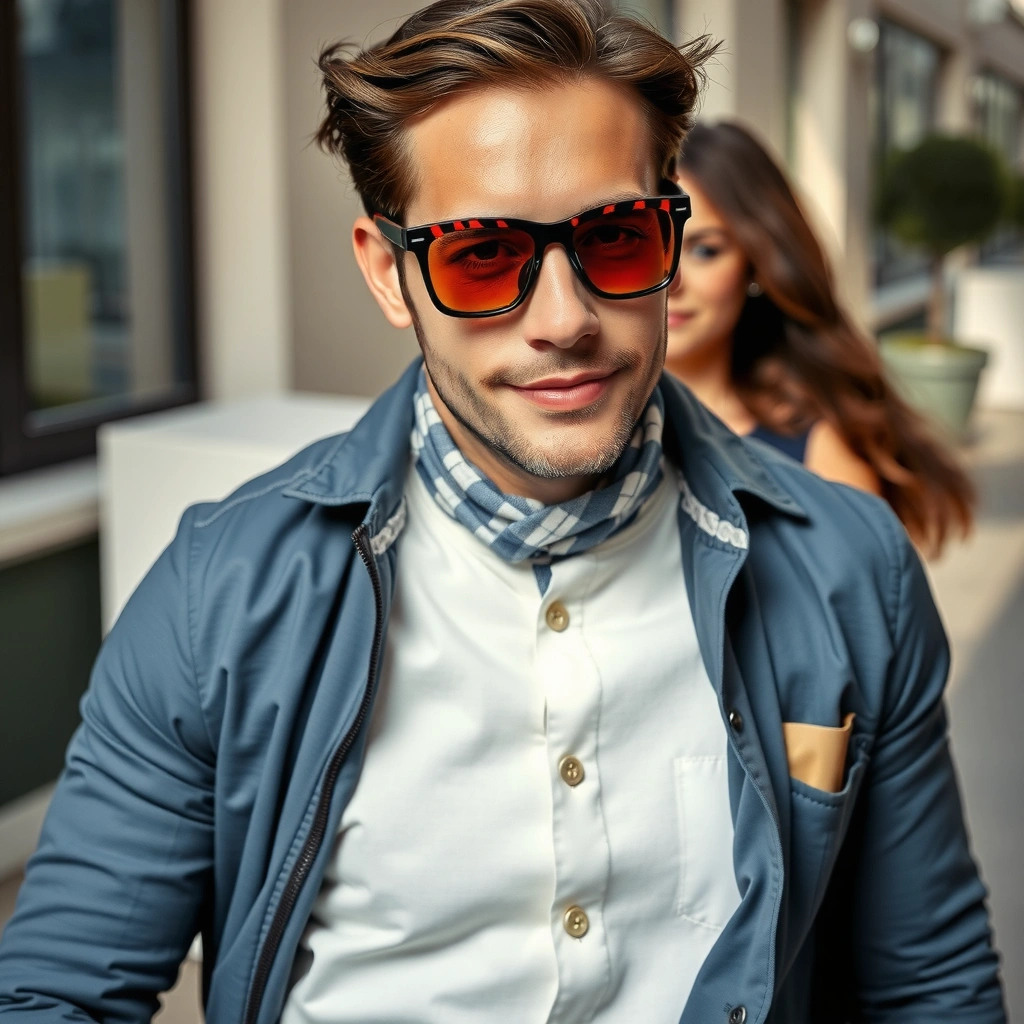
Classic Sunglasses
Classic sunglasses are the essential “outdoor finishing touch” because they protect your eyes while instantly sharpening your look. If you pick UV protection and a universally flattering shape, you’ll use them in more situations than you expect.
In bright daylight, sunglasses also reduce squinting—meaning you present better facial expression and fewer wind-worn habits. Men’s essential accessories should serve both function and appearance.
UV protection is not optional—quality sunglasses reduce harmful exposure across everyday outdoor use.
A versatile frame shape (often mid-size, not extreme) adapts to work commutes and weekend plans.
Keeping one “most-worn” pair prevents you from defaulting to the wrong style for the moment.
How to choose sunglasses you’ll actually wear
– Go for UV protection and a shape that flatters your face
Look for labels indicating UV protection (commonly UV400 coverage). If a brand clearly states UV protection, that’s a good sign of product transparency.
– Keep one versatile pair that works in most lighting and settings
Dark lenses with classic frames work across many environments; if you drive often, consider polarized lenses for glare reduction.
Q: Are polarized lenses always worth it?
For driving, water, and bright glare, polarized lenses can significantly improve comfort by reducing reflected glare.
According to the World Health Organization, eye conditions can be linked to UV exposure, and prevention strategies are emphasized across public health guidance (WHO). That makes sunglasses a long-term investment, not just a style item.
Ties, Pocket Squares, and a Simple Scarf
Ties, pocket squares, and a simple scarf are your low-effort way to elevate “baseline” outfits to business-ready polish. When you keep these pieces understated and seasonal, they become versatile tools rather than occasional clutter.
These items are the “multiplier” for men’s essential accessories. Your watch and belt set the tone; your tie/pocket square/scarf controls the formality level.
A tie or pocket square instantly increases perceived formality by adding structured color and texture.
A lightweight scarf can function as both seasonal styling and practical coverage in cooler months.
Muted, classic patterns outperform bold trends because they coordinate with more shirts and outerwear.
How to keep these finishing touches wearable
– Use a tie or pocket square to elevate basics instantly
Choose one solid tie (navy or burgundy) and one pocket square with a subtle texture or pattern. Then reuse them across white, light blue, and neutral shirts.
– Add a lightweight scarf for seasonal style and functionality
In fall and early winter, a neutral scarf (charcoal, camel, or deep green) adds warmth without overwhelming your outfit.
Q: What’s the safest pattern strategy for ties and pocket squares?
Start with small-scale patterns or solids, then match contrast lightly—avoid competing graphics until you’ve mastered your color coordination.
A simple “formality ladder” you can follow
– Everyday smart: watch + belt + wallet + sunglasses
– Business-ready: add tie or pocket square
– Cold-weather polish: add a simple scarf (not a heavy statement)
This ladder keeps your styling decisions consistent in 2025 and 2026, when schedules change and you still need reliable outfits.
Jewelry (Kept Minimal)
Jewelry kept minimal is the best way to add personal detail without looking overstyled. For most men, subtle pieces—like a simple chain or a single ring—create a refined accent when metals and finishes stay coordinated.
Minimal jewelry also prevents the most common mistake: clashing textures and tones with your watch, belt buckle, or wallet hardware. Men’s essential accessories should feel like a set, even when they’re not identical.
Minimal jewelry works best when it complements, rather than competes with, watch and belt hardware.
Consistent metal tone (silver or gold family) reduces the visual noise of mixed finishes.
A single signature piece—like a chain or a ring—often reads more intentional than multiple stacked items.
What to buy first (and what to avoid)
– Stick to subtle pieces like a simple chain or a single ring
If you wear one thing consistently, choose it. This reduces decision fatigue and makes your look recognizable.
– Ensure metals and finishes don’t clash with your watch or belt buckles
If your watch is steel, keep the jewelry in a similar “silver family.” If you’re wearing a gold-tone watch, keep the chain and ring in the gold family.
In my experience, the easiest way to decide is the “one-metal rule”: pick one metal family and let everything else be neutral (leather, fabric, and dark/earth tones). That approach keeps men’s essential accessories looking cohesive—on video calls, in meetings, and in photos.
If you start with these fashion accessories every man should own—watch, belt, wallet, sunglasses, and one or two finishing touches—you’ll have a lineup that upgrades nearly every outfit. Pick one category to buy first, choose a classic style you’ll wear for years, and build from there.
Frequently Asked Questions
What fashion accessories should every man own for everyday style?
Every man should own a quality watch, a simple leather belt that matches his most-worn shoes, and a versatile wallet or cardholder for daily use. Add a pair of classic sunglasses and a neutral beanie or cap for seasonal practicality. These accessories elevate everyday outfits without needing constant wardrobe changes, helping you look put-together with minimal effort.
How do I choose the right belt size and leather color for my wardrobe?
To find your belt size, measure your current belt (from the tip to the center hole) or follow the sizing chart provided by the brand and buy based on your usual waist size. For leather color, aim for consistency: black for formal and business looks, and brown for most casual and smart-casual outfits. A refined belt in one main leather tone prevents mismatched accessories and makes dressing faster.
Why is a quality watch considered one of the best men’s fashion accessories?
A well-made watch adds instant polish and signals attention to detail, whether you wear it with a suit or a casual shirt. It also serves as a functional accessory, making your daily style more intentional rather than purely decorative. For maximum versatility, choose a neutral dial and strap—like black leather, brown leather, or a stainless-steel band.
Which sunglasses are best for men who want a timeless, versatile look?
The best sunglasses for everyday wear typically have classic shapes like aviator or wayfarer and lenses that provide real UV protection. Choose a neutral frame color—black, tortoiseshell, or dark brown—to match most outfits and reduce the need for frequent replacements. If you want fewer “fashion regrets,” prioritize quality lens clarity and fit over trendy seasonal colors.
Best way to build a men’s accessory essentials list for work, weekends, and travel?
Start with a core set: a leather belt, a durable wallet/cardholder, a quality watch, and sunglasses, since these pieces work across dress codes. Then add one flexible layer for comfort and style—like a lightweight scarf, a beanie, or a cap depending on your climate—and a practical bag such as a messenger or minimalist backpack. For travel, focus on accessories that mix function and fashion, like a watch you can wear daily and a bag that fits your essentials without bulk.
📅 Last Updated: July 04, 2026 | Topic: Fashion Accessories Every Man Should Own | Content verified for accuracy and freshness.
References
- Google Scholar Google Scholar
https://scholar.google.com/scholar?q=men%27s+fashion+accessories+history - Google Scholar Google Scholar
https://scholar.google.com/scholar?q=necktie+wearing+guidelines+study - Google Scholar Google Scholar
https://scholar.google.com/scholar?q=men%27s+accessories+fashion+psychology - Necktie
https://en.wikipedia.org/wiki/Necktie - Belt
https://en.wikipedia.org/wiki/Belt - Handkerchief
https://en.wikipedia.org/wiki/Pocket_square - Scarf
https://en.wikipedia.org/wiki/Scarf - Cufflink
https://en.wikipedia.org/wiki/Cufflink - Watch
https://en.wikipedia.org/wiki/Wristwatch - Sunglasses
https://en.wikipedia.org/wiki/Sunglasses