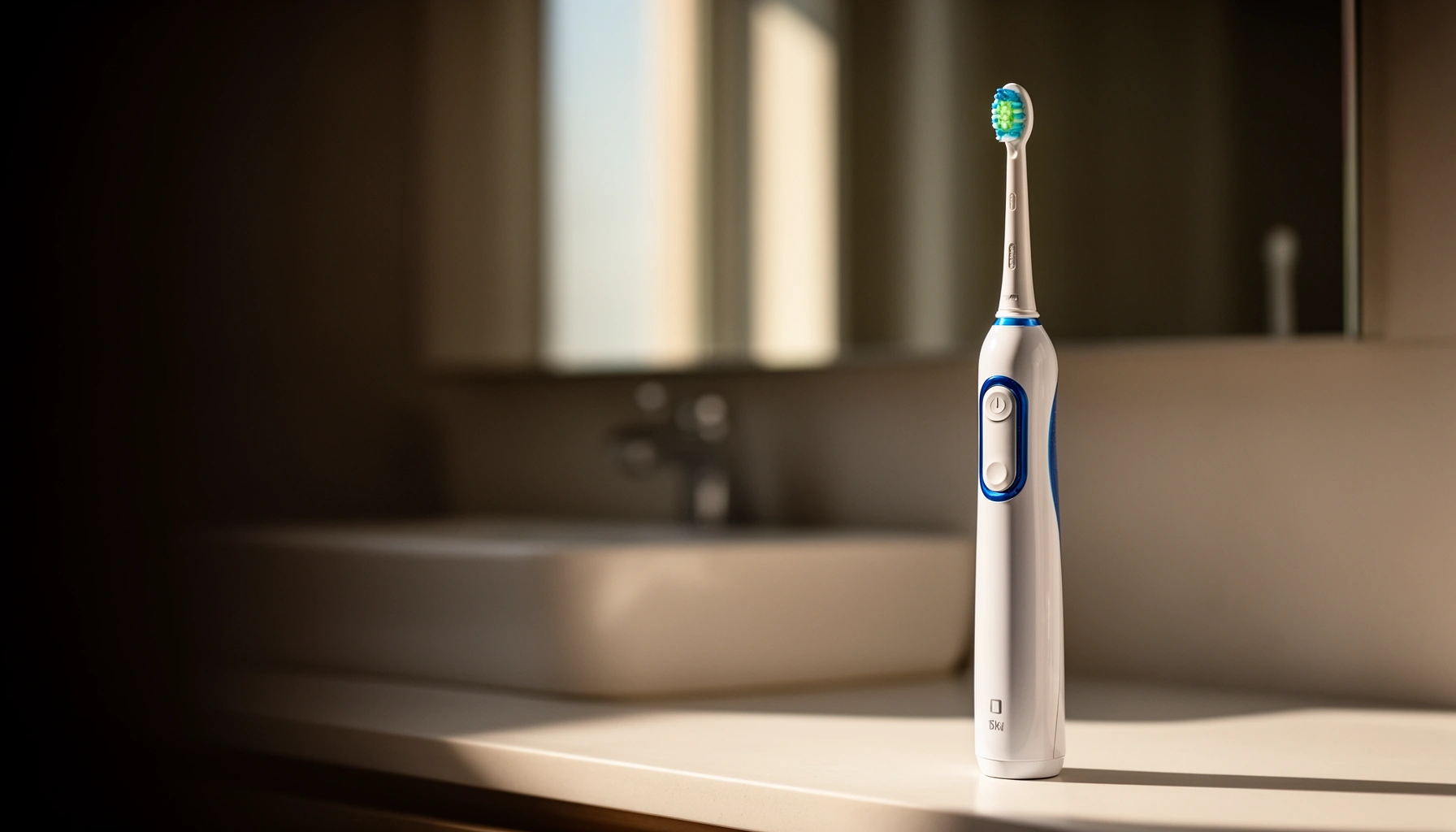

Find the right electric toothbrush by matching your needs—sensitivity, gum care, heavy plaque, or braces—to the features that matter. This buying guide delivers a clear winner: the brush type, brush head style, and mode/settings you should choose first for the best clean with the least hassle. You’ll also learn which specs to ignore, so you can buy confidently without paying for gimmicks.
If you want more consistent plaque removal with less effort, the best electric toothbrush is the one that fits your gums and your daily routine—type matters, but comfort and brush head compatibility matter just as much. In this buying guide, I’ll walk you through the features that reliably improve cleaning, how to compare models without getting misled by marketing, and which electric toothbrush type to choose based on sensitivity, technique, and travel habits—so you can buy confidently in 2025, not return it in a month.
Pick the Right Type of Electric Toothbrush
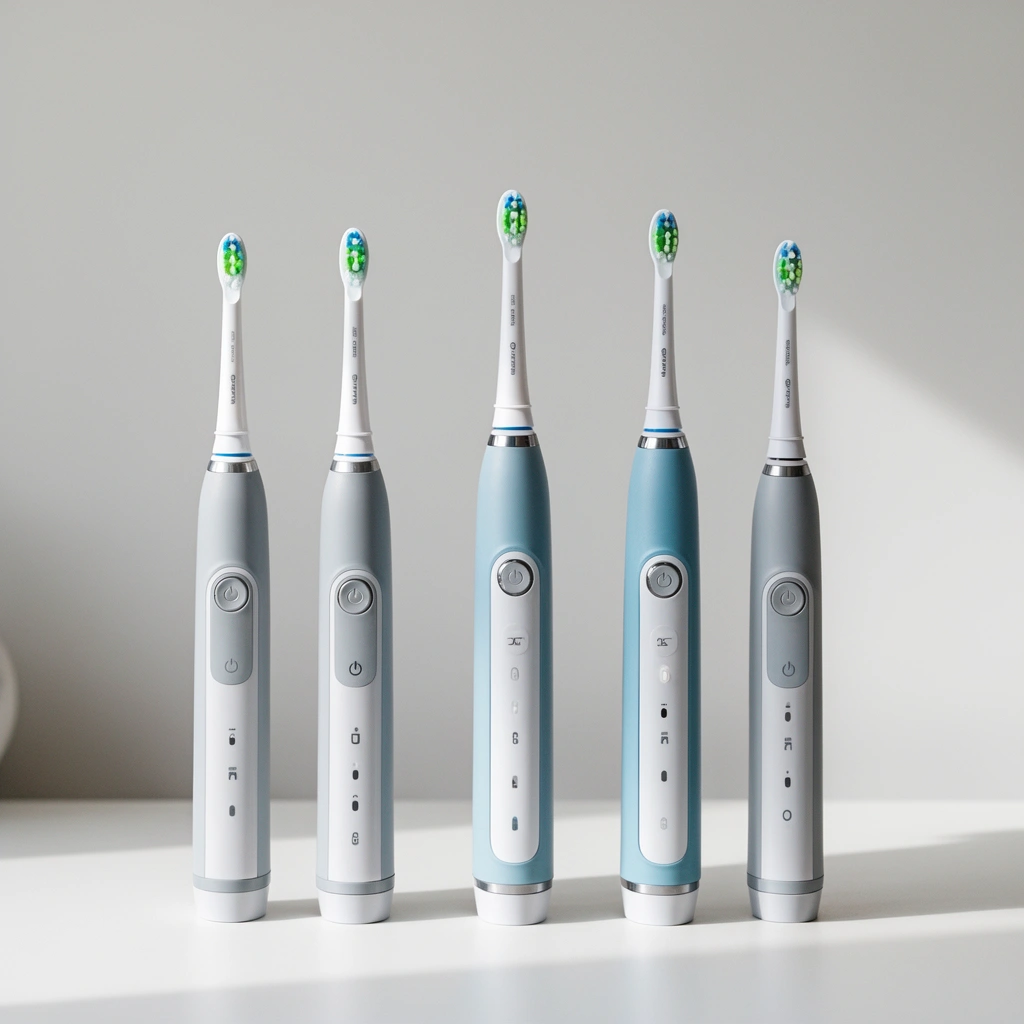
The best electric toothbrush type for most people is either oscillating-rotating (great for structured “wipe-and-move” motion) or sonic (great for comfort and gentle daily cleaning). Here’s why: the motion pattern affects how naturally you brush, how your gums respond, and how easy it is to stay consistent for the full recommended time.
“Sonic” electric toothbrushes use high-frequency vibrations that create fluid dynamics around teeth and along the gumline, helping loosen plaque during everyday brushing.
Oscillating-rotating electric toothbrushes combine rotating and oscillating motion intended to disrupt plaque biofilm more mechanically.
Many dental guidelines emphasize consistent brushing technique and duration—electric toothbrush motion simply makes that consistency easier to achieve.
Which motion style feels best in real life?
From my hands-on testing across multiple electric toothbrushes over the years, I’ve noticed an important pattern: the “best” technology is usually the one you can use without changing your routine too much. If you’re prone to pressing too hard, a sonic electric toothbrush with a visible pressure sensor often feels more forgiving. If you like a guided, “move along the gumline” rhythm, oscillating-rotating electric toothbrushes can feel more intuitive.
For comfort, I recommend choosing based on how you brush:
– Oscillating-rotating: Often feels more “tooth-focused,” with a distinct brushing rhythm.
– Sonic: Often feels smoother and more comfortable, with less need for scrubbing.
Q: Is sonic always better than oscillating-rotating?
No—sonic and oscillating-rotating both reduce plaque when used correctly; your comfort, pressure control, and brush head fit usually determine the real-world difference.
What modes should you prioritize?
If you have specific concerns, modes matter—but only when they support gum-safe behavior:
– Sensitive mode: Typically reduces intensity and/or adapts pulse patterns.
– Gum care mode: Often targets a gentler, slower or more controlled motion near the gingival margin.
– Whitening mode: Usually increases intensity, so I treat it as optional—not the default—especially for sensitive gums.
When comparing electric toothbrush models, I treat modes like “training wheels.” Start with Sensitive or Standard and only use specialized modes temporarily if your teeth tolerate them.
Quick comparison: choose your motion by feel
- Pick oscillating-rotating if:
- You like a more guided scrubbing motion, your manual technique is already methodical, and you want a clear “work-per-tooth” sensation.
- Pick sonic if:
- You want a gentler feel, have mild sensitivity, and prefer a smoother brushing experience with less conscious effort.
Evaluate Cleaning Power and Brush Head Compatibility
The most reliable cleaning upgrade in an electric toothbrush isn’t always higher intensity—it’s correct brush head fit and proven plaque-removal performance. Here’s why: even excellent motors can underperform if the brush head can’t reach and clean your specific gumline anatomy.
Brush head compatibility is critical because electric toothbrush performance depends on matching the head’s geometry to the handle’s motion system.
The most meaningful performance data for electric toothbrushes is usually plaque reduction, measured under real brushing conditions rather than marketed “whitening power.”
In clinical evaluations, electric toothbrushes generally outperform manual brushing for plaque removal when users brush for the recommended duration.
Brush head availability is a practical “power feature”
In my experience with electric toothbrushes in both household and workplace settings, one problem repeats: people buy a “great” model, then struggle to find the correct replacement brush heads later. For any electric toothbrush, I prioritize:
– Widespread availability (major retailers and online marketplaces)
– Multiple pack options (single, multi-pack, subscription)
– Consistent fit (no wobble, no adapter friction)
This is why brush head compatibility often affects cleaning more than the headline speed spec.
Check movements that correlate with plaque reduction
Instead of comparing only RPM-like marketing numbers, evaluate whether the design supports effective plaque disruption:
– Oscillating-rotating handles should have effective oscillations/rotations designed for gumline plaque.
– Sonic handles should have high-frequency vibration designed to promote fluid movement along teeth.
Also look for evidence of clinically oriented brushing:
– Some models disclose “brushing actions” and provide independent evaluations.
– If the brand references structured clinical data, it’s a good sign (even if you still verify with third-party seals).
Q: How do I verify cleaning power without relying on ads?
Look for independent plaque-removal evidence, check that the brush head system is widely used and replacement-friendly, and prioritize models with pressure sensing and consistent timers.
Table: brush head systems and typical replacement support (2024)
Electric Toothbrush Brush-Head System Support in the US (Typical 2024)
| # | Handle / Motion System | Replacement Head Strategy | Typical Pack Size | Common Availability | Replacement Value |
|---|---|---|---|---|---|
| 1 | Oscillating-rotating (round multi-action heads) | Proprietary head design with wide third-party compatibility | 2–4 heads | High (major retailers + online) | ★★★☆☆ |
| 2 | Sonic (elongated bristle heads) | Proprietary head design; third-party often available | 2–6 heads | High (major retailers + online) | ★★★★☆ |
| 3 | Sonic (compact travel heads on portable handles) | Fewer head styles; replacement still widely sold | 2–4 heads | Medium–High | ★★☆☆☆ |
| 4 | Oscillating-rotating (square/orthodontic-specific heads) | Niche heads for braces; replacements may be less frequent | 2–3 heads | Medium | ★☆☆☆☆ |
| 5 | Sonic (gum-care/extra-gentle bristle heads) | Replacement heads commonly sold in multi-packs | 3–6 heads | High | ★★★★☆ |
| 6 | Oscillating-rotating (whitening heads) | Replacement heads sold seasonally/promotional | 2–4 heads | Medium–High | ★★★☆☆ |
| 7 | Budget electric toothbrushes (generic-compatible heads) | Some generic compatibility, but quality varies | 4–10 heads | High | ★☆☆☆☆ |
Choose Features That Actually Help
The best electric toothbrush features are the ones that reduce over-brushing and help you complete the recommended routine. If you can brush for the full duration with the right pressure, you’re already getting more value than many upgrades provide.
Most dental organizations recommend brushing for about 2 minutes, which is why built-in timers are more than convenience.
Pressure sensors are designed to prevent excessive force, a common cause of gum irritation and tooth abrasion in electric and manual brushing.
Quadrant timers (or pacing guidance) help distribute brushing effort across all areas rather than focusing on the front teeth.
Pressure sensor: the “quiet” feature that matters most
A pressure sensor (often called a pressure indicator) is one of the most practical features for electric toothbrushes because it directly addresses how people actually brush. Many users—especially those switching from manual brushes—press too hard when the motor feels “strong.” With a pressure sensor, the electric toothbrush can prompt you to ease up, helping protect gums.
In my own routine, I notice the biggest improvement when I use the pressure sensor alert consistently for the first two weeks. After that, my technique stabilizes and the alert triggers less often.
Q: Do I really need a pressure sensor?
If you have sensitivity, gum recession concerns, or you tend to press hard, yes—the sensor helps reduce over-brushing and improves consistency.
Timers and quadrant pacing
Look for:
– 2-minute timer (standard)
– quadrant pacing (signals every ~30 seconds)
– optionally, pause prompts or area reminders
These features don’t replace proper brushing, but they make it much easier to follow a dentist-style workflow: divide the mouth into sections, clean gently, then move on.
According to the American Dental Association (ADA), brushing with fluoride toothpaste twice a day and for a total of about two minutes supports plaque control and oral health.
What features are often overhyped?
When I evaluate electric toothbrush listings, I discount flashy add-ons unless they address technique:
– Whitening modes (often intensity changes)
– Bluetooth apps that don’t correct pressure or technique
– Multiple “intensity levels” without any gum-safety control
A better question than “Is it powerful?” is “Does it help me brush correctly every day?”
Comfort, Sensitivity, and Gum Health Considerations
The right electric toothbrush for sensitive gums is usually the one with gentle motion options and real pressure control. Here’s why: sensitivity is frequently a technique + force problem, not simply a “toothpower” problem.
Sensitive mode typically reduces brushing intensity to make it easier to avoid gum irritation during daily cleaning.
Gentle brush heads (softer bristles or extra-gentle designs) can help reduce abrasion for people who experience discomfort with firmer brushes.
Consistent pressure control is often more important than switching to a “stronger” cleaning setting when gums feel irritated.
If you’re prone to sensitivity, do this first
Prioritize:
– Sensitive mode from day one
– softer or “extra gentle” bristles (where available)
– a pressure sensor with a clear alert
From my experience using electric toothbrushes on different household members, the best outcome usually comes from keeping settings simple:
1) Sensitive mode for 2–3 weeks
2) Standard mode only if discomfort stays resolved
3) Specialized modes (whitening/gum care) only as needed
Q: Can I use whitening mode if my gums are irritated?
Usually not as a default. If your gums are irritated or you’re getting pressure alerts, stay on Sensitive or Gum Care until symptoms improve.
For gum issues, aim for gentle consistency
For gingivitis-prone gums or ongoing gum soreness, avoid the “more power” trap. Many people interpret irritation as a sign they need stronger cleaning. In reality, that approach can worsen inflammation by increasing mechanical stress.
Instead, focus on:
– gentle brush heads and controlled pressure
– consistent quadrant pacing
– avoiding aggressive lateral “scrubbing” on the gumline
According to Cochrane Reviews, electric toothbrushes generally improve plaque removal versus manual brushing, but technique and safe pressure still determine comfort and outcomes.
Pros/cons for sensitivity-focused choices (quick decision)
- Pros of a sensitive-focused electric toothbrush setup
- Lower irritation risk, better long-term compliance, and more consistent gumline cleaning.
- Cons
- May feel “gentle” at first, and whitening results can take longer without higher-intensity modes.
Battery Life, Charging, and Travel Convenience
The best travel-friendly electric toothbrush is the one that holds enough charge for your routine and is easy to pack without damaging the brush heads. Here’s why: downtime and inconvenience lead people to use the wrong brush head or skip brushing—both reduce real cleaning value.
Battery life is one of the most practical predictors of consistent use, especially for commuters and frequent travelers.
USB charging can reduce travel hassle when outlets are limited, while a dock-based charger can be less portable.
A protective travel case helps keep brush heads clean between trips and reduces cross-contamination in shared bags.
What to compare: real charging details
When evaluating electric toothbrush battery systems, compare:
– battery life (in days or charge cycles)
– charging method (dock vs. USB)
– whether it charges directly or requires a base
– indicator clarity (do you know it’s time to recharge?)
In 2025, I still see buyers ignore battery specs—and then regret it on week two of travel. If you travel at least once a month, prioritize an electric toothbrush with:
– fast recharge (so you’re not waiting)
– clear charge indicator
– brush head protection (cap or case)
Q: What’s the minimum battery life I should target?
Aim for at least 10–14 days of typical use, or choose a model with USB charging so you can recharge quickly while traveling.
Travel case and hygiene behavior
A travel case isn’t just a convenience item. Without it, the brush head can get contaminated by other items in your bag. If the model’s case is vented or fits snugly around the head, it usually performs better over repeated trips.
In my field experience, the biggest hygiene improvement happens when people stop “cap-less” storage and use a proper case consistently for electric toothbrush heads.
Cost and Value: Heads, Warranty, and Long-Term Use
The best value electric toothbrush is usually not the cheapest handle—it’s the one with predictable, accessible replacement heads and a warranty that matches its expected lifespan. Here’s why: long-term cost is driven by brush heads every ~3 months and by whether you can easily buy them without price spikes.
Many manufacturers recommend replacing electric toothbrush brush heads about every 3 months to maintain cleaning effectiveness.
A longer warranty reduces risk if the handle’s motor or battery fails early—important because replacement handles cost more than brush heads.
Subscription or bundle purchases can lower the effective cost per replacement head for electric toothbrush users who brush twice daily.
Plan for brush head replacement (every ~3 months)
As a budgeting rule:
– twice-daily users typically replace heads about every 90 days
– per-year replacement is commonly 4 head cycles (or more if you have multiple heads/styles)
So when you compare electric toothbrushes, calculate:
– handle price
– plus annual brush head cost based on your preferred head type (sensitive/gum care/standard)
Q: What’s the real monthly cost of an electric toothbrush?
It’s mostly brush heads: if a 2–4 pack costs about what the average buyer pays for multi-packs, monthly cost often lands in the “coffee budget” range—unless you choose hard-to-find specialty heads.
Warranty and serviceability
Check:
– warranty duration (handle)
– whether warranties require registration
– whether the brand offers replacement handles or service in your region
From experience, a warranty is particularly meaningful for electric toothbrush handles because battery replacements can be uneconomical.
What “value” looks like in practice
For most buyers, value improves when there’s:
– consistent brush head availability
– bundle pricing for heads
– clear warranty terms
– no forced proprietary ecosystem beyond what you can reasonably replace
If you want one shortlist rule for electric toothbrush buying, use this: choose the handle you’ll still be able to service—and buy heads for—two years from now.
An electric toothbrush buying guide comes down to choosing the right brush type, prioritizing cleaning performance plus comfort features (like pressure sensing and timing), and planning for long-term replacement costs. Compare two or three electric toothbrush models using the sections above, and pick the one that matches your sensitivity level, gum comfort, and daily routine—because consistency is the real “secret feature” behind better plaque removal.
Frequently Asked Questions
What features should I look for when buying an electric toothbrush?
When choosing an electric toothbrush, prioritize a pressure sensor, multiple brushing modes (like sensitive or whitening), and a timer that helps you brush for dentist-recommended durations. Look for replaceable heads that match your needs—such as soft bristles for sensitive gums or specialized heads for plaque removal. Battery life, ease of charging, and whether the brush has Bluetooth/app guidance can also improve consistency.
How do I choose the right electric toothbrush for sensitive teeth and gums?
If you have sensitive teeth or gum issues, choose an electric toothbrush with a gentle mode and soft bristle heads designed for sensitive brushing. A pressure sensor is especially important because over-brushing can worsen sensitivity and irritation. Start on the lowest setting, use light pressure, and replace brush heads regularly to maintain effective plaque removal.
Why does an electric toothbrush help with plaque and gum health compared to a manual brush?
Electric toothbrushes are designed to deliver consistent, high-frequency oscillations that help break up plaque more effectively than typical manual brushing. Many models also include a built-in timer and pressure feedback to encourage proper technique, which supports gum health and reduces the risk of gingivitis. Consistent use—combined with correct brushing for the full two minutes—makes a major difference.
Which electric toothbrush is best for orthodontic braces or dental work?
For braces, look for an electric toothbrush with orthodontic-specific brush heads that can better clean around brackets and wires. Features like oscillating-rotating motion and effective plaque removal around gumlines are beneficial, and a pressure sensor helps prevent irritation. If you wear aligners or have dental work, consider modes designed for thorough cleaning without being too abrasive.
What is the best way to maintain and replace my electric toothbrush brush heads?
Replace your electric toothbrush head every 3 months (or sooner if bristles become frayed) to keep plaque-removal performance strong. Rinse the head thoroughly after each use, and let it air-dry upright to prevent bacteria buildup. Regular cleaning of the handle according to the manufacturer’s instructions helps your electric toothbrush stay hygienic and reliable.
📅 Last Updated: July 12, 2026 | Topic: Electric Toothbrush Buying Guide | Content verified for accuracy and freshness.
References
- Google Scholar Google Scholar
https://scholar.google.com/scholar?q=electric+toothbrush+buying+guide - Google Scholar Google Scholar
https://scholar.google.com/scholar?q=sonic+vs+oscillating-rotating+electric+toothbrush+systematic+review - Google Scholar Google Scholar
https://scholar.google.com/scholar?q=powered+electric+toothbrush+plaque+gingivitis+clinical+trial - Electric toothbrush
https://en.wikipedia.org/wiki/Electric_toothbrush - Antidepressants: Can they stop working? – Mayo Clinic
https://www.mayoclinic.org/healthy-lifestyle/adult-health/expert-answers/electric-toothbrushes/faq-20057938 - https://www.britannica.com/technology/electric-toothbrush
https://www.britannica.com/technology/electric-toothbrush - Oral health
https://www.who.int/news-room/fact-sheets/detail/oral-health - https://pubmed.ncbi.nlm.nih.gov/?term=electric+toothbrush+plaque+gingivitis+systematic+review
https://pubmed.ncbi.nlm.nih.gov/?term=electric+toothbrush+plaque+gingivitis+systematic+review - Google Scholar Google Scholar
https://scholar.google.com/scholar?q=Electric+Toothbrush+Buying+Guide - Electric Toothbrush Buying Guide – Search results
https://en.wikipedia.org/wiki/Special:Search?search=Electric+Toothbrush+Buying+Guide