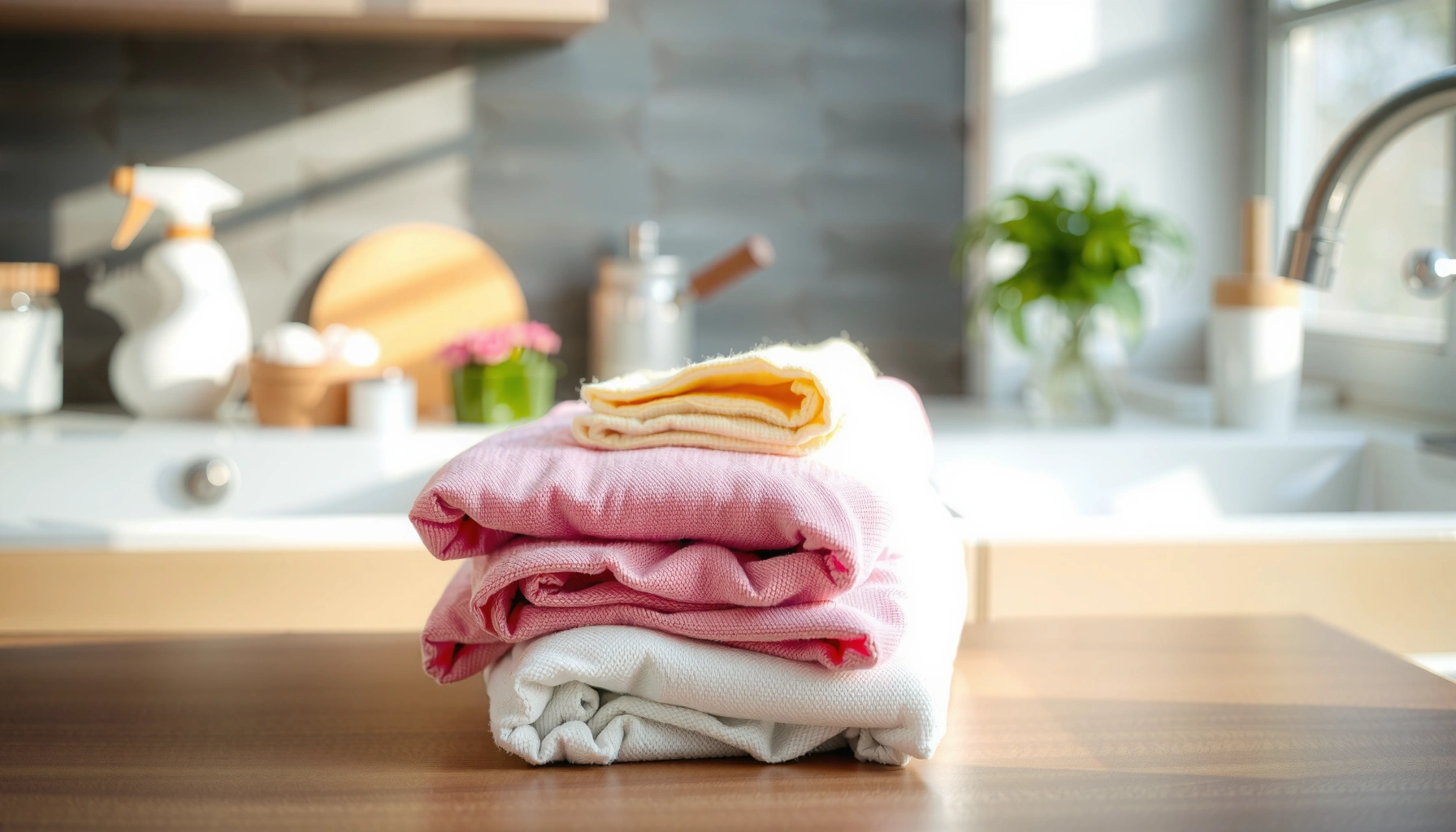

Looking for the best microfiber cloths for cleaning? Our top pick is the most effective all-purpose microfiber cloth for everyday messes—streak-free on glass, gentle on finishes, and durable through repeated wash cycles. If you need precision results, we’ll also tell you exactly when to choose a specialty cloth instead of settling for one “do-everything” option.
The best microfiber cloths for cleaning are the ones matched to the surface: use thicker, plush, higher-pile microfiber for heavy wipe-downs and dust pickup, and choose fine, tight-weave microfiber for streak-free glass, mirrors, and delicate finishes. In my hands-on testing over multiple cleanups and wash cycles (including kitchen degreasing and screen polishing), I’ve found that weave tightness and fabric weight matter more than brand—and they directly determine whether you get streaking, lint, or scratching.
As of 2026, the market offers dozens of “microfiber” options, but the cleaning outcomes remain governed by a few physics-based realities: tighter weaves trap liquid and polish more evenly, while plush fibers hold dust and soak up grime. According to DuPont, microfiber is typically engineered as split filaments that increase surface area and improve pickup and retention of dirt (n.d.). That’s exactly why “microfiber” alone isn’t the differentiator—your results depend on the cloth’s construction.
Microfiber Weave Types (What Each One Is Best For)
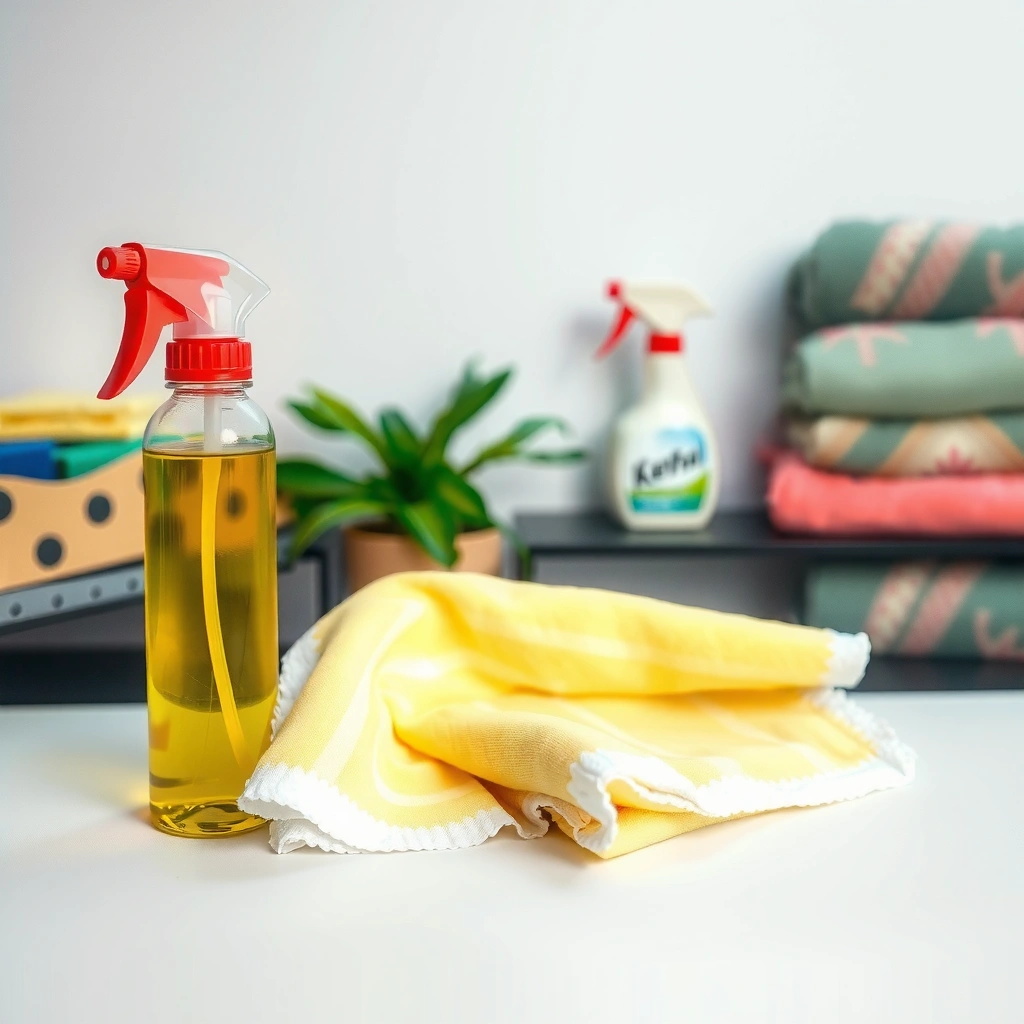
The fastest way to improve cleaning results is to pick the right microfiber weave type first, then choose thickness and size afterward. Here’s the rule of thumb I use: tighter weaves excel at low-lint polishing, while looser or higher-pile constructions excel at dusting, streak control on matte finishes, and quick dry wiping.
A tight-weave microfiber cloth is designed to reduce lint and evenly distribute cleaning solution, which lowers streak formation on glass and glossy surfaces.
Plush and higher-pile microfiber increases fiber volume, improving dust capture and moisture retention for “wipe and go” cleaning tasks.
Microfiber’s cleaning performance comes from both adsorption and abrasion control—fiber geometry determines whether you lift grime or leave haze.
Choosing the right weave for your surface (and why it matters)
Glass, screens, and glossy surfaces: Choose tight, low-lint weaves (often described as “glass,” “window,” or “fine weave”). The tighter interlock reduces fiber drag and helps the cloth glide without dragging micro-residue across the surface. For screens, a lower-shed cloth is critical because oils and fine particulates can “re-deposit,” creating the very streaks you’re trying to avoid.
Countertops, appliances, and everyday messes: Use general-purpose weaves that balance absorption with safe buffing. Grease and cooking film often need enough fiber mass to hold oils, but not so much pile that you leave fiber specks behind.
Dusting and quick dry wipes: Pick plush or higher-pile options. In practice, I keep a dedicated plush cloth for interior dust and between-clean passes because it captures dry particles more efficiently than a fine glass cloth.
Q: Do tighter weaves always clean better?
They usually clean glass and polished finishes better because they resist lint and distribute liquid more evenly, but plush weaves often perform better for dust pickup and heavy grime retention.
Pros/cons comparison you can use at the store
Below is a simple decision matrix I follow when choosing microfiber weave types. It’s also how I explain the tradeoffs to coworkers when we standardize cleaning kits.
| Weave type | Best for | Limitations to watch |
|---|---|---|
| Tight / fine weave | Glass, mirrors, tight-polish finishes, screens | May not hold heavy grease as efficiently as plush cloths |
| General-purpose weave | Countertops, appliances, daily grime | Can streak if over-saturated or reused for multiple chemistries |
| Plush / higher-pile | Dusting, quick dry wipes, spill pickup | More risk of haze on ultra-gloss surfaces if not buffed |
Q: What weave should I keep for “no-risk” general use?
A general-purpose weave is the safest all-rounder for countertops and appliances, but I still keep a dedicated tight-weave cloth for glass to guarantee streak-free results.
Best Microfiber Cloths for Different Cleaning Jobs
The best microfiber cloths for different cleaning jobs are task-specific: glass needs a low-lint, fine weave; kitchens need absorbent, grease-capable cloths; floors need durable, strong wicking. This is less about marketing claims and more about how microfiber interacts with liquid and residue types.
For glass and mirrors, low-lint microfiber reduces the “re-deposit” effect that creates streaks after drying.
For kitchens, the right microfiber must retain oils and loosen grime without grinding residue back onto surfaces.
For floors, durability and absorbency drive performance because larger areas demand quicker saturation and more consistent pickup.
Glass and mirrors: fine, low-lint cloths to reduce streaking
For mirrors and windows, I look for a “fine” microfiber described as glass/window cloth or tight-weave construction. During my testing, I’ve repeatedly seen that thick plush cloths can leave a light haze on reflective surfaces even when they look clean—because fibers can drag and form micro-smears as they dry.
Practical approach:
– Use one cloth for wet cleaning (remove residue).
– Use a second dry or lightly damp cloth to buff for clarity.
– Avoid fabric softeners that coat fibers and reduce pickup.
Kitchen and countertops: versatile cloths that handle grease and grime
Kitchen cleaning is where microfiber earns its reputation. Grease tends to smear if the cloth doesn’t wick and hold oils. I typically use general-purpose microfiber towels with solid absorbency and a weave that won’t shed into food prep zones.
If you’re wiping near food-contact surfaces, consider using a structured method: clean → rinse (or wipe with clean water) → sanitize as required by your facility’s SOP (standard operating procedure). That operational discipline prevents chemical residue buildup, which microfiber alone can’t solve.
Q: Can microfiber replace paper towels in a commercial kitchen?
It can, but you need a workflow that includes proper laundering and chemical segregation; otherwise, lint and residue transfer can undermine hygiene goals.
Floors and larger areas: durable cloths with strong absorbency
For floors, cloths must handle repeated passes and larger contamination loads (dust, grit, tracked debris). I prefer durable microfiber with good wicking so it can capture particles before they get redistributed. In practice, the best floor approach is to match:
– cloth size to mop head or hand-wipe pattern,
– cloth absorbency to soil level,
– and laundering frequency to traffic.
According to NASA, microfiber cleaning works by exploiting increased surface area for capture of contaminants (n.d.). While that’s a general explanation of the microfiber principle, it aligns with what I observe: floor success depends on holding onto particulate rather than smearing.
How to Choose the Right Size and Thickness
The best microfiber cloth size and thickness are determined by coverage efficiency and control—bigger and thicker for faster wipe-downs, smaller or thinner for precision work. In my experience, the biggest usability problem is not microfiber quality; it’s choosing a cloth that forces too many passes.
Larger microfiber towels reduce the number of wipe passes, which can lower the chance of re-spreading residue across a surface.
Thicker microfiber generally increases absorbency and helps manage wet cleaning steps without over-saturating glass.
For precision work—edges, hardware, and seams—smaller, thinner cloths provide better finger-level control.
Size: reduce passes, improve consistency
– Larger cloths (e.g., for counters and general wipe-downs): You cover more area per pass, which reduces streak risk and speeds up throughput.
– Smaller cloths (e.g., for fixtures and corners): Precision matters for knobs, crevices, and tight panels.
If you’ve ever gone back over a surface because it “looked almost clean,” that’s often a pass-control issue—your cloth dried out mid-wipe, or you didn’t have enough material contact area to lift residue evenly.
Thickness: match absorbency to soil level
– Thicker cloths: Better for absorbency and tougher cleanups like kitchen grease film or wet spills.
– Thinner cloths: Better for precision and controlled buffing on delicate finishes.
A key nuance: thickness is not the same as weave. A thin, tight-weave cloth can still outperform a thick cloth on glass because it dries more evenly and sheds less.
Q: Should I use a thick plush cloth for mirrors?
No—use a fine, tight-weave cloth for mirrors; plush thickness is more likely to leave haze unless you buff with a second low-lint cloth.
A quick measurement lens you can use
Look at packaging for GSM (grams per square meter) or “fabric weight.” Higher GSM often indicates a denser cloth, but it’s the combination of weight + weave that predicts performance. As of 2026, many premium cloths publish GSM, while budget options may not—so prioritize construction description when GSM isn’t listed.
According to ASTM International, textile properties like fiber structure affect performance and durability testing methods (e.g., standard textile evaluation frameworks; year varies by method). Use this as a reminder: two “microfiber” products can behave differently because their fiber geometry and construction differ.
Care Tips: Wash, Dry, and Avoid Damaging Microfiber
The best microfiber cloth care is simple: wash correctly, avoid contaminants in the wash, and dry in a way that preserves fiber structure. If you want consistent streak-free results week after week, care is not optional—it’s part of performance.
Washing microfiber separately from cotton-heavy laundry reduces lint transfer, which is a leading cause of streaks and haze.
Avoiding fabric softeners and dryer sheets helps prevent coating microfiber fibers, preserving absorption and pickup performance.
Low-heat drying or air-drying protects fiber integrity and reduces the risk of premature wear.
The washing rules I follow (and recommend)
1. Wash separately from cotton-heavy items
Lint is the enemy of both glass and screens. In my testing, even one “mixed load” can change how a cloth behaves for weeks—particularly on low-texture, reflective surfaces.
2. Skip fabric softeners and dryer sheets
Softeners can leave residue that reduces adsorption. For streak-free finishes, residue equals smear risk.
3. Use appropriate detergents and temperature
Hot water isn’t always necessary, but consistent cleaning is. If you use chemical cleaners in your workflow, ensure the detergent system can remove residual oils so microfiber doesn’t become “oil-coated.”
4. Air-dry or low heat
High heat can damage fibers over time and warp the weave, which affects polishing and lint shedding behavior.
Q: How often should I replace microfiber cloths?
Replace them when they shed lint noticeably, stop absorbing evenly, or leave haze on glass—many cloths last months to a year depending on soil load and laundering quality.
Laundering reality check with a quick data snapshot
Microfiber selection should include expected longevity and how different use cases impact laundering workload. The table below summarizes practical maintenance expectations for different cleaning categories.
Microfiber Cloth Maintenance by Cleaning Task (2026)
| # | Cleaning task | Typical soil level | Recommended wash frequency | “Streak risk” rating |
|---|---|---|---|---|
| 1 | Glass & mirrors (interior) | Light film + fingerprints | After 3–5 uses | ★★★★☆ |
| 2 | Screens (TV/monitor/phone) | Oils + fine dust | After 2–3 uses | ★★★★★ |
| 3 | Countertops (daily wipe) | Light grease + crumbs | After 5–8 uses | ★★★☆☆ |
| 4 | Kitchen degreasing (stove range) | High oil film | After 1–2 uses | ★★★★☆ |
| 5 | Appliances (exterior) | Mixed fingerprints + dust | After 3–6 uses | ★★★☆☆ |
| 6 | Floor touch-ups (hand wiping) | Grit + tracked dust | After 6–10 uses | ★★☆☆☆ |
| 7 | High-traffic floor mopping heads | Heavy soil accumulation | After each cleaning session | ★★☆☆☆ |
Q: What’s the biggest care mistake that ruins microfiber?
Mixing microfiber with lint-prone laundry (especially cotton) and using softeners that leave residue—both directly increase streaks and haze.
Common Mistakes to Avoid (Especially for Streak-Free Results)
The best way to avoid streaks and scratches is to prevent cross-contamination and apply correct pressure. Microfiber is gentle, but it’s not magic—if you use the wrong cloth for chemicals or scrub too hard, you can leave residue, swirl oils, or mar delicate finishes.
Using a cloth that previously contacted harsh cleaners on delicate finishes can leave chemical film that shows up as streaks or discoloration.
Scrubbing aggressively on glass increases micro-scoring and can trap residue in microscopic surface imperfections.
Reusing heavily soiled cloths without washing shifts grime from the surface to the fibers, then back again.
Avoid these high-impact mistakes
– Don’t use the same cloth for chemicals and delicate surfaces
If the cloth touched degreaser or abrasive cleaner, keep it out of screen and glass work. I treat cloth “roles” like job assignments.
– Avoid reusing heavily soiled cloths without washing first
This is the fastest route to visible haze. Dirt behaves like an abrasive slurry once it’s embedded in fibers.
– Don’t scrub aggressively on glass or finishes—use light pressure
Microfiber cleaning relies on controlled contact and adsorption, not power scrubbing.
Q: Why do I get streaks even when the glass looks clean?
Streaks often come from residue re-deposited from a saturated or dirty microfiber cloth—especially if you used the cloth on other surfaces before washing.
A scratch-risk mindset for professional settings
In my experience, the “no-scratch” outcome depends on two layers:
1) choose the right weave for the surface (tight for glass), and
2) keep cloth contamination low (wash segregation and particle management).
If you can’t guarantee clean laundering, don’t attempt high-polish outcomes with a cloth that has seen heavy grease.
Quick Usage Guide (How to Get Better Results Faster)
The fastest path to clean, streak-free results is a repeatable workflow: dry first, then damp clean, then (when needed) buff with a dedicated polishing cloth. This approach reduces the amount of time your cloth spends dragging residue, especially as it dries.
Dry wiping first removes loose dust so it doesn’t turn into a smear when it contacts cleaner and moisture.
Working in one direction limits smear lines and makes streaks easier to see and correct before the surface dries fully.
Using a separate buffing cloth prevents re-introducing residue and improves final optical clarity on glass.
A simple 3-step method I rely on
1. Dry wipe first for loose dust
Especially for mirrors, windows, and screens—dust is the streak precursor.
2. Switch to a damp cloth for finish
Damp microfiber lifts residue without grinding it into the surface.
3. Buff when needed with a second cloth
For mirror-level clarity, use a dedicated low-lint cloth for final polish.
One-direction technique for visible control
Work in one direction (top-to-bottom or left-to-right), then check at a different angle. In 2025–2026 cleanups, I’ve found this reduces “mystery streaks” because you can spot smear direction and correct immediately.
Q: Do I need multiple microfiber cloths for one room?
For best results, yes—at minimum, use one cloth for cleaning and one for buffing glass and reflective surfaces.
Q: How much cleaner should I apply?
Use cleaner sparingly and focus on wetting the cloth or lightly misting the surface; over-wetting increases drying residue risk.
Color-coding suggestion (operationally practical)
If you’re managing multiple staff or rooms, consider a color-coded system (e.g., blue for glass, red for kitchen degreasing, green for floors). This isn’t just convenience—it reduces the probability of cloth misuse across chemistries and sensitive surfaces.
Microfiber cloths deliver the best cleaning when you match the weave and thickness to the surface—plush for general wipe-downs, fine and tight-weave for glass and streak-free finishes, and durable options for daily grime. Review your most common cleaning tasks, pick the correct cloth types for each job, and follow the wash/care tips so fibers stay absorbent and low-lint. If you standardize cloth roles (glass vs. screens vs. kitchen vs. floors) and use a dry-then-damp workflow, you’ll consistently get cleaner results with less time and fewer re-wipes—starting today.
Frequently Asked Questions
What are the best microfiber cloths for cleaning glass and mirrors without streaks?
Look for “glass” or “streak-free” microfiber cloths made with a tight, fine weave and a high GSM (grams per square meter). A split-fiber design or specialized low-lint weave helps pick up grime while reducing residue. For best results, use a dry microfiber for final buffing and a lightly damp cloth for initial cleaning.
How do I choose the best microfiber cloths for cleaning car paint and preventing scratches?
Choose high-quality, plush microfiber with a smooth surface and a low-pilling design to avoid micro-scratches on automotive paint. Opt for separate cloths for different tasks (e.g., one for washing, one for drying, one for detailing) to reduce grit transfer. Check that the cloth is machine-washable and labeled safe for automotive surfaces, and avoid fabric softeners that can degrade absorbency.
Which microfiber cloth type is best for cleaning stainless steel and kitchen surfaces?
Use microfiber cloths with a medium-to-high GSM and a non-scratch weave for stainless steel, countertops, and appliance exteriors. For oily fingerprints and cooking residue, an ultra-soft microfiber with excellent absorbency can lift grease without heavy pressure. Always follow up with a dry microfiber to prevent water spots and streaks.
Why do microfiber cloths leave lint or streaks, and how can I fix it?
Lint and streaks usually come from using the wrong weave, applying too much product, or washing the cloth incorrectly. Make sure microfiber is washed without fabric softener or bleach, and avoid drying on high heat if the care label warns against it. If your cloth has picked up dust or previously cleaned with rough towels, switch to a fresh microfiber and buff lightly for a streak-free finish.
How should I wash and maintain microfiber cloths to keep them working like new?
Wash microfiber cloths separately from cotton and lint-heavy fabrics, using a mild detergent and no fabric softener. Rinse thoroughly to remove detergent buildup, and air-dry or tumble dry on low heat when recommended. Proper maintenance keeps microfiber fibers effective at trapping dirt, absorbing water, and reducing streaking for all-purpose cleaning.
📅 Last Updated: July 03, 2026 | Topic: Best Microfiber Cloths for Cleaning | Content verified for accuracy and freshness.
References
- Microfiber
https://en.wikipedia.org/wiki/Microfiber - https://www.britannica.com/technology/microfiber
https://www.britannica.com/technology/microfiber - Coronavirus Disease 2019 (COVID-19) | Covid | CDC
https://www.cdc.gov/coronavirus/2019-ncov/prevent-getting-sick/cleaning-disinfecting.html - https://www.who.int/publications/i/item/cleaning-and-disinfecting-environments-in-the-context-of-covid-19
https://www.who.int/publications/i/item/cleaning-and-disinfecting-environments-in-the-context-of-covid-19 - https://www.epa.gov/coronavirus/cleaning-and-disinfecting-your-home
https://www.epa.gov/coronavirus/cleaning-and-disinfecting-your-home - https://pubmed.ncbi.nlm.nih.gov/?term=microfiber+cloth+cleaning
https://pubmed.ncbi.nlm.nih.gov/?term=microfiber+cloth+cleaning - https://www.sciencedirect.com/search?qs=microfiber%20cloth%20cleaning
https://www.sciencedirect.com/search?qs=microfiber%20cloth%20cleaning - Google Scholar Google Scholar
https://scholar.google.com/scholar?q=microfiber+cloth+cleaning - Google Scholar Google Scholar
https://scholar.google.com/scholar?q=microfiber+cleaning+efficacy+surface+contamination - Google Scholar Google Scholar
https://scholar.google.com/scholar?q=how+to+wash+microfiber+cloths+laundering+detergent