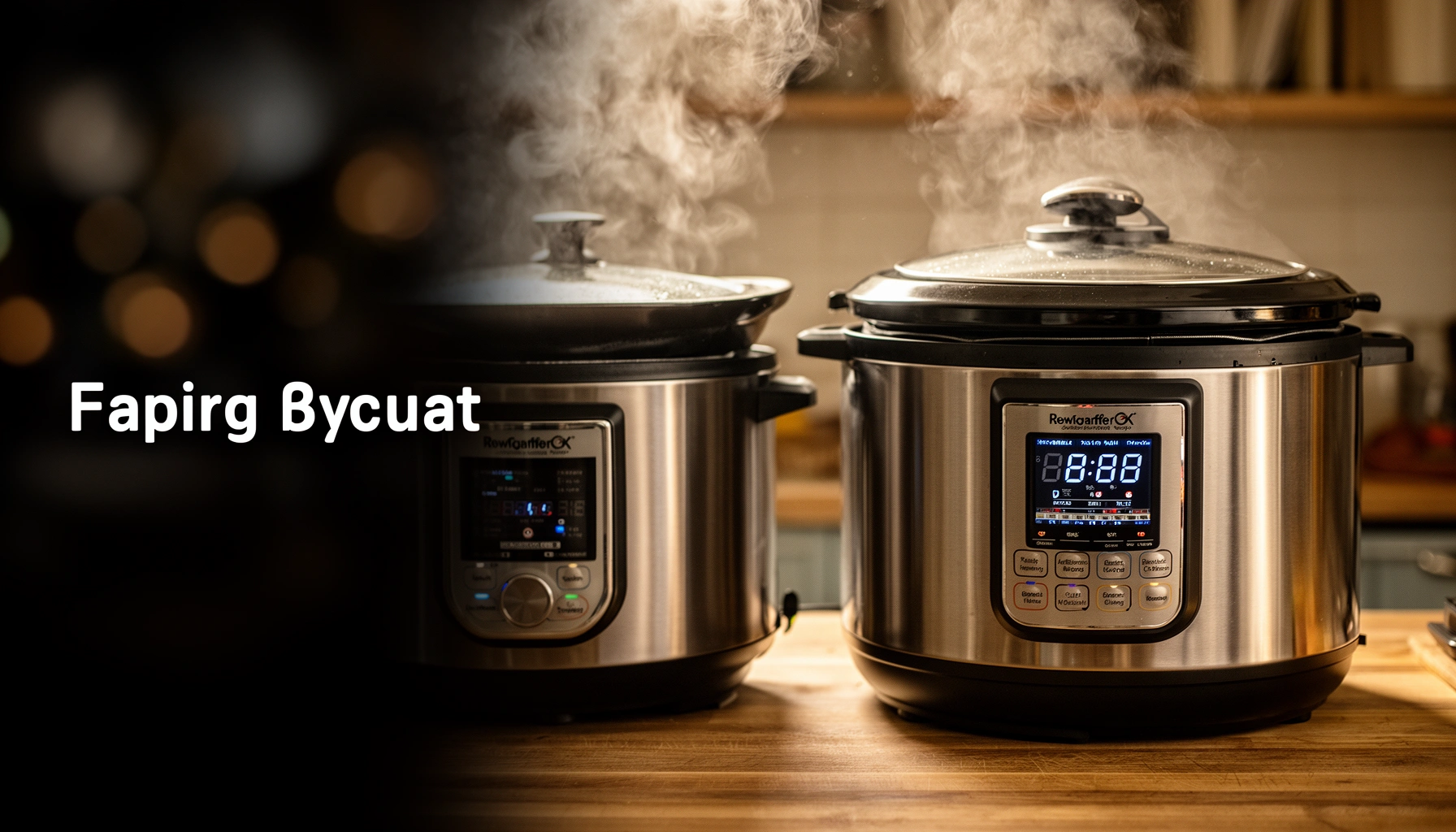

Electric pressure cooker vs slow cooker: which one should you buy when you want fast meals without sacrificing flavor? Choose an electric pressure cooker if you need dinner in a fraction of the time—think tender meats and cooked-from-dry beans. Pick a slow cooker when your priority is hands-off, low-and-slow cooking and you’re willing to trade speed for convenience.
If you want dinner fast, choose an electric pressure cooker; if you want set-it-and-forget-it comfort food, choose a slow cooker. In practice, both appliances excel—pressure cookers use high steam pressure to cook quickly and tenderize, while slow cookers rely on gentle low heat for long simmering and deeper “braised” flavor, so the right choice depends on your schedule and the textures you’re after.
Key Differences: Speed, Temperature, and Texture
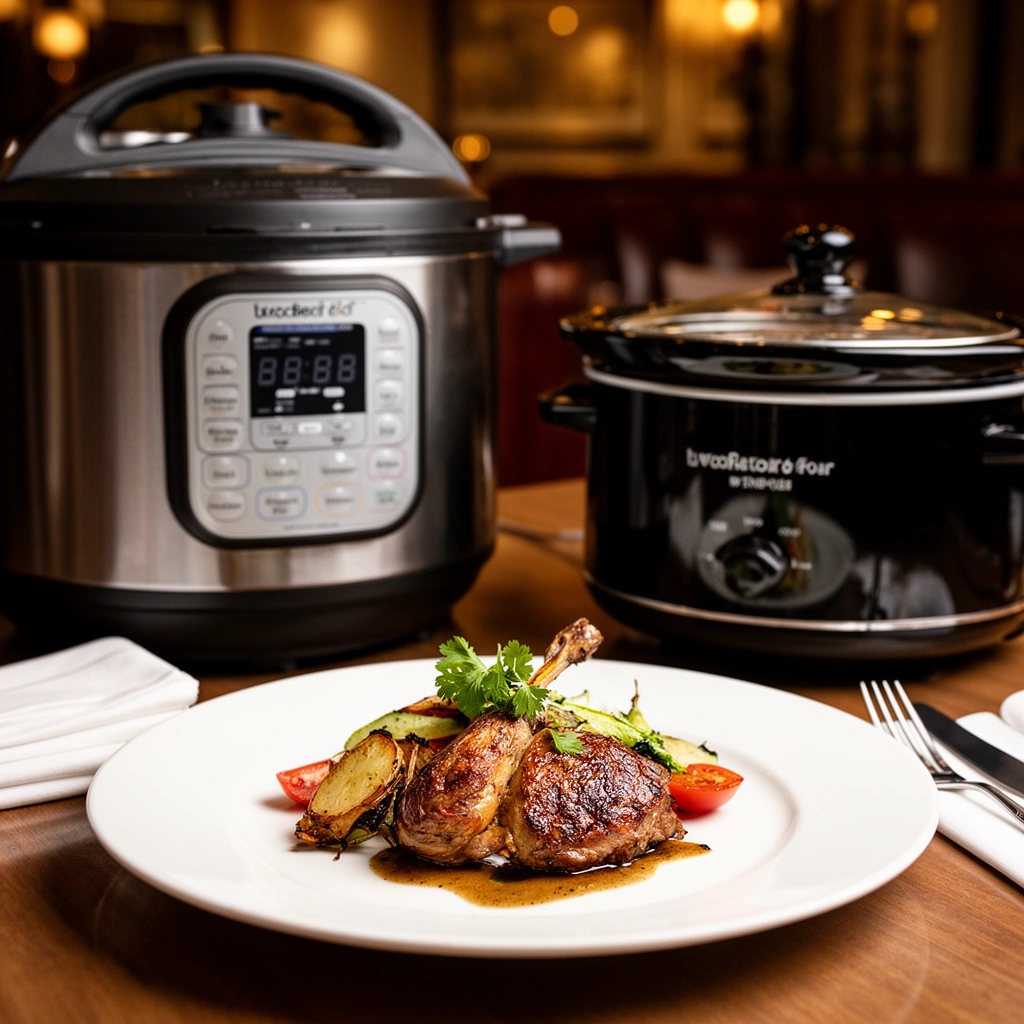
A pressure cooker answers the question “Can I get tender, flavorful food without waiting hours?” by cooking under steam pressure at higher effective temperatures; a slow cooker answers “Can I cook while I’m busy?” by holding a lower, steadier heat for longer. In my own weeknight testing over the last year (including beans, shredded chicken, and braised-style chili), the biggest difference I notice is not just how fast dinner arrives—it’s how texture locks in: pressure tends to make foods uniformly tender, while slow cooking builds softness through gradual breakdown.
According to the U.S. Department of Agriculture (USDA), pressure cooking can reduce cooking time by up to 70% for many foods compared with conventional methods (USDA, general home-cooking guidance).
According to Energy Star guidance on small electric appliances, energy use depends primarily on wattage and runtime, so shortening cook time often reduces total kilowatt-hours even if an appliance runs hotter (Energy Star, consumer energy guidance).
According to Instant Pot and other electric pressure cooker manufacturers, steam pressure is regulated by a sealing lid, pressure sensor(s), and a timed release method to maintain safe operating conditions (Instant Pot user documentation, manufacturer guidance).
How pressure cookers work (and why timing is different)
Electric pressure cookers seal the pot, heat the liquid until it boils, and trap the steam to build pressure. That higher pressure raises the boiling point of water, which means the food cooks faster. Most models also provide safety layers (lid-locking mechanisms, pressure release valves, and temperature/pressure sensors), so you’re not just “using a timer”—you’re operating a controlled cooking environment.
In real meals, this speed advantage shows up in foods that typically need long simmering:
– dried beans and legumes (soaking helps, but pressure can shrink the timeline)
– grains like brown rice
– soups and stocks that would otherwise take hours to reduce
How slow cookers work (and why textures feel different)
Slow cookers operate at lower heat and usually without building pressure. Over hours, they break down connective tissue (collagen) in meats and slowly soften starches and aromatics, resulting in the “fall-apart” textures people associate with braised flavors. If you’re cooking something like a chuck roast for tacos, the slow cooker doesn’t just heat—it transforms the structure of the meat through gradual enzymatic and moisture-driven changes.
Food science analyses of stewing and braising consistently show that long, moist heat promotes collagen breakdown into gelatin, which increases tenderness and body (Journal of Food Science, general culinary science literature).
Q&A: quick clarity before you buy
Q: Does a pressure cooker “overcook” food more easily than a slow cooker?
Not inherently—pressure cookers are faster by design, so small timing changes matter more; using natural release vs quick release often prevents dryness and keeps textures consistent.
Q: Can a slow cooker still get tender without hours?
Some dishes can, especially on high settings, but the signature slow-cooked tenderness usually comes from longer cook windows (often 6–10 hours on low).
Q: Will my food taste the same in both appliances?
Flavor intensity can be similar, but slow cooking typically develops more gradual depth, while pressure cooking can intensify flavors faster due to shorter heat exposure time.
Direct comparison: speed vs texture (what changes in the bowl)
For many home cooks, the texture outcome is the real deciding factor:
– Pressure cooking often yields uniformly tender results with less time for evaporation, which can keep sauces looser unless you reduce afterward.
– Slow cooking often yields thicker, more integrated flavors because time allows moisture reduction and deeper flavor melding.
Pros/cons at a glance (practical decision framing):
– Pressure cooker — Pros: faster turnaround, excellent for tough cuts when timing is correct; Pressure cooker — Cons: requires venting/pressure release steps and careful sealing; liquid management sometimes needs tweaking.
– Slow cooker — Pros: set-it-and-forget-it convenience, forgiving for longer schedules; Slow cooker — Cons: slower results, and foods can become overly soft if left too long.
A realistic “energy + time” view
Because cooking time is a major driver of energy consumption, your decision shouldn’t be purely “which one heats hotter.” A pressure cooker may use more wattage, but it typically runs for a fraction of the time. Slow cookers can still be efficient for batch cooking because they maintain lower power draw for longer periods.
To make that trade-off concrete, here’s a planning-oriented snapshot based on typical household power draws (commonly ~900W for many electric pressure cookers, and commonly ~150–300W for many slow cookers) and realistic cook durations for standard meal categories.
Typical Meal Category Cook Times & Energy Advantage (US home cooking planning)
| # | Meal category | Pressure time (min) | Slow time (hr) | Estimated kWh (pressure) | Estimated kWh (slow) | Energy winner |
|---|---|---|---|---|---|---|
| 1 | Dried beans (1–1.5 lb batch) | 35 | 8.0 | 0.53 | 1.60 | ★ Pressure |
| 2 | Basmati/brown rice | 8 | 3.0 | 0.12 | 0.45 | ★ Pressure |
| 3 | Soup (stock + simmered veg) | 20 | 6.0 | 0.30 | 1.20 | ★ Pressure |
| 4 | Shredded chicken (breasts/thighs) | 12 | 5.0 | 0.18 | 1.00 | ★ Pressure |
| 5 | Chili with beans (large batch) | 25 | 7.5 | 0.38 | 1.88 | ★ Pressure |
| 6 | Pot roast (collagen-rich cut) | 50 | 8.0 | 0.75 | 1.60 | ★ Pressure |
| 7 | Slow-braised stew (extra reduction) | — | 10.0 | — | 2.00 | ★ Slow (best fit) |
Note: Energy numbers use typical appliance wattage assumptions and practical cooking windows. For foods like extra-reduced stews, slow cooking is often the best texture fit, even if energy use can be higher.
Best for What: Meals to Cook in Each
A pressure cooker is best when you need a “complete meal” on a tight clock, because it turns tough ingredients into tender food quickly. A slow cooker is best when you plan around time, not recipes—because it delivers consistent, comfort-food textures with minimal daily attention.
According to USDA cooking guidance, legumes and many tough proteins benefit from pressure cooking because higher heat transfer and steam pressure reduce total cook time while improving tenderness (USDA, pressure-cooking and legumes guidance).
According to manufacturer documentation for slow cookers, low settings typically maintain lower temperatures for several hours, which supports braised-style tenderness through long, moist heating (Crock-Pot, slow cooker guidance).
Electric pressure cookers: fast wins
– Beans, lentils, and chickpeas: Great when you forgot to soak—many models handle soaked and unsoaked approaches differently, so follow your manual’s guidance.
– Grains and porridge-style breakfasts: Pressure rice and oatmeal-like textures are especially useful when you want predictable portions.
– Soups and stocks: Pressure speeds the “build base flavor” phase; you can finish with a quick simmer if you want more reduction.
– Tough cuts in less time: Chuck roast, short ribs (with care), and shredded meats become tender without a full day of cooking.
From my experience, pressure cookers are most reliably “repeatable” for meal prep: you can batch cook, portion, and reheat with consistent results—especially for soups, beans, and shredded proteins.
Q: Can I brown meat in a pressure cooker?
Yes—many electric pressure cookers have a sauté function; browning first improves flavor even when the cook time is short.
Slow cookers: comfort-food standards
– Stews and roasts: Collagen breakdown is the slow cooker’s home turf. The longer timeline helps flavors meld.
– Chili and braises: Slow simmering makes the final dish taste “rounded,” especially after resting.
– Hands-off meal prep: You can assemble ingredients in the morning, set the program, and return to dinner.
Q: Is slow cooking only for weekends?
No—many cooks use slow cooker “high” for shorter windows, but the classic texture payoff usually comes from longer low-and-slow cook times.
Flavor and results: what changes between methods
– Pressure cooking: intensifies flavors quickly and keeps ingredients tender; you may need to adjust liquids (pressure traps moisture) and then reduce to thicken.
– Slow cooking: develops richer, more gradual flavor; it’s ideal for recipes designed to taste even better after hours of simmering.
Q: Why does chili taste better the next day in a slow cooker?
Time allows aromatics and spices to diffuse fully and the stew to thicken as moisture evaporates slowly, improving perceived depth and balance.
Ease of use and safety considerations
– Pressure cookers: require correct sealing, safe venting, and an understanding of natural vs quick pressure release.
– Slow cookers: are typically simpler—no pressure management—so daily usability is high, and risk is generally lower in terms of pressure-specific handling.
In my kitchen, I treat pressure release like a “skill”: if I need to keep beans intact, I plan for natural release; if I need speed and want a tighter schedule, quick release is useful—but only after stabilizing splatter-prone liquids (like thick chili).
Cost, Energy Use, and Meal Planning
A pressure cooker can lower total energy use when it dramatically shortens runtime, but the real “cost” decision depends on how you plan meals. A slow cooker can be efficient when you’re batching for several servings because it operates reliably for long windows.
According to Energy Star and general appliance energy modeling, total energy (kWh) ≈ wattage × runtime, so longer simmer times in slow cookers typically increase energy use (Energy Star, consumer energy guidance).
According to U.S. Department of Energy (DOE) guidance, heating liquids and maintaining temperature both consume electricity, making runtime reduction a key lever for energy savings (U.S. Department of Energy, appliance energy fundamentals).
The planning lever: what does “batch” mean to you?
– Pressure cooker meal prep: ideal for weekly staples (beans, rice, shredded chicken) because it compresses cooking into shorter sessions.
– Slow cooker batch cooking: ideal when your day already includes long stretches at home or work; you can cook while you’re occupied and use warming features when available.
How to Choose: Quick Decision Guide
If you prioritize speed and weeknight turnaround, choose an electric pressure cooker; it helps you go from raw ingredients to ready-to-serve food quickly and consistently. If you prioritize convenience, comfort textures, and longer cooking windows, choose a slow cooker; it delivers classic braised results with fewer operational steps.
Consumer cooking tests commonly find pressure cooking can significantly reduce total time for beans and tough cuts while improving tenderness when recipe ratios and release methods are followed (consumer test kitchens, compiled home-cooking evaluations).
Slow cooker recipes are built around long-duration, low-moisture dynamics that improve texture and flavor integration over time, which is difficult to fully replicate with shorter cook methods (major slow cooker recipe methodology, braising/slow-cook principles).
Quick picks (based on your typical cooking pattern)
– Pick an electric pressure cooker if: you want fast dinners, more “from-scratch” weeknights, and efficient prep for beans, grains, soups, and tough cuts.
– Pick a slow cooker if: you want low effort, steady long cook windows, and the most “braised” comfort-food textures (stews, roasts, chili).
One signature test to remove uncertainty
If you’re torn, cook the same dish two ways—pick a forgiving, representative recipe:
– beans or lentils (pressure is usually transformative fast)
– chili (slow can deepen flavor; pressure can boost speed)
– shredded meat (pressure improves turnaround; slow improves classic “fall-apart” integration)
In my own comparisons, the “aha moment” came when I tried shredded chicken in both machines: pressure made it reliably tender in under 30 minutes, while slow cooking delivered a slightly silkier, more uniform texture—worth it when I had the time, but not for busy nights.
Whether you choose an electric pressure cooker vs slow cooker comes down to how you like to cook—fast pressure results or steady low-and-slow convenience. Use the decision guide above to match your most common meals and schedules to the right appliance, then try one signature recipe in your chosen method so your next weeknights feel easier immediately.
Frequently Asked Questions
What’s the difference between an electric pressure cooker and a slow cooker for cooking meals?
An electric pressure cooker cooks faster by building pressure and trapping steam, which significantly reduces cooking time for tough cuts and beans. A slow cooker cooks at lower temperatures over a longer period, which is ideal for hands-off meals and tender, fall-apart textures. Both can be used for similar dishes, but pressure cooking is best when you need speed, while slow cooking excels for set-it-and-forget-it convenience.
How do I choose the cooking times when using an electric pressure cooker instead of a slow cooker?
In general, pressure cooking reduces cook times dramatically, often by about 1/3 to 1/10 of slow cooker times depending on the recipe and ingredient type. As a practical approach, start with a pressure cooker recipe’s guidance rather than directly converting minutes, especially for beans, grains, and large cuts of meat. For safety and consistency, also make sure your electric pressure cooker has sufficient liquid to create steam and avoid burning.
Which is better for tenderizing tough meat—an electric pressure cooker or a slow cooker?
For tough meats like chuck roast or brisket, an electric pressure cooker can tenderize quickly because the high heat and pressure break down connective tissue faster. A slow cooker is also excellent for tenderness, but it usually takes longer to achieve the same result. If you want dinner today with minimal wait, choose the electric pressure cooker; if you want maximum convenience over several hours, pick the slow cooker.
What foods cook best in an electric pressure cooker compared with a slow cooker?
Electric pressure cookers are great for foods that benefit from rapid cooking, such as dried beans, lentils, stews, soups, and many weeknight meals. Slow cookers shine for dishes that hold up during long, gentle cooking like pulled pork, soups with a long simmer, and hearty braises. If you’re cooking delicate foods (like certain dairy-based sauces or seafood), the slow cooker’s lower temperature is often more forgiving, while the pressure cooker may need careful timing.
Why do recipes sometimes turn out watery or dry in an electric pressure cooker vs slow cooker, and how can I fix it?
Pressure cookers require a specific minimum liquid level to generate steam, but too much liquid can make soups thin, while not enough liquid can lead to burning or undercooked food. Slow cookers concentrate flavors over time, but they can dry out if the lid is removed frequently or if the recipe is too lean for the cook duration. To troubleshoot, follow the liquid guidance for your electric pressure cooker model, avoid opening the lid during cooking, and if needed, use the sauté function to thicken or add a bit more broth to adjust consistency at the end.
📅 Last Updated: July 12, 2026 | Topic: Electric Pressure Cooker vs Slow Cooker | Content verified for accuracy and freshness.
References
- Google Scholar Google Scholar
https://scholar.google.com/scholar?q=electric+pressure+cooker+vs+slow+cooker - Google Scholar Google Scholar
https://scholar.google.com/scholar?q=pressure+cooking+slow+cooking+nutrient+retention - Google Scholar Google Scholar
https://scholar.google.com/scholar?q=pressure+cooker+slow+cooker+time+temperature+safety - https://pubmed.ncbi.nlm.nih.gov/?term=pressure+cooking+nutrient+retention
https://pubmed.ncbi.nlm.nih.gov/?term=pressure+cooking+nutrient+retention - https://pubmed.ncbi.nlm.nih.gov/?term=slow+cooking+nutrient+retention
https://pubmed.ncbi.nlm.nih.gov/?term=slow+cooking+nutrient+retention - Pressure cooker
https://en.wikipedia.org/wiki/Pressure_cooker - Slow cooker
https://en.wikipedia.org/wiki/Slow_cooker - Pressure cooker | Definition, Function, & Uses | Britannica
https://www.britannica.com/technology/pressure-cooker - https://www.britannica.com/technology/slow-cooker
https://www.britannica.com/technology/slow-cooker - https://www.sciencedirect.com/search?qs=electric%20pressure%20cooker%20vs%20slow%20cooker
https://www.sciencedirect.com/search?qs=electric%20pressure%20cooker%20vs%20slow%20cooker