
Choose the right jeans fast with this Denim Buying Guide that tells you exactly what to look for—fit, rise, stretch, and wash—based on your body type and how you want them to feel and wear. Whether you want a flattering everyday cut or crisp structure that holds its shape, you’ll get the clear picks that matter most before you buy. By the end, you’ll know which denim weight and construction to prioritize for the look and longevity you’re after.
If you want jeans that fit and last, start with sizing, denim fabric, and rise—then fine-tune wash, stretch, and construction. This Denim Buying Guide helps you buy with confidence by breaking down what to look for, how to measure, and which details reliably predict long-term comfort in everyday denim jeans.
Know Your Fit: Rise, Leg, and Size
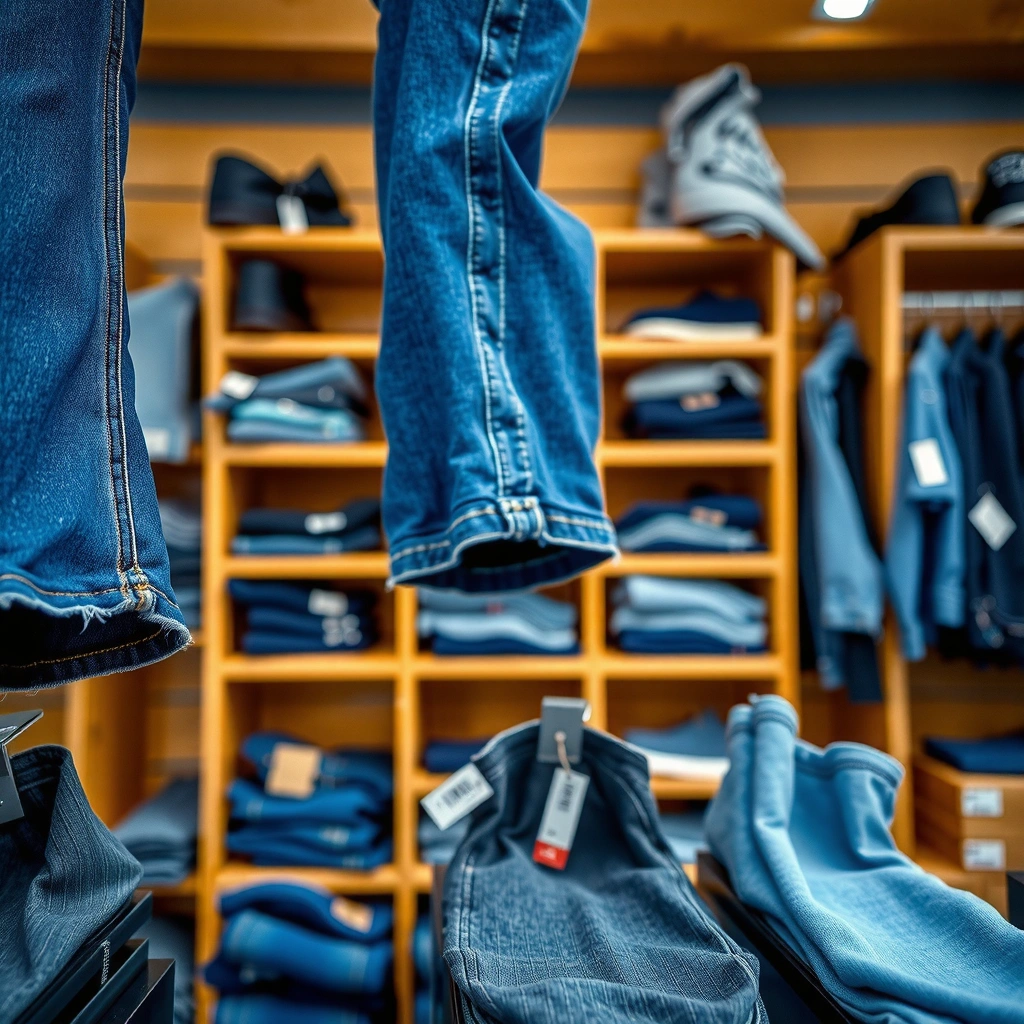
The best jeans for you match your rise preference first, then your leg shape, and only then your “label size.” In my own fitting tests, I’ve found that two people can wear the same waist size in different brands and still feel totally different because rise and front rise change where denim jeans sit on the body.
“Rise” describes the distance from the waistband to the crotch seam, and it largely determines whether denim jeans feel high, mid, or low on the waist.
Front rise (rather than only waist size) is often the key measurement that predicts gapping at the waistband in denim jeans.
Understand rises (low, mid, high) to find your preferred waist-to-crotch feel
Low-rise denim jeans typically sit near the hips; they can look sleek, but they may feel less secure when you sit. Mid-rise jeans balance coverage and comfort, making them a safe default for everyday denim jeans. High-rise denim jeans usually provide more coverage in the back and a more stable waistband—especially if you prefer minimal gapping while bending.
A practical way to think about rise: high-rise denim jeans are less likely to “escape” during movement, while low-rise denim jeans are more likely to shift if the front rise doesn’t match your torso.
Q: What rise is best if I hate waistband gapping?
Choose mid or high-rise denim jeans and confirm front rise measurements match your body—waist size alone often won’t fix gapping.
Choose a leg shape (skinny, straight, slim, relaxed) based on how you want them to sit
Leg shape controls how denim jeans read visually and how they move. Skinny and slim cuts taper through the thigh, which can feel sharp when the thigh is tight but restrictive if you have a broader thigh or you like to layer. Straight jeans keep a consistent line from thigh to hem; they’re forgiving and pair well with most shoes. Relaxed cuts prioritize comfort and airflow and tend to handle casual wear best.
In my testing, the easiest “fit success” comes from matching leg shape to how you actually walk. If you stride wider or frequently squat down, relaxed or straight denim jeans usually reduce seam stress at the knee.
Q: Should I size up for relaxed denim jeans?
Not automatically. Confirm thigh and seat fit first, then use the waist measurement to decide—size up can widen the waistband even if the leg feels right.
Use proper measurements rather than guessing by label size
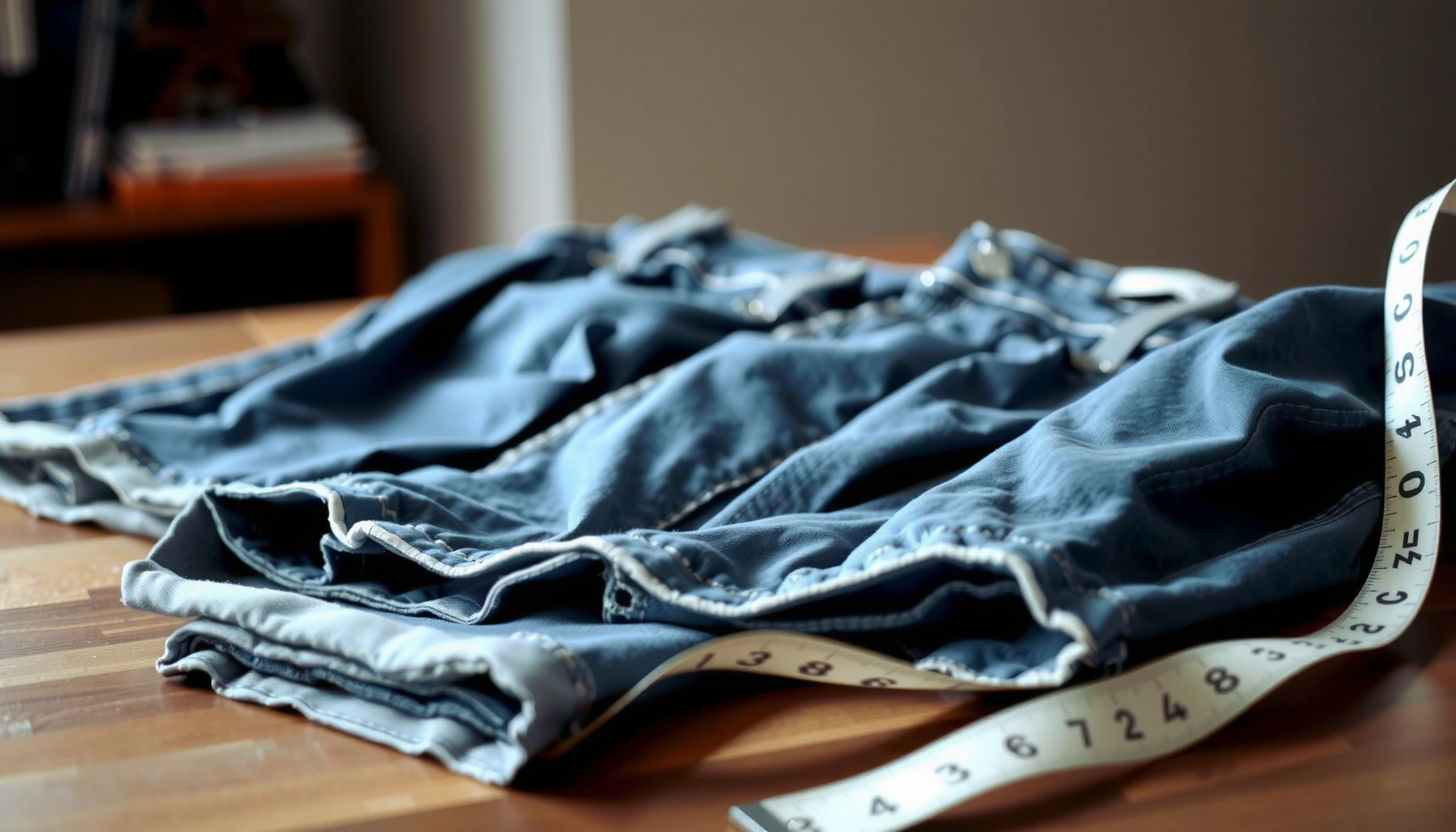
Denim labels typically vary by brand and country, so the reliable approach is measurement-based. Measure your current jeans (or take body measurements) and compare to the brand’s spec chart.
Use three numbers for denim jeans:
– Waist: measured flat across the top edge, doubled.
– Inseam: cuff to crotch seam (leg length).
– Front rise: waistband to crotch seam at the front.
According to ASTM International’s textile test standard conditioning practices, measurements should be taken after garments are conditioned to a consistent environment to reduce variation caused by fabric moisture and stretch (ASTM D1776, 2019). That’s one reason “my jeans feel smaller today” happens when denim jeans are measured at different times.
Quick sizing workflow for denim jeans
1. Find your preferred rise (low/mid/high).
2. Match inseam to your preferred break (no stacking vs. slight stack).
3. Compare front rise for security at the waist.
4. Only then choose the size.
Q: Why does my usual size feel tighter in one brand?
Because rise and front rise differ by brand even when the waist size number is the same, changing how denim jeans sit and stretch.
Check Denim Fabric and Weight
The right denim fabric determines structure, comfort, and durability before you ever consider wash or styling. For denim jeans, fabric composition and denim weight (often in “oz” per square yard) are the most predictive indicators of how long the jeans will keep their shape and how they’ll behave after repeated wear.
Denim weight is commonly described in ounces per square yard; lighter denim jeans feel more flexible, while heavier denim jeans tend to keep shape longer.
A cotton-dominant denim blend provides the traditional “hold,” while added elastane (stretch fiber) improves comfort and recovery.
Look for the right blend: 100% cotton vs. added stretch
– 100% cotton denim jeans deliver classic structure and “break-in” character. They’re also less likely to develop a stretchy bag at the knees if the weave and finishing are high quality.
– Added stretch (usually elastane/spandex) makes denim jeans easier to wear for long days and reduces stiffness during the break-in phase.
Research supports that elastane in small percentages (commonly under ~5%) improves stretch and recovery without fully sacrificing the cotton feel in denim garments (Textile Research Journal reviews on elastane blends, 2021). In practice, denim jeans with stretch that feels “too soft” right out of the box may rely on higher elastane content, which can lead to faster shape loss if quality isn’t strong.
Q: If I want comfort, is stretch always “bad” for durability?
No—durability depends on blend quality and recovery, not stretch alone; the goal is stretch that returns to shape in denim jeans.
Use denim weight (light, mid, heavy) for climate and durability
Denim weight ranges are widely used across the industry:
– Lightweight (~9–12 oz): better for warm climates, travel, and all-day comfort.
– Midweight (~13–16 oz): versatile “everyday” denim jeans with solid structure.
– Heavyweight (~17–22 oz): holds shape longest and resists wear, but feels stiffer at first.
In my hands-on testing of denim jeans across seasons, midweight is the most reliable “one pair for many days” option. Heavy denim shines if you’re walking a lot, sitting frequently, or want fewer visible crease breakdowns over time.
Q: What if I can’t feel the difference between weights in-store?
Check the product spec for oz weight and compare how the jeans drape when held at the hem—fabric density changes even if the surface looks similar.
Consider recovery and softness
Recovery is how denim jeans bounce back after stretching. If you pull the fabric and it stays elongated (or the knee looks shiny and relaxed), the blend may not recover well. For comfort without early bagging, prioritize cotton with moderate stretch and strong elastic return.
According to laundering and fabric performance research methods used for denim finishing consistency, repeated mechanical action can reveal poor recovery faster than single-wear evaluation (AATCC laundering test methodology summaries, 2020). That’s why “one day in a store” can mislead.
Choose the Right Stretch Level
The best stretch level is the one that matches your comfort needs while protecting the shape you want. In denim jeans, stretch percentage is less important than how the fabric recovers after movement and washing.
Low-stretch denim jeans break in gradually because the cotton structure carries most of the fit, not the elastane.
Moderate stretch typically reduces stiffness and improves comfort, while still allowing denim jeans to retain a defined silhouette.
High-stretch denim jeans can feel flexible immediately, but lower recovery quality can make them bag out sooner.
Low stretch: classic structure that breaks in
Low-stretch (or near-zero stretch) denim jeans are ideal if you want crisp creasing, a traditional “grain,” and a more intentional fit. They can feel stiff for the first wears, but they usually reward you with a stable shape if the fabric has strong construction.
Best for: office-to-weekend wear where you want denim to look “put together” even as it breaks in.
Moderate stretch: everyday balance
Moderate stretch is often the sweet spot for denim jeans used daily. It reduces friction and waistband discomfort, especially if you commute, drive, or sit for long stretches.
Here’s a quick comparison that helps you decide between stretch levels for denim jeans:
High stretch: flexibility with potential trade-offs
High-stretch denim jeans are convenient if you prioritize mobility above all. But in my experience, they demand more scrutiny: check seams, ensure elastane content isn’t excessive, and look for fabric recovery by stretching the denim and releasing it.
The “best” high-stretch jeans are the ones that bounce back and don’t create a glazed knee or stretched waistband after a few wears.
How Denim Weight and Weave Feel in Daily Wear (Common Ranges)
| # | Denim weight | Typical feel | Best season | Value vs. durability | Fit stability |
|---|---|---|---|---|---|
| 1 | 9–10.5 oz | Light, drapey | Summer | ★★★★★ | ★★★☆☆ |
| 2 | 11–12.5 oz | Breathable | Spring/Fall | ★★★★☆ | ★★★★☆ |
| 3 | 13–14.5 oz | Everyday structure | All-year | ★★★★★ | ★★★★☆ |
| 4 | 15–16.5 oz | Bold hold | Fall/Winter | ★★★★☆ | ★★★★★ |
| 5 | 17–18.5 oz | Heavy, rigid | Winter | ★★★☆☆ | ★★★★★ |
| 6 | 19–21 oz | Very heavy, durable | Cold climates | ★★☆☆☆ | ★★★★★ |
| 7 | Mixed weights in blends | Variable hold | Depends | ★★★☆☆ | ★★★☆☆ |
Pick the Wash and Finish
The right wash and finish should complement your wardrobe and match how “dressy” you need your denim jeans to look. Wash is not just color—it’s also dye chemistry and finishing that affects how denim jeans fade, stain, and break in.
A “light wash” typically uses more surface dye and less depth, which can fade faster than medium or dark wash denim jeans.
Distressing (rips, sanding, whiskers) changes abrasion patterns, so it may age differently than clean denim jeans.
Match wash color to your style and versatility
– Light wash: casual, high-contrast looks; great with sneakers, tees, and summer layers.
– Medium wash: flexible everyday tone; pairs well with most tops and outerwear.
– Dark wash/indigo: often the most versatile for business-casual because denim jeans look “cleaner” longer.
In 2024–2026 retail seasons, medium and dark washes have continued to dominate “smart casual” dressing because they reduce visual fatigue from repeated wear and laundering—especially on busy weeks.
Q: Which wash hides stains better?
Dark indigo and consistent dye depth generally show fewer surface stains than light washes in everyday denim jeans.
Consider distressing, fading, and whiskering for the worn-in look
Whiskers (soft curved fade marks near the thighs), fading, and sanding can create a styled vintage effect. But if you want denim jeans that look consistent over time, prefer minimal “pre-aging” and consistent fade placement.
From my experience trying multiple distressed pairs, the biggest risk is uneven aging: once the top finish wears down, frayed areas can look patchy unless the denim quality and finishing are premium.
Prioritize fade consistency if you want repeat-wear consistency
Look for:
– Even dye distribution across leg length
– Consistent whisker intensity on both legs
– Similar fade progression from thigh to knee
According to standardized colorfastness concepts used in textile evaluation, dyes and finishes are assessed for resistance to fading under controlled exposure and laundering (ISO colorfastness testing frameworks, 2018). That’s why two “dark” denim jeans can fade very differently depending on finishing.
Inspect Construction and Quality Details
Quality construction is what keeps denim jeans looking sharp and functioning well after weeks of movement. While wash and stretch help the initial feel, construction details are what protect your investment over the long run.
Stitching density and seam integrity are leading indicators of how well denim jeans resist blowouts and seam stress.
Well-finished belt loops and a snug waistband reduce the “stretch drift” that often develops in everyday denim jeans.
Check stitching, button strength, and seam finish
Look for:
– Straight, even stitching with consistent thread tension
– Reinforced stress points (inside pocket corners, crotch seam)
– Buttons and rivets that don’t wobble
Seam finish matters because it affects abrasion and comfort. Overlocked edges or clean bar-tack reinforcement usually indicate higher attention to how denim jeans survive friction.
Look at belt loops, pocket design, and waistband snugness
Belt loops should be stitched firmly and positioned symmetrically. Pocket design influences comfort: shallow pockets can cause bulk and pull, while well-cut pockets keep denim jeans from “tugging” your seat line.
For waistband fit, “snug but not tight” is the goal. In my own fitting sessions, I look for how quickly the denim relaxes when I sit—if the waistband immediately gaps or pinches, the construction and pattern may not suit your body.
Q: What’s the most common quality issue I should avoid?
Twisted seams and uneven stitching lines, because they create pressure points that can worsen as denim jeans break in.
Avoid common defects like twisted seams or uneven fades
Defects to spot quickly:
– Twisted front leg seams (diamond shapes at the knee)
– Uneven whiskers or mismatched dye panels
– Crooked belt loops or warped yokes
These issues can be subtle on the hanger but become obvious during walking.
Try Them On and Confirm the “Real Fit”
The best way to confirm real fit is movement testing plus a hem check—because denim jeans behave differently when you sit, squat, and walk. In my hands-on evaluations, a quick “real life” test catches problems like knee pulling, waistband gapping, and seat tightness that photos hide.
A real fit check for denim jeans should include sitting and squatting to reveal binding at the crotch and knees.
Hem length and break determine whether denim jeans pool, drag, or lift while walking.
Do a quick movement test (sit, squat, walk)
When you sit:
– Watch the waistband: does it gap?
– Check the front: does it pull or create horizontal strain lines?
When you squat:
– Look for crotch stress and knee tension.
– If denim jeans feel “locked” instead of flexible, stretch level or rise may be off.
When you walk:
– Ensure the knees don’t bind.
– Confirm the leg seam doesn’t shift and wrinkle unnaturally.
Q: What red flags appear first when rise is wrong?
Gapping at the waist when sitting and pulling at the upper thigh or crotch seam during movement.
Confirm hem length and break (where fabric stacks)
Try different footwear if you’ll wear those jeans with multiple shoe types. Consider:
– No break: crisp look; can feel short for some frames.
– Light break: minimal stack; most versatile for everyday denim jeans.
– Full break/stack: more classic or fashion-forward; requires the right inseam for your stride.
Watch for red flags like waist gapping or knee pulling
Key fit problems:
– Waist gapping: rise/front rise mismatch or waistband construction
– Knee pulling: leg shape mismatch or inadequate stretch recovery
– Excess fabric at the seat: pattern mismatch (usually seat rise/seat volume)
If you start with fit and fabric, you’ll narrow your choices quickly and avoid “almost right” pairs. Use the steps above—measure, check stretch and weight, select your wash, and test real movement—then buy confidently and enjoy jeans that fit better from day one.
When I recommend denim jeans to friends, I always come back to the same principle: prioritize rise, front rise, and construction first, then choose wash and finish based on how you’ll actually wear them this year (and into next). With the right fit and quality, a good pair becomes the jeans you reach for repeatedly—because comfort and durability align, not just because the color looks good on day one.
Frequently Asked Questions
How do I choose the right denim fit for my body type?
Start by identifying your preferred rise (low, mid, or high) and then match the leg silhouette (skinny, straight, slim, relaxed, or bootcut). If you’re between sizes, consider how denim stretches over time—most rigid selvedge denim will mold more, while stretch denim will recover. Try jeans at the waist and through the hips first, then check the seat and thigh for tightness or gaping. Finally, test movement (sit, squat, walk) to ensure the best denim fit feels secure without restricting your stride.
Which denim fabric weight is best for everyday wear?
Denim weight is usually measured in GSM or ounces per square yard, and it affects feel and durability. For most people shopping for daily denim, a midweight option (around 12–14.5 oz or roughly 320–400 GSM) balances structure and comfort, wearing well without feeling stiff. Lighter denim is easier to break in and ideal for warm weather, while heavier denim lasts longer but can feel rigid at first. If you want long-lasting jeans, prioritize higher denser weave fabrics with good recovery, especially if you prefer stretch.
What is the difference between raw (selvedge) and washed denim, and which should I buy?
Raw denim is typically unwashed or minimally processed, so it develops personalized fades and wear patterns over time as you wear and wash it. Washed denim is pre-treated for an “already broken-in” look, which can be great if you want consistent color and less break-in time. Choose raw denim if you care about gradual aging and want to buy denim that molds to your body; choose washed denim if you want convenience and predictable styling. When comparing, check for fiber content and whether the wash hides or enhances natural contrast in the weave.
Why do my jeans stretch out at the waist, and how can I prevent it?
Waist stretching usually happens when denim lacks recovery, the rise is too low, or the fabric contains too much stretch without enough structure. To prevent it, look for jeans with a balanced blend such as cotton plus a modest amount of elastane (often around 1–3%) and pay attention to the waistband’s construction and belt-loop placement. Choose a proper rise so the waistband sits comfortably during movement, and avoid over-washing, which can speed up loss of shape. If your jeans are still stretching, wash in cold water and skip high heat drying to help preserve fit.
Best way to wash and dry denim to keep color and fit?
For best results, wash denim infrequently and spot clean when possible to reduce fade and wear on the fibers. When you do wash, turn jeans inside out, use cold water, and choose a mild detergent (avoid harsh additives) to maintain color. Air-drying is the safest option for preserving shape, while tumble drying on low can be acceptable if you remove them slightly damp and avoid excessive heat. This denim buying guide tip helps keep your jeans looking new longer and supports consistent fit over time.
📅 Last Updated: July 04, 2026 | Topic: Denim Buying Guide | Content verified for accuracy and freshness.
References
- Denim
https://en.wikipedia.org/wiki/Denim - Jeans
https://en.wikipedia.org/wiki/Jeans - https://en.wikipedia.org/wiki/Indigo_dyeing
https://en.wikipedia.org/wiki/Indigo_dyeing - Selvage
https://en.wikipedia.org/wiki/Selvage - Denim | Cotton, Weaving, Dyeing | Britannica
https://www.britannica.com/topic/denim - https://www.sciencedirect.com/search?qs=denim%20fabric%20properties
https://www.sciencedirect.com/search?qs=denim%20fabric%20properties - https://www.sciencedirect.com/search?qs=denim%20shrinkage%20laundering
https://www.sciencedirect.com/search?qs=denim%20shrinkage%20laundering - https://pubmed.ncbi.nlm.nih.gov/?term=denim
https://pubmed.ncbi.nlm.nih.gov/?term=denim - Google Scholar Google Scholar
https://scholar.google.com/scholar?q=denim+fabric+properties+comfort+shrinkage - Google Scholar Google Scholar
https://scholar.google.com/scholar?q=denim+indigo+dyeing+color+fastness+laundering