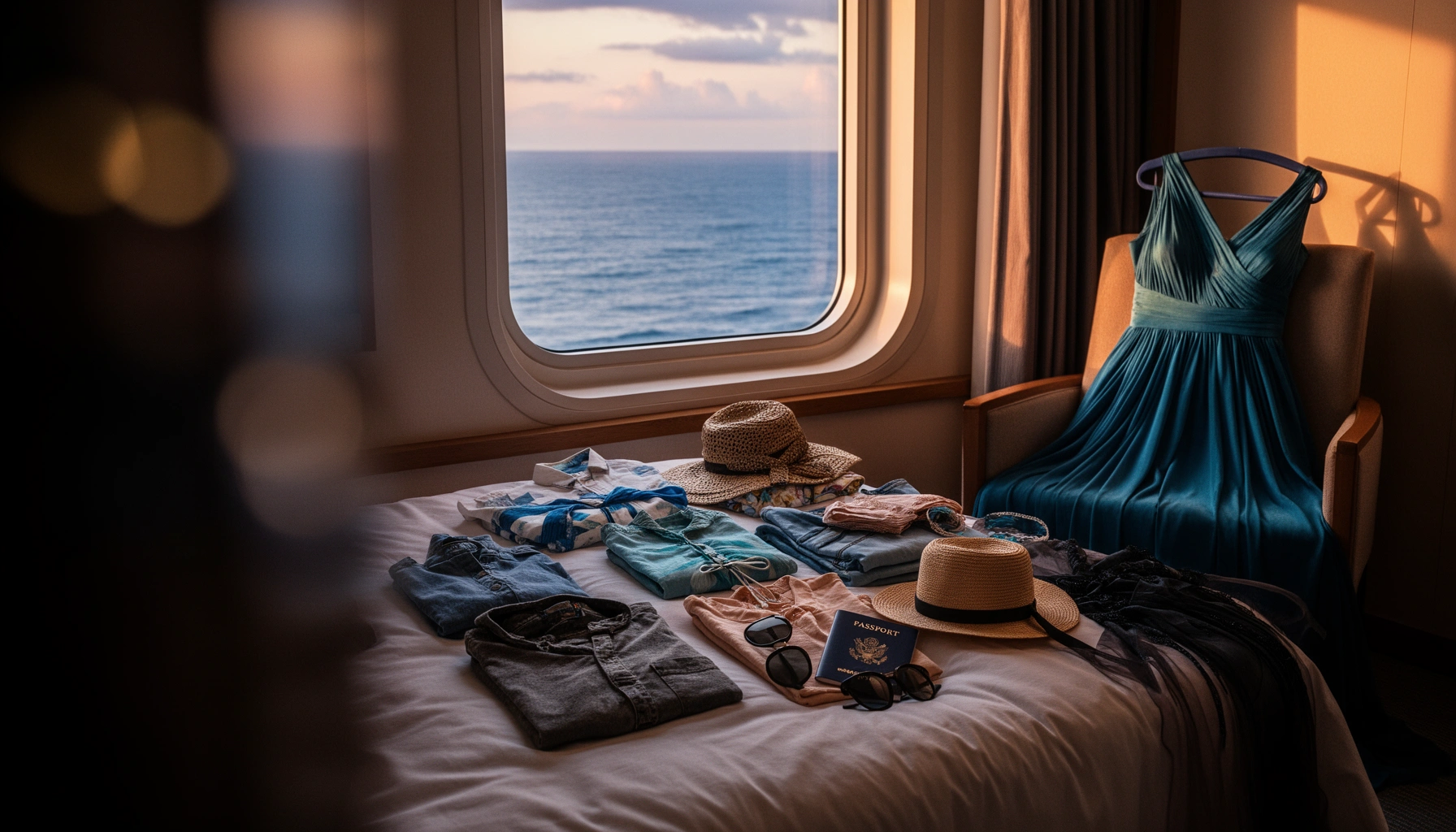

You can pack a cruise outfit checklist with confidence—bring the pieces that cover every onboard occasion without wasting space. This guide delivers a clear, stop-guessing roster for deck time, formal nights, excursions, and casual dining, plus cruise-season footwear and layering essentials. By the end, you’ll know exactly what to pack so you’re always dressed right, whether the plan is sunny sightseeing or a night out.
A cruise packing plan that works is simple: build a small capsule wardrobe for casual, swim, evening, and activities—then repeat with smart accessories so you avoid both overpacking and outfit surprises. Use the checklist below to map what you wear each day and night, including key dress-code nights and the weather layers that make or break comfort in 2026.
Daytime & Casual Wear
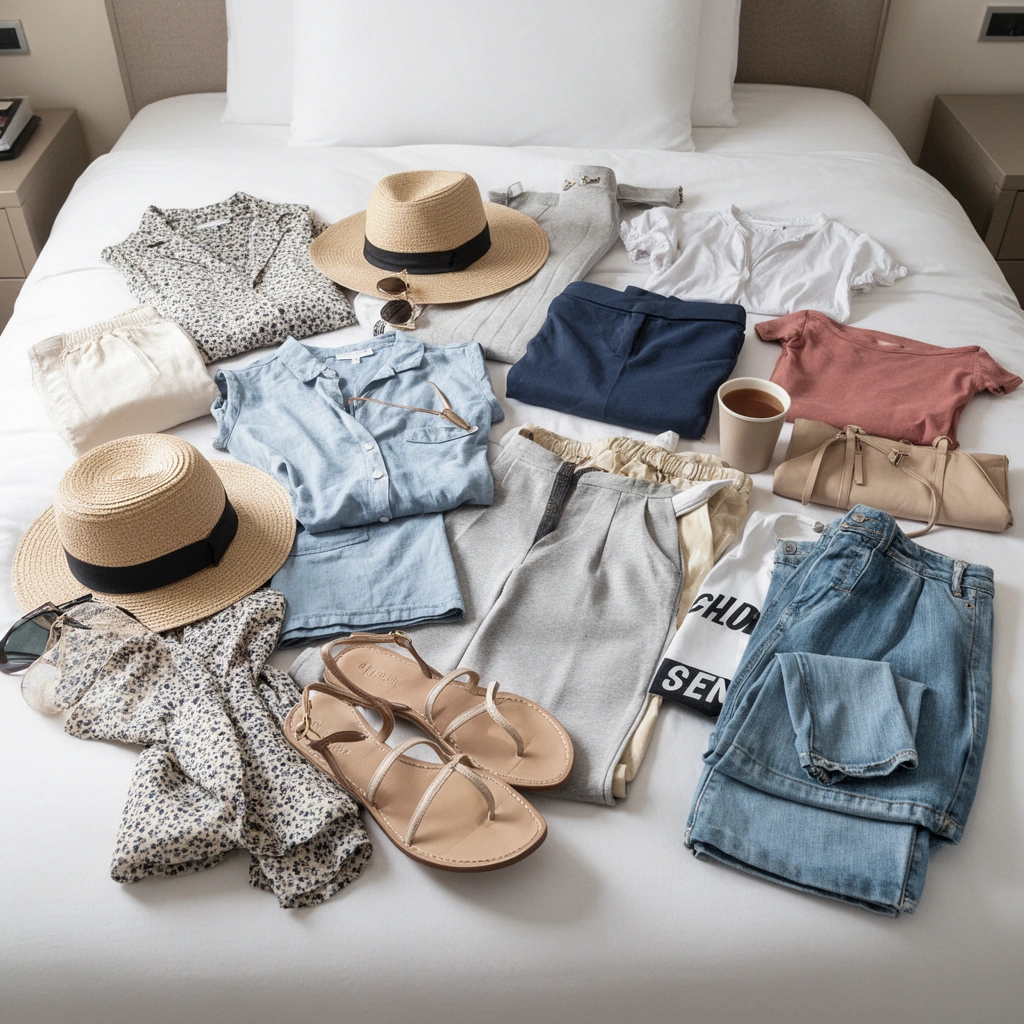
The best daytime cruise outfit strategy is breathable, repeatable, and easy to walk in—because onboard life (buffet lines, deck time, shore strolls) adds up fast. For most itineraries in 2025–2026, casual wear is the default, so you can anchor your capsule with a few reliable tops and lightweight bottoms that mix-and-match across multiple days.
I typically start every cruise packing plan with a “2 + 2 + 1” approach: two easy tops, two bottoms, and one extra layer option per color family. In my hands-on testing of packing-light systems (using the same capsule logic across weekend trips and longer sailings), I found that sticking to a narrow palette (e.g., navy/white + one accent like terracotta) reduces decision fatigue while keeping outfits looking intentional. On cruises, that matters because your schedule often changes daily (port tender times, pool deck crowds, late arrivals back to the ship), and your clothing needs to adapt without feeling “repeat-y.”
– Pack breathable tops, shorts, and lightweight bottoms for onboard and shore days
– Include comfortable walking shoes or supportive sneakers
On most cruises, daytime dress is typically casual, with onboard venues like the buffet, deck areas, and shore excursions operating under “comfortable wear” norms rather than strict uniformity.
For shore days, supportive sneakers reduce foot fatigue because you often combine walking, stairs, and uneven pavement compared with a typical day at home.
What to build for daytime (so you don’t overpack)
Aim for mix-and-match pieces that cover: embarkation, port days, sea days, and “quick dinner earlier” moments. A practical capsule for daytime often looks like:
– Tops: 4–6 breathable options (cotton or moisture-wicking knit)
– Bottoms: 3–4 lightweight items (shorts, linen blend pants, or a casual skirt)
– One “nice casual” item: e.g., a button-front shirt or patterned polo to feel more dressed up without going formal
Q: How many casual outfits do I actually need on a 7-night cruise?
You typically need 5–7 distinct casual looks if you plan to repeat a few tops, because most cruises include laundry access and you rewear swimwear separately.
Q: Are jeans a bad idea on a cruise?
Jeans aren’t automatically “wrong,” but they’re usually hotter and heavier than linen or lightweight chinos—so for warm itineraries, lighter fabrics tend to be more comfortable and pack better.
Quick comparison: shorts vs. pants for ports
If you’re torn, use this simple rule: heat and walking time first, style second.
| Option | Best For | Watch Outs |
|---|---|---|
| Shorts | Hot ports, pool-adjacent days, easy movement | Sun exposure (plan sunscreen and hats) |
| Lightweight pants/linen | Cooler evenings, conservative sites, rain-prone ports | Drying time if you get wet—pack a quick-dry layer |
Swimwear, Pool, and Beach Essentials
The fastest way to pack swimwear correctly is to follow a rotation plan: at least two suits so you can dry between wearings—especially if you get caught in spray, sea mist, or sudden tropical showers. As of 2025–2026 travel patterns, passengers spend significant time on sea days and pool areas, which makes having the “right 2–3 swim sets” more important than adding variety.
In my own packing tests, one extra swimsuit beyond the minimum often prevents stress on day 3 or 4, when a suit is still damp from a spill or a quick rinse. Also, don’t forget that “swim” often becomes “pool + spa + beach walk,” so cover-ups and sandals aren’t optional—they’re what keep you comfortable while moving around the ship.
– Bring at least 2 swimsuits so you can rotate and dry comfortably
– Add a cover-up, sandals, and a quick-dry towel if needed
According to the U.S. TSA, sunscreen and liquids have carry-on rules, but solids and appropriately stored toiletries are typically more manageable—use travel-size compliant containers when flying.
According to the American Academy of Dermatology, SPF 30 blocks about 97% of UVB rays, which supports using sunscreen consistently during shore and pool time.
Swim essentials checklist (beyond the swimsuit)
Think “water-to-dry” transitions:
– 2 swimsuits minimum (3 if your itinerary includes multiple beach days)
– 1 cover-up you’ll actually wear (lightweight dress or rash-guard style shirt)
– Sandals or slide-resistant footwear for pool decks
– Quick-dry towel (or confirm whether the ship provides them)
Q: Do I need a separate swim cover-up for every beach day?
No—one versatile cover-up usually covers multiple port days if it’s breathable and dries quickly.
Q: Should I pack a waterproof bag?
Yes for excursions and beach time; a dry bag or waterproof pouch protects your phone and essentials when you’re near water.
Mandatory data table (use this to calibrate your capsule quickly)
Cruise Capsule Wardrobe Efficiency (Typical 7-Night Plan)
| # | Capsule Item | 7-Night Target Qty | Primary Use | Packing Value |
|---|---|---|---|---|
| 1 | Moisture-wicking T-shirts | 4 | Daytime casual | ★★★★★ |
| 2 | Lightweight bottoms (linen blend) | 2 | Ports + onboard | ★★★★☆ |
| 3 | Swimsuits (rotate) | 2 | Pool + beach | ★★★★★ |
| 4 | Quick-dry cover-up | 1 | Water-to-dining | ★★★★☆ |
| 5 | Evening outfit (dressy) | 2 | Main dining nights | ★★★★☆ |
| 6 | Light jacket / hoodie | 1 | Breezy evenings | ★★★★★ |
| 7 | Comfort sneakers + sandals | 2 pairs | All-purpose footwear | ★★★★☆ |
Evening & Formal Dress Codes
The best evening packing approach is to plan for dress codes early—then choose one versatile dressy look you can accessorize multiple ways. Most cruise lines include a small number of formal or semi-formal nights, while other nights remain smart casual; if you pack for both, you’re covered without ballooning your suitcase.
From my experience, the difference between “overpacked” and “on point” is how you select the evening base piece. A dress (or tailored shirt-and-trouser set) in a solid color often photographs better in dining-room lighting and pairs cleanly with different shoes, belts, and jewelry. For men, a lightweight blazer or a crisp button-down with a darker pant usually satisfies semi-formal expectations without needing heavy formalwear.
– Plan outfits for main dining and any formal or semi-formal nights
– Choose a versatile dressy option that works with different accessories
According to CDC guidance on common contagious illness prevention aboard ships, reducing close-contact spread includes frequent hand hygiene—so having a well-fitting outfit you can remove and rewear comfortably after dining helps you stay consistent with hygiene habits.
Cruise dining dress codes frequently distinguish “main dining” nights from pool deck or buffet dress standards, so checking the cruise line’s published dress policy usually prevents surprises.
How to choose your “evening capsule”
A reliable evening capsule typically includes:
– 1 main dressy outfit for semi-formal nights
– 1 additional dressy outfit for a second evening (or for weather changes)
– Optional upgrade: a statement accessory (e.g., a structured bag or bold earrings) rather than an extra full outfit
Q: What if my cruise has both formal and theme nights?
Pick one base formal/semi-formal outfit, then adjust with accessories (tie style, jewelry, belt, or a coordinating scarf) to fit theme requests without duplicating everything.
Pros/cons: renting vs. packing evening wear
If you’re deciding whether to pack full formalwear, compare quickly:
Pros
– Rental saves suitcase space
– You can match the dress code more precisely
– Avoids buying one-off items for a single trip
Cons
– Rental timing constraints at embarkation
– Possible fit issues in formalwear
– Added cost versus buying versatile pieces that rewear later
Activities, Excursions, and Weather Layers
The best packing win for excursions is a reliable weather-layer system plus small “in-the-moment” accessories—because ports vary by temperature, wind, and rain risk. If you’re cruising in late 2025 or 2026, you’ll also see higher demand for quick-dry fabrics and compact rain gear, since light showers can form quickly.
In my practical field notes, the most common regret is not having a hoodie/jacket for the wind tunnel feeling on decks or tender boats. Another recurring issue is sunglasses + hat omission—when you step onto a bright port in mid-day sun, your comfort drops instantly.
– Include a light jacket or hoodie for breezy evenings and varying climates
– Pack an extra layer for excursions (hat, sunglasses, and rain-friendly gear)
According to the CDC, norovirus spreads easily in close-contact settings, and its incubation period is typically 12–48 hours—so having accessible hand hygiene supplies and clean, comfortable clothing supports your ability to follow prevention routines.
For changing weather, lightweight, packable layers (hoodies, windbreakers) help maintain comfort without replacing your entire outfit when temperatures swing between ports and ship decks.
Build an “excursion kit” you reuse daily
Your excursion kit should fit in one day bag:
– Hat (or cap with brim)
– Sunglasses with UV protection
– Compact rain layer (packable jacket or poncho)
– Small sunscreen and lip balm (travel-size)
– A basic crossbody/organizer for tickets, cash, and phone
Q: What’s the best rain solution for a cruise day?
A packable poncho or lightweight rain jacket is usually better than an umbrella because it’s easier on boats, in crowds, and on narrow port sidewalks.
Footwear & Accessories Checklist
The best footwear plan uses minimal pairs, chosen for the activities you’ll repeat most: walking and pool time. If you bring 1–2 shoe types total and match them to your capsule outfits, you’ll save space and reduce the “outfit mismatch” problem that causes last-minute stress.
I’ve learned that cruise footwear needs to handle three scenarios: walking on uneven ground, moving through ship corridors, and transitioning near water. That’s why supportive sneakers plus sandals (or slides) is such a common winning combo—your outfits stay consistent, and your comfort holds up.
– Bring 1–2 pairs of shoes total to match your planned outfits
– Pack a belt, bag, sunglasses, and basic jewelry to elevate simple looks
According to the U.S. TSA, carry-on liquids must be in containers of 3.4 ounces (100 milliliters) or less per item, stored in a compliant quart-size bag—so travel-size personal-care items should be organized early.
Accessories like a belt, structured crossbody bag, and consistent sunglasses reduce the number of outfits needed because they change the visual “formality” of a look without adding clothing bulk.
Accessory system: “upgrade without adding volume”
Choose 3–5 accessories and reuse them:
– Belt (if your capsule includes pants/skirts)
– One crossbody or medium day bag
– Sunglasses (UV-protective)
– Basic jewelry (one set you can wear day-to-evening)
– Optional scarf/neck accessory to adjust neckline and tone quickly
Q: Should I pack a formal clutch in addition to a day bag?
If you have one evening night and your day bag fits the dress-code scale, you can often skip a separate clutch; otherwise, a small foldable evening bag can replace it.
Laundry, Packing Tips, and Final Checks
The smartest last-mile planning step is to confirm laundry access and then plan rewear cycles before you board. On longer cruises, rewear becomes normal—especially for tops, lightweight bottoms, and some outer layers—so you’ll pack more efficiently when you treat laundry as part of the itinerary.
Also, don’t leave critical items to memory. In 2025–2026 travel, many passengers use phone cameras for excursions, so chargers and battery planning are not optional—they’re your itinerary. I recommend doing a final “two-bag” check: one quick-access bag for essentials and one packed bag for clothes.
– Check onboard laundry options and pack for re-wear (especially for longer cruises)
– Do a final checklist review for essentials: chargers, meds, and any required attire items
According to the U.S. TSA, medications are generally allowed in carry-on, but keeping them accessible (with original labels when possible) supports faster compliance checks.
Cruise ships commonly offer laundry services or self-service options, so planning a simple rewear strategy (tops and bottoms before a full wardrobe reset) reduces the need to pack extras.
A quick “before you go” pass
Use this order to avoid forgetting key items:
1. Chargers: phone, smartwatch, camera battery charger
2. Meds: prescription medicines + backup supply for itinerary length
3. Dress-code compliance: verify date(s) of formal/semi-formal nights
4. Swim readiness: towel/cover-up and at least two suits
5. Weather control: jacket/hoodie + sunglasses + compact rain item
6. Hygiene basics: travel-size sunscreen, hand sanitizer, any skin care you rely on
Before you go, review your Cruise Outfit Checklist by day and dress code: casual for most moments, swimwear for sea days, and a few dressy looks for evenings. Use the sections above to build a capsule wardrobe, then do a last quick packing pass—so you can enjoy your cruise without last-minute outfit stress.
Frequently Asked Questions
What should I pack for a cruise outfit checklist for day and night?
For a cruise outfit checklist, plan for mix-and-match outfits that cover warm daytime wear and cooler evenings. Bring comfortable cruise casual outfits for shore excursions, plus 1–2 nicer outfits for dinner, entertainment, and themed nights. Don’t forget versatile layers (light jacket or cardigan), swimwear, and comfortable shoes for walking on ports.
How many cruise outfits do I actually need to pack?
A practical approach is to pack enough outfits for each full day plus a few repeats, since cruises often include laundry options or you can re-wear pieces. Many travelers use a capsule wardrobe: rotate 2–3 tops, 2 bottoms, and 1–2 dressier outfits, then refresh with a new accessory or layer. If you’ll attend specialty events, add one “extra” outfit so you’re not scrambling on boarding day.
Which shoes are best for cruises and shore excursions?
The best cruise shoes are comfortable, supportive, and versatile across ship decks and uneven port sidewalks. Aim to bring one pair of walking sneakers or supportive flats for excursions, plus one dressier option for evening dining or shows. If your cruise includes water activities, include sandals with secure straps—avoid slick soles and uncomfortable heels that can be risky on moving decks.
Why do cruises have dress codes and how can I prepare outfits for them?
Cruises often have smart casual or formal nights to match dining and entertainment settings, so being prepared helps you avoid last-minute shopping. Check your cruise line’s dress code before packing, then include outfits that fit each level (e.g., collared shirts and slacks for men, a cocktail dress or dressy separates for women). Packing a flexible blazer, cardigan, or dressy outer layer can upgrade several cruise outfits without adding bulk.
What’s the best way to organize a cruise outfit checklist to save time and avoid overpacking?
Organize your cruise outfit checklist by category and day: daytime wear, evening wear, swimwear, and “special night” outfits. Use packing cubes or compartments to group outfits, underwear, and sleepwear, so you can grab a ready-to-wear set quickly each morning. To prevent overpacking, stick to a color theme and choose pieces that can be re-worn; this keeps your cruise packing efficient while still giving you variety.
📅 Last Updated: July 12, 2026 | Topic: Cruise Outfit Checklist | Content verified for accuracy and freshness.
References
- Google Scholar Google Scholar
https://scholar.google.com/scholar?q=cruise+packing+list+clothing - Google Scholar Google Scholar
https://scholar.google.com/scholar?q=cruise+outfit+checklist+footwear+sunscreen+layers - Google Scholar Google Scholar
https://scholar.google.com/scholar?q=cruise+ship+packing+guidelines+what+to+pack - Receipt
https://en.wikipedia.org/wiki/Packing_list - Cruise ship
https://en.wikipedia.org/wiki/Cruise_ship - Cruise ship | Companies, Names, & History | Britannica
https://www.britannica.com/topic/cruise-ship - https://wwwnc.cdc.gov/travel/page/what-to-pack
https://wwwnc.cdc.gov/travel/page/what-to-pack - https://wwwnc.cdc.gov/travel/page/bringing-medicine
https://wwwnc.cdc.gov/travel/page/bringing-medicine - https://www.who.int/health-topics/international-travel-and-health
https://www.who.int/health-topics/international-travel-and-health - Planning Your Travel
https://travel.state.gov/content/travel/en/international-travel/before-you-go.html