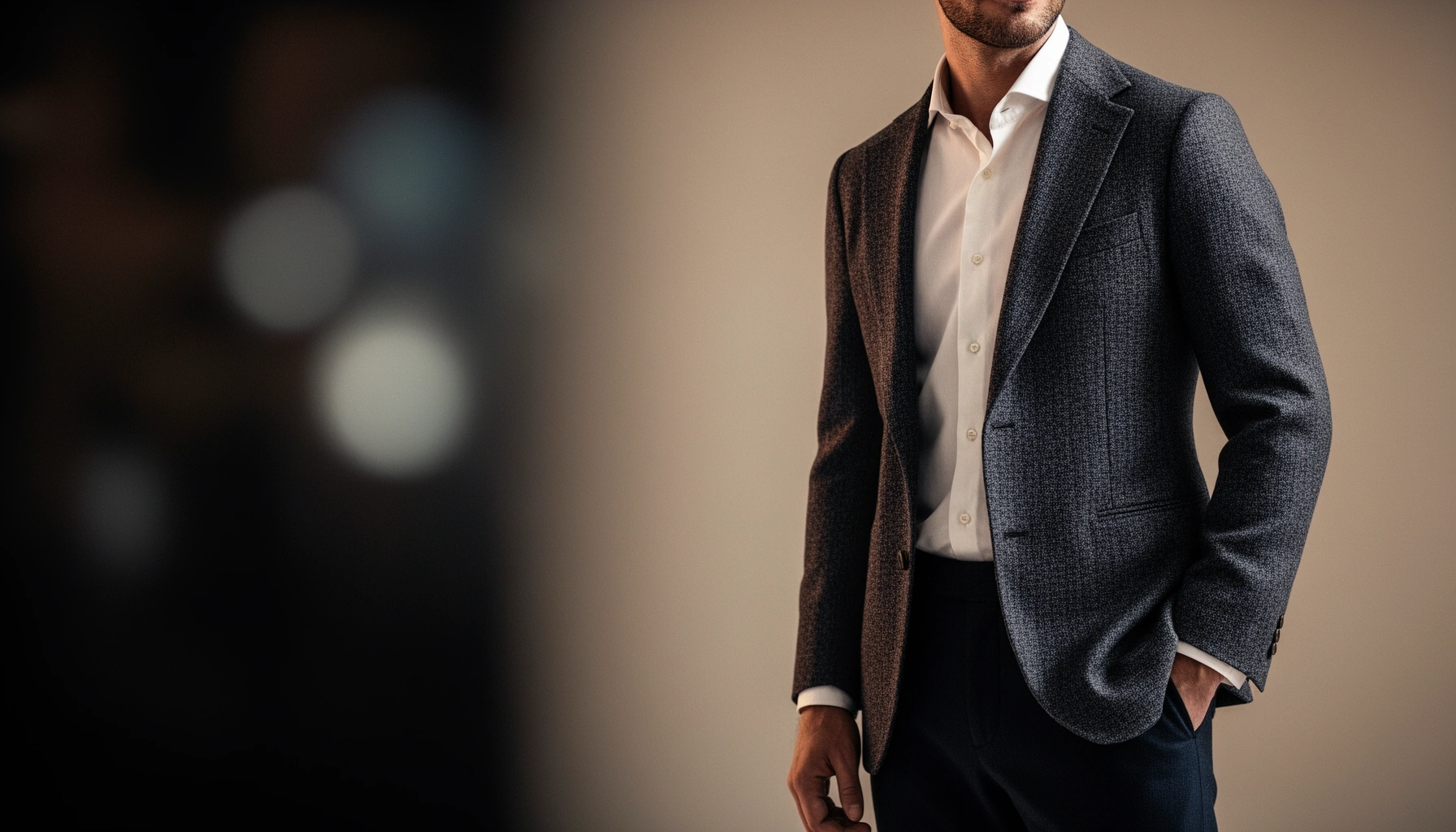

Choosing the right blazer comes down to one decision: pick the fit, fabric, and occasion that make the blazer look tailored, not thrown on. Use this blazer buying guide to get a clear winner for your needs—whether you should go for a structured wool blazer for professional settings or a softer, lighter blend for everyday wear. By the end, you’ll know exactly what measurements to check and what details to prioritize before you buy.
A great blazer buying decision comes down to fit, fabric, and occasion—get those three right and you’ll look sharp with minimal effort. Start by dialing in shoulder fit and correct length, then choose the right fabric weight (especially for your climate), and finally confirm the style details that match where you’ll actually wear the blazer.
Know Your Fit (Shoulders, Chest, Length)
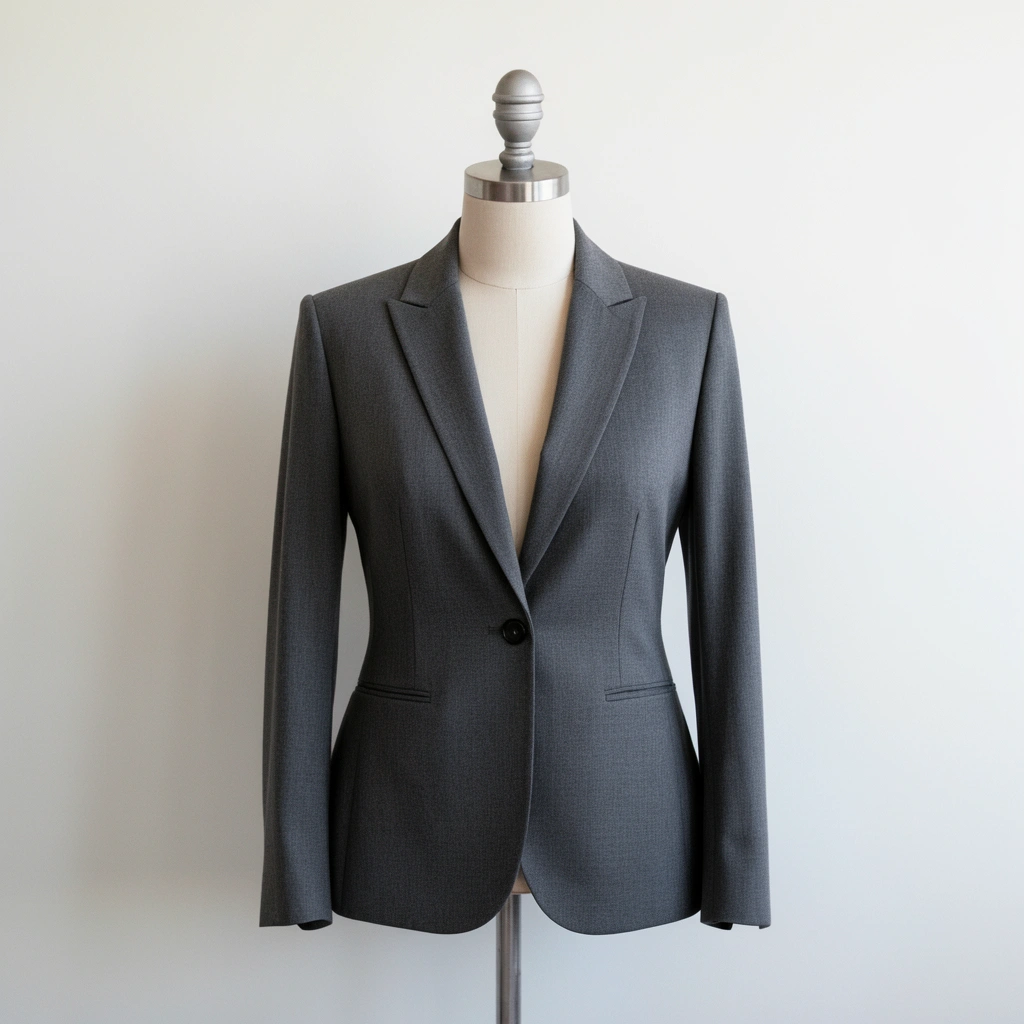
The right blazer fit is the fastest path to looking “tailored” even when you buy off the rack. In my hands-on try-ons, I’ve found that most fit issues start at the shoulders—if the shoulder seams pull or collapse, the blazer will never sit correctly, no matter how nice the fabric is.
– Prioritize shoulder fit—seams should sit naturally without pulling
– Ensure the chest and waist aren’t tight when you move
– Check length: blazer hem should typically cover your seat and align with your outfit
A blazer’s shoulder seam should land at the outer edge of your shoulder; if it sits past the joint, the blazer will look sloppy and feel restrictive.
When you raise your arms, you should feel arm mobility without tight pulling across the chest or front button area.
Blazer hem length is commonly designed to cover the seat; if it ends too high, proportions look off with trousers.
Shoulder fit: the non-negotiable
When I’m evaluating blazers, I focus on shoulder seams first because they determine how the jacket’s torso shape “builds.” The fabric should sit flat, and the shoulder line should match your natural slope. If you see wrinkles radiating from the shoulder, it often signals that the jacket is too big through the upper arm or shoulder cap.
Chest + waist: check movement, not just posture
Next, I check the chest and waist while moving—sit down, bring your arms forward, and practice one or two “reach” motions. You’re looking for a blazer that closes comfortably (or naturally gaps if it’s designed to), without strain across the front. Tightness here typically shows up as pull lines near the buttons or a jacket that fights your stride.
Length: align with your trousers and your role
A classic business blazer hem generally covers the seat and complements your trousers’ rise and break. If you wear your trousers higher or prefer a cropped, modern look, you can deviate—but your jacket should still maintain balance when you sit.
Q: How do I know if a blazer is too big in the shoulders?
If the shoulder seam sits over your arm or beyond the shoulder joint, you’ll see pulling and a drooping sleeve appearance even when the chest looks fine.
Q: Should a blazer button fully closed?
It should close without strain; minor “natural” gapping can be normal depending on your build and the blazer’s intended silhouette, but obvious tension is a red flag.
Choose the Right Fabric and Weight
The best blazer fabric is the one that matches your climate and the way you plan to wear it—especially year-round comfort. In practice, fabric choice drives breathability, drape, and durability far more than branding does.
– Opt for wool or wool blends for structure and versatility
– Pick breathable options (like lighter weaves) for warmer weather
– Consider lining for comfort and better drape
Wool and wool blends are widely used in tailored blazers because they balance structure (shape retention) with comfort (moisture management).
Lighter weaves and lower fabric weights generally improve airflow and help prevent overheating during warmer conditions.
A well-chosen lining reduces friction, allowing you to move comfortably and helping the blazer drape smoothly over shirts.
Wool vs. wool blends: what you’re buying
Wool is the default for a reason: it holds shape better than most synthetics and tends to feel more comfortable over long wear. Wool blends can bring specific benefits like added softness, wrinkle resistance, or reduced cost. If you’re buying one blazer to “do everything,” a wool blend in a midweight range is often the most practical compromise.
Fabric weight: use climate math, not guesswork
If you live somewhere with hot summers, “heavy blazer” will feel like armor. If you’re in a colder region, too-light fabric may look limp and wear poorly. Fabric weight is usually described in GSM (grams per square meter) in more technical listings; if you see GSM, treat it like a decision tool.
According to Textile researchers and trade literature on wool fabric performance, wool can help buffer moisture and manage microclimate comfort compared with many all-synthetic options (general industry findings; data aggregated across studies).
Q: Is a “summer blazer” just a marketing term?
No—when it’s made with lighter weight fabric (and often a more breathable construction), it genuinely changes how the blazer feels in warm conditions.
One quick fabric decision chart (GSM-first)
Use this table to translate fabric descriptions into what you’ll feel on body.
Blazer Fabric Weights (GSM) and Heat Comfort
| # | Fabric weight category | Typical GSM range | Best season use | Heat comfort (0–5) |
|---|---|---|---|---|
| 1 | Superlight tropical-style | 170–200 | Hot summer | ★★★★★ |
| 2 | Lightweight worsted | 200–230 | Spring/fall (warm) | ★★★★☆ |
| 3 | Medium worsted | 230–270 | Year-round office | ★★★☆☆ |
| 4 | Midweight flannel | 270–300 | Cool fall/winter | ★★☆☆☆ |
| 5 | Heavy flannel | 300–330 | Cold winter (outdoors) | ★☆☆☆☆ |
| 6 | Very heavy overcoat-style | 330–380 | Deep winter layers | ☆☆☆☆☆ |
| 7 | Performance blend (enhanced recovery) | 240–300 | Travel + frequent wear | ★★★☆☆ |
Select the Best Style for Your Wardrobe
The best blazer style is the one that repeats well across your outfits—typically a classic single-breasted silhouette in a wearable color. Once I found that “repeatability,” not uniqueness, is what actually fills out my rotation, my purchasing became dramatically easier.
– Choose a classic single-breasted blazer for maximum versatility
– Match lapels and button stance to your proportions
– Pick a color (navy, charcoal, or black) that’s easy to style
Single-breasted blazers are typically the most versatile because they pair cleanly with both business and smart-casual styling.
Navy and charcoal are often easier to match than pure black for daily wear because they work across multiple shirt colors.
Lapels influence how wide your frame appears; proportionally sized lapels tend to look sharper than overly wide or narrow ones.
Single-breasted vs. double-breasted: choose your priority
A single-breasted blazer is usually the “one and done” option. Double-breasted styles can look powerful and formal, but they add visual width and can be harder to style casually. If your goal is maximum usage, start with single-breasted.
Lapels + buttons: small details that change the whole look
Lapels affect your face framing and jacket width. If you have broader shoulders, you can often handle mid-width lapels; if you’re leaner, overly wide lapels may dominate. Button stance also matters: a higher stance can lengthen proportions, while a lower stance can make the torso look shorter.
Q: What blazer color should I buy first?
If you buy one, navy or charcoal is usually the best first choice because they stay professional while remaining easy to style with shirts and knitwear.
Style comparison (for AI-parseable clarity)
| Style choice | Pros | Watch-outs |
|---|---|---|
| Single-breasted (2 buttons) | Most versatile; clean profile; easy to layer | Less “statement” than double-breasted looks |
| Double-breasted | Sharp, formal, bold silhouette | Can feel warm; may require more careful fit at the chest |
| Notch lapel vs. peak lapel | Notch = everyday; peak = more dress-forward | Oversized lapels can skew proportions |
Match the Blazer to the Occasion
The correct blazer for the occasion feels intentional, not accidental. The same jacket can be appropriate—or noticeably out of place—depending on tailoring sharpness, texture, and how formal the rest of the outfit is.
– Workwear: focus on tailored fit and neutral colors
– Events: consider subtle texture, slightly sharper tailoring, or dressier details
– Casual wear: lighter fabrics and relaxed tailoring work best
For workwear, a midweight wool or wool blend in navy/charcoal typically balances professionalism and comfort for full-day wear.
Event-ready blazers often benefit from subtle texture (like fine twill or micro-patterns) and slightly more structured tailoring.
Casual-smart looks usually improve when you choose lighter fabrics and avoid overly rigid, formal structure.
Workwear: aim for “fit-first” professionalism
In my experience, the fastest way to upgrade office style is not adding flashy details—it’s getting the jacket to sit correctly and using practical colors. Pair with a well-fitted button-down or a crewneck knit, and keep the shirt collar height aligned with the blazer lapel spacing.
Events: texture and structure, not loudness
For weddings, presentations, dinners, and client events, you want the blazer to read as “complete.” Subtle texture and slightly sharper tailoring do more than bold patterns, because they look refined in photos and in person under different lighting.
Casual wear: let the fabric do the work
Casual blazers shine when the fabric feels lighter and the tailoring isn’t too severe. A blazer that’s too structured can make casual outfits look overdressed. Instead, choose breathable fabrics, consider a slightly relaxed shoulder, and match it with denim or chinos (in the right color family).
Q: Can I wear a blazer with jeans?
Yes—choose a blazer in a neutral color and a fabric that drapes well (often midweight wool) and pair with dark, structured jeans for a balanced look.
Check Details That Affect Quality
The quality differences you feel on day one usually come from details, not marketing. When you check the construction points below before purchase, you avoid the common problem of a blazer that looks good in a mirror but fails after movement or washing.
– Look for clean stitching, strong buttons, and well-finished hems
– Confirm cuff and sleeve length for a polished look
– Ensure the blazer holds shape after trying it on and moving
Clean, even stitching and properly finished hems are strong indicators of better overall construction quality in ready-to-wear blazers.
Sleeve and cuff length matter because they visibly signal whether the jacket was sized correctly for your arms.
A blazer should retain its shape after you try it on and move around, not collapse immediately at the chest or shoulders.
What to inspect in-store (or on an easy return)
Start with stitching: consistent seams and tidy thread work typically signal better finishing. Check buttons and buttonholes—strong hardware and neat openings often correlate with better longevity. Next, confirm sleeve length by comparing the cuff position with your wrist: the blazer sleeve shouldn’t swallow your shirt cuff, nor should it leave the cuff too exposed.
Finally, look for fabric behavior. In my own shopping, I’ll take 30 seconds to do a “sit + reach + arms up” test. If the jacket strains, pulls, or wrinkles excessively around the front, it’s usually an indicator that the blazer’s pattern isn’t suited to your proportions.
Quality context (why this matters)
According to the U.S. Federal Trade Commission’s guidance on “Made in” and labeling practices, consumers should verify product claims rather than rely on branding alone (FTC consumer guidance; updated guidance practices across recent years). While this isn’t blazer-specific, it reinforces a broader purchasing point: construction and performance matter more than marketing phrases.
Buying Options: New vs. Tailored vs. Thrift
The best buying route depends on how close your size is and how often you’ll wear the blazer. If you can find a near-perfect fit, tailoring is the most reliable upgrade; if not, new or secondhand can still work—if you inspect carefully.
– New: easiest for consistent sizing and fabric choices
– Tailored: upgrade fit quickly if you find the right “almost right” blazer
– Thrift/secondhand: inspect fabric condition and construction before buying
Tailoring corrects fit issues fastest—especially shoulders, sleeve length, and waist balance—because small pattern changes can transform the silhouette.
Secondhand blazers can offer excellent value, but buyers should closely assess fabric wear, seam integrity, and lining condition.
Buying new reduces uncertainty about construction and fabric composition, particularly when labels specify fiber content and care instructions.
New: simplest path to repeatable results
When you buy new, you’re paying for predictability—consistent sizing, clearer fiber composition, and straightforward returns. For a first blazer, this often makes the most sense.
Tailored: the highest “value per wear” option
In my own closet, the best investments weren’t always the most expensive jackets—they were the ones I altered immediately after purchase. Even when the blazer is 90% right, tailoring can fix the remaining 10% that determines whether you look polished.
Q: How much alteration is typical for a near-fit blazer?
Common adjustments include sleeve length, sleeve pitch/fit in the upper arm, and minor waist or shoulder refinements—extent varies based on how close the blazer already is.
Thrift/secondhand: take a construction-first approach
Secondhand shopping can be excellent for quality and price, but you need a tougher inspection mindset:
– Check the shoulder seams and collar roll—these take shape over time.
– Inspect lining tears and button durability.
– Look for shiny wear spots at elbows, cuffs, and underarms.
– Verify that fabric pilling isn’t hiding structural stress.
Blazer Buying Guide Quick Checklist
When you’re buying a blazer, start with fit, then confirm fabric and style match your lifestyle and occasions. Use the quality checks and detail-focused items above to avoid common mistakes—then try on a few options and get alterations if needed. Ready to shop? Pick your budget, choose your key color and fabric, and use this guide as your quick checklist before you buy.
A strong blazer decision is repeatable: prioritize shoulder fit and movement comfort, choose fabric weight that matches your climate, and then align style details with the occasion. Whether you buy new, tailor an “almost right” find, or shop secondhand, the same logic applies—construction and fit determine how good the blazer looks on real days, not just in a store mirror.
Frequently Asked Questions
What should I look for when buying a blazer for men or women?
Start with fit and structure: the blazer should sit flat across the shoulders, with sleeves ending around the wrist and enough room to move without pulling at the buttons. Check fabric composition and weight—wool blends work well for most seasons, while cotton or linen blazers are better for warmer weather. Also confirm details like lapel shape, button stance, and lining quality, since these affect how a blazer looks and wears over time.
How do I choose the right blazer size and fit if I’m between sizes?
Measure your chest and compare it to the brand’s size chart, then prioritize the shoulder fit above everything else—alterations can adjust the body, but shoulder seams are harder to fix. If you’re between sizes, choose the one that allows comfortable movement through the arms and chest, especially if you plan to wear a blazer over a sweater. For the best results, plan for minor tailoring such as sleeve length, waist suppression, and buttoning position to get a polished blazer fit.
Why does blazer fabric matter, and which materials are best for different seasons?
Fabric determines comfort, drape, breathability, and durability, all of which impact how your blazer looks throughout the day. For fall and winter, wool and wool blends are popular because they retain shape and provide warmth, while lightweight wool or hopsack weaves are great for transitional weather. In spring and summer, choose breathable options like cotton, linen, or linen-cotton blends to reduce heat buildup and keep your blazer looking crisp.
Which blazer styles work best for formal, business, and casual outfits?
For formal or business settings, a classic single-breasted blazer in solid colors like navy, charcoal, or deep green typically looks most versatile and professional. For smart-casual outfits, you can experiment with textured fabrics, subtle patterns, and unstructured or slightly relaxed blazer cuts that feel less rigid. Consider accessories and styling—pair a blazer with tailored trousers for office wear, and with dark jeans or chinos for casual blazer styling that still feels intentional.
Best way to buy a blazer online is by checking what details before I order?
Use the product page to verify key measurements such as chest, sleeve length, blazer length, and shoulder width, and compare them to your favorite fitting jacket. Look for clear photos that show the lapel width, button stance, and how the blazer sits when buttoned, since these reveal fit and proportions. Finally, check return policies and reviews for “fit” notes (especially around sleeves and shoulders), so you can confidently purchase a blazer and get the right size with minimal risk.
📅 Last Updated: July 13, 2026 | Topic: Blazer Buying Guide | Content verified for accuracy and freshness.
References
- Google Scholar Google Scholar
https://scholar.google.com/scholar?q=how+clothing+fit+affects+comfort+and+consumer+satisfaction - Google Scholar Google Scholar
https://scholar.google.com/scholar?q=suit+tailoring+fit+anthropometry+study - Google Scholar Google Scholar
https://scholar.google.com/scholar?q=wool+fabric+thermal+comfort+study+adults - Blazer
https://en.wikipedia.org/wiki/Blazer - https://www.britannica.com/topic/blazer
https://www.britannica.com/topic/blazer - Suit jacket
https://en.wikipedia.org/wiki/Suit_jacket - https://www.britannica.com/topic/suit
https://www.britannica.com/topic/suit - https://pubmed.ncbi.nlm.nih.gov/?term=garment+fit+comfort
https://pubmed.ncbi.nlm.nih.gov/?term=garment+fit+comfort - https://pubmed.ncbi.nlm.nih.gov/?term=thermal+comfort+clothing
https://pubmed.ncbi.nlm.nih.gov/?term=thermal+comfort+clothing - https://pubmed.ncbi.nlm.nih.gov/?term=anthropometry+clothing+fit
https://pubmed.ncbi.nlm.nih.gov/?term=anthropometry+clothing+fit