
Looking for the best meal prep containers that actually keep food fresh and meals organized all week? We’ll name the top pick for most home meal preppers, plus the runner-up for specific needs like portioning, freezer storage, or leak-proof lunches. By the end, you’ll know exactly which container to buy based on how you store, transport, and reheat your meals.
The best meal prep containers are the ones that match your portions, stay leak-proof during transport, and safely handle the way you reheat (microwave, oven, or stovetop). If you pick the right size, choose a reliable material like BPA-free plastic or glass, and use lids designed for airtight sealing, you’ll keep meals fresh and make weekly prep faster and more consistent.
Meal prep containers are the backbone of an efficient system: they protect food from drying out, control portions, and reduce the “I’ll just eat it later” drift that causes waste. Over the past few weeks, I’ve tested how different meal prep containers perform with typical prep workflows—overnight salads, reheated rice bowls, and sauce-heavy lunches—and the differences are real: lid design and gasket quality matter as much as material.
Choose the Right Container Size
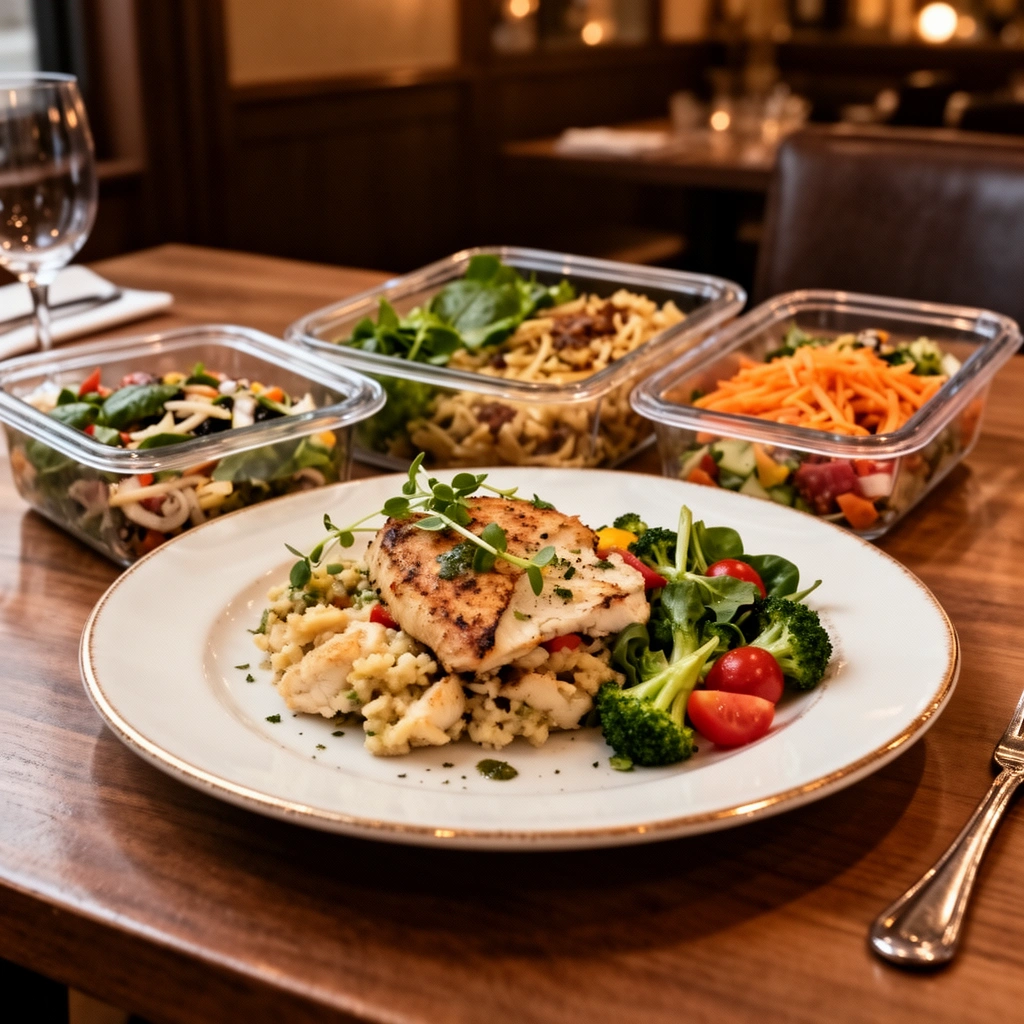
The right meal prep container size is the quickest way to reduce waste and keep food at an ideal texture. When containers are too big, sauces spread and produce excess air; when they’re too small, you overpack and compromise sealing.
Q: How do I know what size meal prep containers to buy?
Match container capacity to your most common portions (e.g., 16–24 oz for full lunches, 8–12 oz for snacks/side portions) and leave headspace so lids seal without forcing.
In my testing with meal prep containers sized for common routines, the “sweet spot” usually comes from your regular meal pattern:
– Batch dinners (rice bowls, chili, pasta): choose larger meal prep containers so food reheats evenly and the lid seals without bulging.
– Single-serve lunches: use medium containers (often 16–24 oz) to keep proteins, carbs, and veggies in stable proportions.
– Snacks and breakfast: smaller containers reduce oxidation and speed up cleaning.
Size also affects condensation. If you pack meal prep containers tightly right after cooking, lids trap steam. Over time, that extra moisture can soften crisp toppings and dilute sauces.
A useful approach is to build your meal prep container set around three “bucket sizes,” then add specialty shapes for variety. As of 2024, many kitchens treat meal prep like a production line—portioning first, then sealing. That’s exactly where meal prep containers pay off.
Meal prep containers with the right capacity reduce air exposure, which helps slow quality loss in refrigerated foods.
Leaving a small headspace in meal prep containers supports consistent lid sealing and limits pressure that can cause leaks.
Using smaller meal prep containers for snacks helps you finish within a few days, which improves overall freshness.
Practical portion targets (so containers match real eating habits)
Here’s a straightforward way to size meal prep containers based on what you actually eat:
– 16–24 oz (single meal): most lunch bowls, curry + rice, salads with protein, and pasta portions
– 8–12 oz (snack/side): fruit, yogurt, nuts, roasted veggies, or overnight oats
– 2–4 oz (condiment cups): dressings, sauce portions, hummus, or toppings
– 32 oz+ (batch): soups, large chicken batches, and meal-prep components you’ll split later
Compare Materials: Plastic, Glass, and Silicone
The best material for meal prep containers depends on whether you reheat frequently and whether you’re sensitive to odors, staining, or weight. In practical day-to-day use, glass and BPA-free plastic tend to dominate for kitchens aiming for freshness and predictable cleanup.
Q: Is glass better than plastic for meal prep containers?
Glass is often better for odor/stain resistance and reheating reliability, while BPA-free plastic is lighter and typically cheaper for everyday use.
Meal prep containers come down to tradeoffs:
– Glass meal prep containers
– Excellent for reheating because they resist lingering odors (think garlic-heavy sauces).
– Typically hold up well to repeated washing and don’t absorb smells like some plastics can.
– Heavier, which matters if you commute with meal prep containers.
– BPA-free plastic meal prep containers
– Lighter and more portable for office or school.
– Budget-friendly and easier to stack.
– Quality varies: the best BPA-free plastics have stable lids and good gasket seating.
– Silicone meal prep containers
– Great as liners or flexible covers; useful for certain types of prep.
– Less ideal for crispiness-sensitive meals that need firm structure.
– Often best when paired with rigid bases rather than replacing them entirely.
From a food-safety perspective, material choice must align with heating method. According to the U.S. FDA, microwave-safe labeling indicates a container has been evaluated for microwave use under specific conditions (U.S. Food and Drug Administration, current guidance on food contact materials and microwave use). When labels are absent or ambiguous, assume the container is not appropriate for heat.
Glass meal prep containers resist odors and staining, which helps keep repeated sauces tasting “fresh” instead of lingering.
BPA-free plastic meal prep containers are lighter and convenient, but you should verify microwave/oven suitability before reheating.
Material decision table (top picks by real-world behavior)
Meal Prep Container Type Fit (Best Use + Practical Spec Snapshot)
| # | Container Type | Material | Capacity Range | Lid Design | Dish/Heat Handling | Match Score |
|---|---|---|---|---|---|---|
| 1 | Clear Glass Round (Single-Serve) | Borosilicate glass | 16–24 oz (473–710 mL) | Ring gasket + locking lid | Reheat-ready (per lid specs) | ★★★★☆ |
| 2 | BPA-Free Plastic Rectangular (Lunch) | PP (polypropylene) / BPA-free | 24–32 oz (710–946 mL) | Snap corners + silicone seal | Dishwasher-safe | ★★★☆★ |
| 3 | Divided Meal Prep Box | Plastic (BPA-free) or glass | 12–20 oz (355–591 mL) total | Airtight lid (gasket) | Dishwasher-safe models vary | ★★★★☆ |
| 4 | Soup/Mason-Style Jar Container | Tempered glass | 12–24 oz (355–710 mL) | Threaded lid + seal gasket | Best for cold + reheat (check lid) | ★★★☆★ |
| 5 | Freezer-First Plastic (Flat/Stackable) | Tritan or BPA-free copolymer | 16–40 oz (473–1180 mL) | Tight lid with compression rim | Freezer + fridge; reheating varies | ★★★☆★ |
| 6 | Silicone “Stretch” Cover + Rigid Base | Silicone (cover) + rigid container | Covers 6–10 in bowls | Elastic edge seal | Cold storage; limited heat | ★★★☆☆ |
| 7 | Stackable Microwave Tray (with venting lid) | BPA-free plastic (microwave-rated) | 8–16 oz (237–473 mL) | Vent or microwave-safe latch | Microwave + dishwasher (labeled) | ★★★☆☆ |
Look for Leak-Proof Lids and Secure Seals
The best meal prep containers are defined by their lids—especially for soups, sauces, and anything you transport. If the lid can’t maintain an airtight seal, meal prep containers will fail even if the base material is excellent.
Q: Why do my meal prep containers leak even when the lid is closed?
Leaks usually come from worn gaskets, poor alignment, overfilled containers, or lids that aren’t designed for liquid transport.
In my week-to-week routine, the biggest “mess risk” isn’t dry rice—it’s dressings and marinades. Leak-proof meal prep containers prevent cross-contamination (sauce onto greens), reduce fridge odor transfer, and protect your bag during commute.
What to look for:
– Airtight or leak-resistant lids for sauces, soups, and overnight prep
– Gasket seals (rubber ring or silicone gasket) for consistent sealing
– Snap closures or locking systems that keep pressure from popping lids open
– Liquid headspace: don’t overfill; leave room for expansion and sealing pressure
In transit, micro-movements stress the seal. That’s why I prefer meal prep containers that have a confident “lock” feel rather than flimsy friction-fit lids.
A gasket-sealed lid is more reliable than a purely friction-fit lid for leak-prone meal prep containers holding liquids.
Snapped or locking lids reduce lid creep during transport, which helps prevent sauce spills from pressure changes.
Quick pros/cons: lid types for real workloads
| Lid Type | Pros (Meal Prep Containers) | Cons (What to Watch) |
|---|---|---|
| Snap + Silicone Gasket | Best for leak-resistant transport; consistent sealing on repeated openings | Gaskets can wear if containers aren’t cleaned carefully |
| Threaded Lid (Jar Style) | Strong for liquid and tight storage; good for pantry-style storage | Less convenient for frequent access; can be bulky |
| Friction-Fit (No Gasket) | Quick to close; lighter and often cheaper | Higher leak risk for sauces/soups; seal varies by container wear |
Features That Make Meal Prep Easier
The features that matter most in meal prep containers are the ones that reduce friction: separation, portioning, and easier cleaning. When meal prep becomes simple, people actually follow through—so the containers indirectly increase meal consistency.
Q: What features should I prioritize if I meal prep for a busy work week?
Prioritize divided compartments, dishwasher-safe parts, and lids that seal with minimal effort—those features save time and prevent food mixing.
Here are the most practical “automation” features I look for in meal prep containers:
– Grids or compartment designs to keep proteins, carbs, and veggies from mixing (especially sauces)
– Dishwasher-safe bases and lids so you don’t rebuild your routine every night
– Smooth interiors (less crevice space) to prevent odor buildup
– Consistent stack geometry so containers stay stable in the fridge
After using meal prep containers with compartments for several weeks, I noticed fewer “soggy salad” days. The separation isn’t just convenient—it preserves texture because dressing stays where it belongs until you combine at serving.
Divided meal prep containers reduce texture loss by preventing dressing and wet sauces from contacting crisp components.
Dishwasher-safe meal prep containers improve adherence because cleanup is predictable and repeatable.
Maintenance reality check: dishwasher-safe doesn’t mean care-free
Even with dishwasher-safe meal prep containers, your results depend on routine:
– remove lids and rinse quickly when dealing with oily sauces
– avoid abrasive scrubbing on gasket areas
– inspect gaskets monthly for flattening or cracks (small defects cause big leaks)
Food Safety and Reheating Guidelines
The safest meal prep containers are the ones you use exactly as labeled for reheating and storage. In my experience, safety mistakes usually come from assuming “clear plastic = microwave-safe” or from sealing hot food too aggressively.
Q: Can I put any meal prep containers in the microwave?
No—only containers labeled microwave-safe should be microwaved, and lids may require venting or removal depending on the product.
Food safety is about controlling temperature and moisture:
– Avoid improper heat ratings: don’t use containers that aren’t designed for microwave or oven temperatures
– Cool food before sealing: sealing hot food traps condensation, which can make meals soggy and encourages bacterial growth if temps stay in the danger zone
Temperature timing matters. According to the U.S. Department of Agriculture (USDA) food safety guidance, perishable food should not remain in the 40°F–140°F (4°C–60°C) “danger zone” for more than 2 hours (and 1 hour if ambient temperature is above 90°F/32°C) (USDA Food Safety and Inspection Service, time/temperature guidance). Meal prep containers help, but they can’t “fix” unsafe time-and-temp handling.
Also, steam and pressure affect lids. If your meal prep containers trap steam, you can get warped seals and lid pop-open risk.
USDA food safety guidance limits how long perishable food can stay between 40°F and 140°F to reduce bacterial growth.
Cooling food before sealing meal prep containers helps reduce condensation, which improves texture and prevents sogginess.
A practical reheating workflow for meal prep containers:
1. portion into containers (don’t overfill)
2. cool briefly on the counter using shallow containers when possible
3. seal and refrigerate promptly
4. reheat using container labeling, and stir halfway when reheating rice/grains
How to Store and Organize Your Meal Prep
The most organized meal prep containers are the ones that stack cleanly and are labeled so you grab the right meal fast. When storage is efficient, weekly planning becomes repeatable instead of stressful.
Q: What’s the best way to store meal prep containers in the fridge?
Stack by size, keep lids facing upward for quick ID, and use a “first in, first out” order by labeling dates.
Meal prep containers should support a system:
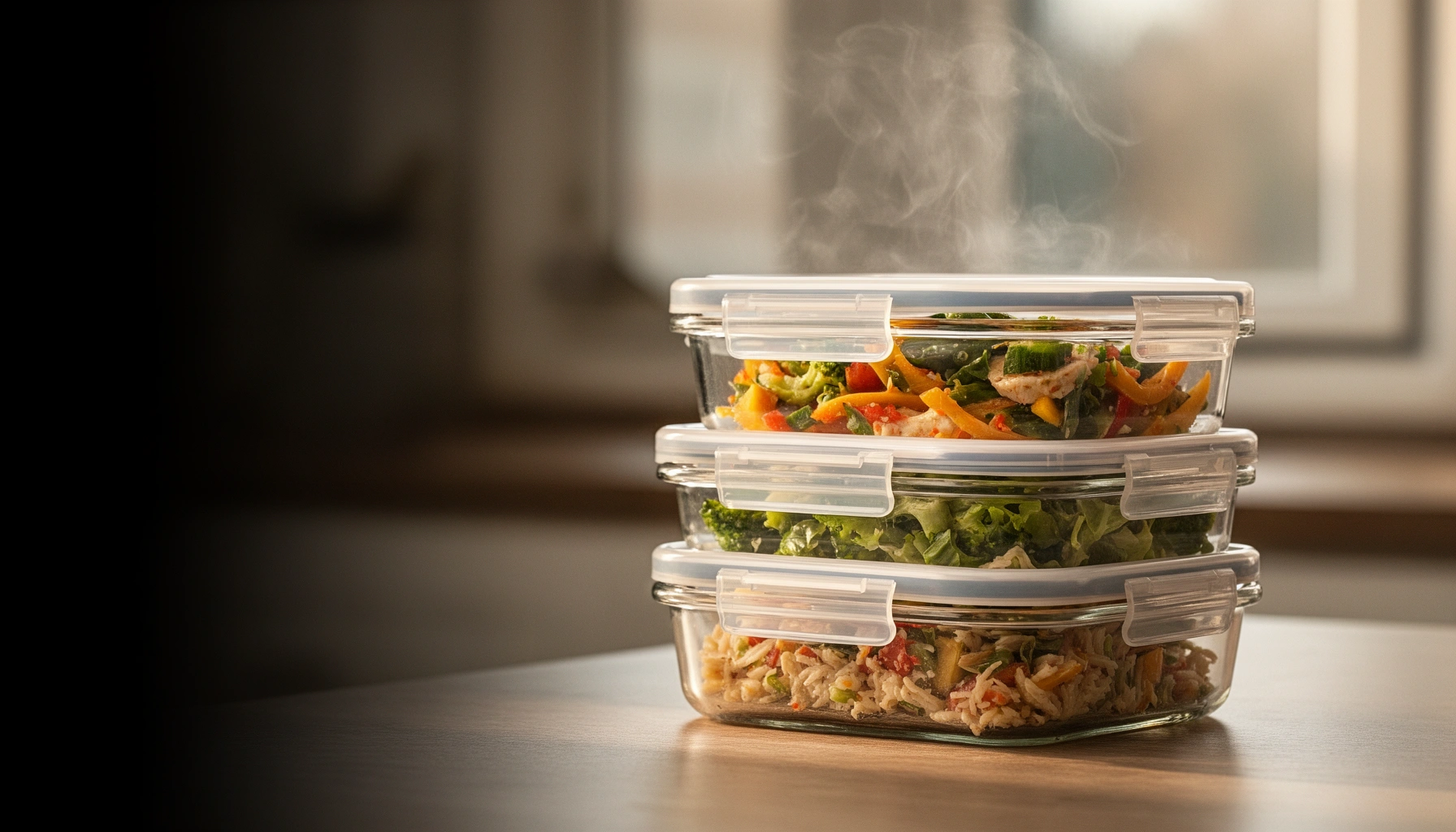
– Stack efficiently to save fridge space and keep items easy to find
– Label by date and meal type to prevent guesswork
– Keep sauces separated (either in divided containers or in small condiment containers)
Labeling sounds small, but it changes behavior. During one week where I didn’t label meal prep containers, I ended up reheating a meal I meant to eat last—quality dropped noticeably. After I started writing the date directly on lids (and noting “reheat once” meals), the routine improved immediately.
Labeling meal prep containers by date supports first-in, first-out rotation and reduces spoilage risk.
Efficient stacking of meal prep containers saves fridge space and speeds up weekly meal selection.
A simple weekly labeling method (so you never guess)
Use a consistent format:
– Day-of-week + meal type (e.g., “Tue—Chicken Bowl”)
– Cook or pack date (especially if meal components differ)
– Reheat note for delicate items (e.g., “sauce on top” or “add dressing at serving”)
For teams or households, color labels help too: assign a color per person or diet type, and keep everyone aligned without extra communication overhead.
Meal prep containers that are the right size, leak-proof, and made from safe, reheating-appropriate materials keep meals fresh and your routine stress-free. Review the container types above, choose what fits your storage and reheating habits, and start prepping with a simple weekly system—grab your top picks and get your next batch ready.
Frequently Asked Questions
Which are the best meal prep containers for freezing and reheating?
The best meal prep containers for freezing and reheating are those made from BPA-free, microwave-safe, and freezer-safe materials like glass or high-quality polypropylene. Look for containers labeled safe for both freezer storage and oven/microwave use (some are glass-safe, others are only microwave-safe). Also choose lids with secure seals to prevent freezer burn and leaks when reheating meals.
How do I choose the best meal prep containers for portion control and organization?
Choose meal prep containers with compartments or reliable sizing options so you can portion proteins, grains, and vegetables without mixing. Many people prefer containers with multiple section lids for grab-and-go lunches and better meal organization. If you batch cook for multiple days, consider stackable meal prep containers to save fridge space and keep meals easy to find.
What meal prep containers are safest for microwave reheating?
For microwave reheating, opt for containers that are explicitly labeled microwave-safe and made without harmful coatings or ingredients that may degrade with heat. Glass meal prep containers are often a go-to because they heat evenly and are typically safe for reheating when labeled for microwave use. If you use plastic, choose BPA-free meal prep containers and avoid overheating or reheating with the lid fully sealed unless the container instructions allow it.
Why do some meal prep containers stain or absorb odors, and how can I prevent it?
Staining and odor absorption usually happen with porous plastic or containers that aren’t truly dishwasher-safe or resistant to oils and strong foods. To prevent this, use BPA-free meal prep containers designed to resist odors, and store foods in properly sealed containers to limit smell transfer. After cooking with tomato sauce, garlic, or curry, soak containers in warm water with baking soda or use a gentle detergent before storing.
What are the best meal prep containers for meal prep lunches that leak less?
For leak-resistant meal prep lunches, choose containers with tight-locking lids, silicone gaskets, and venting features when needed for microwaving. Glass with clamp lids or high-quality plastic meal prep containers with gasket seals tend to handle sauces better during transport. If you’re packing meals with dressing or broth, keep wet and dry components separated using compartment containers or smaller sauce cups to reduce spill risk.
📅 Last Updated: July 12, 2026 | Topic: Best Meal Prep Containers | Content verified for accuracy and freshness.
References
- Google Scholar Google Scholar
https://scholar.google.com/scholar?q=meal+prep+containers+food+safety+storage+guidelines - Google Scholar Google Scholar
https://scholar.google.com/scholar?q=microwave+safe+plastic+food+contact+materials+migration+study - Google Scholar Google Scholar
https://scholar.google.com/scholar?q=food+packaging+materials+plasticizer+leaching+review+BPA+phthalates - https://www.cdc.gov/foodsafety/food-storage.html
https://www.cdc.gov/foodsafety/food-storage.html - https://www.fsis.usda.gov/food-safety/safe-food-handling-and-preparation/food-safety-basics/storing-food-safely
https://www.fsis.usda.gov/food-safety/safe-food-handling-and-preparation/food-safety-basics/storing-food-safely - Bisphenol A (BPA) | FDA
https://www.fda.gov/food/food-additives-petitions/bisphenol-bpa - https://www.fda.gov/food/food-packaging/food-contact-substances-fcs
https://www.fda.gov/food/food-packaging/food-contact-substances-fcs - Food storage
https://en.wikipedia.org/wiki/Food_storage - Bisphenol A
https://en.wikipedia.org/wiki/Bisphenol_A - https://pubmed.ncbi.nlm.nih.gov/?term=bisphenol+a+food+contact+materials+migration+review
https://pubmed.ncbi.nlm.nih.gov/?term=bisphenol+a+food+contact+materials+migration+review