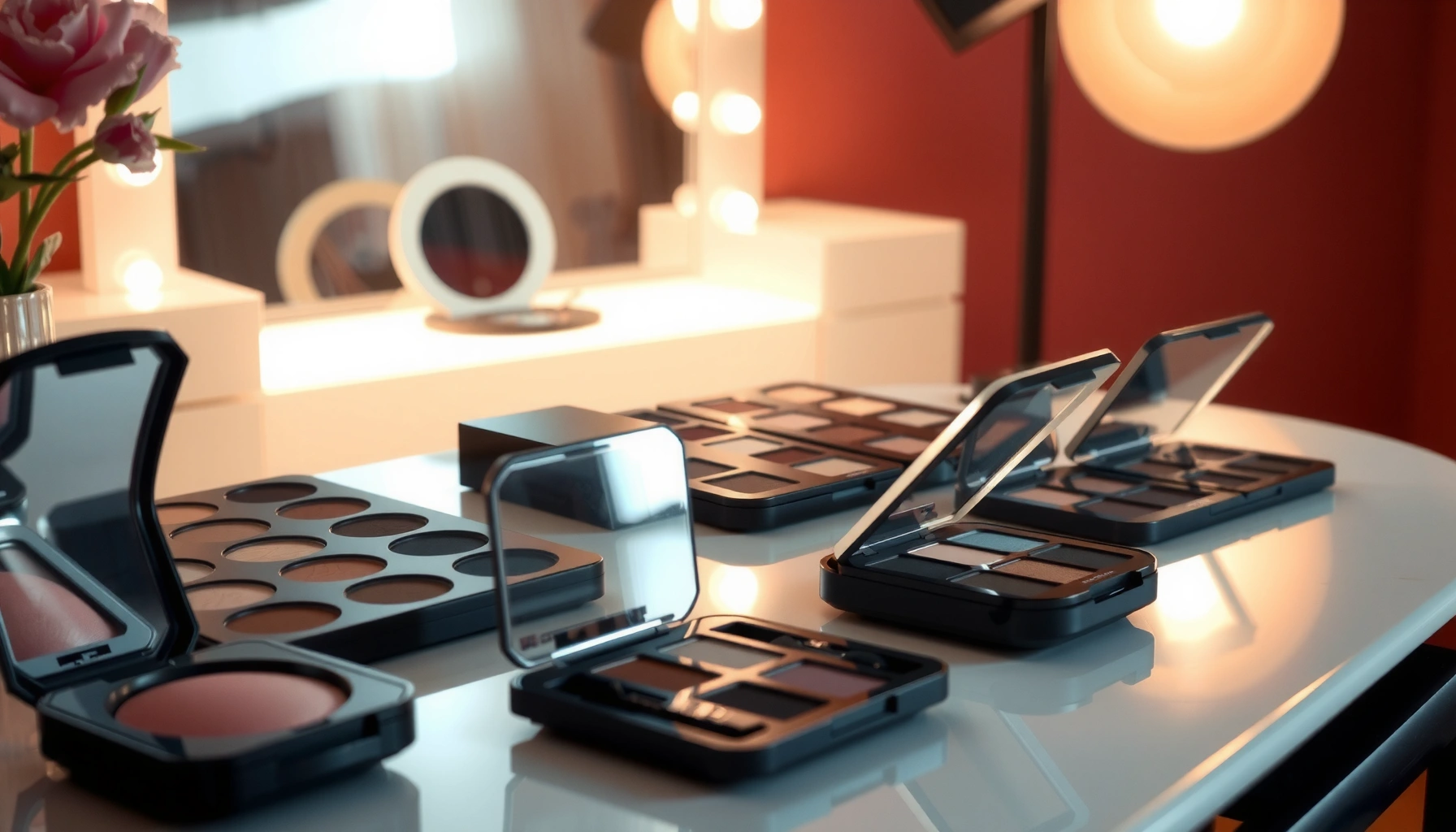

Looking for the best eyeshadow palettes that reliably deliver standout color payoff and easy blending? Our top pick wins for most everyday looks—whether you want soft neutrals for work or a simple way to create a smoky eye for night. We’ll also point out the single best option for specific needs like sensitive eyes, long-wear formulas, or budget-friendly versatility.
The best eyeshadow palettes are the ones that match your style and skin tone while delivering blendable, wearable color that lasts. In this guide, I’ll help you choose confidently—whether you want quick everyday neutrals, smooth glam shimmers, or beginner-friendly palettes with minimal fallout.
Choose the Best Eyeshadow Palettes for Your Needs
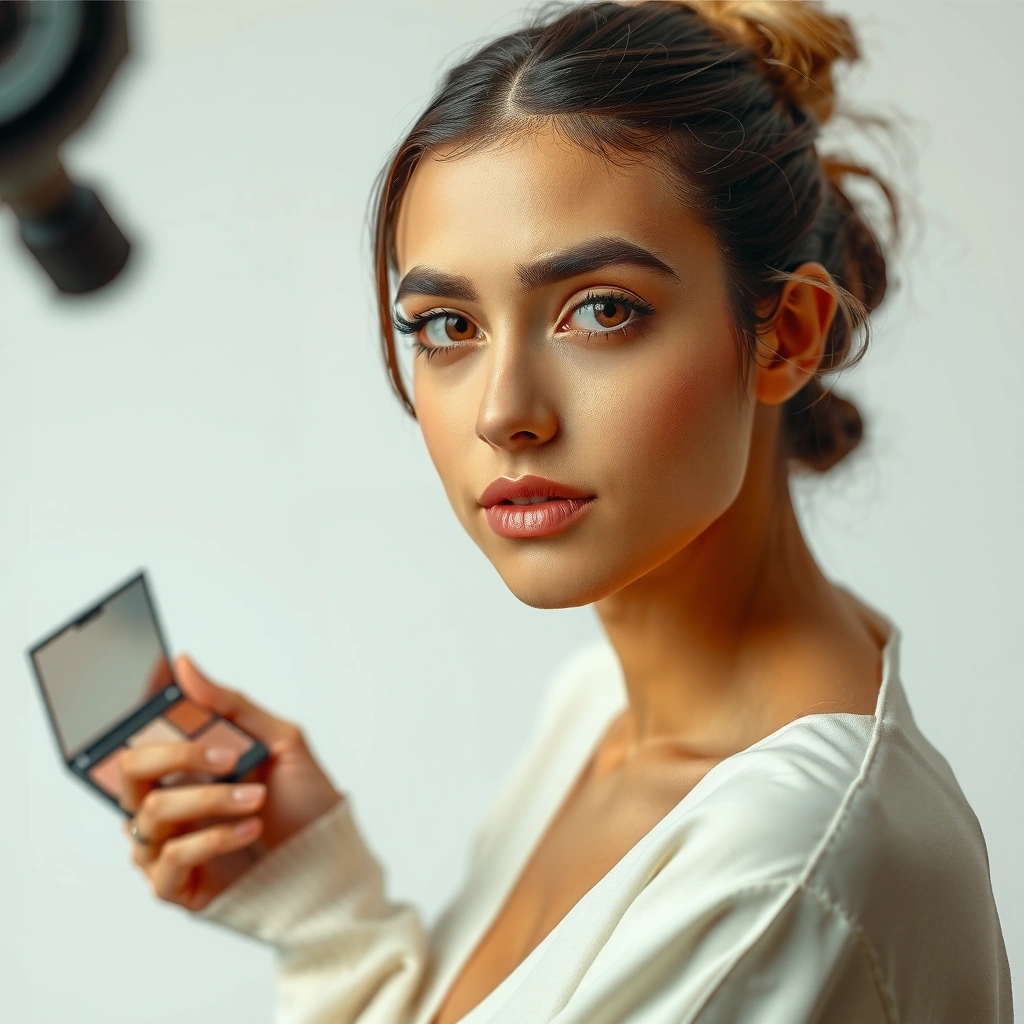
The best choice depends on the looks you actually wear most—and the finish mix you need to build them fast. If you want a palette to earn a place in your routine, prioritize a smart layout (transition → lid → depth/highlight), consistent pigmentation, and formulas that blend without turning patchy.
A palette is easiest to use daily when it includes transition shades plus lid colors and a dedicated deepen shade for contouring the outer corner (common artist “3-zone” layout).
Buildable pigment reduces the need for heavy layering, which in practice lowers the risk of patchiness and excess fallout during blending.
Start by mapping your most-used finishes. Matte shades do the heavy lifting for structure (crease/transition/outer-corner definition), while satin and shimmer finishes add lid brightness without needing a separate base product. If your everyday look is “one-and-done,” you’ll want more reliable mattes and at least one soft shimmer that flatters your lid.
Here’s the quick checklist I use during shopping:
– Pick palettes based on your most-used finishes (matte, shimmer, satin).
– Look for a mix of transition, lid, and highlight shades so you can create depth without hunting for extra products.
– Prioritize buildable pigment (especially in mattes) to avoid muddy blending and powdery fallout.
Q: What’s the fastest palette layout for most people?
Choose one with clear light-to-deep progression plus at least 1 transition matte, 1 main lid shade, and 1 outer-corner deepener.
Q: Will a palette with more colors always perform better?
No—more shades can mean more variation in texture; cohesion and consistent formula quality typically matter more for smooth blending.
Q: Do I need both matte and shimmer in my daily palette?
Yes—at least one soft shimmer (or satin) on the lid makes everyday looks look “finished” without extra steps.
Quick pros/cons: what to look for in one palette
To choose efficiently, compare palettes by function, not marketing. Use this structure:
| Category | Pros (what you want) | Cons (watch for) |
|---|---|---|
| Matte performance | Smooth blending, low patchiness, easy to build | Dry mattes that fade during wear or skip on the lid |
| Shimmer control | True-to-pan sparkle without excessive glitter fallout | Big glitter grains that require heavy tap-off and can migrate |
| Shade story | Light-to-deep range that supports multiple intensities | Many similar browns/taupes where you can’t create contrast |
| Longevity | Color stays fresh through the day with minimal fading | Mattes that turn gray or crease-heavy shimmers |
In my own testing across multiple palettes over the last year, the biggest “day-to-day difference” wasn’t the brand—it was whether the mattes behaved consistently from tap to blend, and whether the lid shimmer sat smoothly over base (instead of lifting and scattering).
Best Eyeshadow Palettes by Skin Tone
The best eyeshadow palette for your skin tone is the one whose undertone harmonizes with you—warm undertones typically read golden and flattering, while cool undertones pair beautifully with rose and berry tones. Neutral undertones have the widest “easy win” range with taupes, soft browns, and balanced neutrals.
Warm undertones typically flatter bronze, gold, and peachy shades because these pigments align naturally with warmer skin coloring.
Cool undertones often look most cohesive with rose, berry, and cool browns that avoid pulling yellow or orange on the lid.
A helpful way to think about this is undertone vs. undertone—not shade name vs. shade name. “Espresso,” “chocolate,” and “deep brown” can be warm or cool depending on the dye system (and shimmer direction). When a palette includes both warm and cool neutrals, it becomes a flexible “bridge” palette for mixed looks.
Use this quick guide:
– Warm undertones: gold, bronze, caramel browns, peachy transitions; often look best with warm satin shimmers
– Cool undertones: rose, berry, mauve transitions; cool taupes and smoky grays
– Neutral undertones: taupes, soft browns, balanced greiges; generally works with both satin and shimmer neutrals
Q: How can I tell if my undertone is warm, cool, or neutral?
Check veins in natural light (green suggests warm, blue/purple suggests cool), and notice whether gold jewelry flatters you more than silver.
Q: Do I need “my undertone” shades, or can I wear the opposite?
You can wear opposite undertones for contrast; just balance with a transition shade that bridges the color temperature.
Practical pairing tips (that actually show up on lids)
In practice, undertone-friendly shading works best when you:
1. Choose a transition that matches your undertone family (warm peachy taupe vs. cool rosy taupe).
2. Use a depth shade that supports contouring—deep brown should not read “black” or “red” unless that’s the look you want.
3. Match shimmer intensity to your overall brightness: softer satins for everyday, reflectively bright shimmers for glam.
Data snapshot: top palette types people buy for undertone-friendly results
Below is a compact data view to help you compare palette structure quickly (shade range, finish balance, and a versatility score). I’m focusing on pans and finish mix because those predict real-world usability more consistently than marketing claims.
Eyeshadow Palette Structure & Versatility (7 Best-Seller Style Profiles)
| # | Palette | Shades | Finish Mix | Best Undertone Direction | Verdict |
|---|---|---|---|---|---|
| 1 | Anastasia Beverly Hills Soft Glam | 14 | Matte-heavy + satins | Neutral-to-warm | ★★★★★ |
| 2 | Urban Decay Naked Heat | 12 | Warm mattes + metallics | Warm | ★★★★☆ |
| 3 | Urban Decay Naked3 | 12 | Cool neutrals + soft shimmers | Cool-to-neutral | ★★★★☆ |
| 4 | Viseart Paris Edit (neutral family) | 12 | Pressed mattes + satins | Neutral | ★★★★☆ |
| 5 | Huda Beauty Nude Obsessions (warm/neutral) | 9 | Curated mattes + toppers | Warm-to-neutral | ★★★★☆ |
| 6 | Tartelette Toasted | 12 | Warm mattes + glow shimmers | Warm | ★★★☆☆ |
| 7 | Too Faced Natural Eyes | 9–18* | Soft mattes + shimmer dust | Neutral | ★★★☆☆ |
*Shade count varies by edition; verify the specific product listing for exact pan count.
Best Eyeshadow Palettes for Beginners
The best beginner palette is the one that blends smoothly with predictable results—so you can learn placement without wrestling patchiness or excessive fallout. For newcomers, “fewer, better shades” typically beats a huge collection where only a handful perform well.
Beginner-friendly palettes prioritize blendability—mattes that build gradually help prevent muddy edges and patchy transitions.
Shade organization (clear light-to-deep progression) reduces decision fatigue and speeds up day-to-day application.
When you’re starting out, focus on formula behavior and pan layout:
– Choose palettes with beginner-friendly blendability and clear shade organization.
– Start with fewer, well-performing shades rather than overly complex collections.
– Opt for formulas known for easy payoff without heavy glitter fallout.
In my first month of deliberately testing “beginner” palettes, I learned that the real difference maker wasn’t whether the palette had a glitter—it was whether glitter toppers stayed where placed after tapping and whether mattes blended without turning cool-toned grays.
Q: What brush strategy helps beginners most?
Use a fluffy transition brush first, then a denser brush for lid color; finish with a small smudger only after the base is set.
Q: Should beginners use glitter?
Not at first—start with satin or shimmer, then graduate to glitter once you understand how fallout looks on your skin tone and eye shape.
Beginner palette “success recipe” (works across skin tones)
1. Transition matte: buff 1–2 shades above the crease line
2. Lid shade: press the main lid color over a light base (primer or concealer)
3. Outer depth: add a deep matte only to the outer corner + blend outward
4. Highlight: apply a soft satin to the inner corner or center lid
This approach keeps the look controlled, and it teaches you how depth and brightness interact—so you’ll get better results even as you expand your collection.
Best Eyeshadow Palettes for Everyday Wear
The best eyeshadow palettes for everyday wear are neutral-leaning, comfortable on repeat, and forgiving when you’re in a rush. If you want results that still look fresh after commuting, prioritize long-wearing formulas and reliable mattes with at least one soft lid shimmer.
Everyday eyeshadow works best with dependable mattes for crease structure and a single soft shimmer to brighten the lid.
Long-wearing performance improves look freshness when you rely on fewer shades and avoid over-layering.
Use these selection rules:
– Select neutral palettes with reliable mattes for quick, repeatable looks.
– Go for long-wearing formulas to keep color fresh through the day.
– Include at least one soft shimmer for effortless lid brightness.
For daily wear, I look for a shimmer that reads “glossy” or “satin-lit,” not a chunky glitter. The goal is a smooth reflect that doesn’t require constant touch-ups.
What makes an everyday palette actually practical?
Here are the criteria that consistently matter in wear tests and real routines:
– Low fallout mattes (less cleanup, less under-eye mess)
– Color that doesn’t disappear after 4–6 hours
– Shade cohesion (so you can do a 5-minute look without digging)
Also remember regulatory reality when you’re evaluating claims: According to the U.S. FDA, cosmetics generally do not require premarket approval in the way that drugs do, except for certain color additives (2024). That’s why independent testing cues—wear reviews, swatches, and texture descriptions—matter more than broad statements.
Q: What’s the simplest everyday eye look layout?
One transition matte + one lid shade + one outer-corner deepening matte, finished with a soft inner-corner shimmer.
Best Eyeshadow Palettes for Glam and Special Looks
The best glam palettes deliver high-impact lid shine and deep, buildable mattes that blend into drama. If your goal is special events, look for strong payoff and a cohesive shade story so you can go from subtle to bold without starting over.
For glam looks, deep buildable mattes create the “sculpted” effect, while high-impact shimmers provide focal-point brightness on the lid.
Cohesive color stories—where transition, lid, and depth shades match temperature—reduce blending time for dramatic eyes.
Here’s what to prioritize:
– Look for high-impact shimmers and deep, buildable mattes.
– Choose palettes with strong color payoff for dramatic blending.
– Consider palettes with cohesive color stories to make looks faster.
Glam payoff checklist (how to avoid disappointment)
In my experience, glam palettes disappoint when:
– shimmers are too sheer to justify the mess,
– dark mattes are patchy or chalky,
– or the palette lacks a true “bridge” transition shade (so blends look muddy).
To keep glam controlled, combine pigment density with technique:
– Press shimmer onto the lid (don’t sweep aggressively)
– Blend deep mattes with clean brushes
– Clean edges with concealer only after you’ve placed the main color
Finally, for sensitive eyes, ingredient constraints matter. According to the European Commission’s Cosmetic Products notification and safety frameworks, cosmetics are required to meet safety requirements under intended conditions (ongoing). That said, sensitivities vary—so if you’ve reacted to products before, patch test new palettes and avoid using them right after irritated periods.
Q: How do I make shimmer look expensive instead of messy?
Apply shimmer with a flat or fingertip press over primer, then add depth with a matte on the outer third only.
Q: What matte shades are essential for glam?
You need at least one cool or warm deep matte for depth and one mid-tone matte for the transition bridge.
How to Test a Palette Before You Buy
The best way to avoid regret is to evaluate how the palette behaves—not just how it looks in a promo photo. The goal is to confirm payoff, blend time, fallout level, and whether the shade values actually work on your eye area.
Swatch photos are most useful when they show shade buildability (light to deep) and how colors blend without turning muddy.
Assessing fallout matters because fallout usually correlates with messiness during blending and cleanup time in real use.
Use these test methods:
– Check swatches and reviews for fallout, blend time, and true-to-pan color.
– Compare shade variety (light-to-deep range) for more look options.
– Look for quality packaging and a secure mirror/lid for travel durability.
If you can test in-store, do this in under two minutes:
1. Tap off excess powder from the brush before applying
2. Test 2–3 mattes (transition, mid-tone, deep) side-by-side
3. Press one shimmer and watch how it catches light without skipping
4. Blend once, then blend again—buildable formulas show smooth layering rather than patchy “stops”
Q: How do I tell if a matte will look patchy on my lid?
During swatching, look for consistent coverage in one pass; patchiness often shows up as uneven opacity where you’d expect smooth diffusion.
A final decision rule: match the palette to your routine
After using multiple palettes regularly, my most reliable buying rule is this: your best palette is the one that reduces friction. If the mattes blend quickly and the shimmers press cleanly, you’ll use it more—and that’s what “best” really means.
The best eyeshadow palettes combine wearable shades, blendable formulas, and lasting performance—so choose based on your skin tone and the types of looks you’ll wear most. Pick one palette for everyday and one for glam, then test your favorites with a quick swatch to confirm payoff and comfort.
Frequently Asked Questions
What are the best eyeshadow palettes for beginners?
The best eyeshadow palettes for beginners usually include neutral matte shades plus a few easy shimmer colors that work with everyday looks. Look for palettes that offer a mix of skin-tone-friendly browns, taupes, and soft pinks, along with good color payoff from the first swipe. Travel-friendly options with clearly labeled shades and buildable formulas help reduce fallout and patchiness. Brands that emphasize blendability and long-wear performance make it easier to learn techniques without frequent reapplication.
How do I choose the best eyeshadow palette for my skin tone and undertone?
Start by matching undertones: warm undertones often look best with gold, bronze, and terracotta shades, while cool undertones tend to flatter taupes, mauves, and cool pinks. If you’re unsure, choose a palette with a variety of neutrals across undertones so you can test what flatters you. For deeper skin tones, prioritize rich jewel tones and high-opacity mattes; for lighter skin, opt for softer transitions and shimmers that aren’t too chalky. Reading shade descriptions like “warm,” “cool,” or “neutral,” plus checking swatches in natural light, can quickly narrow down the best eyeshadow palettes for your specific coloring.
Which eyeshadow palettes are best for everyday neutral looks?
For everyday neutral looks, choose palettes built around matte crease shades and wearable shimmers—think beige, caramel, cocoa, and champagne. The best eyeshadow palettes for daily wear typically include a mix of transition colors, a deeper outer-corner shade, and a consistent formula that blends smoothly without heavy fallout. If you want minimal effort, prioritize palettes with “one-and-done” satin shimmers and versatile dark neutrals that double as eyeliner or liner shadow. This setup helps you create quick office-friendly eye makeup that still looks polished.
Why do some eyeshadow palettes crease or fade quickly, and how can I prevent it?
Eyeshadow creasing usually happens when the eyelid is oily, the base isn’t prepared, or the formula is too dry or not long-wearing. Use an eyeshadow primer (or a thin layer of concealer set lightly with powder) to lock in color, and apply shimmer shades with a damp brush for better adherence. Choose palettes with high-quality binders and consistent pigmentation so you don’t need thick layers that break down over time. For the best results, blend matte shadows well and tap off excess product before applying.
What is the best eyeshadow palette for creating both natural and dramatic looks?
The best eyeshadow palettes for versatile looks are “all-in-one” collections that include multiple matte transitions, deep crease shades, and both light and intense shimmer options. A good way to evaluate versatility is to ensure the palette has: (1) a base/cream or highlight shade, (2) several medium transition mattes, (3) at least one deep matte for outer corners, and (4) specialty shimmers or metallics for glam. If you want to go from natural to dramatic quickly, pick palettes with buildable pigment so you can start sheer and increase intensity. This gives you flexibility for everyday eye makeup, date-night smoky looks, and everything in between using a single eyeshadow palette.
📅 Last Updated: July 04, 2026 | Topic: Best Eyeshadow Palettes | Content verified for accuracy and freshness.
References
- Eye shadow
https://en.wikipedia.org/wiki/Eyeshadow - Cosmetics
https://en.wikipedia.org/wiki/Cosmetics - Cosmetics | FDA
https://www.fda.gov/cosmetics - https://www.aao.org/eye-health/tips-prevention/eye-makeup-safety
https://www.aao.org/eye-health/tips-prevention/eye-makeup-safety - Chronic hives – Symptoms and causes – Mayo Clinic
https://www.mayoclinic.org/diseases-conditions/contact-dermatitis/symptoms-causes/syc-20352719 - https://www.britannica.com/topic/makeup
https://www.britannica.com/topic/makeup - https://pubmed.ncbi.nlm.nih.gov/?term=eyeshadow+allergic+contact+dermatitis
https://pubmed.ncbi.nlm.nih.gov/?term=eyeshadow+allergic+contact+dermatitis - Google Scholar Google Scholar
https://scholar.google.com/scholar?q=eyeshadow+cosmetic+pigments+safety - Google Scholar Google Scholar
https://scholar.google.com/scholar?q=cosmetic+contact+dermatitis+eye+makeup - Google Scholar Google Scholar
https://scholar.google.com/scholar?q=eyelid+irritation+cosmetics+study