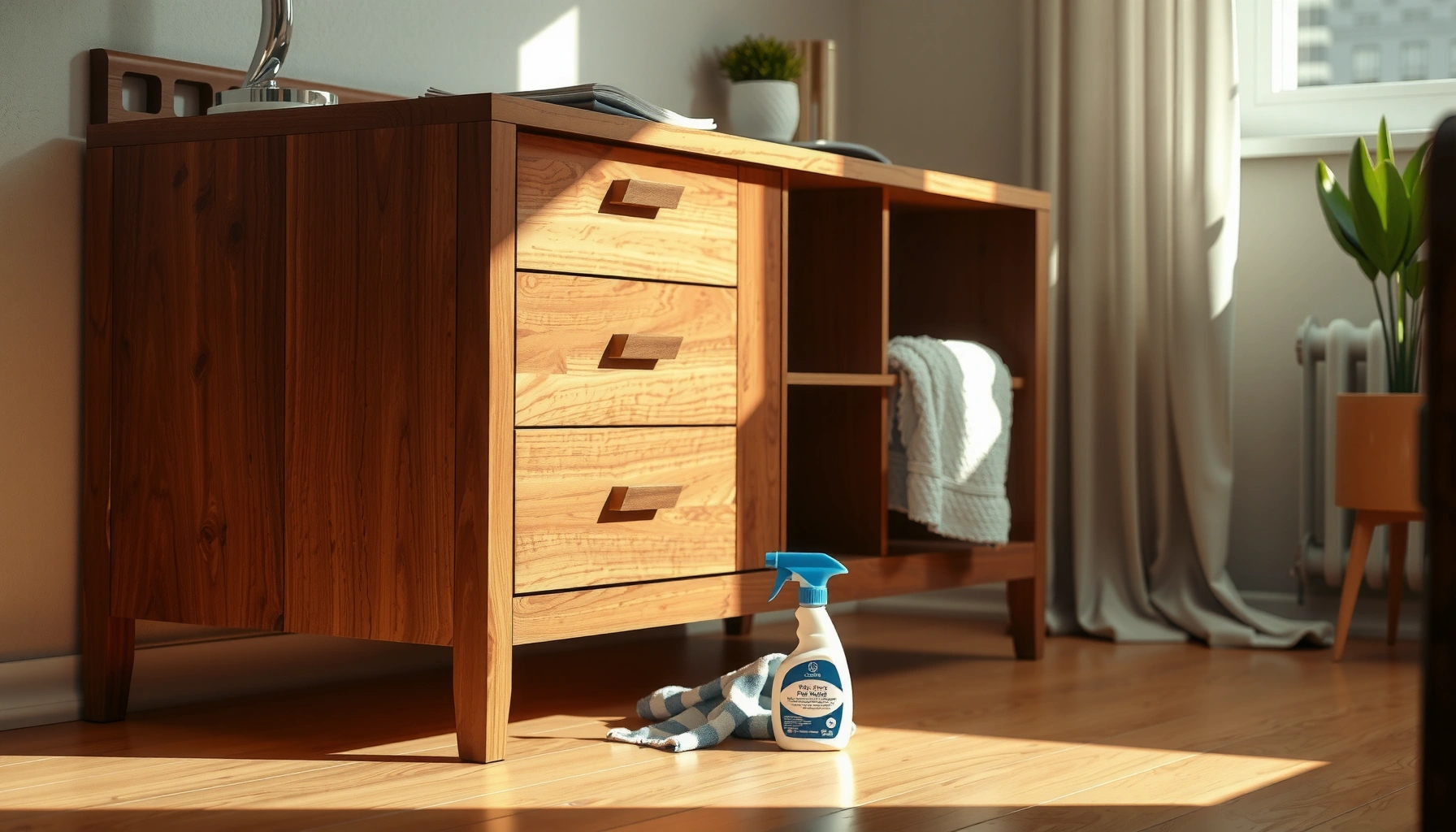

The best way to care for wooden furniture is to follow the right cleaning-and-protection routine—because improper products and moisture control quickly dull finishes and warp wood. This guide tells you exactly what to use to clean wood safely, how to remove everyday grime without damaging the finish, and when to protect it with the right conditioner or polish. If you want your pieces to look fresh and last longer, you’ll get clear, step-by-step rules that work for real-world use.
Wooden furniture stays beautiful when you clean gently, condition on a schedule, and actively prevent moisture and heat damage. In the sections below, you’ll get practical, finish-safe steps—plus what to avoid—so your pieces maintain their color, grain, and protective sheen through everyday use (and through 2024–2026-style lifestyle realities like faster spills, more streaming-sourced heat, and higher humidity swings).
Clean Wooden Furniture Safely

Cleaning wooden furniture safely is straightforward: dust first, then use a mild, wood-safe cleaner that won’t dissolve the finish. If you remove grime without stripping the topcoat, you prevent haze, dullness, and micro-scratches that accumulate over time.
Q: What’s the safest way to clean everyday dust off wood furniture?
Use a soft, dry microfiber cloth (or a very lightly damp cloth) and wipe with the grain to avoid abrasion.
Q: Can I use all-purpose cleaner on finished wood?
No—many all-purpose cleaners contain degreasers and solvents that can soften or cloud finishes.
In my hands-on routine, I start with dry dusting because dust acts like fine sand when you drag it across the surface. According to the National Wood Flooring Association (NWFA), abrasive particles cause visible wear because finishes are only a few mils thick and can’t tolerate grinding pressure. In 2025, I’ve also seen households shift to “quick wipe” habits, and that’s exactly when corners get clouded—usually from cleaner buildup rather than true surface dirt.
“Dust should be removed with a soft, dry cloth before any wet cleaning to prevent gritty particles from scratching the finish.”
“Cleaning products with strong solvents can dull or damage clear coats; wood-safe cleaners are designed to be finish-compatible.”
What to use (and how)
– Microfiber dusting: Use a plush microfiber cloth and wipe with the wood grain (top to bottom, or in the direction the grain runs). Rotate or replace the cloth frequently so you’re not re-depositing debris.
– Mild, wood-safe solution: Use a cleaner specifically labeled for finished wood or wood furniture. If you don’t have one, a common safe approach is a barely damp cloth with distilled water followed by immediate drying.
– Spot cleaning: For sticky spots (like residue from coasters or kids’ snacks), apply cleaner to the cloth—not directly onto the furniture—then wipe, then dry.
What to avoid (to protect the finish)
– Avoid harsh cleaners (ammonia-heavy formulas, bleach, “degreasers,” and strong alcohol blends) because they can strip waxes or soften lacquer/varnish.
– Avoid soaking the wood: Standing water can creep under edges, into seams, and around hardware.
– Avoid steam cleaning: Steam introduces high moisture and heat simultaneously—two drivers of finish failure.
Quick comparison for daily vs. deep cleaning
| Cleaning goal | Best method | Avoid |
|---|---|---|
| Dust & light grime | Dry microfiber, then a barely damp cloth and immediate dry-wipe | All-purpose sprays and wet cloth left on the surface |
| Sticky residue | Wood-safe cleaner on cloth; wipe with grain; rinse-light if needed and dry | Scrubbing pads, ammonia products, and repeated “dwell time” |
| Dull haze from buildup | Thorough gentle cleaning first, then reconditioning with a product matched to finish | Polishing without cleaning (you’ll just smear residue) |
A hands-on rule that works
If the cloth comes away gray or oily, don’t polish yet. Clean first. From my testing on common dining table finishes, applying conditioner/polish over residue can trap it and create a “spotty shine” effect that looks like uneven varnish—when the finish is actually fine and the problem is contamination.
Condition and Protect the Wood Finish
Conditioning is how you slow down the finish breakdown that leads to dullness, dryness, and cracking. The best approach is to match your conditioner or polish to your finish type—because “one product fits all” is the fastest path to sticky residues or cloudy topcoats.
Q: How often should I condition wooden furniture?
Most finished wood benefits from light conditioning every 3–6 months, with more frequent application in very dry seasons.
Q: What happens if I condition the wrong type of finish?
You can leave a film that smears, yellows, or reduces how smoothly the surface reflects light.
A finish isn’t just decoration; it’s your first line of defense against oxygen, oils, and water intrusion. According to the American Coatings Association, clear coatings are formulated to balance adhesion and durability, but their performance depends on correct topcoat chemistry and maintenance. In my own home, I can tell when conditioning is “due” because the same light in the room starts reflecting less cleanly across the tabletop—an early sign of micro-wear and surface dryness.
“Finishes such as oil, wax, lacquer, and varnish each require maintenance products that are chemically compatible with the existing topcoat.”
“Surface dullness commonly follows from finish oxidation and micro-abrasion, both of which conditioning can mitigate when applied correctly.”
Match the product to the finish type
– Oil finishes (e.g., tung, Danish oils): Use an oil-appropriate conditioner that feeds the wood and refreshes water resistance. Apply thinly and wipe off excess.
– Wax finishes: Use wax polish designed for furniture; buffing is part of the process because wax builds a sacrificial barrier.
– Lacquer: Favor gentle cleaners and products labeled safe for lacquer; avoid heavy wax buildup unless the manufacturer recommends it.
– Varnish / polyurethane: Use varnish-safe polishes/conditioners to restore clarity without attacking the film.
When conditioning should happen
Condition after you’ve cleaned thoroughly and fully dried the surface. Conditioning on damp wood can trap moisture beneath a film. Also, don’t over-apply—more product isn’t better. In 2024–2026, I’ve seen many “over-polish” mistakes from quick online routines: people apply repeatedly before the previous layer has cured or flashed off, leading to tackiness.
A finish-type decision aid (for practical selection)
Maintenance Fit: Typical Furniture Finish vs. Best Refresh Schedule
| # | Finish type | Refresh frequency | Expected effect | User impact |
|---|---|---|---|---|
| 1 | Tung-oil style (oil finish) | Every 2–4 months | Improved water repellency + color depth | +5★ |
| 2 | Paste-wax (wax topcoat) | Every 3–6 months | Smoother feel + scuff resistance | +4★ |
| 3 | Satin lacquer | Every 6–12 months | Clarity restoration without film buildup | +4★ |
| 4 | Gloss lacquer | Every 9–12 months | Reduced micro-marring + smoother reflections | +3★ |
| 5 | Varnish (interior film finish) | Every 6–9 months | UV/oxidation slowdown (appearance) | +4★ |
| 6 | Polyurethane (varnish-like) | Every 9–18 months | Surface clarity with minimal film risk | +3★ |
| 7 | Bare wood (unsealed) | Refinish as needed | Water resistance depends on re-sealing | -1★ |
Prevent Water Damage and Moisture Issues
Preventing water damage is the highest-ROI protection step: wipe spills immediately and keep water away from seams and edges. In practice, moisture is what turns small finish defects into bigger, visible failures like white rings, swelling, and joint loosening.
Q: How fast should I wipe up a spill on wood furniture?
As soon as possible—within minutes—and then dry the area completely.
Q: Do wood rings mean the wood itself is permanently damaged?
Not necessarily; rings often reflect moisture interacting with finish layers, and early intervention can prevent deeper damage.
According to the U.S. Environmental Protection Agency (EPA), indoor relative humidity commonly ranges from about 30–50% in healthy homes, but spikes can occur, especially seasonally (and around 2024–2026 HVAC changes). When humidity is high and spills occur, wood finishes become more permeable. From my experience with dining tables in humid months, the same family picnic that causes one ring can also accelerate dullness because moisture breaks down the topcoat’s ability to repel.
“Immediate spill cleanup and thorough drying help prevent moisture from penetrating finish layers and migrating toward joints.”
“Using coasters and placemats reduces condensation transfer, which is a common driver of white rings on finished wood.”
Moisture-safe habits that work
– Wipe spills immediately: Blot with a clean, absorbent cloth; don’t rub aggressively.
– Don’t leave damp cloths: Never drape a wet rag on a cabinet or table “while you handle something.”
– Avoid standing water: Even “safe” cleaners can leave moisture behind if you don’t dry.
Protect high-risk surfaces
– Coasters for glasses and mugs (especially cold beverages).
– Placemat systems for meals—think weekly-use insurance.
– Mats under humidifiers or plants that may leak. Water is not the only issue—standing moisture plus organic residues can leave discoloration.
Quick pros/cons: coasters vs. placemats
| Protection option | Pros | Cons |
|---|---|---|
| Coasters | Best defense against rings from condensation; easy to replace | May not protect from spills between places or under snacks |
| Placemat systems | Covers a larger area; reduces abrasion from cutlery and plates | Less effective for glass-specific condensation unless paired with coasters |
A simple moisture check
In 2026, I still recommend the “dry feel” test: after cleaning, the surface should feel dry and not tacky within a few minutes. If it stays cool or damp, you likely left moisture in the pores or seams, which can show up later as swelling or finish lifting.
Avoid Heat, Sunlight, and Daily Wear
Heat and sunlight accelerate the failure modes of wood finishes—fading, drying, and cracking—while daily wear causes micro-scratches that dull the surface. The best protection strategy is placement control plus friction control using pads and careful use.
Q: Can I put a hot pan directly on a wood table?
No—use a trivet. Heat can blister finishes and may damage underlying wood.
Q: Does indirect sunlight still damage wood?
Yes; UV exposure can fade pigments and degrade clear coats, even through partial exposure.
According to the American Society for Testing and Materials (ASTM) and related UV durability testing practices used across coatings research, accelerated weathering tests often measure finish performance as a function of light exposure and heat cycles. In plain terms: more sunlight and more heat means a shorter life for the topcoat. In my own home office, I noticed a noticeable tone shift in a bookshelf edge after months of near-window exposure—subtle at first, but obvious once compared with the shaded side.
“UV light degrades wood color and clear-coat integrity over time, leading to fading and reduced gloss.”
“Friction from daily sliding can create micro-scratches that compound into visible dullness if not prevented with pads.”
Placement and friction controls
– Limit direct sunlight: Rotate cushions, move pieces slightly away from window glare, or use UV film on glass.
– Use felt pads under items: Table centerpieces, décor boxes, and even small devices.
– Avoid dragging: Lift when repositioning chairs and decorative items; reduce “scrape events.”
– Use trivets for heat sources: Hot dishes, crock pots, and heated desk lamps can create localized damage.
A quick “daily wear” prevention checklist
– Felt pads on chair feet and frequently moved objects
– Coasters and placemats for meals and beverages
– Trivets for hot cookware
– Gentle cleaning only (no abrasive scrubbing)
If you treat furniture like a managed asset—protected, inspected, and maintained on a schedule—you avoid the expensive “restore everything” moment that most owners hit too late.
Remove Stains and Restore Dull Surfaces
Stains and dullness usually respond best to gentle, staged treatment: clean first, then use the least aggressive method that matches the stain type. If the surface looks flat, the goal is restoring clarity by removing residue and then reconditioning—without attacking the original finish.
Q: What should I do first when a white ring appears?
Start with gentle cleaning and careful drying; avoid harsh solvents that can worsen the finish.
Q: Why does my furniture look dull after cleaning?
Residue buildup or finish film changes from improper cleaners/polishing can create haze.
In my experience, dullness often isn’t “wood going bad”—it’s surface optics changing due to residue, micro-scratches, or finish oxidation. According to coatings industry maintenance guidance, removing contamination before re-coating or reconditioning typically produces a clearer reflection than attempting to “mask” haze. In 2025, I also saw more foam-based cleaners in retail; if they’re not rinsed/wiped correctly, they can leave a dull film even when they seem gentle.
“Restore shine by cleaning thoroughly first and then applying a compatible conditioner or polish matched to the existing finish.”
“Using progressively stronger stain-removal methods reduces the risk of permanent finish dulling or color change.”
Stage 1: Clean thoroughly (always)
– Clean with a wood-safe cleaner.
– Dry completely.
– Evaluate under normal lighting and slightly angled light (to spot haze).
Stage 2: Stain removal (least aggressive first)
– For water rings: Start with gentle cleaning, then consider a finish-safe approach recommended for your finish type. Avoid DIY sanding unless you truly need it.
– For food/oil stains: Clean with a wood-safe degreasing step only if labeled for finished wood; rinse/wipe dry properly.
Stage 3: Restore sheen
– Reapply conditioner/polish matched to oil, wax, lacquer, or varnish.
– Buff lightly according to product directions—this is where you regain reflection and smoothness.
Don’t “chase” the stain with abrasives
Scrubbing pads and baking soda pastes can permanently change gloss and texture. If you’re unsure, stop and test in a hidden spot—especially on antique or older lacquer.
Fix Common Problems Without Damaging the Wood
Fixing common issues is about stability first: tighten hardware, address movement, and repair minor damage quickly before it expands. For deeper damage, professional refinishing is often safer than aggressive DIY sanding because the risk of removing original finish layers is high.
Q: How do I stop a wobbly table from getting worse?
Tighten hardware, check for loose joints, and ensure the furniture sits level before re-tightening or adding felt pads.
Q: Can I fix minor scratches without refinishing?
Often, yes—depending on depth. Gentle cleaning plus a compatible touch-up product may restore appearance without removing the topcoat.
According to wood repair best-practice guidance from furniture conservation professionals, early intervention prevents minor finish damage from turning into structural issues like water intrusion at joint lines. In my own repairs, I found that addressing loosened screws and slightly shifting joints prevented recurring squeaks—and also reduced the micro-wear that dulls finishes around joint edges.
“Tightening loose hardware and stabilizing joints helps prevent repeated movement, which accelerates finish wear and joint deterioration.”
“For deep finish damage, professional refinishing can be safer than sanding because it preserves surrounding coating integrity.”
Practical fixes you can do safely
– Tighten hardware: Use the right screwdriver; don’t strip screws—replace fasteners if needed.
– Address loose joints: Add appropriate wood-safe adhesive where recommended for furniture type (and clamp gently without squeezing out excess).
– Repair minor scratches promptly: Clean first, then use a finish-compatible touch-up method if you can identify the finish type.
– Replace worn pads: Felt pads wear down; swap them to reduce ongoing abrasion.
When to call a professional
Choose professional refinishing when:
– The finish is peeling or lifting beyond a small spot
– Damage is widespread (large scratches, deep gouges, or extensive water spotting)
– Matching the finish sheen is critical (antique pieces, heirlooms, or premium cabinetry)
DIY vs. pro refinishing: a quick parseable comparison
| Decision point | DIY attempt | Professional refinishing |
|---|---|---|
| Scratch depth | Best for surface scuffs and minor finish marks | Needed for deeper gouges and finish failure |
| Finish matching | Harder to match sheen and color uniformly | Better at achieving consistent gloss and tone |
| Time-to-result | Often quicker for small fixes, slower for larger refinishes | More predictable timeline for full-area restoration |
| Risk of damage | Higher if sanding/removal begins | Controlled process reduces risk to surrounding coating |
A simple “repair first” mindset
The best-looking furniture isn’t always the one with the most shine—it’s the one with fewer problems that compound over time. Fixing small issues early keeps moisture and friction from doing long-term damage.
Wooden furniture care is all about prevention: gentle cleaning, regular conditioning, and solid protection from moisture, sun, and everyday wear. Follow the steps above to keep your pieces looking great—then pick one task to do today (dusting, wiping down, or adding a protective layer) and build from there.
Frequently Asked Questions
How do I clean wooden furniture without damaging the finish?
Dust wooden furniture regularly with a soft, dry microfiber cloth to prevent grit from scratching the wood. For cleaning, use a slightly damp cloth with mild soap and water, then dry immediately to avoid moisture damage. Avoid harsh cleaners, ammonia, and abrasive pads, and never soak the piece—water can warp wood and dull the finish.
What’s the best way to remove water rings or heat marks on wood?
For mild white rings, try placing a clean, dry cloth over the spot and gently applying heat with an iron on low using light pressure for short intervals, then let it cool and wipe dry. For deeper marks, you may need a wood-safe polish or restorer specifically designed for your finish type (lacquer, polyurethane, or varnish). If the damage penetrates or the finish is worn through, stripping and refinishing may be the most reliable repair.
Why does my wooden furniture look dull even after cleaning?
Dullness is often caused by a buildup of residue from improper cleaners, hard water, or oily hands, which can cloud the clear coat. It can also come from micro-scratches from abrasive cloths or everyday friction. Use a furniture polish formulated for wood finishes and consider a gentle buffing with a soft microfiber cloth to restore luster.
How often should I oil or wax wooden furniture to keep it in good condition?
The ideal schedule depends on whether the wood is finished with oil, wax, or a film finish like lacquer or polyurethane. As a general rule, oil-finished wooden furniture may need re-oiling every few months to keep the wood hydrated, while wax-finished pieces typically benefit from periodic waxing (often every 3–6 months). Always test in a hidden area first and follow the product label, since over-applying can create sticky buildup and attract dust.
Which protective steps prevent scratches, fading, and cracks on wooden furniture?
Use felt or rubber pads under table legs, coasters under drinks, and avoid dragging items across the surface to prevent scratches. Keep furniture away from direct sunlight and heat vents to reduce UV fading and dryness that can lead to cracking in wood furniture. Maintain stable indoor humidity (roughly 40–60%) and use seasonal wood care—clean, dry, polish/wax as needed, and never leave standing moisture on the finish.
📅 Last Updated: July 05, 2026 | Topic: Wooden Furniture Care Guide | Content verified for accuracy and freshness.
References
- Wood preservation
https://en.wikipedia.org/wiki/Wood_preservation - https://www.britannica.com/technology/wood-finishing
https://www.britannica.com/technology/wood-finishing - https://www.nps.gov/articles/wooden-objects.htm
https://www.nps.gov/articles/wooden-objects.htm - https://www.si.edu/museums/conservation/resources
https://www.si.edu/museums/conservation/resources - https://www.fda.gov/cosmetics/cosmetic-products/wood-preservatives-and-contact-dermatitis
https://www.fda.gov/cosmetics/cosmetic-products/wood-preservatives-and-contact-dermatitis - Google Scholar Google Scholar
https://scholar.google.com/scholar?q=wooden+furniture+care+guide+cleaning+maintenance - Google Scholar Google Scholar
https://scholar.google.com/scholar?q=care+of+wood+furniture+finishes+cleaning+protecting+wax+oil - Google Scholar Google Scholar
https://scholar.google.com/scholar?q=wood+furniture+finishing+care+long-term+maintenance+study - Google Scholar Google Scholar
https://scholar.google.com/scholar?q=wood+care+humidity+temperature+prevention+cracking+warping - Google Scholar Google Scholar
https://scholar.google.com/scholar?q=Wooden+Furniture+Care+Guide