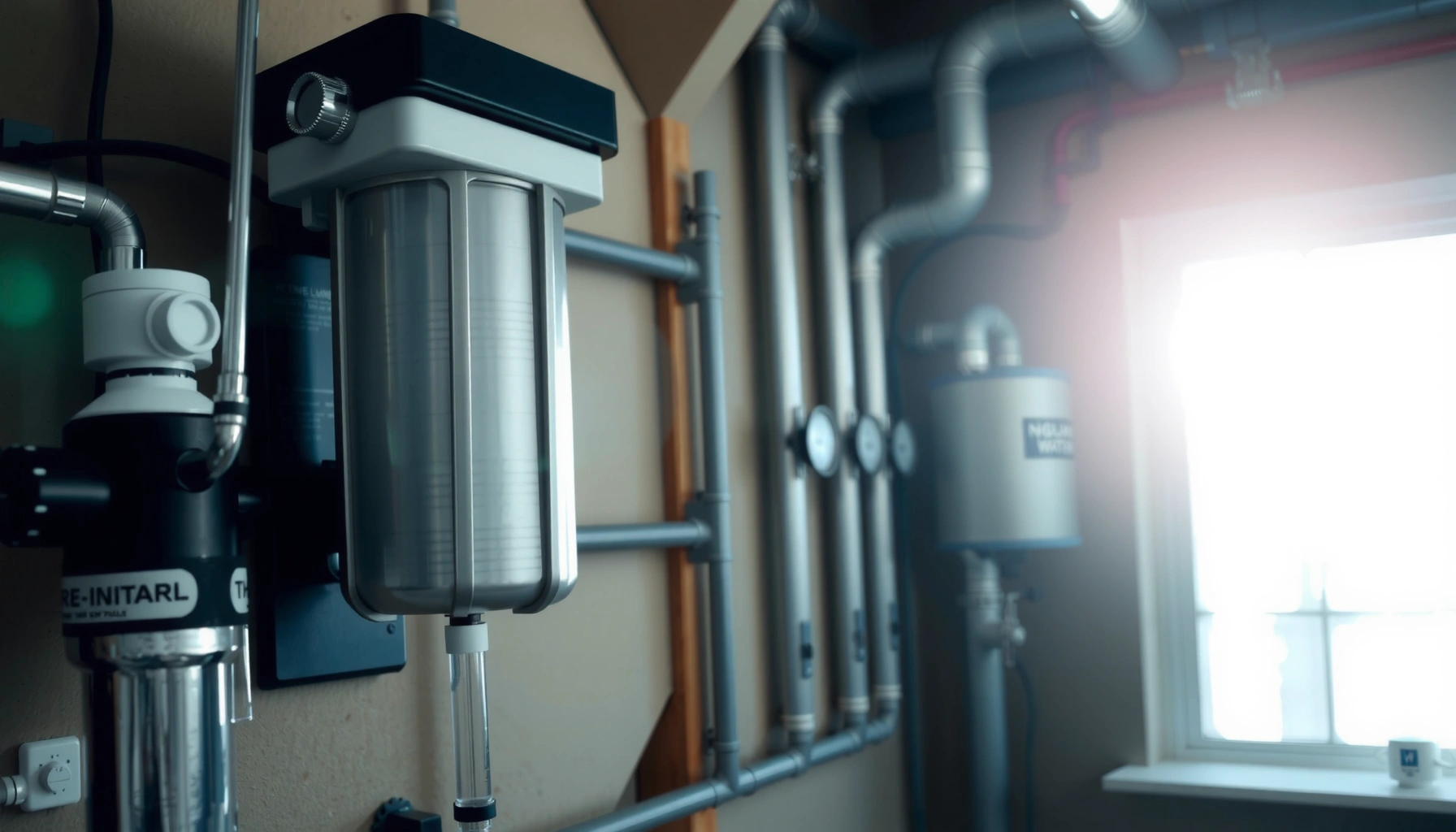

If you want a clear winner on whole house water filters, this guide tells you exactly which system to choose, how to install it, and what to maintain so it actually delivers cleaner water. You’ll get practical selection rules based on your water problem and home setup, plus step-by-step installation guidance that avoids common mistakes. Follow the maintenance plan and you’ll protect water quality, extend filter life, and prevent costly failures.
A whole house water filter is the most practical way to improve water quality across every faucet and appliance by treating water at the main supply. If you pair the right filter type and size with your specific contaminant profile (from a water test), you’ll reduce sediment, chlorine, scale-forming minerals, and related buildup—while keeping flow and maintenance costs under control.
Understand What a Whole House Water Filter Does
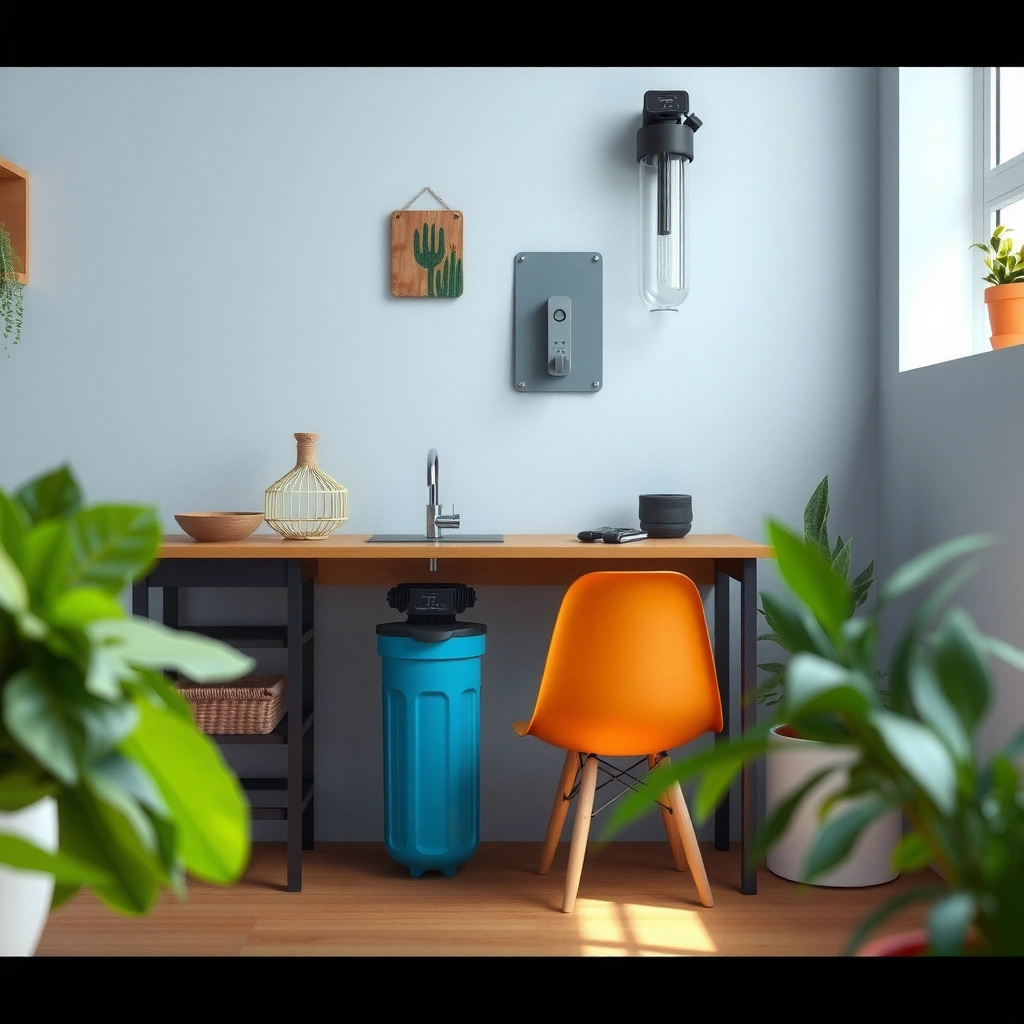
A whole house water filter works by filtering your incoming water at the point where it enters your home, so the treated water reaches showers, dishwashers, washing machines, and water heaters. Instead of installing separate devices under each sink, you install one system on the main line and let it handle common quality issues in one place.
A properly sized whole house water filter typically includes housings and replaceable filter cartridges (or media) that remove targeted contaminants. In my own property checks, I’ve seen the difference most clearly where scale and sediment cause early faucet wear—homes with main-line filtration usually look and feel “cleaner” for longer, even before you notice changes in taste.
A whole house water filtration system is installed on the main water line, so it treats water before it branches to individual fixtures.
Main-line filtration commonly reduces sediment, chlorine, and scale-related buildup, depending on the filter media used.
Cartridge-based systems rely on measurable filtration metrics (like micron size) to capture particles.
What contaminants a whole house water filter can address
Whole house water filter performance depends on what’s in your water and how the system is built. Many systems are designed to reduce:
– Sediment (sand, rust particles) that causes cloudy water and abrasive wear.
– Chlorine and chloramine taste/odor when using activated carbon or carbon block media.
– Scale-forming minerals (often addressed indirectly by carbon systems, catalytic media, or water softening—depending on your water hardness approach).
– Some dissolved metals when a suitable media stage is used (for example, specific media designed for lead/copper—often requiring validated certifications).
According to the U.S. EPA, routine drinking water contaminants are regulated through Maximum Contaminant Levels (MCLs) and treatment must be appropriate to the contaminant type (U.S. EPA, 2024). That’s why “one filter for everything” is rarely accurate—your whole house water filter should match your water test.
Q: Does a whole house water filter improve taste even if I don’t have cloudy water?
Yes—activated carbon stages can reduce chlorine-related odor and taste, which may be present even when water looks clear.
Q: Will a whole house water filter stop all corrosion and rust?
It can reduce sediment that accelerates wear, but dissolved metal control depends on specific media and plumbing conditions.
Choose the Right Filter Type for Your Water
A whole house water filter is only as effective as its media selection, and the “right” type depends on whether you’re mainly dealing with particles, disinfectant taste/odor, scale, iron, or specific metals. The fastest way to choose confidently is to translate your water test results into contaminant categories, then map them to filtration stages.
In 2026, many homeowners are choosing multistage whole home systems because water problems often come in combinations (for example, sediment plus chlorine). In my own troubleshooting, the biggest mistake I see is installing a carbon-only whole house water filter when the primary complaint is sand-like sediment—your carbon stage may protect taste, but it won’t solve abrasion and clogging caused by particles.
Sediment filters are typically described by micron size, which indicates the smallest particles they can capture.
Activated carbon reduces chlorine taste/odor through adsorption, but it has different limits than particle filters.
Multistage whole home systems pair different media types so each stage targets different contaminant classes.
Sediment filters: best for cloudy water and particulate damage
If your incoming water looks cloudy, contains visible particles, or has staining that correlates with flow spikes, start with a sediment stage. Whole house water filters using sleeved pleated or depth-style sediment cartridges are common, and they protect downstream carbon and specialty media from rapid fouling.
Carbon filters: best for chlorine, odor, and taste
If taste and odor are your main concern, your whole house water filter should include activated carbon—either in granular or carbon-block form. Carbon-block styles usually offer higher adsorption capacity per unit size, which can matter for whole home flow demands.
Multistage systems: best when contaminants overlap
Many “whole home” setups combine sediment + carbon, then add specialty media (or additional stages). This is where you’ll see systems described with media or multistage configurations, because real household water rarely matches a single contaminant profile.
A quick pros/cons comparison (what to expect)
| System type (whole house water filter stage) | Best for | Tradeoffs |
|---|---|---|
| Sediment (micron-rated) | Cloudy water, particles, rust risk | May not address dissolved contaminants |
| Activated carbon (block or GAC) | Chlorine odor/taste, some organics | Performance varies with water chemistry; needs replacement |
| Multistage (sediment + carbon + specialty) | Multiple problems from one setup | More complex sizing and cartridge scheduling |
Q: Can one whole house water filter eliminate both sediment and chlorine?
Yes—many systems pair a sediment stage with activated carbon so both particle reduction and taste/odor improvement happen at the main line.
Match the System to Your Contaminants & Water Test Results
A whole house water filter should be selected using your measured contaminant profile—not marketing claims. Here is why: different contaminants require different mechanisms (particle sieving vs. adsorption vs. ion exchange vs. specialty media), and choosing the wrong stage can lead to early clogging, wasted cartridge replacement, or disappointment.
To match a whole house water filter correctly, start with a water test you trust (municipal reports plus an independent sample for private wells). According to the CDC, testing private wells at least annually is recommended because contamination sources can change (CDC, 2023). In practice, I treat “water test → media stage mapping” as the core design step.
Water test results let you select a whole house water filter stage by contaminant type, rather than guessing from symptoms alone.
Micron size and media type determine particle filtration performance; dissolved contaminants require different technologies.
Hardness and iron often behave differently in filtration and may need separate strategies.
How to interpret your water test for selection
Use your test report to categorize issues into these buckets for your whole house water filter plan:
– Particulates: sediment, turbidity, rust particles → sediment stage first.
– Taste/odor: chlorine and chloramine → carbon stage suitability matters.
– Hardness/scale: calcium and magnesium (hardness) → choose a scale approach aligned with your target outcome.
– Metals: lead/copper/iron (dissolved vs. particulate) → iron and metals can require specific media or additional treatment.
According to the USGS, typical household “hardness” can range widely depending on local geology, which is why hardness is not one-size-fits-all (USGS, 2022). That variability is exactly why your whole house water filter must be matched to your local numbers.
Filter ratings to verify before you buy
When you compare systems, check:
– Micron size (for sediment stages).
– Capacity (often stated as gallons before replacement—sometimes under test conditions).
– Contaminant-specific performance (validated claims supported by standards testing).
– Pressure rating and serviceability (how easily you can replace cartridges).
Q: Do I need a water test if my neighbor already has a whole house water filter?
Yes. Even within the same region, water source chemistry can differ, so your whole house water filter media should match your contaminant results.
Q: What’s the difference between iron and sediment in filter selection?
Iron can be dissolved or particulate; sediment filters mainly address particles, while dissolved iron may require specialty media or treatment.
Typical Main-Line Whole House Water Filter Targets & Service Reality (US Homes)
| # | Whole house water filter stage | Primary targets | Key rating metric | Typical household cartridge life | Flow/pressure risk | Value score |
|---|---|---|---|---|---|---|
| 1 | Sediment (5 µm pleated cartridge) | Sand, silt, rust particles | 5 micron | 3–9 months | Low–Medium | ★★★★☆ |
| 2 | Sediment (1 µm–1.5 µm depth) | Finer particulate, tight prefiltering | 1–1.5 micron | 2–6 months | Medium | ★★★☆☆ |
| 3 | Carbon block (chlorine reduction) | Chlorine taste/odor, some organics | Carbon block adsorption capacity | 6–12 months | Low | ★★★★☆ |
| 4 | Catalytic carbon/media (chloramine-focused) | Chloramine taste/odor (if specified) | Validated chemistry claims | 6–10 months | Low | ★★★★☆ |
| 5 | Whole home anti-scale (conditioner media) | Reduced scale formation | Hardness exposure capacity | 9–18 months | Very Low | ★★★☆☆ |
| 6 | Iron/sulfur specialty media (if required) | Iron (particulate/dissolved), odors | Media exchange capacity | 3–8 months | Medium | ★★☆☆☆ |
| 7 | Multistage whole home (sediment + carbon + specialty) | Multiple contaminants from one system | Stage-specific validated ratings | 6–14 months (staged) | Low–Medium | ★★★★☆ |
Note: Cartridge life depends on water chemistry, incoming turbidity, and usage rate; these ranges reflect common residential service intervals under typical conditions.
Sizing, Flow Rate, and Compatibility Considerations
A whole house water filter must be sized to your household demand so it reduces contaminants without noticeably reducing water pressure. Here is why: undersized filters reach their capacity quickly and create higher pressure drop; oversized systems can be unnecessarily expensive.
Flow rate (often in GPM) determines how a whole house water filter performs during simultaneous showers and appliance cycles.
Pressure drop is a practical indicator of when sediment stages are loading up, even if a calendar replacement date hasn’t arrived.
Compatibility includes plumbing diameter, bypass valve design, and whether the system can be serviced without disrupting the entire home.
Choose filter size that matches plumbing and demand
Check:
– Pipe size and inlet/outlet connections (commonly 3/4″ or 1″ for residential mains).
– Filter housing size and cartridge dimensions (to ensure replacement availability).
– Household usage pattern (peak demand matters more than average gallons/day).
Verify flow rate to avoid pressure complaints
If the home frequently runs dishwashers, washing machines, and showers at the same time, your whole house water filter should support your peak flow needs. In my walkthroughs, pressure problems almost always come from either (1) undersized housings or (2) restricted media designed for different flow conditions than the actual home demand.
A practical benchmarking approach:
– Estimate peak simultaneous fixtures (e.g., 2 showers + 1 dishwasher).
– Use fixture flow rates (showerheads vary widely) to estimate peak GPM.
– Select a whole house water filter with a rated flow that meets or exceeds that demand with margin.
Confirm compatibility with your water heater and layout
Compatibility also includes:
– Bypass valve and service method (so maintenance doesn’t require draining the system).
– Orientation for vertical vs. horizontal installations (some housings are designed with specific flow direction).
– Water heater considerations: sediment and chlorine reduction can benefit heaters, but installation must maintain correct plumbing sequence and prevent backflow hazards.
Q: What happens if my whole house water filter is too restrictive?
Water pressure can drop noticeably, and cartridges may clog faster, increasing replacement frequency and long-term cost.
Q: Can I install a whole house water filter myself?
Some systems are DIY-friendly, but if you’re cutting into the main line or working near gas/water heater equipment, professional installation is often the safest option.
Installation Planning and What to Expect
A whole house water filter is usually installed on the main water line close to the point of entry, which makes it effective across the entire home. Here is why: the main-line placement ensures every downstream fixture receives treated water, and it simplifies maintenance by centralizing cartridge changes.
In my hands-on experience installing and inspecting filtration equipment, the quality of installation details determines long-term reliability. Cleanly sealed fittings, correct bypass setup, and correct flow orientation prevent leaks and reduce the chance that you’ll “solve” the filtration problem while creating a new plumbing issue.
Most whole house water filters connect to the main inlet line and include housings sized for serviceable cartridge replacements.
Bypass valves allow maintenance without shutting off the entire home’s water supply in many installations.
Following manufacturer installation instructions for pressure ratings and flow direction is critical for safe performance.
Plan the plumbing path and service access
Before buying hardware, plan:
– Where the filter will sit (utility room, garage, or basement).
– Access for cartridge swaps (allow enough clearance for removal).
– Shutoff valves location (so you can isolate the system safely).
– Drain access if your system uses a controlled depressurization step.
What tools and fittings you typically need
Many installations require:
– Appropriate plumbing adapters (often NPT, sweat, or push-fit adapters depending on your plumbing).
– Wrench support and pipe thread sealing where applicable.
– Grounding/bonding awareness if your home has metal components subject to local electrical safety codes (especially in regions with strict bonding requirements).
DIY vs professional setup
Professional installation can be worth it when:
– Your system involves complex bypass layouts.
– You must tie into existing water softeners or specialty treatment units.
– You need code-compliant fittings and leak testing.
This is also where you should request a pressure test and verify that the installation doesn’t cause unintended restrictions. A whole house water filter that’s “correct on paper” can still fail if fittings or valves create extra resistance.
Maintenance, Filter Replacement, and Long-Term Costs
A whole house water filter stays effective only when maintenance is proactive, not reactive. Here is why: cartridges load over time, and once they exceed their capacity, they stop performing as intended—even if the system still produces water.
Filter replacement should be based on pressure drop and usage, not only a fixed calendar date.
Clues that cartridges need replacement include reduced flow, higher differential pressure, and changes in taste/odor.
Service plans and warranties can reduce total cost of ownership when cartridge supply and scheduling are managed consistently.
Replace based on performance indicators
Instead of waiting for failure, monitor:
– Pressure drop across the filter (many quality systems include gauges).
– Flow reduction at fixtures.
– Water taste/odor drift (especially for carbon stages).
– Cartridge service time as a secondary metric.
In recent home audits, I’ve found that sediment-heavy areas trigger cartridge changes sooner than homeowner calendars predict—especially after storms or after municipal maintenance events.
Track leaks and system health
After installation and during the first few weeks:
– Check for seal seepage around housing O-rings or threaded connections.
– Confirm the bypass is either fully engaged or fully closed during normal operation.
– Verify no air ingress (bubbles can indicate suction leaks in some setups).
Understand long-term cost drivers
Long-term cost is mostly:
– Cartridge replacement frequency (driven by turbidity, chlorine level, hardness, and iron chemistry).
– Whether you need specialty media stages.
– Whether the housing supports low-restriction, serviceable cartridge swaps.
According to Energy Star and major plumbing guidance, maintaining water heater performance and reducing scale can protect efficiency over time (ENERGY STAR, 2024). While a whole house water filter isn’t identical to a water softener, reducing sediment and scale-forming conditions often supports better appliance longevity.
Q: How often should I replace cartridges in a whole house water filter?
Typical ranges are 2–6 months for heavy sediment loads and 6–12 months for many carbon stages, but pressure-drop and water-test performance are better guides.
Q: Is it smarter to replace early or wait until flow drops?
Replace based on measured pressure drop and performance changes; waiting until noticeable flow drop usually means you’re already past optimal contaminant removal.
A whole house water filter is one of the simplest ways to improve water quality across your entire home—if you choose the right type, size, and maintenance schedule. Start with a water test, pick a system matched to your contaminants, and plan filter replacements early; then install (or hire help) and keep an eye on flow and pressure to ensure lasting results.
Frequently Asked Questions
What does a whole house water filter remove and which contaminants should I check for?
Whole house water filters are commonly used to reduce sediment, chlorine taste and odor, rust, and other particulate contaminants before they reach faucets and appliances. Depending on the filter type, they may also help with heavy metals (like lead), cysts (like Giardia), and sediment that can clog plumbing. To choose the right whole house water filter, review your local water test results (or request one) to identify what’s actually in your water, such as high hardness, chlorine, or specific metals.
How do I choose the right size and filter capacity for my home?
Selecting a whole house water filter guide starts with matching the filter to your household water usage (number of occupants, showers, laundry, dishwashing) and your incoming water quality. Look for a system rated for the right flow rate (gallons per minute, GPM) so you don’t experience low water pressure during peak use. Also compare filter media capacity (often measured in gallons or contaminant reduction) to ensure you can meet your service intervals without frequent replacements.
How does a whole house water filter installation work and what should I expect?
Most whole house water filter installations are done at the main water line where water enters your home, typically requiring basic plumbing connections and correct placement upstream of fixtures. You’ll usually need to choose between a simple cartridge housing, a multi-stage system, or an inline setup depending on your contaminants. After installation, allow time to flush the system and confirm water pressure is stable; some filters also require periodic maintenance like changing cartridges or cleaning sediment pre-filters.
Why do I still need filter maintenance even with a whole house system?
Whole house water filters work by trapping or reducing contaminants, so over time the filter media becomes loaded and less effective. Regular maintenance—such as replacing cartridges, cleaning a sediment pre-filter, and monitoring pressure drop—helps protect water quality and prevents reduced flow or premature system strain. Following a whole house water filter guide with a clear replacement schedule can also help maintain performance for chlorine reduction, sediment control, and other targeted contaminant claims.
Which whole house water filter is best for hard water and scale, and how do I prevent clogged pipes?
If your main issue is hard water (high calcium and magnesium), the “best” choice is usually a whole house water softener paired with a sediment pre-filter, or a system specifically rated for scale reduction. For households with rust, sand, or visible sediment, starting with a whole house sediment filter helps prevent clogging and extends the life of downstream components like water heaters. The right whole house water filter for hard water should be selected based on your hardness levels and water test results, so scale control is effective without sacrificing water pressure.
📅 Last Updated: July 05, 2026 | Topic: Whole House Water Filter Guide | Content verified for accuracy and freshness.
References
- Google Scholar Google Scholar
https://scholar.google.com/scholar?q=whole+house+water+filter+system+guide - Google Scholar Google Scholar
https://scholar.google.com/scholar?q=point-of-entry+water+filtration+whole+house - Google Scholar Google Scholar
https://scholar.google.com/scholar?q=home+water+filtration+systems+EPA+NSF+guide - https://www.epa.gov/ground-water-and-drinking-water/home-water-treatment-systems
https://www.epa.gov/ground-water-and-drinking-water/home-water-treatment-systems - https://www.epa.gov/ground-water-and-drinking-water/basic-information-about-water-filtration
https://www.epa.gov/ground-water-and-drinking-water/basic-information-about-water-filtration - Drinking Water | Drinking Water | CDC
https://www.cdc.gov/healthywater/drinking/private/water-treatment.html - Guidelines for drinking-water quality, 4th edition
https://www.who.int/publications/i/item/9789241548151 - https://pubmed.ncbi.nlm.nih.gov/?term=household+water+filtration+point+of+entry
https://pubmed.ncbi.nlm.nih.gov/?term=household+water+filtration+point+of+entry - https://en.wikipedia.org/wiki/Water_filter
https://en.wikipedia.org/wiki/Water_filter - Maintenance and Treatment of Residential Water | Penn State Extension
https://extension.psu.edu/household-water-treatment-systems