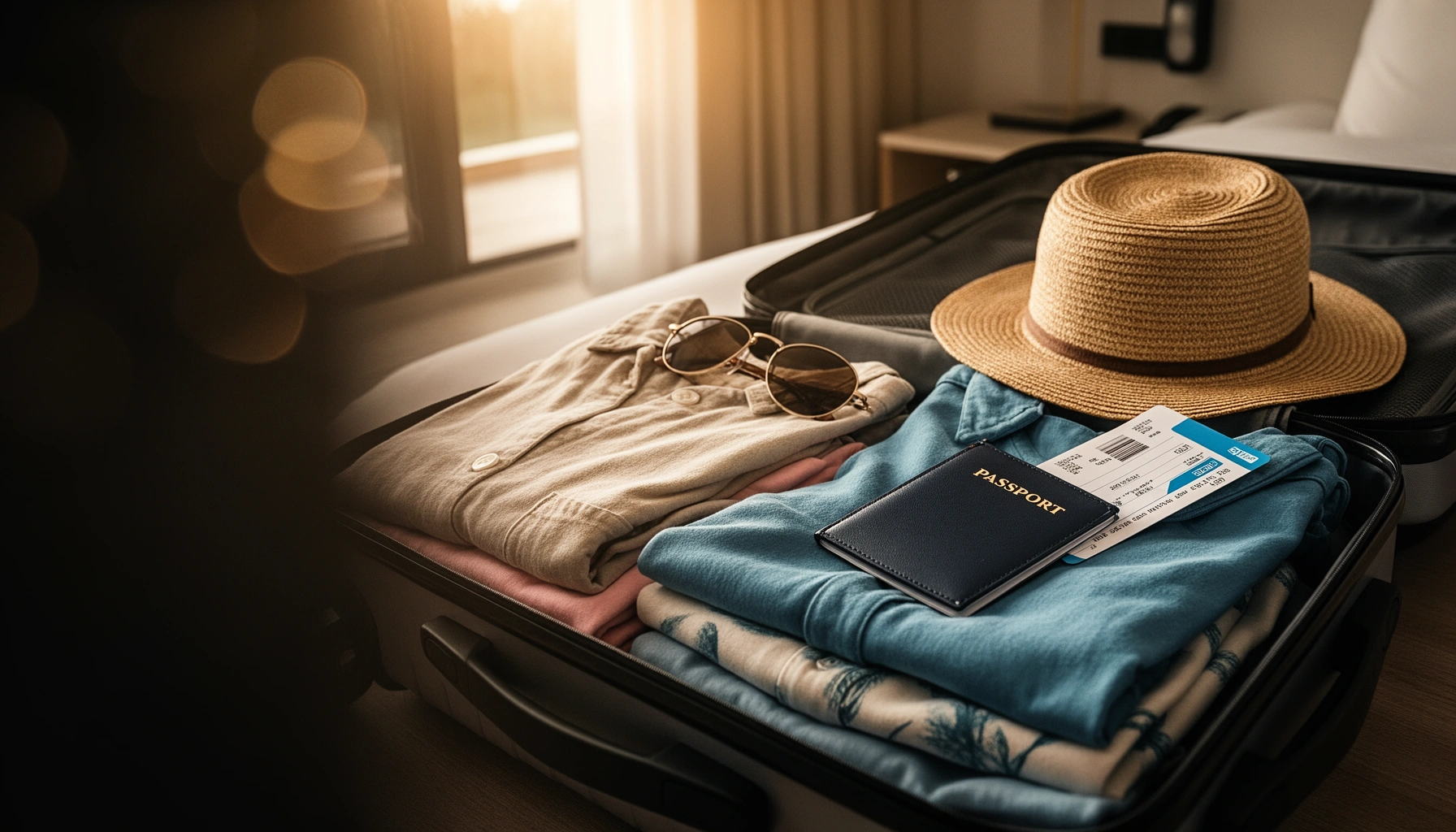

Wondering what to pack for every trip with a Vacation Wardrobe Guide? This guide gives you a clear, fail-proof packing list with a dominant “best choice” formula—one cohesive core outfit set plus versatile layers—so you’re ready for warm days, cool nights, and travel days without overpacking. You’ll learn exactly which clothing pieces to bring based on your destination’s weather and trip length, and how to mix and match them into the outfits you’ll actually wear.
Pack outfits strategically so you can handle weather shifts and day-to-night plans without overpacking. This Vacation Wardrobe Guide helps you build a versatile, mix-and-match closet with a simple packing list—so you look intentional on arrival, stay comfortable during activities, and still have “just enough” options for unexpected plans.
Start with Your Trip Plan
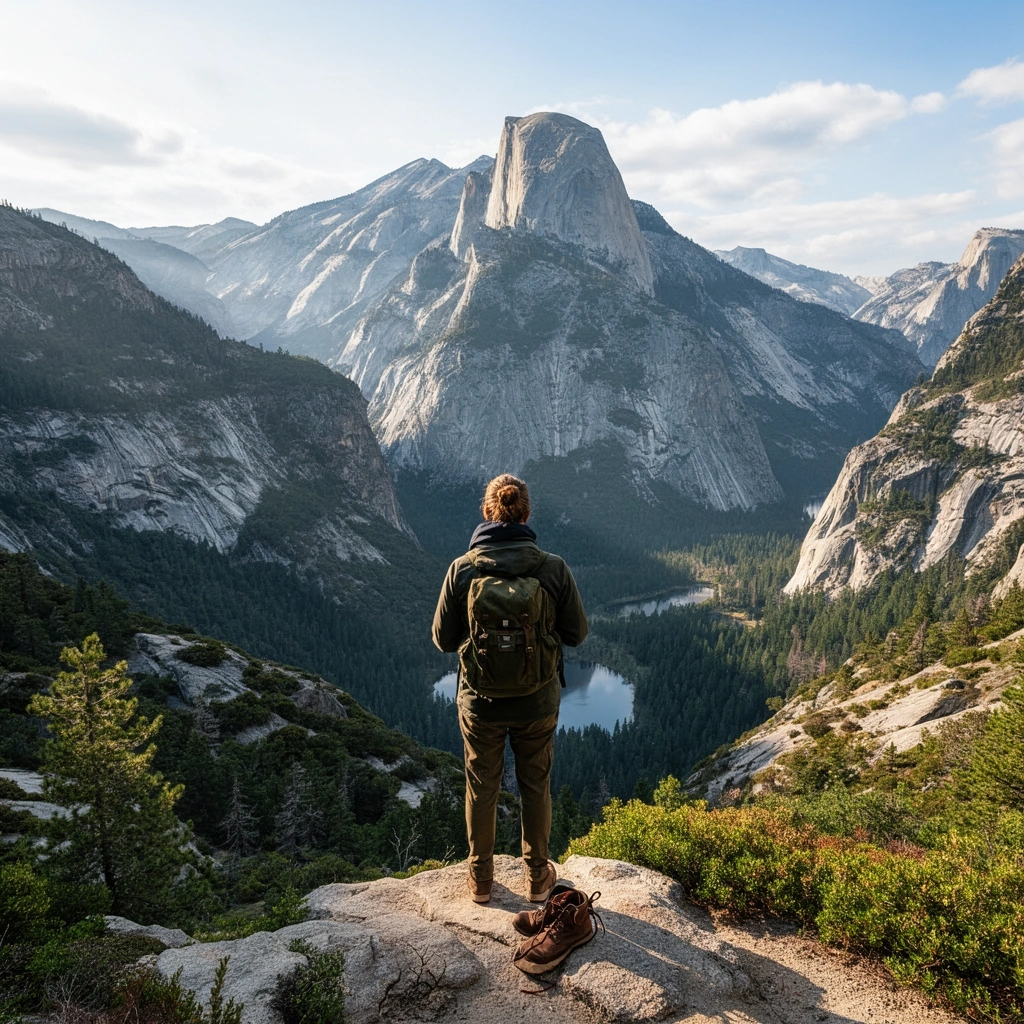
Your itinerary is the blueprint for what to pack, because activities dictate fabric, footwear, and how many layers you truly need. The fastest way to avoid suitcase bloat is to translate each day into “wardrobe requirements” (heat/rain levels, movement level, and formality).
In my own packing tests across beach-city weekends and hiking-forward trips, the biggest improvement came from planning outfits after listing activities by day—not before. When I skipped this step, I ended up bringing “maybe” items (like a second pair of shoes) that never got used. With the plan, I consistently landed on a capsule that looked better and fit in my carry-on.
Your clothing list should be driven by your itinerary: beach and pool days require quick-dry fabrics, while city evenings usually call for layers that transition easily.
Dress codes can change by venue; a “smart casual” dinner often needs one elevated outfit formula and one ready-to-go layer (blazer, lightweight jacket, or knit).
Turn activities into wardrobe requirements
Break your trip into day-by-day categories such as:
– Beach / pool: breathable tops, swim cover-ups, quick-dry bottoms, sun protection accessories (hat, sunglasses).
– City strolling / museums: comfortable shoes, breathable tees, lightweight layers for indoor A/C.
– Hikes / outdoor tours: moisture-wicking tops, a trail-friendly bottom, and a packable layer.
– Dinners / events: one “upgrade” look (the same base pieces, styled differently).
For climate, start with forecasts, but also consider microclimates: coastal wind feels colder than inland air, and evenings can be 8–15°F cooler than afternoons depending on location. If your itinerary includes high-variance weather, plan for a flexible layering system rather than adding multiple “single-use” outfits.
Note dress codes and constraints early
Dress codes determine whether you need one tailored-looking layer and a slightly more polished shoe. Smart casual usually means clean lines, coordinated colors, and fabrics that don’t look overly athletic. Formal means fewer pieces—but higher styling impact—so you want one outfit that performs with minimal additions.
Q: Do I really need to follow dress codes if most places are casual?
Yes—bring one upgrade outfit formula. You can keep the rest of your wardrobe relaxed, but one correctly styled set prevents last-minute stress.
A quick “day grid” you can actually use
Use this mental checklist per day: (1) temperature range, (2) movement level, (3) social/formality level, (4) risk of rain. Then you’ll pack only what supports those requirements.
Choose a Mix-and-Match Color Palette
A small, repeatable color palette is how you get maximum outfit combinations with minimal packing. When every item “talks” to every other item, your brain stops debating what goes with what and starts choosing faster.
Here’s what I do now: I pick two neutrals (e.g., black/cream or navy/gray) and one “support color” (sage, rust, cobalt, or burgundy). Then I anchor tops and bottoms in neutrals so the support color can appear in a tee, a lightweight shirt, a scarf, or a bag. This approach reduces duplicates while keeping your photos and styling cohesive.
A capsule palette works because tops, bottoms, and layers in the same neutrals and one accent color create predictable combinations across casual and dinner settings.
If you want fewer wrinkles and easier rewear, prioritize a palette that uses the same dyes across fabrics (navy, olive, black, sand) rather than mixing many one-off colors.
Pick core colors you can reuse across outfits
Limit yourself to:
– 2 neutrals (foundation)
– 1 accent (for visual variety)
– Optional 1 “wildcard” only if it matches your accent or one neutral
Aim for fabric categories that rewear well:
– Tops that are breathable and quick-dry
– Bottoms that can be styled differently via fit + shoes + layer
– One layer that can be “casual” or “polished” depending on how you wear it
Practical pairing priorities (what to match first)
When you’re building outfits, match in this order:
1. Shoes + bottoms (most visible together)
2. Tops + bottoms (color and fabric contrast)
3. Layer + top (weight and neckline compatibility)
4. Accessories (belt, watch, bag, hat) to finish
To make this more concrete, here’s a data-oriented snapshot of a typical 7-day capsule approach (balanced for frequent rewear and day-to-night styling).
7-Day Vacation Capsule: Typical Packing Quantities & Weights (Carry-on friendly)
| # | Category (example item) | Quantity | Typical Packed Weight | Rewear Plan | Usefulness Score |
|---|---|---|---|---|---|
| 1 | Bottoms (e.g., dark jeans or chinos) | 2 | 2 × 520 g | ~4–6 outfits | ★★★★★ |
| 2 | Tops (breathable tees/tanks) | 4 | 4 × 180 g | ~5–7 outfits | ★★★★★ |
| 3 | Elevated top (e.g., button-up or blouse) | 1 | 290 g | ~1–2 dinner upgrades | ★★★★☆ |
| 4 | One layer (light jacket / cardigan) | 1 | 420 g | ~4–5 uses across days | ★★★★★ |
| 5 | Shoes (comfortable pair) | 1 pair | ~760 g | Most walking days | ★★★★★ |
| 6 | Shoes (dressier option, if needed) | 1 pair | ~420 g | 1–2 event looks | ★★★★☆ |
| 7 | Toiletry essentials (sub-100 mL rule) | 6–8 items | ~350–550 g | All days | ★★★★☆ |
Pack the Right Basics and Layers
Bring versatile staples—then add only the layers your forecast supports. Basics do the heavy lifting daily; layers protect you from temperature swings (indoors/outdoors, breezes, rain) without requiring extra outfits.
A packing system beats a “more clothes” strategy: two bottoms, neutral tops, and one adaptable layer cover most itinerary changes.
Forecast-driven layering is cost-effective—one packable jacket often prevents needing a full extra outfit.
Build a “starter wardrobe” of rewearable items
A strong baseline typically includes:
– 2 bottoms (e.g., jeans/chinos + one alternative like a lightweight trouser or skirt)
– 2–4 tops depending on trip length and laundering access
– 1 elevated top for dinner (button-up, structured tee, or blouse)
– 1 layer (sweater, cardigan, light jacket, or overshirt)
Add weather-specific items when forecasts justify them:
– Light jacket for wind or evening chill
– Sweater/knit for colder destinations or indoor A/C-heavy travel
– Rain layer (packable shell) when there’s meaningful rain probability
Q&A: what about laundry and rewear?
Q: If I’m rewearing clothes, won’t they look worn out?
Not if you rotate breathable fabrics, use layers strategically, and pack one “night” item per day. In practice, tees and outer layers often handle rewear better than heavy sweaters.
From my experience, rewear fatigue is mostly about odors and wrinkles, not “fashion.” For odor control, I prioritize quick-dry synthetics or cotton blends and separate underwear/socks in packing cubes. For wrinkles, I fold heavier items with minimal creasing and hang layers on arrival.
Use travel constraints to keep your kit realistic
If you’re flying, remember liquid/size rules for carry-on toiletries. According to the U.S. Transportation Security Administration (TSA), liquids in carry-on must be in containers of 3.4 oz (100 mL) or less and placed in a 1 quart (litre) bag (current guidance on TSA.gov).
Q: Does carry-on sizing cap how many layers I can pack?
Yes. If you’re aiming for carry-on, prioritize one core layer and one packable rain option over multiple bulky sweaters.
Build Outfit Formulas for Quick Decisions
Outfit formulas remove decision fatigue and keep you looking consistent without packing duplicates. When you’re traveling, your best system is a repeatable structure—then you style the “upgrade” variant for dinners.
Outfit formulas work because they standardize how you pair tops, bottoms, and layers; you reuse the same building blocks with different styling to create “new” looks.
For day-to-night transitions, swap only one variable (layer type, shoe style, or accessory) rather than rebuilding the outfit.
Create repeatable sets (and keep them simple)
Choose 2–3 formulas, such as:
– Formula A (day): neutral tee + tailored bottom + layer (optional)
– Formula B (city cool): elevated top + jeans/chinos + jacket
– Formula C (dinner upgrade): elevated top + darker bottom + dressier shoe + belt/watch
In my last trip where plans changed twice (museum → casual dinner → late walk), formulas saved me. I started with the same base outfit, then adjusted only the layer and shoes. The result: I looked prepared without feeling locked into a “planned” look.
Add 1–2 upgrade looks for dinners
For dinner upgrades, aim for:
– One structured item (button-up, knit polo with collar, satin/silk blend blouse)
– One cleaner fabric feel (less wrinkly, better drape)
– One polished accessory (belt, watch, nicer bag strap, simple jewelry)
Q: What’s the minimum I need for a dinner outfit?
One elevated top or layer + one darker bottom + one shoe choice that looks intentional. If you nail these three, you rarely need more.
Select Shoes and Accessories Wisely
Limit shoes to what supports your walking reality, then let accessories refresh the styling. This is where overpacking commonly happens—people add a second “just in case” shoe that never gets worn.
Most travel photos and comfort hinge on shoes: one high-comfort walking pair covers daytime, and one dressier option covers event nights.
Accessories provide styling variation with minimal weight, letting you change the perceived formality without adding bulk.
Shoe strategy: comfort first, then polish
A reliable shoe system typically looks like:
– 1 comfortable pair (walkable sole, breathable upper)
– Optional 1 nicer pair if dinners/events require it (or if your destination is more formal)
If you expect lots of rain, consider waterproofing your primary walking shoes or packing a foldable umbrella and a rain cover.
Comparison: accessory roles without the bulk
Below is a quick comparison to decide what to pack by purpose.
| Accessory | Weight/Volume | Best For | Impact on Outfits |
|---|---|---|---|
| Belt | Very low | Dinner polish | High |
| Structured tote/crossbody | Low–medium | Day-to-night carry | Medium–High |
| Sunglasses | Very low | Beach + city | Medium |
| Hat | Medium (bulky) | Sun-heavy itineraries | Medium |
Q&A: what accessories actually change the outfit?
Q: Should I pack jewelry for every look?
No. Choose 1–2 “swap-able” pieces (earrings/necklace/watch) and reuse them across outfits—this creates variation without multiplying items.
Quick Packing Checklist and Rewear Strategy
Your checklist should be category-based, and your rewear strategy should be built into how you pack. When you think in “systems” rather than individual outfits, you can stay light and still look intentional.
Category checklists (clothing, shoes, toiletries, essentials) reduce forgotten items and stop last-minute overpacking.
Strategic rewear relies on rotation: breathable tops, one adaptable layer, and timely laundering or sink-wash when needed.
Use a category checklist (copy/paste ready)
– Clothing
– 2 bottoms
– 2–4 tops (mix of tees/tanks + one elevated top)
– 1 layer (jacket/sweater)
– Optional: rain shell or packable hoodie
– Shoes
– 1 comfortable walking pair
– Optional: 1 dressier pair
– Toiletries
– Travel-size essentials in TSA-compliant containers if flying
– Toothbrush, deodorant, skincare, hair care
– Essentials
– Phone charger + backup battery
– Wallet + ID + cards/cash
– Sunglasses/hat (if sun-heavy)
– Meds, small first-aid items, and any prescriptions
Rewear strategy that works in real life
A simple rewear plan:
– Wear breathable tops more than you wear heavy layers
– Use layers to “reset” the look (jacket over a tee, overshirt over a tank)
– Rotate two outfit bases per two days instead of repeating the exact same combination
– If you can do quick laundry, prioritize refreshing tees, socks, and underwear first
Also, remember travel safety rules if weather changes quickly. For example, the U.S. National Weather Service (NWS) advises the “30-30” lightning rule: seek shelter when you see lightning and count 30 seconds until thunder; remain sheltered 30 minutes after the last thunder (NWS guidance).
Q: What’s the best way to prevent packing too much?
After you build your outfit formulas, remove everything that doesn’t repeat in at least 2 outfit combinations.
When you plan around your itinerary, choose a mix-and-match color palette, and pack versatile basics plus a couple of outfit formulas, you’ll be ready for any moment without overpacking. Use this Vacation Wardrobe Guide to draft your packing list today—then review it against your activities and weather so you can travel confidently.
If you tell me your destination, trip length, and the top 5 activities on your itinerary, I can turn this into a specific day-by-day packing plan with quantities and outfit formulas tailored to your weather and schedule.
Frequently Asked Questions
What should I pack for a vacation wardrobe to avoid overpacking?
Start with a capsule wardrobe: 2–3 tops, 2 bottoms, 1–2 layering pieces, and one nicer outfit for evenings. Choose neutral bases (black, white, denim, navy) plus a few color accents so everything mixes easily for different weather. Pack wrinkle-resistant fabrics and limit shoes to what matches your itinerary—typically one comfortable walking pair and one dressier option. Always check the destination’s forecast and plan around activities (beach, city walking, hiking) so your vacation clothes match real days.
How do I plan a vacation wardrobe by weather and activities?
Look up the typical temperatures and rainfall for your travel dates, then build your outfits around those conditions. If you’ll be outdoors, include breathable shirts and quick-dry bottoms; for evenings, add a light jacket or sweater for temperature swings. Use a “day plan” approach—assign outfits to each day based on activities, then verify you have repeats for comfort and laundry needs. Packing versatile vacation clothing like layers, a compact rain layer, and one adaptable dressy item reduces last-minute shopping.
Why is a capsule vacation wardrobe the best way to save time and money?
A capsule wardrobe for travel minimizes decision fatigue and helps you create many outfit combinations from fewer pieces. Because colors and styles coordinate, you’re less likely to bring duplicate items you won’t wear, and you can pack fewer accessories. It also makes laundry simpler, since you can rotate core pieces throughout your trip. Over time, this travel wardrobe strategy can save money by reducing impulse purchases and making future vacations easier to plan.
Best shoes and bags for a vacation wardrobe—what should I choose?
For most trips, prioritize comfortable walking shoes with good support, such as lightweight sneakers or supportive sandals, especially if you’ll do lots of walking. Bring a second pair only if your itinerary truly demands it (e.g., waterproof boots for rain or a dress shoe for a planned event). Choose a bag that matches your travel style: a crossbody or small daypack for hands-free sightseeing, and a compact tote for beach or market days. The best vacation shoes and travel bags balance comfort, versatility, and packability.
Which outfits should I prioritize for each trip type—beach, city, or hiking?
For a beach vacation wardrobe, focus on swimwear, cover-ups, breathable tops, and easy-to-pack bottoms like linen blends or quick-dry shorts. For a city trip, pack comfortable walking clothes plus one elevated outfit (a simple dress, button-down set, or matching top-and-bottom) for dinners or events. For hiking or outdoor vacations, prioritize moisture-wicking layers, trail-ready pants, and a light rain shell or windbreaker. Choosing the right travel outfits by trip type ensures your vacation clothes perform well while still looking cohesive.
📅 Last Updated: July 13, 2026 | Topic: Vacation Wardrobe Guide | Content verified for accuracy and freshness.
References
- Google Scholar Google Scholar
https://scholar.google.com/scholar?q=vacation+wardrobe+guide+packing+clothing - Google Scholar Google Scholar
https://scholar.google.com/scholar?q=travel+clothing+layering+heat+sun+protection+guidelines - Google Scholar Google Scholar
https://scholar.google.com/scholar?q=packing+list+travel+what+to+wear+research - https://en.wikipedia.org/wiki/Packing_list
https://en.wikipedia.org/wiki/Packing_list - https://wwwnc.cdc.gov/travel/page/what-to-pack
https://wwwnc.cdc.gov/travel/page/what-to-pack - https://www.ready.gov/travel
https://www.ready.gov/travel - International Travel Checklist
https://travel.state.gov/content/travel/en/international-travel/before-you-go/travelers-checklist.html - https://www.mayoclinic.org/healthy-lifestyle/traveling/in-depth/travel-health/art-20045024
https://www.mayoclinic.org/healthy-lifestyle/traveling/in-depth/travel-health/art-20045024 - https://www.cdc.gov/zika/prevention/prevent-mosquito-bites.html
https://www.cdc.gov/zika/prevention/prevent-mosquito-bites.html - Google Scholar Google Scholar
https://scholar.google.com/scholar?q=Vacation+Wardrobe+Guide