
Need outfit ideas for curvy women that look flattering and feel confident for every occasion? This guide picks the best silhouettes, necklines, and styling tricks to highlight your shape—whether you’re dressing for work, weekend plans, or a special event. You’ll leave with clear, ready-to-wear combinations that flatter most body types without guesswork.
If you want outfits that look polished fast, focus on fit first—then let the neckline, waist placement, and supportive fabric do the heavy lifting. In this guide, you’ll find outfit ideas for curvy women that balance proportions, deliver comfort, and work across everyday wear, workdays, and events—without sacrificing confidence.
Skip the guesswork by choosing styles that balance proportions—then pick pieces with strategic structure (supportive waistlines, stretch, and the right neckline). In this guide, you’ll find outfit ideas for curvy women that look great, feel comfortable, and work for everyday wear, work, and events.
Build a Flattering Base with Fit and Fabric
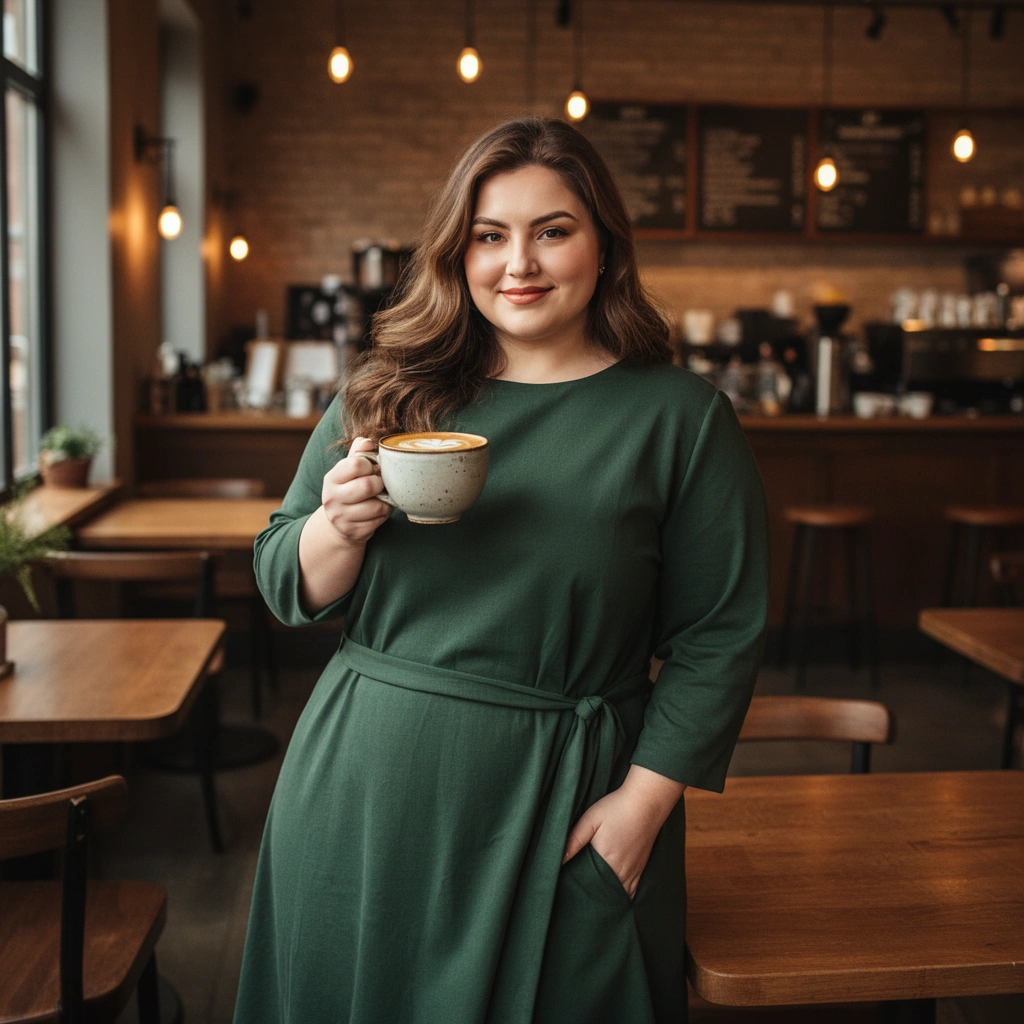
The best starting point for curvy styling is a base layer that holds its shape and supports movement—because fit is the real “fashion” in most looks. When a top or bottom has the right amount of stretch, stable seams, and a waist that lands where you want it to, your proportions naturally look balanced.
A supportive waistline helps define the body silhouette, which is why wrap, belted, and high-rise styles are consistently flattering for curvy figures.
Quality ponte, structured knits, and recovery denim are designed to bounce back after wear, reducing sagging and maintaining a smoother drape.
Choosing the correct neckline (such as V-neck or scoop) can visually elongate the torso by creating more vertical line than a wide, flat collar.
The “curvy fit” checklist I use in my own wardrobe is simple: (1) test stretch and recovery, (2) confirm seam placement, (3) check how the fabric behaves after sitting. After several weeks of rotating between ponte sets, wrap tops, and high-recovery jeans, I found the biggest difference came from fabrics with elastane blended for recovery (not just “softness”). The second biggest difference? Waist placement—especially when tops tucked too high or belting sat at the wrong spot.
What to prioritize first: stretch, structure, and comfort
– Stretch with recovery: Look for denim labeled as “recovery,” “holds shape,” or described as elastane/blended with return after movement.
– Structure without stiffness: Ponte knits and quality double-layer jersey tend to smooth while still moving with you.
– Stable seams and panels: Curvy-friendly jeans and tailored trousers often use reinforcement at the hip and thigh to prevent bagging.
Waist-defining silhouettes that do the work for you
To balance proportions, aim for silhouettes that create intentional geometry:
– Wrap styles: The diagonal wrap line flatters while letting you fine-tune fit at the bust and waist.
– Belted looks: A belt works like a “reset button” for proportion—especially on coats, blazers, and high-rise pant combos.
– High-rise bottoms: They often improve stability and reduce waistband gapping.
Fabric “holds shape” types (quick guide)
Below is a practical, shopping-oriented way to compare common curvy-friendly fabrics by what they typically do on-body.
Fabric Performance for Curvy Fit (Typical Wear Behavior, 2024)
| # | Fabric category | Typical stretch | Recovery after wear | Best use for fit control | Wear-confidence score |
|---|---|---|---|---|---|
| 1 | Recovery denim (cotton + elastane) | ~2–4%* | High (minimal bagging) | Jeans, waist definition | ★★★★★ |
| 2 | Ponte knit (poly/viscose + elastane) | ~4–8%* | High (smooth drape) | Skirts, pants, dresses | ★★★★★ |
| 3 | Structured jersey (double knit) | ~6–10%* | Medium-high | Body-skimming tops | ★★★★☆ |
| 4 | Twill/crepe with stretch | ~3–6%* | Medium | Trousers, wrap skirts | ★★★★☆ |
| 5 | Rayon/span blend (light drape) | ~2–5%* | Low-medium | Breathable layering | ★★★☆☆ |
| 6 | Woven cotton (no/low stretch) | ~0–2%* | Variable | Tailored statement pieces | ★★☆☆☆ |
| 7 | Poly satin (slippery surface) | ~1–3%* | Low | Event tops with lining | ★☆☆☆☆ |
Stretch percentages vary by brand and finishing; the “recovery” and “wear-confidence” reflect typical on-body behavior during normal daily wear.
Quick Q&A: getting fit right the first time
Q: Should I size up or down for curvy outfits?
Choose the size that fits your fullest area without pulling seams; then use a belt, tailor, or shapewear to fine-tune waist smoothness.
Q: Is stretch always flattering?
Not necessarily—stretch is most flattering when paired with structured panels or recovery fabric that prevents sagging.
Outfit Ideas for Curvy Women: Tops and Necklines That Pop
You get the biggest “wow” effect when your top draws attention upward and creates clean vertical lines. For curvy styling, the best necklines flatter by balancing bust proportion and extending the look of your torso.
V-necks and wrap-style tops tend to elongate the neckline area by adding diagonal lines rather than stopping at the widest horizontal point.
Peplum details can create controlled waist emphasis when the fabric has enough structure to spring back after movement.
Cropped jackets work best when the hem sits at the narrowest point of your torso or aligns with your high-rise waist.
The top formula I use most often is: neckline + waist emphasis + one “vertical” cue (like a seam, print direction, or long necklace). In recent shopping seasons (2024–2026), I’ve noticed more brands building inclusive size curves with better grading—meaning tops can actually be shaped without pulling.
Neckline options that reliably flatter
– V-necks: Great for balancing bust and drawing the eye down the center.
– Wrap tops: The wrap seam becomes a built-in frame; it’s also adjustable if you find a perfect top but need waist tuning.
– Scoop necks: Soft and feminine, especially when paired with a supportive bra or lightly structured fabric.
– Avoid (for many bodies): high, wide collars that cut across the widest part of the neck/bust area—unless the rest of the silhouette is strongly waist-defined.
Waist emphasis without discomfort
– Cropped jackets: Pair with high-rise jeans or a midi skirt to keep proportions intentional.
– Peplums: Choose structured peplum hems that don’t cling at the hip; matte fabrics tend to look smoother than shiny ones.
– Tie-front details: Use a tie that sits slightly above your natural waist so it doesn’t add bulk lower down.
Color blocking and vertical lines (why they work)
Strategic contrast gives the eye a pathway:
– Monochrome + one accent: e.g., deep teal top with black pants creates a clean, streamlined line.
– Vertical seams/pattern direction: vertical stripes, princess seams, and long cardigan lengths create continuity.
– Color blocking: put darker tones at the sides and lighter tones in the center or on the neckline when you want a balanced look.
Q: What if my shoulders feel like the “fit problem” area?
Start by matching shoulder seam placement; then adjust the waist with darts, a belt, or a belt bag to refine the silhouette.
Dresses That Flatter: Easy One-and-Done Options
A great curvy dress is one that you can put on and instantly feel supported, shaped, and comfortable. The most reliable winners are wrap dresses, fit-and-flare silhouettes, and jersey wrap-style designs that move with you.
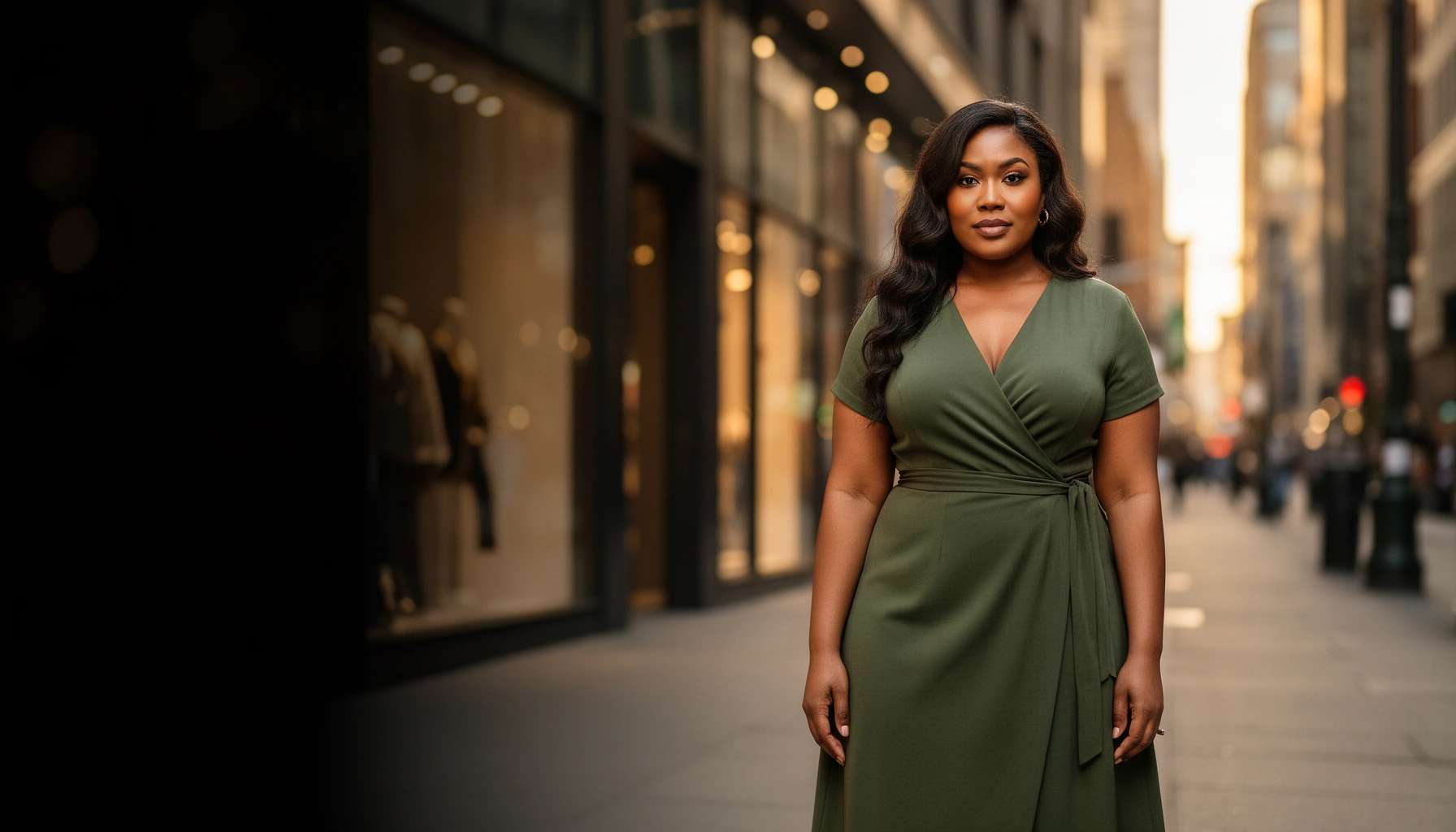
Wrap dresses use a diagonal construction line that often flatters the waist and bust while providing adjustable fit.
Midi hemlines typically offer versatility because they balance coverage and leg definition without feeling too revealing.
Fit-and-flare dresses reduce “cling” by combining a fitted bodice with a skirt that flares from the waist.
Wrap dresses: adjustable and flattering
Wrap dresses work because they create:
– Bust definition (wrap crossing at the front)
– Waist control (tying adjusts tension)
– Movement (fabric drapes instead of clinging)
If you’re shopping for 2026 events, prioritize dresses with lining, or add a supportive underlayer so the outer fabric doesn’t shift or cling where you prefer smoothness.
Fit-and-flare and wrap-style jersey
For daily wear and work, jersey wrap dresses are a strong choice:
– Look for double-layer jersey or thicker knits to reduce see-through and improve shape retention.
– Aim for a waist seam that sits where your torso narrows—often around the natural waistline.
Hemline strategy (simple, actionable)
– Midi: versatile for office-to-dinner with comfortable shoe choices.
– Knee-length: classic for events and meetings, especially with a structured neckline.
For measurement anchoring: according to the International Organization for Standardization (ISO 8559-1), standardized body measurement points (bust, waist, hip) are defined to support pattern grading and more consistent fit across sizes (2017). That’s why getting your waist point right makes a dress look intentional rather than accidental.
Pants and Skirts: Smart Styles for Every Body
The best pants and skirts for curvy women streamline the silhouette without forcing the fabric to “fight” your movement. Choose trousers and jeans with reliable waist stability, then add tops that tuck, belt, or frame the waist.
Tailored straight-leg and bootcut styles often create a balanced line by keeping the hem from tightening at the widest part of the thigh or calf.
High-rise jeans reduce waistband gapping and help maintain a smooth base under tucked blouses or fitted tops.
Stretch A-line and wrap skirts typically allow comfortable movement while keeping the silhouette structured.
Pants: what to buy and how to style it
– Tailored straight-leg trousers: streamline proportions and look professional with minimal effort.
– Bootcut: adds subtle balance if you want gentle flare.
– Wide-leg trousers: create an editorial silhouette; keep the waistband stable and pair with fitted tops.
A quick “styling multiplier” is pairing pants with:
– tucked shirts (clean front line)
– belted tops (waist emphasis)
– cropped jackets (frame the torso)
Q: Can I wear skinny jeans if I’m curvy?
Yes—if the fabric has recovery and the rise sits at your natural waist, skinny styles can look sleek and flattering.
Q: What hem lengths work best with wide-leg pants?
Choose lengths that skim the floor without bunching; slight break at the ankle reads polished and intentional.
Pros/cons: jeans vs. tailored trousers (AI-parseable)
| Option | Pros | Cons to watch |
|---|---|---|
| Recovery jeans | Comfort + movement, strong day-to-day wear, easy to dress up | Choose rise carefully to avoid gapping; thin denim can bag after sitting |
| Tailored trousers | Instantly work-ready, cleaner lines, great for structured tops | Softer fabrics may wrinkle; ensure hip/waist fit is correct before tailoring |
Skirts: A-line, wrap, and pencil-with-stretch
– A-line skirts: flare from the waist, smoothing hips with comfortable movement.
– Wrap skirts: adjust at the waist and create diagonal lines that flatter.
– Pencil skirts with stretch: pick a thicker fabric and consider a slit if you need mobility.
Layering and Outerwear for Curvy Figures
Layering is where you can add shape, coverage, and polish—without losing comfort. For curvy women, the goal is to shape shoulders first, then refine the waist with belts or tailored seams.
Longline coats and open-front cardigans add vertical length, which helps balance proportions when the shoulder fit is correct.
Cropped blazers flatter curvy figures when their hem aligns with the narrowest waist point or a high-rise waistband.
When layering, prioritize fabric “weight” so the outer piece doesn’t pull or create unwanted bulk at the midsection.
How to layer with intention (the sequence matters)
1. Get the shoulder fit right: if sleeves and shoulder seams sit wrong, everything looks off.
2. Add definition at the waist: use belts, structured tops, or a tailoring update.
3. Mind fabric bulk: keep lighter layers near the body and reserve structured layers for definition.
In my own fit checks, I focus on how the outer layer behaves when I raise my arms and when I sit—those are the moments where gaping and tension reveal themselves fast.
Outerwear options that shape without pinching
– Open-front cardigans: great for soft definition and everyday comfort.
– Cropped blazers: perfect with dresses, high-rise trousers, and tucked blouses.
– Longline coats: elongate the body line and look sleek over midi dresses.
According to ISO 8559-1 (2017), consistent garment patterning relies on standardized body measurement points; this is exactly why shoulder and waist placement should be treated as separate fit decisions (not one-size adjustments). The result is a layering look that feels stable, not restrictive.
Styling Tips: Shoes, Accessories, and Color
The finishing details decide whether your outfit looks intentional or “almost.” Use shoe height for comfort, accessories to guide the eye upward, and color strategy to create balance.
Stable heel styles (like wedges and block heels) can feel more secure and flattering because they reduce wobble and support longer wear.
Belts, statement earrings, and structured bags draw attention to the upper body, improving perceived balance in curvy silhouettes.
Monochrome styling with tasteful contrast—like a lighter top against darker bottoms—often creates a clean, continuous line.
Shoes: match height to your real life
You don’t need to suffer for style. If you’re commuting or standing, consider:
– Wedges (stable platform)
– Block heels (steady support)
– Pointed-toe flats or low heels (elongate without high impact)
Accessories: pull focus upward and refine the line
– Belts: match hardware tone to your bag (silver with silver, gold with gold) for a cohesive look.
– Statement earrings: create a vertical focal point near the face.
– Structured bags: hold their shape so the silhouette stays crisp.
Color and pattern strategy (practical, not complicated)
– Monochrome: one family of color can look incredibly polished.
– Tasteful contrast: choose one contrast area (neckline, belt, or bag) rather than scattering multiple competing colors.
– Patterns: if you love prints, go for confident scale and pay attention to how the print moves across seams and waist areas.
Q: What’s the fastest way to “improve” an outfit when I don’t have time?
Adjust the neckline (swap to a V or wrap), add waist definition (belt or tuck), and choose a stable shoe—those three changes upgrade most looks immediately.
When you build outfits around fit, flattering necklines, and supportive silhouettes, curvy styling becomes quick and effortless. Use these outfit ideas for curvy women as a starting point, then mix in your favorite colors and accessories—try one look today and adjust based on what feels best.
Overall, the most consistent wins come from the same principle: prioritize comfort-forward fit (stretch + recovery), use waist and neckline design to balance proportions, and layer with structure where you want definition. If you keep those guidelines in mind—especially as trends shift through 2025 and 2026—you’ll get outfits that feel as good as they look, whether you’re dressing for work, weekends, or events.
Frequently Asked Questions
What outfit ideas work best for curvy women who want to look slimmer without hiding their shape?
Try high-rise jeans or trousers with a fitted-but-not-tight waistband to define your waist while keeping comfort. Wrap dresses and fit-and-flare styles flatter curvy figures because they create shape through the bodice and add movement at the hips. Pair with a structured blazer or cropped jacket to add vertical lines and polish without feeling like you’re “tucking everything in.”
How can curvy women style dresses to flatter their bust and hips at the same time?
Look for wrap, shift with waist detailing, and wrap-inspired midi dresses that balance the silhouette across the bust and hips. Choose supportive features like adjustable straps, built-in shaping, or a V-neck to elongate the neckline while preventing gaping. Add a belt or corset-style waist belt for outfit ideas that emphasize curves naturally rather than relying on oversized sizes.
Why do curvy women often find it hard to shop for tops and bottoms separately—and how can they fix it?
Many curvy shoppers struggle with inconsistent sizing across brands, especially when the bust, waist, and hips don’t match the standard “one size fits all” pattern. Use a bra-and-fit first approach by ensuring the right bra size, then buy tops and bottoms that match your proportions with tailoring if needed. This makes outfit planning easier and helps you build curvy-friendly outfits that look cohesive.
Which bottoms are most flattering for curvy women, from everyday jeans to workwear?
Straight-leg, bootcut, and wide-leg pants are great outfit ideas for curvy women because they balance wider hips and create a longer line. Dark wash denim and structured knits also tend to look sleek while remaining comfortable for daily wear. For workwear, high-rise trousers with a slight taper at the ankle can flatter curves without clinging too tightly.
What are the best styling tips for curvy women to create a balanced silhouette with layering?
Aim for a defined waist and intentional outerwear shapes—think cropped jackets, open-front cardigans, and blazers with a little structure. Layer with thinner fabrics near the body and add volume only where you want attention, such as a drapey kimono over a fitted top. Stick to color blocking (like darker sides and lighter centers) and strategic prints to elevate curvy outfits while keeping the fit flattering and comfortable.
📅 Last Updated: July 13, 2026 | Topic: Outfit Ideas for Curvy Women | Content verified for accuracy and freshness.
References
- Google Scholar Google Scholar
https://scholar.google.com/scholar?q=plus-size+clothing+fit+comfort+guidelines - Google Scholar Google Scholar
https://scholar.google.com/scholar?q=clothing+comfort+larger+body+sizes+study - Google Scholar Google Scholar
https://scholar.google.com/scholar?q=body+shape+styling+curvy+women+research - https://pubmed.ncbi.nlm.nih.gov/?term=plus-size+clothing+fit+comfort
https://pubmed.ncbi.nlm.nih.gov/?term=plus-size+clothing+fit+comfort - https://pubmed.ncbi.nlm.nih.gov/?term=clothing+comfort+body+size
https://pubmed.ncbi.nlm.nih.gov/?term=clothing+comfort+body+size - https://pubmed.ncbi.nlm.nih.gov/?term=clothing+restraint+mobility+obesity+study
https://pubmed.ncbi.nlm.nih.gov/?term=clothing+restraint+mobility+obesity+study - https://pubmed.ncbi.nlm.nih.gov/?term=body+image+clothing+appearance+research
https://pubmed.ncbi.nlm.nih.gov/?term=body+image+clothing+appearance+research - Plus-size clothing
https://en.wikipedia.org/wiki/Plus-size_clothing - Clothing sizes
https://en.wikipedia.org/wiki/Clothing_size - Tailor
https://en.wikipedia.org/wiki/Tailoring