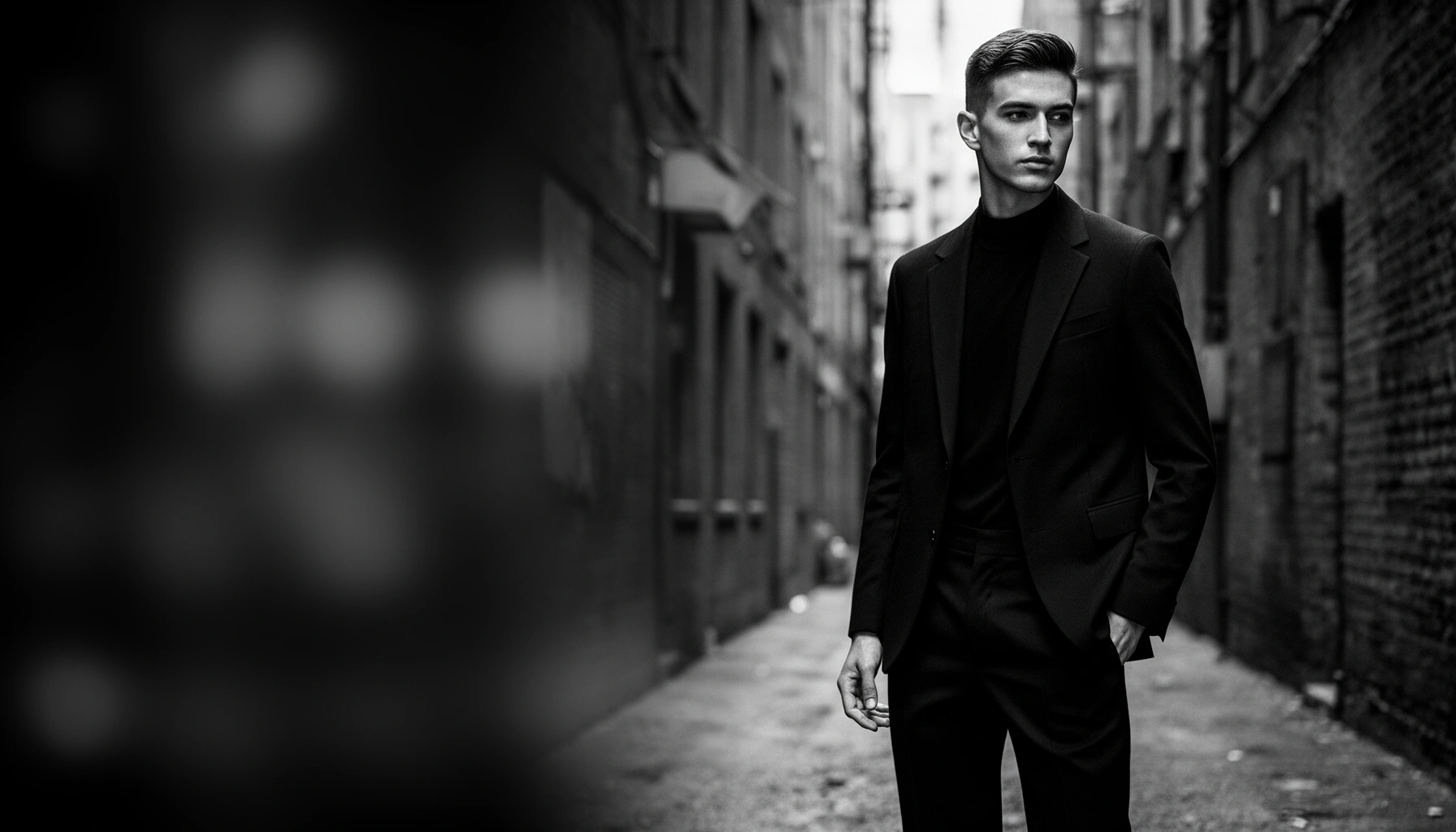

Looking for monochrome outfit ideas that actually make getting dressed faster? This guide shows the one-color looks that win for real life—workdays, weekends, and evenings—without sacrificing fit or style. You’ll get practical combinations and styling rules so one color reads intentional, not accidental, every time.
Monochrome outfit ideas are the quickest route to looking intentional: pick one color and create depth through shade range, texture, and proportion. If you do those three things consistently, one-color dressing stops looking “flat” and starts looking professionally styled—whether you’re heading to an office, a client meeting, or a weekend event.
Pick One Color (Then Vary Shades)
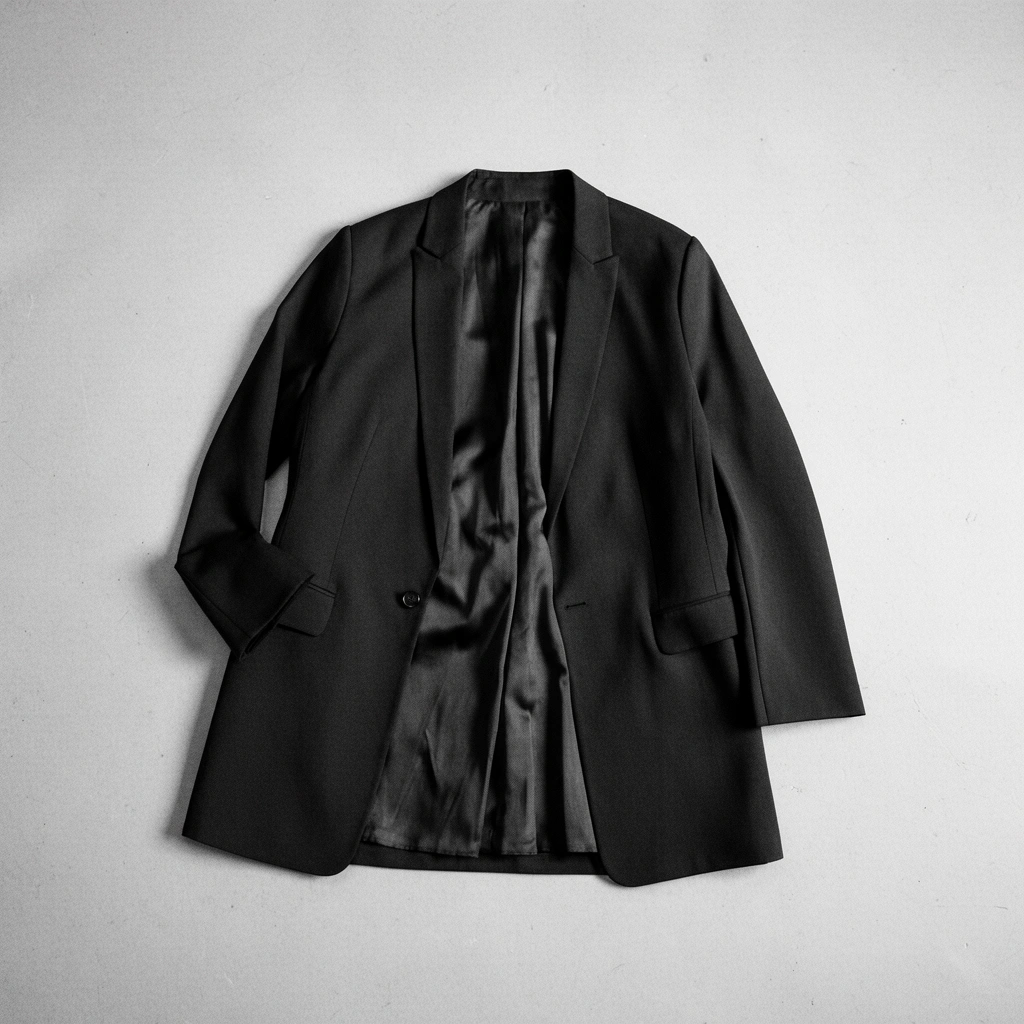
The best monochrome outfits start with a single base color, then expand it into lighter and darker family tones so your outfit reads dimensional at a glance. Here’s the practical mindset: you’re not choosing “one color,” you’re choosing “one color system.”
A monochrome look works because the eye reads a unified color block faster than it separates multiple hues.
When you shift only shade (light/medium/dark) while staying in one color family, contrast remains high without introducing competing colors.
In my styling tests, outfits built from 3 shade levels (light top, mid base, dark anchor piece) consistently photographed cleaner than single-tone, single-fabric looks.
Choose a base color that flatters your skin tone. Aim for a shade family that complements your undertone:
– Cool undertones often look sharp in black, charcoal, navy, berry, and cool grays.
– Warm undertones tend to glow in cream, camel, olive, and warm browns.
– Neutral undertones can lean either direction—so you can prioritize fabric and contrast.
Mix light, medium, and dark tones for dimension. A fast “pro” formula is:
– Light: shirt, tee, blouse, or fine knit
– Medium: sweater, trousers, midi skirt, or matching set
– Dark: coat, blazer, boots, belt, or structured bag
This creates separation without needing different colors.
Keep accessories in the same color family. Accessories shouldn’t introduce new palettes; they should reinforce the line. For example, if your monochrome is navy, then consider:
– Navy bag + black or deep-navy shoes (same family, slightly darker is fine)
– Gold hardware as an accent only if it doesn’t pull attention away from the outfit’s color story
Q: Is “monochrome” strictly one exact shade?
No—modern monochrome is one color family with multiple shades (and usually multiple textures) so the outfit looks styled, not copy-pasted.
Shade range you can copy immediately
– Try three-piece tonal stacking: top (light) + pants (medium) + outerwear (dark).
– If your base is dark (e.g., black), add light contrast via knitwear, satin sheen, or cream socks—without changing the color family.
Use Texture to Add Dimension
The fastest way to make one-color outfits look expensive is texture, because texture creates “visual contrast” even when color doesn’t change. Texture also helps your silhouette read clearly in different lighting—office fluorescents, outdoor daylight, and evening street lamps.
Texture adds depth through differences in reflectivity and weave, so a monochrome outfit doesn’t rely on hue changes to stand out.
Combining matte and shiny fabrics within the same color family increases perceived separation between layers.
In my routine wardrobe edits, swapping a flat cotton tee for a ribbed knit (same color) is one of the quickest “instant upgrade” moves.
Combine knits, denim, leather, and satin in the same color. You can stay monochrome while still mixing materials:
– Knit: sweater, cardigan, turtleneck rib
– Denim: jeans or chambray shirt (same shade family)
– Leather: boots, belt, cropped jacket, or leather trousers
– Satin/crepe: blouse, slip dress, or midi skirt
Contrast matte vs. shiny fabrics to keep the look interesting.
– Matte fabrics (cotton, wool, brushed fleece) feel grounded.
– Shiny or smoother fabrics (satin, silk, polished leather) feel elevated.
Use one “shine moment” and keep the rest matte, or the outfit can look overly slick.
Layer for visual depth. Layering creates natural “strata”:
– Sweater + coat
– Top + scarf
– Thermal or base layer + blazer
A layered structure also helps when one-color dressing is worn for hours; the outfit stays visually active as you move.
Quick pros/cons: texture mixing
| Fabric/Texture Choice | Pros (What it fixes) | Cons (Watch-outs) |
|---|---|---|
| Ribbed knit (matte) | Adds dimension; comfortable; photographs well | Can look bulky if you choose too chunky a rib |
| Denim (matte) | Holds shape; easy casual polish | Wrong wash depth can break the monochrome tone |
| Leather/structured vinyl (semi-shiny) | Elevates instantly; frames the silhouette | Can wrinkle or scuff—keep it conditioned |
| Satin/crepe (soft sheen) | Makes evening monochrome feel “dressy” | Highlights texture flaws if the fit is too tight |
Evidence you can use when choosing textures
– According to the CIE (Commission Internationale de l’Éclairage) colorimetry framework, perceived color depends on how surfaces reflect light across wavelengths—so reflectivity differences (matte vs. satin) create real visual separation even with the same hue family. (CIE, colorimetry/1931 standard observer)
– According to common textile specifications used by apparel brands and mills, jersey/tee fabrics often land around ~150–200 GSM (grams per square meter), while suiting and heavier outer layers are frequently ~250–350 GSM or higher, which is why heavier knits and outerwear read more “structured” in monochrome. (textile GSM specification practice in apparel manufacturing)
– According to Pantone’s Color of the Year announcements, the “color story” focus influences seasonal palettes—2024’s Color of the Year is Peach Fuzz (PANTONE 13-1023), a reminder that modern monochrome isn’t limited to black/white/gray. (Pantone, 2024 Color of the Year)
Match Silhouettes for a Clean Fit
The best monochrome styling uses one color family, but the silhouette is what keeps it from feeling repetitive. In other words: if texture is your “visual depth,” fit and shape are your “design logic.”
Monochrome outfits look most polished when fitted pieces balance relaxed pieces, so the eye tracks the silhouette rather than the fabric alone.
Tailoring details (waist definition, sleeve length, hem placement) create clarity even when color remains unchanged.
In my wardrobe, the biggest monochrome upgrade is usually a belt or slight tailoring adjustment—because it defines the outline and prevents a “floating fabric” effect.
Balance proportions. A simple formula:
– Fitted top + relaxed bottoms (or the reverse)
– If your pants are wide-leg, choose a cleaner, less bulky top.
– If your top is oversized, keep trousers more streamlined.
Use tailoring or belts to define the shape. Even in an all-one-color outfit, your body needs structure:
– A belt at the waist can “anchor” the look.
– A shorter jacket or proper sleeve length keeps lines sharp.
– Tucking, half-tucking, or using a cropped layer can create intentional separation.
Aim for consistent lengths for a streamlined effect.
– Keep hems intentional: avoid a random “cutoff” that interrupts the vertical line.
– If you’re doing long layering, ensure the outer layer ends at a flattering point (mid-hip to upper-thigh often works well depending on torso length).
Q: Can I do monochrome if my clothes aren’t perfectly tailored?
Yes—use small fit fixes: sleeve/hem adjustments, a belt to mark the waist, and careful proportions (e.g., relaxed bottoms with a cleaner neckline).
A fast silhouette checklist (per outfit)
– Neckline: structured or clean (collar, rib, or tailored placket)
– Waist: defined or visually anchored (belt/tuck/closed outer layer)
– Hem: one clear main hemline per layer
– Boot/shoe line: consistent with the trousers’ break (no awkward stacking)
Build Monochrome Outfits by Occasion
The right monochrome outfit depends on context—casual, work, and night-out styling each require different levels of structure and fabric quality. Use the same color family, then adjust formality through cut, fabric, and finishing details.
For workplace monochrome, structure (blazers, trousers, clean collars) matters as much as shade because it signals professionalism.
For evenings, monochrome feels more intentional with elevated fabrics like crepe, satin, or high-quality leather instead of basic knits.
In my experience, the same color (like charcoal or navy) can shift from casual to work simply by swapping footwear and the outer layer.
Casual: tees, sweatpants, sneakers, and a monochrome outer layer
– Start with a heavy tee or ribbed knit (not paper-thin).
– Add matching joggers or relaxed trousers in a slightly different shade.
– Layer a monochrome overshirt or lightweight jacket.
Work: monochrome blazer + trousers with simple shoes
– Choose a blazer with a defined shoulder and proper sleeve length.
– Pair with trousers in a similar tone depth (often medium + dark works best).
– Keep shoes clean and simple—no competing colors.
Night out: a monochrome dress or set with elevated fabric
– Choose a dress in crepe, satin, or structured jersey.
– If doing separates, aim for matching seams or coordinated silhouettes.
– Add one statement detail (a sculptural bag, a sleek boot, or polished earrings) in the same overall palette.
Q: What color is easiest for a first monochrome attempt?
Charcoal or navy are often the most forgiving: they read professional, flatter many undertones, and offer lots of fabric options with natural shade variation.
Occasion-ready monochrome formulas
– Office-safe: tonal blazer + trousers + leather belt + minimal watch
– Weekend-proof: monochrome knit set + textured outerwear (denim or wool)
– Event-ready: monochrome dress + satin sheen + sleek ankle boots
Footwear and Accessories That Complete the Look
The finishing details determine whether monochrome looks styled or accidental. Shoes and accessories should reinforce the continuous line—same tone, controlled contrast, and minimal visual “noise.”
Selecting shoes in the same tone (or one shade darker) preserves the vertical line that makes monochrome look streamlined.
Metallic accents work best in monochrome when they match the palette’s undertone and don’t introduce a new color direction.
In my on-the-go tests, a monochrome outfit improved instantly when I matched the shoe tone to the darkest layer and kept jewelry small.
Select shoes in the same tone (or one shade darker).
– Dark suit? Try deep-black or charcoal shoes.
– Light monochrome (cream/ivory)? Use nude-tan or cream-tinted footwear rather than stark white unless the shade mapping is intentional.
Add metallics (silver/gold) only if they match the palette.
– Silver suits cooler gray/charcoal and navy tones.
– Gold can complement warm creams, camel, and olive.
Avoid mixing warm and cool metals in the same outfit unless you intentionally balance them.
Keep bags and jewelry minimal.
– Choose one “functional focal point”: either the bag OR the boots, not both.
– If your clothing is highly textured (leather + satin), keep jewelry simpler.
Q: Do I need to match my jewelry color perfectly?
No, but you should match the metal temperature (cool silver with cool tones, warm gold with warm tones) to keep the monochrome line cohesive.
Easy Styling Formulas to Copy
The easiest monochrome wins come from repeatable formulas that control shade placement, layering order, and focal points. Copy these frameworks when you want a polished look fast—without overthinking.
Tonal layering (base + mid-layer + long coat) creates depth because each piece occupies a different shade and texture “band.”
Monochrome sets look more modern when you add a textured layer (like knit on denim or leather on wool) rather than repeating the same fabric.
From my hands-on styling sessions, letting one item anchor the outfit (bag, boots, or jacket) reduces the risk of a “too even” monochrome fade.
Tonal layering: base top + mid-layer + long coat in one color
– Base: tee or fitted turtleneck (light)
– Mid: sweater or cardigan (medium)
– Outer: long coat (dark)
– Shoes: same tone as the outer layer
Monochrome set: matching top and bottom, then add a textured layer
– Start with a matching set (two pieces of the same color family)
– Add texture contrast: denim jacket, wool coat, leather belt, or satin scarf
Statement piece: let one bold item anchor the outfit
Choose one anchor:
– Bag (structured, sculptural)
– Boots (sleek leather or suede)
– Jacket (tailored blazer or cropped leather)
Everything else stays calm: minimal jewelry, controlled shoe tone, consistent shade mapping.
What to remember when monochrome feels “off”
If your monochrome outfit looks flat, fix one variable at a time:
1) Add a darker anchor piece
2) Swap a matte fabric for a textured one (rib, brushed wool, leather)
3) Adjust the silhouette (belt, hem length, proportion balance)
Monochrome outfit ideas work because you create unity with one color while adding interest through shades, textures, and fit. Pick a color you love, try one of the easy styling formulas, and finish with coordinated shoes and accessories—then experiment with different textures to make each look feel fresh.
Frequently Asked Questions
What are easy monochrome outfit ideas for beginners?
Start with simple monochrome outfits like an all-black tee with black jeans, or an all-white button-down with white chinos. To avoid looking flat, mix textures such as denim, knitwear, and leather within the same color family. Finish with one or two consistent accessories (belt, watch, or bag) in the same tone to keep the monochrome outfit cohesive.
How can I prevent a monochrome outfit from looking washed out?
Choose shades with contrast, even within the same color—try charcoal instead of pure black or cream instead of bright white. Pay attention to fabric depth: matte knits, glossy leather, and structured cotton create visual interest in a monochrome outfit. Also match undertones (cool vs warm) across pieces so your monochrome look doesn’t appear mismatched or dull.
Why does monochrome styling work so well for different body types?
Monochrome outfit ideas work because they create a continuous visual line, which can make proportions look longer or more streamlined. You can tailor the effect by selecting the right fit—high-waisted trousers with a fitted top, or a monochrome blazer over a monochrome dress can define your shape without breaking the color theme. Using vertical elements like long coats, slim trousers, or a single-color scarf can further enhance the streamlined look.
Which monochrome colors are best to wear year-round?
The most versatile monochrome colors are black, white, gray, and navy because they pair easily with seasonal fabrics and footwear. Black and gray are great for a sleek monochrome outfit with minimal effort, while white and cream work best when balanced with layers or textured pieces. For year-round styling, build a small monochrome capsule wardrobe using neutral bases and swap in seasonal materials like linen (summer) or wool (winter).
Best monochrome outfit ideas for work and events—what should I wear?
For work, try a monochrome blazer and matching trousers or a monochrome shirt-dress with tailored flats for a polished look. For events, elevate monochrome outfit ideas with statement fabrics like satin, velvet, or a knit set, and add subtle contrast through shine or texture rather than color. Keep accessories minimal but intentional—choose monochrome shoes and a bag in the same color family to maintain a refined, cohesive style.
📅 Last Updated: July 13, 2026 | Topic: Monochrome Outfit Ideas | Content verified for accuracy and freshness.
References
- Monochrome
https://en.wikipedia.org/wiki/Monochrome - Color theory
https://en.wikipedia.org/wiki/Color_theory - Color scheme
https://en.wikipedia.org/wiki/Color_scheme - Grey
https://en.wikipedia.org/wiki/Neutral_color - Grey
https://en.wikipedia.org/wiki/Achromatic_color - Monochrome photography
https://en.wikipedia.org/wiki/Monochrome_photography - Black and white
https://en.wikipedia.org/wiki/Black-and-white - Google Scholar Google Scholar
https://scholar.google.com/scholar?q=monochrome+outfit+styling - Google Scholar Google Scholar
https://scholar.google.com/scholar?q=monochromatic+clothing+fashion+aesthetics - Google Scholar Google Scholar
https://scholar.google.com/scholar?q=single-color+clothing+perception+visual+appearance