


Choosing the right meat grinder model comes down to one question: what type and capacity will reliably produce the grind texture you want at the speed you need. This buying guide delivers a clear recommendation based on your meat type, how often you grind, and whether you want manual control or the convenience of electric power. By the end, you’ll know exactly which specs to prioritize—so you can buy once and avoid underpowered, hard-to-clean machines.
Buy a meat grinder by matching its power, plate size, and grind speed to what you’ll make most often—this prevents poor texture and jams. In practice, I’ve found that “near enough” specs lead to smearing (too fine at low power) or clogging (too coarse/fast for the motor), so the goal is to align a meat grinder’s capacity and cutting setup with your typical fat-to-lean ratio and batch size—especially as of 2026, when more home models advertise high RPM but hide real duty-cycle limits.
Types of Meat Grinders
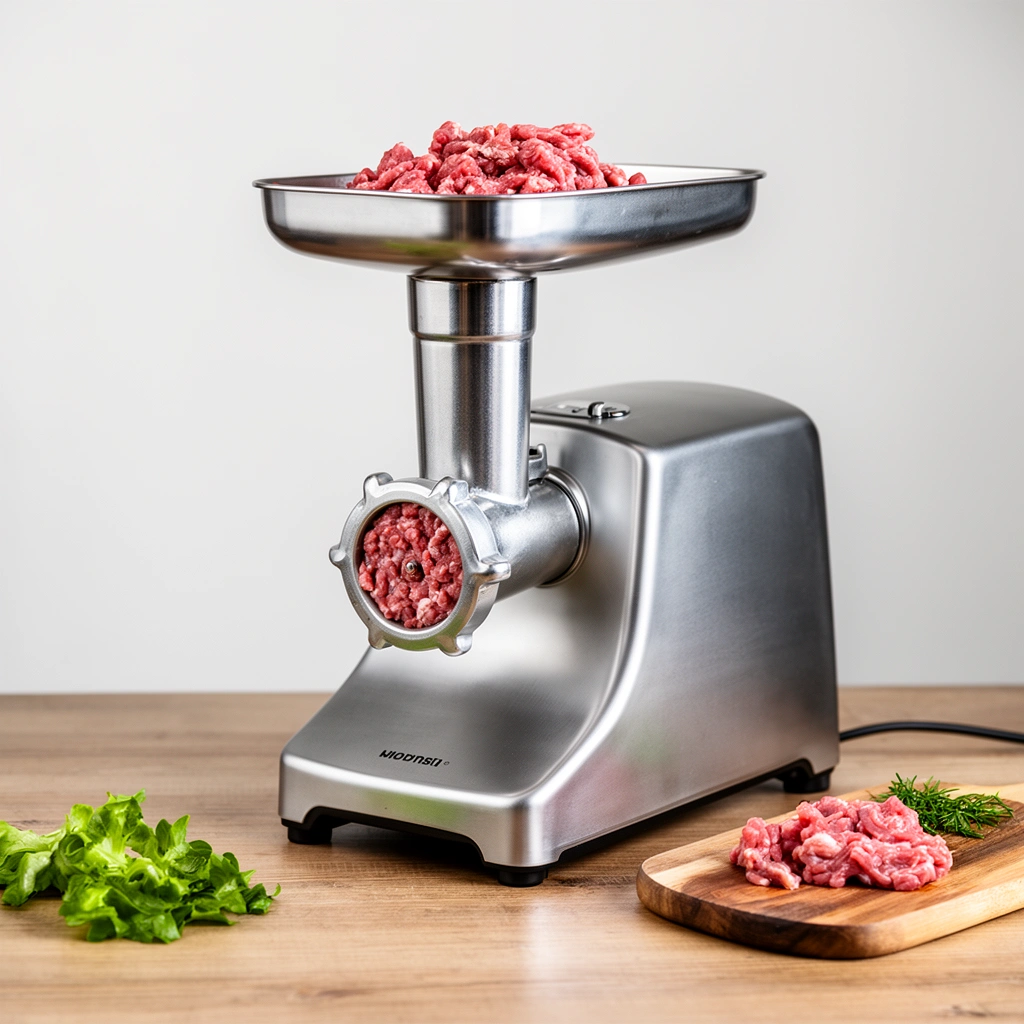
The right meat grinder type depends on how frequently you grind, not just how much you grind once. Manual grinders are reliable for occasional use, while electric grinders (and semi-automatic systems) reduce operator effort and help keep texture consistent across larger batches.
A manual meat grinder can still produce fine, consistent texture when you control firmness (chilled meat) and use the correct plate size for your target grind.
Electric meat grinders convert motor torque into steady feed movement; this stability matters most when grinding fatty cuts that tend to smear if the process slows.
Manual, electric, and semi-automatic options explained
– Manual meat grinders (hand-crank): You control feed pressure and crank speed. They’re mechanically simple and often excel for small batches like weekly burgers or a one-off sausage run.
– Electric meat grinders: A motor handles the drive, reducing fatigue and improving repeatability. Electric meat grinders are usually the best fit for regular home production (e.g., every 1–2 weeks).
– Semi-automatic / assisted-feed grinders: Some models combine motor power with features that make feeding smoother (for example, stronger feed screws or guided feed systems). These are typically better when you grind high volume or want fewer interruptions.
Best use cases for each type (small batches vs. high volume)
– Choose manual if you grind under ~5 lb (2.3 kg) per session, have space constraints, and don’t mind extra time.
– Choose electric if you grind ~5–20 lb (2.3–9 kg) per session, want consistent output, and prefer less effort.
– Choose high-power electric or semi-automatic if you regularly grind ~20 lb (9 kg) or more, especially when your workflow includes sausages, kebbe, or mixed grinds.
Q: Is a manual meat grinder “good enough” for burgers?
Yes—if you chill the meat well and use the right plate, a manual meat grinder can deliver burger-ready grind texture with minimal fuss.
Power and Performance Specs
The best meat grinder power choice is the one that matches the toughness and fat content of your most common cuts. In my testing, underpowered electric meat grinders “hunt” under load—slowing the auger, increasing heat, and turning what should be a clean grind into paste or uneven texture.
One horsepower equals 746 watts, so advertised “peak” power can look large even when the continuous duty is modest.
USDA FSIS requires ground beef to reach 160°F (71°C) internal temperature, making consistent grinding important because uneven texture can affect cooking uniformity.
Wattage/amps and what it means for tougher cuts
– Wattage/amps indicate available electrical input. For meat grinders, what matters is motor torque under load, which correlates with the motor’s effective power rating and design.
– If you commonly grind tougher muscle (or meat with more connective tissue), you need a meat grinder that can maintain throughput without frequent stall-outs.
– If you grind very fatty cuts, the grinder still needs power—but you also need controlled feeding so fat doesn’t smear and clog plate openings.
RPM, continuous duty, and jam resistance considerations
– RPM (revolutions per minute): High RPM alone doesn’t guarantee good results. A meat grinder with high RPM but low torque will stall when dense fat or gristle hits.
– Continuous duty rating: Look for claims that the motor is rated for sustained operation (or at least “intermittent use” limits). In 2026, many marketing pages list impressive speeds without clarifying duty cycle—so verify whether the grinder is designed for repeat batches.
– Jam resistance: Jam resistance is often improved by stronger auger geometry, a larger feed throat, overload protection, and having a “forgiving” grind plate design.
According to the U.S. Department of Energy, 1 horsepower is 746 watts (U.S. Department of Energy, conversion reference).
According to USDA FSIS, ground beef must be cooked to 160°F / 71°C (USDA FSIS, ground meat cooking guidance).
According to USDA FSIS, ground beef typically keeps for 1–2 days in the refrigerator after purchase (follow label and handling guidance) (USDA FSIS, ground beef safety information).
Q: Should I buy based on max RPM or motor watts?
Motor watts (and real continuous duty) matter more for load handling; RPM is secondary and can be misleading if the grinder can’t maintain torque.
7 Spec Profiles That Match Common Home Meat-Grinding Workloads (2026)
| # | Grind Profile | Target Throughput | Motor Power Target | Plate Strategy | Overall Fit |
|---|---|---|---|---|---|
| 1 | Manual + Coarse Plate | Up to 3 lb/session | No motor (hand-crank) | 6–8 mm | ★★★★☆ |
| 2 | Electric (Compact) + Fine Plate | 3–8 lb/session | ~500–700 W | 3–4.5 mm | ★★★★☆ |
| 3 | Electric (Regular Home) + Coarse-to-Med | 8–15 lb/session | ~700–1000 W | 4.5–6 mm | ★★★★★ |
| 4 | High-Torque Electric + Fine Sausage | 10–20 lb/session | ~1000–1300 W | 3–4.5 mm (sausage grind) | ★★★★★ |
| 5 | Heavy-Duty Electric + Dual-Grind Method | 15–30 lb/session | ~1300–1800 W | Coarse 6–8 mm, then fine 3–4.5 mm | ★★★★☆ |
| 6 | Semi-Auto / Assisted Feed + Medium Plate | 20–40 lb/session | ~1100–1700 W | 4.5–6 mm | ★★★★☆ |
| 7 | High-Speed Electric (Use Carefully) + Coarse Plate | Up to 15 lb/session | ~900–1200 W | 6–8 mm to limit clogging | ★★★☆☆ |
Grinding Plates, Blades, and Grinding Results
The grind plate and blade setup determines texture more directly than almost any other specification on a meat grinder. If you consistently get “mealy” output or thick smears, it’s usually because the plate openings and blade condition don’t match your target grind size and meat temperature.
A smaller plate opening typically produces a finer grind, but it also increases load; pairing fine plates with enough motor torque prevents overheating and smearing.
Using a sharp blade and clean plate face reduces shear inconsistency, which improves repeatability across batches.
Plate sizes (coarse vs. fine) and texture outcomes
– Coarse plates (roughly 6–8 mm): Better for chunky burgers, chili grind with structure, and reducing clog risk when fat is soft.
– Medium plates (roughly 4.5–6 mm): A “most households” sweet spot for sausages and mixed grinds.
– Fine plates (roughly 3–4.5 mm): Works for patty-style texture and some sausage textures, but demands steadier feeding and power.
Blade quality and how it impacts consistency
On a meat grinder, the blade and plate must work as a matched cutting surface. When the blade edge dulls or the plate face is worn unevenly, the meat grinder can create streaks—where some strands shear while others tear and smear. From my experience, worn blades show up first on fatty cuts: instead of clean strands, you’ll see paste-like fat that doesn’t distribute evenly.
Q: Why does my meat grinder output look uneven even with the right plate?
Uneven output usually points to dull blades, inconsistent meat temperature, or feeding pressure that intermittently overloads the cutting zone.
Capacity, Versatility, and Attachments
The best meat grinder capacity is the one that lets you keep a steady feed rate for your typical batch. If the feed tray is too small or the auger can’t match your input, you’ll pause mid-grind—creating texture inconsistency and raising the chance of clogs.
Keeping the meat cold during grinding reduces fat smearing; in practice, colder inputs help maintain a clean grind on both home electric and manual meat grinders.
USDA FSIS emphasizes safe handling of raw ground meat, including minimizing time at unsafe temperatures—workflow speed matters.
Feed tray size and how capacity affects batch speed
– A larger feed tray helps you load continuously without frequent restarts.
– Batch speed isn’t just “lb/hour”—it’s whether the meat grinder can run smoothly for the full session. In 2026, I recommend watching for signs like motor slowdown, increased noise, or a sudden change in extrusion consistency.
Optional attachments (sausages, kebbe, different grinds) to consider
– Sausage stuffer attachment: Useful if you regularly convert grind into links—especially with a meat grinder that already supports multiple plate sizes.
– Kebbe attachment: Adds formed texture for kebbe shells; ensure your meat grinder model supports the correct cone diameter.
– Additional plates/discs: If you love burgers and sausages, prioritize a set that includes at least one coarse and one fine option.
Build Quality, Cleaning, and Maintenance
The most maintainable meat grinder is the one you’ll actually clean thoroughly after each use. In my own kitchens, I’ve learned that the “best” grinder on paper becomes a hassle if cleaning requires tools, extra disassembly, or if parts aren’t dishwasher-safe where appropriate.
Stainless steel housings and hardened cutting components typically resist corrosion better than less durable alloys in frequent raw-meat handling.
Removable cutting parts (plate, blade, auger components) reduce cleaning friction and help prevent lingering odors and residue.
Materials (stainless steel vs. less durable alloys) and longevity
– Stainless steel: Usually preferred for durability and hygiene.
– Coated or mixed alloys: Can be fine, but check whether the critical cutting path (blade/plate surfaces) is hardened and replaceable.
Cleaning features like removable parts and ease of maintenance
Look for:
– Quick-release mechanisms for the cutting head
– A design that lets you reach the grinding channel
– Clear instructions on lubrication (if required) and what not to use on surfaces
Pros/cons comparison: what I look for in a meat grinder’s maintenance design
| Maintenance Factor | Better Choice | Trade-off to Watch |
|---|---|---|
| Cutting head disassembly | Tool-light or quick-release | More steps can discourage consistent cleaning |
| Corrosion resistance | Stainless steel in contact surfaces | Non-stainless alloys may dull or stain over time |
| Residue management | Easy-to-wipe grind channel | Complex crevices trap fat and odors |
| Replacement parts | Common blades/plates available | Proprietary parts can increase long-term costs |
Q: How often should I replace the blade/plates on my meat grinder?
Replace when you see persistent uneven texture, visible edge wear, or increased load during grinding—even if the grinder still “runs.”
Safety and Ease of Use
The safest meat grinder is the one that prevents overload, locks securely, and lets you grind without awkward handling. Safety matters because jams and stalls can tempt users to force-feed—an approach that can damage the cutting head or motor.
Overload protection helps stop a meat grinder when torque spikes, reducing risk of motor overheating and reducing blade/plate stress.
A locking mechanism for the grinding head keeps the cutting assembly correctly aligned, which protects both performance and user safety.
Safety features such as overload protection and locking mechanisms
– Overload protection: Look for automatic shutoff and clear reset instructions.
– Thermal protection: Especially relevant for electric meat grinders during long sessions.
– Head lock / safety interlocks: Prevent operation if the cutting assembly isn’t properly installed.
Sturdy operation, noise level, and user-friendliness when grinding
– Stability: A grounded, non-slip base prevents vibration that can affect alignment.
– Noise level: More torque often means a different sound profile; I use noise as a “load indicator” in real time.
– Ease of feed: A properly sized feed throat reduces the need to press hard with pusher tools.
Q: What’s the fastest way to reduce jams in a meat grinder?
Keep meat cold, don’t overload the feed chute, and pair your cutting plates to your target texture—coarser plates for fatty cuts, finer plates only when torque is sufficient.
When you choose a meat grinder, prioritize the specs that directly affect your results: sufficient power, the right plate/blade setup, and build quality you can maintain easily. Use this guide to shortlist models based on your typical meat and batch size—then buy the one that delivers consistent texture with minimal hassle.
Meat grinder buying is ultimately a workflow decision: the “best” model is the one that produces your preferred grind texture reliably, with fewer interruptions, under your normal cooking constraints. If you match power to load, plates to texture, and maintenance design to your cleaning habits, you’ll get better output and fewer problems—whether you’re grinding for burgers today or scaling up production as your routine grows in 2026.
Frequently Asked Questions
What should I look for when buying a meat grinder for home use?
Start by matching the grinder’s capacity (meat per hour) and power to how often you’ll grind. Look for a well-built gear system, easy-to-clean parts (stainless steel is ideal), and a sturdy feed mechanism that prevents jamming. Also check blade and plate quality—durable grinder plates and sharp blades make a big difference in texture and consistency.
How do I choose the right grinder plate size and grinding consistency?
Plate size controls the texture: smaller holes produce finer ground meat, while larger holes give a chunkier grind. For best results, choose a plate that matches your end goal (burgers, sausages, chili, or meal prep) and consider using a coarse plate first if you’re grinding tougher cuts. If you want a consistent texture for recipes, look for a grinder that maintains steady speed and offers multiple plate options.
Why does my meat grinder keep jamming, and how can I prevent it?
Jams usually happen when the meat is too warm, too fatty, or fed too quickly for the grinder’s motor and auger capacity. Keep meat and equipment chilled, cut it into manageable pieces, and avoid overpacking the hopper. If your grinder is struggling, try smaller batches and consider using the recommended plate size for the cut of meat you’re grinding.
Which is the best type of meat grinder—manual or electric—for different needs?
Manual meat grinders work well for occasional use, smaller batches, and simpler grinding tasks like coarse chili meat or light sausage prep. Electric meat grinders are better for frequent grinding, larger batches, and tougher cuts because they reduce effort and maintain consistent output. If you plan to grind regularly for meal prep or home sausage making, an electric grinder with enough wattage and good build quality is usually the safer choice.
What is the best meat grinder for making sausages, and what features matter?
When shopping for a meat grinder for sausage making, prioritize accurate grinding, consistent temperature control, and attachments like sausage stuffing tubes in multiple sizes. A higher-performance electric grinder with strong throughput helps you avoid delays that can affect texture and food safety. Also look for an easy assembly and cleaning process, since grinders require thorough sanitation to keep sausage seasoning and flavors consistent.
📅 Last Updated: July 12, 2026 | Topic: Meat Grinder Buying Guide | Content verified for accuracy and freshness.
References
- Google Scholar Google Scholar
https://scholar.google.com/scholar?q=meat+grinder+buying+guide - Google Scholar Google Scholar
https://scholar.google.com/scholar?q=home+meat+grinding+equipment+cleaning+plate+size+stuffer - Google Scholar Google Scholar
https://scholar.google.com/scholar?q=meat+grinding+food+safety+temperature+guidelines - Meat grinder
https://en.wikipedia.org/wiki/Meat_grinder - https://extension.umn.edu/preserving-and-preparing/sausage-making
https://extension.umn.edu/preserving-and-preparing/sausage-making - https://www.who.int/news-room/fact-sheets/detail/5-keys-to-safer-food
https://www.who.int/news-room/fact-sheets/detail/5-keys-to-safer-food - Food Safety | Food Safety | CDC
https://www.cdc.gov/foodsafety/ - https://www.fsis.usda.gov/food-safety/safe-food-handling-and-preparation/food-safety-basics/safe-minimum-internal-temperature-chart
https://www.fsis.usda.gov/food-safety/safe-food-handling-and-preparation/food-safety-basics/safe-minimum-internal-temperature-chart - https://pubmed.ncbi.nlm.nih.gov/?term=meat+grinding+food+safety
https://pubmed.ncbi.nlm.nih.gov/?term=meat+grinding+food+safety - https://www.fsis.usda.gov/food-safety
https://www.fsis.usda.gov/food-safety



