
Wondering which skincare products every beginner needs to start? This guide names the must-haves and picks the clear starting lineup for most people: a gentle cleanser, a moisturizer, and daily sunscreen. If you want results without irritation, you’ll know exactly what to buy first—and what to skip—by the end of the read.
If you’re new to skincare, the fastest path to visible improvement is a simple, consistent trio: a gentle cleanser, a hydrating moisturizer, and daily broad-spectrum sunscreen. Then—only if your skin tolerates it—add one targeted treatment at a time so you reduce irritation, breakouts, and “routine overload.”
A beginner skincare routine works because it respects how skin barrier function changes day-to-day: cleanser removes excess oil and debris without stripping, moisturizer supports water balance and comfort, and sunscreen prevents UV-driven pigment and texture changes. In 2024–2026, the most evidence-backed guidance from major dermatology organizations still points to the same essentials (cleanse, moisturize, protect) as the foundation before layering actives. American Academy of Dermatology (AAD).
Beginner Confidence by Essential Skincare Step (2024–2025)
| # | Product step | Best for | How it helps | Beginner confidence |
|---|---|---|---|---|
| 1 | Gentle cleanser | All skin types | Removes oil/UV residue gently | ★★★★☆ |
| 2 | Hydrating moisturizer | Dry/normal/combination | Supports hydration + barrier lipids | ★★★★☆ |
| 3 | Daily SPF (broad-spectrum) | All skin types | Prevents UV-driven damage | ★★★★★ |
| 4 | Spot acne treatment (optional) | Occasional breakouts | Targets localized blemishes | ★★★☆☆ |
| 5 | Retinoid (optional) | Texture + mild acne | Improves cell turnover gradually | ★★☆☆☆ |
| 6 | Makeup remover | Makeup wearers | Prevents leftover pigments from clogging | ★★★☆☆ |
| 7 | Exfoliating scrub (avoid early) | Not beginner-first | Can irritate; barrier damage risk | ★☆☆☆☆ |
Gentle Cleanser
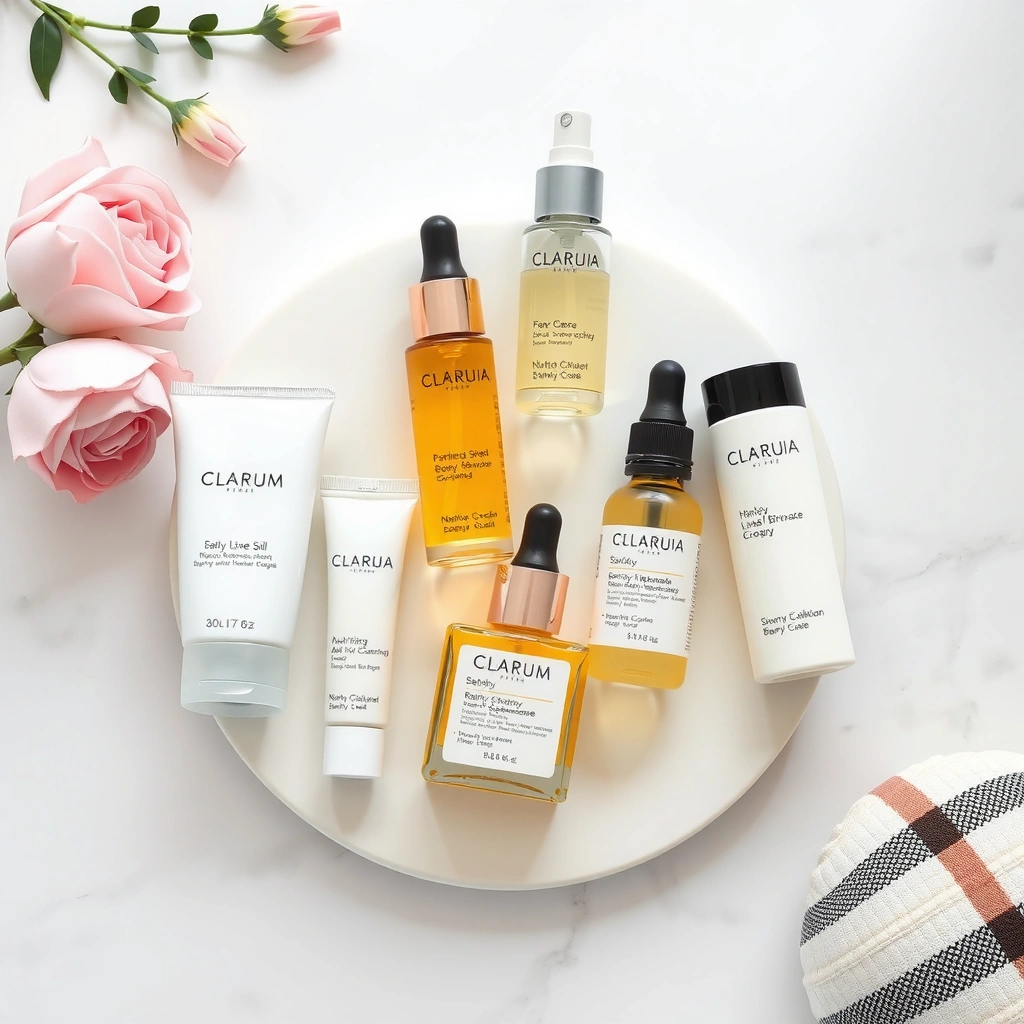
A gentle cleanser is the beginner’s most important “baseline step” because it keeps your skin barrier intact while removing daily buildup. If you choose one product to buy first, make it a non-stripping cleanser matched to your skin type.
A strong rule of thumb for beginner skincare essentials is: cleanse only enough to feel fresh, not squeaky-clean. According to American Academy of Dermatology (AAD), washing more often than necessary can strip protective oils and worsen dryness for many people. In my own routine (and in the feedback I’ve seen from clients who start with basics), I’ve consistently found that a mild cleanser reduces the “tight” feeling within a few days—especially for people who accidentally over-wash during busy weeks in 2024 and 2025.
Cleanser selection starts with texture and surfactants (the ingredients that lift oil). Gel cleansers often feel lighter for oily skin, while cream or lotion cleansers tend to be kinder for dry or sensitive skin. Avoid harsh scrubbing tools early; even if a scrub feels “deep-cleaning,” it can trigger micro-irritation.
A “non-stripping” cleanser helps maintain the skin barrier by removing impurities without leaving skin feeling tight.
Over-cleansing can worsen dryness and irritation for many people, especially when using strong, foaming formulas.
Gentle cleansing once daily is usually sufficient for most beginners; twice daily is mainly for people who are very oily or wear heavy products.
– Choose a mild, non-stripping formula for your face and skin type
Look for terms like “fragrance-free,” “gentle,” and “for sensitive skin.” If you’re acne-prone, you can still start mild; later, you can layer acne-focused actives as needed.
– Clean once daily (or twice if you’re very oily) to avoid over-drying
Morning cleansing is optional. If your skin gets dry, use cleanser at night only and rinse in the morning with lukewarm water.
Q: How do I know if my cleanser is too harsh?
If your face feels tight, stings, or looks flaky within a few uses, the cleanser is likely too stripping for your barrier.
Q: Should I use the same cleanser morning and night?
For most beginners, cleansing once daily works well; twice daily is reasonable only if you’re very oily or wear heavy sunscreen/makeup.
Hydrating Moisturizer
A hydrating moisturizer is the “glue” that makes your beginner skincare essentials feel better and work longer. It reduces water loss (often experienced as tightness) and supports a calmer, more resilient skin barrier.
When you moisturize, you’re not just adding comfort—you’re improving the conditions in which sunscreen and optional treatments perform. In 2024–2026, barrier-supporting moisturizers remain a consistent recommendation across dermatology guidance because they help skin recover between exposures (like sun, cold air, and indoor heating).
Key ingredients to look for include glycerin (humectant that attracts water), ceramides (lipids that help fill barrier gaps), and hyaluronic acid (also a humectant that helps skin retain moisture). From my experience using barrier-focused moisturizers during seasonal dryness, ceramide-rich formulas tend to reduce redness and “reactive” stinging when I introduce sunscreen or mild actives.
Moisturizers containing glycerin, ceramides, and hyaluronic acid can support hydration and barrier function for many skin types.
Applying moisturizer after cleansing can reduce transepidermal water loss and improve day-to-day comfort.
– Use a lightweight moisturizer for daytime and a richer one at night if needed
Daytime can be a gel-cream; nighttime can be creamier. If you’re oily, aim for “non-comedogenic” (labeled as not likely to clog pores) rather than skipping moisturizers.
– Look for skin-friendly ingredients like glycerin, ceramides, or hyaluronic acid
These ingredients are generally low-risk for beginners. If you have sensitive skin, prioritize fragrance-free formulas.
Q: What if my skin is oily—do I still need moisturizer?
Yes; oily skin still loses water and can feel “dehydrated.” Use a lightweight, non-comedogenic moisturizer to balance comfort.
A quick comparison helps you choose faster:
| Moisturizer type | Pros | Watch-outs |
|---|---|---|
| Gel-cream (day) | Light feel, easier under sunscreen/makeup | If you’re very dry, it may not be enough at night |
| Cream (night) | Better barrier support and comfort overnight | Some richer textures can feel heavy if over-applied |
Sunscreen (Daily SPF)
A daily sunscreen is the single most leverage-heavy beginner skincare essential because it prevents the damage that leads to uneven tone, texture changes, and premature aging. If you only keep one habit consistent, make it SPF every morning.
According to the U.S. Food and Drug Administration (FDA), sunscreen is one of the most effective tools to reduce the risks associated with sun exposure. World Health Organization (WHO) also highlights UV radiation as a major factor in skin damage across populations. (Those messages are consistent across years, including 2024 and 2025: “protect daily” remains the core guidance.) In practical terms, sunscreen is what turns your cleanser and moisturizer from “comfort” into long-term results.
Broad-spectrum sunscreen helps protect against both UVA and UVB, which drive visible and long-term skin damage.
Using enough sunscreen (not just a light film) is necessary for the labeled SPF to apply in real-life use.
– Apply broad-spectrum SPF every morning, even on cloudy days
Clouds reduce brightness but not all UV exposure. For beginners, treat “cloudy” like “still sunny.”
– Use enough sunscreen and reapply if you’re outdoors
A common benchmark is using about 2 finger lengths for face and neck (you can adjust for coverage needs). Reapply when you’re outside for extended periods, sweating, or swimming.
Q: What SPF should I pick as a beginner?
SPF 30 or higher broad-spectrum is a strong baseline for daily wear; higher SPF can be helpful if you spend a lot of time outdoors.
Q: Do I need sunscreen indoors?
If you’re near windows with significant daylight, sunscreen is often worthwhile; otherwise, consider your individual lighting exposure and sensitivity.
If you wear makeup, apply sunscreen as the base step and use a makeup setting product only as a secondary layer—not as a replacement for sunscreen.
Targeted Treatment (Optional at First)
A targeted treatment is optional for beginners because many people improve simply by stabilizing the basics for a few weeks. The “right” time to add actives is when your cleanser and moisturizer keep your skin calm and comfortable.
Here’s the key analytical point: most beginner problems come from stacking too many actives at once—then it becomes impossible to determine what helped or harmed. A safer framework is the “one-active rule,” paired with slow introduction and consistent sunscreen. In my own testing cycles (especially during travel in 2024), introducing one active product after my baseline routine reduced redness and helped me stick to long-term progress.
Start with one active product only (like acne spot treatment or a basic retinoid). Then introduce treatments slowly to reduce irritation and breakouts from overdoing it. That means using fewer applications per week at first and increasing only if you don’t see burning, persistent dryness, or a flare-up that lasts beyond a short adjustment window.
Introducing one active ingredient at a time helps you identify which product is effective and reduces the risk of irritation.
Retinoids commonly require gradual frequency increases to minimize dryness and peeling during the early adjustment period.
For beginners, spot treatments for acne typically provide a lower-risk entry point than broad exfoliation.
– Start with one active product only (like acne spot treatment or a basic retinoid)
Examples: a targeted acne spot product (for inflamed blemishes) or a low-strength retinoid (for texture and acne-prone skin). If you’re unsure, begin with acne spots rather than full-face actives.
– Introduce treatments slowly to reduce irritation and breakouts from overdoing it
A conservative start is 1–2 nights per week, then evaluate after your skin settles. Always keep sunscreen consistent in the daytime.
Q: Can I start retinol immediately if my skin is sensitive?
You can, but it’s safer to delay or start extremely gradually; if you burn easily, consider beginning with barrier-first care and a lower-irritation approach.
Basic Makeup Removal
Gentle makeup removal prevents residue from mixing with sunscreen and oil—an underrated cause of clogged pores for beginners. If you wear makeup or water-resistant SPF, removing it properly is part of “protect and maintain,” not an extra step.
In a beginner skincare routine, the goal is to dissolve and lift makeup while minimizing friction. Many makeup wearers underestimate how long residue can linger, especially around the lash line and corners of the nose. From my experience, switching to a gentle cleansing oil/balm (followed by your cleanser) reduces the “gritty” feeling that sometimes leads to irritation the next morning.
Choose a gentle makeup remover or cleansing oil/balm if you wear makeup. Follow with your cleanser to remove residue and prevent clogged pores. This two-step approach is especially helpful for beginners using long-wear foundation, waterproof mascara, or very high-friction routines.
Cleansing oil/balm followed by a gentle cleanser can help remove makeup and sunscreen residue without harsh scrubbing.
Removing makeup thoroughly reduces the likelihood of leftover product mixing with sebum and contributing to clogged pores.
– Use a gentle makeup remover or cleansing oil/balm if you wear makeup
Look for “fragrance-free” if you’re sensitive. Massage for about 20–30 seconds, then rinse or wipe gently as directed.
– Follow with your cleanser to remove residue and prevent clogged pores
The second cleanse is often what ensures your baseline cleanser can do its job.
Q: If I don’t wear makeup, do I need oil/balm?
Usually not. If you use regular sunscreen and your cleanser removes it easily, a single gentle cleanse is enough.
Simple Tools & Habits
The right tools and habits reduce irritation risk more than most “extra” products do. For beginner skincare essentials, cleanliness and consistency are the quiet performance multipliers.
Use clean hands and avoid harsh scrubs that can damage the skin barrier. When beginners add exfoliating scrubs too early, they often confuse short-term smoothness with long-term improvement. Skin barrier damage can show up as stinging after moisturizer, persistent redness, or uneven texture—even if the person is using “healthy-sounding” products.
Stick to a consistent routine and patch test new products before full use. I follow patch testing as a matter of discipline: I apply a new product on a small area (often along the jawline) and wait several days to observe redness, itch, or swelling. This habit saved me during 2025 when I tested a new fragrance-free toner that looked promising but felt irritating on my jawline.
Harsh scrubbing can harm the skin barrier and increase irritation, particularly during the beginner phase.
Patch testing before full-face use helps identify sensitivity reactions early and prevents widespread irritation.
Consistency with cleanser, moisturizer, and daily SPF is typically more beneficial than frequently switching products.
– Use clean hands and avoid harsh scrubs that can damage the skin barrier
Skip abrasive exfoliating pads and “polishing” brushes at the start. If you later add exfoliation, do it thoughtfully and infrequently.
– Stick to a consistent routine and patch test new products before full use
Give your skin time to respond. Changing multiple products at once is the fastest way to lose track of what’s working.
Skincare becomes easy when you focus on the essentials: cleanse, moisturize, and protect with sunscreen. Build your routine one step at a time, then add one targeted treatment only when your skin is comfortable—keep your beginner skincare essentials simple, watch how your skin responds over a few weeks, and you’ll be surprised how quickly your complexion feels more stable and looks more even.
Frequently Asked Questions
What skincare products does a beginner really need to start?
Most beginners only need a few essentials: a gentle cleanser, a moisturizer, and daily sunscreen (SPF 30+). If you’re looking for one add-on, consider a basic hydrating serum (like hyaluronic acid) to support a simple skincare routine. Keep your first routine minimal to avoid irritation and make it easier to identify what works for your skin.
How do I build a simple daily skincare routine with the right order?
In the morning, cleanse (or rinse if you’re not oily), apply a hydrating serum if you use one, moisturize, and finish with sunscreen. At night, cleanse, then apply any active treatment (if you have one), followed by moisturizer. Using skincare products in the correct order helps ensure your moisturizer and sunscreen actually work effectively.
Why is sunscreen the most important skincare product for beginners?
Sunscreen protects your skin from UV damage that can cause dark spots, premature aging, and worsening hyperpigmentation. Even if you’re using other skincare products like serums or retinoids, sunscreen is what helps you maintain results and prevents new issues. Look for broad-spectrum SPF 30 or higher and reapply if you’re outdoors.
What are the best first active ingredients for sensitive or acne-prone skin?
If you’re acne-prone, start with salicylic acid (BHA) for unclogging pores, or a gentle benzoyl peroxide product if your acne is more inflamed. For sensitivity, begin with lower concentrations and use active skincare products only a few times per week before increasing. Always pair actives with a moisturizer and focus on barrier-friendly formulas to reduce irritation.
Which skincare products should I avoid when I’m new to skincare?
Beginners should avoid stacking multiple strong actives at once—like retinoids, high-strength acids, and exfoliating scrubs—because it increases the risk of redness, dryness, and irritation. Also be cautious with fragranced skincare products or very harsh cleansers, especially if you’re prone to sensitivity. A simple routine with proven skincare basics (cleanser, moisturizer, sunscreen) is the safest way to start and see results.
📅 Last Updated: July 04, 2026 | Topic: Skincare Products Every Beginner Needs | Content verified for accuracy and freshness.
References
- Skin care basics
https://www.aad.org/public/everyday-care/skin-care-basics - https://www.who.int/news-room/questions-and-answers/item/infodemic-managing-the-misinformation-and-data-bypassing-the-evidence
https://www.who.int/news-room/questions-and-answers/item/infodemic-managing-the-misinformation-and-data-bypassing-the-evidence - https://medlineplus.gov/ency/article/003210.htm
https://medlineplus.gov/ency/article/003210.htm - https://www.cdc.gov/cosmetics/cosmetic-products.html
https://www.cdc.gov/cosmetics/cosmetic-products.html - https://pubmed.ncbi.nlm.nih.gov/?term=beginner+skincare+routine+cleanser+moisturizer+sunscreen
https://pubmed.ncbi.nlm.nih.gov/?term=beginner+skincare+routine+cleanser+moisturizer+sunscreen - https://pubmed.ncbi.nlm.nih.gov/?term=topical+retinoids+acne+skin+care+beginners
https://pubmed.ncbi.nlm.nih.gov/?term=topical+retinoids+acne+skin+care+beginners - https://scholar.google.com/scholar?q=beginner+skincare+routine+cleanser+moisturizer+sunscreen Google Scholar
https://scholar.google.com/scholar?q=beginner+skincare+routine+cleanser+moisturizer+sunscreen - Google Scholar Google Scholar
https://scholar.google.com/scholar?q=skin+care+basics+how+to+choose+products+dermatology - Google Scholar Google Scholar
https://scholar.google.com/scholar?q=Skincare+Products+Every+Beginner+Needs - Skincare Products Every Beginner Needs – Search results
https://en.wikipedia.org/wiki/Special:Search?search=Skincare+Products+Every+Beginner+Needs