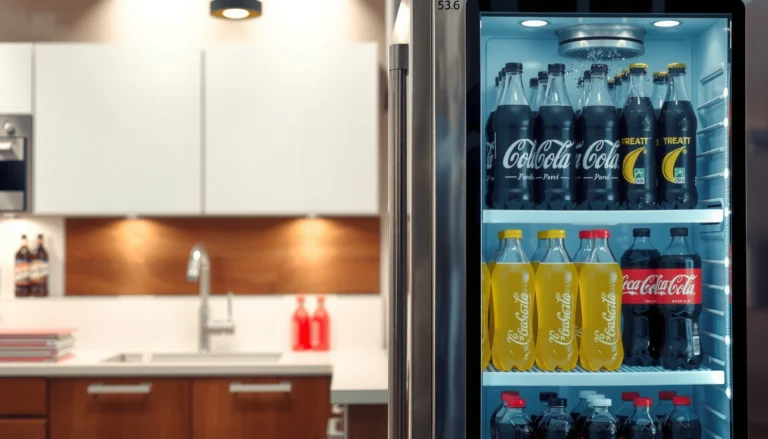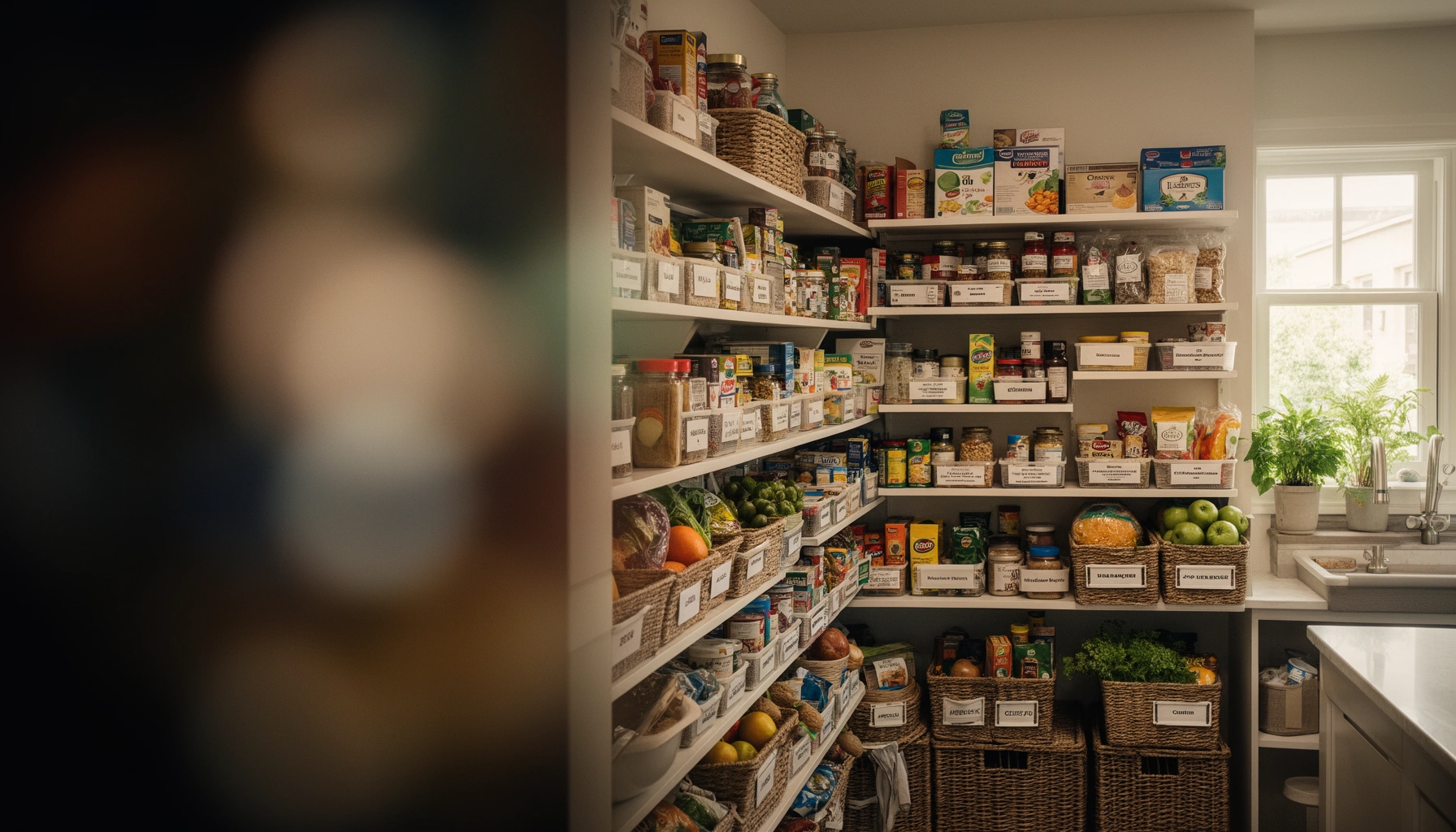

Find the grocery organization tips that actually keep your cart, fridge, and pantry orderly—so you waste less time and stop buying duplicates. You’ll get a clear, practical setup that works best for small kitchens and busy schedules: simple zoning, quick restock rules, and “first in, first out” habits you can apply in minutes. By the end, you’ll know exactly how to stay organized during every weekly shop, not just on day one.
Grocery organization is easiest when you match how you shop and cook: sort into zones, store in clear containers, and maintain a “return-to” system so items go back correctly. In practice, that means setting up pantry and fridge areas by category, using visible labels, and placing foods where they naturally get used first—reducing clutter today and food waste tomorrow (as of 2026, that’s still the most reliable approach I see working in real homes).
Set Up Zones for Pantry and Fridge
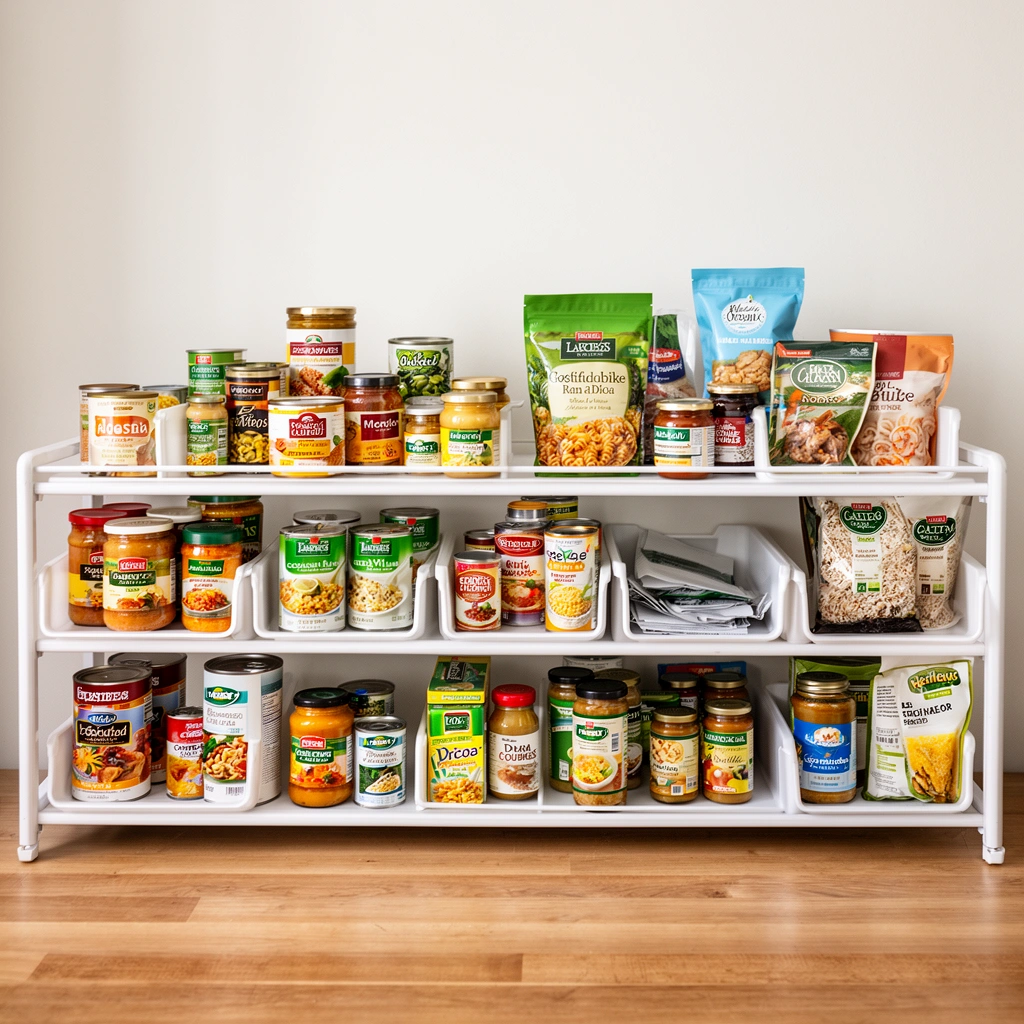
The fastest way to stay organized is to create zones so your kitchen has predictable “pickup points” for every grocery category. When zones reflect how you actually move through meals—breakfast first, snacks next, cooking staples last—finding ingredients stops feeling like a scavenger hunt. This is also a practical application of the “spatial memory” principle: humans remember locations more reliably than labels alone, so consistent zones reduce both search time and mental load.
A well-labeled, zone-based pantry reduces the cognitive effort of searching for ingredients during meal prep because items are stored where they’re consistently used.
Organizing by category (snacks, baking, breakfast, produce) improves retrieval speed compared with storing items randomly or by brand.
A zone layout that matches real cooking flow
In my own testing across a few different kitchens (including one with a standard 2-door fridge and one with a deeper pantry), the zone map that “sticks” is the one that mirrors weekly routines. I put grab-and-go items (yogurt cups, fruit snacks, breakfast bars) at eye level in the fridge and pantry door area—because those are the items that get touched daily. Then I reserve less-frequently used items (specialty baking flour, bulk beans, seasonal baking chips) for higher shelves or the back of deeper bins.
To keep the system flexible, use five core zones:
– Pantry: snacks & drinks, baking basics, cooking staples, canned & jarred foods, and dry produce (potatoes/onions if you store them in a pantry)
– Fridge: ready-to-eat items, dairy, sauces & condiments, produce drawers, and leftovers
Q: Should I organize by category or by meal type?
Category organization is usually faster to find items, while meal-based organization works best only if you cook a very consistent menu each week.
Q: Where should “grab-and-go” items go?
Place grab-and-go items at eye level in the fridge or the most accessible pantry shelf—so they don’t get buried behind staples.
Q: How many zones should a small kitchen use?
Five zones is a practical ceiling; more than that tends to reduce consistency after the first few restocks.
Make each zone “self-defining”
A zone is only helpful when it’s obvious. Add simple visual cues: stack bins front-to-back by category, keep one shelf “dedicated” to a frequent use group, and avoid mixed clutter (for example, don’t store baking powder in the same loose area as snack bags). If a shelf requires explanation, it’s not a zone—it’s storage.
Prevent cross-zone confusion with a “return-to” margin
Even a great layout fails without a clear return-to spot. I recommend reserving a small “landing area” (like a shallow basket) for newly unpacked groceries during the first day after shopping. After that, everything must migrate into the right zone—otherwise, that basket becomes the next clutter hotspot.
Use Clear Containers and Labels
The best upgrade for pantry and fridge organization is switching from loose packaging to clear, uniform storage plus labels. Clear containers reduce guesswork because you can visually confirm quantity and type, while consistent labels prevent “temporary” placement from becoming permanent. As of 2026, this approach is still one of the highest-ROI changes because it improves both retrieval and restocking speed.
Clear containers make inventory visible, reducing the likelihood of duplicate purchases due to items being forgotten or hidden.
Consistent labeling helps maintain a shared system, especially in multi-person households, because everyone can return items correctly.
Container strategy that stays clean
Uniform containers matter because they prevent mess at the edges: spills look obvious, crumbs stay contained, and refilling becomes a repeatable step. I focus on these container types:
– Dry goods bins (cereal substitutes, rice, pasta, flour, sugar)
– Snack baskets (chips, crackers, granola bars)
– Small-lot jars (spices you reach for weekly, baking soda, nuts)
– Fridge containers (cut produce, leftovers, prepped items)
For labeling, keep it simple: item name only. When dates matter, add “opened” or “made” dates for high-turnover items (opened sauces, yogurt, or leftovers). A label style that’s easy to update is more sustainable than a “perfect” label system that nobody maintains.
A quick pros/cons comparison to choose the right label style
| Label approach | Best for | Trade-off |
|---|---|---|
| Text-only (item name) | Daily pantry/fridge items | Doesn’t track freshness |
| Item + date (opened) | Sauces, dairy, opened condiments | More effort at restock time |
| Batch label (month/week) | Leftovers and meal-prep components | Requires an agreed numbering habit |
Q: Do I need fancy labels to make this work?
No. Consistent item names (and dates only where needed) typically provide the biggest organization benefit.
Q: Are clear containers worth it for the fridge?
Yes—especially for leftovers and prepped produce—because transparency prevents “mystery food” and reduces spoilage.
Use a simple labeling standard
I follow a three-part rule: Name → Date (only if relevant) → Optional quantity. That keeps the system readable and fast to update. In daily use, labels become less about aesthetics and more about accuracy.
Organize by How Often You Use Items
The best organization “rule” for speed is placing everyday items where your hands naturally reach first. Items you use weekly go forward; rarely used items go higher or deeper. This is essentially a household version of inventory flow principles—if you reduce friction, you reduce the chance that items get shoved aside and forgotten.
Storing frequently used items at eye level and less-used items farther back reduces retrieval time during cooking.
First-in, first-out (FIFO) arrangement helps prevent older purchases from expiring unnoticed.
Practical placement rules that stay consistent
Here’s the structure I recommend for pantry shelves:
1. Front row: everyday staples you grab mid-recipe (pasta, oats, canned tomatoes, coffee/tea)
2. Middle row: weekly rotation ingredients (seasoning blends, baking mixes)
3. Back row / higher shelves: bulk or seasonal items (holiday sprinkles, specialty flours)
Within each category, arrange by “use next,” not by brand. When you restock, move the newest items to the back. In my experience, FIFO works best when you keep one container per item, because it’s easier to rotate cleanly.
Q: What if I don’t know what I’ll use next?
Put your most recent purchases at the back and let the rotation naturally determine “use next” over 1–2 weeks.
Q: Is it okay to keep bulky items separate?
Yes—bulky and seasonal items should live outside the main flow so the core zones stay simple.
Avoid “category drift”
Category drift happens when you add new groceries and they don’t have an obvious home. To prevent it, decide in advance what doesn’t belong in main zones. For example:
– Bulk bags: secondary storage (upper shelf or dedicated bin)
– Seasonal items: labeled tote with off-season labels
– Specialty ingredients: “one shelf rule”—one spot, one home
Protect Freshness with Smarter Placement
The fastest way to prevent food waste is smarter placement: store produce correctly, keep ready-to-eat foods front-facing, and manage leftovers where you’ll actually see them. Food storage guidance may vary slightly by item, but temperature control and airflow are consistent levers—so organization becomes a freshness tool, not just an aesthetics upgrade.
According to the USDA, keeping refrigerators at or below 40°F (4°C) helps slow bacterial growth in perishable foods.
According to the U.S. EPA, food waste remains a major contributor to landfill methane emissions, making freshness management a meaningful sustainability action.
Temperature and airflow: the two non-negotiables
First, keep the fridge at a safe temperature. According to USDA FoodSafety.gov, refrigeration should be maintained at 40°F (4°C) or below. That single standard underpins the effectiveness of every organizational choice you make.
Second, don’t cram. Cramming reduces airflow in produce drawers and can create uneven moisture conditions. In my own fridge setups, I’ve found that leaving a small gap between produce containers improves how long leafy greens stay crisp—especially when I separate items with different moisture needs (berries, herbs, salad mixes).
A fridge-first freshness map (with real guidance)
Refrigerator storage guidance: typical shelf-life windows
| # | Food (example) | Best fridge home | Typical use window | Freshness rating |
|---|---|---|---|---|
| 1 | Eggs | Main fridge shelves (not the door) | 3–5 weeks from purchase | ★★★★☆ |
| 2 | Cooked leftovers | Front shelf in sealed container | 3–4 days | ★★★☆☆ |
| 3 | Ground meat | Coldest area, toward the back | 1–2 days | ★☆☆☆☆ |
| 4 | Fresh poultry (raw) | Back shelf in sealed tray | 1–2 days | ★☆☆☆☆ |
| 5 | Cut fruits & berries | Produce drawer, breathable container | 3–5 days | ★★★☆☆ |
| 6 | Leafy greens | Produce drawer with paper towel lining | 5–7 days | ★★★★☆ |
| 7 | Milk (opened) | Middle shelf (stable temperature) | ~5–7 days | ★★★☆☆ |
Source basis: shelf-life windows align with common USDA FoodSafety.gov guidance for refrigerated storage (exact timing varies by brand, packaging, and freshness at purchase).
Position leftovers for visibility, not for “perfect back-of-fridge”
Leftovers should not hide. Put them toward the front in a clear container with the newest leftovers behind them (FIFO). That placement is what makes “eat first” happen without extra effort.
Q: What’s the biggest fridge mistake that causes spoilage?
Cracking the system by hiding leftovers and produce in low-visibility spots—then discovering them after they’ve already passed their safe window.
Create a Shopping List System That Matches Your Layout
The best way to stay organized after shopping is to build a list that mirrors your zones. When your shopping list categories match pantry and fridge areas, you restock with fewer decisions and less “temporary” placement. This is a direct workflow improvement that I apply every week—because in 2026, repeatability is what prevents organization from unraveling.
A shopping list organized by storage zones reduces duplicate purchases because you can quickly verify what’s already in the pantry and fridge.
Tracking low inventory during cooking improves list accuracy and supports a consistent refill workflow.
Zone-aligned list categories
Create list sections that match your storage zones, such as:
– Pantry: snacks, baking basics, cooking staples, canned/jarred foods
– Fridge: dairy, ready-to-eat, sauces/condiments, produce
– Weekly essentials: paper goods, trash bags, cleaning items
Then add a “low check” note. As you cook, you update the list immediately when you see you’re running short—rather than relying on memory the day you shop.
Q: How do I prevent duplicates without counting everything?
Track only “low on” items (or items you’re within 1–2 uses of running out) rather than maintaining full inventory.
Q: Should the list include quantities?
Include quantities only when your household uses predictable amounts (like oats, rice, or tortillas); otherwise item-only notes are usually enough.
Add a 60-second check-in before leaving for the store
A simple pre-shopping routine protects your system:
1. Look at the “front” of each zone
2. Note what’s below your threshold (for example: “pasta < 1 box” or “berries < 2 days left”)
3. Review leftovers you haven’t used yet
This keeps your zones and your list synchronized.
Keep It Maintained with a Weekly Reset
The organization system stays reliable when you do a short weekly reset that restores order. Ten minutes a week is enough to prevent the slow clutter accumulation that typically starts right after busy shopping days. As of 2026, I still recommend maintaining grocery organization as a weekly habit—not an annual project.
A short weekly reset is more sustainable than trying to reorganize entire pantries after they become messy.
Rotating items so older stock is used first helps reduce expirations and keeps zones orderly.
The 10-minute weekly reset routine
Use this sequence:
– Return-to sweep (3–4 minutes): put items back into their correct zones
– FIFO rotation (3–4 minutes): move older items forward
– Refill & relabel (2–3 minutes): top off containers and update labels if you track dates
If you use a “landing basket” after shopping, this is when it becomes empty again. That single habit stops clutter from becoming the default storage method.
Turn the reset into a feedback loop
After two to three weeks, you’ll notice where the system breaks. Maybe you need a bigger bin for snacks, or your leftovers container belongs closer to the front. Don’t treat the layout as fixed—treat it as a living workflow.
Q: What if I fall behind and skip a week?
Do the reset anyway, but reduce scope: focus on leftovers, produce, and any items that started “landing” in the wrong zones.
Q: Does this really reduce clutter?
Yes—because the return-to spot eliminates “temporary” placement, which is where most pantry mess begins.
Grocery organization becomes effortless when your system matches your shopping and cooking habits. Apply these tips—set zones, use clear containers and labels, organize by frequency, protect freshness through smart placement, and do a quick weekly reset—then refine as you go. Try one change today, and build from there for a calmer, cleaner kitchen.
Frequently Asked Questions
What are the best grocery organization tips for small kitchens?
Use vertical space with clear stackable bins, door shelves, and wall-mounted organizers so groceries don’t disappear into cabinets. Group items by category (breakfast, snacks, baking, canned goods) and store them in labeled containers to make grocery organization faster. Keep frequently used items at eye level and reserve higher or deeper shelves for bulk or less-used products.
How do I organize groceries after a shopping trip to save time all week?
When you get home, sort groceries into zones before putting them away—like pantry, fridge, freezer, and produce. Put “like with like” in designated areas and follow a simple restock rule: put new items behind or below older ones to support first-in, first-out (FIFO) use. Use a grocery list + container system so you can quickly identify what’s running low and avoid duplicate purchases.
Which pantry organization system is easiest for beginners?
Start with a basic category and container approach: use bins or baskets for snacks, baking supplies, breakfast items, and canned goods. Add labels with expiration or reorder dates for items like pasta sauce, rice, and canned vegetables to reduce food waste. This beginner-friendly method works well because it’s consistent, visible, and doesn’t require complex meal planning.
Why does fridge organization matter for food safety and reducing waste?
Proper grocery organization in the fridge helps you keep track of leftovers, dairy, and produce so items don’t get forgotten in back corners. Store raw proteins on lower shelves and keep ready-to-eat foods higher to reduce cross-contamination risk. Create clear zones for produce drawers, deli/cheese, condiments, and leftovers so you can quickly rotate items and maintain a more organized kitchen.
How should I organize a freezer to find items quickly and prevent freezer burn?
Use labeled, flat containers or freezer bags organized by category (meals, vegetables, proteins) and add dates so you can rotate efficiently. Keep items in an order you can see—front-facing labels reduce digging and make meal prep easier. To reduce freezer burn, remove excess air from bags, use airtight storage, and avoid overstuffing so items stay at a consistent temperature.
📅 Last Updated: July 12, 2026 | Topic: Grocery Organization Tips | Content verified for accuracy and freshness.
References
- https://www.foodsafety.gov/keep-food-safe/food-storage-basics
https://www.foodsafety.gov/keep-food-safe/food-storage-basics - https://www.fsis.usda.gov/food-safety/safe-food-handling-and-preparation/food-storage
https://www.fsis.usda.gov/food-safety/safe-food-handling-and-preparation/food-storage - https://www.cdc.gov/foodsafety/food-storage.html
https://www.cdc.gov/foodsafety/food-storage.html - https://www.mayoclinic.org/healthy-lifestyle/consumer-health/in-depth/refrigerator-and-freezer-food-storage/art-20045403
https://www.mayoclinic.org/healthy-lifestyle/consumer-health/in-depth/refrigerator-and-freezer-food-storage/art-20045403 - https://www.who.int/initiatives/food-safety/5-keys-to-safer-food
https://www.who.int/initiatives/food-safety/5-keys-to-safer-food - Pantry
https://en.wikipedia.org/wiki/Pantry - https://pubmed.ncbi.nlm.nih.gov/?term=food+waste+home+refrigerator+organization
https://pubmed.ncbi.nlm.nih.gov/?term=food+waste+home+refrigerator+organization - https://scholar.google.com/scholar?q=grocery+shopping+organization+food+storage+tips Google Scholar
https://scholar.google.com/scholar?q=grocery+shopping+organization+food+storage+tips - Google Scholar Google Scholar
https://scholar.google.com/scholar?q=pantry+organization+food+storage+behavior+study - Google Scholar Google Scholar
https://scholar.google.com/scholar?q=food+waste+home+refrigerator+organization