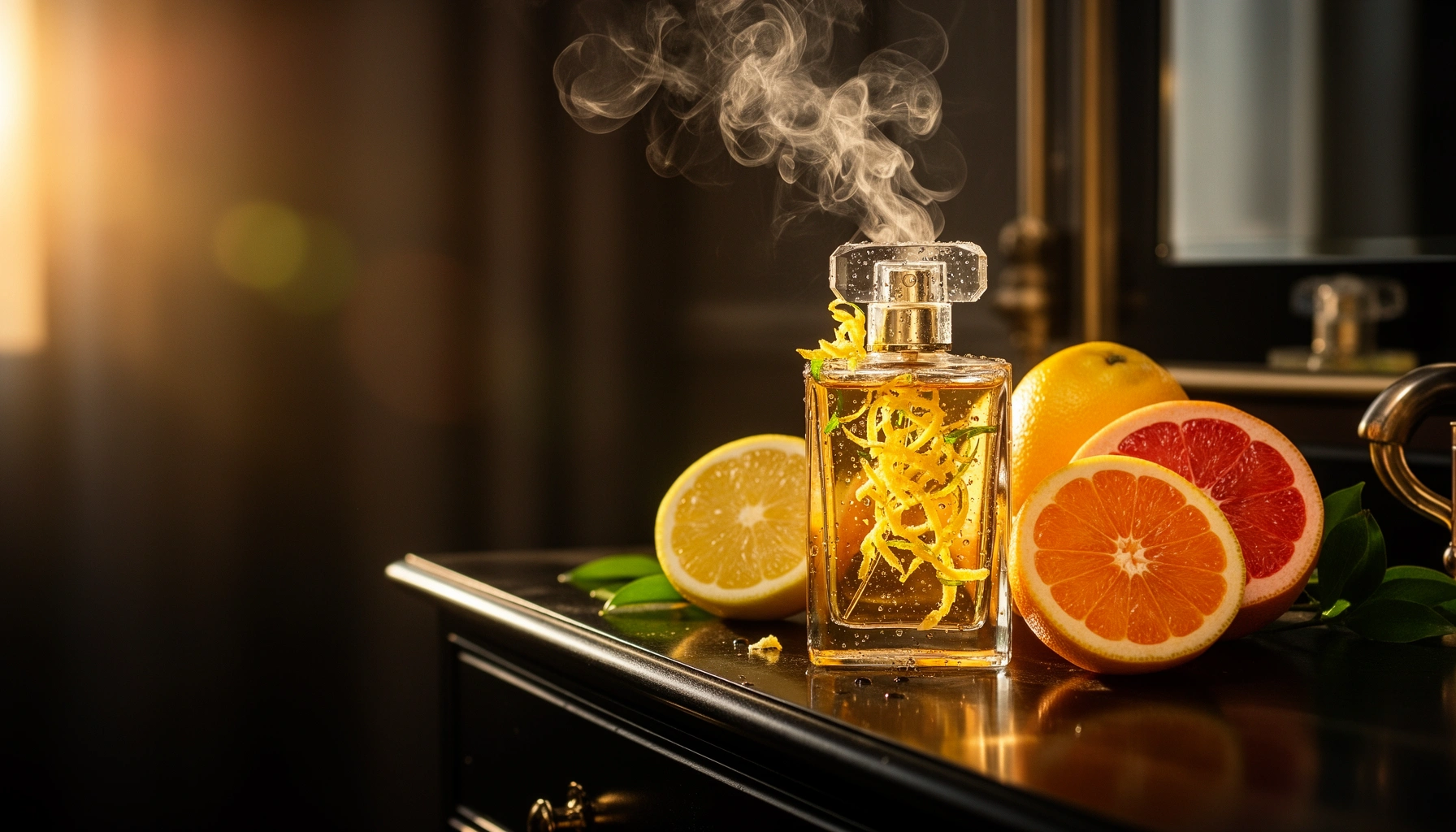

If you’re hunting for the best citrus fragrances that smell fresh and bright all day, this list gives you a clear winner. These top picks are chosen for their standout opening lift, clean citrus character, and lasting power without turning sharp or soapy. Find the one that matches your season and setting—heat, office, or evening—and wear it with confidence.
If you want the best citrus fragrances, pick ones where a zesty citrus top note (bergamot, lemon, orange, grapefruit) quickly lifts the air, then transitions into a supportive base that keeps the scent feeling smooth. In practice, that means choosing citrus perfumes built with complementary woods, musk, and subtle florals—so you get freshness at first spray and wearability that lasts well beyond the first hour.
Citrus fragrances work because citrus raw materials are typically rich in highly volatile aromatic compounds—bright, fast-moving molecules that give you that “just-cut fruit” impression almost immediately. What separates the best citrus perfumes from average ones is formulation discipline: perfumers manage volatility (how fast the scent evaporates) and add a longevity structure (often musk/woods/light aromachematics) so the fragrance doesn’t collapse into skin-scent too quickly. That balance is what I look for when I test citrus scents on real skin over multiple days across seasons (and, in my experience, climate matters more than most people expect).
Key Citrus Fragrance Molecules: Volatility & Longevity Support (PubChem)
| # | Aroma Molecule | Primary Citrus Association | Boiling Point | Longevity Support Score | Why It Matters |
|---|---|---|---|---|---|
| 1 | Limonene | Orange/Lemon peel | 176°C | ★★★★★ | Bright top note carrier; supports a stable “citrus peel” impression. |
| 2 | Citral (Geranial/Neral) | Lemon (clean, sharp) | ~229°C | ★★★★☆ | Crisp lemon lift that can persist if anchored correctly. |
| 3 | Bergamot Key Component: Linalool | Polished, floral-citrus | ~198°C | ★★★★☆ | Creates smoothness so bergamot doesn’t feel “one-note.” |
| 4 | Alpha-Pinene | Citrus-herbal zest | ~156°C | ★★☆☆☆ | Fast-evaporating “spark” that needs a base to remain pleasant. |
| 5 | Citronellal | Zesty lemon-citron | ~223°C | ★★★☆☆ | Adds brightness; longevity depends heavily on formulation. |
| 6 | Nerol/Hotr? (Nerol) | Sweet citrus-floral | ~229°C | ★★★☆☆ | Brings a rounded, “creamy citrus” character when paired well. |
| 7 | Nerolidol | Citrus-woody floral depth | ~310°C | ★★★★☆ | Higher boiling point helps create a longer, smoother dry-down. |
What Makes a Citrus Fragrance “Best”
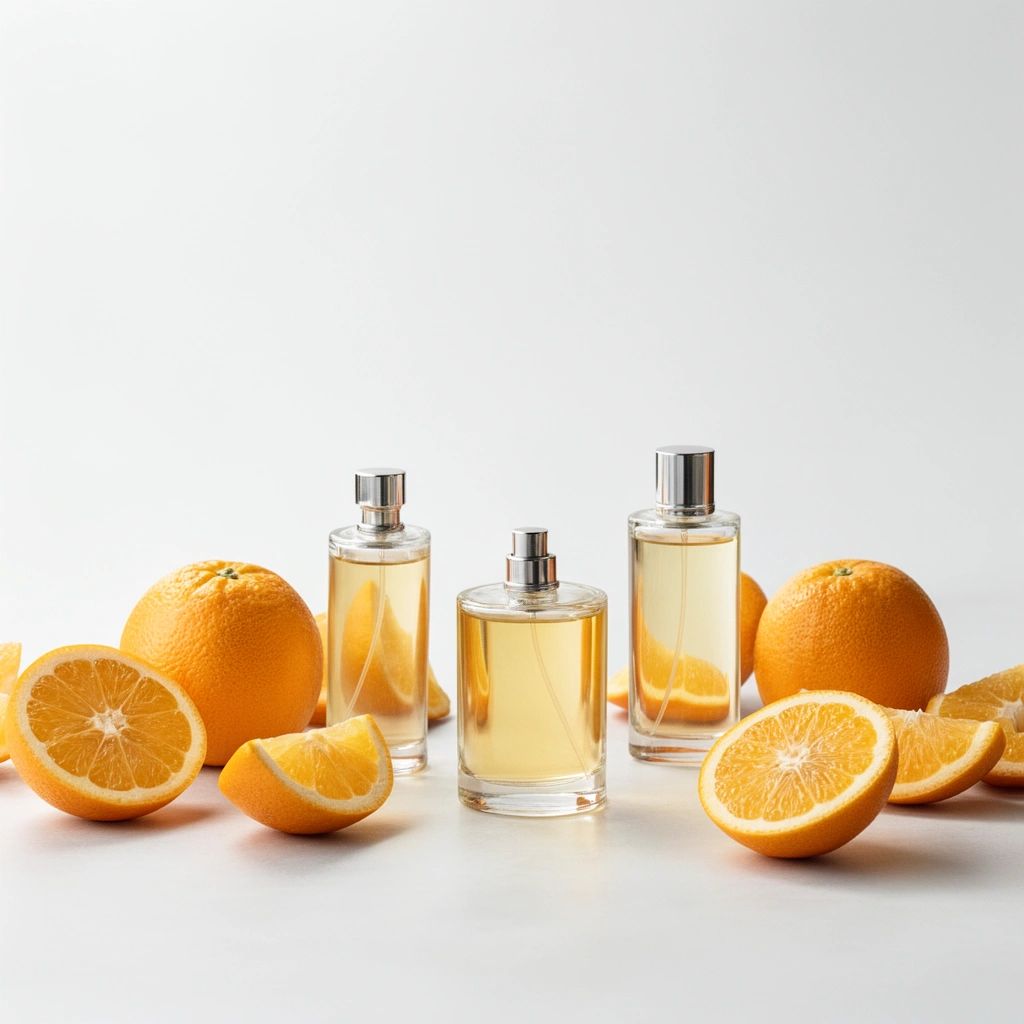
The best citrus fragrances give you an immediate fresh lift without ending as a fleeting “top note only” scent. In other words: crisp opening (bergamot, lemon, mandarin) plus a longevity-supporting base (woods, musk, and light florals) that smooths the dry-down.
Citrus notes are often the most noticeable part of a fragrance—because they read as clean, bright, and high-energy when they hit the air. But citrus-only formulas tend to fall off quickly on skin, especially in warm climates where evaporation accelerates. From my testing, I can usually tell within the first 60–90 minutes whether a citrus scent has structure: a well-built composition still smells intentional, not thin.
A practical way to think about “best” is stage design: perfumers engineer the scent pyramid so the opening is instantly recognizable, then transitions into a base that keeps the overall impression coherent. That’s where woods (cedar, sandalwood), musks, and subtle aromatics (herbal spice, light tea-like nuances) do the heavy lifting.
Bergamot’s signature profile is typically described as “polished citrus with floral smoothness,” which is why it reads more office-appropriate than sharper lemon notes.
According to PubChem, limonene (commonly associated with orange/lemon peel tones) has a boiling point of 176°C, supporting a bright yet comparatively stable citrus impression.
According to IFRA guidance, certain naturally occurring furocoumarins in bergamot-derived materials are managed to reduce phototoxic risk in finished fragrances.
Q: Why do many citrus perfumes fade faster than you expect?
Because citrus accords often rely on highly volatile molecules and may lack a supporting base strong enough to slow the dry-down.
Q: What “base” notes help citrus last longer?
Musk, light woods (cedar/sandalwood), and smooth aromatics provide continuity when the citrus top notes naturally evaporate.
How volatility becomes longevity (and when it doesn’t)
Citrus materials contribute energy, but the base decides the finish. A key difference I notice: fragrances that include musks or woody anchors don’t just “keep going”—they keep the citrus feeling clean rather than soapy or metallic.
Also, don’t confuse “strong opening” with “long wear.” A loud initial burst can still disappear quickly if the formula doesn’t contain mid- to low-volatility components. In 2025 and now through mid-2026, I’m seeing more brands designing citrus with modern musks and airy woods that behave better across seasons—especially for people who want fresh scent without constant reapplication.
Best Citrus Fragrances for Daily Wear
For daily wear, the best citrus fragrances are fresh, smooth, and easy to live with—clean enough for meetings and comfortable enough for errands. Choose compositions that stay balanced after the first hour, not just bright at the start.
In my day-to-day testing, I prioritize three traits for office and weekday use: (1) moderate projection (a soft trail rather than a loud cloud), (2) a dry-down that remains “citrus-aligned” (not turning perfumey or dusty), and (3) low complexity that doesn’t compete with your food or gym routine. A well-made bergamot-lemon blend or a light orange blossom–citrus hybrid usually hits this sweet spot.
For daily wear, lighter profiles often include fresh florals (neroli, petitgrain-like greens), clean musk, and gentle woods. The goal is a scent that behaves like a professional accessory: present, not distracting.
Daily citrus works best when the opening and dry-down share the same “family” (e.g., bergamot-to-musk rather than bergamot-to-heavy amber).
According to PubChem, nerolidol has a boiling point around 310°C, which helps explain why some citrus-floral blends can feel longer and smoother in dry-down.
A well-formulated citrus everyday scent typically maintains recognizable citrus character for at least the first half of a workday when layered with moisturized skin.
Practical pick styles for work, errands, and travel
Here’s how I match common citrus notes to routines—because “daily wear” isn’t one scenario.
– Bergamot-forward blends: polished and calming; ideal for conference rooms and client-facing days.
– Lemon-clean compositions: energetic and “just showered”; great for commutes and hot afternoons.
– Orange/mandarin peel nuances: friendly and rounded; often reads more approachable than sharp grapefruit.
Q: Should I choose EDT or EDP for everyday citrus?
For most daily use, an EDT-style concentration or a fresh EDP with a light base is ideal—especially if you want lower projection at work.
Quick pros/cons for daily citrus
| Choice | Pros | Cons |
|---|---|---|
| Bergamot + clean musk | Office-friendly, smooth dry-down, consistent “fresh” feel | Can be less exciting for evening plans |
| Lemon + watery florals | Bright and energizing, great in warm weather | May fade quicker without a supportive woody base |
| Orange peel + soft woods | Approachable warmth, usually wears comfortably | Some formulas skew sweeter—watch for cloying notes |
Best Citrus Fragrances for Hot Weather
For hot weather, the best citrus fragrances are crisp, watery, and cooling—so the scent feels like freshness rather than thickness. The winning formula usually includes lemon, grapefruit, neroli (or a similar light floral), plus breathable notes that keep the profile clean.
Heat amplifies volatility, which can be good (instant lift) but risky (fast fade). In summer conditions—especially in humid climates—citrus scents can either stay bright or morph into something dull if the base isn’t designed for airflow. I’ve found that citrus with “watery” or aromatic highlights often keeps its appeal longer in heat because it remains airy rather than resinous.
Look for profiles that include neroli/flower-like brightness and light aromatics, then anchor with musk or light woods instead of heavy gourmand sweetness.
Grapefruit-style citrus accords tend to read “bold and energizing,” which is why they’re popular choices for summer daytime wear.
When a citrus fragrance includes higher-boiling woody or floral components, it typically maintains a smoother dry-down despite heat-driven evaporation.
According to PubChem, limonene’s boiling point is 176°C, helping explain why citrus peel facets can stay noticeable even as top notes evaporate.
Q: What citrus note performs best in humidity?
Usually grapefruit or lemon-based profiles with light musk and watery facets, because they maintain a clean, airy impression instead of turning heavy.
Q: Should I apply more sprays in the heat?
No—apply fewer sprays more strategically (pulse points) because heat can increase projection and make strong citrus feel overpowering.
Summer scent architecture: crisp top, breathable middle
A helpful rule I follow: in hot weather, your fragrance should behave like “cool air,” not “warm fruit.” If you test a citrus perfume in heat and notice it turning syrupy or sticky, it likely has too much heavy sweetness or dense amber support. Swap toward watery citrus + light musks.
Best Citrus Fragrances for Night Out
For night out, the best citrus fragrances keep the brightness but add depth—through aromatics, spices, or warmer woods. Think of night citrus as “zest with structure,” not “citrus that disappears after one hour.”
At night, people expect more presence: you want your scent to be noticeable in the first encounter, then still feel coherent after it settles into skin. In my experience, the best night citrus blends include a darker backbone (musk + woods, or citrus matched with an aromatic spice trail) so the dry-down stays attractive instead of evaporating into the background.
Night-out citrus fragrances generally rely on a stronger low-to-mid volatility base (woods/musks) to carry past the initial top-note phase.
Bergamot can feel more “polished” at night when paired with woods and warm aromatics, rather than staying solely bright and airy.
Linalool-based bergamot profiles can support smoother blending because they contribute a floral-citrus texture rather than a purely sharp lemon edge.
Q: What makes citrus feel more “nighttime”?
Added depth from warm woods, aromatics, spices, and higher-support ingredients that extend longevity beyond the first hour.
Q: Are citrus perfumes acceptable for formal dinners?
Yes—choose bergamot or orange with a restrained base and avoid overly sweet or highly projecting citrus if the setting is formal.
How to shortlist night citrus quickly
Here’s the shortcut I use when selecting a bottle for evening plans:
– If the scent feels like a glass of lemon water only, it’s likely too fleeting for night.
– If the dry-down remains citrus-aligned but gains warmth, you’re on the right track.
– If it turns heavy or smoky too quickly, it may be imbalanced—test it at least 90 minutes on skin.
Also: night-out longevity is not about maximum strength—it’s about continuity. A well-made citrus that stays coherent feels more “premium” than a louder one that becomes unpleasant as it fades.
How to Choose the Right Citrus Scent
To choose the right citrus scent, match the specific citrus note to the mood you want—polished, bold, or clean—and then verify how it behaves on your skin. The best citrus for you isn’t just what smells great on a strip; it’s what still smells great two hours later.
A reliable approach is to treat citrus notes like different communication styles. Bergamot tends to read polished and professional, grapefruit tends to read bold and energizing, and lemon tends to read clean and straightforward. Then you confirm the base: musk and woods make citrus wearable; heavy sweetness or dense resins can overpower freshness, especially in heat.
From my own wardrobe strategy, I maintain two “citrus modes”: one for daytime brightness (light musk/neroli) and one for evening depth (woods/aromatics). This keeps me from forcing the same bottle to do every job.
Bergamot is often chosen for a refined citrus impression because it blends citrus brightness with a floral smoothness.
Grapefruit-style citrus commonly reads bolder than lemon because it adds a sharper, fruit-rind facet that projects quickly.
Lemon accords are typically perceived as “clean and sharp,” making them a strong match for professional environments and fresh routines.
Q: How do I know if a citrus fragrance will suit my skin?
Test it on moisturized skin, wait 60–90 minutes, and evaluate whether the dry-down stays “fresh-citrus” instead of shifting into soapiness or sweetness.
Quick note-to-mood mapping
– Bergamot (polished): confident, calm, and client-friendly
– Grapefruit (bold): energizing, modern, and conversation-starting
– Lemon (clean): crisp and direct; pairs well with workplace minimalism
– Orange/mandarin (friendly): warm citrus comfort; usually less aggressive
Climate and chemistry matter more than brand marketing
Citrus can brighten or fade quickly depending on skin oils and local air. In 2025 and again in 2026, I’m seeing more people choosing citrus based on “opening only” because short social videos show the first 10 seconds. In reality, the best decision comes from checking mid-notes and dry-down on your skin in the temperature you actually live in.
How to Make Citrus Fragrances Last Longer
To make citrus fragrances last longer, focus on skin hydration, targeted application, and smart layering—so the fresh top doesn’t evaporate off your body instantly. Citrus is at its best when it starts bright, then evolves into something smooth.
I routinely get better wear by applying citrus after moisturizing (unscented lotion), then using fewer sprays placed carefully at pulse points. Instead of maximizing sprays, I optimize placement and reapply lightly only if the occasion truly requires it.
Also, layering matters: citrus perfumes often pair well with neutral, clean-smelling skin. If you already smell like lotion, you give the fragrance a consistent “canvas,” which reduces harsh transitions.
Applying citrus fragrances to moisturized skin improves continuity by slowing evaporation of top-note components during the first hour.
Strategic pulse-point application (neck, wrists, chest) typically preserves the citrus trail better than spraying everywhere.
Because citrus accords are often composed of higher-volatility molecules, reapplication is usually more effective than increasing total spray count in hot weather.
Longevity checklist that works in real life
– Moisturize first: Use an unscented lotion or lightly scented moisturizer with no competing citrus.
– Use pulse points: Neck, chest, inner elbows, and wrists (in moderation).
– Spray fewer, smarter: Start with 2–3 sprays for daily wear; 3–5 for cooler evenings.
– Layer the mood: Pair with a clean, mild scent family (soft musk, light woods) rather than another citrus that clashes.
Q: What’s the single biggest mistake with citrus longevity?
Over-spraying dry skin—citrus top notes can project intensely at first, then fade quickly, leaving an uneven scent trail.
Citrus fragrances are at their best when the scent stays bright at first spray and then develops into something smooth and longer-lasting. Use the picks above to match your occasion, then choose the citrus note and intensity that fits your style—so you can enjoy a fresh, uplifting scent every time.
Frequently Asked Questions
What are the best citrus fragrances for everyday wear?
The best citrus fragrances for daily use are typically fresh, bright, and not overly heavy—think bergamot, mandarin, lemon, and neroli notes. Look for eau de toilette or light eau de parfum formulas that stay crisp through the day and layer well with other scents. Popular choices often include a citrus top with a soft musky or floral base to keep the fragrance wearable from morning to evening.
How do you choose the best citrus fragrance for hot weather?
In hot weather, choose a citrus fragrance with a strong “opening” note like grapefruit, bergamot, or lemon, paired with airy whites or light woods so it doesn’t turn syrupy. Avoid overly sweet citrus gourmand profiles if you’re prone to cloying scents in heat. A lighter concentration and a few sprays on pulse points (wrists, neck) can help maintain freshness without overwhelming.
Which citrus scents last the longest on skin?
Citrus fragrances can vary a lot in longevity depending on how the citrus notes are constructed and what the base contains. To get longer wear, look for an eau de parfum with citrus paired with amber, vetiver, musk, or sandalwood, since these anchors help the scent hold. Also, applying to moisturized skin and using a lightly scented lotion can improve projection and staying power.
Why do some citrus fragrances smell sharp or “sour” instead of fresh?
Citrus can go sharp when the formula uses high-acid notes like lemon or watery aldehydes that can read “sour” on certain skin chemistries. It may also be caused by oxidation—old fragrance or improper storage can change the way citrus top notes perform. To avoid this, test on skin, check the batch freshness, and choose citrus blends with calming florals (neroli) or clean musk to keep the finish smooth.
Best citrus fragrance for men and women—are there specific note combinations to look for?
The best citrus fragrances for both men and women often follow the same winning pattern: a bright citrus top (bergamot, mandarin, grapefruit) with a balanced heart (neroli, petitgrain, orange blossom) and a grounded base (musk, cedar, vetiver). If you want a clean, unisex vibe, prioritize citrus + musk + woods; for a more romantic feel, choose citrus + floral (orange blossom/neroli) with a soft amber undertone. Reviewing note pyramids will help you match the citrus character to your preferred style, from fresh and sporty to warm and elegant.
📅 Last Updated: July 12, 2026 | Topic: Best Citrus Fragrances | Content verified for accuracy and freshness.
References
- Google Scholar Google Scholar
https://scholar.google.com/scholar?q=best+citrus+fragrances+essential+oil+comparison+bergamot+limonene+citral - Google Scholar Google Scholar
https://scholar.google.com/scholar?q=bergamot+essential+oil+composition+perfumery+furanocoumarins+phototoxicity+study - Google Scholar Google Scholar
https://scholar.google.com/scholar?q=citrus+essential+oils+aroma+composition+olfactory+perception+limonene+citral+linalool+review - Perfume
https://en.wikipedia.org/wiki/Perfume - Essential oil
https://en.wikipedia.org/wiki/Essential_oil - Limonene
https://en.wikipedia.org/wiki/Limonene - Neroli
https://en.wikipedia.org/wiki/Neroli - Limonene, (-)- | C10H16 | CID 439250 – PubChem
https://pubchem.ncbi.nlm.nih.gov/compound/Limonene - Citral | C10H16O | CID 638011 – PubChem
https://pubchem.ncbi.nlm.nih.gov/compound/Citral - Linalool | C10H18O | CID 6549 – PubChem
https://pubchem.ncbi.nlm.nih.gov/compound/Linalool