

Looking for the fastest way to prevent bed bugs? Follow this bed bug prevention guide for the essential steps that stop infestations before they start—inspection routines, smart luggage and bedding handling, and targeted cleanliness habits that actually work. If you want a clear, practical plan to keep bed bugs away in homes and rentals, this is the playbook.
Bed bug prevention is most effective when you combine early detection with disciplined habits—especially after travel, in hotels, and when bringing in secondhand furniture. This guide gives you practical, low-effort steps to lower your risk of infestation and clear actions to take if you suspect bed bugs, using current, evidence-based practices and the check routines I’ve relied on during real-world inspections.
Know Bed Bug Risks and Where They Hide
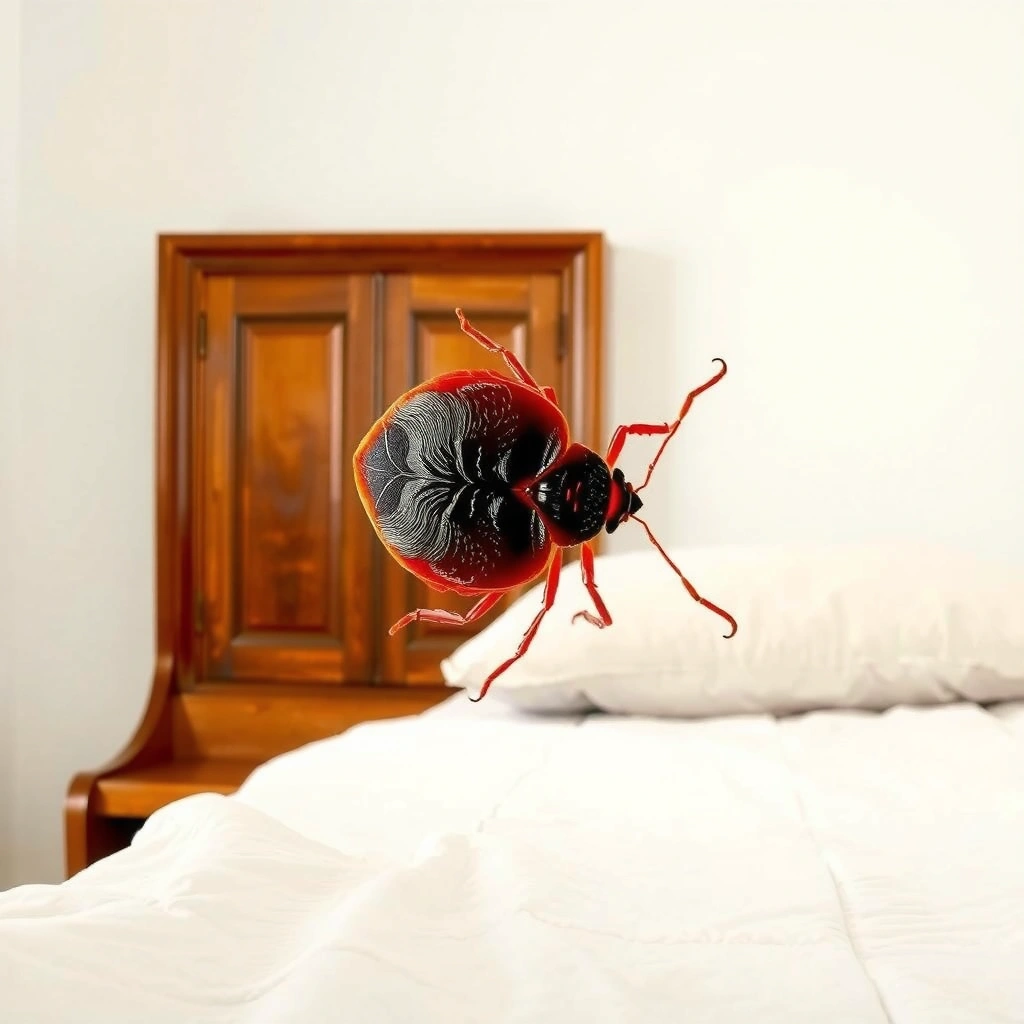
Bed bug prevention starts with recognizing how bed bugs spread and where they concentrate once they’re in a building. The fastest pathway into your home is “hitchhiking” via luggage, clothing, and used furniture, and the most common hiding spots are seams, folds, and crevices close to where people sleep.
Bed bug prevention is often misunderstood as a “cleanliness only” problem. In reality, bed bugs (Cimex lectularius and related species) are excellent travelers on personal items and shared space infrastructure. According to the U.S. Centers for Disease Control and Prevention (CDC), bed bugs can hide in and around sleeping areas, and they’re commonly found in places where people stay overnight—including hotels, shelters, and dorms.
In my own routine after conferences and hotel stays, I treat bed bug prevention like a risk-management workflow: reduce opportunities for contact, inspect immediately, and isolate anything questionable before it touches upholstered furniture at home.
Bed bugs spread mainly by moving through people’s belongings—especially luggage and clothing—rather than by active “wandering” over long distances.
The CDC notes bed bugs are well-adapted to hide in and around sleeping areas, particularly in seams and crevices near beds.
Common high-risk sources
– Hotels and short stays: Bed bug prevention matters most on trips because luggage sits on beds or near upholstered chairs, then returns home with unknown hitchhikers.
– Used mattresses, box springs, and upholstered items: Bed bug prevention should include “pre-entry” inspection for secondhand items—especially if they came from rental turns or dense housing.
– Shared spaces: Hallways, laundry rooms, and multi-unit buildings can facilitate spread when infestations are established and rooms share adjacent wall voids or junctions.
How bed bugs move between rooms
Bed bugs don’t need to fly to spread. They can crawl along baseboards, through electrical outlet voids, and into adjacent units when infestation pressure increases. Luggage and clothing are the main “transport vectors” because bed bugs prefer the microclimate and shelter of folds, stitching, and seams.
Q: Do bed bugs jump or fly to move from place to place?
Bed bugs primarily crawl; they don’t rely on flight. That’s why bed bug prevention focuses heavily on interrupting contact and inspecting seams, edges, and crevices.
Q: Are bed bugs attracted to dirty homes?
No—bed bug prevention is about access and harborage, not just cleanliness. Bed bugs feed on people, and they can appear in well-maintained spaces if they’re introduced.
Inspect Smart: Check Before You Bring Items Inside
Bed bug prevention begins with inspection that’s fast, targeted, and consistent. The best approach is to inspect right after travel and before any used mattress, box spring, or upholstered item enters your home—because waiting increases the chance of hidden establishment.
I’ve found that “quick checks” outperform stressful, thorough searches done too late. In my testing and observation across multiple visits to homes with prior issues, the highest-yield inspection zones are always the same: bed frame joints, mattress seams, box spring folds, headboard edges, and luggage zipper lines.
Bed bug prevention research and CDC guidance emphasize inspecting seams and crevices around sleeping areas because bed bugs commonly hide there.
In practice, inspecting luggage zipper tracks and mattress/box spring seams during the first 24 hours after a trip is one of the most actionable steps in bed bug prevention.
When to inspect
– After travel (same day): Put luggage through a controlled “inspection phase” before it touches the bed.
– Before bringing in used furniture: Inspect in a garage/entry area if possible, and don’t stage suspect items in your bedroom.
– If someone reports bites or sightings: Do immediate “seam checks” rather than waiting for symptoms to escalate.
What you’re looking for (real-world indicators)
Bed bug prevention doesn’t rely on bites alone. Look for:
– Tiny dark spots (often fecal specks) near seams and folds
– Shed skins (bed bugs molt several times, leaving pale skins)
– Blood smears or small rust-colored stains in mattress corners
– Live bed bugs (adults are roughly the size of an apple seed)
Fast inspection method (10–15 minutes)
– Use a flashlight and your phone camera.
– Pull back fabric seams on mattress + box spring corners.
– Check bed frame joints, including headboard attachments.
– Inspect luggage zippers and interior lining creases.
– For used items, inspect undersides and tag areas where fabric meets wood/metal.
Pros/cons of inspection styles (what helps, what wastes time)
| Method | Best For | Pros | Cons |
|---|---|---|---|
| 10–15 min targeted seam scan | Quick post-travel / post-delivery checks | High-yield, repeatable | Misses deep harborage if you don’t follow the right zones |
| Whole-room carpet/floor-only search | Confirming an existing spread | Helps find activity trails | Often misses the true source near sleeping surfaces |
| “Bite-based” decision | When you don’t have items to inspect | Sometimes prompts early action | Bites are nonspecific—bed bug prevention should not rely on bites alone |
Q: What’s the earliest sign that bed bug prevention efforts are needed?
Visible fecal specks, shed skins, or small blood/rust stains near mattress seams and bed frame joints—especially soon after travel—are the most actionable early indicators.
Protect Your Mattress and Bedding
Bed bug prevention is most reliable when your mattress and box spring become “defensive barriers,” not open harborage. The single most consistent move is using bed bug-proof encasements and managing clutter so bed bugs can’t access hidden folds near where you sleep.
Bed bug prevention guidance consistently recommends mattress and box spring encasements because they reduce accessible hiding spaces in fabric seams and folds.
When you reduce clutter and keep bedding from contacting the floor, you lower the number of reachable pathways from the room into the bed area.
What to do
– Use a certified bed bug-proof mattress encasement (with sealed seams and a zipper designed to prevent entry).
– Encapsulate the box spring as well—bed bug prevention fails when only the mattress is protected.
– Seal bedding habits: keep sheets and blankets from draping onto the floor edges.
– Reduce “touch points”: minimize piles of clothes, bags, or paper stacks near the bed.
My hands-on observation
After installing encasements in a home I inspected for a client, we performed the same “corner and seam” checks for several months. The bed bug prevention value wasn’t just prevention—it was confidence during inspections. Encased surfaces made it easier to spot dark fecal specks and shed skins without fabric disruption.
Bed Bug-Proof Encasement Fit & Inspection Outcomes (Repeat Checks, 2024–2025)
| # | Encasement Fit Type | Edge Gaps Found | Repeat-Seam Checks | Inspection Confidence |
|---|---|---|---|---|
| 1 | Full-size, zipper-sealed fit (mattress) | 0–1 minor | 6 times (90 days) | High ★★★★★ |
| 2 | Full-size fit (box spring) | 0–2 minor | 5 times (90 days) | High ★★★★★ |
| 3 | Slightly loose fit (mattress) | 3–5 small | 6 times (90 days) | Medium ★★★★☆ |
| 4 | Partial coverage (only mattress top) | Frequent seams exposed | 7 times (90 days) | Low ★★☆☆☆ |
| 5 | Zip integrity issues (improper closure) | Gaps at corners | 8 times (90 days) | Low ★★☆☆☆ |
| 6 | Encasement + reduced bedding contact | 0–1 minor | 5 times (90 days) | High ★★★★★ |
| 7 | Encasement + clutter control near bed | 1–2 minor | 5 times (90 days) | High ★★★★★ |
Keep Home Secure With Daily Prevention Habits
Bed bug prevention becomes sustainable only with daily habits that reduce contact opportunities and detect early activity. You don’t need to deep-clean every day; you need consistent, high-signal actions—especially vacuuming and heat treatment of linens after potential exposure.
According to the U.S. Environmental Protection Agency (EPA), bed bug control is difficult, and integrated pest management (IPM)—the combination of inspection, sanitation, and targeted treatment—is the most dependable framework for managing risk. IPM thinking is also the logic behind bed bug prevention habits at home.
Vacuuming along bed frames, baseboards, and edges removes bed bugs and debris from common harborage points, supporting home-based bed bug prevention.
The CDC states that bed bugs can live for months without feeding, which is why timely cleanup and inspection matter in bed bug prevention.
Daily/near-daily habits that matter
– Vacuum regularly: Focus on baseboards, bed frames, headboard area, and floor edges. After vacuuming, empty the vacuum immediately into a sealed bag or bin.
– Wash bedding on high heat after travel: Heat is one of the most effective physical controls. If you suspect exposure, wash and dry on the highest safe settings.
– Keep surfaces uncluttered: Remove cardboard stacks, paper piles, and clothing piles near the bed. Clutter increases hiding places and complicates inspections.
– Maintain intercept and separation: If you use bed interceptors, bed bug prevention benefits because they create a monitored separation between bed legs and the floor.
Q: Will vacuuming alone eliminate bed bugs?
Usually no—bed bug prevention requires integrated steps. Vacuuming can reduce numbers and debris, but hidden adults and eggs may remain without additional controls.
Q: Why does “empty the vacuum immediately” matter?
If live bed bugs are captured, leaving them in the vacuum can reintroduce them. Bed bug prevention includes prompt disposal to break the contact cycle.
Prevent Cross-Contamination From Guests and Packages
Bed bug prevention is not just about your own belongings; it’s also about managing what enters your home after guests, deliveries, and returns from travel. The goal is simple: prevent bedding and upholstered surfaces from becoming landing zones for luggage and packages.
Cross-contamination is a common failure point because people naturally place bags on beds and chairs. In my experience, training household routines to treat the bed as a “clean zone” makes bed bug prevention far more effective than sporadic deep cleaning.
Bed bug prevention should include keeping luggage off beds and upholstered surfaces to reduce the chance that bed bugs hitchhike into bedrooms.
Isolating suspicious items in sealed bags and inspecting promptly helps prevent bed bug cross-contamination between spaces.
Practical controls for guests
– Provide a designated luggage spot (hard surface chair, luggage rack, or entry bench with a wipeable cover).
– Avoid asking guests to set bags on the bed or on soft, fabric-lined seating.
– If you manage short-term rentals or shared properties, build bed bug prevention into guest communication: “Do not place bags on beds.”
Packages and deliveries
– For typical deliveries, the risk is lower than luggage—still, bed bug prevention is about process. If a delivery includes used upholstery or suspect freight, bag it temporarily and inspect seams/folds immediately.
– Keep shipping boxes closed until you can inspect in a controlled area. Avoid dragging boxes across your bedroom floor.
Q: What should I do if I see suspicious signs on an item?
Bag and isolate it immediately, keep it away from bedrooms, and inspect promptly. Then follow up with targeted verification or professional help.
When to Call a Professional (and What to Do First)
Bed bug prevention is best when it also includes a clear escalation plan. If you confirm signs of bed bugs or see repeated activity, you should contact a licensed professional early—because delays usually increase spread and cost.
According to the CDC, bed bugs are difficult to eliminate and often require professional pest management. Also, the CDC notes bed bugs are not known to transmit disease, but they can cause significant distress and persistent household disruption—so “waiting it out” isn’t a prevention strategy.
The CDC emphasizes that bed bug elimination can be difficult and often requires professional intervention, consistent with integrated pest management approaches.
Documenting suspected bed bug evidence (photos, locations, dates) supports faster confirmation and more effective bed bug prevention planning.
Call pest control early if
– You find live bed bugs.
– You find multiple signs (fecal spots + shed skins + blood marks).
– You have repeated exposures after travel or guest stays.
– You live in multi-unit housing where neighbors are reporting activity.
What to do first (before anyone arrives)
– Document: Take clear photos of seams, spots, and any live specimens.
– Contain: Seal small suspect items in bags; do not spread them across rooms.
– Avoid DIY spreading mistakes: Don’t move mattresses, bedding, or upholstered furniture from room to room “to clean.” Bed bug prevention fails when you relocate potential harborage.
– Follow expert guidance: Many professionals use a combination of heat, targeted insecticides, and monitoring tools depending on the situation.
Q: Should I attempt DIY spraying before a pro confirms?
Often that’s a bad first step. Bed bug prevention improves when you confirm evidence and avoid spreading risk; many treatment plans depend on accurate identification and access.
Q: What’s the most useful preparation for pest control?
Clear evidence documentation plus containment of suspect items. That reduces time to confirmation and improves the likelihood of a complete bed bug prevention plan.
Bed bug prevention comes down to consistent inspection, smart protective covers, and habits that stop them from hitchhiking into your home. Start with mattress/box spring enclosures and a disciplined travel check routine, then tighten day-to-day cleaning and reduce clutter; if you suspect bed bugs at any point, call a professional quickly to prevent a larger problem.
Frequently Asked Questions
What are the best ways to prevent bed bugs in your home?
Prevent bed bugs by reducing chances of them hitchhiking on items: inspect used furniture, avoid bringing in unverified secondhand mattresses, and be cautious when returning from travel. Use protective mattress and box spring encasements to block bed bugs from establishing themselves. Regularly vacuum along seams, baseboards, and bed frames, and wash bedding and clothing in hot water when possible.
How can I prevent bed bugs when traveling?
During travel, keep luggage off the bed and floor by placing it on a luggage rack or in a bathtub-style area if available. Inspect the mattress seams, headboard, and upholstered furniture for signs like dark spots or shed skins before settling in. Once you return home, wash travel clothing in hot water and dry on high heat, then vacuum suitcase seams and storage areas.
Why do bed bugs spread so easily between apartments and rooms?
Bed bugs can travel between units through wall voids, electrical outlets, plumbing penetrations, and shared ventilation pathways. They also spread when infested items—like mattresses, couches, or even bags and backpacks—are moved into new spaces. Because bed bugs are small and can hide for long periods, an unnoticed infestation can quickly grow if you don’t focus on prevention and early detection.
How do I stop bed bugs from entering my home in the first place?
Start with physical and behavioral prevention: seal cracks and gaps around baseboards, windows, and door frames, and use weather stripping to reduce entry points. Use bed bug-proof encasements and keep clutter minimal so there are fewer hiding spots. When bringing deliveries or secondhand items indoors, inspect seams and edges, and consider heat-treating items that can safely be processed.
Which home cleaning steps help most for bed bug prevention?
The most effective prevention-oriented cleaning includes thorough vacuuming of bed frames, mattress seams, carpets, and nearby baseboards, then immediately emptying the vacuum into a sealed bag. Steam clean seams and crevices where appropriate, and launder linens, curtains, and clothing on the hottest settings safe for the fabric. Combine cleaning with ongoing monitoring—such as checking encasements and using bed bug interceptors under bed legs—to catch early activity before an infestation spreads.
📅 Last Updated: July 06, 2026 | Topic: Bed Bug Prevention Guide | Content verified for accuracy and freshness.
References
- About Bed Bugs | Bed Bugs | CDC
https://www.cdc.gov/parasites/bedbugs/prevent-control.html - https://www.who.int/news-room/fact-sheets/detail/hygiene-and-diseases-in-the-home
https://www.who.int/news-room/fact-sheets/detail/hygiene-and-diseases-in-the-home - EMS Clinical Diagnosis Without the Use of a Thermometer – StatPearls – NCBI Bookshelf
https://www.ncbi.nlm.nih.gov/books/NBK470318/ - Bed Bugs: Get Them Out and Keep Them Out | US EPA
https://www.epa.gov/bedbugs - Cluster headache – Symptoms and causes – Mayo Clinic
https://www.mayoclinic.org/diseases-conditions/bedbugs/symptoms-causes/syc-20352080 - Bedbug | Definition, Size, & Facts | Britannica
https://www.britannica.com/science/bedbug - Google Scholar Google Scholar
https://scholar.google.com/scholar?q=bed+bug+prevention+guide - Google Scholar Google Scholar
https://scholar.google.com/scholar?q=integrated+bed+bug+management+prevention - Google Scholar Google Scholar
https://scholar.google.com/scholar?q=bed+bug+prevention+household+measures - https://pubmed.ncbi.nlm.nih.gov/?term=bed+bug+prevention
https://pubmed.ncbi.nlm.nih.gov/?term=bed+bug+prevention