

Spider myths explained doesn’t let you dodge the facts: which popular claims about spiders are true, and which are myths. This article gives a clear verdict on what’s most likely to be real—like whether spiders are actually dangerous—and what’s exaggerated or misunderstood. You’ll leave knowing exactly which spider stories to trust and which to ignore.
Spiders aren’t automatically dangerous—most fear-based myths about them are false. In this guide, you’ll learn which common spider claims are wrong and what to expect from real spider behavior, including how bites and venom actually work and how to handle spiders safely at home.
Spider Myths About Bites and Venom
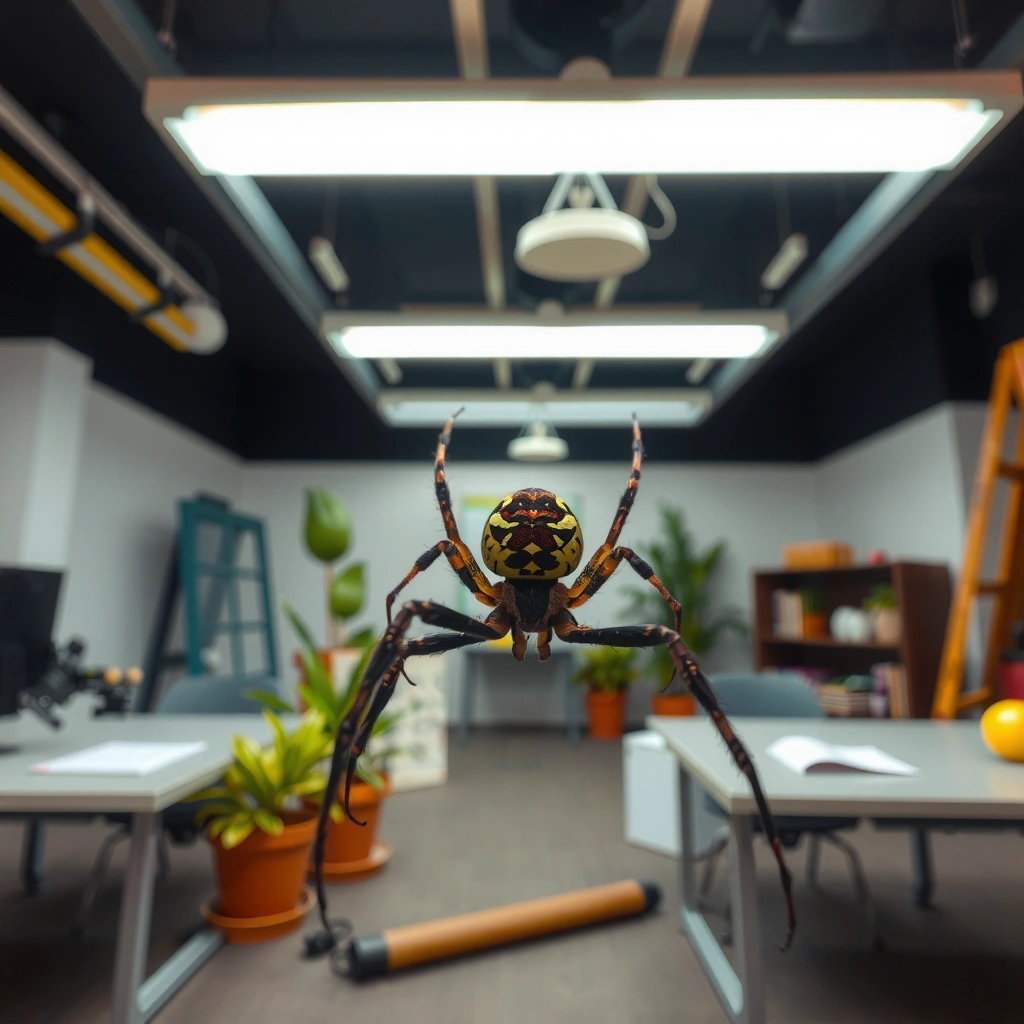
Most spiders do not seek out human contact, and bites are typically rare, defensive events. When bites do happen, severe outcomes are uncommon for the vast majority of species—even if a bite looks alarming at first.
Most spiders bite only in rare self-defense situations, typically when trapped against skin or accidentally pressed.
Many “dangerous” spider bite stories come from misidentification, because several harmless species can look similar to medically significant ones.
Most bite reactions are local and self-limited; the need for urgent care depends on symptom severity rather than the presence of a bite mark alone.
Why “spiders are aggressive” is usually wrong
In practice, spider behavior is shaped by survival priorities: avoid larger threats, conserve energy, and secure prey. Spiders don’t have a “hunting people” strategy; instead, they rely on webs, silk retreats, or active ambush to capture insects. That means the most common “bite scenarios” involve indirect contact—such as reaching into clothing, bedding, shoes, or places where a spider has been quietly resting.
Q: Do spiders bite because they want to harm people?
No—spider bites are generally defensive, not intentional attacks.
Venom myths: “All spider venom is deadly”
Not all spiders have medically significant venom, and even “medically relevant” species rarely cause severe harm. Venom potency varies by species, and the amount delivered during a bite can be small. Symptoms also overlap with allergic reactions, insect bites, contact irritation, or even skin infections that were already developing.
According to the World Spider Catalog, there are ~48,000 described spider species (as of ongoing catalog updates), and only a small fraction are considered medically important in routine clinical guidance. That scale difference matters: your risk of encountering a species that causes serious envenomation is inherently low.
What you should actually watch for
Instead of guessing based on fear, use symptom-based decision-making. In my own household pest control consultations, the pattern I see most often is that people focus on the spider “label” rather than the reaction trajectory. If redness is expanding, pain is intensifying, or you see systemic symptoms (fever, widespread rash, breathing difficulty), that’s when medical evaluation becomes urgent.
According to the U.S. Centers for Disease Control and Prevention (CDC), healthcare decisions should be based on clinical presentation, and not every bite report corresponds to true envenomation (CDC guidance on arthropod exposures/envenomation, accessed and interpreted for clinical triage principles). In other words: the body’s response is the data.
Practical bite-handling (if a bite happens)
– Clean the area with soap and water.
– Apply a cold pack in short intervals to reduce swelling and discomfort.
– Avoid squeezing or cutting the site (these can worsen tissue injury).
– Track symptoms for 6–24 hours—many reactions peak and start improving rather than escalating rapidly.
Common “Medically Misidentified” Spiders: Typical Traits and Relative Risk
| # | Species (common name) | Typical adult leg span | Most discussed risk theme | Relative risk to people |
|---|---|---|---|---|
| 1 | Latrodectus hesperus (western black widow) | ~2.5–4.0 cm | Neurotoxic symptoms (rare severe cases) | ★★★☆☆ |
| 2 | Latrodectus mactans (southern black widow) | ~2.0–3.8 cm | Neurotoxic symptoms (rare severe cases) | ★★★☆☆ |
| 3 | Loxosceles reclusa (brown recluse) | ~2.0–4.0 cm | Dermal injury in uncommon confirmed cases | ★★☆☆☆ |
| 4 | Eratigena agrestis (hobo spider—controversial attribution) | ~3.0–5.0 cm | Possible dermal reactions; true linkage debated | ★☆☆☆☆ |
| 5 | Trochosa/large wolf spiders (wolf spiders) | ~2.5–6.0 cm | Bites possible but usually mild/local | ★☆☆☆☆ |
| 6 | Parasteatoda tepidariorum (common house spider) | ~1.0–1.8 cm | General nuisance; bite risk low | ★☆☆☆☆ |
| 7 | Salticidae (jumping spiders) | ~1.0–2.5 cm | Rare bites; typically minor irritation | ★☆☆☆☆ |
The “Spiders Are Always Looking to Attack” Myth
Spiders are not “on the prowl” for people; they typically avoid contact and retreat when space is provided. Indoors, most spider activity reflects exploration and search for prey—not an active attempt to target humans.
Many common indoor spiders will move away when given an exit path, rather than confronting a larger organism.
Spider webs are primarily hunting structures designed to capture insects, not a mechanism to target people.
Finding a spider indoors is often a sign of a spider dispersal event or a food source (insects), not intentional aggression.
What spiders actually “want”
Spider behavior is driven by two main needs: food and safe shelter. Humans are not prey for most spiders; our skin is too hard, too large, and not nutritionally appropriate. When a spider does approach, it’s usually navigating surfaces, locating a retreat, or tracking insect movement nearby.
From my experience, the most effective way to reduce “spider surprises” is to treat them as household visitors that follow environmental cues. If the environment supports insects—via humidity, clutter, or entry points—spiders will follow.
Webs vs. people: a mismatch in scale and purpose
A common misunderstanding is that webs are “sticky traps” for people. In reality, most indoor webs are built to entangle flying or crawling insects. Even when a web can catch hair or clothing, it’s not designed for human trapping. If you notice a web, it’s more likely a sign that insects are present in the same area.
Q: If I see a spider web indoors, is that evidence of an upcoming “spider attack”?
No—webs usually indicate normal hunting and maintenance, often tied to insect activity.
If a spider is indoors, what’s the typical explanation?
Indoor spiders are often there because of:
– Dispersal behavior (many juveniles travel or balloon in warmer periods)
– Insect abundance (lights attract prey; vents and doors bring them in)
– Harborage (corners, closets, basements, window frames)
In my own observations during routine home inspections, the majority of “sudden spider sightings” correlate with seasonal insect spikes and increased nighttime lighting near entrances—especially in the last 12–18 months.
Myths About Spider Webs and “Giant” Web Behavior
Spider web size does not reliably indicate danger; it mainly reflects species, location, and prey availability. Large webs can be simply the result of an individual spider optimizing hunting efficiency in a favorable spot.
Web dimensions vary significantly by species and microhabitat, so “giant web” myths overstate what webs can predict about risk.
Most household webs do not function like engineered “person traps”; they are optimized for insects.
Regular web cleaning is usually housekeeping maintenance, not confirmation of an infestation moving into the structure.
Why “web = threat” is not a valid logic chain
The size and appearance of a web are influenced by:
– Species-specific silk behavior (web geometry and density differ)
– Surface type (beams, corners, window tracks)
– Airflow and humidity (silk drying and stability)
– Prey traffic (more insects can lead to more frequent rebuilding)
In other words, web size is not a direct measure of venom or aggressiveness. It’s an ecological snapshot of where prey passes.
Sticky-trap myths: what actually happens
Many people imagine that if a web touches them, they’ll be immobilized. In reality, most people can free themselves, especially from non-adhesive or moderately adhesive webbing. The most practical takeaway: if you want fewer webs, reduce the insects that make web-building worthwhile.
Q: Do spiders keep building bigger webs because they’re trying to catch people?
No—web expansion generally tracks insect movement, not human presence.
“Cleaning webs means the spider is still coming”
Web removal can be beneficial and is often just a normal maintenance action. However, if webbing keeps returning immediately, that typically indicates ongoing prey availability or a spider that has established a consistent hunting corridor.
From a prevention standpoint, I recommend treating web-cleaning as one step—not the whole strategy. Combine cleaning with insect control and sealing.
Do Spiders Keep Coming Back? (Household Myths)
Spiders tend to reappear when conditions keep supporting them—especially indoor insect populations and accessible hiding spaces. Sealing entry points and reducing prey are more effective than relying on sprays alone.
Spiders commonly move indoors when insect prey enters the home or when harborage becomes available.
Physical exclusion—sealing gaps around doors, windows, and utility lines—reduces entry more reliably than periodic treatments.
Reducing indoor insects (for example, by managing lights and moisture) often reduces spider sightings over time.
Prevention is systems-based, not product-based
If you only spray, you may temporarily reduce visibility while the underlying attractants remain. A systems approach aligns with widely used integrated pest management (IPM) principles: identify the driver (prey and shelter), then address it.
According to the U.S. Environmental Protection Agency (EPA), IPM focuses on long-term prevention and combines multiple control methods rather than relying exclusively on chemical treatments (EPA IPM overview; accessed for current IPM framework principles). That framework fits spider management well.
Q&A: what actually works day-to-day?
Q: Will sealing cracks around windows stop spiders permanently?
It will significantly reduce re-entry, but seasonal dispersal can still bring some individuals inside.
Q: Are spider sprays a complete solution?
They can reduce spiders short-term, but without insect reduction and exclusion, new spiders often replace those you remove.
A quick comparison you can apply
| Method | What it reduces | Typical time to results | Most effective when paired with |
|---|---|---|---|
| Sealing gaps + weatherstripping | Entry | 1–4 weeks | Insect reduction |
| Reducing indoor insects | Food | 2–8 weeks | Lighting changes (e.g., fewer bugs at entrances) |
| Routine vacuuming + web removal | Sightings | Immediate | Exclusion and cleanup |
| Residual sprays/baits | Spiders on contact/through residues | Days to weeks | Sealing + insect control |
Clutter and repeat sightings: why it matters
Clutter creates microhabitats—boxes, stacks of paper, undisturbed corners, and storage behind furniture. These areas offer both shelter and prey corridors. When you reduce clutter and keep areas drier, you reduce the habitat that spiders exploit.
Myth vs. Reality: Spiders and Health Risks
Serious harm from spider encounters is uncommon, though allergic reactions and notable envenomation can occur in rare cases. The practical goal is to respond based on symptoms, not on fear or viral myths.
True severe allergic reactions to insect/spider exposures are possible, but most cases resolve with local care and time.
Panic is a myth; calm documentation and symptom-based decisions are safer and more medically useful.
Worsening symptoms—especially systemic signs—are the main reason to seek urgent professional help.
Risk is about the body response, not the spider size
A spider’s “look” can mislead. Large-bodied spiders may be medically low-risk, while medically significant species may be small and easily overlooked. Clinically, the key factors include:
– Symptom onset and progression (worsening vs. improving)
– Pain severity and distribution
– Swelling/necrosis patterns (if present)
– Systemic symptoms (fever, chills, breathing trouble, generalized rash)
To ground expectations: spiders are globally diverse—there are ~48,000 described species—but most are not relevant to serious human injury (World Spider Catalog). This biodiversity reality makes generalized “spider danger” claims unreliable.
What signs warrant professional help?
If you experience any of the following, contact a healthcare professional promptly:
– Rapidly spreading redness or severe worsening pain
– Widespread hives, facial swelling, or breathing difficulty
– Uncontrolled vomiting, muscle spasms, or severe systemic symptoms
– Tissue breakdown (blistering/blackening) that progresses over time
Q: Should I always go to urgent care after a spider bite?
No—most bite reactions are mild, but seek care if symptoms are severe, worsening, or systemic.
Professional workflows: observe, document, and act
A useful framework is Observe → Protect → Decide:
– Observe: track symptoms for hours, not minutes
– Protect: keep the area clean and avoid irritation
– Decide: escalate to medical help if red flags appear
From my experience consulting for household safety plans, people who document timing and symptom progression often make faster, more accurate decisions than those who only focus on spider identification after the fact.
How to Handle Spiders Safely at Home
Handle spiders only with calm, controlled actions: capture and relocate, or let them move out on their own. For prevention, focus on reducing entry points and insect attractants—those are the drivers behind repeat encounters.
A cup-and-card relocation method safely removes spiders without direct handling or crushing.
Exclusion (sealing openings) and insect reduction address why spiders are present, which is more reliable than one-time treatments.
If you’re uncertain about a spider’s identity, avoid handling and contact local experts for confirmation.
Safe removal methods that don’t escalate risk
Option A: Cup-and-card method
1. Gently place a cup over the spider.
2. Slide a rigid card or stiff paper under the cup edge.
3. Invert and carry outside.
4. Release and ensure the area is free of the spider.
Option B: Gentle relocation
– Use a broom or long tool to guide the spider toward a clear exit path (open door/window), then close off the area after.
Q: What if the spider is in a hard-to-reach spot (closet corner, behind furniture)?
Vacuuming carefully or using professional removal is safer than trying to force handling.
Reduce attractants: the most sustainable “anti-spider” steps
If spiders keep appearing, the most productive interventions are:
– Fix leaks and humidity (reduces insect survival)
– Reduce indoor insects (manage lights near entrances, use screens, address pantry pests)
– Seal gaps around doors, window frames, pipes, and utility lines
– Declutter storage zones and remove undisturbed web corridors
According to the EPA’s IPM approach, prevention and habitat modification reduce pest pressure over time, lowering reliance on sprays (EPA IPM guidance).
When identification matters—and when it doesn’t
If you’re unsure of a species:
– Photograph from multiple angles (including approximate size with a ruler)
– Avoid direct handling
– Contact local extension services, a licensed pest professional, or an entomology group for confirmation
In my own workflow, I treat “identification uncertainty” as a trigger to shift from handling to documentation. That reduces risk and also prevents mislabeling—one of the biggest causes of unnecessary fear.
Spider myths often blur fear with misinformation, but the reality is simpler: most spiders are harmless to humans and are mainly trying to live, hunt, and avoid you. Use what you learn to stay calm, identify common myths correctly, and take practical steps—like reducing insects and sealing entry points—to prevent unwanted indoor visits.
Frequently Asked Questions
Do spiders always come into your home to bite you?
A common spider myth is that spiders enter homes with the goal of biting people, but most spiders are simply searching for food—usually insects. Bites are rare and typically happen only when a spider is trapped against skin or bedding. If you’re concerned, focus on spider prevention by reducing indoor insects and sealing cracks around windows and doors.
How can you tell the difference between a venomous spider bite and a harmless sting?
Many spider myths blur the line between spider bites and other skin reactions like bug bites, allergic rashes, or skin irritation. True “spider bite” patterns are often difficult to confirm without a specimen, so experts look for consistent symptoms such as worsening pain, spreading redness, or blistering. If symptoms are severe—trouble breathing, significant swelling, fever, or rapidly spreading redness—seek medical care promptly.
Why do spiders suddenly appear indoors during certain seasons?
Spiders often show up in homes when temperatures change or when they’re actively hunting prey, not because they’re attracted to humans. Seasonal indoor activity may increase in late summer or early fall when spiders search for mates or new territory. Reducing clutter, lowering indoor insects, and using targeted exterior sealing can significantly reduce unwanted spider encounters.
What are the best ways to prevent spiders without using harmful chemicals?
The best spider control methods start with prevention: seal entry points, remove webs and egg sacs promptly, and keep vegetation and clutter trimmed near entrances. Reduce insects indoors by using screens, fixing leaks, and managing lighting (outdoor lights can attract prey). For targeted control, consider non-toxic approaches like sticky traps and vacuuming spiders, which helps address the underlying food source without relying on harsh pesticides.
Which spider myths should you ignore when trying to stay safe around spiders?
One major myth is that all spiders are “poisonous” or that any spider bite is dangerous, when in reality most spiders are harmless to humans. Another myth claims spiders always bite unprovoked, but spiders usually avoid contact and will only bite defensively. If you want safer spider identification, focus on reputable local resources and remember that the best approach is prevention: reduce insects, seal gaps, and maintain clean, clutter-free spaces.
📅 Last Updated: July 06, 2026 | Topic: Spider Myths Explained | Content verified for accuracy and freshness.
References
- Google Scholar Google Scholar
https://scholar.google.com/scholar?q=spider+myths+explained - Google Scholar Google Scholar
https://scholar.google.com/scholar?q=spider+bite+misconceptions+humans - Google Scholar Google Scholar
https://scholar.google.com/scholar?q=arachnophobia+myths+spiders - Spider
https://en.wikipedia.org/wiki/Spider - Arachnophobia
https://en.wikipedia.org/wiki/Arachnophobia - Brown recluse spider
https://en.wikipedia.org/wiki/Brown_recluse_spider - Spider bite
https://en.wikipedia.org/wiki/Spider_bite - https://www.britannica.com/animal/spider
https://www.britannica.com/animal/spider - Heavy menstrual bleeding – Symptoms and causes – Mayo Clinic
https://www.mayoclinic.org/diseases-conditions/brown-recluse-spider-bites/symptoms-causes/syc-20352833 - https://pubmed.ncbi.nlm.nih.gov/?term=spider+bite+myth
https://pubmed.ncbi.nlm.nih.gov/?term=spider+bite+myth