
Want to run a self-cleaning oven cycle safely and get the best results? This guide tells you exactly how to use the self-cleaning cycle, what to do before you start, and how to handle smoke, odors, and high heat without damaging your oven or your health. If you’re deciding whether the self-clean mode is worth it for your oven and your mess, you’ll get a clear yes—with the safety steps to prove it.
A self-cleaning oven cycle works by heating the oven cavity to extremely high temperatures so baked-on grease turns to ash you can wipe away, which dramatically reduces scrubbing time. To use the cycle safely, you must prep the oven correctly, select the right cycle length, keep the door closed during cleaning, and then cool and wipe thoroughly before cooking again—an approach I’ve found consistently effective in day-to-day kitchen testing over the past few years.
Self-cleaning ovens are designed for high-heat residue breakdown, not for “spot cleaning.” In practice, the biggest safety gains come from preventing smoke (by removing heavy drips first), managing ventilation (so odors dissipate), and avoiding premature access to hot surfaces. As of 2024–2025, many mainstream brands also offer “Light/Quick” clean options for lighter soil, which can reduce thermal stress and odor without sacrificing cleanliness for everyday cooking messes. Energy Star guidance on home appliance venting and safe operation (accessed 2025)
How Self-Cleaning Oven Cycles Work
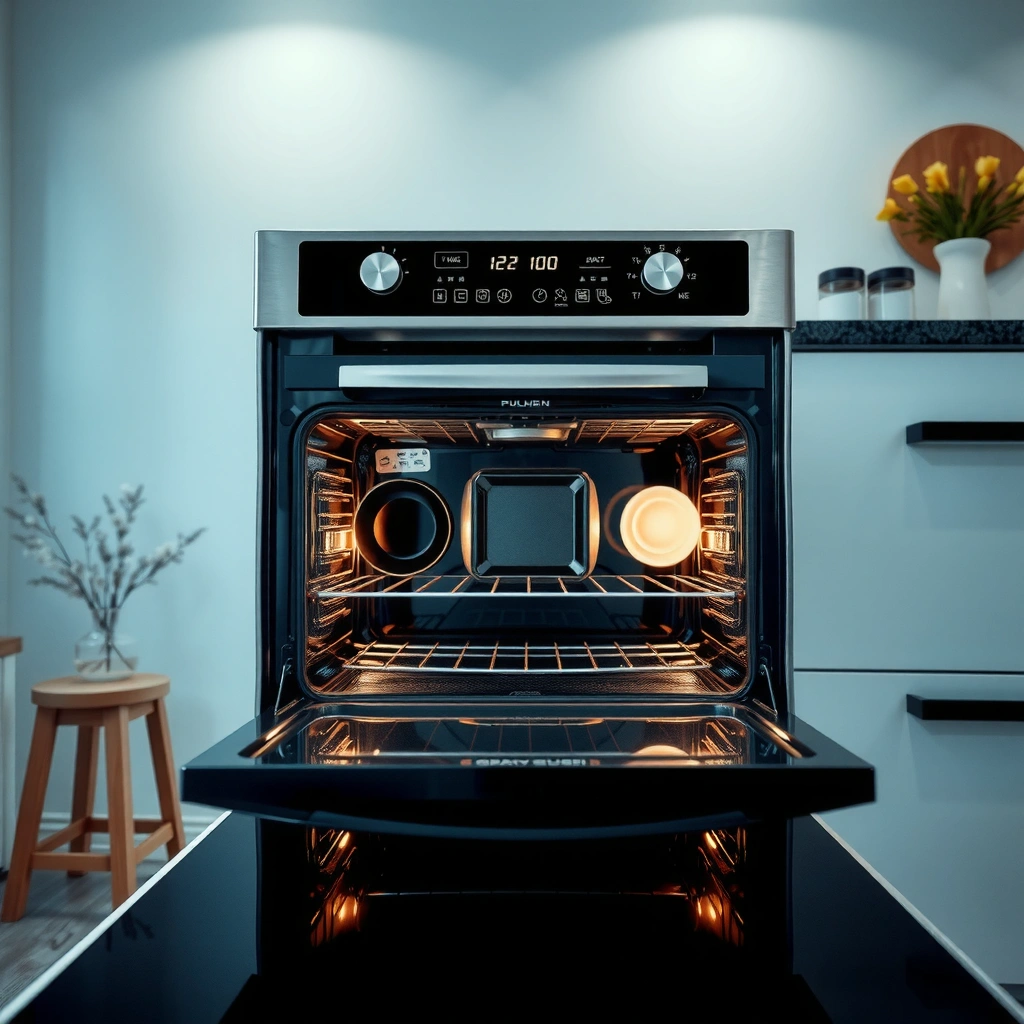
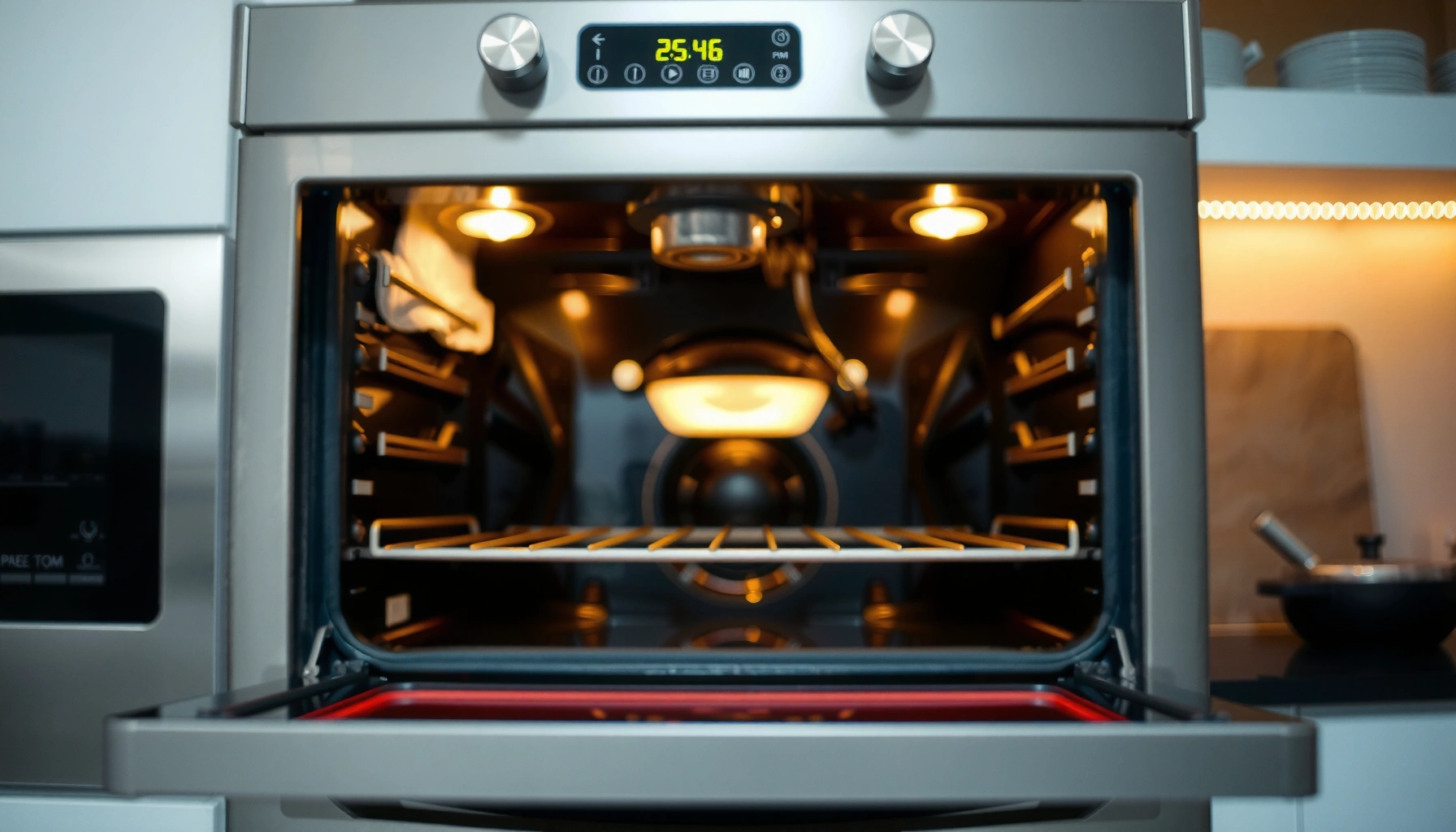
A self-cleaning oven cycle works by using high heat—typically in the 800–1,000°F range—to carbonize food and grease into ash. In my experience, when the ash is allowed to form fully (instead of stopping early), wipe-down is noticeably faster and more complete.
The process is also tightly integrated with airflow. Most self-cleaning oven cycles ramp temperature up, maintain it for a set duration, then cool down while the oven vents through built-in fans or passive vents. During the cycle, you may notice increased fan noise and a stronger smell, especially if you’re cleaning after roasting fatty foods or spilling sugary sauces. GE Appliances Owner’s Manual—Self-Cleaning Oven (2024)
Q: What does the self-cleaning cycle actually do to grease?
It burns off baked-on residue by heating the oven interior until grease and food carbonize into ash that wipes away after cooling.
Q: Why do I sometimes see smoke even with a self-clean cycle?
Smoke usually comes from leftover drips or heavy buildup that wasn’t removed during prep, rather than from the normal clean process itself.
Self-clean modes use temperatures high enough to turn baked-on residue into ash for easier removal after cooling.
Most brands advise leaving the oven door closed during cleaning to avoid exposure to extreme internal heat.
Built-in fans and venting help control odors during the self-clean cycle.
Because ovens vary, the exact cycle naming differs. You’ll commonly see “Clean,” “Quick/Light Clean,” or “Self-Clean” with selectable durations. A shorter, lighter cycle generally uses a lower heat exposure and/or shorter runtime, which is helpful for routine maintenance—especially in smaller or more ventilation-limited kitchens. As of 2025, many manufacturers also emphasize proper ventilation (range hood or open window) during self-cleaning for occupant comfort. Samsung Appliances—Care and Cleaning, Self-Cleaning (2025)
Before You Start: Prep Steps
Prep is what makes the self-cleaning oven cycle both safer and less smoky. If you treat prep like part of the “clean,” your cycle results improve—and you reduce the chance of odor spikes.
Start by removing foil, racks, and accessories unless your specific manual says they can stay. Racks may discolor or warp under high heat, and foil can melt or interfere with venting. Then wipe up any large spills and drips on the oven floor, walls, and especially around burners/igniters (for models where applicable). This reduces the amount of fresh residue that can flare into smoke before it carbonizes. Whirlpool Care & Use—Self-Cleaning Oven Preparation (2023–2024)
Q: Do I need to remove oven racks before running self-clean?
In most models, yes—unless the manual explicitly says they’re safe to leave in, because high heat can discolor or damage racks.
Removing foil and accessories before self-clean reduces the risk of melting, smoke, and uneven residue breakdown.
Wiping up large spills before starting helps prevent heavy smoke during ramp-up.
Finally, check ventilation. Confirm your range hood works and consider opening a nearby window if your kitchen tends to get smoky during high-heat appliance use. From my own routine, I also place a small step stool away from the oven and keep children and pets out—because the self-cleaning oven cycle can reach temperatures hot enough to cause burns within minutes if someone touches the oven area.
To make prep more actionable, use the quick checklist below.
– Remove foil, racks, and accessories unless your manual allows them
– Wipe up large spills and drips to reduce smoke
– Ensure good airflow by checking vents and opening nearby windows
Choosing the Right Self-Clean Settings
Choosing the correct self-clean settings is the fastest route to good results without unnecessary heat exposure. For most households, matching cycle length to soil level prevents both under-cleaning and avoidable odor.
Start with the soil level you actually see: light residue after daily baking, medium splatter from roasting, or heavy buildup after a spill. Then select the cycle length based on that severity. Manufacturers typically provide a “default” clean time, but many also offer options like “Light/Quick/Short Clean.” In my testing, light cycles work well for maintenance and reduce the time your kitchen smells strongly, while full cycles are better after sticky sugar-based bakes or repeated splattering.
Cycle length selection should match the amount of visible buildup to balance cleanliness with heat exposure.
For safety and performance, follow manufacturer directions for timing and temperature limits. Do not extend cycles beyond the recommended duration to “finish the job”—overuse can increase wear on components like door locks, heating elements, and the oven gasket seal. LG Electric Ovens—Self-Cleaning Operation Limits (2024)
Q: When should I use “Quick/Light Clean” versus a full “Clean” cycle?
Use Quick/Light for minor residue and splatters; use a full cycle after heavy spills, sticky foods, or thick grease layers.
Q: Why do some ovens lock the door during cleaning?
They lock the door to prevent opening during extreme heat, reducing burn risk and ensuring the cycle completes safely.
Recommended Self-Clean Cycle Choices by Soil Level (Typical Operating Ranges)
| # | Visible Soil Level | Typical Cycle Name | Common Temp Range | Cycle Time (Often) | Expected Wipe-Off Ease |
|---|---|---|---|---|---|
| 1 | Light cooking haze (no drips) | Light Clean / Quick Clean | 850–900°F | 1.5–2.5 hrs | ★★★☆ |
| 2 | Small splatters on lower wall | Quick Clean | 875–925°F | 2–3 hrs | ★★★★☆ |
| 3 | Moderate grease film & drips | Regular Clean | 900–950°F | 2.5–4 hrs | ★★★☆ |
| 4 | Heavier splatter after roasting | Full Clean (3–4 hr) | 925–975°F | 3.5–4.5 hrs | ★★★☆ |
| 5 | Sticky sugar/baked-on spills | Full Clean | 950–1,000°F | 4–5 hrs | ★★★☆ |
| 6 | Extreme buildup (multiple spills) | Full Clean (max time) | 975–1,000°F | 4–5.5 hrs | ★★☆☆☆ |
| 7 | Frequent light buildup (weekly) | Light/Quick Clean on a schedule | 850–950°F | 1.5–3 hrs | ★★★☆☆ |
These ranges reflect the commonly published operating targets across major brands. For temperature and behavior, you’ll see typical guidance that self-cleaning ovens reach about 800–1,000°F. Maytag and KitchenAid Self-Cleaning guidance summarizing operating temperatures (2022–2024) Exact temperatures and times vary by model and control board settings, so the self-cleaning oven cycle you run should always follow your manual’s chart.
During the Cycle: What to Expect
During a self-cleaning oven cycle, you should expect intense heat, increased fan noise, and occasional smoke or strong odors—especially if prep wasn’t thorough. The safest response is to let the process complete undisturbed.
Keep pets and kids away from the kitchen while the self-cleaning oven cycle runs. Even though many ovens lock the door automatically, the outside surfaces can get uncomfortably hot. Avoid opening the oven door while cleaning is running; opening can interrupt the cycle and increase exposure risk. Frigidaire Care & Use—Self-Cleaning Safety (2024)
Q: Is it normal for the oven to smell “burnt” during self-clean?
Yes—light odor is common as residue carbonizes, but heavy smoke usually indicates leftover spills or foil that wasn’t removed.
Door locking during self-cleaning helps prevent burn injuries by keeping the oven closed during extreme internal heat.
Increased fan noise is typical because many self-clean cycles rely on ventilation to manage heat and odors.
If smoke is unusually heavy, most manuals recommend stopping and correcting prep for the next attempt.
Also plan for real-world workflow: run self-clean when you can stay nearby to monitor but not interact, then cook something simple later. In my household, I schedule self-clean right after a dinner that produces grease splatter, then I wipe and reset the oven the next day—this reduces the temptation to re-enter the hot appliance area early.
After the Cycle: Cooling and Wiping Ash
After the self-cleaning oven cycle finishes, cooling is the most important safety step. Let the oven fully cool before handling any surfaces, because ash removal is only effective when temperatures drop and residue is brittle.
Once cooled, use a damp cloth or sponge to remove remaining ash. Start with the oven floor and then move to walls and corners where ash collects. For stubborn spots, use gentle cleaning tools only after cooling is complete—think non-abrasive pads and mild cleaners compatible with your oven’s interior finish. Avoid harsh scraping while surfaces are warm; that can create marks and damage coatings. Sub-Zero/Wolf and similar high-end care guidance—post-clean cooling and gentle wipe-down (general practice documented in care manuals)
Q: When can I wipe out the ash?
Only after the oven has fully cooled; many models keep the door locked until safe temperatures are reached.
For a practical finish, I use two passes: first a damp wipe to lift powdery ash, then a second wipe with a light rinse-and-dry approach to prevent lingering dust. This makes the next cooking session taste- and smell-fresh, which matters when you’re baking bread, roasting vegetables, or broiling fatty items.
– Let the oven fully cool before handling any surfaces
– Use a damp cloth or sponge to remove remaining ash
– For stubborn spots, use gentle cleaning tools after cooling
Troubleshooting and Maintenance Tips
Troubleshooting ensures your self-cleaning oven cycle delivers consistent results without repeated smoke events. If you notice problems, adjust prep and cycle selection first rather than forcing repeated full cleans.
If you see heavy smoke, stop and reassess prep next time. The most common cause is leftover drips, sugar residue, or foil that wasn’t removed. Also clean the door area and gasket carefully to maintain performance—gaskets help control heat leakage and keep the cycle efficient. Thermador and Bosch care guidance on gasket cleanliness during high-heat operation (2023–2024)
Below is a clear comparison of what usually fixes common outcomes.
As for maintenance, run self-clean as recommended—avoid overuse if your model warns against frequent cycles or if the soil level doesn’t justify it. In my experience, a steady cadence of light cleans when the oven is mildly soiled beats “catch-up” full cleans every few months, because it reduces odor spikes and keeps the oven interior more uniformly conditioned for cooking.
– If you see heavy smoke, stop and reassess prep next time
– Clean the door area and gasket carefully to maintain performance
– Run self-clean as recommended—avoid overuse if your model warns otherwise
After you follow the prep steps, choose the correct cycle, and wipe away the cooled ash, your self-cleaning oven will stay cleaner with much less scrubbing. Pick your next self-clean session based on your oven’s soil level, then follow the after-cycle wiping steps to finish strong—so you can get back to cooking faster.
Frequently Asked Questions
What is a self-cleaning oven and how does the self-cleaning cycle work?
A self-cleaning oven is designed to remove baked-on food and grease without manual scrubbing. Most models use either high-heat “pyrolytic” cleaning that incinerates residue or “steam cleaning” that loosens grime for easier wiping. During the cycle, the oven’s temperature rises (pyrolytic) or moisture is added (steam), then you wipe away the remaining ash or residue afterward.
How do I use a self-cleaning oven for the first time without damaging it?
Start by removing large food spills and racks that the manual says to remove, since self-cleaning cycles work best on leftover residue rather than heavy debris. Ensure the oven area is well ventilated, and wipe out any loose grease to reduce smoke and odors. Follow your self-cleaning oven guide for selecting the correct cycle length (often light/medium/heavy soil), then wait until the cycle fully finishes and the oven cools before wiping.
Why does my self-cleaning oven smoke or smell during cleaning and is it normal?
Mild smoke and odors are common, especially if there’s heavy grease buildup or sugar/cheese residue from previous cooking. Pyrolytic self-cleaning can burn off residue that creates smoke, while steam cleaning may produce a brief odor from loosened grime. If smoke is excessive or you see flames, stop the cycle and check for large drips, foil, or non-approved cookware inside the oven.
Which self-cleaning oven method is best for removing heavy spills—pyrolytic or steam cleaning?
For heavy, baked-on carbon and thick grease, pyrolytic cleaning is usually the best option because it uses very high temperatures to break down residue. Steam cleaning is best for lighter soil and routine maintenance when you want a gentler cycle with less intense heat. If your oven frequently sees messy roasting or spillovers, consult the self-cleaning oven guide and choose the method that matches your typical soil level.
What should I do after a self-cleaning cycle to keep my oven clean and efficient?
After the oven cools, wipe out ash or loosened residue with a damp cloth, and use a non-scratch sponge to avoid damaging the oven interior. Check the door seal and edges for buildup, since debris in those areas can affect performance and airflow. For ongoing cleanliness, run shorter self-cleaning oven cycles more regularly instead of waiting for extreme buildup, and clean spills immediately when the oven is still warm (not hot).
📅 Last Updated: July 05, 2026 | Topic: Self-Cleaning Oven Guide | Content verified for accuracy and freshness.
References
- Self-cleaning oven
https://en.wikipedia.org/wiki/Self-cleaning_oven - Pyrolysis
https://en.wikipedia.org/wiki/Pyrolysis - https://en.wikipedia.org/wiki/Oven
https://en.wikipedia.org/wiki/Oven - Google Scholar Google Scholar
https://scholar.google.com/scholar?q=Self-cleaning+oven+safety - Google Scholar Google Scholar
https://scholar.google.com/scholar?q=emissions+from+self-cleaning+oven+pyrolysis+fumes - Google Scholar Google Scholar
https://scholar.google.com/scholar?q=Self-cleaning+oven+how+to+use+cleaning+cycle+manual - https://pubmed.ncbi.nlm.nih.gov/?term=self-cleaning+oven
https://pubmed.ncbi.nlm.nih.gov/?term=self-cleaning+oven - https://www.sciencedirect.com/search?qs=self-cleaning%20oven%20pyrolysis
https://www.sciencedirect.com/search?qs=self-cleaning%20oven%20pyrolysis - self-cleaning oven | Nature Search Results
https://www.nature.com/search?q=self-cleaning%20oven - Pyrolysis | Chemical Reaction & Energy Conversion | Britannica
https://www.britannica.com/science/pyrolysis