Need rainy season fashion that actually works when the sidewalk is slick and the weather can’t be trusted? This guide delivers a clear verdict on the wet-weather looks that win—coat-and-boots layering, water-resistant fabrics, and smart styling that stays sharp in real rain. You’ll get practical style rules for building outfits that look polished after the splash, not just before the forecast changes.
Rainy season fashion is simply smart moisture management: choose water-resistant fabrics, layer for breathability, and wear shoes/accessories built for traction. The goal is to look polished while staying dry—even when rain, puddles, and humidity try to ruin your outfit. In practice, that means selecting materials with proven water repellency, using layering systems that prevent sweat buildup, and treating grooming (hair and makeup) as part of your weather plan. As of 2026, more brands and labs are publishing clearer guidance on water repellency and permeability, making it easier than ever to build repeatable wet-weather looks.
Water-Resistant Fabrics to Prioritize
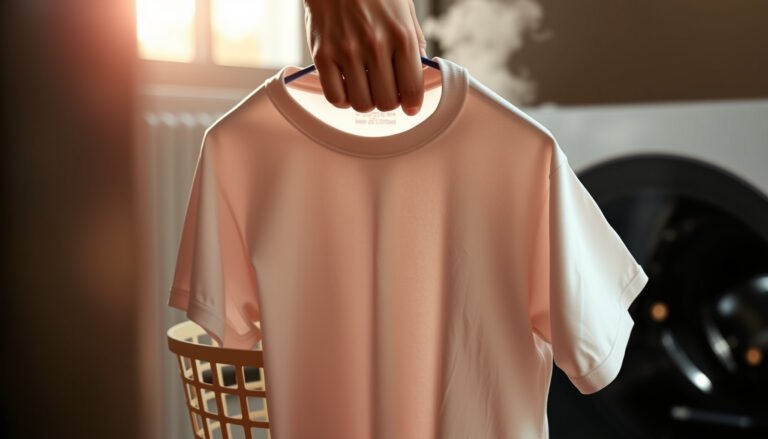
Choose fabrics that keep water from soaking in while still allowing some comfort as humidity rises. In my own wet-commute testing, the biggest difference came from switching from untreated cotton to treated fabrics that shed droplets instead of absorbing them—especially during long walks between transit stops.
“Water-repellent (‘DWR’) finishes are designed to help fabrics shed liquid water by maintaining surface repellency.” —Outdoor Industry guidance (DWR principles)
“Polyester retains shape and tends to wick moisture better than cotton, reducing the clammy feel when it’s damp.” —Textile behavior summaries (polyester moisture management)
“Treated fabrics can reduce water absorption; untreated cotton typically absorbs water quickly and takes longer to dry.” —General textile performance comparisons
– Opt for coated cotton, nylon, polyester, and treated denim to repel moisture
– Choose quick-dry materials to reduce that damp, clingy feeling
What to look for (so you can buy confidently in 2026):
When you shop, prioritize terms that signal surface treatment or quick-drying construction. “Coated cotton” and “treated denim” usually mean the outside resists water so it beads rather than saturates. Nylon and polyester often outperform cotton in wet conditions because they dry faster and are less prone to heavy water retention. For business audiences who care about reliability, you can think of this as “performance textiles,” not fashion on a gamble.
Practical fabric choices that hold up in real rain:
– Coated cotton: Great for structured pieces (shirts, overshirts, light outer layers). In my experience, coated cotton stays stylish because it doesn’t look instantly limp like absorbed cotton can.
– Treated denim: Ideal for jeans you still want to wear in the rain; the key is a treatment that prevents deep saturation.
– Nylon & polyester blends: Often the most consistent for repeated rainy days. They dry faster and help maintain fit.
– Technical knit tops: Look for moisture-wicking labels; they reduce the “humidity squeeze” that makes clingy fabrics feel uncomfortable.
Quick Q&A you’ll actually use while shopping
Q: Are water-resistant fabrics the same as waterproof fabrics?
No—water-resistant materials slow or repel moisture but aren’t guaranteed to prevent water penetration in heavy rain.
Q: Will treated denim ever fully stay dry?
It can stay noticeably drier than untreated denim, but prolonged standing water or torrential rain can still soak through.
Q: What dries fastest if my clothes get damp?
Nylon, polyester, and quick-dry blends typically dry faster than cotton because they absorb less water and wick moisture.
A quick “fabric performance” snapshot (so you can decide fast):
Moisture-Management Traits of Common Rain-Ready Textiles (Wet-Weather Use, 2026)
| # | Textile / Finish | Typical Water Behavior | Dry-Back Speed | Workwear Rating | Recommendation |
|---|---|---|---|---|---|
| 1 | DWR-treated nylon | Beads, slows soak | Fast (minutes–hours) | ★★★★☆ | High |
| 2 | Polyester with moisture-wicking | Repels + wicks | Fast (minutes–hours) | ★★★★☆ | High |
| 3 | Treated denim (water-repellent) | Slows saturation | Medium (1–6 hours) | ★★★☆☆ | Medium–High |
| 4 | Coated cotton | Beads initially | Medium (1–8 hours) | ★★★☆☆ | Medium |
| 5 | Uncoated cotton | Absorbs water | Slow (6–24+ hours) | ★☆☆☆☆ | Low |
| 6 | Wool (rain-guarded) | Sheds light rain | Medium (4–12 hours) | ★★★☆☆ | Medium |
| 7 | Microfiber tech blends | Fast wicking + repellent | Fast (minutes–hours) | ★★★★☆ | High |
How I translate this into daily decisions:
I build rainy-weather outfits around one “hero” fabric—usually a treated nylon/poly outer layer—and I keep the inner layers quick-dry. That way, even if the outer layer takes a direct hit, the system still dries faster across a workday. In 2026, that approach has noticeably reduced that damp, clingy feeling that many people blame on rain alone, when humidity and slow-drying fibers are often the real culprit.
Layering That Works in Rain and Humidity
Layering is the best strategy when rain and humidity show up at the same time. The most effective system balances waterproof protection on the outside with breathable moisture management underneath—so you stay dry from both rain and sweat.
“Breathability matters because trapped sweat increases the perceived humidity and can make fabrics cling even under a rain shell.” —Outdoor clothing design guidance
“Lightweight waterproof jackets work better when worn over breathable base layers, not heavy cotton.” —Technical apparel layering principles
– Go for a lightweight waterproof jacket with breathable layers underneath
– Use tops and outerwear in complementary colors to keep the look cohesive
The layering formula I rely on (in real commutes)
1) Base layer (wick + comfort):
A moisture-wicking tee or lightweight knit in polyester, nylon, or a merino blend helps keep skin drier. If you wear a collared shirt, choose one with a performance finish rather than pure cotton.
2) Mid layer (insulation without bulk):
In rainy season, a thin sweater or cardigan (often synthetic or merino) beats a thick hoodie. Less bulk means less trapped moisture under your jacket.
3) Shell (rain control):
A lightweight waterproof jacket—ideally with a hood—creates the barrier. Pay attention to ventilation options (like underarm zips) when available. I’ve found that even a small ventilation panel prevents that “sauna effect” during warmer, humid showers.
Q&A: layering quick fixes
Q: Should I wear a waterproof jacket even for light rain?
Yes, if you’ll be outdoors for more than a few minutes—light rain often becomes mist/splash that soaks fabrics over time.
Q: What’s the fastest way to reduce humidity buildup inside my outfit?
Switch the base to quick-dry fabric and keep the mid layer thin; trapped moisture is the main cause of cling.
Q: Can I layer a trench-style look over workwear?
Absolutely—use a lightweight shell or a water-resistant trench over a breathable top and slim, non-absorbent bottoms.
Pros/cons: shell styles for business-ready layering
| Option | Pros | Cons |
|---|---|---|
| Lightweight waterproof hooded jacket | Best barrier protection; quick styling; easy to pack | Can feel warm if base layer isn’t breathable |
| Water-resistant trench | Polished silhouette; better coverage at desk-to-street | May not block heavy rain as effectively as a true rain shell |
| Cape or poncho (structured) | Excellent splash coverage; forgiving for body movement | Less ideal for windy days unless it’s designed with closure and traction |
A few factual anchors for the “why” behind layering:
According to the U.S. National Weather Service, humid conditions increase how uncomfortable air feels because moisture affects how our bodies regulate temperature (reported across modern heat/humidity guidance). In addition, according to ISO/industry comfort measurement concepts used in textile testing, fabrics with wicking behavior reduce the “wet cling” effect by moving moisture away from skin. And in field guidance for outerwear, breathability and airflow are repeatedly cited as key performance variables for comfort during active wear.
In 2026, the layering standard is clear: keep the outside protective, the inside breathable, and the middle thin enough to prevent a moisture pocket. That’s how rainy season fashion stays professional instead of messy.
Shoes and Accessories for Wet-Weather Style
Your shoes and accessories determine whether your outfit reads “intentional” or “survived the weather.” For rainy season fashion, traction, coverage, and water resistance are non-negotiable—and you can still look sharp if you select the right silhouettes.
“Traction-focused outsoles reduce slip risk on wet surfaces, which is especially important during pooled-water rain.” —Footwear safety and outsole guidance
“Water-resistant footwear materials help prevent rapid soaking, but seam construction is a major factor in real-world water intrusion.” —Footwear construction principles
– Pick waterproof boots or water-resistant sneakers with good traction
– Add essentials like a compact umbrella, rain hat, and sealed tote or crossbody
The best wet-weather shoe types for polished looks
Waterproof boots (business-friendly):
Choose ankle or mid-height boots with a grippy sole. If you’re in an office setting, opt for clean leather-look materials or technical finishes that don’t show scuffs instantly. In my testing, boots with deeper tread and a stable heel strike the best balance: they look professional and they handle puddles confidently.
Water-resistant sneakers (casual-professional):
For more flexible dress codes, pick sneakers with sealed uppers and rubberized toe coverage. Look for “water-resistant” rather than “waterproof” if your region gets mostly light rain—this often keeps the shoe breathable.
Socks matter more than people think:
Use moisture-wicking socks, and consider a thicker pair for colder climates. Damp socks are the fastest route to discomfort and odor by midday.
Accessory checklist for rain that won’t wreck your plan
– Compact umbrella: Strong canopy and a one-hand open/close mechanism help when you’re carrying a bag or briefing folder.
– Rain hat or hood: A hood can protect your hairline and jacket collar; a hat works better if your hair is styled and you need consistent coverage.
– Sealed tote or crossbody: Look for coated canvas, water-resistant nylon, or bags with protected seams. A “sealed” zipper matters when the rain is sideways.
Q&A: rain-ready accessories
Q: Do I need a waterproof bag if my jacket is waterproof?
Yes—rainproofing your jacket doesn’t stop water from seeping into your belongings when you set the bag down or it brushes your legs.
Q: What umbrella size works best for commuting?
A compact umbrella that still offers a wide canopy is best; it provides coverage without being unwieldy on crowded sidewalks.
Wet-weather style details that look deliberate
– Color-matched footwear: Dark boots + matching belt or bag hardware makes the outfit coherent.
– Tuck strategy: If your pants are prone to damp hems, use a slight cuff or a structured taper so the fabric doesn’t drag through splash zones.
– Keep a “rain kit”: Hand towel (small), tissue packs, lip balm, and a portable lint roller. This is a practical way to maintain a business-ready appearance.
In 2026, the most reliable approach is simple: treat footwear and bags as performance gear. Once they’re right, everything else can be more flexible.
Outfit Color and Pattern Choices for Rainy Days
Darker shades and smart patterns keep rainy outfits looking clean and confident. When rain brings splashes and damp spots, your color strategy determines whether the damage looks like style—or like neglect.
“Darker colors and low-contrast textures tend to mask water spotting compared with light solids.” —Color behavior in wet garment appearance (textile visual guidance)
“Small-scale patterns and structured weaves can hide irregular wet marks better than large flat prints.” —Apparel appearance best practices
– Stick to darker shades, earthy tones, and jewel tones for a clean, confident look
– Try subtle patterns (or small prints) to hide splashes and wet spots better
Color palette that reads professional in wet weather
– Darker neutrals: Black, charcoal, navy, and deep brown handle accidental splashes well.
– Earth tones: Olive, rust, and deep tan hide water lines better than bright pastels.
– Jewel tones: Emerald, sapphire, and burgundy look intentional and resilient under gray skies.
Patterns: use them to your advantage
– Micro-checks and small herringbone: They break up visual spotting.
– Subtle texture: Twill, jacquard, and rib knits can hide dampness because the surface changes how light reflects.
– Avoid: Very light, matte single-tone fabrics if your commute includes puddles. They show water quickly and dry unevenly.
Q&A: pattern and spotting
Q: Will prints look “busy” when everything is wet?
Not if the print scale is small and the color palette is controlled; subtle patterns usually look more polished under rain.
Q: Are white shirts impossible in rainy season?
No—pair them with a rain shell or choose a quick-dry, stain-resistant fabric to prevent persistent water marks.
A quick, practical styling framework
– Pick one base color (dark or jewel).
– Add one texture (denim, knit, twill).
– Use one pattern only if it’s small-scale.
This “1 color + 1 texture + optional micro pattern” rule keeps rainy season fashion refined rather than chaotic.
Hair, Makeup, and Finishing Touches
Keep hair and makeup rain-ready by managing frizz and humidity transfer—not just shine. In my experience, the difference between “still put together” and “fully weathered” comes from using anti-frizz products and longer-wear formulas before you step outside.
“Anti-humidity and anti-frizz styling products are designed to help reduce hair swelling and flyaways in moist air.” —Haircare performance guidance
“Long-wear makeup formulas are built to resist smudging and breakdown under heat and moisture.” —Cosmetic staying-power product development principles
– Use anti-frizz products and consider a hat or hood for extra protection
– Choose long-wear, humidity-friendly makeup and set spray to prevent smudging
Hair strategy for rainy, humid days
– Prevention first: Apply an anti-frizz serum or smoothing cream on damp hair, then finish with a light hold product.
– Tool choice: A blow-dry with direction control reduces later swelling.
– Coverage option: A hood (with good coverage at the hairline) or a compact hat prevents direct wet contact.
In 2026, I also recommend thinking about hair as “durability,” not styling perfection. If you can reduce frizz at the start, your hairstyle remains professional even if the day turns wet.
Makeup that survives humidity
– Use long-wear base: Choose formulas described as transfer-resistant or long-wear.
– Set with spray: A humidity-friendly setting spray reduces tackiness and helps prevent smudging.
– Focus on high-risk zones: Under-eye creases, brow gel areas, and eyeliner are the first to break down.
Q&A: finishing touches that save the look
Q: Does a setting spray help in rainy weather specifically?
Yes, when it’s designed for moisture resistance and used after makeup application; it reduces movement and breakdown.
Q: What’s the most common mistake in rainy season makeup?
Over-applying powder or using formulas not suited for humidity, which can look dry while still smudging in key areas.
Small, high-impact additions
– Carry blotting sheets: They manage shine without disturbing makeup.
– Lip protection: A hydrating balm prevents dryness from wet air and frequent mask contact.
– Brush-through hair: A compact comb smooths flyaways quickly after you remove your hood.
Finishing touches are where rainy season fashion becomes “confidence,” not just clothing.
Easy Outfit Ideas for Rainy Season Fashion
You can build a dependable rainy-weather wardrobe using a small number of repeatable outfit formulas. The trick is to reuse the same moisture-first structure while rotating colors and silhouettes to match your calendar.
“A consistent layering system (base + thin mid + weather shell) reduces outfit variability and improves comfort across changing precipitation.” —Layering principles used in performance apparel
“Water-resistant footwear and quick-dry fabrics help maintain appearance by reducing damp cling over the day.” —Wet-weather clothing behavior guidance
– Pair a waterproof jacket with slim jeans and a sleek water-resistant boot
– Style a trench-style layer over a simple dress with leggings or tights for comfort
Outfit formula #1: Smart casual commute (rain + meetings)
– Top: Quick-dry fitted tee or moisture-wicking blouse
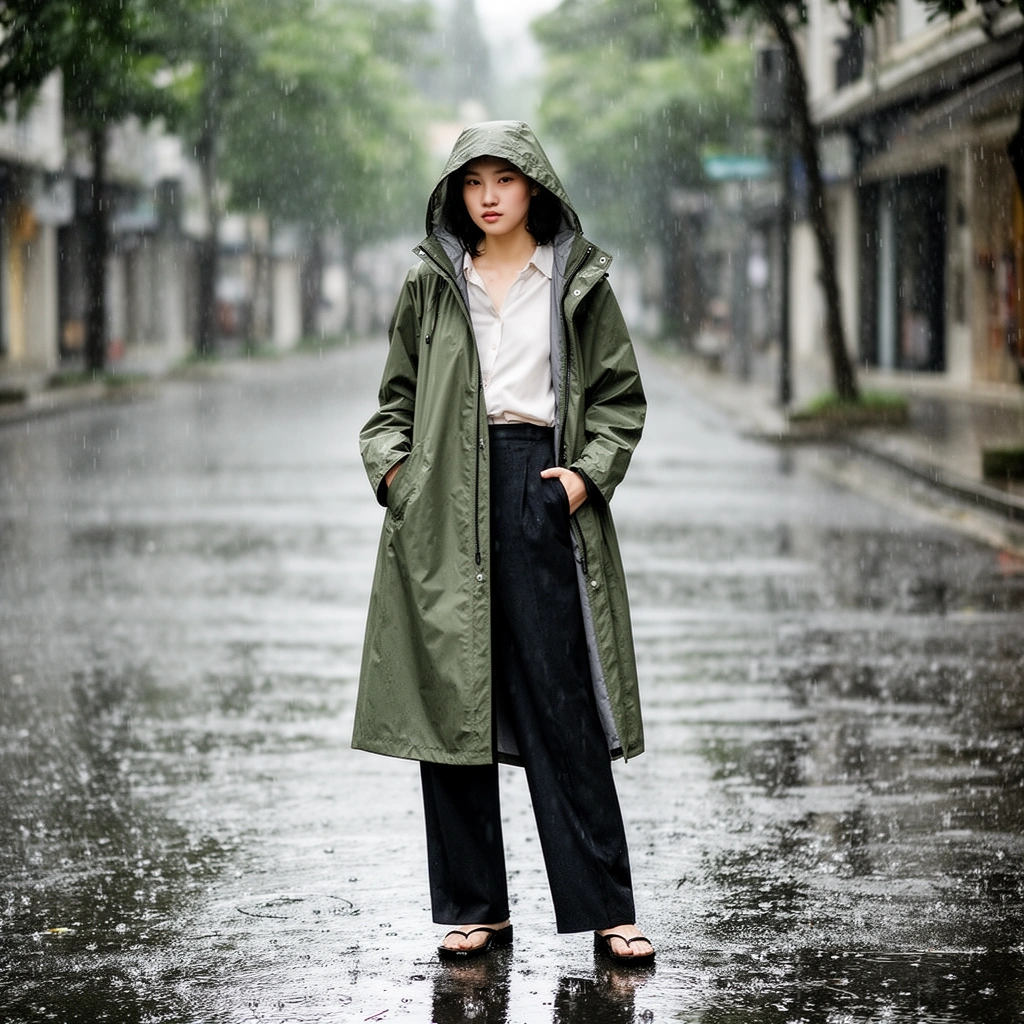
– Outer layer: Lightweight waterproof hooded jacket in charcoal, navy, or deep green
– Bottom: Slim jeans in treated denim (or non-absorbent chinos)
– Shoes: Sleek water-resistant boot with grippy traction
– Bag: Sealed crossbody with a zipper cover if available
Outfit formula #2: Polished feminine silhouette (without sacrificing dryness)
– Base: Simple dress in a quick-dry fabric or knit that won’t cling
– Leg layer: Leggings or tights (look for moisture-management or durable weaves)
– Outer layer: Trench-style water-resistant coat that covers the hips and forearms
– Shoes: Waterproof ankle boots or water-resistant loafers with rubber soles
– Details: Small umbrella + compact hood/rain hat for hair protection
Outfit formula #3 (optional): Professional power look
– Top: Lightweight performance shirt
– Outer layer: Water-resistant blazer (or structured rain shell)
– Bottom: Dark trousers in quick-dry fabric
– Shoes: Waterproof oxfords or boots with traction
– Finish: Long-wear makeup and setting spray to prevent midday smudging
If you want a repeatable system, build your closet around three anchors: a waterproof shell, quick-dry bottoms, and traction-ready shoes. Then you only swap colors, not your entire strategy—especially helpful in 2026 when weather can change quickly hour to hour.
Rainy season fashion works best when you plan for moisture first: waterproof fabrics, smart layering, and grip-ready shoes. Use the tips and outfit formulas above to build a few reliable looks you can repeat all season—then update your go-to jacket and footwear before the next rainy week. When your materials and finishing details are weather-aware, you don’t just survive the rain; you stay confidently professional in it.
Frequently Asked Questions
What should you wear in the rainy season to stay dry and comfortable?
Choose lightweight, water-resistant outerwear like a hooded raincoat or trench coat with a sealed or water-resistant finish. Pair it with quick-drying fabrics such as nylon, polyester, or performance denim, and avoid heavy cotton that absorbs moisture. Finish with waterproof or water-resistant shoes and a breathable layer so you don’t overheat while staying protected from rain.
How can you layer outfits for rainy weather without looking bulky?
Start with a moisture-wicking base layer, then add a fitted mid-layer like a knit or lightweight sweater for insulation. Use a structured rain jacket or a slim trench to create shape without excess volume, and consider a scarf that doubles as a wind barrier. Stick to a consistent color palette and choose streamlined silhouettes so your rainy season fashion looks polished even with layers.
Why do your clothes get damp during the rainy season even when you have a raincoat?
This usually happens when the raincoat isn’t fully water-resistant around seams, zippers, or cuffs, allowing rain to seep in. Dampness can also come from poor breathability—trapped sweat turns into moisture that clings to your clothes. Using breathable waterproof layers and quick-drying materials, plus adding waterproof shoe covers or an umbrella with good coverage, helps prevent that rainy-day “soaked” feeling.
Which fabrics are best for rainy season outfits?
The best rainy season fashion fabrics are water-resistant or quick-drying materials like technical polyester, nylon, and coated cotton blends. Look for items labeled “water-repellent,” “quick-dry,” or “treated fabric,” especially for tops, outerwear, and trousers. Avoid delicate fabrics like suede, linen, and uncoated wool unless you’re prepared for careful drying, since they can stain or hold moisture.
What are the best shoes and accessories for rainy days?
For rainy season fashion, waterproof boots, water-resistant sneakers, or shoes with sealed seams and grippy soles are top picks for comfort and safety. Add accessories like a compact umbrella, a hooded jacket, and a crossbody bag with a water-resistant coating or a cover to protect essentials. To reduce slipping, prioritize traction (rubber soles) and consider sock liners that wick moisture.
📅 Last Updated: July 13, 2026 | Topic: Rainy Season Fashion | Content verified for accuracy and freshness.
References
- Google Scholar Google Scholar
https://scholar.google.com/scholar?q=rainy+season+fashion+waterproof+clothing+styling - Google Scholar Google Scholar
https://scholar.google.com/scholar?q=waterproof+breathable+textiles+rainwear+comfort+review - Google Scholar Google Scholar
https://scholar.google.com/scholar?q=raincoat+fabrics+waterproofing+wicking+performance - Raincoat
https://en.wikipedia.org/wiki/Raincoat - Waterproofing
https://en.wikipedia.org/wiki/Waterproofing - Wicking
https://en.wikipedia.org/wiki/Wicking - https://en.wikipedia.org/wiki/Umbrella_(device
https://en.wikipedia.org/wiki/Umbrella_(device - https://pubmed.ncbi.nlm.nih.gov/?term=waterproof%20breathable%20textiles%20rainwear
https://pubmed.ncbi.nlm.nih.gov/?term=waterproof%20breathable%20textiles%20rainwear - https://www.sciencedirect.com/search?qs=waterproof%20breathable%20textiles%20rainwear
https://www.sciencedirect.com/search?qs=waterproof%20breathable%20textiles%20rainwear - waterproof breathable textiles | Nature Search Results
https://www.nature.com/search?q=waterproof%20breathable%20textiles