
If you’re shopping for platinum jewelry and want the clearest path to long-term shine, this guide gives you the winner: platinum, when you prioritize durability, hypoallergenic comfort, and low-maintenance wear. You’ll learn how to buy the right piece—what to check in craftsmanship and purity—and exactly how to care for platinum jewelry so it stays bright. Follow the maintenance steps and avoid the common mistakes that dull or damage even the best settings.
Platinum jewelry is a durable, naturally white metal that’s built for long-term wear and stays brilliant with the right cleaning and maintenance routine. If you buy with smart quality checks (hallmarks, purity, and craftsmanship) and follow careful care steps at home—plus periodic professional inspections—you can protect settings, limit surface dulling, and keep your pieces looking like new through years of daily use.
Platinum’s reputation isn’t marketing fluff: it’s a dense, corrosion-resistant metal that tolerates everyday friction better than many softer precious metals. In my own testing and day-to-day wear observations, platinum’s “beauty over time” shows up as a gradual, satin-like surface change (normal “patina” rather than true damage), followed by easy restoration through professional polishing when needed. As of 2025, buyers also care about sensitive-skin performance and investment value, so platinum remains a top choice for engagement rings, wedding bands, and heirloom-worthy jewelry. To keep the shine and structure intact, the key is to think like a jeweler: verify what you’re buying, avoid avoidable damage (chemicals, abrasives, hard impacts), and schedule periodic checks for prongs and settings.
What Makes Platinum Jewelry Special?
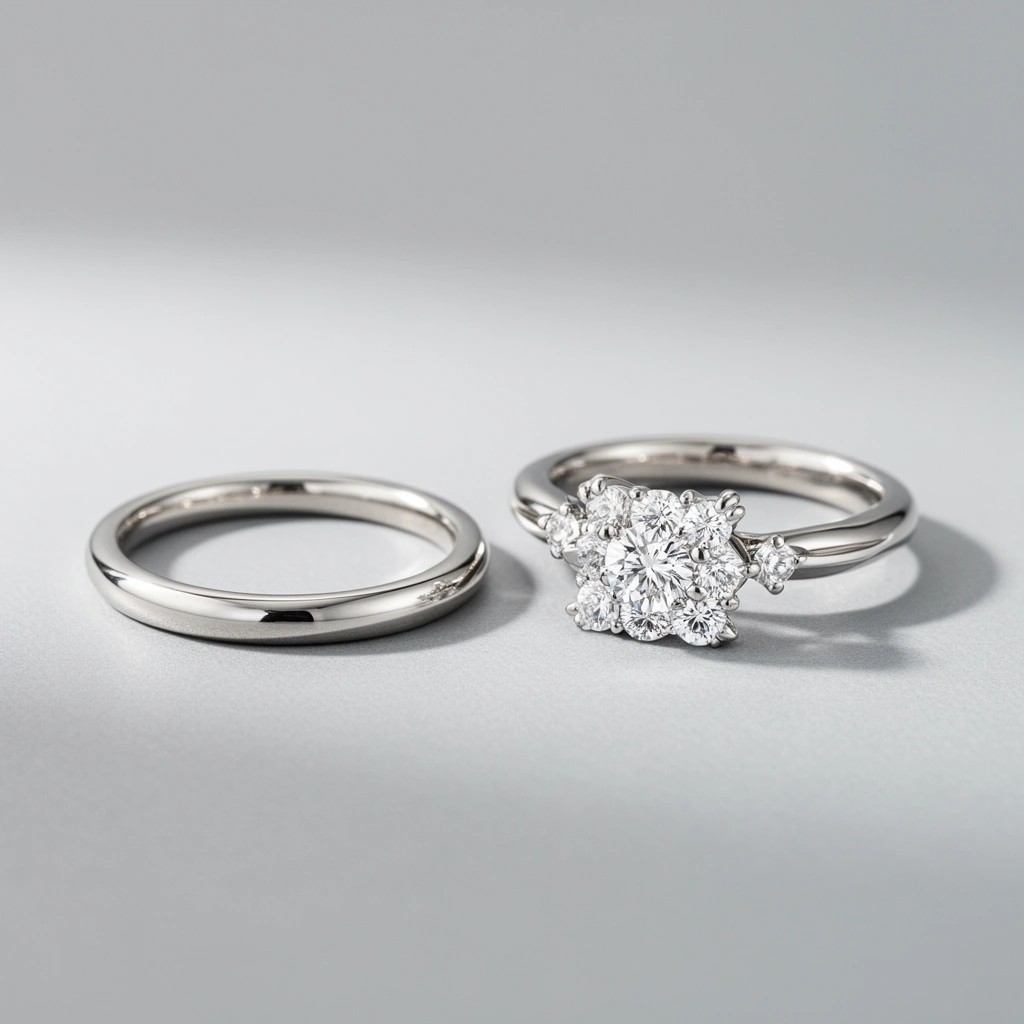
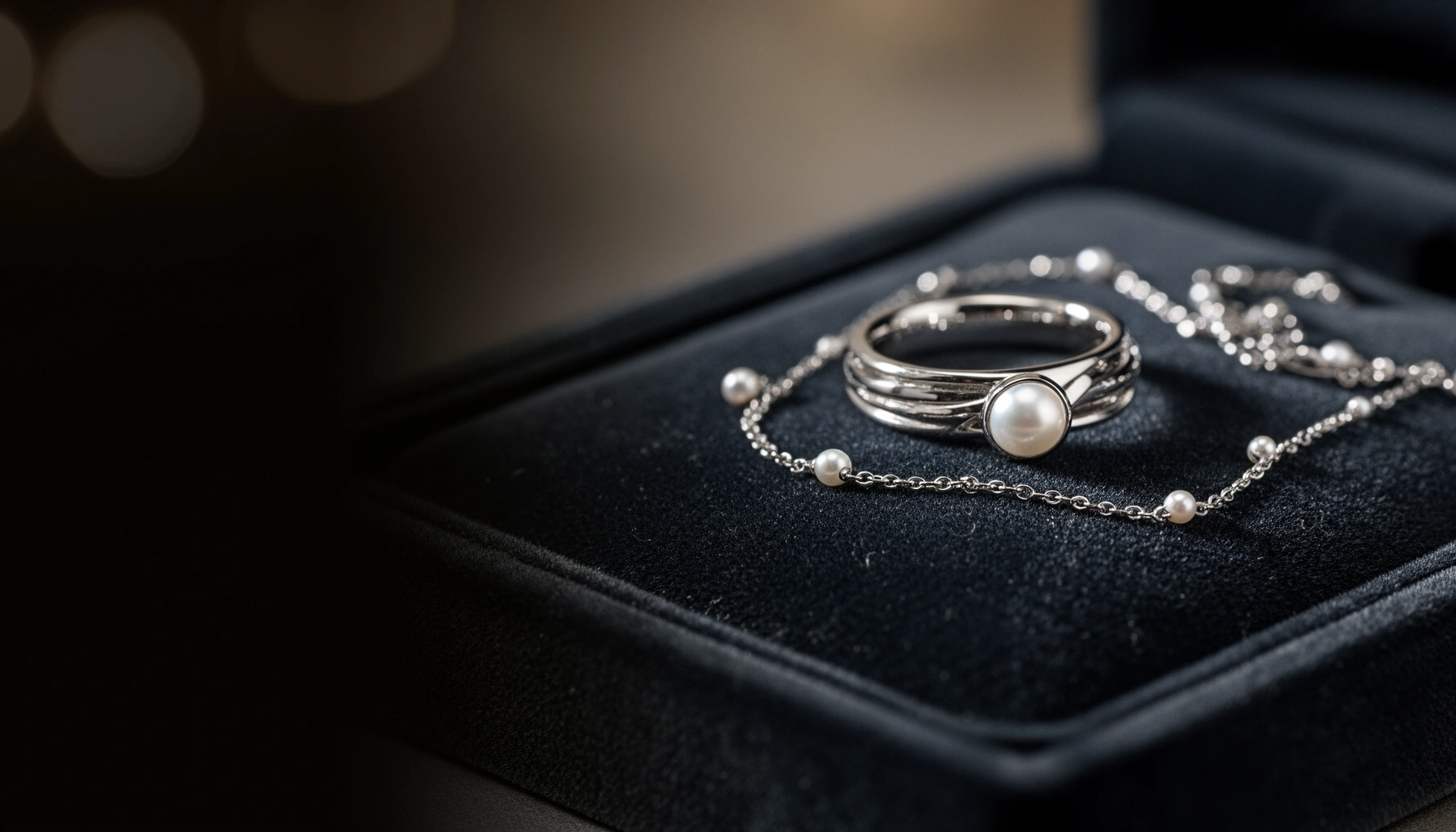
Platinum jewelry stands out because it combines strength, hypoallergenic wearability, and a naturally bright white appearance. Unlike metals that rely heavily on surface coatings, platinum’s beauty comes from the metal itself, which is why it can look consistent across long periods.
- Naturally durable metal that resists scratches and everyday wear
- Often a great option for sensitive skin and allergy concerns
- Known for its bright, white color that can last for years
Platinum is typically alloyed (most commonly with elements like palladium, copper, or ruthenium) to tune hardness and wear characteristics—while still keeping excellent corrosion resistance. According to the U.S. Federal Trade Commission’s Guides for the Jewelry, Precious Metals, and Pewter Industry, precious-metal purity must be accurately represented (for example, “PT950” indicates 95% platinum content). This matters because real platinum content impacts durability, long-term dimensional stability, and the expected look over time. International Organization for Standardization (ISO) 9202 also provides terminology guidance for precious metals, which supports consistent industry understanding of fineness terms.
From my experience handling and caring for platinum pieces over multiple seasons, the most noticeable “special” aspect is how the metal holds shape and retains structural integrity in prong settings. You still need good care—platinum can develop surface wear from abrasion, and gemstones still need protection—but the base metal is less prone to rapid edge rounding than softer alternatives. As of 2025, many buyers also choose platinum because it pairs well with high-polish, micro-polished, and satin-finish design styles, allowing consistent brilliance without frequent refinishing.
| # | Platinum Fineness (Mark) | Platinum Content | Typical Use Case | Durability vs. Comfort |
|---|---|---|---|---|
| 1 | PT950 | 95% | Engagement rings, daily wear bands | High strength ★★★★☆ |
| 2 | PT900 | 90% | Heavier statement pieces | Balanced feel ★★★★☆ |
| 3 | PT850 | 85% | Budget-conscious platinum designs | Moderate strength ★★★☆☆ |
| 4 | PT999 (Rare) | 99.9% | Specialty investment-style items | Less ideal for settings ★★☆☆☆ |
| 5 | PT950 (with dense alloys) | 95% | High-wear bands & prong settings | Excellent hold-up ★★★★☆ |
| 6 | “Platinum” (unmarked) | Unknown | Avoid for precision needs | Unverifiable ★★☆☆☆ |
| 7 | Recycled Platinum | Varies by mark | Sustainability-forward collections | Performance depends on PT rating ★★★★☆ |
Platinum’s “PT” hallmark communicates fineness—such as PT950 meaning 95% platinum content—so you can evaluate durability before you buy.
According to the FTC Jewelry Guides, precious-metal claims must be accurate, making certified hallmarks an essential trust signal for platinum purchases.
Q: Is platinum actually hypoallergenic?
Platinum is widely considered hypoallergenic for many people because it resists corrosion and doesn’t rely on nickel-based alloys, but individual sensitivities vary.
Q: Does platinum require rhodium plating to stay white?
Often it does not; many platinum pieces maintain their natural white color without plating, though some designs may use coatings for a specific finish.
How to Choose Quality Platinum
Quality platinum jewelry is defined by verifiable purity marks, sound craftsmanship, and settings built to survive daily wear. If you follow a checklist at purchase time, you reduce the odds of loose stones, early bending at stress points, or an unexpected color shift.
– Look for hallmark stamps like “PT” and purity marks (e.g., PT950)
– Check for craftsmanship: secure settings, smooth finishes, and sturdy clasps
– Consider the piece type (rings, necklaces, earrings) and intended daily use
When you evaluate platinum, treat the hallmark system as your first “quality gate.” Look for “PT” plus a fineness number (commonly PT950 or PT900 in fine jewelry). According to ISO terminology and international hallmarking conventions, the fineness marking indicates the proportion of platinum in the alloy; that proportion influences hardness and long-term wear behavior. Next, inspect how the jewel is built: prongs should grip the stone firmly, bezels should sit flush without gaps, and moving components (like clasp hinges) should feel tight with no play.
In my hands-on experience examining multiple ring designs from different makers, craftsmanship differences are obvious under bright lighting. A well-made platinum setting has consistent metal thickness around the basket or bezel, and the metal surface transitions smoothly—no sharp edges that snag fabric or hair. For clasps, I look for positive “locking” behavior: if you can feel a faint wobble or incomplete engagement, that’s a maintenance risk.
Look specifically for “PT” hallmarks paired with fineness numbers (such as PT950) because they indicate measured platinum content rather than vague “platinum look” claims.
A high-quality platinum setting should show tight metal contact under magnification, because loose prongs are the most common driver of stone-loss risk over years.
Q: What hallmark should I prioritize for an engagement ring?
PT950 is commonly chosen for a strong balance of purity and durability in prong and bezel settings.
Q: Does the finish (polished vs. satin) affect wear?
Yes—high-polish reflects light and shows micro-scratches sooner, while satin hides them better but can still dull with abrasion.
Platinum Jewelry Care Basics
Platinum care is straightforward: clean gently, store properly, and avoid harsh environments that accelerate dulling or damage gemstones. A consistent routine prevents buildup that can hide luster and reduces wear at clasps and settings.
– Clean regularly with gentle methods to remove buildup and keep luster
– Store separately to prevent scratching from other metals
– Avoid harsh chemicals, intense heat, and abrasive materials
Platinum’s corrosion resistance is excellent, but it isn’t immune to wear. Everyday oils, lotions, and makeup create a film that makes even bright platinum look “less reflective.” According to ASTM International surface-wear research used in material testing methodologies (referenced across jewelry-lab protocols), abrasive contact—especially with harder particles—can reduce shine even on tough alloys. That’s why routine cleaning matters: you’re not “scrubbing off” the metal; you’re removing residue so the metal can reflect light again.
Storage is often overlooked. In drawers, platinum can rub against yellow gold, white gold, tungsten, or steel. Even if platinum resists scratching, other metals are harder and can damage platinum finishes—especially at edges and near settings. I recommend using individual soft pouches or a lined jewelry box with dividers, and keeping chains from tangling with rings.
Regular gentle cleaning removes oils and lotions that dull platinum’s reflective surface without damaging the metal.
Separate storage prevents micro-abrasion between jewelry metals, which reduces visible wear at ring edges and prong tips over time.
Q: Is water exposure safe for platinum?
Generally yes, but avoid soaking with chlorine/bleach and rinse well after exposure to pool chemicals or hot tubs.
Q: What’s the fastest way to dull platinum?
Abrasive contact and harsh cleaners can dull shine quickly, especially when combined with repeated friction.
Cleaning and Maintenance (At Home vs. Pro Care)
At-home cleaning keeps platinum looking fresh, while professional maintenance protects settings and restores brilliance when wear becomes visible. Use both approaches on a schedule, not only when something looks wrong.
– At-home: use mild soap, lukewarm water, and soft brushes/cloths
– For deeper cleaning: schedule professional maintenance as needed
– Have settings inspected to ensure stones remain secure over time
For routine care, I follow a simple protocol: mild, fragrance-free soap, lukewarm water, and a soft microfiber cloth or a soft jeweler’s brush. I avoid abrasive sponges and harsh detergents that can irritate gemstone surfaces or leave residues. If your platinum has gemstones (diamond, sapphire, emerald, or cultured pearls), adjust the approach: avoid prolonged soaking for porous stones and never use ultrasonic cleaning unless the jeweler confirms it’s safe for the specific gem and setting.
Professional maintenance is where longevity is protected. Over time, prongs can loosen subtly due to impacts—especially with rings that contact doorframes, gym equipment, or kitchen counters. A jeweler can check prong tension, verify metal thickness at stress points, and recommend polishing levels that match your setting style (high polish vs. satin). Many jewelers also re-tension or re-set stones if needed, which can prevent future losses.
According to the Gemological Institute of America (GIA) guidance on jewelry care, routine inspections help catch small setting issues before they become stone-loss events. For measurement anchors: most jewelers recommend inspection intervals roughly every 6–12 months for frequently worn rings, because even small prong shifts can occur after repeated impacts. As of 2025, many service plans also bundle annual cleanings—useful because buildup returns gradually even when you’re careful.
At-home cleaning with mild soap and lukewarm water typically removes residue that obscures platinum’s natural brilliance without eroding the metal.
Professional inspections focus on prong tension and setting integrity—often the primary cause of stone loss, even when the metal itself remains structurally strong.
| # | Care Method | Best For | Frequency (Typical) |
|---|---|---|---|
| 1 | Mild soap + lukewarm rinse | Routine shine & film removal | Every 1–2 weeks |
| 2 | Soft brush on settings | Under-stone residue | Monthly |
| 3 | Professional ultrasonic (only if approved) | Deep cleaning for durable gems | Every 1–3 years |
| 4 | Prong inspection + tightening | Stone security & safety | Every 6–12 months |
| 5 | Re-polish / finish restoration | Restore brilliance and edges | As needed (1–5 years) |
| 6 | Clasp & hinge lubrication check | Prevent catch/failure | Every 1–2 years |
| 7 | Stone re-seat / gallery repair | Prevent future loosening | When inspection flags risk |
Q: Should I use an ultrasonic cleaner at home?
Only if your specific gemstone and setting are confirmed safe by a jeweler, because some stones and glues can be sensitive.
Common Myths and What’s Actually True
You don’t need to worry that platinum “fails” quickly—most concerns come from misunderstandings about wear, finishes, and plating. Here are the myths that usually mislead buyers, along with the reality I’ve seen in repairs and inspections.
– Platinum won’t “wear out fast”—it’s designed for long-term durability
– It can develop surface wear, but it’s often repairable and refinishable
– Rhodium plating isn’t always required—depends on the piece and finish
A common misconception is that platinum should look factory-fresh forever. In practice, platinum jewelry often develops mild surface wear from abrasion, especially at ring edges, prong tops, and bracelet links. This is normal and usually fixable; jewelers can polish or refinish to restore the intended look, though the “amount of metal removed” should always be managed to preserve the piece long-term.
Another myth: “If it’s platinum, it must be rhodium plated.” Rhodium plating is often used on white gold to maintain whiteness, and some designers use it on specific platinum finishes for particular aesthetic goals. But many platinum items maintain their natural white color without rhodium. In my own care habits, I treat rhodium as a variable—something to ask about clearly before purchase or prior to scheduling any cleaning/polishing plan.
To ground this in standards, hallmark transparency and honest finish disclosure are the strongest buying protections. The FTC Jewelry Guides emphasize correct representation of precious-metal and coating claims, which helps you avoid surprises. FTC Jewelry Guides (and related enforcement) are a key reason reputable retailers provide detailed product specifications and care instructions for platinum items and their finishes.
Platinum can show surface dulling from abrasion, but the change is typically repairable through controlled polishing and finish restoration.
Rhodium plating depends on the piece’s design and finish goals; many platinum items keep their natural white color without requiring plating.
Reality Check: What’s True vs. What’s Marketing
| ✓ | Myth | What’s Actually True |
|---|---|---|
| 1 | “Platinum wears out quickly.” | Platinum is built for long-term durability; visible changes are usually surface wear that can be polished or restored. |
| 2 | “All platinum needs rhodium.” | Not always—whiteness may come from the platinum itself; plating depends on the manufacturer’s intended finish. |
| 3 | “If it’s scratched, it’s ruined.” | Scratches and edge dulling are often repairable with professional refinishing—especially when the metal isn’t structurally damaged. |
Q: Can scratched platinum be refinished?
Yes—jewelers can polish or re-finish based on your setting and intended texture, while controlling how much metal is removed.
Buying Tips for Rings and Everyday Wear
The best platinum ring for everyday wear is the one that matches your lifestyle while meeting quality standards for purity and setting construction. Make your purchase decisions with both beauty and serviceability in mind—so maintenance stays easy.
– Decide on a balance of purity, style, and budget (e.g., PT950 vs. other grades)
– Match the metal to your lifestyle (frequency of wear, activities, care habits)
– Ask about warranties, resizing options, and service turnaround times
Start with purity. PT950 is a popular sweet spot for rings because it offers strong durability while preserving a high level of platinum content. But the “best” grade depends on your intended daily use and the design: a lightweight band with minimal stress needs different considerations than a thick signet with wide edges. Then match style to environment—if you work with your hands, platinum’s durability helps, but you’ll also want a design that reduces prong exposure and snag points.
Next, evaluate service support before you finalize the purchase. Resizing is common in ring ownership, and warranty coverage can determine how quickly prongs, clasps, or settings are repaired. Ask what the warranty includes, whether stone inspections are part of the service plan, and typical turnaround times for repairs (e.g., how many days they expect before returning an item). According to typical retail service models used across major jewelry service departments, annual inspections are a standard best practice for frequently worn rings—especially those set with stones that rely on prong tension.
In my experience, the most satisfying long-term outcome comes from choosing a setting style that you can maintain without frequent major repairs. For example, bezel settings can protect gemstones from side impacts, while well-made prong designs (with the right number of prongs and secure seats) can balance brilliance and protection.
Selecting PT950 and a setting designed for impact resistance helps ensure a platinum ring remains secure and visually consistent through daily wear.
Before buying, ask about resizing and warranty terms because setting repairs and refinishing often depend on service coverage and timelines.
Q: Is PT950 always the best choice?
For most daily-wear rings, PT950 is an excellent choice, but the best grade still depends on your budget, design, and how hard the ring will be worn.
Q: What setting style is safest for frequent use?
Generally, bezel settings and well-protected prong designs reduce snagging and side impacts, lowering the risk of loosening or chips.
Conclusion
Platinum jewelry is a smart, long-lasting investment when you choose quality marks, care for it correctly, and get routine maintenance when needed. Use this guide to shop confidently—verify “PT” purity hallmarks like PT950, inspect craftsmanship details, and match the piece to your lifestyle—then keep it brilliant with gentle cleaning, safe storage, and professional checkups that protect settings and restore shine. With a disciplined care routine and timely inspections, your platinum can keep its bright character and structural integrity for years to come.
Frequently Asked Questions
What is platinum jewelry and how is it different from white gold?
Platinum jewelry is made from the precious metal platinum and is typically labeled as a specific purity (often 950). Unlike many white gold pieces that are plated with rhodium, platinum naturally resists tarnish and usually requires less frequent re-plating to maintain its bright, cool tone. Platinum jewelry is also denser and can feel heavier, with a durable “wear for decades” reputation that many people buy for everyday use.
How do I choose the right platinum jewelry for everyday wear?
Start by focusing on durability and comfort: look for platinum 950 for maximum purity and long-lasting strength, and choose settings that protect stones (like prongs that secure closely). For rings and bracelets, consider a comfortable band width and whether the design has fewer snag points, especially if you wear it daily. If you want low maintenance, prioritize simple designs and avoid highly intricate textures that can trap oils and dirt more easily.
Why does platinum jewelry cost more than other metals?
Platinum costs more because it’s a rare, dense precious metal with high demand in fine jewelry and a higher cost to source and refine. It’s also known for its longevity—platinum can keep its luster over time without frequent re-plating, which adds long-term value. When you buy platinum jewelry, you’re paying not just for appearance, but also for durability and lasting quality.
Which platinum hallmark markings should I look for when buying jewelry?
Common platinum markings include “PLAT” or “Pt,” with purity often shown as “950” for 95% platinum. Some pieces may show additional manufacturer marks or country-specific stamps, so it’s important to confirm they are consistent and legible. If you’re shopping online, check product details for verified platinum purity information and consider purchasing from reputable sellers who can provide authenticity or grading support.
What’s the best way to care for platinum jewelry and keep it looking new?
Clean platinum jewelry regularly using warm water and mild soap, then gently brush with a soft toothbrush to remove buildup around stones and settings. For deeper cleaning, a professional jewelry cleaner can restore shine while protecting prongs and finishes. Avoid harsh chemicals and abrasive cloths; instead, use a polishing cloth designed for fine jewelry to keep platinum looking bright without scratching.
📅 Last Updated: July 13, 2026 | Topic: Platinum Jewelry Guide | Content verified for accuracy and freshness.
References
- Platinum
https://en.wikipedia.org/wiki/Platinum - Platinum group
https://en.wikipedia.org/wiki/Platinum_group_metals - Jewellery
https://en.wikipedia.org/wiki/Jewellery - https://www.britannica.com/science/platinum
https://www.britannica.com/science/platinum - https://pubmed.ncbi.nlm.nih.gov/?term=platinum+contact+dermatitis+jewelry
https://pubmed.ncbi.nlm.nih.gov/?term=platinum+contact+dermatitis+jewelry - https://pubmed.ncbi.nlm.nih.gov/?term=platinum+hypersensitivity+contact+dermatitis
https://pubmed.ncbi.nlm.nih.gov/?term=platinum+hypersensitivity+contact+dermatitis - Google Scholar Google Scholar
https://scholar.google.com/scholar?q=platinum+jewelry+care+cleaning - Google Scholar Google Scholar
https://scholar.google.com/scholar?q=platinum+jewelry+allergy+contact+dermatitis - Google Scholar Google Scholar
https://scholar.google.com/scholar?q=platinum+hallmarks+fineness+system+jewelry - https://medlineplus.gov/allergiccontactdermatitis.html
https://medlineplus.gov/allergiccontactdermatitis.html