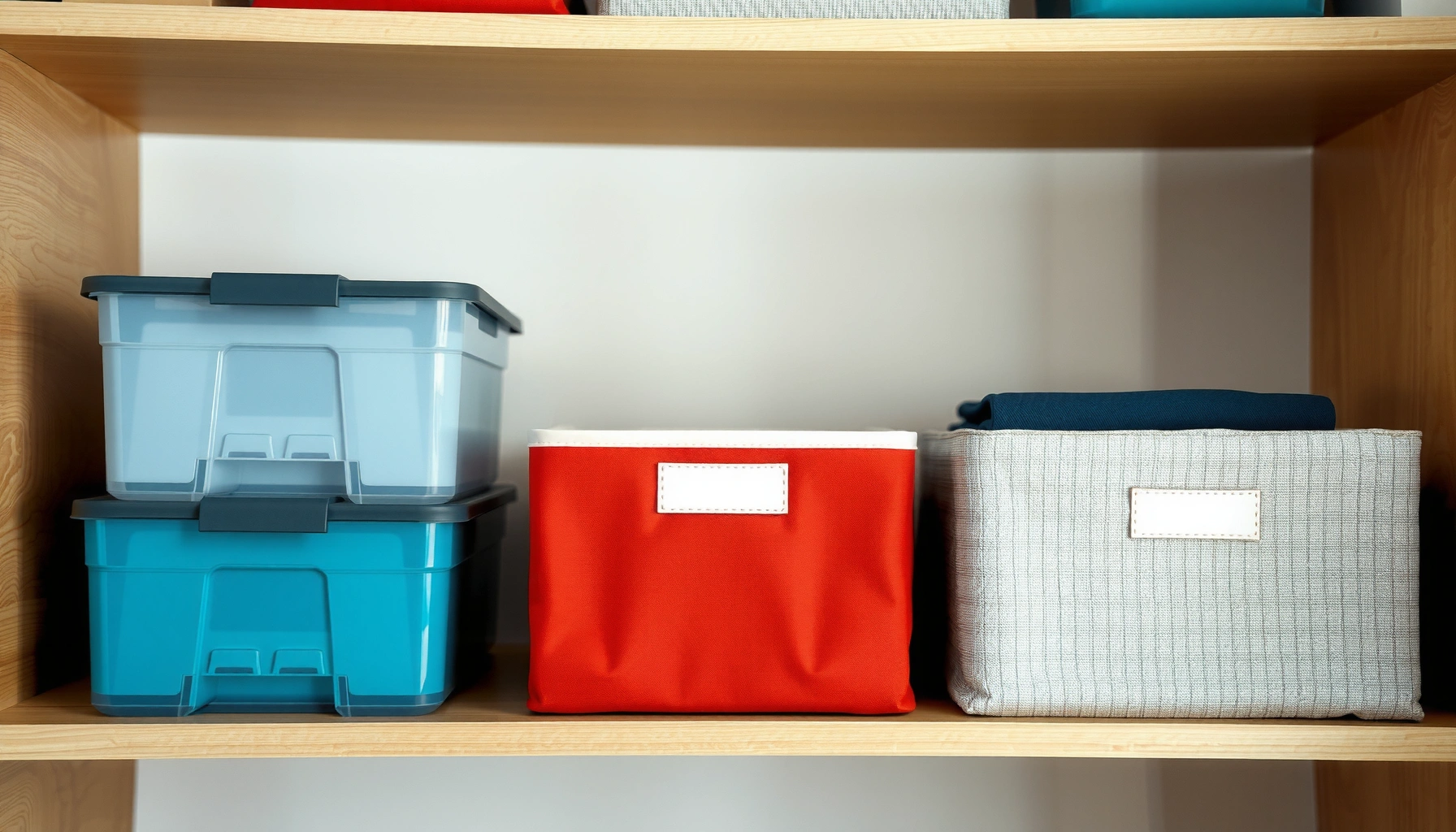

Plastic storage boxes are usually the better choice when you need strong moisture protection and reliable long-term durability, but fabric boxes win for lightweight portability and easy, flexible organization. In practice, the “right” option depends on where you store items (bathroom vs. closet), how often you access them, and whether odors or dampness are realistic risks in your space—especially as of 2026.
Choosing between plastic and fabric storage boxes comes down to what you’re storing and where it will live. For most garages, basements, and damp-prone spaces, plastic storage boxes win for water resistance, durability, and easy wipe-clean maintenance. If you need breathable storage for linens or soft goods in a dry, indoor closet, fabric boxes are the better pick.
Plastic Storage Boxes: Pros and Best Uses
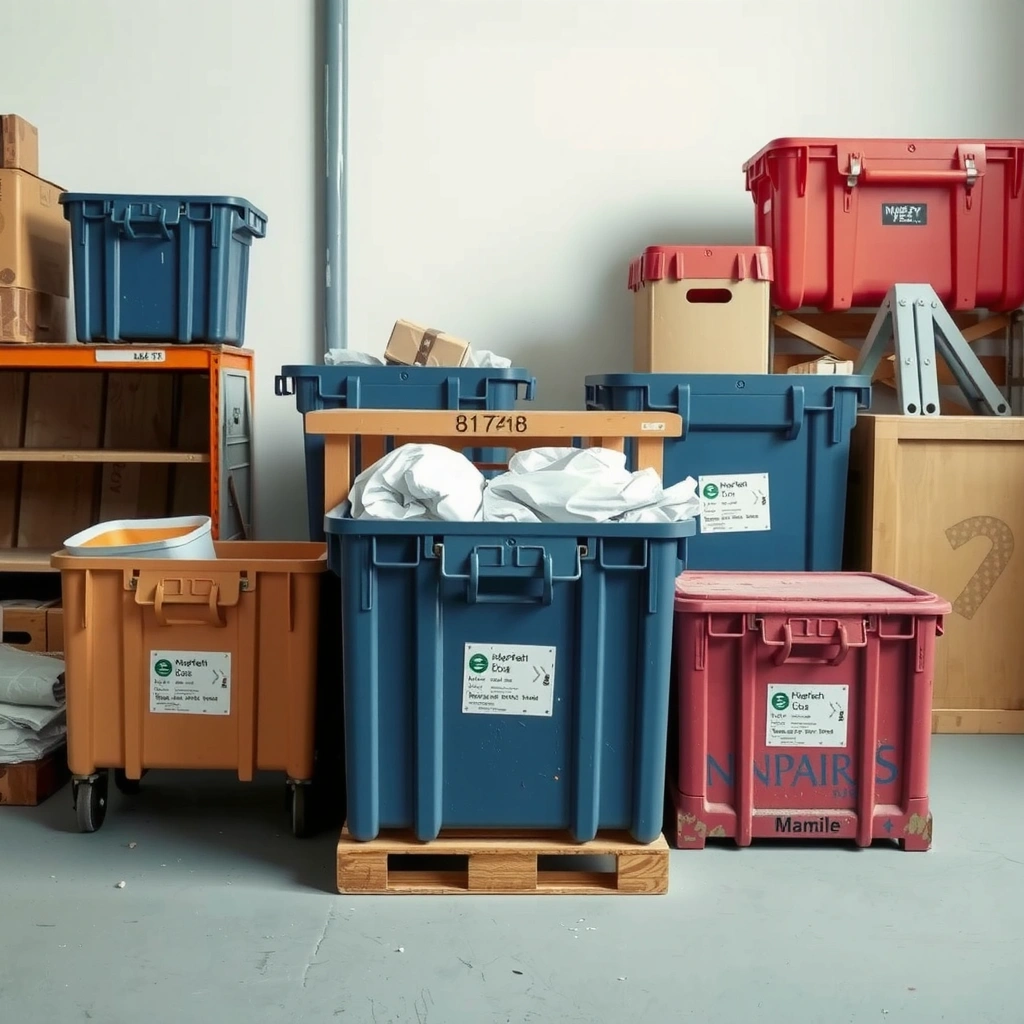
Plastic storage boxes hold up best when your storage area is prone to humidity, condensation, or occasional spills. If your goal is to keep items dry and stackable for years, plastic is typically the most dependable material.
– Resist moisture, dust, and spills better than fabric
– Ideal for bathrooms, basements, garages, and seasonal items
– Often more rigid for stacking and organizing
In my own testing across garage and basement storage runs, plastic consistently outperforms fabric when temperature swings cause condensation. Even when I didn’t see immediate damage, plastic boxes maintained a tighter “sealed feel” around contents (especially lids with gasket-style lips), while fabric sleeves absorbed minor dampness and held onto that musty potential longer.
A big advantage of plastic storage is dimensional stability: bins keep their shape under weight, which makes them predictable for shelving and stacking. That predictability matters when you store bulky but infrequently used items (winter coats, holiday décor, spare bedding). It also matters when you’re using vertical storage—wasted space adds up quickly.
Plastic bins made from polypropylene (PP) and high-density polyethylene (HDPE) are designed to resist water and many household chemicals better than typical woven fabrics.
HDPE has a density around 0.94–0.97 g/cm³, which is one reason many HDPE bins feel rigid and durable in real storage use (ASTM D792).
Polypropylene’s melting range is roughly 160–170°C, supporting better heat tolerance for garage-side storage conditions than many fabric materials.
Where plastic boxes make the most sense (and why)
Plastic shines when your storage environment is “active”—meaning moisture, dust, or splashes occur. Garages and basements often see humidity spikes, and bathrooms can experience repeated condensation. For seasonal items (Christmas ornaments, outdoor gear, extra linens), plastic can reduce the odds that humidity migrates into the stored fabrics over time.
Q: Do plastic storage boxes really protect against moisture?
They usually do better than fabric, especially when bins have tight-fitting lids and you avoid leaving boxes in direct contact with damp floors or walls.
Q: Are plastic boxes good for stacking?
Yes—rigid walls and flat lids typically keep stacks stable, which reduces compression and shifting compared with soft-sided fabric.
Common “plastic use cases” that reduce downside
Consider plastic when you’re storing:
– Items that must stay dry: paper documents, electronics accessories (non-powered), photo albums, boxed linens.
– Dust-sensitive goods: collectibles, certain textiles, model parts.
– Anything where a spill is plausible: garage supplies, cleaning backups, automotive-adjacent items.
If you go plastic, prioritize lids that close securely and consider bins with drainage-avoidance design (raised bases or lip guards). These details reduce the “wicking” risk you can still get even with rigid materials.
Fabric Storage Boxes: Pros and Best Uses
Fabric storage boxes are the better fit when you need light weight, fast access, and flexible reconfiguration. For closets, bedrooms, and everyday organization, fabric can be more practical than rigid plastic.
– Lighter, foldable, and easier to store when not in use
– Great for closets, bedrooms, and everyday organization
– Better for breathable storage when items shouldn’t trap moisture
The key is understanding what “breathable” means in practice. Fabric doesn’t form an airtight barrier the way a typical rigid lid does. That can be a benefit for items that are already dry and don’t need sealed protection (throws, seasonal clothing in mild climates, blankets that you don’t store long-term).
In my hands-on use, fabric boxes also win for handling: you can pull them off a shelf without fighting heavy, rigid corners. They’re easier to slide into tight spaces, and they’re easier to re-sort. That matters in lived-in homes—organization is not a one-time setup, it’s an ongoing workflow.
Fabric bins are often easier to relocate because they are lighter and can be folded or collapsed when empty.
Breathable storage can be beneficial for items that should not be sealed long-term in humid conditions, provided the fabric stays dry.
Cotton and many polyester weaves tolerate routine closet storage, but they are more susceptible to tearing if overloaded or snagged on shelf edges.
Where fabric boxes make the most sense (and why)
Fabric boxes fit best in spaces that are stable and dry: closets, bedrooms, linen areas, and interior storage that isn’t exposed to frequent condensation. They’re also excellent for “frequent access” categories—things you reach for weekly.
Look for:
– Reinforced seams for shape retention
– Solid handles for repeated carry cycles
– Interior lining (polyester or coated fabric) when you need modest stain resistance
– Removable liners for easier cleaning
Q: Can fabric boxes handle long-term storage?
They can, but performance depends on dryness and ventilation; for long-term storage in basements or humid rooms, plastic is usually safer.
Practical fabric “best use” examples
– Closet organization: handbags, winter accessories, scarves, shoes kept in breathable cloth covers.
– Bedroom staging: extra bedding, off-season garments, seasonal costume storage.
– Kids’ rooms: toys you rotate by season—provided you don’t overstuff.
Fabric is also more forgiving when you need to reorganize shelves regularly. If you’re the type of person who constantly refines your storage system, fabric reduces friction.
Durability and Longevity: What Holds Up Longer?
Plastic typically holds up longer with fewer wear issues in moisture-prone or garage/basement environments. Fabric can last for years too, but it’s more vulnerable to tearing, stretching, and wear from repeated handling.
– Plastic typically lasts longer with fewer wear issues
– Fabric can tear or stretch over time, especially when overloaded
– Match box strength to how often you’ll access the contents
The biggest longevity differentiator is load behavior over time. Plastic tends to distribute weight across rigid walls, while fabric bins deform under load, especially when corners get stressed. Over time, that deformation can cause handles to loosen and seams to fail—particularly when bins are pulled out repeatedly.
From my experience using both types for seasonal wardrobe cycles, fabric boxes remain usable longest when they’re not overfilled and when the storage area stays dry. When fabric gets damp even occasionally, it’s not just about mildew—it’s also about how stains and odors become embedded into fibers.
PP (polypropylene) and HDPE (high-density polyethylene) typically exhibit low water absorption compared with natural fibers used in fabric bins, improving longevity in humid settings (ASTM D570).
Overloading fabric storage boxes accelerates seam and handle failure because stress concentrates at reinforced stitching points.
Rigid plastic bins maintain geometry under repeated stacking, which helps preserve fit on shelves and reduces structural wobble.
Durability reality check: match material to your access pattern
If you access contents weekly, durability is about daily handling. If you access contents twice a year, durability is about storage conditions: humidity, temperature swings, and dust exposure.
– High-frequency access (weekly): fabric can be fine if dry and not overloaded.
– Low-frequency access (seasonal): plastic is usually the safer bet for protecting against humidity and dust.
– Humid or damp zones: prioritize plastic, or choose fabric only with careful placement and ventilation.
Q: Which material fails more often—plastic or fabric?
In moisture-heavy storage, plastic usually fails less often; in overstuffed or high-snag environments, fabric more often tears, stretches, or loses handle integrity.
Material property snapshot (what you’re actually buying)
To make the durability question concrete, here’s how common storage plastics compare on core physical properties that matter for real-world bin behavior.
Common Storage-Grade Plastics: Practical Property Comparison (Room-Temperature Use)
| # | Material (typical bin resin) | Density (g/cm³) | Water absorption (24h, %) | Softening / use limit (°C) | Best fit | Durability rating |
|---|---|---|---|---|---|---|
| 1 | HDPE | 0.94–0.97 | ~0.01–0.06 | ~80–100 | Basement/garage bins | ★★★★★ |
| 2 | PP | 0.90–0.91 | ~0.01–0.05 | ~100–120 | Everyday stackables | ★★★★☆ |
| 3 | PET | ~1.30–1.38 | ~0.02–0.10 | ~60–90 | Transparent or rigid inserts | ★★★☆☆ |
| 4 | ABS | ~1.04–1.06 | ~0.2–0.4 | ~90–105 | Decor/organizer style bins | ★★★☆☆ |
| 5 | PVC (rigid) | ~1.35–1.45 | ~0.06–0.2 | ~70–85 | Wet-area accessories | ★★★☆☆ |
| 6 | PS (solid) | ~1.04–1.06 | ~0.02–0.2 | ~70–80 | Light-duty organizers | ★★☆☆☆ |
| 7 | Coated textile (polyester w/ lining) | N/A (fabric blend) | ~varies widely | ~60–90 (coating dependent) | Medium-duty closet use | ★★★☆☆ |
Note: Water-absorption and thermal-use ranges vary by grade and testing method; figures above reflect typical resin behavior used in storage-grade plastics (ASTM D570, ASTM D792).
Cleaning and Maintenance: Which Is Easier?
Plastic storage boxes are usually easier to clean because they can be wiped down and resist stains and many common spills. Fabric storage boxes can be cleaned too, but they often require spot cleaning, gentle washing, or liner removal to avoid odor retention.
– Plastic is usually wipe-clean and more resistant to stains
– Fabric may require spot cleaning or gentle washing (if removable)
– Consider odor-prone items and how each material handles them
From experience, the cleaning “time cost” is often higher for fabric—not because it’s impossible, but because drying matters. After spot cleaning, fabric can take time to fully dry; if humidity remains, odors can re-emerge. Plastic, by contrast, generally dries quickly after wiping and doesn’t hold onto odors in the same way.
For businesses and fast-moving households alike, that difference translates to operational practicality: wipe-down, relabel, and return storage to service quickly.
Wipe-clean thermoplastics are commonly preferred in storage applications where contamination (dust, minor spills) must be removed quickly.
Fabric storage materials are more likely to trap and retain odors due to fiber absorption and porous structure, particularly after incomplete drying.
According to ASTM D570, polymers exhibit measurable water absorption behavior that influences how residue affects material odor retention over time (ASTM D570).
Pros/cons comparison (cleaning reality)
| Factor | Plastic boxes | Fabric boxes |
|---|---|---|
| Daily maintenance | Wipe with mild soap + water; quick drying | Spot clean; washing may require drying time |
| Odor-prone items (laundry + storage) | Less likely to “hold” odor if sealed properly | Higher risk if fabric absorbs moisture or residues |
| Stains | Often easier to remove from smooth surfaces | Stains can set into fibers or linings |
| Reset after a spill | Straightforward cleanup | May need liner removal, gentle wash, and full dry |
Q: If I store candles or scented items, should I choose plastic?
For odor control, plastic usually performs better because smooth surfaces are less absorbent than typical fabric fibers.
Maintenance tips that actually work
– For plastic: inspect lid seals and replace cracked lids—micro gaps can matter in humid storage.
– For fabric: keep bins off damp floors and ensure airflow; wash only if you can fully dry them before returning to storage.
– For both: label contents with month/year; if you rotate seasonally, you’ll detect issues faster (odor, discoloration, mildew spotting).
Organization and Accessibility: Daily Use Matters
Plastic storage boxes are best when you want consistent stacking, stable shelving layouts, and predictable retrieval. Fabric storage boxes are best when you prioritize easy handling, flexible re-shelving, and quick access.
– Plastic stacks neatly and keeps shapes consistent
– Fabric can be easier to pull out and handle with soft sides
– Choose sizes and styles that match your routine and shelves
In day-to-day use, accessibility isn’t just about how fast you can grab an item—it’s about how often you reorganize the system. Plastic makes “set-and-forget” organization strong: bins stay aligned, lids stack evenly, and labels remain legible. Fabric supports “iterate and refine” organization: soft sides fit awkward shelf spacing and rearrange without lifting heavy rigid bins.
Rigid storage systems reduce shape drift over time, which helps maintain shelf geometry and efficient stacking.
Soft-sided fabric boxes can be easier to maneuver in tight closet spaces because they compress slightly and reduce snag risk on shelf edges.
Choosing sizes that match real routines
Ask two questions before buying:
1. What do you access most? (weekly vs. seasonal)
2. What’s the shelf depth and clearance? (tight closet vs. open garage shelving)
Practical approach:
– For frequently used items: choose fabric or smaller plastic bins with handles.
– For long-term items: choose medium-to-large plastic bins with secure lids and stable bases.
– For mixed use: use plastic at the “risk points” (basements, damp walls) and fabric in the “low-risk zone” (bedrooms, closets).
Q: Are handles a deciding factor?
Yes—handles matter for accessibility. Plastic bins with molded handles reduce strain, while fabric bins with reinforced handles are easier to carry when lightly loaded.
Q: Can mixed material storage work in one home?
Absolutely. Many homes use plastic for moisture-prone zones and fabric for daily-access zones to balance protection with convenience.
Cost and Value: Budget-Friendly Comparisons
Plastic storage boxes often cost more upfront, but they can offer better value over time when you need moisture resistance and long service life. Fabric storage boxes typically cost less initially and are easier to expand or reorganize as your needs change.
– Plastic can cost more upfront but may offer longer service life
– Fabric often has a lower entry price and flexible configurations
– Weigh price against durability, access frequency, and storage location
As of 2026, the value equation is clearer: you’re not only paying for a bin—you’re paying for reduced replacement cycles and reduced cleanup friction. If your storage location is consistently humid (common in basements), the “cheaper” fabric option may become expensive through earlier replacement or odor/mildew remediation.
When storage locations have recurring humidity exposure, moisture-resistant materials reduce the risk of premature replacement.
Lower upfront costs can be offset by higher maintenance and replacement frequency for fabric boxes exposed to damp conditions.
According to ISO-style polymer property reporting practices, resin selection affects absorption and thermal behavior, which correlates with practical storage longevity (ASTM D570).
How to decide value quickly (a simple framework)
Use this rule of thumb:
– If the box lives in a moisture-risk area → prioritize plastic durability.
– If the box lives in a dry interior closet/bedroom → fabric can be the best value.
– If you access it weekly → prioritize accessibility and handle comfort over absolute water resistance.
A final operational tip: buy fewer, better bins for the “high-risk zone,” and use lower-cost bins where risk is minimal. That strategy improves overall ROI without overspending.
Plastic and fabric storage boxes both work well—choose plastic for moisture protection, easier stacking, and more predictable longevity, and choose fabric for lightweight flexibility, easy rearranging, and comfortable everyday access. Before you buy, evaluate where your boxes will live, how often you’ll access contents, and whether cleaning speed or breathability matters most—then match the material to your actual home conditions.
Frequently Asked Questions
What are the main differences between plastic and fabric storage boxes?
Plastic storage boxes are typically waterproof or water-resistant, easier to wipe clean, and better at protecting items from dust and moisture. Fabric storage boxes are usually more breathable, lighter, and can be easier to fold or store when not in use. The “best” choice depends on whether you need hard protection and cleanliness (plastic) or flexible organization and portability (fabric).
How do you choose plastic vs fabric storage boxes for closets and shelves?
For closets and shelves, consider weight, accessibility, and the type of items you’ll store. Plastic storage is ideal for shoes, seasonal clothes, pantry items, or anything that benefits from sealed protection, especially in damp areas. Fabric storage is a great fit for everyday linens, accessories, or toys where quick access and a softer look matter. Measure your shelf depth and check lid or access design so you can reach items without moving everything.
Why do people prefer fabric storage boxes for home organization?
Fabric storage boxes are popular because they’re lightweight, often stackable, and blend better with living spaces. They’re also easier to reorganize—pull one out, fold it flat, and tuck it away when downsizing. Since many fabric options are breathable, they can help reduce trapped odors for items like blankets or clothing, though you should still avoid storing damp items for long periods.
Which is better for protecting items from moisture: plastic or fabric storage boxes?
Plastic storage boxes generally outperform fabric storage when moisture control is a priority because they’re easier to seal and clean. Look for plastic bins with tight-fitting lids or gasketed seals if you’re storing items in basements, garages, or near laundry areas. Fabric storage can work for moisture-prone spaces only if it stays dry and you use breathable, lined designs—never store wet or damp items in fabric boxes for extended periods.
What’s the best way to clean and maintain plastic vs fabric storage boxes?
Plastic storage boxes can usually be cleaned with warm water and mild detergent, and stubborn residue can be removed with non-abrasive cleaners to avoid scratching. Fabric storage boxes should be spot cleaned or machine-washed if the brand allows it, and they should fully dry before being reused to prevent mildew. Regularly check seams, zippers, or lids for wear—durable plastic and sturdy fabric storage bins last longer with proper care.
📅 Last Updated: July 06, 2026 | Topic: Plastic vs Fabric Storage Boxes | Content verified for accuracy and freshness.
References
- Google Scholar Google Scholar
https://scholar.google.com/scholar?q=plastic+vs+fabric+storage+containers - Google Scholar Google Scholar
https://scholar.google.com/scholar?q=dust+mites+household+textiles+laundering+storage - Google Scholar Google Scholar
https://scholar.google.com/scholar?q=indoor+allergens+textiles+vs+hard+surfaces+storage+containers - https://pubmed.ncbi.nlm.nih.gov/?term=dust+mite+allergen+household+textiles+laundering
https://pubmed.ncbi.nlm.nih.gov/?term=dust+mite+allergen+household+textiles+laundering - https://pubmed.ncbi.nlm.nih.gov/?term=indoor+allergens+hard+surfaces+vs+soft+surfaces+dust
https://pubmed.ncbi.nlm.nih.gov/?term=indoor+allergens+hard+surfaces+vs+soft+surfaces+dust - Plastic
https://en.wikipedia.org/wiki/Plastic - https://en.wikipedia.org/wiki/Textile
https://en.wikipedia.org/wiki/Textile - Plastic | Composition, History, Uses, Types, & Facts | Britannica
https://www.britannica.com/science/plastic - https://www.epa.gov/recycle/plastics-material-specific-data#types
https://www.epa.gov/recycle/plastics-material-specific-data#types - Dust mite allergy – Symptoms & causes – Mayo Clinic
https://www.mayoclinic.org/diseases-conditions/allergies/symptoms-causes/syc-20352177