
If you’re stocking kitchen essentials for beginners, start with the must-have basics that actually let you cook real meals fast: a sharp chef’s knife, a set of cookware, core utensils, and simple storage and measuring tools. This guide gives you a clear, no-fluff checklist and tells you exactly which items matter most before you buy anything extra. You’ll leave knowing what to prioritize so your first week of cooking is smooth—not stressful.
Start with a tight set of versatile cookware, utensils, knives, and pantry staples—then add only what supports the meals you actually cook. In my own kitchen “version 1.0” (built over a few weeks, not a single shopping spree), this approach prevented duplicate purchases and made weeknight meals noticeably easier—especially once I standardized on a chef’s knife, one reliable saucepan, and a small set of pantry ingredients I could scale up.
Essential Cookware for Beginners
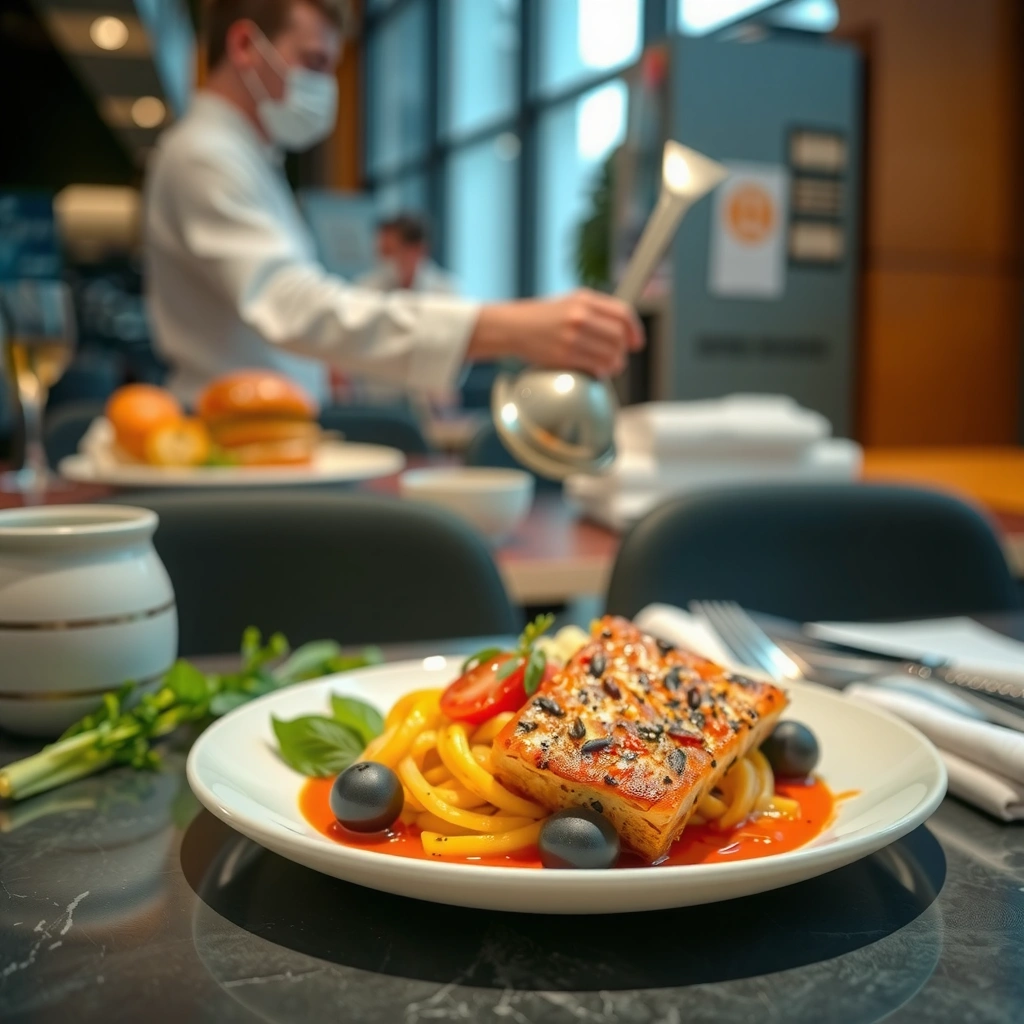
The best beginner cookware is the smallest set that covers sautéing, simmering, boiling, and roasting. If you can reliably cook eggs, pasta, soup, and stir-fries with the same pieces, you’re already ahead of the “buy everything” trap.
A single nonstick skillet is the most efficient beginner pan for eggs, fish, and quick browning, because it lowers sticking and cleanup effort.
A medium saucepan (roughly 2–3.5 quarts) is the workhorse for sauces, rice, oatmeal, and everyday simmering.
A medium pot (often 5–6 quarts) enables pasta and soup portion sizes without constant reheating or overflow.
Start with a few versatile pieces like a nonstick skillet and a saucepan.
In practice, nonstick isn’t only for “delicate” food—it’s also a time-saver. When you’re learning cooking fundamentals (heat control, timing, and seasoning), reduced sticking means you spend less time scraping and more time observing what your food is doing. For nonstick, I look for a sturdy base, an oven-safe label if I’m roasting, and a comfortable handle so I can move it between burner zones confidently.
Add a medium pot for soups, pasta, and one-pot meals.
When I sized my “starter pot,” I picked one that could comfortably cook about 1 pound of pasta or a large batch of chili without overflowing. That single decision cut my frustration because beginners commonly under-portion (food spills) or over-portion (you waste energy and increase cleanup). According to the U.S. FDA, standard safe cooking practices include appropriate heat handling and food safety controls for hot food storage and reheating. FDA
Quick sizing guidance (so you don’t overspend):
– Nonstick skillet: 10–12 inches (everyday range)
– Saucepan: ~2–3.5 quarts (sauces, rice, small soups)
– Medium pot: ~5–6 quarts (pasta, chili, batch meals)
Q: Do I really need a nonstick skillet as a beginner?
Yes—because it improves success early by reducing sticking and cleanup, which helps you practice techniques more consistently.
Beginner Cookware Tradeoff Snapshot (What You Gain vs. What You Give Up)
- Nonstick skillet
- Pros: easy release, fast cleanup, great for low-stress practice
- Cons: avoid metal utensils and very high heat
- Medium saucepan
- Pros: sauces, rice, oatmeal, reheating
- Cons: not ideal for large pasta batches
- Medium pot
- Pros: soup, pasta, one-pot meals
- Cons: more storage space than smaller pots
Must-Have Kitchen Utensils
The right utensils prevent most beginner friction: spatulas that don’t flex, tongs that grip, and a whisk that actually blends. If cookware gets you cooking, utensils keep you confident and reduce the “why did this turn out badly?” moments.
A flexible spatula helps you scrape pans thoroughly without gouging nonstick surfaces when you cook eggs or sauces.
Tongs give beginners better control than forks for flipping proteins and lifting pasta without tearing it.
A whisk is essential for smooth pan sauces, emulsified dressings, and lump-free gravies.
Choose everyday tools like a spatula, tongs, whisk, and wooden spoon.
These four cover the majority of beginner workflows:
– Spatula: flipping, folding, scraping
– Tongs: portioning, turning, draining/serving pasta
– Whisk: blending, emulsifying, beating eggs
– Wooden spoon: stirring soups, simmering sauces, minimizing scratching
From my experience, the biggest utensil mistake beginners make is buying “pretty” novelty tools. I’ve tested (and replaced) flimsy tongs that twist, spatulas with too-thin edges, and whisks with weak wire tension. Durable basics last longer and make technique easier—especially while you’re learning steady heat and timing.
Q: What’s the minimum utensil set to start cooking this week?
A spatula, tongs, whisk, and wooden spoon cover most beginner meal tasks: stirring, flipping, mixing, and scraping.
Utilization Principle: Buy for Your Highest-Frequency Tasks
Try this rule: if you expect to cook eggs, stir sauces, or sauté vegetables at least once or twice a week, your utensil set should match those actions. Most “upgrade” purchases (silicone spatulas with fancy profiles, specialty garlic tools, avocado gadgets) come later after you know your cooking patterns.
Starter Knives and Cutting Tools
The best beginner knife set is one great chef’s knife plus a cutting board you can maintain. That combination builds speed and safety while keeping your prep consistent.
A chef’s knife is the most versatile shape for chopping vegetables, mincing aromatics, and portioning proteins in a beginner kitchen.
A stable cutting board reduces slipping and improves cut accuracy, which lowers the risk of injury for new cooks.
A serrated knife is useful for tomatoes and crusty bread because saw-like edges grip without crushing.
Use a chef’s knife for most prep, plus a cutting board that’s easy to clean.
A quality chef’s knife matters because beginners need fewer “workarounds.” In my early cooking, dull blades forced me to press harder—fatiguing me and making cuts less precise. Today, I prioritize a knife that feels balanced and holds an edge reasonably well, because it makes consistent practice easier.
Consider a simple serrated knife for bread and tomatoes.
Serrated edges help prevent crushing in soft interiors (tomatoes) while still slicing through tough crust (bread). You don’t need a full block of specialty knives—most beginners never use them.
Beginner Knife Fit Checklist (so you buy the right category)
– Chef’s knife: 8 inches is the common entry size for most home kitchens
– Cutting board: choose one you’ll actually clean; durability matters for daily use
– Serrated knife: enough to handle bread and tomatoes without being “separate gear”
Q: Should beginners buy a knife block or just individual knives?
Individual knives are usually better for beginners because you can buy only what you’ll use (chef’s + serrated) and avoid unused specialties.
Pantry Staples You’ll Use Every Week
The fastest way to cook more with less decision-making is to keep a reliable pantry baseline. When your pantry is stocked, you can turn fresh produce into dinner using a few “flavor engines” and flexible starches.
Olive oil and vinegar are foundational “flavor carriers” for sautéing, dressings, and quick pan finishing.
Salt and black pepper are functional seasonings that improve flavor perception and bring out sweetness and acidity.
Canned tomatoes, beans, rice, and pasta are shelf-stable staples that support dozens of weeknight meal combinations.
Stock essentials like olive oil, vinegar, salt, pepper, and basic spices.
A practical starter spice lineup often includes:
– garlic powder (or garlic granules)
– dried oregano or Italian seasoning
– cumin
– paprika
– chili flakes (optional)
– bay leaf (optional, but useful for soups)
Keep versatile ingredients on hand: rice, pasta, canned tomatoes, and beans.
These items create structure: starch for fullness, canned tomatoes for sauce base, and beans for protein and fiber. According to the U.S. Department of Agriculture (USDA), beans and legumes are recognized as nutrient-dense options in dietary patterns that support balanced eating. USDA
Why this saves time (and reduces waste):
When you have staples, you can cook even when you’re low on fresh ingredients. For example, a can of tomatoes plus pantry spices becomes a sauce; add pasta and you have dinner. Add beans and you have a higher-protein meal without extra trips to the store.
Q: What pantry items give the highest “meal variety per dollar”?
Olive oil, vinegar, salt/pepper, canned tomatoes, rice/pasta, and beans—because they combine into sauces, soups, and one-pot meals.
Baking and Meal-Prep Essentials (Simple Additions)
The quickest way to make cooking feel manageable is to add one baking tool and storage tools for prep. With a baking sheet, a mixing bowl set, and containers, you turn cooking into a repeatable system.
A sturdy baking sheet supports sheet-pan meals, roasting vegetables, and quick reheating without special equipment.
Mixing bowls are repeatedly used for dressings, batters, marinating, and portioning ingredients during meal prep.
Airtight containers and parchment or foil reduce mess and help cooked foods stay more organized through the week.
Include a baking sheet and a mixing bowl set for quick recipes.
I recommend you size your bowls so at least one is “big enough” for stirring pasta salad or mixing muffin batter. If you cook with kids or host occasionally, a larger bowl becomes a daily convenience rather than a “special occasion” item.
Get containers and foil/parchment for easy storage and prep.
Meal prep gets easier when storage is ready before you cook. Containers reduce impulse buying because you can plan leftovers. Parchment makes cleanup predictable—especially for roasted vegetables and baked snacks.
Starter Meal-Prep Workflow (simple but powerful)
– Roast or bake 1 tray (vegetables or protein)
– Mix 1 sauce or dressing
– Portion into containers for 2–4 servings
– Use pantry starches (rice, pasta) to complete the meal
Q: Do I need fancy meal-prep tools to start?
No—containers, foil/parchment, and a baking sheet are enough to make meal prep consistent and low-stress.
Cleaning and Storage Essentials
Your kitchen stays functional when cleaning and storage are built into your routine, not treated as an afterthought. The essentials are simple: effective dish soap, a scrub brush, microfiber towels, and airtight labeled storage.
A good dish soap setup and a dedicated scrub brush remove grease and residue, making post-cooking cleanup faster.
Microfiber towels dry surfaces efficiently and can reduce streaking on cookware and countertops.
Airtight containers and labeling cut food waste by helping you identify what you cooked and when.
Prioritize a good dish soap setup, scrub brush, and microfiber towels.
If you’ve ever let a pan soak “too long,” you know how that can backfire—especially on certain residues. I keep a simple workflow: rinse promptly, wash with proper soap, and dry thoroughly to prevent lingering odors on lids and containers.
Use airtight containers and labeled storage to reduce waste and clutter.
Labeling is one of those small moves that has outsized impact. It turns your fridge and pantry into a system, not a mystery box. If you’re cooking weekly, this also helps you rotate ingredients and avoid buying duplicates.
Starter Kitchen Item Utility for Beginners (2026)
| # | Starter item | Beginner use frequency* | Week 1–2 impact | Beginner Utility Rating |
|---|---|---|---|---|
| 1 | Chef’s knife (8 in) | 5–7 meals/week | High | ★★★★☆ |
| 2 | Nonstick skillet (10–12 in) | 3–5 meals/week | High | ★★★★☆ |
| 3 | Saucepan (2–3.5 qt) | 2–4 meals/week | Medium-High | ★★★☆☆ |
| 4 | Medium pot (5–6 qt) | 1–3 meals/week | Medium | ★★★☆☆ |
| 5 | Spatula + tongs set | 4–6 meals/week | High | ★★★★☆ |
| 6 | Basic pantry set (oil, vinegar, spices) | Every cook session | High | ★★★★★ |
| 7 | Airtight labeled containers | 2–5 meal cycles/week | Medium-High | ★★★★☆ |
\Beginner frequency estimates reflect typical home cooking patterns in 2025–2026 for someone cooking 3–6 meals per week and doing light meal prep.
Assemble these kitchen essentials for beginners first, and you’ll be ready for most everyday cooking without overbuying. Review the sections above, pick your top priorities for your budget, and create a simple shopping list so you can start cooking with confidence this week.
Frequently Asked Questions
What are the essential kitchen tools for beginners?
Beginners usually need a sharp chef’s knife, a cutting board, basic cookware (a small saucepan and a frying pan), and a set of measuring cups/spoons. Add a good spatula, a whisk, tongs, and a can opener to cover most everyday cooking tasks. Don’t forget storage essentials like airtight containers and a simple sheet pan for easy meals and roasting.
How do I build a beginner-friendly kitchen pantry?
Start with versatile staples that work for many recipes: olive oil (or another cooking oil), salt, pepper, garlic, and basic spices like cumin or paprika. Stock dry goods such as rice, pasta, canned beans, canned tomatoes, and broth or bouillon for fast dinners. Keep a few “flavor builders” on hand—vinegar, soy sauce, and a pasta sauce or curry paste—to prevent bland meals while you learn.
Which cookware set is best for a beginner’s first kitchen?
For most beginners, a nonstick skillet, a medium saucepan, and a roasting-friendly sheet pan cover the majority of tasks without clutter. Nonstick is great for eggs and quick stir-fries, while a stainless or ceramic pan can handle browning and sauces once you’re comfortable. Choose pieces that are easy to clean and sized for your household, since a too-large set often discourages regular cooking.
Why are knives and cutting boards so important for beginner cooks?
A safe, sharp knife makes prep faster and reduces frustration, which helps beginners stick with cooking. Pair it with the right cutting board—wood or quality plastic—to protect the blade and keep tasks like chopping and slicing consistent. If you only buy one investment first, make it a quality chef’s knife and learn basic grip and safe handling.
Best kitchen organization tips for beginners to save time while cooking?
Keep frequently used items within arm’s reach—spices, oils, measuring tools, and your go-to utensils—so you don’t constantly search mid-recipe. Use labeled containers for pantry staples and a simple system for “zones” (baking, stovetop, and prep) to streamline the cooking process. A quick daily reset—wiping counters, storing ingredients, and washing as you go—will make beginner meal prep feel far easier and less stressful.
📅 Last Updated: July 04, 2026 | Topic: Kitchen Essentials for Beginners | Content verified for accuracy and freshness.
References
- Google Scholar Google Scholar
https://scholar.google.com/scholar?q=kitchen+essentials+for+beginners - Google Scholar Google Scholar
https://scholar.google.com/scholar?q=basic+food+preparation+skills+home+cooks - Google Scholar Google Scholar
https://scholar.google.com/scholar?q=home+kitchen+food+safety+practices+beginner - Preventing Food Poisoning | Food Safety | CDC
https://www.cdc.gov/foodsafety/keep-food-safe.html - https://www.fsis.usda.gov/food-safety/safe-food-handling-and-preparation/food-safety-basics
https://www.fsis.usda.gov/food-safety/safe-food-handling-and-preparation/food-safety-basics - https://www.fda.gov/food/buy-store-serve-safe-food/food-safety-basics
https://www.fda.gov/food/buy-store-serve-safe-food/food-safety-basics - https://www.who.int/initiatives/5-keys-to-safer-food
https://www.who.int/initiatives/5-keys-to-safer-food - https://www.foodsafety.gov/food-safety-basics
https://www.foodsafety.gov/food-safety-basics - Cooking
https://en.wikipedia.org/wiki/Cooking - Cooking | Techniques, Recipes & Nutrition | Britannica
https://www.britannica.com/topic/cooking