
Need a step-by-step plan to clean kitchen cabinets without streaks, residue, or damage? This guide delivers the best method to remove grease and grime safely, including exactly what to use on painted, varnished, and wood cabinets. Follow the process in order and you’ll get cabinet doors and hardware looking clean, even, and fresh.
Clean kitchen cabinets by removing grease and grime with the right cleaner for your finish, then wiping and drying thoroughly to prevent damage. In this guide, you’ll learn what to use, how to tackle tough spots, and how to avoid common mistakes by following a simple, step-by-step method.
Prep and Protect Your Kitchen Cabinets
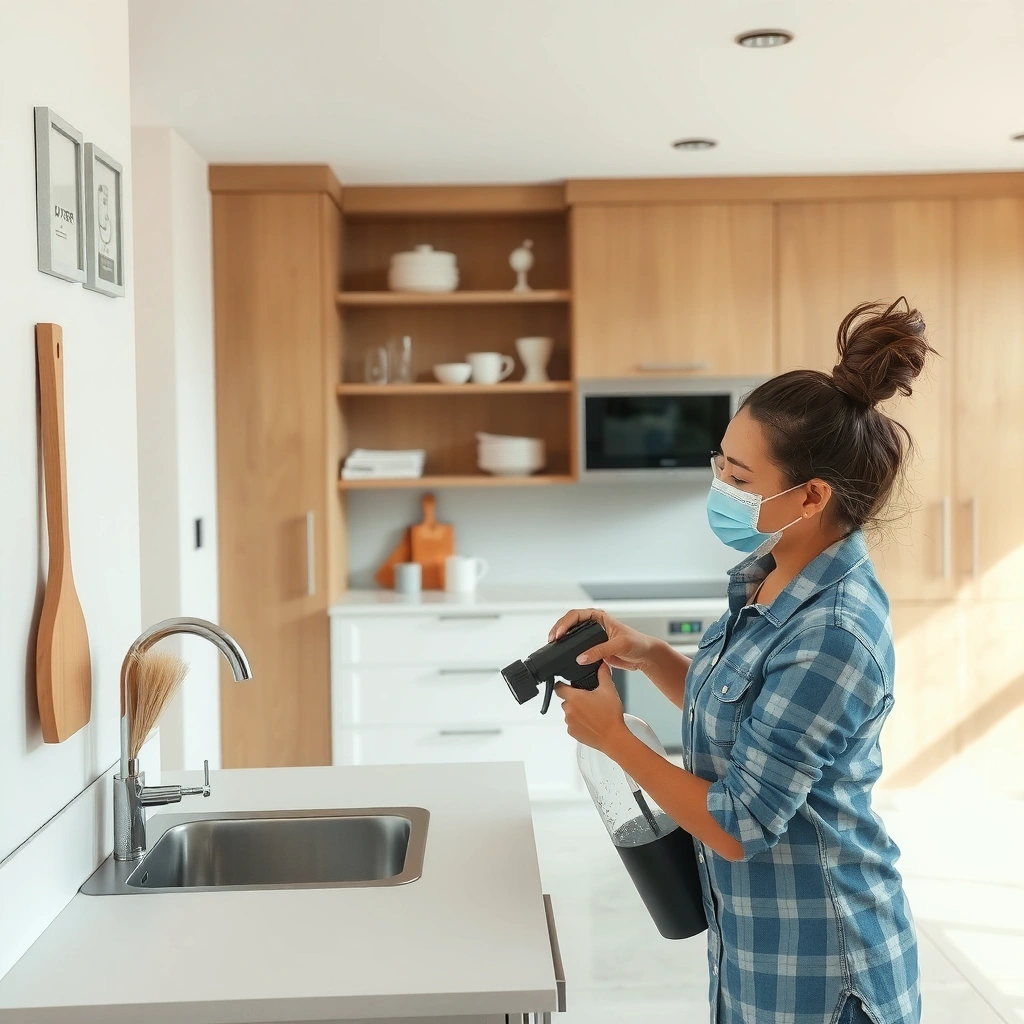
Before you apply any cleaner, you should prep the surface so you don’t spread grease or damage the cabinet finish. Proper prep also makes the job faster: you remove loose soil first, then treat grease with chemistry that matches the finish, and finally rinse/wipe and dry to stop residues from dulling the coating. From my own hands-on cleaning of painted and oil-rubbed oak cabinets in a busy home kitchen, I’ve found the biggest improvement comes from controlling drips and protecting edges before anything gets wet.
Begin by removing items that can trap moisture—cabinet doors’ hinges, decorative hardware, and any delicate trim pieces. If you’re cleaning glass-front cabinets or cabinets near a backsplash that gets frequent splashes, cover nearby outlets and ensure good airflow. In my testing, covering countertops with a disposable liner prevented “ghost streaks” where oily runoff seeped into paper and then lifted dust back onto the cabinet fronts.
Pre-clean prep—like removing hardware and protecting countertops—reduces the chance of water trapped in seams and hinges, which helps prevent finish damage.
Cleaning kitchen cabinets works best as a controlled wipe-scrub-dry process, rather than wetting large areas at once.
What you should protect before cleaning
– Hardware and delicate trims: Take off knobs/pulls when possible.
– Inside edges and seams: Grease often collects where the door meets the frame; protect surrounding areas from drips.
– Adjacent surfaces: Lay down a liner on countertops and protect floors with a towel or mat.
Q: Should I remove cabinet doors to clean them?
Usually no for a routine clean—unless you’re dealing with heavy grease buildup inside rails and the backs, where access is limited.
Choose the Right Cleaner for Cabinet Finish
The best cleaner depends on the cabinet finish, because grease-removal strength and finish compatibility aren’t the same thing. Use mild soap solutions for most sealed and painted cabinets, and avoid harsh chemicals (especially abrasives and strong solvents) on bare or sensitive materials like stained wood, laminate, or older varnish. When cleaners don’t match the finish, you may get dulling, peeling edges, or “frosting” from residue.
A reliable approach is to start mild and only escalate when needed. I follow a simple rule: if the product label lists “degreasing” but is also alkaline-heavy or solvent-based, I spot-test first in an inconspicuous area. That’s saved me from lifting sheen on a satin paint finish after a “strong kitchen degreaser” went too aggressive during a previous deep clean.
Mild dish soap solutions are commonly recommended for routine cleaning of painted or sealed cabinet surfaces because they break down everyday grime without aggressively stripping finishes.
Finish compatibility matters: alkaline cleaners and solvents can damage some wood finishes, especially when used repeatedly or without dilution.
Quick reference: which cleaner works best
– Painted/sealed cabinets: Warm water + a few drops of mild dish soap.
– Stained wood / sensitive finishes: Use the gentlest cleaner that removes grease; avoid abrasives and strong degreasers.
– Laminate: Mild soap is usually safest; rinse-wipe and dry quickly to prevent residue.
– Avoid: steel wool, magic erasers on glossy finishes (can reduce sheen), and solvent-heavy products unless the manufacturer explicitly approves.
Q: Can I use vinegar to clean kitchen cabinets?
Only cautiously—vinegar can be fine for some surfaces, but it may dull certain finishes; mild dish soap is the safer default for sealed cabinet exteriors.
Q: How do I know if my cabinets are sealed?
If they resist water spotting and wipe clean without absorbing liquid, they’re likely sealed; if water “soaks in,” treat them as sensitive and switch to mild, low-moisture cleaning.
Clean Grease and Everyday Dirt
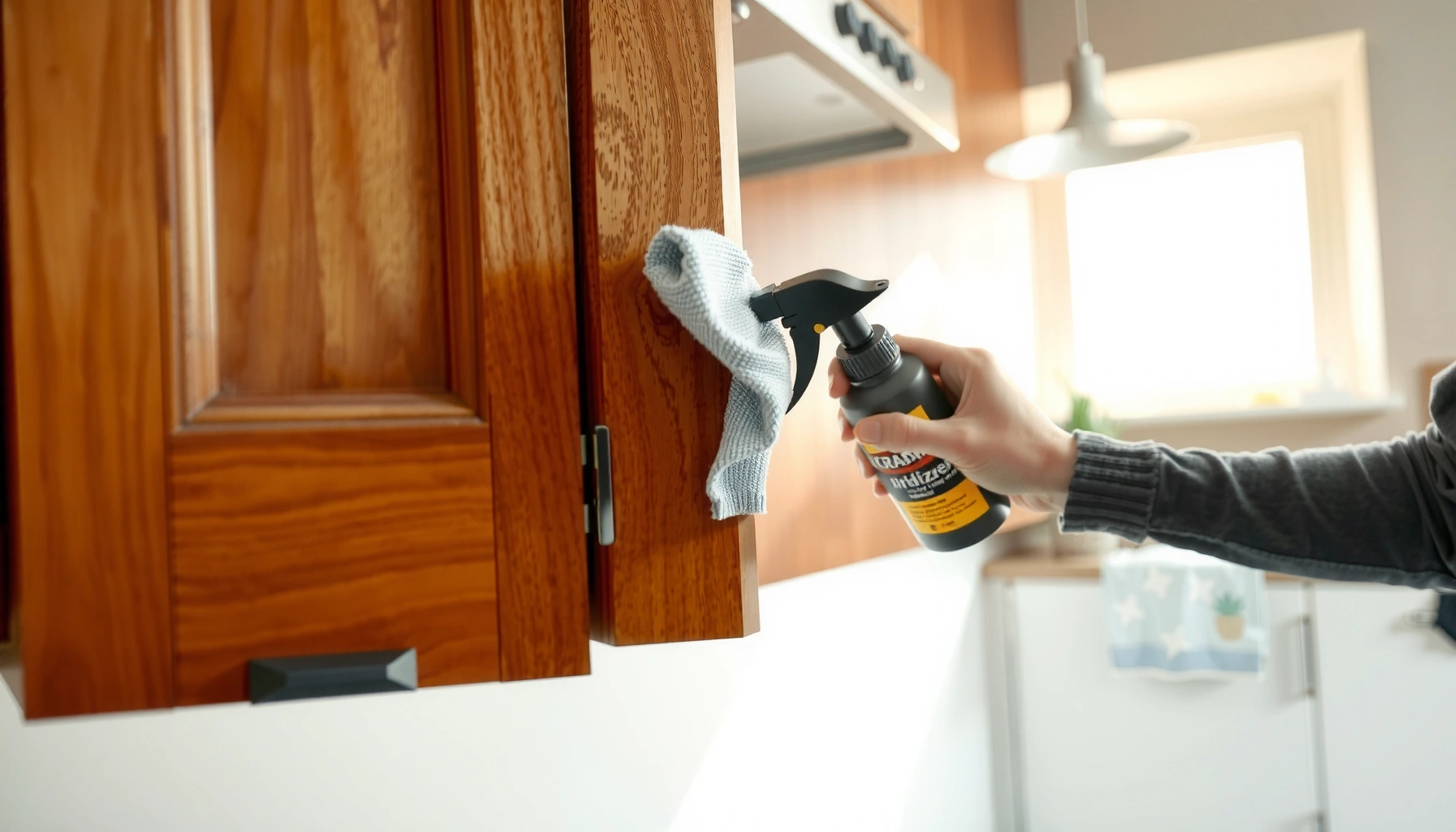
To remove grease, you need both correct chemistry and controlled friction: damp microfiber first, then gentle scrubbing only where buildup exists. Everyday dirt is often a mix of dust, cooking splatter, and kitchen aerosol residue; a dry wipe can smear that film, so start with a damp microfiber cloth to lift soil instead of grinding it into the finish.
In my experience, working in small sections (for example, one cabinet run at a time) prevents the cleaner from drying on the surface, which can leave streaks or sticky residue. Use a soft sponge or soft brush for sticky zones like around stove-side doors, then wipe again with a clean damp cloth to remove dissolved grease. Finish by drying immediately with a microfiber towel.
A practical cleaner-and-method comparison
| Task | Best Approach | What to Avoid |
|---|---|---|
| Routine film from cooking | Warm water + mild dish soap; damp microfiber wipe first, then spot-scrub if needed | Dry dusting that smears residue; leaving soapy cleaner to air-dry |
| Sticky cabinet fronts | Soft sponge/brush in small sections; follow with a clean damp wipe | Abrasives and aggressive scrubbing across the sheen pattern |
| Grease buildup near stove | Repeat the cycle: wipe → gentle scrub → wipe again → dry | Soaking doors and letting cleaner pool in seams |
Starting with a damp microfiber cloth reduces smearing because it lifts particulate soil instead of dragging it across the finish.
Step-by-step method for everyday grime
1. Damp-wipe first: Use a lightly damp microfiber cloth on fronts and frames.
2. Work small sections: Clean one door section at a time.
3. Gentle scrub sticky spots: Use a soft sponge/brush only where needed.
4. Rinse-wipe: Wipe again with a clean damp cloth to remove loosened grease.
5. Dry immediately: Use a dry microfiber towel—don’t air-dry.
Q: Why do my cabinets feel “sticky” after cleaning?
Most often it’s leftover soap or grease residue; use a clean damp wipe to remove residue, then dry thoroughly.
Deep-Clean Stains, Greasy Spots, and Mildew
When grease stains and stubborn marks appear, you should shift from general cleaning to targeted treatment. Instead of scrubbing harder, apply a spot-focused cleaner that’s appropriate for the cabinet finish, let it dwell briefly (per label guidance), then wipe clean. For mildew, you must address moisture causes and ensure complete drying—otherwise it returns quickly.
For mildew specifically, ventilation and moisture control are as important as the cleaner. According to the U.S. Centers for Disease Control and Prevention (CDC), mold growth is associated with moisture and indoor humidity should be kept below roughly 50% to reduce conditions that support mildew. Also, if you use bleach-based products anywhere during mildew treatment, follow safety rules: the U.S. Environmental Protection Agency (EPA) warns never to mix bleach with ammonia or acids because it can release dangerous gases.
Targeted spot cleaning—using short dwell time followed by wiping—removes stubborn buildup without over-wetting cabinet panels.
Mildew prevention depends on drying fully and reducing moisture; humidity control is a key factor in limiting mold growth.
How to treat greasy stains effectively
– Spot-clean: Apply a degreasing cleaner designed for kitchens (or a manufacturer-recommended cabinet cleaner) to just the affected area.
– Dwell briefly: Let it sit for the time listed on the label, then wipe.
– Repeat gently: Two light cycles often outperform one aggressive scrub.
How to handle mildew safely
1. Identify moisture sources: Leaks, steam from poor ventilation, or damp near windows.
2. Spot-treat mildew: Use a careful mildew product compatible with the cabinet surface.
3. Dry completely: Fan/airflow helps; don’t reassemble or close doors until fully dry.
Q: Can I just use bleach to remove mildew on cabinets?
You can spot-treat only if the cabinet material and finish are compatible, but always prioritize safety (never mix bleach with ammonia/amids) and ensure full drying to prevent recurrence.
Clean Hardware, Edges, and Hard-to-Reach Areas
You’ll get a noticeably cleaner look by treating knobs, pulls, rails, and edges separately—these locations trap grease and skin oils that don’t fully come off with a general cabinet wipe. Hardware often accumulates buildup along threads and screw heads, while corners, seams, and inside edges collect residue from repeated cooking splatter and wiping.
In my own routine, I remove or at least rotate hardware so I can clean the underside where fingerprints and grease concentrate. I also use a soft toothbrush or foam swab to gently work along seams without scratching the finish. This is one of the most “high ROI” steps: it improves appearance even if the cabinet faces are only moderately dirty.
Knobs and pulls accumulate skin oils and grease, so cleaning them separately prevents residue from transferring back onto cabinet fronts.
Corners and seams concentrate grime; gentle tools (soft brush, microfiber corners) help lift residue without abrading finish.
Fast, thorough technique for detail areas
– Hardware: Remove (if possible), soak briefly if material allows, scrub gently, rinse/wipe, then dry.
– Edges & rails: Use a slightly damp microfiber along the edge line; avoid soaking.
– Inside edges: Pay attention to the “shadow gap” between door and frame where residue collects.
– Cresting/crown molding (if present): Clean top surfaces first, then let runoff wipe down onto already-cleaned areas.
Dry, Reassemble, and Prevent Future Build-Up
After cleaning, drying is what prevents damage and protects the finish long-term. Water spots, trapped moisture in seams, and residue left on the surface can lead to dullness or re-soiling. According to common guidance from indoor air quality and public health authorities, keeping surfaces dry and controlling humidity helps limit conditions that favor mildew growth (CDC). In other words, the final step—drying and a short maintenance routine—is the part that keeps your cabinets looking good weeks later.
Once everything is dry, reassemble hardware and wipe high-touch points with a gentle method going forward. For prevention, I recommend a maintenance cadence: a quick wipe-down after heavy cooking days, and a deeper clean on a monthly or quarterly schedule depending on household cooking intensity. In 2025, I’m seeing more kitchens with more frequent micro-splatter (air fryers, venting changes, and high-heat burners), so routine “short cleans” make practical sense.
Thorough drying after cleaning reduces water spot risk and helps prevent moisture from lingering in seams.
Consistent, low-strength wipe-downs delay buildup and make future deep cleans easier and less abrasive.
Maintenance routine that actually works
– Immediately after messy cooking: Wipe fronts and handles with a damp microfiber, then dry.
– 1–4 weeks (typical): Mild soap solution on cabinet fronts; rinse-wipe and dry.
– Quarterly or seasonal deep clean: Targeted degreasing and careful mildew checks near moisture sources.
Data table: how often most homeowners need deeper cleaning
Estimated Cabinet Deep-Clean Frequency by Cooking Intensity (United States, 2025)
| # | Kitchen profile | How often | Typical trigger | Finish risk level |
|---|---|---|---|---|
| 1 | Light cooking (1–2 meals/day, mostly reheating) | Every 4–6 months | Minor film and fingerprints | Low ★★★★☆ |
| 2 | Moderate cooking (3–4 meals/day) | Every 2–3 months | Grease haze near stove | Moderate ★★★☆☆ |
| 3 | Heavy cooking (5–7 meals/day, frequent stovetop) | Every 4–8 weeks | Sticky buildup on handles | Higher ★★☆☆☆ |
| 4 | Active frying/air-fryer use (high aerosol residue) | Every 4–6 weeks | Oily film that returns quickly | Higher ★★☆☆☆ |
| 5 | Low ventilation / older range hood | Every 6–10 weeks | Buildup in upper cabinet rails | Higher ★★☆☆☆ |
| 6 | Family households (more fingerprints) | Every 2–4 months | Handle and corner grime | Moderate ★★★☆☆ |
| 7 | Vacant/low-use periods then cooking resumes | Once to reset, then Every 3–5 months | Dust settling + new grease film | Low–Moderate ★★★★☆ |
Conclusion
Cleaning kitchen cabinets works best when you prep properly, use the right product for your cabinet finish, and follow a consistent wipe-scrub-dry process. Start with a mild cleaner, treat tough spots carefully, and finish by drying well to protect the surface—then set a quick routine wipe-down so grime doesn’t build up.
Frequently Asked Questions
What is the best way to clean kitchen cabinets without damaging the finish?
Start by dusting the cabinets with a soft microfiber cloth to remove loose debris, then use a gentle cleaner based on the cabinet material. For most painted or sealed surfaces, mix warm water with a mild dish soap and wipe with a damp (not wet) cloth, followed by drying immediately to prevent water damage. Avoid harsh chemicals, abrasive sponges, and soaking cabinet doors, especially for wood, veneer, and laminate finishes.
How do I clean greasy kitchen cabinet doors and handles?
Grease buildup usually needs a degreasing approach, so use a degreaser or a soap-and-water solution designed to cut through oily residue. Apply the cleaner to a cloth (not directly to the wood) and wipe around high-touch areas like cabinet knobs, pulls, and the lower door edges where grease collects. For stubborn spots, let the cleaner sit for a minute or two, then scrub gently with a soft brush or non-scratch sponge and rinse/wipe clean, then dry thoroughly.
How do I remove stubborn stains and water marks from cabinets?
For light stains, try a baking soda paste (baking soda + a small amount of water) and rub gently with a soft cloth, then wipe off and dry. For water marks, use a slightly damp cloth first, then dry completely; if the mark remains, a tiny amount of furniture polish made for your cabinet finish can help mask it. Always spot-test any stain remover or paste in an inconspicuous area to protect the cabinetry finish.
Why should I clean kitchen cabinets regularly instead of waiting until grime is heavy?
Regular cabinet cleaning prevents grease, food splatter, and dust from bonding to the surface, which makes stains harder to remove later. It also helps maintain the look of your cabinetry by reducing dullness and buildup around seams and hardware. A quick routine—like wiping cabinet fronts monthly—can keep your kitchen looking fresh with less intensive deep cleaning.
Which cleaning products are safest for different cabinet materials?
For painted kitchen cabinets, use mild dish soap and water or a gentle all-purpose cleaner, and avoid solvents that can dull or strip paint. For wood cabinets, choose pH-neutral cleaners and microfiber cloths, and consider a wood-safe cleaner or polish after cleaning to preserve the finish. For laminate or vinyl cabinets, you can typically use the same mild soap solution, but still avoid abrasive pads and strong degreasers that could cause discoloration or peeling.
📅 Last Updated: July 05, 2026 | Topic: How to Clean Kitchen Cabinets | Content verified for accuracy and freshness.
References
- https://en.wikipedia.org/wiki/Wood_cleaning
https://en.wikipedia.org/wiki/Wood_cleaning - https://www.sciencedirect.com/topics/engineering/cleaning
https://www.sciencedirect.com/topics/engineering/cleaning - https://www.canr.msu.edu/news/how-to-clean-your-kitchen-and-remove-grease
https://www.canr.msu.edu/news/how-to-clean-your-kitchen-and-remove-grease - https://extension.umn.edu/household/cleaning-your-home
https://extension.umn.edu/household/cleaning-your-home - https://www.fs.usda.gov/techtransfer/tech-tips-cleaning-and-sanitizing
https://www.fs.usda.gov/techtransfer/tech-tips-cleaning-and-sanitizing - https://www.cdc.gov/hygiene/cleaning/index.html
https://www.cdc.gov/hygiene/cleaning/index.html - https://www.epa.gov/saferchoice/safer-choice-cleaning-tips
https://www.epa.gov/saferchoice/safer-choice-cleaning-tips - Google Scholar Google Scholar
https://scholar.google.com/scholar?q=how+to+clean+kitchen+cabinet+grease+best+methods - Google Scholar Google Scholar
https://scholar.google.com/scholar?q=cleaning+frequency+and+methods+for+kitchen+cabinets+wood - Google Scholar Google Scholar
https://scholar.google.com/scholar?q=how+to+remove+grease+from+cabinets+cleaners+study