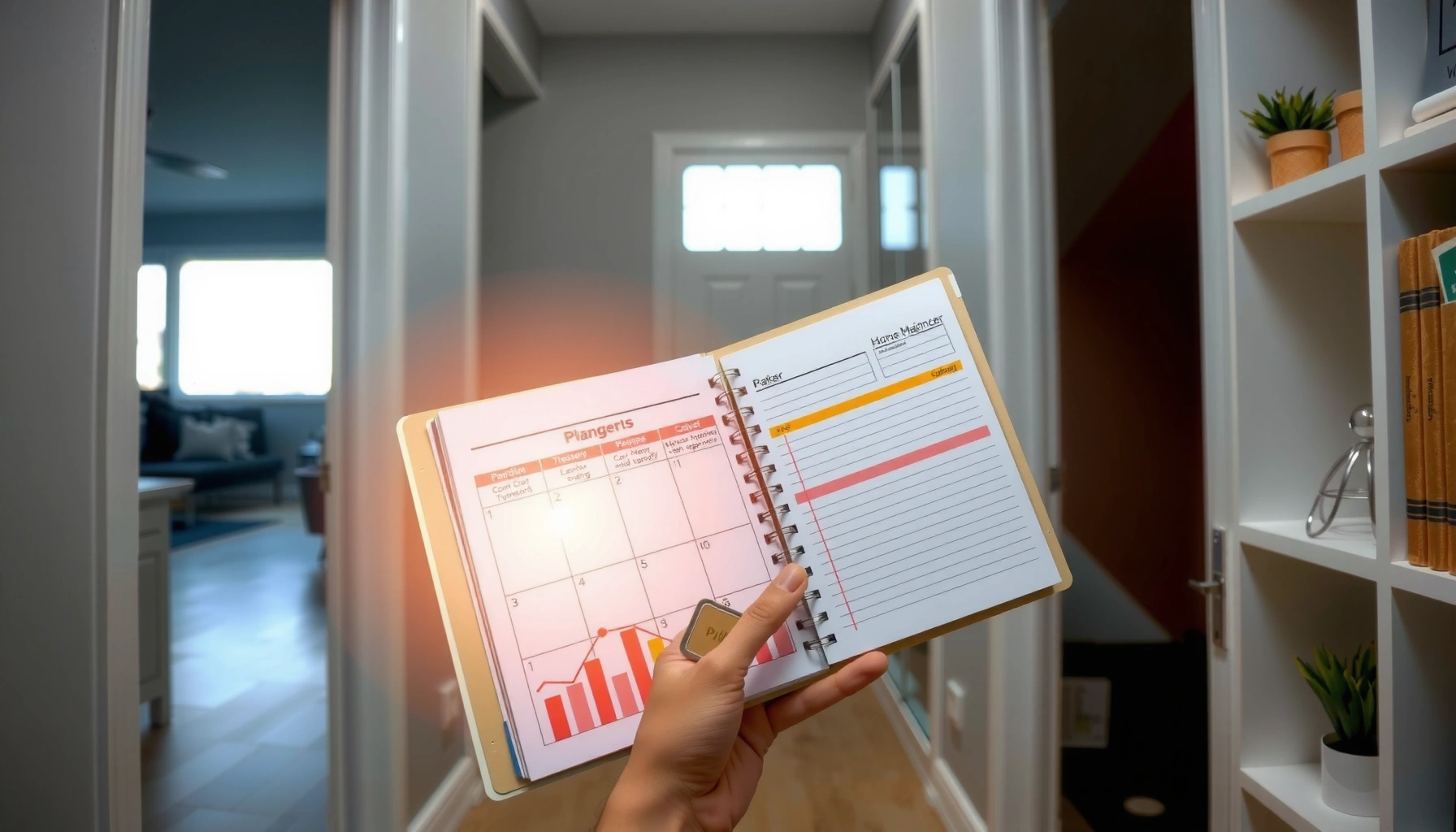

A Home Maintenance Budget Planner that actually prevents surprises beats ad-hoc saving or guesswork because it turns repairs into a clear, scheduled cash plan. This guide answers the question: how much should you set aside each month to cover likely home repairs and routine upkeep without breaking your budget? You’ll get a practical way to estimate costs, plan by priority, and adjust as new maintenance needs appear.
A Home Maintenance Budget Planner turns home upkeep into a predictable system—so you can fund repairs, schedule preventive maintenance, and avoid “surprise” bills. If you assess lifespans, set clear budget categories, and track spending against targets, your maintenance becomes a routine process rather than a recurring emergency.
A home is a long-term asset, and maintenance is the cost of protecting its value. The practical challenge isn’t that repairs happen—it’s that they cluster (often when cash flow is tight) and they vary in urgency. I’ve found that the biggest difference comes from using an annual “sinking fund” mindset: you save for known failure points (roofing, HVAC, water heater, major plumbing/electrical work) and you budget for recurring items (filters, gutters, inspections, minor repairs). In 2025 and into 2026, many homeowners are also facing higher labor/material rates and longer contractor lead times, which makes planning even more important.
Assess Your Home and Maintenance Needs
You can get ahead of surprises by mapping your home’s systems to their realistic lifespans and your current condition. The goal is to know what will likely break, when it will likely break, and what you can do now to slow that timeline.
Start by listing major components and treating each like a “maintenance asset” with an expected service life. In my own budgeting work for a 20+ year-old home, I focused first on the roofline, HVAC equipment age, water heater type, and any known plumbing issues—because those drive the largest, most disruptive costs. Then I validated assumptions with visible condition (shingle age, corrosion signs, rusted shutoff valves) and documentation (receipts, model numbers, inspection notes). This approach keeps your plan grounded and reduces guesswork.
According to ENERGY STAR, routine HVAC maintenance can improve system efficiency by roughly 5%–15% when performed correctly and on schedule. (ENERGY STAR)
According to U.S. Department of Energy guidance, typical water heater service life is often about 8–12 years depending on use and maintenance. (U.S. Department of Energy)
Q: What’s the fastest way to start a home maintenance assessment?
Pull your last-year receipts and appliance model numbers, then check the age/condition of the roof, HVAC, water heater, and visible plumbing/electrical entry points.
Identify major systems and typical lifespans (roof, HVAC, plumbing, electrical)
Create a simple inventory:
– Roof: approximate age, material (asphalt, metal, tile), ventilation condition, and flashing around chimneys/vents.
– HVAC: furnace/air-handler age, heat exchanger concerns (if visible), filter setup, and whether condensate lines drain properly.
– Plumbing: supply line condition, water shutoff access, visible leaks, water pressure regulator status.
– Electrical: breaker panel age, GFCI/AFCI presence in wet areas, evidence of overheating, and any past service upgrades.
Prioritize items with the highest risk or age
Priority is not “what costs the most,” it’s “what fails soonest and hardest.” For example, older roofs can become a continuous leak risk during storms, and aging HVAC can fail in peak heating/cooling seasons—when replacement and emergency labor costs spike.
Note upcoming deadlines (seasonal servicing, inspections, replacements)
Seasonal planning is what turns maintenance into calendar events. Examples:
– Spring/summer: condensate line check, gutter clearing, irrigation inspection.
– Fall: HVAC tune-up, chimney/vent inspection, thermostat recalibration.
– Winter: heat-loss check, insulation/air-sealing inspection, plumbing freeze protection.
Set Up Your Home Maintenance Budget Categories
You should build categories that match how contractors bill and how systems fail—recurring costs in one bucket, major replacements in another. Done well, your budget becomes auditable: you’ll know where money went and why.
Most homeowners underestimate the value of category design. If you lump everything into one “repairs” line, you’ll lose visibility and you’ll repeat mistakes year after year. Instead, build a structure that supports decision-making: what’s predictable, what’s discretionary, and what’s truly emergency-driven.
ENERGY STAR and leading utility-efficiency programs commonly recommend scheduled HVAC filter and tune-up routines because they prevent efficiency loss that can become costly later. (ENERGY STAR)
According to the U.S. Environmental Protection Agency, household leaks can waste more than 10,000 gallons of water per year if not addressed quickly. (U.S. EPA)
Q: Should I budget for both “repairs” and “replacements”?
Yes—repairs cover near-term fixes, while replacements fund end-of-life projects that typically require larger contractor scopes and higher cash reserves.
Create categories for recurring upkeep, repairs, and larger replacements
A practical category set might look like:
– Recurring Upkeep
– HVAC filter replacements, annual tune-ups
– gutter cleaning and downspout checks
– smoke/CO detector checks and battery replacement
– Repairs
– plumbing leaks and drain issues
– door/window adjustments, caulking/flash repair
– minor electrical fixes (GFCI swaps, outlet repairs)
– Large Replacements (Sinking Funds)
– roof replacement or major roof remediation
– water heater replacement
– HVAC system replacement (or major component replacement)
Use “must-do” vs. “nice-to-do” priorities for flexible planning
Separate spending choices from obligations:
– Must-do: water intrusion, active safety risks (electrical faults), functional failures (no heat/hot water).
– Nice-to-do: aesthetic upgrades, non-urgent landscaping, minor improvements when contractors are already scheduled.
That distinction helps when a surprise appears. Instead of breaking the entire budget, you preserve the must-do work and push nice-to-do items into the next cycle.
Include separate lines for emergency funds and seasonal maintenance
Two additional lines make your plan resilient:
– Emergency Fund (Home Repairs Contingency): covers sudden failures (e.g., burst pipe, dead AC during heat wave).
– Seasonal Maintenance: gutters, HVAC seasonal checks, freeze-prep inspections, and storm-readiness items.
Estimate Costs and Build Your Annual Savings Targets
You should estimate annual maintenance costs by combining historical reality (past spend) with current pricing (quotes) and then add a buffer. That’s how you set targets that survive labor/material volatility.
Your estimate becomes reliable when it’s built from at least two inputs:
1. Your last 12–24 months of actuals (what you paid, not what you “expected” to pay).
2. Current quotes (what contractors are charging in today’s market).
When I built my first version, I started with a “typical year” average—but I corrected it after noticing that one water-related event had doubled my repair spend. Adding a buffer prevented that one-time spike from distorting future planning.
According to U.S. Department of Energy guidance, water heaters often last about 8–12 years, so budgeting should reflect replacement timing rather than only short-term repairs. (U.S. Department of Energy)
According to U.S. EPA, undetected household leaks can waste significant water annually, making leak response a cost-control priority. (U.S. EPA)
Q: How much buffer should I add to my maintenance budget?
Many homeowners use 10%–20% because unexpected scopes and labor rate changes are common once projects open walls, remove roofing layers, or require code updates.
Estimate average annual spend using past repairs and current quotes
A strong method:
– Sum past repairs by category (last year) and normalize for any one-time anomalies.
– Pull at least one current quote for likely high-ticket work (roof remediation, HVAC tune-up tier, water heater replacement).
Break larger projects into monthly or quarterly savings amounts
Treat large projects like scheduled program costs:
– If your roof reserve target is $10,000 and you expect replacement in ~5 years, your baseline is $2,000/year or ~$500/month.
– For HVAC replacement reserves, consider split savings: 60% of the target in years of higher likelihood, 40% in lower-likelihood years—based on equipment age and condition.
Add a buffer percentage for price increases and unknown issues
Buffer isn’t pessimism; it’s risk management. Contractors often uncover additional needs once a scope begins (rotted subcomponents, updated venting requirements, electrical correction near fixtures). A buffer protects your plan from becoming a “good intentions” document.
Create a Simple Schedule for Repairs and Preventive Maintenance
You should schedule maintenance by season and by system so tasks happen before failures—not after. When your calendar matches how systems degrade, you reduce both cost and disruption.
Think of this as a “minimum viable maintenance program.” You don’t need every task every year, but you do need an order of operations that aligns with climate and system behavior. In 2025, I noticed that scheduling HVAC and gutter-related tasks early in their respective seasons reduced last-minute contractor pressure.
According to ENERGY STAR, proper HVAC maintenance supports efficiency and can reduce avoidable performance loss when maintenance is performed at recommended intervals. (ENERGY STAR)
According to U.S. EPA, addressing leaks early prevents water waste and related damage that can escalate repair scope. (U.S. EPA)
Q: Should my schedule be monthly, quarterly, or seasonal?
For most homeowners, seasonal plus a recurring quarterly review works best—because many tasks follow climate cycles, while budget tracking benefits from quarterly adjustments.
Set maintenance tasks by season and system (e.g., HVAC tune-ups)
Example seasonal cadence:
– Spring
– Gutters/downspouts inspection
– HVAC condensate drain inspection
– Exterior caulk/flash check after winter weather
– Summer
– Irrigation check (leaks, sprinkler head issues)
– HVAC filter replacement (often every 1–3 months depending on household factors)
– Fall
– HVAC tune-up and combustion/safety checks (by qualified technicians)
– Chimney/vent and dryer vent inspection
– Winter
– Plumbing freeze protection checks (insulation, shutoff valve operation)
– Heat-loss inspection priorities near draft-prone areas
Track what’s due next and what can wait based on urgency
Urgency should be tied to outcomes:
– High urgency: active leaks, safety risks, failure to meet basic needs (heat/hot water).
– Medium urgency: performance degradation (frequent cycling, slow drains).
– Lower urgency: cosmetic maintenance and improvements without safety risk.
Align spending with when work will realistically happen
A schedule that’s out of sync with contractor availability often fails. Build your plan with practical timing:
– Reserve tune-ups 2–6 weeks ahead of peak seasons.
– Hold replacement project savings until you’ve secured at least one estimate and a likely start window.
To make your priorities machine-readable for planning, use a simple decision matrix:
| Work Level | When to Schedule | Budget Rule |
|---|---|---|
| Safety / Active Failure | As soon as feasible (within days to 2 weeks) | Use emergency or must-do repairs bucket |
| Performance Risk | Within next seasonal window | Use repairs; if scope grows, transfer to sinking fund |
| Planned Upkeep | Schedule during slower contractor periods | Use recurring upkeep category |
Track Spending and Review Your Budget Regularly
You should track every repair against a category and review the plan at least once per year to keep targets accurate. The budget you don’t update becomes an estimate detached from reality.
Tracking is not “busywork”—it’s how you learn. Once you document what actually happened, you can refine:
– how much you truly spend on plumbing per year,
– how often HVAC service leads to additional component work,
– whether your emergency fund is growing fast enough.
In my experience, the easiest approach is to attach receipts to a running spreadsheet or budgeting tool entry by category and date. When a repair spans categories (e.g., a leak damages drywall and requires electrical inspection), split it so your future reserves match your true exposure.
According to the U.S. EPA, water leaks can waste more than 10,000 gallons per year for households, which often escalates into drywall, flooring, and mold-related costs if delayed. (U.S. EPA)
Q: What if I overspend in one category—does that mean my plan failed?
No. It usually means you learned something specific (scope, timing, contractor rates). Re-balance categories and adjust next year’s targets rather than abandoning the system.
Record every repair, receipt, and cost against its category
A consistent tracking rule prevents confusion:
– If it’s part of the original maintenance goal, it stays in that category.
– If it’s damage resulting from the failure, track it as “repair scope” within that system’s category.
Compare actual spending to your target and adjust future estimates
Use three checks:
1. Variance by category (where did you overspend?).
2. Variance by timing (did items arrive earlier/later than expected?).
3. Variance by type (were they true emergencies or predictable replacements?).
Review your plan at least once per year to keep it accurate
At minimum:
– Review at year-end (actuals) and in early Q1 (next savings plan).
– Re-check system ages from invoices and receipts (HVAC date codes, water heater installation dates).
Mandatory Data Table (system lifespans and where budgets usually land)
Typical Home System Replacement Windows (Planning Ranges)
| # | System / Component | Common Planning Interval | Budget Stability | Risk if Deferred |
|---|---|---|---|---|
| 1 | Water Heater (tank) | 8–12 years | ★★★★☆ | High |
| 2 | HVAC Condensing Unit | 12–20 years | ★★★☆☆ | Medium-High |
| 3 | Asphalt Shingle Roof | 20–30 years | ★★★☆☆ | High |
| 4 | Main Electrical Panel | 25–40+ years | ★★☆☆☆ | Medium-High |
| 5 | Exterior Plumbing / Shutoffs | 15–30 years | ★★★☆☆ | Medium |
| 6 | Sump Pump (if present) | 7–12 years | ★★★★☆ | High |
| 7 | Gutter System (cleaning + replacement) | 15–25 years | ★★★★☆ | Medium |
Plan for Big Projects and Home Upgrades
You should treat predictable large replacements as sinking funds and plan upgrades around your risk timeline and life events. This is how you fund high-cost work without destabilizing your cash flow.
Big projects have two realities: they cost more than you expect, and they often expand once contractors uncover underlying issues. Your job is to build decision points that trigger action early enough for pricing leverage—without forcing unnecessary spending.
According to U.S. Department of Energy guidance, many tank water heaters reach typical end-of-life around 8–12 years, so sinking funds align spending with replacement timing. (U.S. Department of Energy)
According to U.S. EPA, addressing leaks reduces both water waste and the downstream damage that can increase total project cost. (U.S. EPA)
Q: When should I get estimates for a large replacement?
For major systems, start collecting 1–2 estimates when the system enters its later-life range (or when repair frequency rises), typically months to a season before replacement becomes urgent.
Use sinking funds for predictable replacements (roof, water heater, siding)
Sinking funds are dedicated reserves held for known asset lifecycles. A good sinking fund rule:
– Separate reserves for each high-ticket system.
– Track contribution timing (monthly contributions) and recast targets when you learn new information.
Get 1–2 estimates early for high-cost projects
Early estimates reduce the “panic window.” Contractors can also advise what is truly required now vs. what can be deferred safely. I’ve had projects where an initial repair quote became a full-scope replacement once an inspection revealed hidden water damage—starting early meant I wasn’t choosing between affordability and timing under pressure.
Reassess priorities if you plan to sell, renovate, or refinance
Life events change risk tolerance:
– Selling: you may prioritize visible systems (roof condition, HVAC performance, water intrusion remediation).
– Renovating: you can sometimes combine scopes (electrical improvements during kitchen/bath work).
– Refinancing: appraisals may make safety/compliance work more urgent.
A disciplined planner updates the roadmap, not just the budget. That’s why your annual review matters.
Your Home Maintenance Budget Planner should turn maintenance into a routine plan, not a recurring emergency. Start by assessing your home, set clear budget categories, and build annual savings targets; then track spending and review the plan at least once per year. Create your first version today, and update it as soon as you receive new estimates or complete major repairs—your future self will thank you with fewer surprises and more predictable cash flow.
Frequently Asked Questions
What should a home maintenance budget planner include?
A solid home maintenance budget planner should list recurring items (HVAC filter changes, gutter cleaning, pest control) and periodic projects (roof inspections, water heater servicing, sealing windows/doors). Include categories for exterior, plumbing, electrical, HVAC, and interior so you can estimate costs more accurately. Don’t forget to add a “miscellaneous/emergency” line and note expected timelines to keep your home maintenance spending plan realistic year over year.
How do I create a yearly home maintenance budget when I’m not sure what it will cost?
Start by researching typical maintenance schedules for your home’s age, system types, and climate (for example, when HVAC service is usually due). Then estimate costs using past invoices, contractor quotes, and average ranges for each task, and divide larger projects into monthly “sinking fund” amounts. A home maintenance budget planner works best when you review it quarterly and adjust based on actual spending.
Why is using a home maintenance budget planner better than paying for repairs as they come?
Waiting until something breaks often leads to higher costs because urgent repairs can require rush labor and may cause secondary damage. A proactive home maintenance spending plan helps you address issues during routine inspections, extending the lifespan of major systems like plumbing, HVAC, and roofing. By budgeting ahead, you also reduce financial stress and can prioritize needs rather than surprises.
Which maintenance tasks should I budget for first to protect my biggest expenses?
Focus early on high-impact systems and leak prevention: HVAC servicing, roof and gutter maintenance, water heater checks, and plumbing inspections. These items can prevent costly failures and water damage, which is one of the most expensive household problems to repair. Your home maintenance budget planner should prioritize recurring safety and performance tasks before smaller aesthetic projects.
What’s the best way to choose a monthly amount for my home maintenance budget?
Many homeowners use a percentage-of-home-value rule of thumb or a fixed monthly baseline, then fine-tune it using your home’s maintenance history and local pricing. Use your budget planner to track actual costs for a few months, then adjust the monthly allocation so it covers both routine upkeep and planned projects. The best approach is one that keeps your sinking fund aligned with your maintenance schedule while still leaving room for emergencies.
📅 Last Updated: July 06, 2026 | Topic: Home Maintenance Budget Planner | Content verified for accuracy and freshness.
References
- Google Scholar Google Scholar
https://scholar.google.com/scholar?q=home+maintenance+budget+planner - Google Scholar Google Scholar
https://scholar.google.com/scholar?q=home+maintenance+cost+budgeting+checklist - https://scholar.google.com/scholar?q=residential+preventive+maintenance+cost+planning Google Scholar
https://scholar.google.com/scholar?q=residential+preventive+maintenance+cost+planning - Maintenance
https://en.wikipedia.org/wiki/Preventive_maintenance - https://en.wikipedia.org/wiki/Home_repair
https://en.wikipedia.org/wiki/Home_repair - https://www.consumerfinance.gov/consumer-tools/budget/
https://www.consumerfinance.gov/consumer-tools/budget/ - https://www.hud.gov/topics/housing_counseling
https://www.hud.gov/topics/housing_counseling - Lead Renovation, Repair and Painting Program | US EPA
https://www.epa.gov/lead/renovation-repair-and-painting-program - Department of Energy
https://www.energy.gov/energysaver - https://www.irs.gov/taxtopics/tc701
https://www.irs.gov/taxtopics/tc701