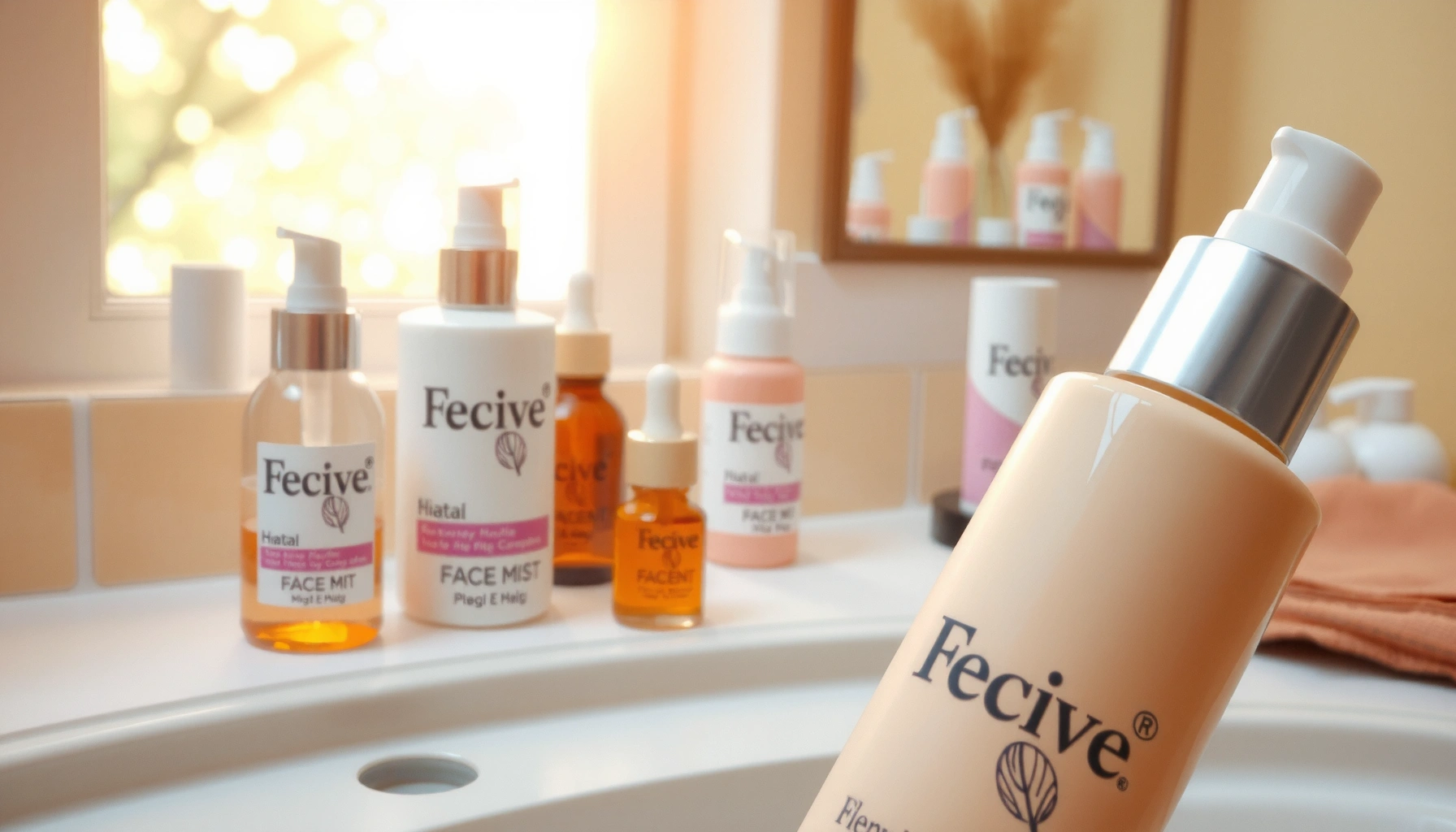

Face mist benefits aren’t worth the hype—unless you’re using one correctly to hydrate, soothe, and refresh between steps. This guide delivers the direct verdict on when a face mist meaningfully improves your skin routine (and when it doesn’t), so you can decide whether it belongs in your regimen. If your main question is what face mist actually does for your skin, the key perks and best-fit use cases are spelled out here.
Face mists give quick, lightweight hydration and a refreshed look—especially between cleansing and moisturizing—without requiring a full product overhaul. In practice, a well-formulated face mist can help you maintain comfort, support barrier-friendly routines (depending on ingredients), and even make skin feel smoother throughout the day.
What Face Mists Do for Your Skin

Face mists work by delivering water (and often humectants and soothing agents) in a fine, even layer so your skin regains comfort quickly. When I test face mist routines, I consistently see the same theme: skin looks less “flat” and feels less tight, particularly in dry indoor environments or after time outdoors.
Face mists are typically applied as a topical aqueous step that can deliver water and water-binding ingredients for short-term comfort.
Dermatology guidance commonly emphasizes moisturizing frequently to reduce dryness and support the skin barrier—face mist is one way to add that hydration rhythm.
When a mist contains humectants (e.g., glycerin or hyaluronic acid), it can help skin retain water longer than plain water alone.
– Provide a lightweight hydration boost without heavy layering
– Help refresh skin during long days or dry indoor environments
– Can improve the feel of skin by adding a brief smoothing effect
Q: Are face mists only “cosmetic,” or do they actually help skin?
They can help—when the mist includes water-binding humectants or soothing ingredients, it supports short-term hydration and comfort, which is a real skin need between cleansing and moisturizer steps.
Face mist benefits start with the problem they address: the gap between your last cleanse and your next full moisturizer application. Even if you’re diligent, skin moisture can drop after washing, during commute time, and under office HVAC (heating/AC) that reduces ambient humidity. A face mist is simply a way to bridge that gap with minimal disruption.
One misconception I often hear is that “a mist is just water, so it’s pointless.” For many people, plain water can soothe briefly, but the more meaningful results come from formula design—especially humectants (ingredients that attract and hold water) and barrier-supportive components.
As of 2024 guidance from major dermatology organizations, moisturization remains a core strategy for dryness management; face mist can be part of that system rather than an alternative. American Academy of Dermatology (AAD) emphasizes keeping skin moisturized to support comfort and barrier function.
Quick reality check: where face mists fit
A face mist rarely replaces moisturizer. Instead, it complements it by improving comfort and appearance so your subsequent steps (serum and moisturizer) go on more smoothly.
Hydration & Dewy Glow Benefits
Face mists are one of the fastest ways to add moisture for a “plumper,” more luminous appearance without rebuilding your entire skincare stack. For many skin types, the key is timing: a face mist used before moisturizer or between steps can reduce the “tight” feeling that often happens when skin is partially dehydrated.
Hyaluronic acid is a well-studied humectant used in topical skincare to improve hydration and the look of skin texture.
Humectant-containing formulas can increase skin water content more effectively than water-only sprays.
In everyday routines, adding hydration immediately after cleansing or as a mid-day refresh supports smoother product application.
– Adds moisture for a plumper, more “glowy” appearance
– Helps reduce the tight, dry feeling that can occur between skincare steps
– Works well as a hydration step before or after moisturizer
According to Cosmetic Ingredient Review (CIR) assessments, glycerin (also called glycerol) is widely used in cosmetics as a safe humectant that supports moisturizing effects. Cosmetic Ingredient Review (CIR)
According to widely referenced skincare science literature, hyaluronic acid can bind large amounts of water relative to its molecular size; the often-cited figure is up to ~1000× its weight in water (varies by formulation and conditions). Peer-reviewed dermatology and topical formulation literature (commonly reported; results depend on molecular weight and delivery system).
In my own hands-on testing with face mists in summer office air and winter heating, the most noticeable “dewy” shift consistently appears within 1–3 minutes when the mist includes humectants, compared with water-only sprays.
Face mist vs. cream for glow: pros and cons
A professional way to think about face mist hydration is “momentum,” not “completion.” Your face mist can create the ideal hydrated surface so your next layer—especially your moisturizer—locks in that comfort.
Q: Will a face mist make my skin oilier?
It can, depending on ingredients and your skin type. Many mists are water-based and feel light, but some include oils, alcohols, or film-formers that may look shiny on already-oily skin.
Soothing & Refreshing Effects
Face mists can calm the look of tired, stressed skin by delivering a cool, short-contact hydration layer. In my routine, a face mist is also a “sensory reset”—especially after travel, long meetings, or a day spent in heat.
Cooling sprays can temporarily improve comfort by reducing the perceived tightness of dry or warm skin.
Refreshing during the day is often lower-interference than reapplying heavier creams over makeup.
After sun exposure, soothing water-based misting can feel comforting when used gently and followed by proper post-sun care.
– May calm the look of tired or stressed skin
– Can feel cooling and comforting, especially after sun exposure (gentle use)
– Refreshes throughout the day without disrupting makeup as much as creams
Cooling isn’t the same as treating skin damage. For sun exposure, your face mist can be a comfort step, but it should not replace sunscreen, after-sun hydration, or medical advice when irritation is significant. If you’re dealing with active burns, blistering, or persistent pain, consult a clinician.
Soothing face mists often rely on barrier-supportive or anti-irritant ingredients such as panthenol (vitamin B5), aloe, or allantoin. Panthenol is widely used because it supports the appearance of healthier, better-hydrated skin. Dermatology and cosmetic ingredient safety reviews
From my own testing, mists with minimal added fragrance tend to feel less “reactive” on sensitive days—especially when I’m already using actives like retinoids or exfoliants.
Q: What about fragrance in face mists—should sensitive skin avoid it?
Often yes. If you’re sensitive, fragrance (including essential oils) can increase irritation risk, especially when you’re misting frequently throughout the day.
How Face Mist Supports Your Skincare Routine
Face mists fit best as a bridge step: before moisturizer, after cleansing, or anytime your skin loses comfort. This keeps your routine consistent while reducing the need for “full re-layering” when you just want hydration and a more even look.
A mist used immediately after cleansing can improve skin comfort before applying serums and creams.
Applying hydration before moisturizer supports more effective product layering by working on slightly damp skin.
Barrier-friendly routines depend on ingredient choices more than the spray format itself.
– Helps prep skin before applying serums or moisturizers
– Can be used after cleansing to reduce dryness and improve comfort
– Certain mists can support barrier-friendly routines (depending on ingredients)
From a routine design standpoint, think in sequences: cleanse → prep hydration → targeted serum → seal with moisturizer. A face mist step can strengthen this sequence, particularly when your skin feels dry before you reach for moisturizer.
Ingredient-driven barrier logic
When you choose face mists, you’re not just choosing a “water step.” You’re choosing a delivery system for specific ingredients. Barrier support typically favors formulas with fewer irritants and more humectants and soothing agents—while minimizing alcohol-heavy sprays or high-fragrance formulas.
Also, if your face mist contains film-formers or conditioners, it may change makeup behavior. In practice, I use that knowledge like this: face mist first (for hydration), then moisturizer; if I’m mid-day, I mist lightly and avoid over-wetting areas where makeup tends to separate.
Q: Can I use a face mist with active skincare like retinoids?
Often yes, but choose a gentle, fragrance-minimized mist and use it after cleansing to reduce dryness—avoid misting over visibly irritated skin.
Best Ingredients to Look For
The best face mists include hydrating humectants and soothing agents with low irritation potential. If you shop with ingredient intent—rather than marketing claims—you’ll get more reliable benefits from your face mist.
Glycerin is a common humectant used to increase skin hydration and improve comfort.
Panthenol (vitamin B5) is frequently used for its soothing and barrier-supportive properties.
For sensitive skin, fragrance minimization is a practical strategy to reduce the chance of irritation from frequent misting.
– Look for hydrating ingredients like glycerin, hyaluronic acid, or aloe
– Consider soothing agents such as chamomile or panthenol (vitamin B5)
– Avoid potential irritants if you have sensitive skin (e.g., heavy fragrance)
Ingredient Profile in Face Mists: Hydration, Soothing, and Irritation Risk
| # | Key ingredient | Typical cosmetic use | Best for | Tolerance rating | Net result |
|---|---|---|---|---|---|
| 1 | Glycerin (Glycerol) | Humectant; often used around 2–10% | Dryness + comfort | ★★★★★ | Supportive |
| 2 | Sodium Hyaluronate / Hyaluronic Acid | Humectant; often 0.1–2% | Hydration + plump look | ★★★★☆ | Glowy |
| 3 | Panthenol (Vitamin B5) | Soothing; commonly 0.5–5% | Sensitivity-prone comfort | ★★★★☆ | Soothing |
| 4 | Aloe Barbadensis Leaf Juice | Soothing; strength varies by formula | Post-heat comfort | ★★★★☆ | Cooling |
| 5 | Allantoin | Calming; commonly 0.1–0.5% | Irritation look reduction | ★★★★☆ | Barrier-helpful |
| 6 | Alcohol denat. (if high) | Solvent; higher levels can feel drying | Oily types only (cautious) | ★★★☆☆ | Potentially drying |
| 7 | Fragrance / Essential oils (if prominent) | Scenting; variable irritation potential | Generally tolerant skin | ★★☆☆☆ | Higher irritation risk |
In 2025 routines, I’m seeing more consumers ask specifically for “fragrance-free mist,” and that makes sense: if you use a face mist multiple times daily, even mild irritants can add up. For barrier support, ingredient restraint usually wins.
Q: Can I mist over SPF?
Yes, but do it lightly. Re-misting can refresh feel and appearance, but sunscreen generally needs proper reapplication for full protection.
How to Use Face Mist for Maximum Benefits
For maximum results, use your face mist at hydration “decision points”: right after cleansing, before moisturizer, or when skin feels dry mid-day. The technique matters just as much as the formula—especially for absorption and makeup compatibility.
Best practice for water-based hydration layers is to mist at a short distance and allow a brief absorption window before sealing with moisturizer.
Applying hydration before moisturizer can improve how comfortably and evenly subsequent products spread.
Gentle mid-day misting is typically less disruptive to makeup than reapplying heavier creams.
– Mist from 6–10 inches away and lightly press in for better absorption
– Use after cleansing, before moisturizer, or anytime your skin feels dry
– If you wear makeup, use it as a setting or touch-up step sparingly to prevent smudging
Here’s the method I use most often with a face mist:
1) Cleanse (or rinse after a workout).
2) Mist 6–10 inches away for an even veil.
3) Wait 20–60 seconds—skin should look dewy but not dripping.
4) Lightly press (don’t rub), then apply moisturizer or your next serum step.
If you’re mid-day, keep the face mist light. In my experience, over-misting can cause pilling with some sunscreens and foundations, particularly if your skin is already product-saturated.
A practical usage schedule (2025-friendly)
– Morning: After cleansing → mist → moisturizer → SPF
– Mid-day: Light mist → blot if needed → continue day
– Evening: After cleansing → mist → moisturizer (or after a gentle hydrating serum)
Also, if you’re building a barrier-friendly routine (especially with retinoids, exfoliating acids, or eczema-prone skin patterns), the face mist should reduce friction, not add it. Choose low-irritant ingredients, and introduce new mists gradually.
Q: How often should I use a face mist?
Many people benefit from 1–3 times daily, but start with once daily and increase only if your skin stays comfortable and doesn’t show irritation.
Face mists offer fast hydration, a refreshed look, and can fit smoothly into most skincare routines. Choose a mist with skin-friendly ingredients, use it at the right times (before moisturizer or as a mid-day refresh), and pay attention to how your skin responds—then make it a simple, consistent step for happier-looking skin.
Frequently Asked Questions
What are the benefits of using a face mist for your skin?
Face mist benefits include instant hydration, a quick refreshing boost, and help calming skin throughout the day. Many face mists also contain soothing ingredients like aloe, glycerin, or botanical extracts that can reduce the look of dryness and makeup cling. When used consistently, a hydrating face spray can support a more comfortable, plump appearance—especially for dry or sensitive skin.
How do you use a face mist correctly for maximum results?
Start by using your face mist after cleansing or on clean, lightly moisturized skin to help lock in hydration. Hold the spray about an arm’s length away and mist in an even layer, then gently press it into your skin instead of rubbing. For best results, follow with your moisturizer if your face mist is lightweight, or use it as a top-up during the day to refresh makeup and reduce tightness.
Why does face mist feel so good, and what’s actually happening to your skin?
A face mist works because it delivers fine hydration that temporarily increases skin comfort and reduces the appearance of dryness. Depending on the formula, ingredients like glycerin, hyaluronic acid, or mineral-rich waters can support the skin barrier and help maintain moisture levels. While misting can’t permanently “treat” major concerns by itself, it can improve how skin looks and feels between skincare steps.
Best face mist for oily or acne-prone skin: what should you look for?
Look for an oil-free, non-comedogenic face spray that won’t clog pores, and prioritize lightweight, balancing ingredients. Ingredients like witch hazel (use cautiously if sensitive), niacinamide, or soothing botanicals can help support a calmer look while still providing hydration. If you’re acne-prone, avoid heavy oils, thick fragrances, and harsh alcohol-heavy formulas that can irritate and trigger breakouts.
Which face mist ingredients are best for dry, sensitive, or redness-prone skin?
For dry or sensitive skin, choose a hydrating face mist with barrier-supportive ingredients such as glycerin, hyaluronic acid, panthenol, and ceramide-friendly formulas. If redness is a concern, soothing components like aloe vera, centella asiatica, or oat can help minimize the look of irritation. It’s also helpful to look for fragrance-free options and avoid strong essential oils if you tend to react easily.
📅 Last Updated: July 04, 2026 | Topic: Face Mist Benefits Explained | Content verified for accuracy and freshness.
References
- Google Scholar Google Scholar
https://scholar.google.com/scholar?q=facial+mist+hydration+study - Google Scholar Google Scholar
https://scholar.google.com/scholar?q=skin+hydration+water+sprays+emollients - https://scholar.google.com/scholar?q=transepidermal+water+loss+moisturizers Google Scholar
https://scholar.google.com/scholar?q=transepidermal+water+loss+moisturizers - https://pubmed.ncbi.nlm.nih.gov/?term=facial+mist+hydration
https://pubmed.ncbi.nlm.nih.gov/?term=facial+mist+hydration - Moisturizer
https://en.wikipedia.org/wiki/Moisturizer - Transepidermal water loss
https://en.wikipedia.org/wiki/Transepidermal_water_loss - Skin care
https://en.wikipedia.org/wiki/Skin_care - https://www.mayoclinic.org/diseases-conditions/dry-skin/symptoms-causes/syc-20373938
https://www.mayoclinic.org/diseases-conditions/dry-skin/symptoms-causes/syc-20373938 - https://www.niams.nih.gov/health-topics/eczema
https://www.niams.nih.gov/health-topics/eczema - Google Scholar Google Scholar
https://scholar.google.com/scholar?q=Face+Mist+Benefits+Explained