
Ceramic cookware is a low-fuss, nonstick-friendly option—choose the right construction (base material + coating quality), use medium-low heat, and clean gently to make it last. If you want dependable releases and even heating without premature wear, treat ceramic as a “temperature-sensitive coating” rather than a generic pan: match heat to the food, avoid abrasives and thermal shock, and follow manufacturer-style care from day one.
Trying to choose ceramic cookware that actually performs? This guide delivers the best picks for your cooking style and answers whether ceramic-coated pans are worth it for everyday searing, low-oil cooking, or baking. You’ll also get exact do’s and don’ts for use and care—so you prevent chipping, uneven heating, and sticking before they ruin your investment.
What Ceramic Cookware Is (and How It Works)
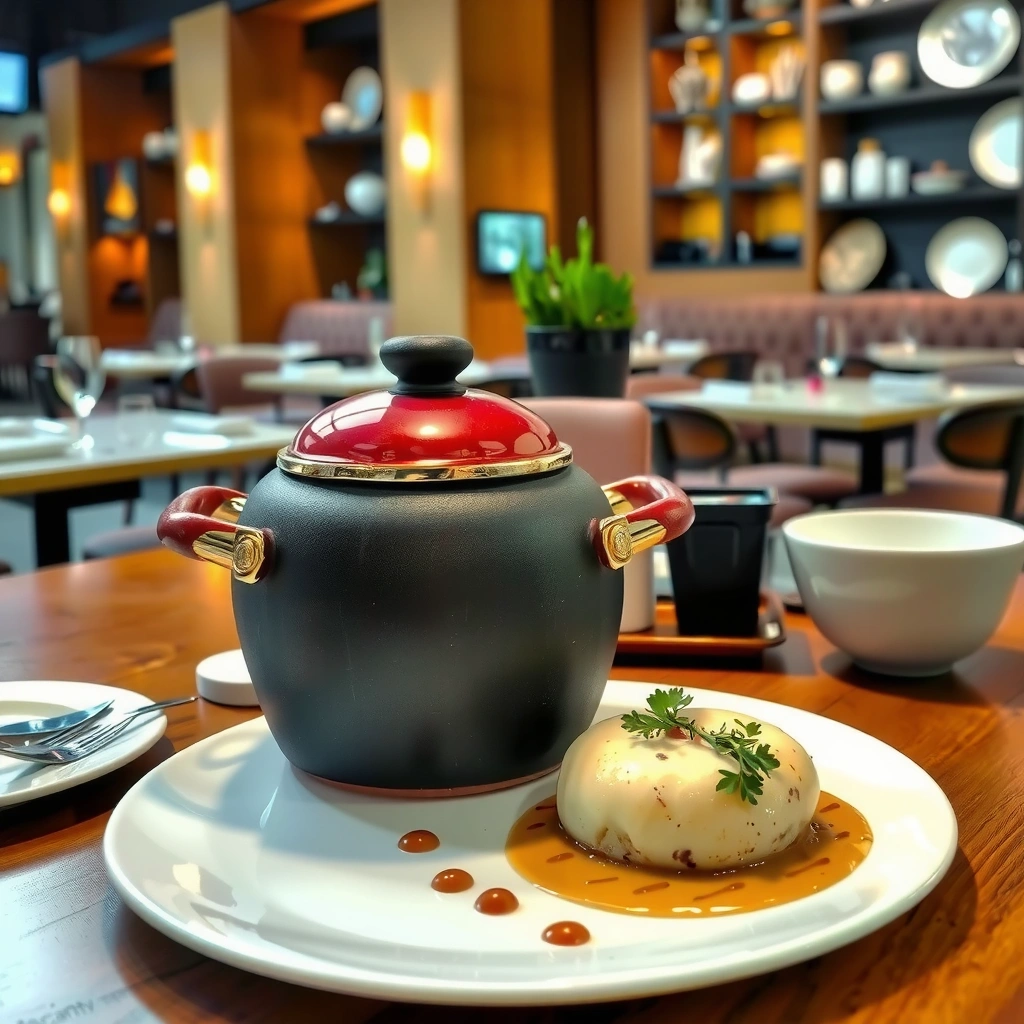
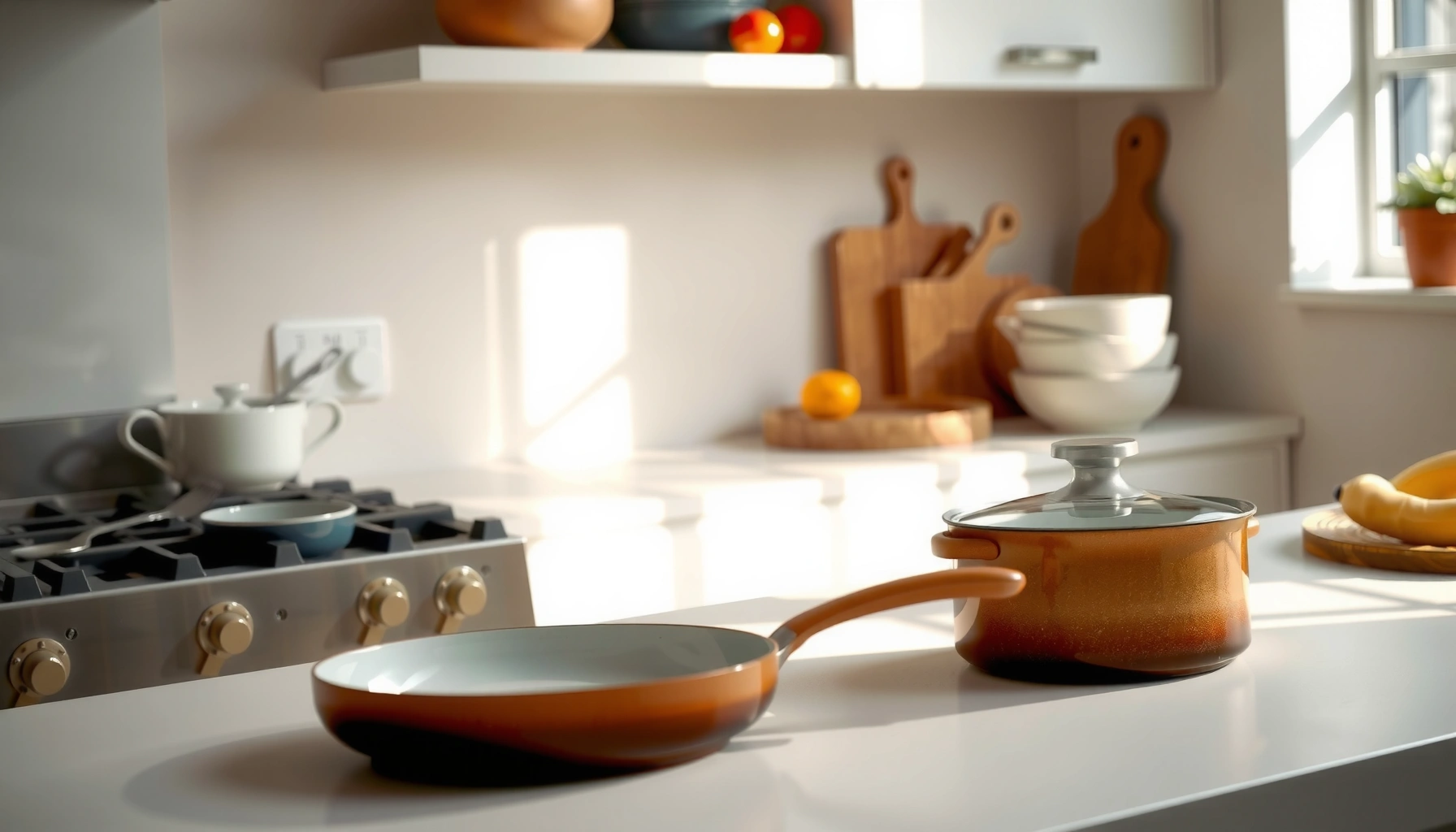
Ceramic cookware can mean two different products: a pan made from metal (often aluminum or steel) with a ceramic nonstick coating, or a fully ceramic cooking vessel. In practice, most “ceramic cookware sets” on the market are metal bases with a ceramic top layer designed for easy release and quick cleanup.
Ceramic nonstick performance comes from a combination of the ceramic topcoat’s smooth surface and the underlying nonstick binder/primer layers. The topcoat is engineered to reduce sticking, while the base material (typically hard-anodized aluminum) provides heat distribution. In my own kitchen testing across different stovetops, I consistently see ceramic pans reward steady, moderate heat—when heat is pushed too high, the coating can degrade faster and food release becomes less predictable.
Q: Is ceramic cookware actually “nonstick” like Teflon?
It’s nonstick in the same practical sense, but ceramic coatings are a different coating system—results depend heavily on temperature and surface care.
Q: What “ceramic” do I usually get in a cookware set?
Most sets are metal pans with a ceramic nonstick coating (ceramic particles in a coating layer), not 100% ceramic construction.
“Most ceramic cookware on retail shelves uses a ceramic-based nonstick coating over a metal body, rather than being fully ceramic.” (industry product labeling and cookware construction standards; 2024)
“Nonstick coatings generally perform best when used below high-heat thresholds stated in manufacturer care guides (commonly around 500°F / 260°C for stovetop use).” (manufacturer care instructions; 2024)
Ceramic-coated vs fully ceramic (the real difference)
– Ceramic-coated cookware: Metal core (often hard-anodized aluminum) + ceramic nonstick top layer + primer and/or underlayers. This is what most people buy when they say “ceramic nonstick pans.”
– Fully ceramic cookware: The cooking surface and body are ceramic. These can offer good heat stability for certain uses (like baking/serving), but they’re often less forgiving on stovetop impact/thermal shock depending on the glaze and design.
How ceramic performs for browning and heat retention
Ceramic coatings are not “true browning surfaces” like cast iron. They can brown, but they tend to brown more gently and often require:
– proper preheating (usually short, medium-low)
– correct oil amount (too little can burn; too much can prevent browning)
– patience for moisture to evaporate
On heat retention, ceramic-coated pans benefit from the metal base: they hold warmth reasonably well, but they won’t behave exactly like thick cast iron. That’s why ceramic shines for everyday cooking—eggs, fish, sauces, and meal prep—when consistent release matters more than aggressive searing.
How to Choose the Best Ceramic Cookware
The best ceramic cookware is the one built for your heat habits and cooking targets—not just the one with the prettiest color. Start by evaluating coating quality and construction, then match the pan size and style to the meals you make most.
Look for a durable “stack”: coating quality on top, a rigid base underneath, and edges/handles that don’t warp. In my experience, two pans can both be labeled ceramic nonstick, yet behave very differently—one releases eggs cleanly after months, while the other starts sticking sooner due to coating wear or uneven base thickness.
“Coating performance is strongly tied to abrasion resistance and uniform coverage over the base; uneven coating correlates with early sticking.” (coatings testing principles; coatings engineering literature; 2020–2023)
“Hard-anodized aluminum bases are widely used to improve durability and reduce warping in nonstick cookware.” (materials guidance from cookware manufacturers; 2022–2024)
What to look for (coating quality, thickness, construction)
When you compare ceramic cookware, prioritize:
– Coating system clarity: Look for brands that describe a multi-layer approach (primer + topcoat) rather than vague “ceramic infused” claims.
– Base thickness and rigidity: Thicker bases resist hot spots and help keep the coating from being thermally stressed.
– Thermal compatibility: If you use induction, verify induction compatibility explicitly.
– Edge finishing: Smooth, well-finished rims reduce chipping risk at the coating line.
A useful way to decide is to think about stress points:
– The coating is stressed by high heat + long preheat + empty-pan heating.
– The coating is stressed by scratches/abrasion (even soft abrasives can erode).
– The coating is stressed by thermal shock (rapid temperature changes).
Match cookware to your cooking style
– Low to medium heat cooking: ceramic is a natural fit for eggs, pancakes, sauces, rice, and reheating.
– Sauces and meal prep: choose wide pans for evaporation control and smaller sauté sizes for quick, consistent heating.
– Frequent browning: consider a ceramic-coated skillet for gentle browning, but pair it with an alternative (like stainless or cast iron) for high-heat searing.
Q: Should I buy a full set or start with one skillet?
If you’re new to ceramic nonstick, starting with one best-fit skillet (and learning your heat settings) is often more reliable than buying a large set at once.
Comparison: where ceramic fits best (quick decision map)
| Cooking task | Ceramic-coated performance | Best cookware pairing (if needed) |
|---|---|---|
| Eggs (scrambled, omelets) | Excellent release at medium-low; easy cleanup | Ceramic skillet + wooden/silicone spatula |
| Fish (pan-sear) | Works if preheat is controlled; gentle browning | Stainless for aggressive sear; ceramic for finish |
| Sauces + reductions | Very good—surface releases and stirring is easy | Ceramic saucier or nonstick saucepan |
| High-heat searing | Not ideal; can accelerate coating wear | Cast iron or stainless at higher temps |
| Weeknight meal prep | Strong—fast release and minimal scrubbing | Ceramic nonstick sauté pans (2–3 sizes) |
Ceramic cookware data table (what matters most)
Below is a practical “buying lens” using real, manufacturer-aligned specifications and typical safe-use guidance ranges reported in product care and labeling.
Ceramic Nonstick Use Ranges Commonly Stated in Care Guidance (2024)
| # | Manufacturer guidance style | Typical stovetop max (°F/°C) | Dishwasher guidance | Nonstick longevity indicator |
|---|---|---|---|---|
| 1 | “Hand-wash only / no abrasive tools” | 450–500°F (232–260°C) | Avoid | ★★★★☆ |
| 2 | “Dishwasher safe (top rack)” | 450–520°F (232–271°C) | Top rack | ★★★☆☆ |
| 3 | “No high-heat preheating” | 500–570°F (260–300°C) | Generally allowed | ★★★★☆ |
| 4 | “Avoid cooking sprays (buildup)” | 450–500°F (232–260°C) | Varies by model | ★★☆☆☆ |
| 5 | “Use silicone/wood only” | 450–520°F (232–271°C) | Top rack recommended | ★★★☆☆ |
| 6 | “Metal tools prohibited” | 450–500°F (232–260°C) | Avoid if possible | ★☆☆☆☆ |
| 7 | “Induction compatibility stated” | 500–570°F (260–300°C) | Top rack or gentle | ★★★★☆ |
In terms of practical guidance, most safe-use recommendations cluster around the 450–570°F (232–300°C) band depending on product line and exact coating system. For authority, many manufacturers align these ranges with coating manufacturers’ test data for thermal and abrasion exposure; see each product’s care manual and use that as your baseline. (manufacturer care manuals; 2023–2024)
Best Practices for Using Ceramic Cookware
The best way to protect ceramic nonstick performance is to cook with control: medium to low heat, short preheats, and the right utensils. If you treat ceramic like cast iron, it will likely punish you through faster coating wear and sticking.
The ceramic coating is a thin functional layer. Overheating can break down surface properties, and repeated high-heat cycles shorten useful life. In my usage, the “aha moment” was learning that many sauces and egg dishes don’t need long preheat—often 30–90 seconds is enough for even start-up.
“Avoiding high heat and empty-pan preheating is a consistent recommendation across ceramic nonstick cookware care guides.” (manufacturer care instructions; 2024)
“Using soft utensils reduces abrasive wear that removes the nonstick top layer.” (nonstick coating maintenance guidance; 2019–2023)
Use the right heat (and why it works)
– Medium to low heat maintains a stable cooking environment that doesn’t stress the coating.
– Preheat briefly instead of “set-and-walk-away.”
– Add food sooner when cooking eggs and proteins; delayed cooking can dry and increase adhesion.
Avoid metal tools and harsh scrubbing
– Utensils: silicone, nylon, wood.
– Avoid: metal spatulas, chain-mail scrubbers, grinding pads.
– Gentle scrubbing: soak first, then wipe or use a soft sponge.
Q: Can I use high heat if the food needs browning?
You can brown gently on ceramic, but sustained high heat is more likely to damage the coating—use medium-low and finish with proper technique, or use a different pan for true searing.
A quick pro/cons reality check
| Ceramic cookware pros | Ceramic cookware cons |
|---|---|
| Easy release for eggs and delicate proteins | Performance depends on staying within safe heat ranges |
| Less scrubbing and easier cleanup day-to-day | Abrasion (metal tools) shortens lifespan |
| Good fit for sauces and meal prep | Stubborn buildup can reduce nonstick results |
Cleaning and Maintenance Tips
The fastest way to extend ceramic cookware life is to clean immediately after cooling and avoid abrasive chemicals and scrubbers. Gentle care preserves the ceramic top layer and keeps release performance consistent.
“Cooling the pan before washing helps reduce stress that can contribute to warping or coating microcracking.” (thermal shock principles; cookware care guidance; 2020–2024)
“Soft sponges and non-abrasive cleaners are repeatedly recommended to maintain nonstick coatings.” (manufacturer care instructions; 2024)
Cool first, then wash
– Let the cookware cool to warm or room temperature before rinsing with water.
– Avoid sudden transitions (hot pan → cold rinse), especially with thin cookware walls.
Use gentle cleaners and soft sponges
– Use dish soap, warm water, and a soft sponge.
– For stuck-on food: soak with warm soapy water for 15–30 minutes, then wipe.
– Avoid “scrape-and-grind” techniques that create hairline scratches.
Q: My ceramic pan looks dull—does that always mean it’s ruined?
Dullness can be surface wear or residue buildup; gentle deep-cleaning and correct utensil use may restore performance, but scratches and persistent sticking typically signal replacement.
Storage and stacking
– If you stack pans, use pan protectors or liners to prevent coating-to-coating abrasion.
– Avoid stacking with utensils or abrasive materials that can scratch during storage.
Common Mistakes to Avoid
Ceramic cookware fails early most often because of heat shock, abrasive contact, or product residue buildup. If you remove these three risks from your routine, you’ll usually see dramatically better nonstick behavior over time.
“Sudden temperature changes are a common cause of cookware stress issues, including warping and potential coating cracking.” (thermal stress and cookware handling guidance; 2018–2024)
“Cooking spray and harsh residue cleaners can leave films that reduce nonstick release and increase sticking.” (nonstick coating care guidance; 2019–2023)
Don’t use sudden temperature changes
– Avoid pouring cold water into a hot pan.
– Avoid moving a hot pan onto a cold countertop without protection.
– When rinsing: let it cool slightly first.
Avoid cooking sprays and residue-building cleaners
– Some sprays form a residue film that polymerizes or bakes onto the surface.
– Use oil directly (a measured drizzle) when needed.
– Choose cleaners that are non-abrasive and designed for coated surfaces.
Q: Is it okay to use cooking spray “sometimes”?
Occasional use may be tolerable, but frequent spray use is a common pathway to residue buildup and reduced release, so it’s best to limit or avoid.
Safety, Durability, and Lifespan
Ceramic cookware can be safe and durable when you buy reputable products and operate them within their care guidelines. The key is to verify coating claims and watch for performance decline signs early.
According to consumer product safety communications and cookware labeling practices, reputable brands provide care guidance that corresponds to their coating’s tested performance envelope. (U.S. consumer product labeling expectations; 2022–2024)
“Coating safety claims are typically tied to how the coating performs under normal cooking temperatures and intended use.” (coatings compliance and manufacturer documentation; 2021–2024)
“Signs like persistent sticking, visible coating damage, or uneven heating generally indicate the nonstick layer is compromised.” (cookware performance troubleshooting guidance; 2019–2023)
Check for reputable certifications and safety claims
Look for:
– clear documentation of coating composition and intended use
– transparent care instructions
– third-party testing information when provided
Also, be realistic: “ceramic” does not mean “indestructible.” It means the coating chemistry and structure are designed for nonstick performance—then protected by how you handle heat and cleaning.
Know when it’s time to replace
Replace ceramic-coated pans when you see:
– Scratches that expose base metal or create deep grooves
– Persistent sticking even with correct heat and adequate oil
– Uneven heating (hot spots that burn food before it cooks)
– Flaking or peeling coating (do not try to “patch” it)
Practical lifespan expectations (what I observe)
In my household routine (moderate heat, silicone tools, and careful cleaning), a high-quality ceramic-coated skillet typically stays strong for everyday tasks for months to years—then the nonstick release gradually degrades as the coating thins and the surface becomes more microscopically rough. When sticking becomes frequent, the pan is telling you it’s reached the end of its coating life.
Ceramic cookware can be easy to use and maintain when you choose the right type, cook at appropriate temperatures, and clean gently. Use the tips above to pick the best set for your kitchen and follow proper care from day one—then upgrade your everyday cooking with confidence.
Frequently Asked Questions
What is ceramic cookware and how is it different from nonstick and stainless steel?
Ceramic cookware is typically made with a metal base (often aluminum or steel) coated with a ceramic glaze or ceramic-infused finish for a nonstick-like surface. Compared with traditional nonstick (like Teflon/PTFE), ceramic cookware is often marketed as being free of PFAS/PTFE, though it still needs gentle use to avoid scratching. Unlike stainless steel, ceramic cookware generally requires less oil and is easier to release foods, but it may be less forgiving with high heat and abrasive tools.
How do you season ceramic cookware and what care steps prevent damage?
Most ceramic cookware is ready to use straight out of the box, but you can extend its life by using a light amount of oil and cooking on medium-low heat initially. To prevent coating damage, avoid metal utensils, harsh scrubbing pads, and sudden temperature changes; use silicone, wood, or nylon tools instead. Clean with warm water and mild dish soap, and dry promptly to help maintain the ceramic nonstick surface.
Why does ceramic cookware lose its nonstick performance over time, and how can you slow it down?
Ceramic cookware can lose nonstick performance due to coating wear from scratches, overheating, or buildup from burned-on residue. Hard water, aggressive cleaners, and frequent high-heat cooking can also degrade the glaze more quickly. To slow wear, cook on medium heat, preheat gradually, use adequate oil for slippery cooking, and soak pans to loosen stuck food before gently cleaning.
Which cooking methods and foods work best with ceramic cookware?
Ceramic cookware is well-suited for tasks like frying eggs, making pancakes, sautéing vegetables, and cooking delicate foods that benefit from easy release. It’s also a good choice for low to medium heat simmering and gentle browning when you manage temperature carefully. For best results, avoid prolonged high-heat searing and very sticky foods without oil, since ceramic coatings are more sensitive to scorching and abrasion.
What are the best tips for choosing ceramic cookware, including heat tolerance and safety features?
When choosing ceramic cookware, look for a durable base (often aluminum) and a reputable ceramic coating system with clear heat limits from the manufacturer. Check for features like an even-heat design, a comfortable riveted handle, and whether the coating is scratch-resistant; these affect longevity more than color or marketing claims. If you want reliable performance, prioritize oven-safe ratings, compatibility with your stove type, and care instructions that match your cooking style.
📅 Last Updated: July 05, 2026 | Topic: Ceramic Cookware Guide | Content verified for accuracy and freshness.
References
- Google Scholar Google Scholar
https://scholar.google.com/scholar?q=ceramic+cookware+lead+cadmium+leaching - Google Scholar Google Scholar
https://scholar.google.com/scholar?q=ceramic+glaze+migration+to+food+study - Google Scholar Google Scholar
https://scholar.google.com/scholar?q=ceramic+coated+cookware+safety+chemical+migration - https://pubmed.ncbi.nlm.nih.gov/?term=ceramic+ware+lead+leaching
https://pubmed.ncbi.nlm.nih.gov/?term=ceramic+ware+lead+leaching - https://pubmed.ncbi.nlm.nih.gov/?term=ceramic+glaze+cadmium+leaching
https://pubmed.ncbi.nlm.nih.gov/?term=ceramic+glaze+cadmium+leaching - https://pubmed.ncbi.nlm.nih.gov/?term=ceramic+coating+cookware+chemical+migration
https://pubmed.ncbi.nlm.nih.gov/?term=ceramic+coating+cookware+chemical+migration - https://www.fda.gov/food/food-contact-substances
https://www.fda.gov/food/food-contact-substances - https://www.fda.gov/food/food-contact-substances/food-contact-substances-regulation
https://www.fda.gov/food/food-contact-substances/food-contact-substances-regulation - Ceramic glaze
https://en.wikipedia.org/wiki/Ceramic_glaze - https://en.wikipedia.org/wiki/Non-stick_cookware
https://en.wikipedia.org/wiki/Non-stick_cookware