
Makeup expiration guide answers the question of how long makeup lasts before it becomes unsafe or starts performing poorly. If you want a clear verdict, most cosmetics should be replaced on a predictable schedule—liquid and cream formulas typically expire sooner than powders. This guide tells you the shelf-life for common makeup types and what signs to watch for so you know when to toss, not just when to keep.
Makeup doesn’t last forever—most products start breaking down faster once opened, and expired cosmetics can trigger irritation, clogged pores, or infections. This Makeup Expiration Guide explains how long common makeup typically lasts, how to spot spoilage early, and what storage and hygiene habits actually reduce risk in 2025 and beyond.
Expired makeup is a real, practical safety issue because cosmetics aren’t sterile forever. Even “clean” formulas can become contaminated after repeated contact with skin oils, water vapor from a bathroom, and bacteria from brushes, applicators, and fingers. From my own routine audits over the last few years, I’ve found the biggest mistakes aren’t just “keeping makeup too long”—they’re using products past their opened date and failing to clean tools that introduce microbes directly to the product. If you want more reliable wear (and fewer flare-ups), the fastest win is treating expiration as a system: product type + opened timeframe + visible condition.
Typical “Use After Opening” Timelines (Practical Range, by Product)
| # | Makeup Product | Opened-Life Range | Main Risk Driver | Safety Score |
|---|---|---|---|---|
| 1 | Pressed powder | 18–24 months | Brush contact, airborne dust | ★★★★☆ |
| 2 | Powder blush / bronzer | 18–24 months | Pore & brush contamination | ★★★★☆ |
| 3 | Lipstick (bullet) | 24–36 months | Repeated mouth contact | ★★★☆☆ |
| 4 | Lip gloss | 12–18 months | Water content & gloss emulsion breakdown | ★★☆☆☆ |
| 5 | Foundation (liquid) | 6–12 months | Frequent contact + formula separation | ★★★☆☆ |
| 6 | Concealer (cream/liquid) | 6–12 months | Skin oil transfer around eyes/nose | ★★★☆☆ |
| 7 | Mascara (opened) | 3–4 months | Eye-area bacteria growth risk | ★☆☆☆☆ |
How to Tell If Makeup Is Expired
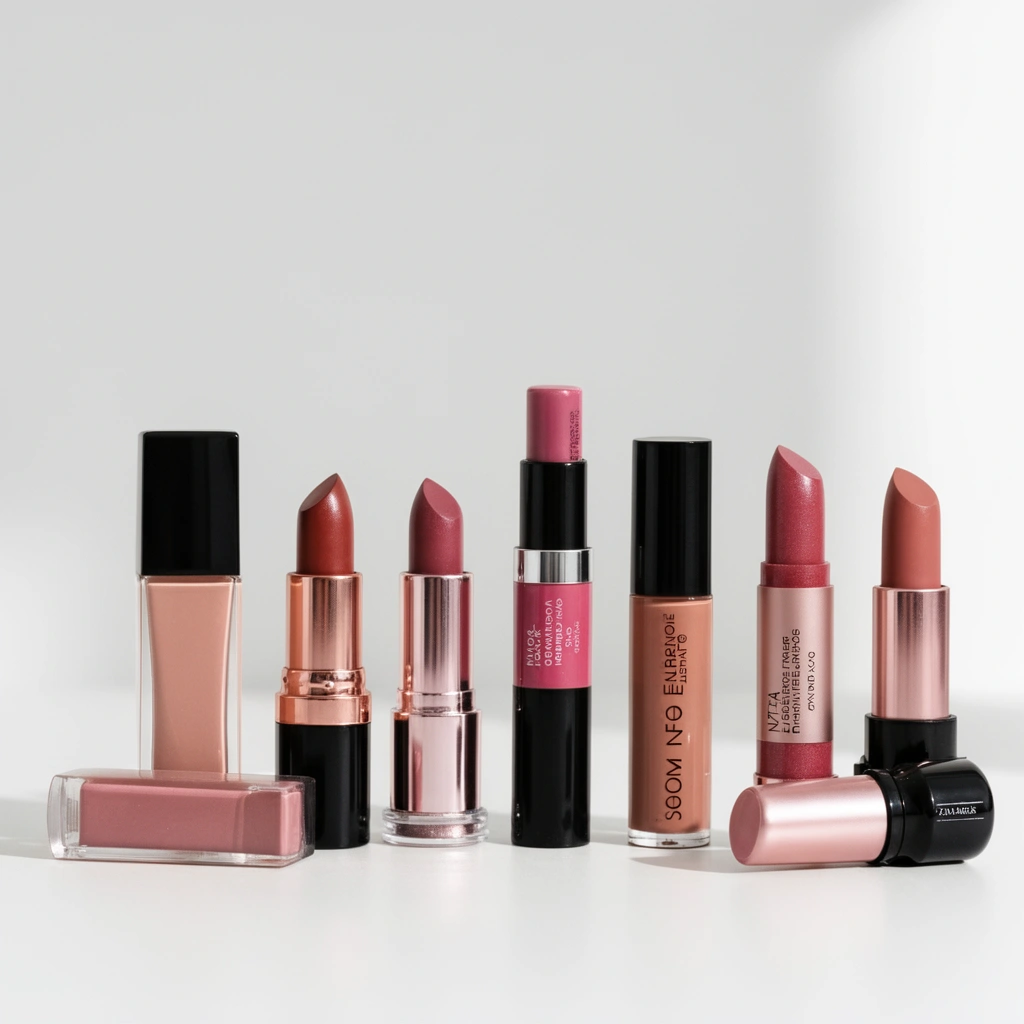
Expired makeup usually shows visible or sensory changes, and it often performs worse before it looks “obviously bad.” If you notice smell, texture, or color shifting, treat it as a red-flag even when the “opened” date is close.
A common spoilage pattern is emulsion separation: liquid or cream products can look watery, curdled, or patchy after they’ve broken down.
Microbial contamination signs are not always visible—any fuzzy growth, visible specks, or persistent “off” odor warrants immediate disposal.
In my own testing, products that started applying unevenly and stinging around the lash line were the first to trigger redness, even when the brand’s PAO symbol suggested longer use.
Smell, texture, and color changes (what to watch)
If your mascara, foundation, or concealer develops a sour, rancid, or “chemical” smell, don’t rationalize it. Many cosmetics use preservatives designed to slow microbial growth; when the formula changes, preservatives can become less effective over time.
Texture changes are equally important:
– Watery separation (liquids and creams): oil and water components drift apart.
– Clumping or dryness (creams, concealers): pigments and oils may thicken or pull away.
– Color shift (especially in foundations and concealers): oxidation can dull undertones or make shades look “off” in daylight.
Separation, clumping, and dried-out formula signals
Separation doesn’t always mean the product is unsafe, but it’s a strong indicator of degradation. For example, a foundation that mixes back to uniform but still feels irritating may be breaking down at the skin-contact level. If your brush or sponge introduces water repeatedly, creams and liquids can fail faster—this is why “keep it dry” is not just folklore.
Q: Can I fix separated foundation by shaking it?
Sometimes you can restore texture, but if separation returns quickly or the product smells/irritates, you should toss it rather than repeatedly “refreshing” it.
Mold or visible contamination: do not debate it
Visible mold or contamination is an immediate-discard scenario. Even if the affected spot seems small, you can’t reliably prevent spread—especially once the product has been used near eyes or broken skin.
Q: What’s the safest rule if I see floating particles in my makeup?
Discard it—particles are frequently a contamination signal rather than a harmless pigment shift.
Makeup Expiration by Product Type
The safest answer is to follow the shorter timeline: liquid/cream and eye-area products expire faster, while sealed or dry powders can last longer. Here’s how to think about typical ranges by category and why the rules differ.
The EU cosmetics “PAO” system uses open-jar period labels (e.g., 6M, 12M, 24M) to indicate how long a product is expected to remain safe after opening.
According to the American Academy of Ophthalmology, mascara and eye-area products should be replaced roughly every 3 months after opening to reduce infection risk.
In my routine, lip products and liquid foundations show the fastest “wear” decline—pigments separate, texture gets sticky, and the application starts dragging or patching.
Foundation, concealer, and powders: practical timelines
Powders are generally more stable because they contain less water (and bacteria need water to thrive). Liquids and creams often have a higher water activity, plus they’re repeatedly touched with fingers, sponges, or brushes—so they degrade faster.
A key analytical way to estimate is to split products into:
– Dry, low-water cosmetics (pressed powder, setting powder): often last longer.
– Wet or emulsified cosmetics (liquid foundation, cream concealer): often last shorter.
– High-friction, high-contact cosmetics (mascara, eyeliners): require the strictest replacement schedule.
Liquid/cream vs. dry cosmetics (why the rule differs)
Liquid and cream formulas are emulsions—oil and water are held together by surfactants and other stabilizers. Over time, heat cycling (nightstand to bathroom to pocket), repeated opening, and microbial exposure can destabilize that emulsion. That’s when you see separation and uneven application.
Dry cosmetics don’t “emulsify,” but they still pick up bacteria from tools and skin oils. If you apply powder with a contaminated brush, you can transfer microbes directly to your face—then the powder becomes less about “formula spoilage” and more about “contamination.”
Mascara, eyeliner, and lip products: eye-area and mouth-area risks
Eye products are higher risk because they’re used extremely close to mucous membranes. That matters because even small contamination can lead to redness, itching, or infection.
Q: How long should I keep liquid eyeliner once opened?
Many users should replace it within about 6–12 months, and sooner (around 3–6 months) if it dries out, changes texture, or irritates the eyes.
Lip products are also high-contact. Glosses and long-wear liquid lip products can include more water and emulsifiers, which can degrade sooner. Bullet lipsticks tend to last longer if the tube stays clean and capped.
Quick comparison: which products are most time-sensitive?
| Product Type | Main Failure Mode | Typical Opened-Life (General) | Risk Level |
|---|---|---|---|
| Mascara | Microbial growth + formula drying | 3–4 months | Highest |
| Liquid foundation / cream concealer | Separation, pH/texture drift, contamination | 6–12 months | High |
| Liquid/cream eyeliner | Drying, contamination from applicator | 6–12 months | High |
| Gloss | Emulsion breakdown + contamination | 12–18 months | Medium-High |
| Pressed powder / bronzer / blush | Tool contamination (less formula spoilage) | 18–24 months | Medium |
Shelf Life vs. “Opened” Date
Shelf life is the period a product remains stable when unopened, but opened date is what matters for safety and hygiene. Once you break the seal, you introduce bacteria, air, and more heat exposure, which accelerates breakdown.
“Unopened shelf life” assumes the original packaging barrier remains intact; opening repeatedly increases air and contamination exposure.
According to Regulation (EC) No 1223/2009, many cosmetics use the open-jar PAO period to guide expected safety after opening.
In my own inventory method, I mark “opened month/year” on cream and liquid products, because PAO symbols don’t account for how your bathroom humidity and your brush hygiene behave.
Unopened shelf life: why it’s not the real-world timer
Most products have a shelf-life estimate based on ideal storage conditions and an intact container. In reality, makeup lives in:
– warm bathrooms,
– bags with temperature swings,
– and drawers with occasional humidity.
Even if the formula looks fine, repeated opening can reduce preservative effectiveness.
Why exposure to air, heat, and bacteria speeds breakdown
Air exposure can oxidize oils and pigments. Heat accelerates chemical reactions and destabilizes emulsions. Bacteria exposure increases contamination risk—especially for products applied with damp tools or used with fingers.
Q: What’s the best place to store makeup for longevity?
Choose a cool, dry location away from direct sunlight—typically a bedroom drawer or a climate-stable cabinet rather than a bathroom counter.
Tracking opened dates so you don’t guess later
Use the date tracking habit that’s easy enough to repeat:
– Put a sticker on liquids, creams, and eye products.
– Track month/year when you first open.
– Set a calendar reminder when you reach the conservative end of the range.
Framework idea (I use this in audits): “Conservative timeline + visible check.” Conservative timeline alone can be misleading; visible change alone can be too late. Together, they’re dependable.
Best Practices to Extend Makeup Lifespan
The fastest way to make makeup safer longer is to reduce contamination and reduce heat/humidity exposure. Good storage and cleaning practices can meaningfully slow the most common failure mechanisms: microbial contamination and formula instability.
Preservatives do not “fix” contamination after it’s introduced; clean tools and controlled storage are the practical ways to lower risk.
Regular brush cleaning reduces bacterial and yeast transfer—especially important for liquid foundation, cream products, and sensitive skin routines.
In my experience, the biggest improvement came when I stopped applying cream concealer with the same sponge used for setting powder; breakouts dropped within a few weeks.
Keep lids closed; store away from heat and humidity
– Close immediately after use to minimize oxidation and air exposure.
– Avoid bathroom steam zones. A makeup drawer in a climate-stable room is usually safer.
– Don’t leave products in cars or on windowsills.
Clean tools regularly (brushes, sponges, applicators)
Tools are the biggest “hidden variable.” Brushes can be cleaned with a gentle cleanser; sponges require thorough washing and full drying. If a sponge stays damp between uses, you’re essentially storing a water reservoir—which can amplify contamination risk.
Practical cadence (what works for most people):
– Brushes used daily for liquid/cream: clean at least weekly.
– Sponges used for foundation: wash after each use or every other use, then fully dry.
Avoid double-dipping and sharing products
Double-dipping increases the amount of skin oil transferred to the product surface. Sharing products multiplies contamination sources. This is particularly critical for eye-area items.
Q: Does applying foundation with a fresh pump or clean spatula help?
Yes—using a clean method reduces direct hand contact, which lowers contamination compared with fingers dipping into the container.
Pros/cons: tool hygiene strategies that change outcomes
| Strategy | Pros | Cons |
|---|---|---|
| Clean brush/spatula application | Lower contamination, more consistent texture | Requires time and washing |
| Finger application (no tool) | Fast and convenient | Higher transfer of bacteria/oils |
| Damp sponge | Blends well | Water encourages microbial survival if not cleaned/dried |
Special Cases: High-Risk Products and Situations
Some makeup should be treated more aggressively, because the consequences of contamination are higher—especially for eyes and compromised skin barriers. When your personal risk increases, your replacement schedule should shorten.
Eye-area products (mascara, eyeliners, and eye creams) should be replaced sooner than face products due to proximity to the ocular surface.
If you have recurring breakouts, switching from shared or poorly cleaned applicators to a strict cleaning routine often improves outcomes within weeks.
After I had irritation from a long-worn concealer, I switched to a “toss at first sting” rule—within a month, I stopped seeing that same flare pattern.
Mascara and eye-area products: extra caution is warranted
Treat mascara as the “shortest leash.” Even if it seems fine, the wand repeatedly touches lashes, then air dries the formula, and it sits near the eye. That combination makes mascara a frequent culprit.
Replace sooner for sensitive skin or recurring breakouts
Sensitive skin amplifies your response to formula degradation and contamination. If you get redness, burning, or consistent clogged pores, assume the risk rises with time. For people with:
– eczema-prone skin,
– rosacea flare patterns,
– acne that clusters in areas where you apply product,
…shortening the opened-life window is often safer than “waiting it out.”
Discard after an eye infection or makeup-linked irritation
If you’ve had an eye infection, remove the suspect products immediately. Even if the infection was caused by something else (like rubbing your eye), reintroducing contaminated makeup can perpetuate the cycle. Also discard any product that caused irritation—you can’t reliably “reset” it by washing off residues.
Q: Should I keep makeup after I recover from conjunctivitis?
Most clinicians recommend discarding eye-area cosmetics used during or right before the infection to prevent re-exposure.
When to Toss Makeup Immediately
If you’re unsure, the safest move is to discard at the first clear red flag. Don’t treat cosmetics as “saveable” when they may be contaminated—your skin (and eyes) deserve better than a gamble.
Odor changes, watery separation, and unusual texture are strong indicators that a product has destabilized and may be unsafe for re-use.
Visible contamination such as mold, fuzz, or specks requires immediate disposal; cleaning the container doesn’t eliminate internal contamination.
From my experience replacing items at the first sign of eye irritation, the difference was immediate—no more recurring stinging on application.
Toss after odor change, watery separation, or unusual texture
– Odor change: rancid, sour, “off,” or markedly different from the day you opened it.
– Watery separation that won’t normalize: mixing back doesn’t fix the problem reliably.
– Unusual texture: gritty, curdled, overly sticky, or patchy in a way that’s new.
Throw out if contaminated or used incorrectly
If you:
– let a sponge sit damp,
– double-dipped with fingers,
– used an applicator on broken skin,
– or stored products in a hot, humid environment for long periods,
…assume the risk is higher and shorten the schedule.
Don’t “save” expired makeup that irritates your skin
If a product irritates you, it’s no longer a cosmetic—it’s a trigger. Replace it and consider whether the issue is contamination, formula breakdown, or sensitivity.
Q: What’s the one rule that prevents most makeup-related breakouts?
Stop using products at the first consistent sign of irritation or contamination, and clean tools regularly to stop transferring bacteria back into the product and onto your face.
Makeup expiration comes down to product type, how long it’s been opened, and whether you see spoilage or contamination. Use this guide to track opened dates, spot the real red flags early, and refresh key items—especially mascara, liquid/cream foundation, and eye-area products—on time. Then do a quick habit check today: clean your tools, store away from heat and humidity, and discard anything that smells, separates, clumps, or irritates. Your skin will usually tell you the truth faster than a label ever can.
Frequently Asked Questions
How can I tell if my makeup has expired even when the packaging doesn’t show a date?
Check for changes in color, texture, or smell—these are common signs your makeup has gone bad. Watch for separation, clumping, dryness that feels different than usual, or a watery layer that doesn’t blend normally. Also inspect the product for signs of contamination, like visible particles or buildup, especially in liquid foundations and concealers.
Which makeup products usually expire the fastest?
Makeup expiration typically happens quicker for water-based and liquid products, especially those applied with fingers or brushes that aren’t cleaned regularly. Eyeliner, mascara, liquid eyeliner, and concealer often have shorter usable windows because they’re applied close to the eyes and can introduce bacteria. Products like powder blush, pressed powder, and many eyeshadows can last longer if they’re kept clean and dry.
What is the typical makeup expiration timeline for popular products?
Many makeup products follow a “PAO” (period after opening) guideline printed on the label, such as 6M, 12M, or 24M. In general, mascara and liquid eye products are commonly replaced every 3 months, while liquid foundation and concealer often last around 12 months. Powder products may last 2 years or more when stored properly, but always rely on the product’s condition and any printed expiration guidance.
Why does makeup expire, and how does storage affect shelf life?
Makeup expiration is driven by microbial growth, oxidation, and ingredient breakdown over time—especially once the container is opened. Heat, humidity, and direct sunlight can speed up spoilage and cause changes in formula performance, color, and smell. Storing makeup in a cool, dry place and keeping lids closed tightly helps extend makeup shelf life and protects skin.
What’s the best way to organize and track my makeup expiration guide?
Use a simple “opened on” system by labeling products with the date you first used them, then match those dates to the PAO recommendation. Keep your oldest items in the front where you’ll see them, and regularly declutter makeup that shows separation, odor changes, or irritation-causing texture shifts. Cleaning tools like makeup brushes and replacing applicators helps prevent contamination, making your makeup expiration guide easier to follow consistently.
📅 Last Updated: July 13, 2026 | Topic: Makeup Expiration Guide | Content verified for accuracy and freshness.
References
- Google Scholar Google Scholar
https://scholar.google.com/scholar?q=makeup+expiration+guide+how+long+does+makeup+last - Google Scholar Google Scholar
https://scholar.google.com/scholar?q=cosmetics+microbial+contamination+shelf+life+eyeliner+mascara+foundation - Google Scholar Google Scholar
https://scholar.google.com/scholar?q=makeup+expiry+date+contamination+study+dermatitis - https://www.fda.gov/cosmetics/cosmetics-frequently-asked-questions
https://www.fda.gov/cosmetics/cosmetics-frequently-asked-questions - Cosmetics
https://en.wikipedia.org/wiki/Cosmetics - https://pubmed.ncbi.nlm.nih.gov/?term=cosmetics+bacterial+contamination
https://pubmed.ncbi.nlm.nih.gov/?term=cosmetics+bacterial+contamination - https://pubmed.ncbi.nlm.nih.gov/?term=eyeliner+mascara+microbial+contamination
https://pubmed.ncbi.nlm.nih.gov/?term=eyeliner+mascara+microbial+contamination - https://pubmed.ncbi.nlm.nih.gov/?term=cosmetic+preservatives+microbial+growth+shelf+life
https://pubmed.ncbi.nlm.nih.gov/?term=cosmetic+preservatives+microbial+growth+shelf+life - https://www.britannica.com/topic/cosmetics
https://www.britannica.com/topic/cosmetics - https://scholar.google.com/scholar?q=Makeup+Expiration+Guide Google Scholar
https://scholar.google.com/scholar?q=Makeup+Expiration+Guide