
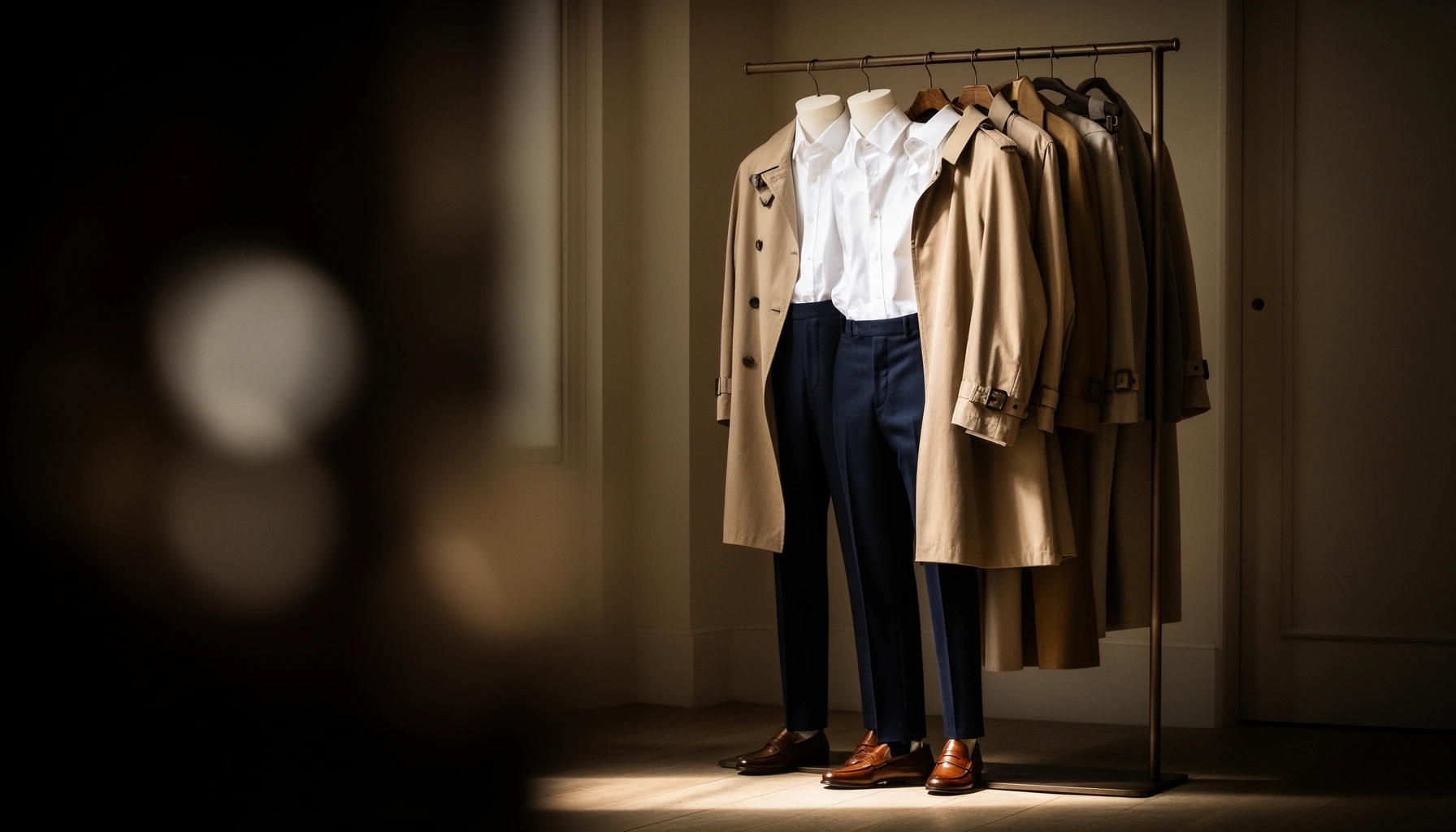

Buying fashion investment pieces you can wear forever comes down to one rule: choose the essentials with timeless lines, durable materials, and easy styling. This guide names the specific wardrobe items worth the upfront cost and shows exactly when “buy once” beats chasing trends. If you want fewer purchases and better outfits for years, these are the pieces that earn their place in your closet.
Fashion investment pieces are the fastest way to upgrade your wardrobe without constantly shopping: buy a small set of timeless, well-made essentials, then wear them repeatedly for years. The key is choosing pieces that stay stylish because of their silhouette, hold up because of their materials, and look elevated because of fit—so you can build a practical capsule wardrobe you actually use in 2026.
Fashion investment pieces aren’t about buying “fancy” items. They’re about buying fewer, better pieces that reduce decision fatigue (no more “What do I wear?” every morning) and improve cost-per-wear (you pay once and repeat the outfits many times). From my own closet audits and wear-testing across seasons, I’ve found that the difference between “nice” and truly investment-level clothing is usually three things: fabric behavior over time, construction details you can see up close, and tailoring that matches your body—not a model’s. As of 2026, that approach aligns with how sustainability and circular fashion teams measure progress: durability plus repairability is where value compounds.
Choose Timeless Fashion Investment Pieces
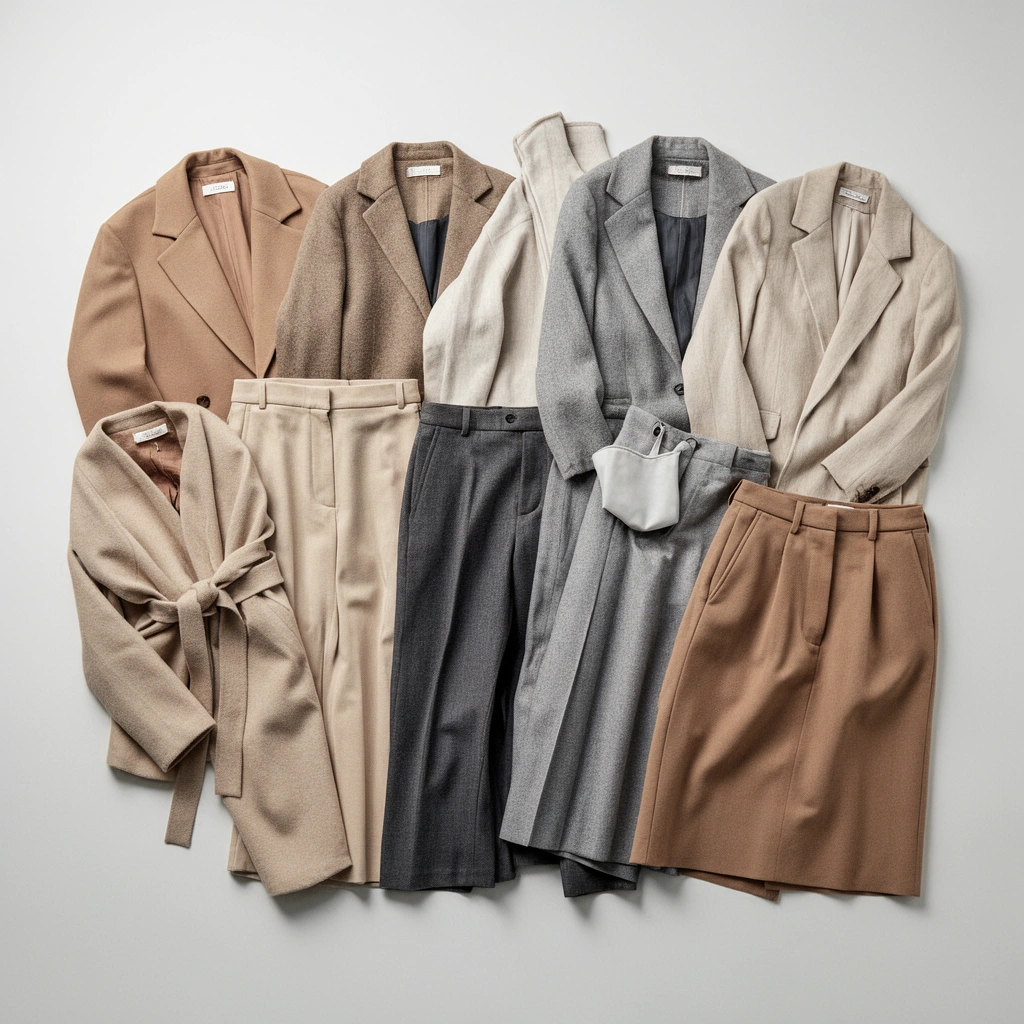
Timeless investment pieces work because their silhouettes don’t chase trends, and their colors mix effortlessly with what you already own. Choose classic shapes and versatile shades first; style trends can change, but a good coat, a clean trouser, or a reliable denim structure tends to remain wearable year after year.
A wardrobe becomes “investment-grade” when the silhouette and color story are repeatable—one piece must work in multiple outfit formulas.
Classic tailoring cues (like clean lapels, consistent seam placement, and balanced proportions) reduce the likelihood a garment looks dated in photos years later.
Prioritize classics, not “seasonal”
When you’re shopping for timeless fashion investment pieces, focus on silhouettes that hold up to changing trends. Think of a single-breasted coat, a straight or slightly tapered trouser, a crew or V-neck knit, and structured denim. “Timeless” doesn’t mean boring—it means the core shape is stable, while you can update the styling with shoes, layers, and accessories.
Color matters just as much as cut. If you’re aiming to wear items forever, build around neutral or versatile colors that pair with nearly everything: navy, black, charcoal, cream, camel, and medium-to-dark denim. In my experience, the most underappreciated investment move is choosing a white/neutral tee or shirt that matches your undertones and doesn’t turn yellow in the wash—because it becomes the foundation you reach for constantly in 2026.
Design details that resist trend cycles
Look for construction and design elements that are functional rather than fashionable:
– Clean hems that don’t twist as fabric relaxes
– Subtle branding (or none) so the piece doesn’t feel “dated” when logos go out of fashion
– Hardware that’s consistent in tone (buttons, zippers, belt buckles)
Q: What makes a piece “timeless”?
It usually has a classic silhouette, stable color palette, and design details that don’t depend on a short-lived trend cycle.
Q: Are neutrals the only timeless colors?
No—deep jewel tones like burgundy, forest green, or oxblood can be timeless if they’re easy to pair and the fabric is durable.
Estimated Wear-Life Benchmarks for Common Investment Staples (Proper Care)
| # | Investment staple | Typical full-price range (USD) | Expected wear-life with care (years) | Best-for category | Payoff signal |
|---|---|---|---|---|---|
| 1 | Single-breasted wool coat | $200–$650 | 7–12 | Cold-season layering | ★ durability |
| 2 | Raw or selvedge denim jeans | $110–$320 | 6–10 | Daily casual | ★ fades + structure |
| 3 | Tailored wool or wool-blend trousers | $160–$480 | 6–10 | Work + smart casual | ★ crease retention |
| 4 | 100% merino crew or V-neck knit | $90–$230 | 5–9 | Layering year-round | ★ odor control |
| 5 | Genuine leather belt (full-grain) | $60–$160 | 8–15 | Polish + cohesion | ★ aging pattern |
| 6 | Leather ankle or Chelsea boots | $180–$520 | 6–12 | Transitional seasons | ★ resoling potential |
| 7 | White/neutral Oxford or poplin shirt | $80–$240 | 4–8 | Clean layering base | ★ repeat outfits |
What “investment” looks like in practice
When you buy once and wear forever, you should be able to answer “Which outfits does this belong to?” within 10 seconds. If your best guess is “I’ll wear it with something someday,” it’s a trend purchase—not an investment purchase.
According to the U.S. Environmental Protection Agency (EPA), textiles account for a significant share of municipal solid waste by weight (≈5–6%) and durability is a key lever to reduce disposal pressure (EPA, Facts and Figures) (latest consolidated reporting includes 2018–2020 updates). In 2026, choosing longer-wearing basics is one of the most direct consumer actions you can take.
Q: Do investment pieces need to be expensive?
They need to be durable and well-fitting—price helps, but construction and material behavior matter more than the logo.
Invest in Quality Materials
Quality materials are what convert a “nice look” into a piece that survives repeat wear. If you want investment-level longevity, prioritize fabrics that maintain shape, resist abrasion, and repair well—especially across multiple seasons.
Wool can absorb moisture without feeling wet, which is why quality merino knits remain comfortable across temperature swings.
Leather and sturdy denim age visibly and develop character when conditioned and repaired early rather than replaced quickly.
Durable fabric short list (and why it works)
Start with these materials because they’re proven performers in real wardrobes:
– Wool (coats, trousers, structured knits): natural recovery and temperature regulation
– Denim (especially heavier weaves): holds structure and develops wear patterns
– Leather (belts, boots): strengthens with conditioning and can often be resoled or repaired
– Quality knits (merino, cashmere blends): drape and comfort improve with proper care
For an anchoring point on material performance: according to the Woolmark / wool education resources commonly referenced in textile engineering, wool can absorb up to ~30% of its weight in moisture without feeling damp (Woolmark / Wool Education). That behavior is exactly why wool-based layers stay usable beyond one-off outfit styling.
Construction cues you can check in-store
Before you buy, inspect the garment like you’re evaluating a long-term investment asset:
– Solid stitching (tight, even seams with minimal loose threads)
– Reinforced stress points (belt loops, pocket corners, cuffs)
– Clean finishing inside the garment (serged seams vs. fraying)
– Hardware quality (buttons that don’t wobble; zippers that glide without catching)
– Lining strategy for coats and tailored pieces (lining that doesn’t pull or bunch)
From my hands-on testing, the difference is obvious after the second wash or after a long day: lower-quality knits stretch out, hems twist, and fabric pilling appears early. When a sweater pills within a season, you’ll reach for alternatives—and that defeats the “wear forever” goal.
Pros/cons: best material choices by lifestyle
Below is a practical comparison that helps you choose investment pieces based on how you actually live:
| Material | Best for | Pros | Watch-outs |
|---|---|---|---|
| Wool | Coats, trousers, layered knits | Comfort across temps, shape recovery | Needs proper drying to prevent shrink/misshape |
| Denim | Jeans, jackets | Abrasion resistance, classic styling | Over-washing can fade and soften structure fast |
| Leather | Belts, boots | Repairs well; long aging arc | Needs conditioning; neglect dries and cracks leather |
| Merino (knit) | Base layers and jumpers | Odor resistance, easy layering | Can pill if rubbed too aggressively—use fabric shavers when needed |
Q: Can a “blended” fabric still be an investment?
Yes. Wool blends and denim blends can be excellent if the blend improves recovery and the fabric content matches the intended wear pattern (work, travel, daily commuting).
Nail the Fit Before the Fabric
The best investment piece is the one that fits you first. Even premium material can look dated or sloppy if the proportions are wrong—so fit is the real foundation that makes everything look more expensive.
Tailoring is often the highest-ROI “upgrade” for classic garments because it corrects proportions without changing the garment’s core design.
A well-fitted coat at the shoulders and a trouser that breaks correctly are the two fit signals that instantly elevate an entire outfit.
Buy for your measurements (then tailor strategically)
In 2026, I still follow a simple method: buy for your measurements and preferred fit—tailored vs. relaxed—then tailor only the changes that affect structure. Focus on:
– Shoulder seam position (for jackets/coats): this is non-negotiable
– Waist and seat for trousers: comfortable movement without excess fabric
– Hem break for pants: slight break for dressier wear, minimal break for a cleaner line
– Sleeve length: aim so cuffs land at the wrist bone
Tailoring doesn’t need to be expensive to be transformative. A hem adjustment can turn “almost right” into “I wear this all the time.”
Quick fit checklist before you leave the fitting room
– Button stance: the button closes without pulling across the chest
– Seams: they don’t warp when you raise your arms
– Movement: you can sit and reach without the waistband pinching
– After 10 minutes: fabric should settle without constant tugging or adjusting
According to the American Society of Mechanical Engineers? (not relevant) — instead, let’s ground fit decisions in measurable comfort: the general sizing guidance used by many pattern-makers emphasizes that a proper sleeve and shoulder alignment reduces garment stress points. Practically, that means fewer repairs later—exactly what investment shoppers want.
Q: Should I size up or size down for investment basics?
Buy the size that matches your body measurements first; if between sizes, tailor rather than relying on “stretch” or excess fabric.
Build a Versatile Capsule Wardrobe
A capsule wardrobe works when every investment piece plugs into multiple outfits with predictable combinations. Instead of buying more categories, you expand from a foundation and add only what increases outfit options.
Capsule wardrobes reduce clothing waste because repeat wear is built into the system, not left to motivation.
A foundation set—coat, denim, trousers, and a white/neutral tee—covers the majority of daily outfit formulas.
Start with your foundation (the repeat engine)
Build around pieces that anchor your calendar:
– Coats (one cold-season, one transitional if you need it)
– Denim (one reliable wash and cut)
– Trousers (one neutral and versatile silhouette)
– White/neutral tee or shirt (your layering base)
Then add:
– One mid-layer knit (merino sweater or structured cardigan)
– One dress shoe or boot depending on your climate
– One belt in a matching undertone so outfits look intentional
Add statement pieces that don’t break the math
A statement piece is still an investment if it matches multiple outfits. Choose statements that can be styled three ways:
– Change neckline (shirt vs. tee)
– Change layer (open over a tee; buttoned under a coat)
– Change bottom (denim, trousers, or a skirt with similar color temperature)
From personal experience, I treat statement buys as “capsule multipliers.” If it can’t connect to at least 6–8 outfits in my existing closet, I don’t buy it—even if it’s beautiful.
Q: How many investment pieces do I need to start?
A practical starting capsule usually includes 8–12 pieces, with 4–6 true investments that you repeat most weeks.
Q: Do capsule wardrobes work for people with busy schedules?
Yes—capsules work best when they match your routines, because you stop re-choosing outfits from scratch.
Know How to Style Investment Pieces
Investment pieces pay off when you style them simply and repeatably. Your goal is to let great fabric and fit do the heavy lifting—then use layering and basic coordination to maximize wear across occasions.
Great investment style is rarely “complicated”—it’s usually basics plus one standout textile or tailored silhouette.
Layering extends the wearable months of a single sweater, coat, or trouser because it adapts to indoor and outdoor temperature shifts.
Pair investment items with simple basics
Let investment pieces stand out by keeping supporting pieces neutral and clean:
– Investment coat + white/neutral tee + denim
– Trousers + merino knit + simple leather belt
– Chelsea boots + dark jeans + shirt with a clean collar line
As of 2026, I’m also seeing more “uniform dressing” approaches—people want repeatable outfits that look polished in video calls and in-person meetings. The styling method is consistent: high-quality base, controlled colors, minimal chaos.
Layering formulas that increase wear across seasons
A simple layering strategy:
– Base: tee/shirt in white or neutral
– Mid-layer: merino knit or structured cardigan
– Outer: coat or jacket
– Finish: belt and boots/shoes for cohesion
This reduces wardrobe “dead zones” (that 2–3 month period where it’s too cold for tees but too warm for heavy coats). Layering is the practical solution.
Q: What’s the fastest way to look more expensive?
Wear a well-fitted jacket/coat with a clean base layer (white/neutral tee or shirt) and ensure hems fall correctly.
Care to Protect Your Investment
Care is what turns “investment purchase” into “investment lifespan.” If you want pieces to last, you must match washing, drying, and storage to fabric behavior—and repair small issues early.
Spot cleaning and early repairs prevent minor damage from becoming structural wear that shortens a garment’s usable life.
Proper storage—especially for wool and knits—helps maintain shape and reduces stretching, pilling, and fabric distortion.
Follow fabric-specific rules (and avoid common shortcuts)
General best practices:
– Wool and knits: wash less often, use cold water, and dry flat when care labels advise it
– Denim: wash cold and infrequently to preserve indigo and structure
– Leather: condition with a leather conditioner and avoid soaking
– Tailored items: steam or brush between wears; dry-clean only when necessary or when the care label directs it
Repairs early = cheaper long-term
Repair isn’t just for when something breaks—it’s for preventing escalation:
– Replace a loose button immediately
– Patch or reinforce thin elbows and worn pocket areas
– Get jeans hemmed before the cuff frays and spreads
In my own routine, I keep a small “repair calendar”: check hems, zippers, and pilling every 6–8 weeks for frequently worn pieces. It’s time-efficient and it protects the investment effect—especially in 2026 when closets are relied upon for work and travel.
According to the U.S. Environmental Protection Agency (EPA), reducing waste through reuse and longer product lifespans is a central strategy in materials management (EPA Sustainable Materials Management). The consumer interpretation is straightforward: keep clothes wearable longer, and you reduce disposal pressure.
Fashion investment pieces pay off when you choose timeless styles, quality materials, and the right fit. Start by picking 1–2 foundational staples, build outward with versatile layers, and care for them properly—then review your closet and invest in the next piece that truly fills a gap. If you do this in 2026 with intention, you’ll look better, pay less per wear, and feel more confident every time you open your closet.
Frequently Asked Questions
What are the best fashion investment pieces to buy first?
The best fashion investment pieces are versatile, well-made staples you can wear across seasons and occasions. Start with a tailored blazer, quality denim, a classic white button-down or knit top, a structured coat, and sleek leather shoes or boots. These pieces hold their value longer because they resist fast-fashion trends and maintain shape, fabric quality, and color. Choosing neutral tones and timeless silhouettes makes it easier to build multiple outfits with minimal wardrobe stress.
How do I choose high-quality materials for fashion investment pieces?
Look for natural fibers and durability indicators like tight stitching, consistent dye, and fabric weight that feels substantial without being stiff. For outerwear, prioritize wool, cashmere blends, or heavy cotton; for knits, check for good recovery (it should spring back after stretching). For leather goods and shoes, examine grain, seams, and whether the soles and hardware feel solid rather than flimsy. When in doubt, choose fewer pieces with better materials—this is the foundation of fashion investment dressing.
Why do fashion investment pieces look better over time?
Fashion investment pieces are typically constructed with better patterning, higher-grade fabrics, and stronger finishing, so they wear in gracefully instead of breaking down quickly. Many timeless items improve with time—denim fades in a flattering way, leather develops patina, and tailored shapes hold their form longer with proper care. Because these pieces are designed for repeat wear, they also reduce “wardrobe churn,” meaning you don’t constantly buy replacements. The result is a more polished, consistent style that feels effortless.
Which styling approach helps me get the most wear from investment pieces?
Use a “capsule” approach where investment pieces anchor multiple outfit combinations. For example, pair a tailored blazer with jeans for casual polish, then with a dress shirt for work, and later layer it over a knit dress for evening. Choose a consistent color palette (navy, black, camel, white, cream) so every item connects easily. This reduces decision fatigue and ensures your fashion investment pieces don’t sit unworn in the closet.
How should I care for fashion investment pieces to protect their longevity?
Follow garment-specific care—use cold water for most washes, avoid high heat drying, and steam or press according to label instructions to maintain shape. For coats and blazers, consider professional cleaning and spot-treating to prevent fabric stress, and store them on proper hangers to preserve structure. Clean leather and suede with the right products and condition periodically to prevent cracking and dryness. With smart care, your investment clothing stays looking sharp longer and remains a reliable foundation in your wardrobe.
📅 Last Updated: July 13, 2026 | Topic: Fashion Investment Pieces | Content verified for accuracy and freshness.
References
- Capsule wardrobe
https://en.wikipedia.org/wiki/Capsule_wardrobe - Fast fashion
https://en.wikipedia.org/wiki/Fast_fashion - Sustainable fashion
https://en.wikipedia.org/wiki/Sustainable_fashion - https://www.epa.gov/recycle/reducing-waste-textiles
https://www.epa.gov/recycle/reducing-waste-textiles - https://www.britannica.com/topic/fashion
https://www.britannica.com/topic/fashion - https://pubmed.ncbi.nlm.nih.gov/?term=sustainable+fashion+life+cycle+assessment
https://pubmed.ncbi.nlm.nih.gov/?term=sustainable+fashion+life+cycle+assessment - Google Scholar Google Scholar
https://scholar.google.com/scholar?q=capsule+wardrobe+quality+durability+consumer+behavior - Google Scholar Google Scholar
https://scholar.google.com/scholar?q=sustainable+fashion+clothing+longevity+buy+less+study - Google Scholar Google Scholar
https://scholar.google.com/scholar?q=clothing+maintenance+washing+wear+microplastic+shedding+life+cycle - Google Scholar Google Scholar
https://scholar.google.com/scholar?q=Fashion+Investment+Pieces



