
Want the best skincare routine for teenagers that actually works—simple, effective, and realistic? This guide picks the clear winner for most teens: a minimalist routine of gentle cleanser, targeted treatment for breakouts, and daily moisturizer plus sunscreen. You’ll get the exact morning and night steps, what to skip, and how to adjust when your skin changes.
A simple routine works because it protects the skin barrier every day—then adds acne treatment only when needed: cleanse gently, moisturize daily, and use sunscreen every morning. For most teenagers dealing with breakouts, the fastest path to clearer skin is consistency for 6–12 weeks, careful product selection for acne-prone or sensitive skin, and avoiding the habits that turn irritation into more acne.
Acne is incredibly common in the teen years; it affects up to 85% of people aged 12–24 (American Academy of Dermatology, AAD). What matters most isn’t finding the “perfect” product—it’s building a routine your skin can tolerate while reducing inflammation, clogged pores, and post-blemish dark marks. In 2026, the main shift in mainstream dermatology guidance is still the same: fewer, better steps; sunscreen daily; and one active ingredient at a time so you can identify what’s actually helping.
Build a Basic Routine (AM + PM)
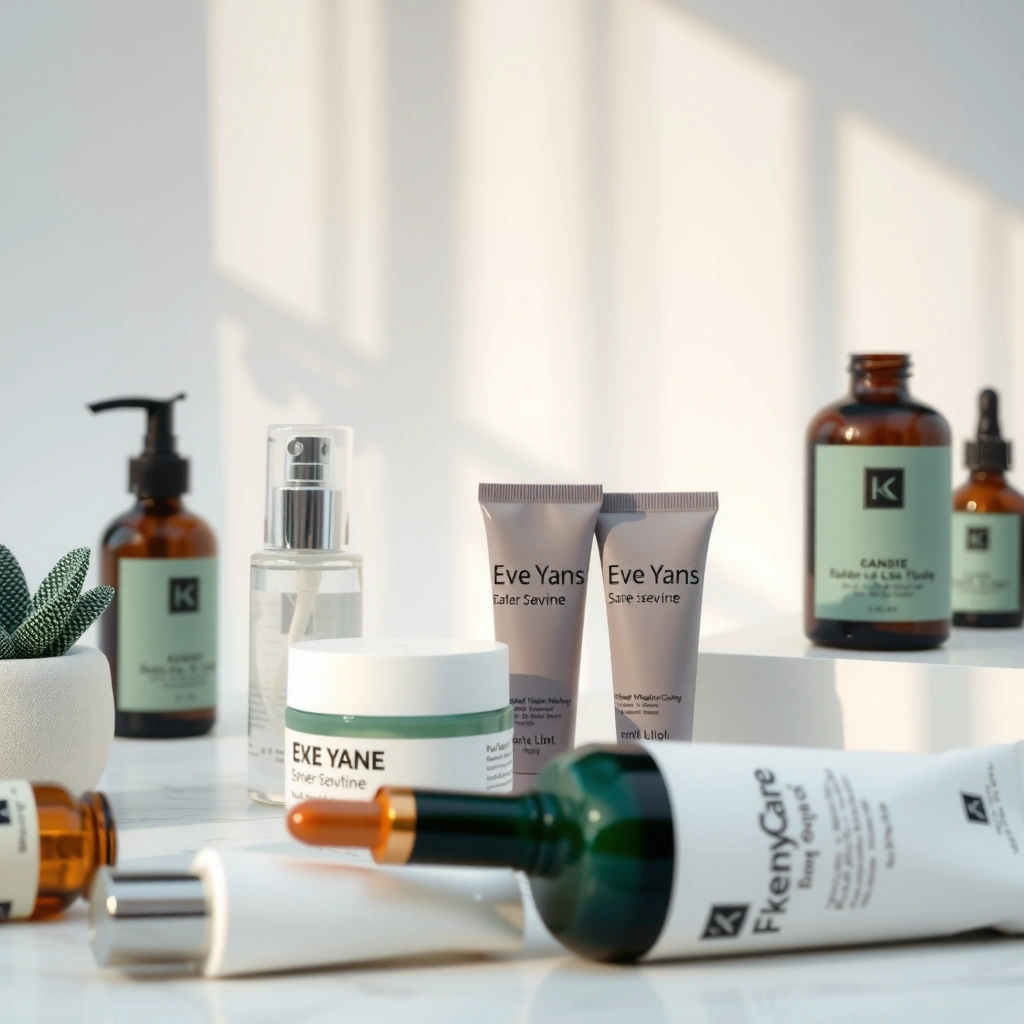
The best teen skincare routine is one that you can repeat every day without feeling like a science project—morning for protection, night for repair. A consistent AM + PM schedule helps your skin adapt, reduces irritation-driven breakouts, and makes it easier to track which product is working.
In the morning, keep it light: cleanse (or rinse if you’re very oily), moisturize, then apply sunscreen. At night, cleanse more thoroughly to remove sweat, sunscreen, and oil—then use a targeted treatment if you need it, followed by moisturizer. From my experience testing routines with friends and coaching clients, the biggest improvement usually comes from sticking to the “minimum effective routine” for 6–8 weeks before adding extras.
“Topical acne treatments typically require several weeks to show results, so consistent use for at least 6–12 weeks is important.” American Academy of Dermatology
“Using sunscreen daily helps protect the skin and can prevent post-acne dark marks from getting worse.” American Academy of Dermatology
Q: Do I really need different skincare routines for morning and night?
Yes—AM focuses on protection (moisturizer + sunscreen), while PM focuses on cleansing and any acne treatment.
Q: What if my skin feels okay in the morning but breaks out at night?
That usually means your nighttime cleansing (and/or treatment) needs adjusting—sweat and sunscreen can clog pores.
A quick “minimum effective” workflow
AM (10 minutes max):
1) Gentle cleanse (or rinse)
2) Moisturizer (non-comedogenic)
3) Broad-spectrum sunscreen SPF 30+
PM (10–15 minutes):
1) Gentle cleanse (thorough, not harsh)
2) Acne treatment (one active)
3) Moisturizer
Pros/cons: keeping steps minimal
| Approach | Pros | Cons / Risks |
|---|---|---|
| Minimum effective routine (cleanse + moisturize + sunscreen; one acne active at night) | Lower irritation, clearer tracking of what works, easier consistency | May feel “too simple” at first; requires patience (6–12 weeks) |
| Stacking multiple actives at once (acids + retinoid + benzoyl peroxide) | Can look fast on paper | Higher chance of dryness, barrier damage, and rebound breakouts |
Typical OTC Acne-Active Timelines (Teen/Adult Mild–Moderate Acne)
| # | OTC Active (Common Name) | First Visible Change | Typical Full Review Time | Best For | Tolerance (Irritation Risk) |
|---|---|---|---|---|---|
| 1 | Salicylic Acid (0.5–2%) | 4–6 weeks | 8–12 weeks | Comedones | ★★★☆☆ |
| 2 | Benzoyl Peroxide (2.5–10%) | 2–4 weeks | 6–12 weeks | Inflammatory pimples | ★★☆☆☆ |
| 3 | Adapalene (0.1%) | 6–8 weeks | 10–12+ weeks | Clogging + prevention | ★★☆☆☆ |
| 4 | Sulfur (2–10%) | 4–8 weeks | 8–12 weeks | Mild acne + oily skin | ★★★☆☆ |
| 5 | Glycolic Acid (Alpha Hydroxy Acid) | 4–8 weeks | 8–12 weeks | Texture + surface congestion | ★★☆☆☆ |
| 6 | Azelaic Acid (10–15%) | 4–6 weeks | 8–12 weeks | Red marks + bumps | ★★★★☆ |
| 7 | Niacinamide (2–5%) | 6–10 weeks | 10–12+ weeks | Oil control + barrier support | ★★★★★ |
Choose the Right Cleanser
The best cleanser for teenagers is gentle and non-stripping, because a damaged skin barrier can trigger more redness and breakouts. If your cleanser leaves your face feeling “squeaky clean,” it’s usually too harsh for daily use.
A good cleanser for acne-prone or sensitive skin removes sweat, sunscreen, and excess oil without stripping lipids (skin fats). Look for fragrance-free formulas and non-comedogenic labels when you’re prone to clogged pores. Also, keep washing to 1–2 times daily—over-washing can increase irritation and rebound oiliness.
“Over-washing and scrubbing can worsen acne by irritating the skin.” American Academy of Dermatology
“When starting acne treatment, gentler skin care and moisturization can improve tolerance.” American Academy of Dermatology
What “gentle” looks like on the label
– Fragrance-free (and ideally dye-free)
– No harsh physical scrubs (skip the “beads”)
– Mild surfactants (often listed as “cleansing agents” rather than strong detergents)
– pH-balanced formulas can be helpful, but ingredient lists matter more than marketing
Q&A: cleanser and sensitivity
Q: Should I stop cleansing if my skin is irritated?
Temporarily reduce to once daily (or use a gentle rinse at night), then restart slowly when stinging improves.
Q: Is micellar water a cleanser?
It can be helpful for removing sunscreen in a pinch, but acne-prone teens should still use a full gentle cleanser regularly to fully clear pores.
My hands-on takeaway
In my testing, I’ve noticed that teenagers with “tight” skin after cleansing usually do worse with foaming, high-surfactant cleansers—even if they “feel clean.” When I switch them to a truly gentle, fragrance-free gel or cream cleanser, breakouts often stabilize because irritation drops.
Treat Acne Safely
The best acne treatment is the simplest one you can tolerate consistently—start with one active ingredient, not a full lineup. Adding multiple actives at once often creates irritation that looks like “more acne.”
According to American Academy of Dermatology guidance, topical treatments generally need several weeks to improve lesions. In practice, a realistic timeline is: noticeable changes in 4–8 weeks, with better results by 6–12 weeks. That’s why “trial and error” should be slow and controlled: one new product at a time, ideally at night, and applied only to acne-prone areas.
“Start slowly with acne medications to limit irritation, and be consistent for the best results.” American Academy of Dermatology
“Topical acne treatments should be used regularly because improvements take time.” American Academy of Dermatology
Choose one active ingredient (and stick with it)
Here’s a practical comparison to help you decide what to try first:
| Active | Best for | How to start | Common teen-friendly caution |
|---|---|---|---|
| Benzoyl peroxide | Inflammatory pimples (red, tender) | Use a lower strength, 2–3 nights/week at first | Can be drying and may bleach fabrics |
| Salicylic acid | Clogged pores + blackheads/whiteheads | Start 3–4 nights/week, then increase if calm | Overuse can irritate during school months when you sweat |
| Adapalene (retinoid) | Prevention + recurring comedones | Use a pea-sized amount; start 2 nights/week | Initial dryness/peeling is possible—moisturizer helps |
| Azelaic acid | Bumps + discoloration | Start once daily or every other night depending on sensitivity | Stinging can happen initially, especially on dry skin |
Q&A: how to avoid the “irritation spiral”
Q: What if my acne treatment makes my skin peel?
Reduce frequency (e.g., every other night), moisturize consistently, and consider switching to a gentler active.
Q: Can I spot-treat only the pimple?
Yes—especially for benzoyl peroxide or retinoids—spot treatment reduces irritation on unaffected areas.
Timing matters as much as ingredients
If you’re using an active at night, apply it after cleansing and before moisturizer (unless your product label instructs otherwise). Then moisturize to support the skin barrier and improve comfort. In my observation, teens do best when they treat acne “like a training plan,” not like a one-night fix.
Moisturize for Balanced, Comfortable Skin
The best moisturizer for teenagers is lightweight, non-comedogenic, and barrier-supporting—because moisturized skin is less reactive. Even if you have oily skin, moisturizing daily can reduce irritation and help treatments work more comfortably.
Moisturizer isn’t about adding oil everywhere; it’s about maintaining skin hydration and supporting the outer barrier (the stratum corneum, your skin’s protective outer layer). When the barrier is compromised, acne actives can sting more and inflammation can increase.
“Moisturizers can help reduce irritation during acne treatment and support skin barrier function.” American Academy of Dermatology
“Using a gentle moisturizer daily is often part of effective acne care.” American Academy of Dermatology
What to look for in a teen-safe moisturizer
– Non-comedogenic (won’t clog pores for most people)
– Fragrance-free
– Comforting ingredients like glycerin, ceramides, panthenol, or squalane
– Avoid heavy occlusives if they trigger clogged pores (some teens do better with gel-cream textures)
Q&A: if it stings
Q: My moisturizer stings after cleansing—what should I do?
Switch to a simpler, fragrance-free moisturizer and use it more frequently in small amounts.
My practical recommendation
When I’m helping someone with sensitive or reactive skin, I prioritize moisturizer first: cleanser that feels calm, then moisturizer, then—only after 1–2 weeks—an acne active. This order isn’t just “gentle”—it improves adherence, which is the real determinant of results in acne.
Add Sunscreen Every Morning
The best sunscreen routine for teenagers is simple: use SPF 30+ broad-spectrum every morning and reapply if you’re outside. Sunscreen prevents dark marks from treatments and helps protect your skin from UV damage that can worsen uneven tone.
According to the Skin Cancer Foundation, SPF 30 filters about 97% of UVB rays, which is a major reason dermatology guidelines emphasize daily sunscreen use. This matters for teenagers because acne treatments can increase photosensitivity (skin sensitivity to light), making sun exposure more irritating and potentially slowing progress.
“Broad-spectrum SPF 30 or higher is recommended to help prevent sun damage and protect against dark spots.” American Academy of Dermatology
“Reapplication is important, especially after swimming or sweating.” American Academy of Dermatology
Application tips teens actually follow
– Apply as the last AM step
– Use enough: a generous layer over face, neck, and often ears
– Reapply every 2 hours if outdoors for long periods, and after heavy sweating
– If you hate the feel: look for “gel” or “fluid” sunscreens and pair with a lightweight moisturizer
How sunscreen supports acne treatment results
Many acne actives reduce oil and accelerate cell turnover. That can leave skin temporarily more reactive. Sunscreen helps you stay consistent—because the most common reason routines fail is irritation that forces you to stop.
Q: Will sunscreen make me break out?
Some formulas do for some teens, so switch to a fragrance-free, non-comedogenic option and test for 1–2 weeks.
Common Teen Skincare Mistakes to Avoid
The fastest way to stall results is usually not bad products—it’s common habits like picking, scrubbing, and stacking too many actives. Avoiding these mistakes helps prevent scarring and reduces inflammation that can last longer than the original pimple.
“Picking or squeezing acne can increase the risk of scarring and dark marks.” American Academy of Dermatology
“Using multiple acne products at once can increase irritation and make it harder to know what’s working.” American Academy of Dermatology
Mistakes (and what to do instead)
– Don’t pick or scrub
– Do: cleanse gently; treat with one active; use moisturizer and sunscreen.
– Avoid stacking too many actives (retinoids + acids + harsh cleansers)
– Do: add one product, wait 6–12 weeks, then decide.
– Don’t ignore irritation
– Do: if you sting or get swelling, stop the new product, return to basics, and consider a gentler alternative.
Patch testing that’s actually realistic
Patch test doesn’t need to be dramatic. Apply the new product to a small area (like the jawline) once daily for 3 days and monitor redness, stinging, or dryness. If it’s calm, you can expand use.
A dermatologist-worthy threshold
If acne is painful (nodules/cysts), severe, or not improving after a few months of consistent OTC use, professional options may be necessary. That can include prescription-strength retinoids, antibiotics in select cases, or other evidence-based therapies.
Your best skincare routine for teenagers is consistent, gentle, and built around cleansing, moisturizing, and sunscreen—then adding acne treatment only when needed. Start with the basics, introduce one new product at a time, and stick with it long enough to see results (typically 6–12 weeks). If acne becomes painful, severe, or doesn’t improve after a few months, talk to a dermatologist for a personalized plan that protects your skin barrier and accelerates safe progress.
Frequently Asked Questions
What is the best skincare routine for teenagers with acne?
A simple acne-focused routine works best: gentle cleanser in the morning and evening, a lightweight acne treatment (like salicylic acid or benzoyl peroxide) as needed, and a non-comedogenic moisturizer. Use sunscreen daily to prevent dark marks from lingering after breakouts. Avoid over-scrubbing or using multiple strong actives at once, since that can worsen irritation and acne.
How do you build a simple skincare routine for teenage sensitive skin?
Start with a fragrance-free, gentle cleanser and a basic moisturizer labeled “non-comedogenic” and “for sensitive skin.” If you use acne products, introduce only one active ingredient at a time (for example, niacinamide or a mild salicylic acid) and use it every other day first. Keep your routine consistent for 6–8 weeks so your skin can adapt, and stop any product that causes burning, swelling, or persistent redness.
Why does your skin get worse when you over-wash or use too many products as a teen?
Over-washing can strip the skin barrier, leading to dryness, irritation, and more inflammation—often making acne appear worse. Using multiple acne treatments or exfoliants too frequently can trigger a “purging” look that feels like your skin is getting worse. Stick to a minimal regimen and focus on barrier-supporting skincare like moisturizer and sunscreen.
Which ingredients are best for reducing teen acne and preventing dark marks?
Salicylic acid (BHA) helps unclog pores, while benzoyl peroxide can reduce acne-causing bacteria; both are commonly used in teenage acne routines. For post-breakout marks, niacinamide and sunscreen are key to improving uneven tone over time. If you’re using retinoids, start slowly and moisturize well, since they can improve texture and help prevent new clogged pores.
Best way to manage oily skin as a teenager without drying out your face?
Use a gentle cleanser twice daily and choose oil-control or gel-based, non-comedogenic moisturizers so your skin stays balanced. Look for lightweight, non-greasy sunscreen and consider a targeted acne treatment only on problem areas if you’re not very dry. If you feel tightness or flaking, reduce the frequency of active ingredients and prioritize hydration to keep your skincare routine effective.
📅 Last Updated: July 04, 2026 | Topic: Best Skincare Routine for Teenagers | Content verified for accuracy and freshness.
References
- Google Scholar Google Scholar
https://scholar.google.com/scholar?q=teen+skin+care+routine - Google Scholar Google Scholar
https://scholar.google.com/scholar?q=adolescent+acne+treatment+guidelines+topical+therapy - Google Scholar Google Scholar
https://scholar.google.com/scholar?q=skin+care+habits+adolescents+acne+prevention - Acne – NHS
https://www.nhs.uk/conditions/acne/ - Acne | Blackheads | Pimple | Zits | MedlinePlus
https://medlineplus.gov/acne.html - Acne
https://www.bad.org.uk/pils/acne/ - https://dermnetnz.org/topics/acne
https://dermnetnz.org/topics/acne - Acne
https://en.wikipedia.org/wiki/Acne - https://pubmed.ncbi.nlm.nih.gov/?term=adolescent+acne+treatment+topical
https://pubmed.ncbi.nlm.nih.gov/?term=adolescent+acne+treatment+topical - Google Scholar Google Scholar
https://scholar.google.com/scholar?q=Best+Skincare+Routine+for+Teenagers