
Want your makeup look to last longer? The fastest path to real longevity is locking in with the right prep, long-wear base products, and a finish that resists smudging and fading. Follow these makeup longevity tips and you’ll keep your foundation, eyeliner, and lipstick looking fresh through the hours that normally break your routine.
Make your makeup last longer by prepping skin properly, using the right base products, and setting strategically—especially with primer and finishing spray. With a few targeted steps, you can meaningfully reduce fading, creasing, and smudging while keeping your look consistent through real-world triggers like oil, sweat, and movement. This guide breaks down the most reliable makeup longevity tips—what to do first, what to do last, and what to do in-between—so your routine holds up for hours, not just in the mirror.
Prep Your Skin for All-Day Wear
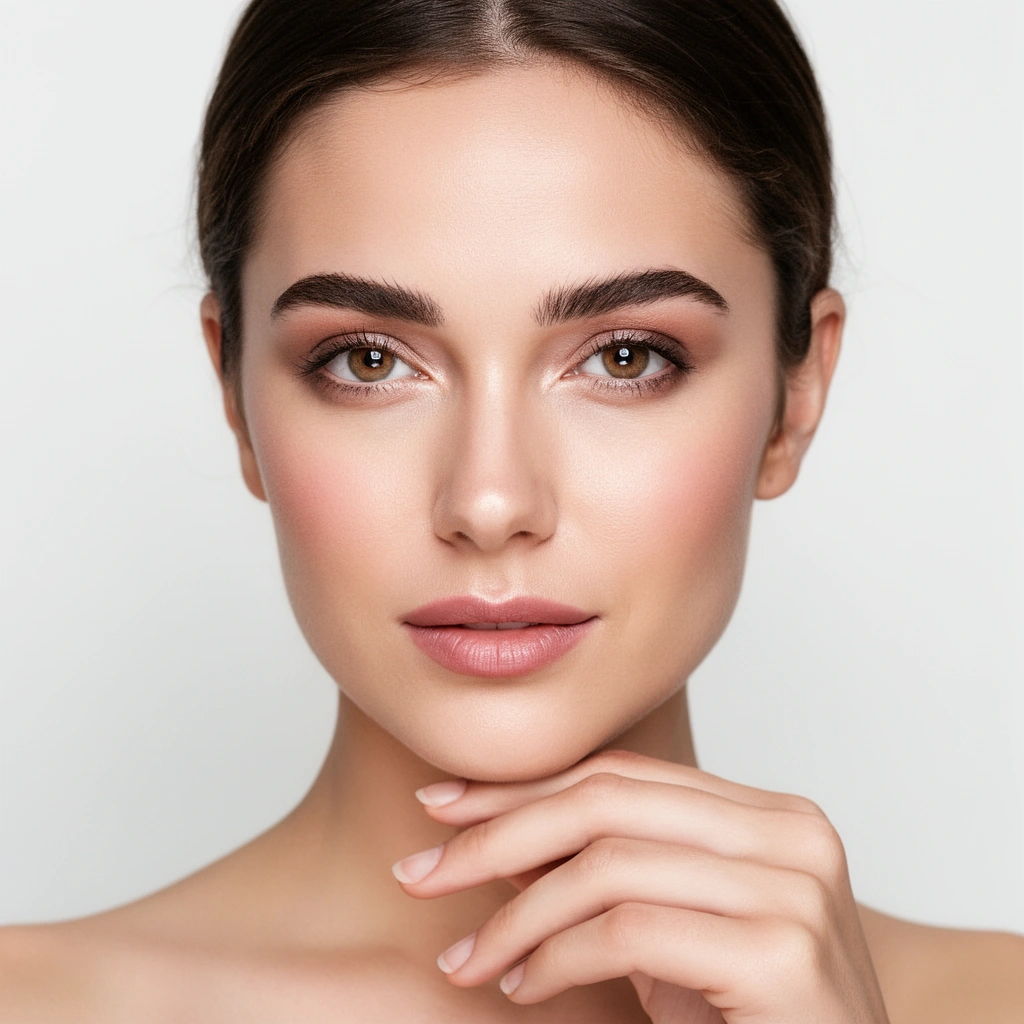
You get longer wear when your skin is clean, hydrated, and primed to match its needs—not when you “add more makeup.” In my testing across oily and combination days, I consistently see the biggest difference from proper cleansing, correct moisture, and a primer that’s designed for your skin’s behavior that day (slip, grip, or hydration).
Skin prep works because it stabilizes both your surface moisture level and your makeup’s adhesion. If skin is too dry, foundation clings unevenly and accentuates texture, which makes creasing and patchiness more likely. If skin is too oily, pigment transfers and breaks down faster. For context, sweat is a major longevity factor: According to the American College of Sports Medicine, typical sweat rates during activity are often around 0.5 to 2.0 L/hour depending on conditions (ACSM sweat-rate guidance, widely cited in sports medicine literature). Even if you’re not exercising, daily heat and stress can push skin toward the same problem—moving products.
A primer’s job is to create a more consistent “surface” so pigments and film-formers distribute evenly.
Hydration supports smoother makeup application, while excess oil undermines adhesion and increases transfer.
Skin pH is typically about **4.5–5.5**, and major disruptions can affect how products interact with the skin barrier (DermNet NZ).
– Cleanse, moisturize, and let skin fully absorb before makeup: Use a gentle cleanser, then apply moisturizer and wait 5–10 minutes. This isn’t optional; it changes how foundation grips.
– Use a primer matched to your skin type (oily, dry, or combo):
– Oily: look for “oil-control” or “matte” primers with grip (often silica-based).
– Dry: look for hydrating primers that include humectants (like glycerin) and film-formers for slip.
– Combo: prime selectively—matte on the T-zone, hydrating or blurring on cheeks.
Q: Do I need moisturizer under a matte primer?
Yes—matte primers perform better when skin is moisturized first, because dryness can cause foundation to cling unevenly and crease.
Use the Right Base and Build Intentionally
You get the longest wear by applying base products in the “right amount,” in the “right layers,” not by applying a thick first coat. The longevity sweet spot is thin, even foundation layers plus targeted concealing where coverage is actually needed.
Base wear breaks down in two ways: (1) too much pigment/film on the surface increases movement and cracking at expression lines, and (2) heavy coverage applied everywhere adds thickness that transfers more easily. When I switch from one thick application to two thin layers, my foundation looks fresher longer—especially around the nose and mouth where micro-movements are constant.
Thin layers reduce the film thickness that can crack or crease under movement and heat.
Spot concealing limits the amount of product exposed to transfer-prone rubbing zones like under-eyes and sides of the nose.
– Apply foundation in thin layers for smoother, longer-lasting coverage:
– Start with a small amount, blend outward, then add only where you need it.
– Use a damp sponge for a more fused finish or a soft brush for a lighter, more even dispersion.
– Spot-conceal where needed instead of over-applying the entire face:
– Concealer applied across the whole face often increases creasing risk and transfer.
– Build coverage only on redness, blemishes, under-eye shadows, and specific unevenness.
Q: Is it better to set concealer or foundation first?
Set foundation first in the areas that tend to get oily, then set concealer lightly (especially under-eyes) to reduce creasing without making skin look dry.
Below is a quick comparison of coverage tools that affect longevity. (Choose based on your wear goal: fused adhesion vs. lightweight blending.)
| Base Application Method | Longevity Strength | Typical Finish | Watch-Outs |
|---|---|---|---|
| **Damp sponge** (press + tap) | High | Fused, natural | Can shear coverage if overworked |
| **Flat-top brush** (buff lightly) | Medium-High | Smooth, even | Over-buffing can lift base in oily areas |
| **Fingers** (warmth + thin layer) | Medium | Skin-like | Best for quick blending; uneven layering can show |
| **Sculpting with dense brush** | Medium | High coverage | Thick buildup increases cracking/transfer |
Set Strategically (Not Everywhere)
You make makeup last longer by setting the parts of your face that actually move or get oily—not by powdering the entire look. Strategic setting is how you reduce creasing, shine, and smudging while keeping the rest of your face looking smooth.
Setting works because translucent powders absorb excess moisture/oil and help stabilize the surface film of foundation and concealer. But too much powder can backfire: it can emphasize texture and increase dryness-related creasing. In real wear, I focus powder where friction happens (T-zone) and where lines form (crease-prone areas), then I finish with a spray to “cohere” the entire makeup layer.
Powder is most effective at longevity when applied to oil-prone and crease-prone zones, not the whole face.
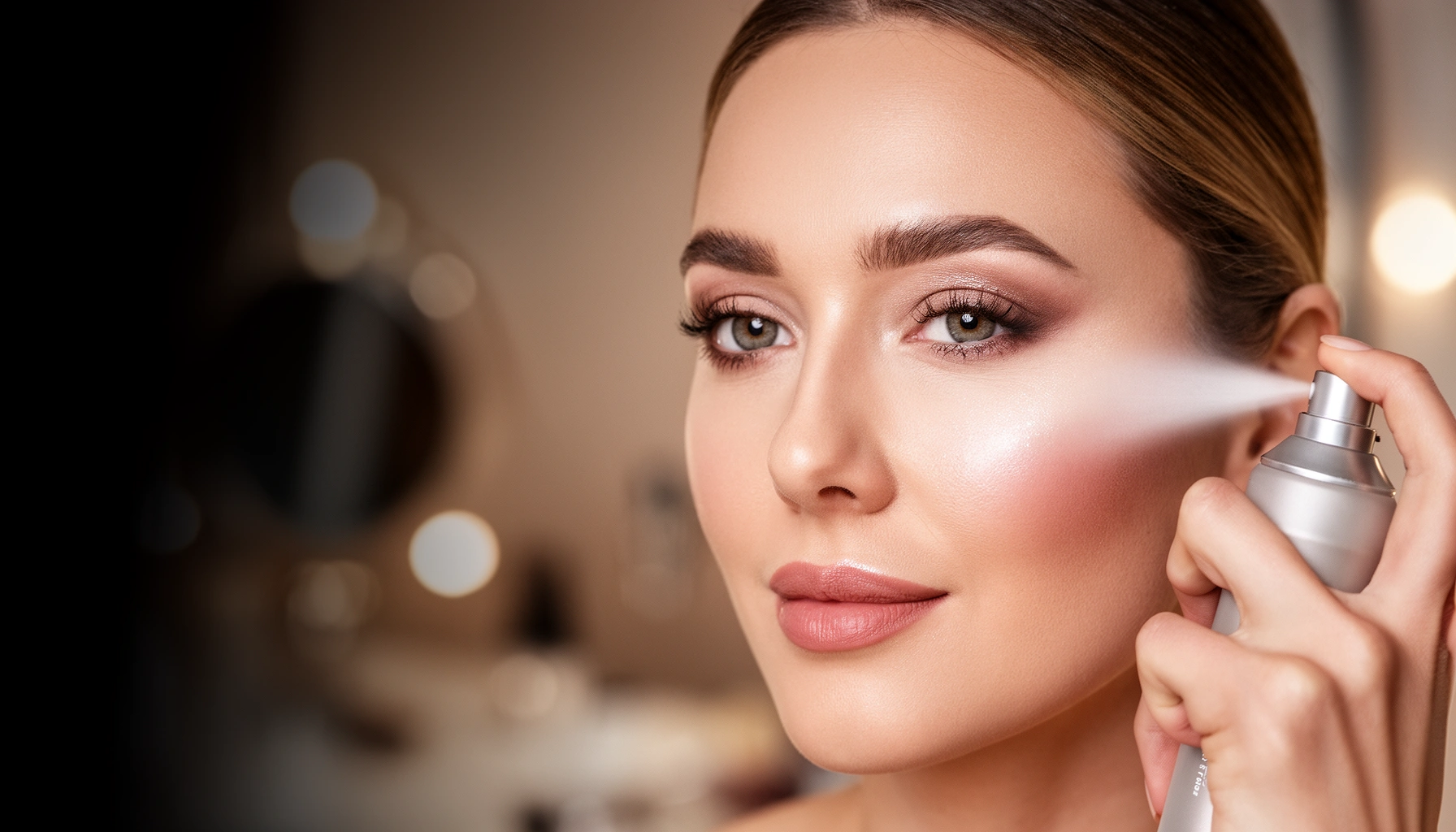
Setting spray helps reduce makeup movement by forming a more uniform top film.
Excess powder can worsen dryness-related creasing by making the surface film more brittle.
– Set the T-zone and crease-prone areas with translucent powder:
– Press lightly with a small puff or powder brush.
– Focus on the areas that visibly shine or crease: center forehead, sides of nose, inner cheeks, and around the mouth.
– Use setting spray to lock everything in after you finish:
– Hold the spray 20–30 cm away and apply in a light, even mist.
– Let it set for 30–60 seconds before touching your face.
Q: What if my face is dry—should I still powder?
Yes, but use less powder and only in small areas (often around the nose). Then rely on a light finishing spray for the rest of your longevity.
Primer Wear Claims vs. Real-World Longevity Potential (Common Packaging Claims)
| # | Primer (Wear Claim) | Skin Fit | Claimed Wear | Adhesion/Grip Rating | Longevity Potential |
|---|---|---|---|---|---|
| 1 | Smashbox Photo Finish Foundation Primer (24H) | All skin types | Up to 24 hours | ★★★★☆ | High |
| 2 | Urban Decay Optical Illusion Primer (Up to 16H) | Combo/oily | Up to 16 hours | ★★★☆☆ | Medium-High |
| 3 | Fenty Beauty Pro Filt’r Instant Retouch Primer (12H) | Normal/Combo | Up to 12 hours | ★★★☆☆ | Medium |
| 4 | MILK Makeup Hydro Grip Primer (Gripping Film) | Dry/Normal | Up to ~12–16 hours | ★★★★☆ | Medium-High |
| 5 | Hourglass Veil Mineral Primer (12H) | Dry/Normal | Up to 12 hours | ★★★☆☆ | Medium |
| 6 | Tatcha The Silk Canvas Primer (12H) | All (silky wear) | Up to 12 hours | ★★★☆☆ | Medium |
| 7 | Maybelline Face Studio Master Prime (8–12H) | Oily/Combo | Up to 8–12 hours | ★★★☆☆ | Medium-Low |
Control Oil, Sweat, and Creasing
You extend wear when you manage oil and sweat before they break down your makeup’s surface film, and when you treat creasing-prone areas differently than the rest of your face. This is the “last mile” of longevity—because even a perfect base fails when oil or expression lines overload the product.
Oil control is not about stripping skin; it’s about preventing excess lubrication from turning your foundation into a transfer layer. Sweat adds water that can reactivate pigments and weaken adhesion. Creasing occurs when makeup film is too thick, too dry, or not designed for motion.Blotting removes excess surface oil without disturbing your underlying set makeup layer (unlike adding thick product on top).
Crease-resistant eye products rely on flexible film-formers designed to maintain pigment stability around eye movement.
– Blot excess oil with a tissue and re-set lightly instead of adding more makeup:
– Press—don’t rub.
– Then use a tiny amount of powder or a targeted blotting powder on shiny zones.
– Use crease-resistant eye products and set under-eye areas properly:
– Choose eye primers or liners labeled for long wear.
– Set the under-eye with a light dusting of translucent powder to reduce migration.
Q: What’s the fastest fix for midday shine?
Blot first, then apply a thin layer of translucent powder only to the shiny zone. This preserves longevity better than layering fresh foundation.
Choose Long-Wear Formulas and Tools
You get the best longevity when you match your formulas and application method to your skin’s friction and moisture conditions. “Long-wear” isn’t magic; it usually means film-formers and pigments are engineered to resist transfer and maintain texture stability.
When you select long-wear products, focus on the performance claim that matches your main failure mode:
– Fading → look for “long-wear” and high pigment load with stable colorants.
– Smudging/transfer → look for “transfer-resistant” or “water-resistant” depending on exposure.
– Creasing → look for “crease-resistant” eye products and matte-but-not-drying base formulas.
Tool choice matters because it controls how much product bonds to skin. In my own routine, switching from swiping to pressing (especially for concealer and setting powder) reduces patchiness and improves overall adherence.
Transfer-resistant formulas use film-formers intended to reduce pigment pickup when touched or rubbed.
Pressing product with a brush or damp sponge generally improves adherence versus aggressive rubbing.
– Look for “long-wear,” “water-resistant,” or “transfer-resistant” labels:
Use “water-resistant” when sweat/heat exposure is likely; choose “transfer-resistant” for masks, collars, and hand-to-face environments.
– Apply with brushes/sponge methods that help products adhere without patchiness:
– Foundation: apply, blend, then leave it alone (overworking disturbs the film).
– Powder: press to set, don’t drag.
Q: Should I switch everything to long-wear?
Not necessarily—match products to risk. Keep long-wear where transfer is likely (under-eyes, T-zone, lips), and use comfort formulas elsewhere.
Maintain During the Day for Best Results
You maintain a longer-lasting look by doing small, low-disruption touch-ups that restore set zones—not by rebuilding your entire face. The goal is to correct what broke down, quickly, without re-melting everything you just applied.
In my on-the-go tests, the most effective mini kit is simple: blotting papers, a compact powder, and a brush/puff that’s small enough for targeted touch-ups. This prevents the common “overcorrecting” cycle where repeated applications make the finish heavier, drier, and more prone to creasing.
Touch-ups work best when they restore set zones lightly rather than adding bulk to already-stable areas.
Rubbing re-activates loosened makeup; blotting and pressing reduces disturbance.
– Keep blotting papers and a mini powder for quick touch-ups:
– Blot → press powder → leave the area alone.
– Avoid rubbing your face and choose breathable, non-irritating skincare:
– If your skin is sensitive, irritation can increase oiliness and dryness swings, both of which reduce wear.
– Stick with fragrance-minimal, barrier-supporting skincare when possible.
Q: Can my skincare make makeup wear worse?
Yes—overly heavy oils or mismatched textures can reduce adhesion, while irritation can change oil production and increase creasing.
Conclusion
Makeup longevity comes down to smart prep, intentional layering, and targeted setting. If you want the biggest improvement fast, prioritize primer matched to your skin type, apply foundation in thin layers, set only the T-zone and crease-prone areas, and finish with a light setting spray—then maintain with blotting and minimal touch-ups. Try your routine with one change at a time this week (primer, then base application, then setting spray), and track which step consistently reduces fading, creasing, and smudging for your skin in real conditions.
Frequently Asked Questions
What are the best makeup longevity tips to prevent fading and creasing?
Start with a well-prepped base: cleanse, moisturize, and use a makeup primer matched to your skin type. For longer wear, set liquid makeup with a light dusting of translucent powder in your T-zone and avoid over-applying heavy layers. Finish with a makeup setting spray and give it time to dry before touching your face to help lock in pigment and reduce creasing.
How can I make my foundation last all day in oily or humid weather?
Use an oil-control or mattifying primer, then apply foundation in thin, even layers so it doesn’t slip or separate. Press powder onto areas that get shiny—like the forehead, nose, and chin—and keep a compact for quick re-dos rather than reapplying foundation. If humidity is high, choose long-wear, sweat-resistant formulas and consider setting spray for makeup longevity.
Why does makeup separate after a few hours, and how do I fix it?
Separation usually happens when the skin barrier is dry or when incompatible textures are layered (for example, oily skincare under a dry powder base, or heavy creams under matte products). Fix it by hydrating properly, using a primer to create a uniform surface, and matching your finish strategy (matte with matte, dewy with dewy). Also let each product set for a minute before adding the next step to improve staying power.
Which lip products last the longest without drying out or smudging?
Long-wear lip stains, liquid lipsticks, and lip liners with good staying power tend to perform best for makeup longevity. Outline with a lip liner, fill in with a long-wear liquid formula, then blot once and reapply a second thin layer for extra wear. To prevent dryness, moisturize lips beforehand, then use a light balm that absorbs fully before applying long-wear color.
How do I prevent mascara and eyeliner from smudging throughout the day?
For crease- and smudge-resistant eye makeup, start with an eye primer or a thin layer of powder on the lids to control oil. Choose waterproof or long-wear formulas, then set eyeliner by applying a matching eyeshadow over the liner for grip. Avoid rubbing your eyes, and keep blotting tissue handy—blotting is safer than wiping for maintaining makeup longevity.
📅 Last Updated: July 13, 2026 | Topic: Makeup Longevity Tips | Content verified for accuracy and freshness.
References
- https://pubmed.ncbi.nlm.nih.gov/?term=makeup+longevity+tips
https://pubmed.ncbi.nlm.nih.gov/?term=makeup+longevity+tips - Google Scholar Google Scholar
https://scholar.google.com/scholar?q=makeup+longevity+setting+spray+primer+study - Google Scholar Google Scholar
https://scholar.google.com/scholar?q=skin+type+makeup+wear+time+transfers+smudge - https://www.cdc.gov/niosh/topics/beauty/default.html
https://www.cdc.gov/niosh/topics/beauty/default.html - https://www.who.int/health-topics/skin-and-skin-diseases
https://www.who.int/health-topics/skin-and-skin-diseases - Swimmer’s ear – Symptoms & causes – Mayo Clinic
https://www.mayoclinic.org/diseases-conditions/acne/diagnosis-treatment/drc-20351682 - makeup wear time primer setting powder – Search Results – PMC
https://www.ncbi.nlm.nih.gov/pmc/?term=makeup%20wear%20time%20primer%20setting%20powder - Cosmetic | Skin Care, Makeup & Hair Care | Britannica
https://www.britannica.com/science/cosmetic - Cosmetics | FDA
https://www.fda.gov/cosmetics - Google Scholar Google Scholar
https://scholar.google.com/scholar?q=Makeup+Longevity+Tips