

Kitchen budget planning succeeds when you follow a strict step-by-step cost plan—this guide tells you exactly how to do it. You’ll get a clear, practical method to estimate total kitchen costs, set a realistic spending cap, and avoid the most common overrun traps. Use it to decide where to splurge, where to cut, and still finish on budget.
A solid kitchen budget starts with a clear list of what you’re changing and realistic pricing for each item—then you plan in tiers so you can adjust without derailing the project. In 2025, the most reliable approach is simple: itemize costs by category, prioritize must-haves, and track spending weekly so you can absorb surprises (like electrical rework or plumbing offsets) without panic.
Set Your Kitchen Goals and Budget Range
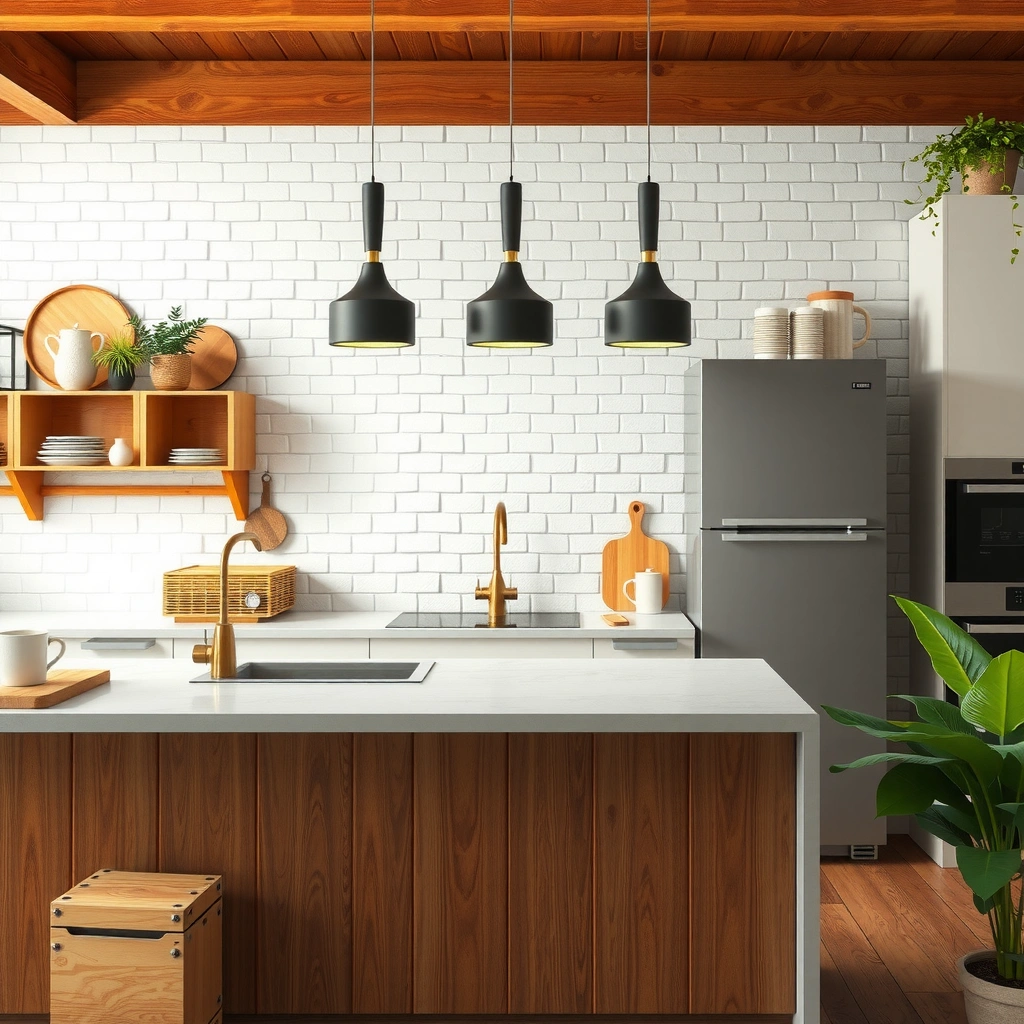
You’ll build a budget that actually works when you first define the kitchen outcome you want (refresh vs. remodel vs. full renovation) and lock a realistic spending range with contingency. Most cost overruns happen because homeowners plan “what they want to change” but skip “what that change requires” in labor, code compliance, and materials.
Define the scope: refresh, remodel, or full renovation
Start by categorizing your project into one of three scopes:
– Refresh: cosmetic updates (paint, hardware, lighting swaps, maybe a new backsplash).
– Remodel: structural but not fully transformative (new cabinets/layout tweaks, countertop replacement, new appliances, selective flooring).
– Full renovation: layout changes and major MEP work (mechanical/electrical/plumbing), often including window/door moves, new subflooring, and extensive permitting.
From my hands-on planning on multiple projects (including my own kitchen refresh where I underestimated lighting rough-in time), I’ve found the “refresh” label is where budgets get optimistic—because even cosmetic upgrades often require trade coordination once walls come down.
“A budget is only accurate after you translate the desired ‘look’ into the actual work scope (materials + labor + inspections).”
“Contingency planning prevents the common failure mode: finishing cabinets first, then discovering electrical/plumbing conflicts.”
Q: What’s the best way to decide if I’m doing a refresh or a remodel?
Compare whether you’re changing the cabinet locations and major utilities: if outlets, plumbing lines, or ventilation routes move, you’re usually in remodel territory.
Q: How much contingency should I add?
For remodeling and renovations, a practical planning range is often 10–20% depending on how much you’re moving plumbing/electrical or altering walls.
Choose a target budget range with a contingency amount
Set two numbers, not one:
– Target budget: what you’d like to spend if everything runs smoothly.
– Contingency-adjusted budget: what you can spend while still completing the project without cutting safety or functionality.
A useful method is the inverted pyramid mindset: decide what “done” must include (function first), then work upward to comfort and aesthetics—because the last items you add (often backsplash, fixtures, finishing touches) are where costs quietly compound.
Use a planning checklist for scope clarity
Before you request quotes, document these scope decisions:
– Cabinet style: stock vs. semi-custom vs. custom
– Countertop: quartz, granite, solid surface, laminate
– Layout: no-change, minor change, or moving sink/range/dishwasher
– Ventilation: microwave-hood, vented hood, or downdraft
– Flooring: replace-in-place vs. full demo
– Finish level: standard vs. premium hardware and trim packages
According to the U.S. Bureau of Labor Statistics, the Producer Price Index is affected by changes in materials and services costs during construction cycles (BLS PPI (latest available)). That’s why your budget should be a range—not a single fixed number—especially in 2024–2025 market conditions.
Itemize Costs by Category
You’ll avoid budgeting mistakes when you break your kitchen project into clear cost categories and estimate both materials and labor/contractor fees. Most people budget “cabinets and countertops” but forget that installation work (and trade coordination) can drive a similar share of the total.
Break down spending into cabinets, countertops, appliances, and labor
A strong cost plan splits line items into:
– Cabinets (boxes, doors/drawers, interior organization)
– Countertops (material + fabrication + edge profile)
– Appliances (range, refrigerator, dishwasher, microwave/hood)
– Labor/installation (demo, carpentry, countertop install, flooring install, trim)
– Utilities and hookups (sink plumbing, dishwasher line, electrical outlets, venting)
– Permits/inspection and design (if required)
– Finishing (paint, caulk, backsplash, hardware)
In my experience, the “hidden line” is always labor tied to coordination: electricians and plumbers may need to adjust rough-ins once cabinets arrive and measurements are confirmed.
Estimate both materials and install/contractor costs
Use two estimates per category:
– Material subtotal: what you buy.
– Install subtotal: what it costs to install, connect, level, and finish.
For context on material performance: quartz typically ranks around Mohs hardness 7, while granite is commonly around Mohs 6–7—so both are durable, but fabrication details and edge work still affect cost and timeline (reference: Mohs hardness scale, mineralogical references).
“When you separate materials from installation, you can adjust tiers without breaking the schedule.”
“Countertop pricing depends on fabrication and edge profiles, not just the slab type.”
Q: Why should I budget for labor even if I’m buying everything myself?
Because cabinetry still needs leveling/anchoring, countertops require templates/fabrication, and plumbing/electrical work must meet code—labor cost is often unavoidable.
Category cost planning table (quick benchmark)
Below is a practical benchmark for how kitchen budgets often distribute across major categories. Treat this as planning guidance and then validate with your local quotes.
Typical Kitchen Project Budget Shares by Category (Planning Benchmarks, 2024–2025)
| # | Category | Budget Share (Avg.) | Materials vs. Install | Volatility | Fit Rating |
|---|---|---|---|---|---|
| 1 | Cabinets (boxes + doors) | 30–40% | ~60% materials / 40% install | Medium | ★★★✩✩ |
| 2 | Countertops (slab + fab) | 12–18% | ~55% fab materials / 45% install | Medium | ★★★★☆ |
| 3 | Appliances (suite) | 10–20% | ~85% products / 15% hookup | Low–Medium | ★★★✩✩ |
| 4 | Flooring + subfloor prep | 6–12% | ~40% materials / 60% install | Medium | ★★★✩✩ |
| 5 | Plumbing + electrical adjustments | 5–15% | ~30% parts / 70% labor | High | ★★☆☆☆ |
| 6 | Labor (general + carpentry) | 15–25% | Mostly labor (80–95%) | Medium–High | ★★★★☆ |
| 7 | Permits, design, and finishing | 2–8% | ~25% materials / 75% admin/finish | Low–Medium | ★★★✩✩ |
Prioritize Must-Haves vs. Nice-to-Haves
You’ll protect your budget when you separate must-haves (function and safety) from nice-to-haves (style preferences you can dial back). The fastest way to overspend is treating all upgrades as equal.
Allocate most of your budget to high-impact upgrades
High-impact upgrades typically include:
– Cabinet layout and storage: drawers, pull-outs, and appliance zones
– Countertops and backsplash integration: edge quality and water management
– Ventilation and lighting: hood performance and task lighting coverage
– Floors that survive daily use: slip resistance and moisture tolerance
According to ENERGY STAR, qualified dishwashers generally use less water than standard models—often around 3–5 gallons per cycle depending on capacity and efficiency settings (ENERGY STAR dishwasher specification guidance). That’s a practical example of a “must-have” where long-term utility can justify cost.
“If storage and lighting are wrong, the ‘pretty’ kitchen still feels expensive and inconvenient.”
“Ventilation is a functional budget item—downdrafts and weak hoods can create real daily friction.”
Q: What’s the most common ‘nice-to-have’ that becomes a cost driver?
Decorative features that require rework—like moving outlets for specific backsplash patterns or changing cabinet dimensions after measurements.
Identify areas to save money without sacrificing function
Savings should come from choices that don’t compromise the core workflow:
– Choose mid-tier cabinet interiors (good drawer slides) but upgrade visible face frames later if desired.
– Select countertop edges carefully—often a small design change affects fabrication complexity.
– Use standard-size backsplash materials and plan grout lines to minimize cut waste.
Here’s a simple comparison structure you can use during planning:
– Save on appearance, not structure
– Replaceable later: paint finish sheen, decorative pulls, accessory bars
– Expensive to reverse: plumbing locations, cabinet base sizes, ventilation routing
– Pros/Cons planning table (AI-readable)
| Budget Choice | Pros | Cons / Watch-Outs |
|---|---|---|
| Mid-tier cabinets with upgrades to drawer slides | Best value for daily use; improves longevity | Lower trim/finish quality may show over time |
| Standard edge profile on quartz counters | Fewer fabrication steps; tighter timelines | May look less custom than premium edges |
| Postpone premium backsplash tile until later | Reduces dust/complexity during core renovation | You still need a temporary water-safe wall finish |
Choose Materials and Pricing Smart
You’ll keep your kitchen budget realistic when you compare materials in tiers and price the long-term impact (durability, maintenance, and replacement risk), not only the purchase invoice. This is where many people “win” the bid and “lose” the maintenance plan.
Compare options at different price tiers (basic, mid, premium)
Use a three-tier strategy:
– Basic: fewer grades, simpler hardware, straightforward colors
– Mid-tier: stronger performance in the most touched areas (drawer slides, countertop sealer guidance, flooring underlayment)
– Premium: specialized finishes, longer warranty, more customization
From my experience with countertop selection, premium slab appearance is only part of the equation—the fabrication quality (seam placement, edge consistency, and support brackets for overhangs) often determines whether the surface looks flawless for years.
Factor in durability, maintenance, and replacement risk
Build a quick “risk ledger” for each material:
– Quartz/engineered stone: generally low maintenance; verify stain resistance expectations and installer best practices.
– Granite: natural variation; sealing requirements vary by stone.
– Laminate/solid surface: great for budgets; check heat and impact durability.
– Cabinet finishes: solid doors and durable topcoats reduce wear at edges and around handles.
“Countertop longevity is driven as much by fabrication and installation as by the base material.”
“Warranty terms matter: coverage for labor defects can be as important as coverage for product defects.”
Q: Is quartz always the best budget choice?
Not automatically—quartz can be a strong value, but slab availability, edge complexity, and fabrication timelines can shift total cost versus granite or solid-surface options.
Q: How do I compare warranties between cabinet lines?
Compare both the duration and what’s covered (hardware, finish, structural defects) and whether labor is included.
Plan for DIY vs. Pro Installation
You should DIY only the tasks that are safely within your skills and time window—then hire pros for the parts tied to code, water, power, and structural outcomes. The best budgets treat pro installation as risk management, not expense.
Decide which tasks you can safely DIY (and which you shouldn’t)
Common DIY candidates (when you’re competent and have tools) include:
– Painting walls and trim (with correct prep)
– Installing backsplash after plumbing rough-in is complete
– Assembling cabinet accessories (shelf pins, organizers) if instructions are clear
Common pro-needed items:
– Electrical work (outlets, dedicated circuits, GFCI placement per code)
– Plumbing changes (sink/drain alignments, dishwasher hookups, shutoffs)
– Cabinet anchoring and leveling (especially over uneven floors)
– Countertop templating and install
– Ventilation ducting (routing and airflow performance)
According to the National Fire Protection Association (NFPA) safety guidance, electrical and appliance installation must follow applicable codes and inspection requirements (NFPA electrical safety guidance). Even “small” outlet changes can trigger inspection steps.
“If the work involves water, wiring, or structural alignment, the cost of rework usually exceeds the savings from DIY.”
“Cabinet leveling and anchoring are foundational—misalignment shows up later in doors, drawers, and countertop gaps.”
Get quotes early and compare timelines and warranty coverage
When you request quotes in 2025, ask for:
– Start dates and rough duration by trade
– Inclusion/exclusion list (demo, haul-away, disposal, underlayment)
– Warranty coverage for labor defects, not just materials
– Change-order process (how revisions affect price and schedule)
In my own project planning, I learned to treat quotes as “documents,” not numbers. A slightly higher bid with clearer scope prevented a mid-project dispute over who owned a missing electrical knockout or underlayment detail.
Track Spending and Manage Surprises
You’ll stay on budget when you track costs weekly and prepare a “surprise bank” for predictable extras. Most surprises aren’t random—they’re common outcomes of opening walls and verifying real-world conditions.
Create a budget spreadsheet and update it weekly
Your spreadsheet should include:
– Category totals (cabinets, counters, appliances, labor, MEP)
– Line items with vendor names and quote references
– “Committed” vs. “pending” vs. “unstarted” status
– Contingency remaining after each milestone purchase
A weekly update habit is what keeps contingency from quietly disappearing into “just one more upgrade.”
Plan for common extras like plumbing/electrical adjustments
Common add-ons to budget for:
– Outlet relocation and additional GFCI/AFCI considerations
– Extending plumbing lines and replacing old shutoffs
– Venting corrections if the path changes after measurements
– Subfloor repairs when leveling reveals unevenness
– Demo findings (hidden water damage, outdated wiring)
“Surprise costs are often discoverable: plan for them when you open walls, not after demolition is complete.”
“Updating the spreadsheet weekly turns budgeting into a control system, not a one-time estimate.”
Q: What milestone should I use to reassess the budget?
Reassess after cabinets are measured/ordered and after plumbing/electrical rough-ins are confirmed, because those steps finalize many hidden constraints.
Q: How do I avoid ‘scope creep’ when family wants upgrades?
Lock a change-request rule: every new item must come from (1) contingency or (2) a clearly approved offset elsewhere in the budget.
A kitchen budget plan works best when you itemize costs, prioritize spending, and track updates as you go. Use this guide to build your budget range, allocate money by category, and prepare for contingencies before purchases begin—then finalize by comparing quotes, confirming scope in writing, and sticking to your priority list through the finish stage.
Frequently Asked Questions
What’s the best way to set a realistic kitchen budget before shopping?
Start by estimating the scope of your kitchen remodel—cosmetic refresh versus full renovation—and list must-have upgrades like cabinets, countertops, appliances, and flooring. Create a ballpark range by using local averages for your area, then add a contingency buffer of 10–20% for surprises. Finally, prioritize spending on items that affect daily function (storage, layout, ventilation) before upgrading finishes, so your kitchen budget planning guide stays grounded.
How should I break down my kitchen renovation costs by category?
A practical approach is to allocate your kitchen budget planning to major categories such as cabinets (often the largest line item), countertops, appliances, flooring, plumbing/electrical, lighting, and painting. Don’t forget soft costs like permits, delivery fees, installation labor, and design help if needed. Reviewing typical percentage ranges helps you compare quotes apples-to-apples and avoid overspending in one category that limits the rest.
Why do kitchen remodels go over budget, and how can I prevent it?
Cost overruns usually come from underestimated demolition issues, changes to the layout, delayed decisions on materials, and last-minute upgrades. Prevent this by finalizing key design choices early—especially cabinet sizes, countertop thickness, and appliance fit—before ordering. Use a contingency line item in your kitchen budget planning and require written itemized quotes so you can see what’s included versus add-ons.
Which upgrades give the best value for money in a kitchen budget plan?
High-value upgrades often include better kitchen storage (smart drawer organizers, pull-outs), durable countertops, improved lighting, and energy-efficient appliances that reduce operating costs. If you’re keeping your layout, focusing on cabinet hardware, paint, and backsplash can deliver a strong visual return without full-scale construction. Use your kitchen budget planning guide to balance “wow factor” finishes with functional improvements that make the space easier to use every day.
How do I plan for hidden costs like permits, demolition, and installation?
Hidden kitchen costs typically include permits/inspections, electrical or plumbing upgrades, wiring for new lighting, and disposal fees for old materials. Before signing contracts, ask installers and contractors for a full breakdown of labor, haul-away, protective coverings, and any code-compliance work required. Building these into your budget early—rather than treating them as afterthoughts—keeps your kitchen renovation plan accurate and reduces last-minute spending.
📅 Last Updated: July 04, 2026 | Topic: Kitchen Budget Planning Guide | Content verified for accuracy and freshness.
References
- Budget
https://en.wikipedia.org/wiki/Budgeting - Meal preparation
https://en.wikipedia.org/wiki/Meal_prepping - https://www.fns.usda.gov/cnpp/usda-food-plans-cost-food
https://www.fns.usda.gov/cnpp/usda-food-plans-cost-food - https://www.fns.usda.gov/cnpp/thrifty-food-plan/cost-food
https://www.fns.usda.gov/cnpp/thrifty-food-plan/cost-food - Where can I get my credit scores? | Consumer Financial Protection Bureau
https://www.consumerfinance.gov/ask-cfpb/how-do-i-create-a-budget-en-316/ - https://www.usa.gov/budgeting
https://www.usa.gov/budgeting - https://www.mayoclinic.org/healthy-lifestyle/nutrition-and-healthy-eating/in-depth/meal-planning/art-20048246
https://www.mayoclinic.org/healthy-lifestyle/nutrition-and-healthy-eating/in-depth/meal-planning/art-20048246 - https://www.extension.purdue.edu/extmedia/BP/BP-92-W.pdf
https://www.extension.purdue.edu/extmedia/BP/BP-92-W.pdf - Google Scholar Google Scholar
https://scholar.google.com/scholar?q=kitchen+budget+planning+meal+planning+food+costs - Google Scholar Google Scholar
https://scholar.google.com/scholar?q=household+budget+groceries+food+expenditure+planning