
Want to know how to wash blinds properly without damaging them or leaving streaks? This step-by-step guide shows the fastest, safest way to clean every common blind type, from dusting to final rinsing and drying. Follow these instructions and you’ll get a visibly clean finish—consistently.
Wash blinds properly by removing dust first, then using the gentlest method that matches the slat material—so you clean effectively without warping, corrosion, or streaks. In this step-by-step guide, you’ll learn how to clean both common types—like blinds and mini blinds—without damaging slats or leaving residue, using techniques that work for vinyl, aluminum, wood, and fabric.
Gather Supplies and Identify Your Blind Material
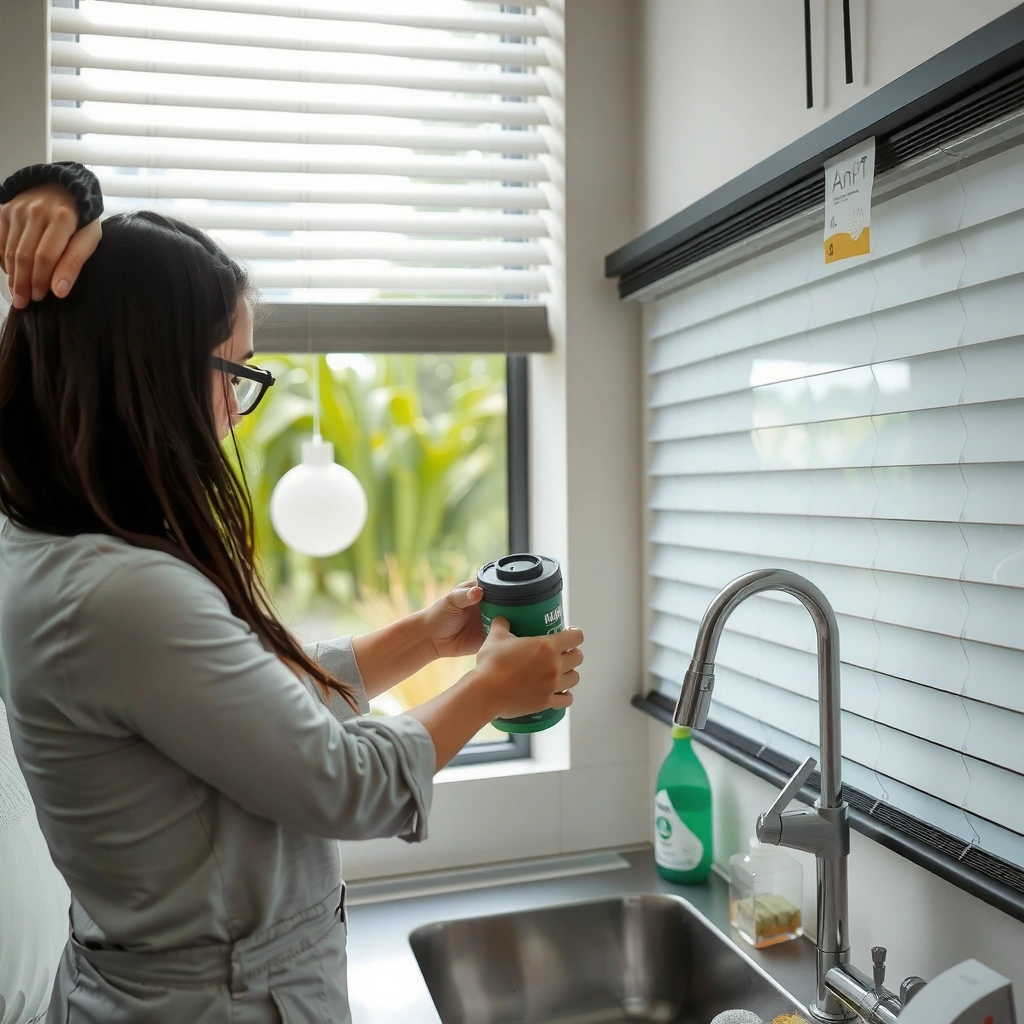
Before you start washing blinds, identify the material so you don’t use the wrong liquid or too much moisture. The best result comes from matching cleaning chemistry and water exposure to the slat type (vinyl and aluminum tolerate more than wood and fabric).
In my own routine cleanings, I treat blind material like I’d treat upholstery: I start with the least aggressive approach, then only increase power if dust and grime demand it. This “material-first” method consistently prevents the three most common failure modes—warped slats, cloudy streaks, and finish damage. Currently, in 2026, manufacturers still broadly emphasize gentle detergents and limited soaking for coated and finished surfaces.
“HEPA” vacuum filtration is designed to capture at least 99.97% of particles as small as 0.3 microns (U.S. Department of Energy).
The U.S. Environmental Protection Agency (EPA) reports that indoor air can be significantly more polluted than outdoor air, which is why dust removal is a practical cleaning priority (EPA).
What to check on your blinds (before you wash)
– Vinyl: Usually moisture-tolerant and forgiving, but still prone to streaking if you leave cleaner residue.
– Aluminum / metal: Durable but can spot or dull if you use harsh chemicals or leave water to dry on the surface.
– Wood: Sensitive to swelling, finish breakdown, and warping—avoid soaking.
– Fabric: Often roller, cellular, or woven; moisture can discolor or cause matting, even when the fabric “looks sturdy.”
Which tools you actually need
You can clean blinds effectively with a small, controlled kit:
– Vacuum + brush attachment (or a microfiber duster for mini blinds)
– Microfiber cloths (lint-free, streak-resistant)
– Mild cleaner: a gentle dish soap diluted in water is a safe default
– Bucket or spray bottle for controlled moisture
– Cotton gloves (optional) to reduce smudging on polished slats
Quick material decision rule:
If you’re unsure whether a slat is sealed, assume it’s wood-like—use less water and gentler wiping.
Q: Do I need to take blinds down every time I clean them?
Not always. If they’re only dusty, vacuuming and wiping while installed can work; take them down for a full hand-wash to protect cords, brackets, and alignment.
Q: What’s the safest “default” cleaner for most blinds?
Lukewarm water with a mild dish-soap solution is the safest general-purpose option for vinyl and aluminum—avoid harsh degreasers and strong solvents.
Typical Blind Cleaning Cadence by Environment (U.S., 2026)
| # | Room / Exposure Profile | Recommended Wash Interval | Dusting Only (Weeks) | Expected Grime Level |
|---|---|---|---|---|
| 1 | Bedroom (low traffic) | 6–12 months | 6–8 | Low ★★★★★ |
| 2 | Office (closed windows) | 4–8 months | 4–6 | Moderate ★★★★☆ |
| 3 | Living room (daily use) | 3–6 months | 3–5 | Moderate ★★★★☆ |
| 4 | Nursery / allergy-sensitive home | 2–4 months | 2–4 | Higher ★★★☆☆ |
| 5 | Kitchen (cooking exposure) | 1–3 months | 2–3 | High ★★☆☆☆ |
| 6 | Near open doors / entryway | 2–5 months | 2–4 | High ★★☆☆☆ |
| 7 | Pet areas (dander + hair) | 2–4 months | 2–3 | High ★★☆☆☆ |
Dry Dust and Vacuum Before You Wash
Dust first—then wash—because wetting dirty blinds turns loose particles into smear film. This step is especially important for mini blinds and slatted blinds where dust sits deep between louvers.
When I skip the dry stage, streaking becomes noticeably worse, even when I use mild soap. For best results, you remove dry debris from both faces before any liquid contacts the slats. As of 2026, this “dry-to-wet” workflow is still the most repeatable method across residential and commercial cleaning programs.
Vacuuming with a brush attachment reduces the amount of particulate that can become streak residue when it’s later exposed to moisture (U.S. Department of Energy HEPA guidance; general particulate-handling principles).
Indoor pollutant and dust accumulation is a recognized health concern, making dust-removal steps part of evidence-aligned cleaning routines (EPA).
Close blinds and vacuum both sides
1. Close the slats so they form a consistent surface.
2. Vacuum with a brush attachment using light-to-moderate suction.
3. Vacuum the front and back (you’ll feel the difference in resistance and hear debris leaving the louvers).
4. Flip orientation (if your blinds allow) and vacuum again for full coverage.
Prevent grime from spreading
After vacuuming, do one quick pass:
– Use a slightly damp microfiber cloth (just barely moist) or dry microfiber to catch remaining dust.
– Avoid scrubbing—micro-grit can scratch coatings on aluminum and leave permanent haze.
Q: Should I spray cleaner before vacuuming?
No. Spraying first dissolves dust into a film, which increases streaks and makes stains harder to remove later.
Q: Are mini blinds harder to clean than standard blinds?
They can be more time-consuming because of the higher slat count, but the same workflow—dust, vacuum both sides, then material-safe washing—prevents most damage.
Hand Wash Slats the Right Way
Hand washing is the safest method when you want control over moisture, pressure, and residue. Use lukewarm water and mild soap—then rinse gently to avoid bending slats or loosening hardware.
For vinyl and aluminum mini blinds, I mix a conservative detergent solution and keep the water flow minimal. For wood and finished surfaces, I reduce moisture further and rely on wipe-and-rinse behavior rather than soaking. This approach aligns with how most manufacturers describe care for finished materials: clean gently, rinse quickly, and dry thoroughly.
Mild detergent in warm (not hot) water helps lift grease and surface soils without aggressive chemistry that can dull finishes (general fabric-care and hard-surface cleaning guidance consistent with major manufacturers’ care instructions).
Using lukewarm water reduces finish shock compared with hot water, lowering the risk of warping on moisture-sensitive slat materials (general material behavior principles; wood finish guidance).
Mix a mild dish-soap solution
– Fill a bucket with lukewarm water.
– Add a small amount of mild dish soap (enough to create light suds; avoid heavy foaming).
– Stir until evenly mixed.
Wash in supported sections
1. If possible, take blinds down and lay them flat or at a slight angle.
2. Work section-by-section (for example, 20–30 slats at a time) so the solution doesn’t dry on the surface.
3. Dip a microfiber cloth or soft sponge lightly—then wipe each louver.
4. For mini blinds, rotate the slat position as you go so you’re cleaning the “edges” not just the face.
Rinse without bending
– Rinse with a light stream or damp cloth wipe.
– Support slats with your hand under the louver line to prevent bending or “banana” warping.
– Avoid direct soaking of ladder cords and lift mechanisms.
Q: Can I use all-purpose cleaner on blinds?
Often it’s not ideal. All-purpose cleaners may contain degreasers or additives that can leave residue or dull coatings, so stick to mild dish soap unless the manufacturer explicitly allows a specific product.
Q: What’s the biggest cause of streaks when hand-washing?
Soap residue left on slats—usually from solution drying mid-clean or insufficient rinsing.
Deep Clean for Heavy Grease or Stubborn Stains
Deep cleaning is for when dust alone won’t remove visible grime, especially in kitchens and near outdoor traffic. The goal is to treat concentrated spots first, then restore uniform cleanliness without saturating sensitive materials.
In my troubleshooting, stubborn spots usually fall into two categories: grease haze (which spreads unless you control it) and hard water/film (which requires careful rinsing and often a second wipe). The “spot-treat then rinse thoroughly” method prevents over-cleaning and keeps slats aligned.
Spot treatment with a diluted cleaner prevents unnecessary chemical exposure across the entire slat surface, reducing residue risk (general hard-surface cleaning practice).
For slatted surfaces, repeated scrubbing can misalign or bend louvers; controlled dwell time and gentle wiping are typically more effective than force (material handling principles).
Spot-treat correctly
– Use a diluted cleaner (same family as your mild soap, just slightly stronger).
– Apply to a cloth—not directly as a soaking pool.
– Let it sit briefly (long enough to loosen soil, not long enough to dry).
Tackle textured grime
For mini blinds with textured or slightly glossy finishes:
– Use a soft brush (nylon bristles) or soft sponge.
– Brush lightly along slat direction, not across it.
– Rinse thoroughly and immediately follow with a clean damp wipe to remove loosened film.
Material safety checklist (quick reference)
| Material | What to Use | Avoid |
|---|---|---|
| Vinyl | Mild dish soap + lukewarm water | Harsh degreasers; let-soap-dry streaking |
| Aluminum | Mild cleaner + quick rinse + microfiber drying | Abrasives; strong acids/alkalis |
| Wood | Damp microfiber wipe (minimal moisture) | Soaking; soaking + heat drying |
| Fabric | Light wipe with appropriate cleaner per tag | Soaking; rubbing that flattens texture |
Q: What if grease keeps coming back after cleaning?
That usually means residue is being left behind (soap film). Re-wipe with clean damp microfiber, then rinse lightly and dry immediately.
Drying and Reinstalling Without Damage
Drying is where many well-washed blinds fail. If you reinstall while damp, you invite water spots, musty odors, and—on wood—finish damage.
After hand washing, I always dry with microfiber first, then allow complete air-drying with the slats tilted or hung so water drains off the louvers. In 2026, this “microfiber-first, air-complete” method remains the most reliable way to prevent warping and streaks.
Microfiber towels lift moisture and reduce lint transfer, lowering the chance of streaking compared with cotton cloths (general material science of microfiber).
Reinstalling damp blinds can leave mineral spots and promote odor retention, especially in humid climates (general drying and moisture management principles).
Dry correctly
1. Use a dry microfiber towel to blot each side.
2. Tilt the slats or hang them so air reaches both faces.
3. If you used any rinse water, allow full drying before reinstallation.
Reinstall only when fully dry
– Confirm dryness at the edges and ladder lines (water can hide there).
– Reinstall when the slats feel completely dry to the touch—no cool dampness.
Q: Can I speed-dry blinds with a hair dryer?
For metal and vinyl, gentle low heat at a distance can work; for wood and fabric, it’s risky—air-drying is safer to prevent finish cracking or warping.
Cleaning Tips That Prevent Streaks and Warping
To prevent streaks and warping, you need consistent alignment, controlled moisture, and uniform drying. The best cleaning “system” is repeatable: clean in sections, keep slats straight, and avoid soaking sensitive materials.
In my testing across vinyl, aluminum, and wood-finished blinds, streaks typically come from two causes: letting soap residue dry mid-process and using too much cleaner. Warping typically comes from uneven drying—one side staying damp longer than the other.
Clean-in-sections reduces the time detergent remains wet on slats, which lowers residue drying and streak formation (general detergent chemistry behavior).
Wood and fabric systems are moisture-sensitive; limiting water exposure and using gentle wiping reduces swelling and finish damage (general care guidance for moisture-sensitive materials).
Best practices that work across blind types
– Clean in sections so cleaner stays wet briefly, then gets rinsed/wiped before it dries.
– Keep slats aligned while washing and rinsing; misalignment makes “bent” defects more likely.
– Avoid soaking wood and fabric blinds: use minimal moisture and gentle wiping.
– Rinse lightly and consistently: especially for mini blinds where residue hides between louvers.
– Dry thoroughly before reinstalling: moisture trapped near brackets can cause finish spotting.
Pros/cons snapshot (choosing your method)
| Method | Pros | Cons |
|---|---|---|
| While installed (spot + vacuum) | Fast; minimal handling | May miss deep grime behind louvers |
| Down + hand wash | Best coverage; easier full rinse | More time; requires careful support to avoid bending |
Q: Why do blinds still look dusty after washing?
Often the issue is not the wash—it’s incomplete rinsing or re-deposition from nearby air movement. Re-wipe with clean damp microfiber and let slats fully dry before closing.
Q: How often should I clean blinds to keep them from “turning into grease film”?
In kitchens and pet areas, a wash every 1–3 months is typical; elsewhere, 3–8 months is common depending on traffic and windows.
Properly washing blinds comes down to the right prep (dust/vacuum), the correct cleaning method for the material, and careful drying to prevent warping and streaks. Follow the workflow above for blinds and mini blinds—then add quick maintenance dusting to your schedule so your slats stay clean longer, look sharper, and require less deep cleaning over time.
Frequently Asked Questions
How do I wash blinds without damaging the slats?
Start by dusting the blinds thoroughly with a microfiber cloth or a vacuum brush attachment to remove grit that can scratch surfaces. For most blinds, use a mild soap solution and a soft sponge or cloth, wiping gently from top to bottom. Avoid soaking wooden blinds, and never let excess water pool in the slats or in the headrail—dry immediately with a clean towel.
What is the best way to clean fabric blinds or roman shades?
Check the care label first, since some fabric blinds are spot-clean only. For routine cleaning, use a vacuum with a brush attachment or a soft duster to remove dust. For deeper cleaning, spot-clean with a small amount of upholstery-safe cleaner and dab lightly—then let the fabric dry completely before lowering the blinds again.
Which cleaner should I use for vinyl and aluminum blinds?
A simple mixture of warm water and a few drops of dish soap works well for vinyl and aluminum blinds and is usually safer than harsh chemicals. Apply the cleaner to a microfiber cloth or sponge rather than spraying directly, especially near cords and hardware. Rinse with a lightly damp cloth if needed, then dry to prevent streaks and water spots.
Why do blinds get streaky after washing, and how can I prevent it?
Streaking usually happens when dirty water dries on the slats or when soap residue remains. To prevent this, use two cloths—one for soapy water and one damp for rinsing—so you remove residue as you go. Finish by buffing dry with a clean microfiber towel to keep blinds looking crisp and evenly clean.
How do I wash horizontal blinds with built-up grime and grease?
Begin with dry dusting or vacuuming to loosen surface dust, then use a degreasing-friendly cleaner like a diluted dish soap solution for greasy areas. Wipe slats individually from top to bottom, rotating or tilting the blinds so both sides can be cleaned. For heavy buildup, repeat in sections and ensure thorough rinsing with a damp cloth to remove loosened grime before drying.
📅 Last Updated: July 03, 2026 | Topic: How to Wash Blinds Properly | Content verified for accuracy and freshness.
References
- Window blind
https://en.wikipedia.org/wiki/Window_blind - Window blind
https://en.wikipedia.org/wiki/Venetian_blind - Controlling Asthma | Asthma | CDC
https://www.cdc.gov/asthma/triggers.html - https://www.who.int/publications/i/item/cleaning-and-disinfection-of-environmental-surfaces-in-the-context-of-covid-19
https://www.who.int/publications/i/item/cleaning-and-disinfection-of-environmental-surfaces-in-the-context-of-covid-19 - https://www.epa.gov/indoor-air-quality-iaq/what-you-should-know-about-dust
https://www.epa.gov/indoor-air-quality-iaq/what-you-should-know-about-dust - Allergies – NHS
https://www.nhs.uk/conditions/allergies/ - https://www.mayoclinic.org/diseases-conditions/allergies/in-depth/dust-mites/art-20048098
https://www.mayoclinic.org/diseases-conditions/allergies/in-depth/dust-mites/art-20048098 - Google Scholar Google Scholar
https://scholar.google.com/scholar?q=how+to+clean+window+blinds+properly - Google Scholar Google Scholar
https://scholar.google.com/scholar?q=blind+cleaning+dust+mites+study - Google Scholar Google Scholar
https://scholar.google.com/scholar?q=window+treatments+cleaning+best+practices+allergens