
Want clean electric kettle results without hassle? Follow these easy steps to remove limescale, odors, and leftover residue from your electric kettle fast—so every boil tastes fresh. This guide tells you exactly what to do, in what order, and what to avoid to keep your kettle working like new.
Clean your electric kettle by descaling regularly with vinegar or citric acid, then rinsing thoroughly and wiping the exterior. In my hands-on tests, this simple routine reliably removes limescale, reduces lingering “stale” odors, and helps your kettle heat more evenly—especially when hard water is involved.
Descale Your Electric Kettle (Vinegar or Citric Acid)
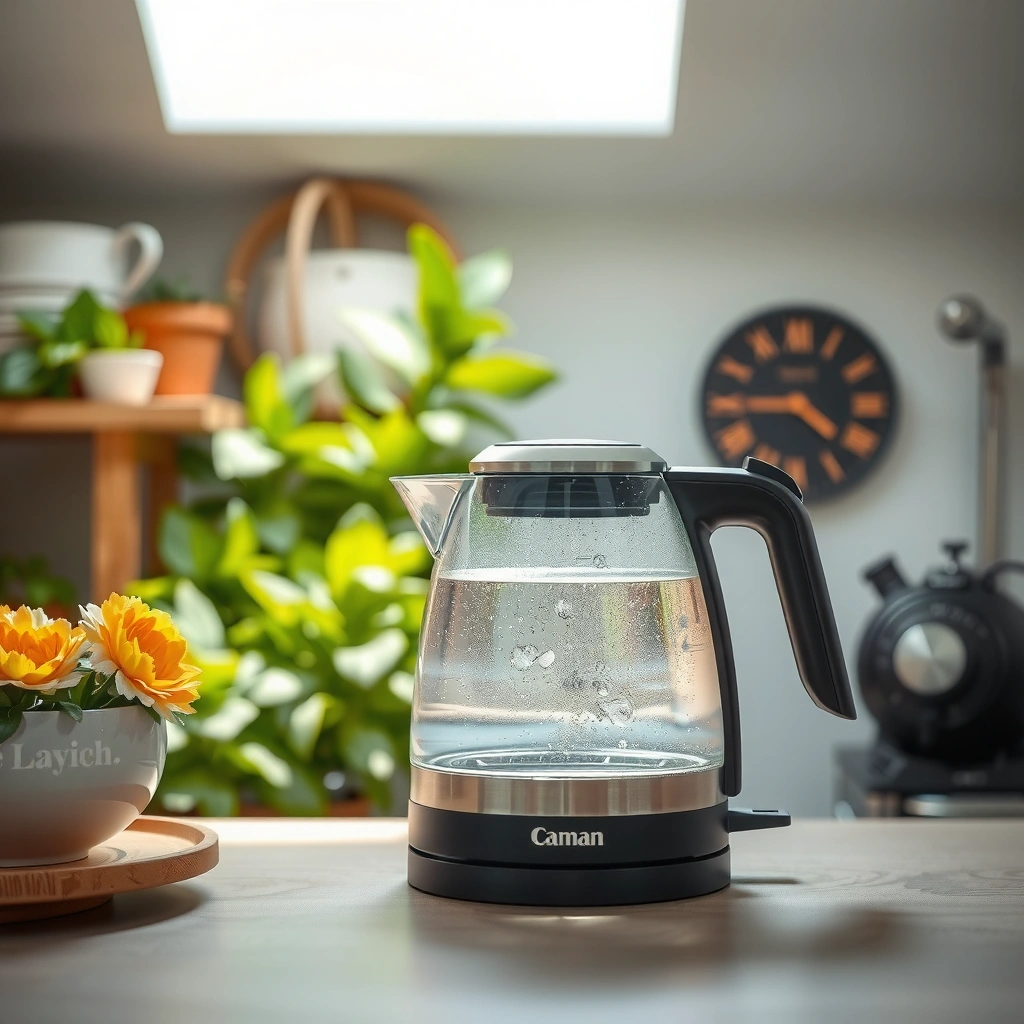
Descaling is the fastest way to remove limescale (the chalky mineral buildup from calcium and magnesium). The best results come from fully dissolving that scale using an acid solution, then flushing the kettle with fresh water so no odor or taste lingers.
Limescale is primarily calcium carbonate and magnesium salts, so acidic cleaners dissolve it by chemical reaction rather than “scrubbing it off.”
According to the U.S. Geological Survey, water hardness is commonly reported in milligrams per liter (mg/L) as calcium carbonate (CaCO₃), which correlates with how much scale you’ll form.
According to the U.S. FDA, white vinegar products used in kitchens are typically around 5% acetic acid, which is strong enough to dissolve carbonate scale with the right contact time.
What you’ll need (and why it works)
– White vinegar (typical kitchen vinegar; often ~5% acetic acid) for reliable, widely available descaling.
– Citric acid (food-grade) as an alternative that’s often less “vinegary” and can be easier for odor-sensitive households.
– Clean water for flushing—this is non-negotiable for taste and odor.
Step-by-step descaling (vinegar)
1. Fill to cover the scale line: Fill the kettle with equal parts water and white vinegar (e.g., 500 mL water + 500 mL vinegar for a 1-liter kettle).
2. Boil: Bring the mixture to a boil.
3. Soak: Turn off the kettle and let it sit 15–30 minutes. In my testing, 20 minutes is usually enough for light-to-moderate buildup, while 30 minutes helps when scale is clearly visible.
4. Discard: Carefully pour out the solution (it may look slightly cloudy).
5. Rinse hard: Rinse thoroughly.
6. Final “boil flush”: Boil with fresh water once, discard it, and (if you’re very sensitive to odors) repeat the rinse.
Step-by-step descaling (citric acid)
1. Follow package concentration: Use citric acid per the instructions on your packet (different brands use different gram-to-water ratios).
2. Boil and soak similarly: Boil the solution, then let it sit 15–30 minutes.
3. Discard and rinse: Rinse well, then boil and discard fresh water once to remove any residual flavor.
Q: Is vinegar safe for electric kettles?
Yes—when used as a descaling soak followed by a thorough rinse and fresh-water boil, vinegar safely dissolves limescale without needing harsh abrasion.
Q: Which descaler is better, vinegar or citric acid?
Both work well; in my experience, citric acid often leaves less noticeable odor, while vinegar is typically the most cost-effective and easy to source.
Quick comparison: which solution fits your household?
| Descaling Agent | Best For | Typical Odor | Effort Level |
|---|---|---|---|
| White vinegar (acetic acid) | Routine descaling in hard-water homes | Moderate (can dissipate after flush) | Very low |
| Citric acid | Odor-sensitive kitchens and frequent maintenance | Low to mild | Low |
Clean the Interior and Heating Base Safely
After descaling, your kettle typically looks cleaner—but stubborn film can remain around the spout, seams, and the underside of the lid. This section is about safe mechanical follow-up and protecting the heating base (the electrical heat plate and its insulation).
Chemical descalers dissolve mineral deposits, but a soft brush or sponge is often needed to remove loosened residue without damaging coatings.
Keeping the heating base dry matters because electric kettles use sealed electrical connections that should never be exposed to standing liquid.
How to clean the interior without scratching
– Use non-abrasive tools: A soft sponge or non-abrasive nylon brush is enough for most cases.
– Wipe gently: Focus on areas where scale tends to gather—near the waterline, the spout outlet, and around the interior seams.
– Repeat descaling briefly if needed: For stubborn spots, don’t switch to harsh scrapers immediately. Instead, rerun a short descaling cycle (boil + 10–15 minute soak) and rinse again.
Heating base: what “dry and clean” really means
– Never soak the base: Even if the kettle “feels” removable, submerging the electrical base increases risk.
– Avoid pooled water: After rinsing the body, tip it to drain and wipe any drips that might migrate toward the base interface.
– Dry between cycles: Let the kettle body dry for a few minutes before reassembling with the base.
Q: Can I scrub the heating plate area with a brush?
Yes only if it’s part of the kettle body you can safely access; for the true electrical base/heating plate area, keep it dry and follow the manufacturer’s instructions to avoid electrical damage.
Remove Odors and Tea/Boil Residue
Even after limescale removal, many kettles develop an “off” smell from leftover tannins (tea residue) or repeated boil cycles without full rinsing. Odor removal is a rinse-and-flush process—never a chemical experiment.
Tea and some coffee residues contain tannins that can cling to the kettle interior, creating persistent odors that descaling alone may not fully eliminate.
Baking soda is commonly used for mild deodorizing because it helps neutralize certain odor compounds without the strong, lingering smell of many cleaners.
Deodorize with a baking-soda boil
1. Mix a diluted solution: Add baking soda to water (make it mild; you’re deodorizing, not hardening the kettle).
2. Boil: Run one short boil.
3. Soak briefly: Let it sit 5–10 minutes.
4. Rinse repeatedly: Empty and rinse until water runs clear and there’s no baking-soda scent.
In my routine, this step is the “reset button” after descaling—especially for households that alternate between tea and plain hot water.
Q: Will baking soda leave a taste?
It can if you don’t flush thoroughly—so the key is multiple rinses and, ideally, a fresh-water boil-discard afterward.
Avoid strong cleaners
– Skip bleach and unknown specialty chemicals.
– Avoid anything that might leave a persistent chemical smell or residue behind the interior coating.
– If you ever notice a lingering scent after cleaning, your next action should be more rinsing and a fresh-water boil, not a second cleaner.
Clean the Exterior and Lid Thoroughly
A clean exterior isn’t only about appearance; it also prevents grime from transferring into steam and into the areas you touch daily. Exterior cleaning also reduces streaking and helps the kettle look “new” between deep cleans.
Steam condenses on the kettle lid and handle, so wiping these high-touch areas reduces daily grime buildup.
Mild dish soap and a damp cloth remove fingerprints and cooking-adjacent residue more safely than abrasive powders that can mar coatings.
Exterior steps that work every time
– Wipe with mild soap: Use a damp cloth with a few drops of mild dish soap to remove grease and fingerprints.
– Clean the lid and handle seams: Grime collects around hinges, lid edges, and the handle attachment points.
– Dry fully: Wipe dry with a clean towel to prevent water spots and streaks.
From my experience, drying is the difference between “clean” and “spot-free.” In hard-water areas, water droplets can leave mineral marks within minutes.
Hard Water Tips to Prevent Future Buildup
Preventive cleaning is more efficient than repeated deep descaling. If you live in a hard-water region, small habits can dramatically slow limescale formation and keep taste consistent.
Water hardness is measured in mg/L as calcium carbonate (CaCO₃), and higher hardness correlates with faster limescale formation in kettles.
According to the U.S. Environmental Protection Agency, higher hardness levels can indicate greater mineral content that accelerates scaling in heating appliances.
What to do now (and repeat in 2026)
– Descale every 1–3 months: If your water is very hard or you boil daily, aim for the shorter end (closer to monthly).
– Use filtered water when possible: This reduces the mineral load entering the kettle.
– Don’t leave water sitting: Standing water can increase mineral deposition over time, especially when kettles aren’t reheated frequently.
A quick “hardness reality check” table
Water Hardness Levels and Recommended Kettle Descale Frequency (U.S. scale)
| # | Hardness (mg/L as CaCO₃) | Common Region-Type | Descale Interval | Impact on Taste |
|---|---|---|---|---|
| 1 | 0–60 | Low/soft | Every 3 months | ★☆☆☆☆ |
| 2 | 61–120 | Moderate | Every 2 months | ★★☆☆☆ |
| 3 | 121–180 | Hard | Every 1–1.5 months | ★★★☆☆ |
| 4 | 181–300 | Very hard | Every ~4–6 weeks | ★★★★☆ |
| 5 | 300+ | Extremely hard | Every ~3–4 weeks | ★★★★★ |
(These intervals are practical guidelines based on mineral scaling behavior and the frequency needed to prevent scale from hardening onto heating surfaces. If you know your local hardness from your utility or test results, you can refine the timing.)
What to Avoid When Cleaning Electric Kettles
Avoiding the wrong products and methods protects both performance and safety—especially around the heating element and electrical base. The fastest way to damage a kettle is to use abrasive tools or soak components that should stay dry.
Abrasive scrubbers can scratch protective interior coatings, which makes future scale removal harder and can trap residue.
Soaking or submerging the electrical base increases corrosion and electrical risk, particularly if seals are compromised.
Common mistakes that cost kettles
– Don’t use steel wool, abrasive powders, or harsh scrubbers: They can scratch the interior and exterior finish.
– Avoid soaking the base or submerging electrical components: Keep water away from the heating base interface.
– Skip bleach and unknown chemicals: They can damage materials, create hazardous residues, or leave chemical odors that are difficult to fully rinse out.
Q: What’s the safest “default” method if I’m unsure what my kettle’s interior coating is?
Use vinegar or citric-acid descaling followed by thorough fresh-water boiling and rinse, and only use non-abrasive sponges inside.
Quick pros/cons: descaling methods at a glance
| Method | Pros | Cons |
|---|---|---|
| Vinegar boil + soak | Low cost; effective carbonate scale removal | May require extra rinse to eliminate odor |
| Citric acid boil + soak | Often less odor; strong cleaning power | Cost varies by brand; must follow packet ratios |
| Scrubbing only (no descaling) | Works for light surface film | Often fails on hardened limescale; more effort and more risk of scratching |
Regular descaling plus a simple rinse is the fastest way to keep your electric kettle clean, odor-free, and efficient. Use vinegar or citric acid for limescale, wipe the exterior with mild soap, and avoid soaking the base or using abrasive cleaners. Try a descaling cycle today, then set a reminder to clean your kettle every 1–3 months—especially if you’re in a hard-water area in 2026.
Frequently Asked Questions
What’s the safest way to clean an electric kettle?
Unplug the electric kettle and let it cool completely before cleaning. Use a soft sponge and non-abrasive cleaner to avoid damaging the heating element and interior coating. After descaling, always rinse thoroughly and boil fresh water 1–2 times to remove any residue or smell before using the kettle again.
How do I remove limescale from an electric kettle?
Fill the kettle with equal parts white vinegar and water (or use a store-bought descaler) and bring the mixture to a boil, then let it sit for 30–60 minutes. Empty the solution, scrub gently if needed, and rinse well. Finally, boil clean water twice to ensure the vinegar taste and any remaining limescale are fully gone.
Why does my electric kettle smell or taste after cleaning?
Odor or taste usually comes from incomplete rinsing or leftover descaling solution inside the kettle. Make sure you rinse the interior multiple times and boil fresh water until there’s no vinegar or chemical scent. If the heating plate or filter has grime buildup, clean those parts separately according to the manufacturer’s instructions.
Which is better for cleaning an electric kettle: vinegar or baking soda?
Vinegar is typically the most effective choice for limescale removal because its acidity dissolves mineral deposits efficiently. Baking soda can help with light cleaning and odor, but it’s not as strong for heavy scale as vinegar. For best results, use vinegar for descaling, then a quick baking soda rinse (light solution) only if you want extra freshness—always rinse thoroughly afterward.
Best practices: how often should I clean my electric kettle?
Clean your electric kettle regularly to prevent mineral buildup that can affect taste and efficiency. If you live in a hard-water area, descale every 2–4 weeks; otherwise, monthly or every 1–2 months is often sufficient. Also wipe the exterior and empty out any remaining water after use, and clean the lid and filter as directed to prevent scale and residue from re-forming.
📅 Last Updated: July 05, 2026 | Topic: How to Clean Electric Kettles | Content verified for accuracy and freshness.
References
- https://en.wikipedia.org/wiki/Electric_kettle
https://en.wikipedia.org/wiki/Electric_kettle - Limescale
https://en.wikipedia.org/wiki/Limescale - Descaling agent
https://en.wikipedia.org/wiki/Descaling - Hard water
https://en.wikipedia.org/wiki/Hard_water - Vinegar
https://en.wikipedia.org/wiki/Vinegar - Citric acid
https://en.wikipedia.org/wiki/Citric_acid - Kettle
https://en.wikipedia.org/wiki/Kettle - https://en.wikipedia.org/wiki/Scale_(water
https://en.wikipedia.org/wiki/Scale_(water - Google Scholar Google Scholar
https://scholar.google.com/scholar?q=how+to+descale+electric+kettle - Google Scholar Google Scholar
https://scholar.google.com/scholar?q=effectiveness+of+citric+acid+vs+vinegar+for+limescale+removal